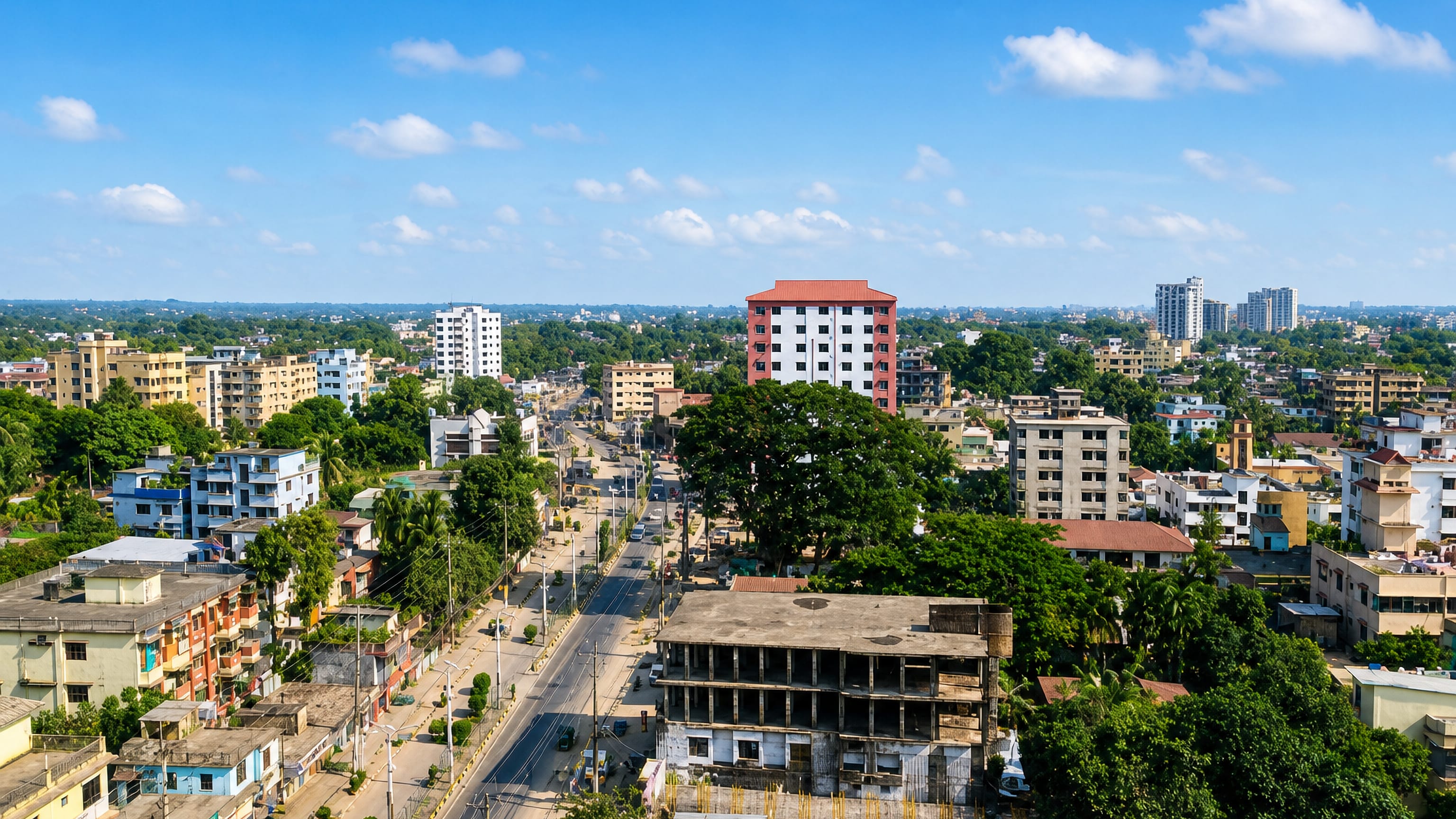
Bangladesh · Sylhet Division
Where to Stay in Sylhet, Sylhet Division
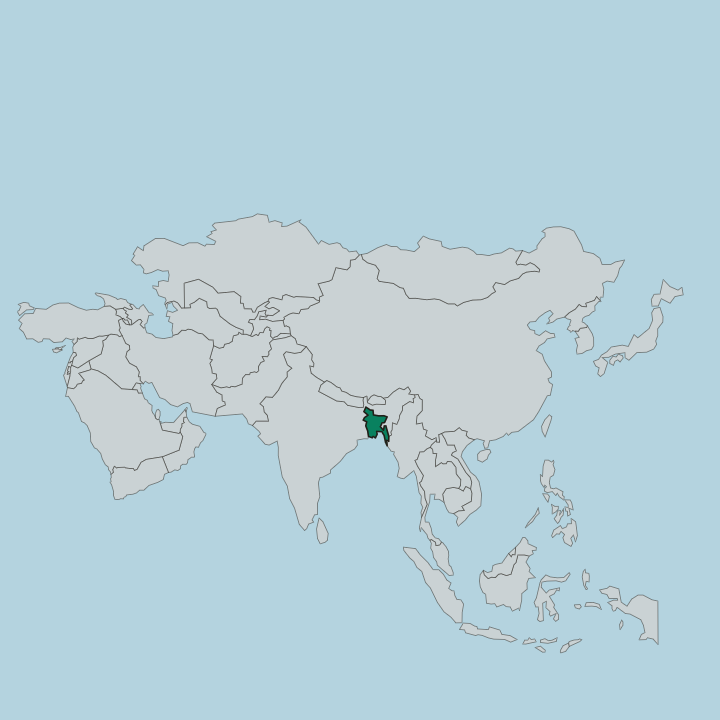
Sylhet is a tea-country city of northeastern Bangladesh, a shrine town on the Surma river ringed by green tea gardens below the hills of the border.
Hotel links are affiliate links: booking through them may earn us a commission, at no extra cost to you. It never affects how places are ranked. How this works


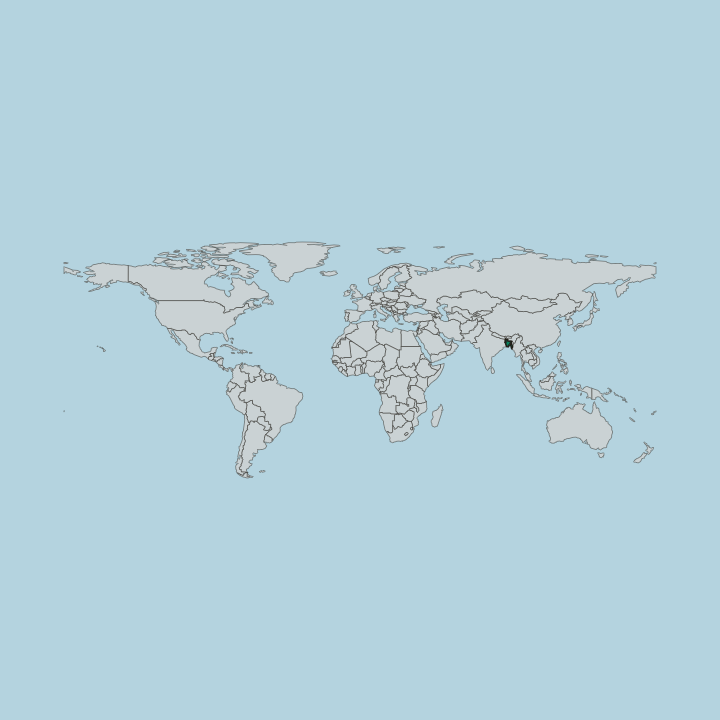
Where to stay in Sylhet
Where the beds are, and what that means for the visit.
Where you stay in Sylhet turns on the shrine or the tea country. The streets around the dargah keep the shrine, the bridge, and the bazaars within a walk, and staying in town suits anyone here for the city. Pilgrims fill the shrine lanes.
The river runs past the centre. Out among the tea gardens and the hills, the city gives way to green estates and wetlands. A room in the tea country trades the town for the gardens, the haors, and the road up to Jaflong and the falls.
Green tea rolls over the slopes. Stay in town for the shrine, or in the hills for the tea. The city lies a short drive down.
Find hotels in Sylhet
Direct booking searches for these neighbourhoods.
The town centre
Around the dargah within a walk of the riverFind hotels in The town centreStays wanting the gardens and the hillsThe tea country
Out among the tea estates toward JaflongFind hotels in The tea countryHotel links are affiliate links: booking through them may earn us a commission, at no extra cost to you. It never affects how places are ranked. How this works
Things to do in Sylhet
Ranked by global recognition; descriptions from Wikidata (CC0).
Museums & Galleries
2- Osmany Museum
- Museum of Rajas'
Castles & Historic Sites
2- Sylhet Central Shaheed Minar
- Madani Chattar
Stadiums & Sports
2- Sylhet International Cricket Stadium
- Sylhet Divisional Sports Complex
worth knowingacross 3 categories in Sylhet
About Sylhet
Sylhet is the tea and shrine city of the northeast.
What is Sylhet known for?
On the Surma river below the hills of the Indian border, it grew around the tomb of a great Sufi saint amid a country of tea gardens, and it keeps the shrine of Shah Jalal, the old Keane Bridge over the river, the tall-standing Ali Amjad clock, and the green tea estates and wetlands that ring the town. Tea bushes cover the hills. The Surma slides past the streets.
What are the main landmarks in Sylhet?
The shrine of Shah Jalal is the heart of Sylhet. The domed tomb of the Sufi saint on its hill, thronged by pilgrims and ringed by pools of holy fish, rises above the city, the emblem of the town, over the streets. An iron bridge spans the river.
The old Keane Bridge crosses the Surma by the clock tower, while the shrine of Shah Paran, the Rajas' palace museum, and the surrounding tea gardens mark the country around Sylhet.
What is the history of Sylhet?
Sylhet grew around the shrine of a saint. In 1303 the Sufi Shah Jalal came to the region and helped bring Islam to the northeast, and his tomb on a hill above the Surma became a place of pilgrimage that drew the faithful for centuries. The saint made the city holy.
Pilgrims and dervishes gathered at Shah Jalal's shrine, and Sylhet grew as a town of mosques and holy men on the eastern frontier. Later the British planted tea on the hills. In the eighteen-fifties the first tea gardens of the region were laid out around Sylhet, and the green estates spread across the slopes and drew labour from across India.
The gardens made it famous. Sylhet became the heart of the country's tea, and its people carried its name abroad, settling in Britain in such numbers that most British Bangladeshis trace their roots to this corner. The shrine still draws the faithful.
Sylhet keeps its shrine and its tea gardens on the Surma.
Where is Sylhet?
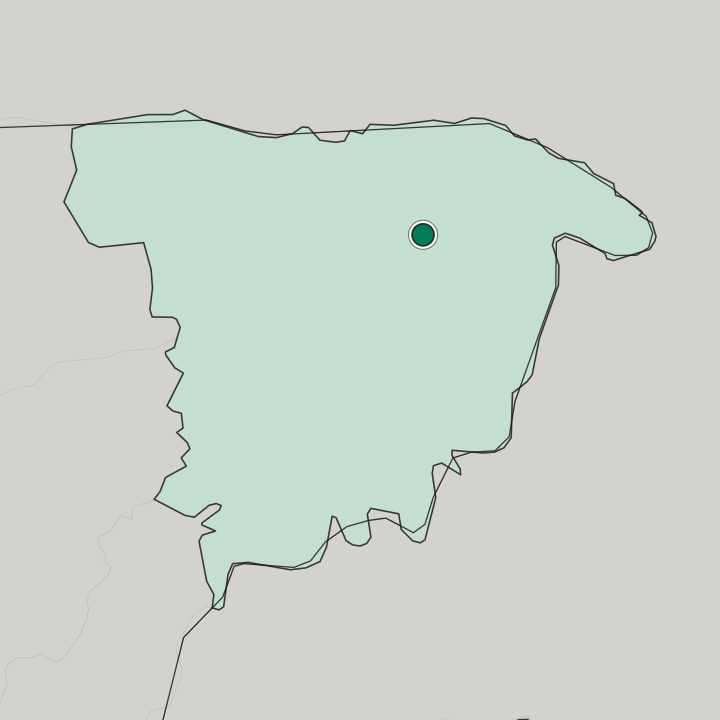
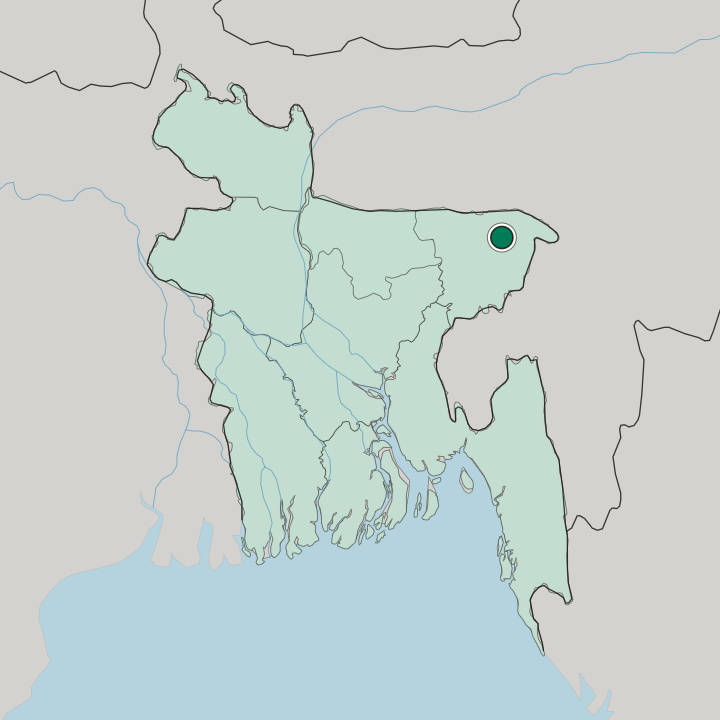
Sylhet lies in the far northeast of Bangladesh, on the Surma river below the hills of Meghalaya in India. The city stands on a low plain of tea gardens and wetlands, where the great haor marshes flood in the rains beneath the border ranges, with the Khasi and Jaintia hills rising green to the north. Flat wet country spreads around.
The river runs full in the monsoon.
What is the climate of Sylhet?
Sylhet has a warm, very wet monsoon climate. Hot humid summers and mild winters cross the plain, and some of the heaviest rain in the land falls here off the hills in the monsoon, feeding the tea and the marshes. Rain floods the haors each summer.
The tea stays green year round.
How do you get to Sylhet?
Sylhet lies in the far northeast of Bangladesh, up the Surma valley from Dhaka. Trains and roads run to it across the plains from the capital, and its airport links Dhaka and cities abroad. Hill roads run north to Jaflong and the border.
Dhaka lies far to the southwest.
Common questions
What is the best area to stay in Sylhet?
The town centre: Visitors here for the shrine, bridge, and bazaars. The tea country: Stays wanting the gardens and the hills.
Good for
Updated September 2026