Bulgaria · Oblast Pleven
Where to Stay in Pleven, Oblast Pleven
Pleven is a historic city of northern Bulgaria, famed for the great siege of 1877 and its memorial park.
Hotel links are affiliate links: booking through them may earn us a commission, at no extra cost to you. It never affects how places are ranked. How this works


Where to stay in Pleven
The practical side of choosing where to sleep.
Where you stay in Pleven turns on the centre and the park. The streets around the pedestrian centre keep the museums, the shops, and the panorama within reach, and staying downtown suits anyone here for the sights. The old square fills in the evening.
Most Pleven beds stand a block or two off the pedestrian streets. Out toward Skobelev Park and the edge, the town gives way to green slopes. A room by the park trades the centre for the memorials, the woods, and the quiet of the hill.
The wide plain opens past the edge. If you want the museums and the shops, stay downtown; if you want the park, take a room by the hill. Whichever you pick, the pedestrian streets are a few minutes off.
Find hotels in Pleven
Direct booking searches for these neighbourhoods.
The centre
Around the pedestrian centre within reach of the sightsFind hotels in The centreStays wanting the memorials and the woodsSkobelev Park
Toward the park and the green hill at the edge of townFind hotels in Skobelev ParkHotel links are affiliate links: booking through them may earn us a commission, at no extra cost to you. It never affects how places are ranked. How this works
Things to do in Pleven
Ranked by global recognition; descriptions from Wikidata (CC0).
Museums & Galleries
3- Pleven Panorama
- St George the Conqueror Chapel Mausoleum
- Pleven Regional History Museum
Churches & Religious Sites
1- Sveti Nikolay church
Castles & Historic Sites
1- Storgosia
Landmarks & Notable Places
1- Pleven TV Tower
worth knowingacross 4 categories in Pleven
About Pleven
Pleven is the city of the great siege.
What is Pleven known for?
On the plains of northern Bulgaria, it was here in 1877 that the Russian and Romanian armies fought the Ottomans for five long months, and the city keeps the memory in a huge painted panorama, a chapel-mausoleum to the fallen, and the graves of Skobelev Park. The plain rolls away around. War and memory mark the city.
What are the main landmarks in Pleven?
The Pleven Panorama towers over Skobelev Park. The great round building holds a vast painting of the 1877 battle, the emblem of the city, on the southern hill. A chapel-mausoleum stands nearby.
The Saint George Chapel keeps the bones of the fallen soldiers, while the regional history museum and the mass graves of Skobelev Park mark the memorial city of Pleven.
What is the history of Pleven?
Pleven grew as a market town of the northern plains. An old settlement on the road between the Danube and the mountains, it gathered traders and farmers at its fairs, and under Ottoman rule it became a busy town of the Bulgarian lands. Then war made its name.
In 1877 the Russian army, marching to free Bulgaria, met the Ottomans dug in around Pleven. The siege held the world's eyes for months. Osman Pasha and his men held the town against far greater numbers from July to December, until hunger and cold forced them out, and the long fight decided the war and the freedom of Bulgaria.
Both sides left their dead on the fields. The city raised chapels, a mausoleum, and mass graves to the fallen, and long after painted a vast panorama of the battle. The old memorials still stand in the parks.
Pleven keeps the memory of the siege on the plains.
Where is Pleven?
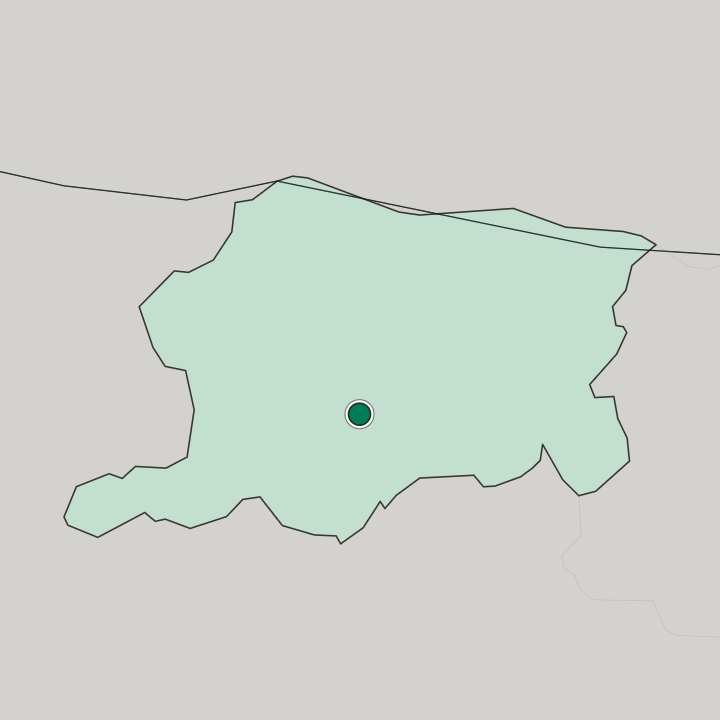
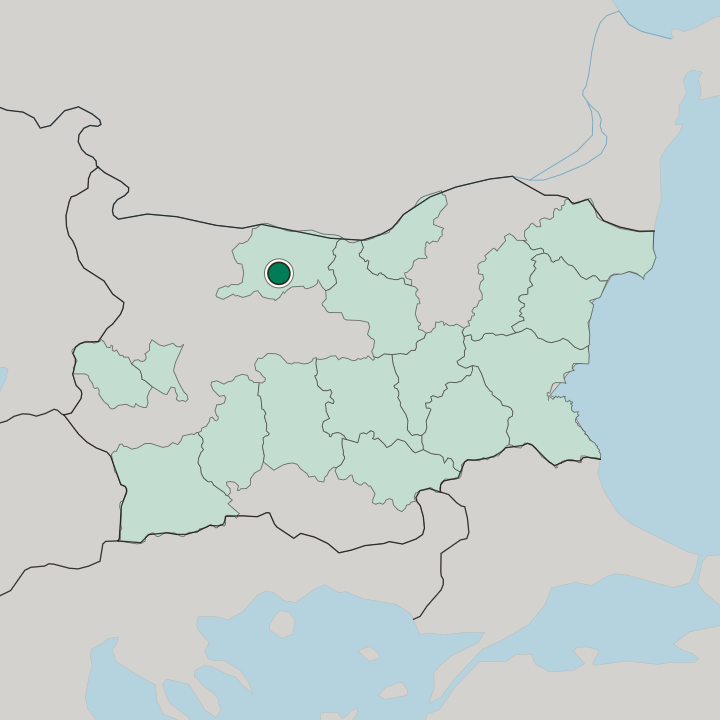
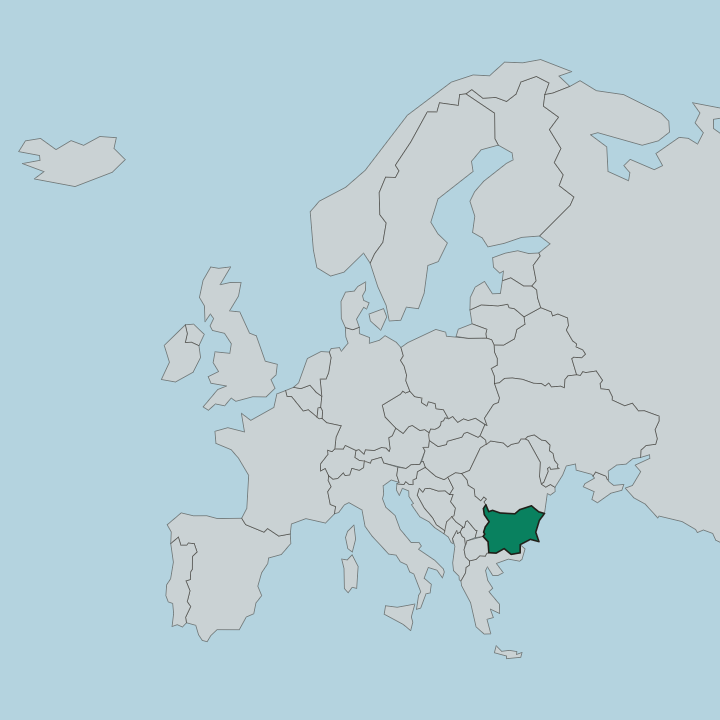
Pleven lies on the plains of north-central Bulgaria, between the Danube and the Balkan mountains. The city sits among low hills and vineyards on the Tuchenitsa stream, in the fertile Danubian tableland, north of the great range. Wide farmland rolls around.
The plain runs down to the Danube.
What is the climate of Pleven?
Pleven has a warm continental climate. Hot, dry summers cross the plain, and the winters turn cold with frost and snow, tempered in spring and autumn, with rain light through much of the year. Dry winds sweep the fields in summer.
The plain turns green in the spring.
How do you get to Pleven?
Pleven lies in north-central Bulgaria, north of the Balkan mountains. Roads and rail run to it from Sofia and the Danube towns across the plains, and the line to Varna crosses the country here. Bus lines fan out from Pleven across the Danube plain.
Most arrive by road from Sofia.
Common questions
What is the best area to stay in Pleven?
The centre: Visitors here for the museums, panorama, and shops. Skobelev Park: Stays wanting the memorials and the woods.
Good for
Updated September 2026