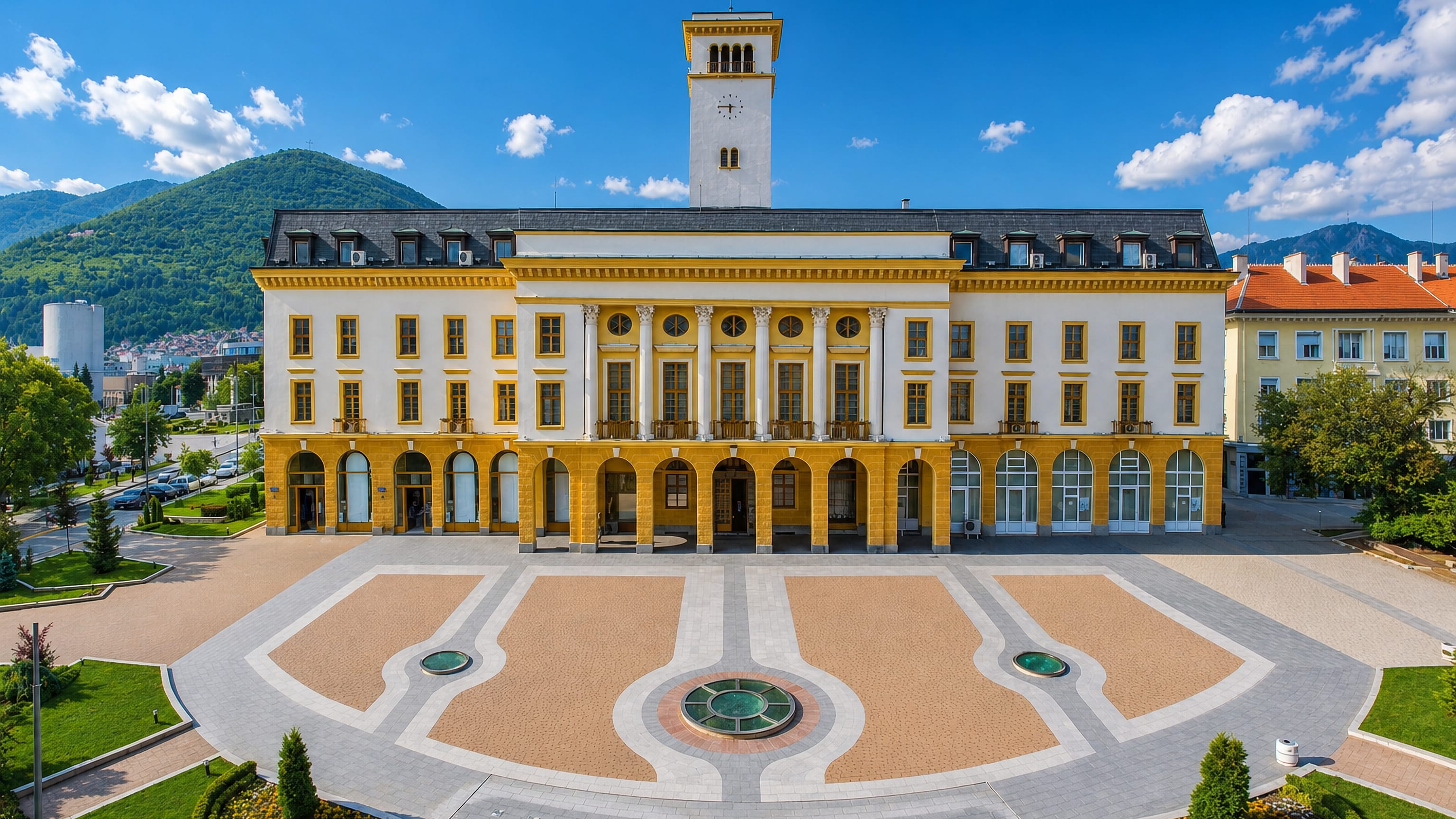
Bulgaria · Oblast Sliven
Where to Stay in Sliven, Oblast Sliven
Sliven is a city below the Balkan Mountains in eastern Bulgaria, known for its blue rocks, its rebel hajduks, and the first textile mills in the land.
Hotel links are affiliate links: booking through them may earn us a commission, at no extra cost to you. It never affects how places are ranked. How this works


Where to stay in Sliven
The practical side of choosing where to sleep.
Where you stay in Sliven turns on the town or the mountain. The streets around the centre keep the plane tree, the museums, and the market within a walk, and staying downtown suits anyone here for the city. Crags rise over the roofs.
The old plane shades the square. Up toward the Blue Rocks and the ridge, the town gives way to crags, forest, and the mountain park. A room by the heights trades the centre for the cable car, the rock trails, and the walks in the mountain forest.
The blue crags loom past the trees. Stay downtown for the plane tree, or up the mountain for the rocks. The town lies a climb below.
Find hotels in Sliven
Direct booking searches for these neighbourhoods.
The town centre
Around the centre below the mountainsFind hotels in The town centreStays wanting the crags and rock trailsThe Blue Rocks
Up toward the ridge and mountain parkFind hotels in The Blue RocksHotel links are affiliate links: booking through them may earn us a commission, at no extra cost to you. It never affects how places are ranked. How this works
Things to do in Sliven
Ranked by global recognition; descriptions from Wikidata (CC0).
Museums & Galleries
3- Dimitar Dobrovich Art Gallery
- House Museum “Hadji Dimitar”
- Museum of textile industry
Churches & Religious Sites
3- Saint Sophia Church
- Saint Nikola church
- Category:Saint Demetrius Church, Sliven
Castles & Historic Sites
1- Late antiqe and medieval fortress “TUIDA”
worth knowingacross 3 categories in Sliven
About Sliven
Sliven is the city of the hundred rebels.
What is Sliven known for?
Below the wall of the Balkan Mountains where strange blue-grey rocks rise on the ridge, it was long a nest of the hajduks, the outlaws who fought the Ottomans from the hills, and it keeps the blue rocks and their cable car, the memory of the rebel Hadzhi Dimitar born here, an ancient plane tree in its square, and the first textile mill of the country. The mountains wall the town. The blue rocks crown the ridge.
What are the main landmarks in Sliven?
The Blue Rocks rise over Sliven. The strange blue-grey crags on the mountain ridge above the town, reached by an old cable car, loom over the streets, the emblem of the city, from the heights. An ancient tree stands in the square.
The great old plane tree spreads its branches in the centre, while the hajduk hero's house, the Tuida fortress, and the textile museum mark the streets of Sliven.
What is the history of Sliven?
Sliven was long a town of rebels. Under Ottoman rule the folk of the Balkan foothills took to the mountains as hajduks, outlaws who raided the Turks and hid in the blue rocks above the town, and Sliven counted so many of their leaders that it was called the city of the hundred voivodes. The rebels held the hills.
From the crags above Sliven the hajduk bands watched the roads, and the town gave the nation heroes like Hadzhi Dimitar. The town turned early to industry. In 1834 the first mechanized textile mill in the whole Ottoman empire was built at Sliven, and the town became a centre of cloth and wool on the plain.
Freedom came with the century's end. When Bulgaria threw off Ottoman rule, Sliven kept its mills, its rebel memory, and the great blue rocks above it, and it grew as a city below the mountains. The blue rocks still crown the ridge.
Sliven keeps its rocks and its rebel story below the Balkan range.
Where is Sliven?
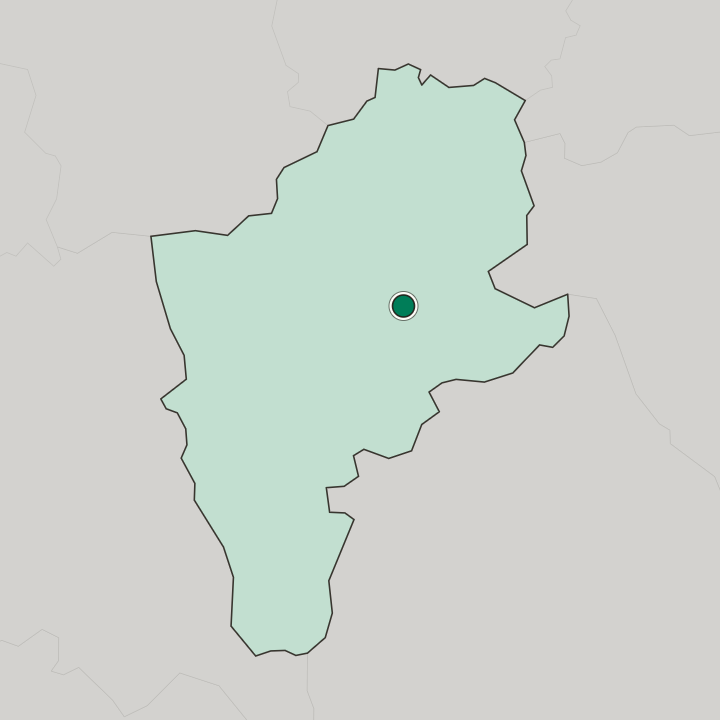
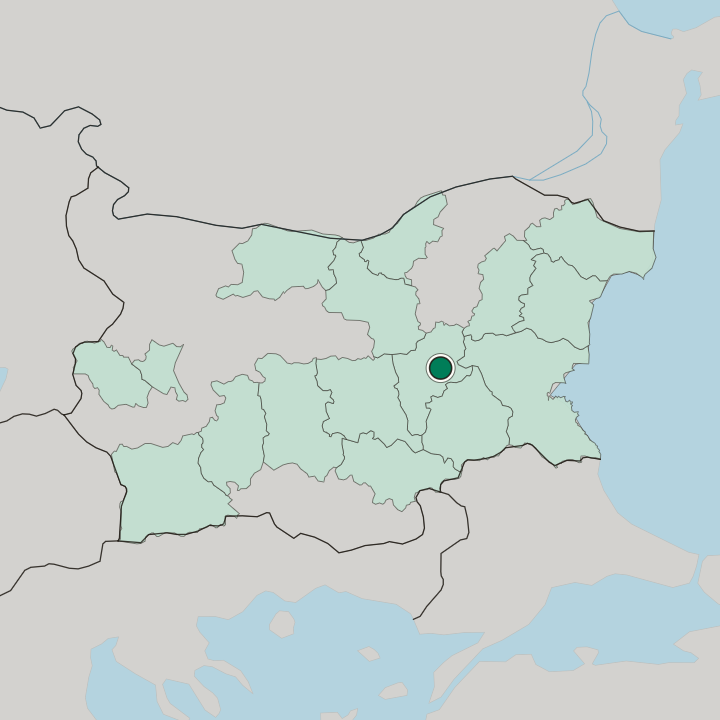
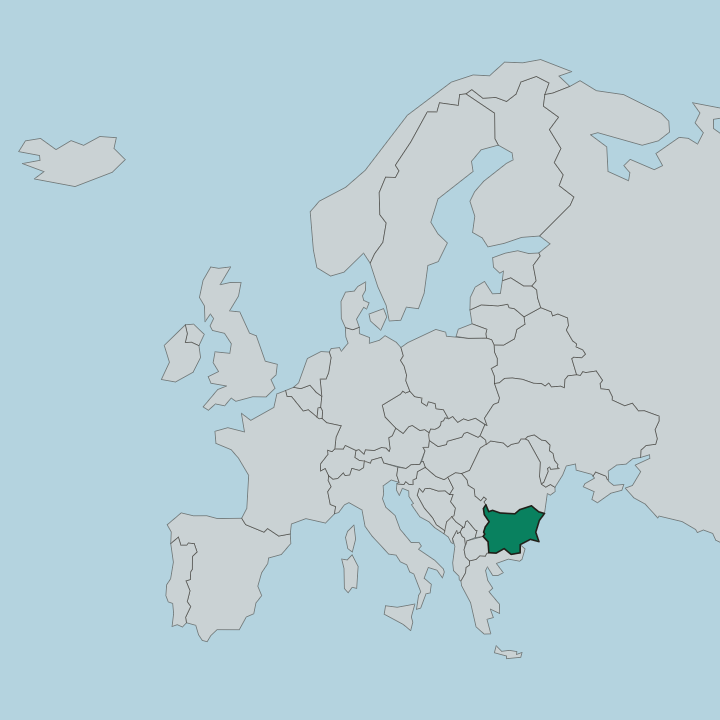
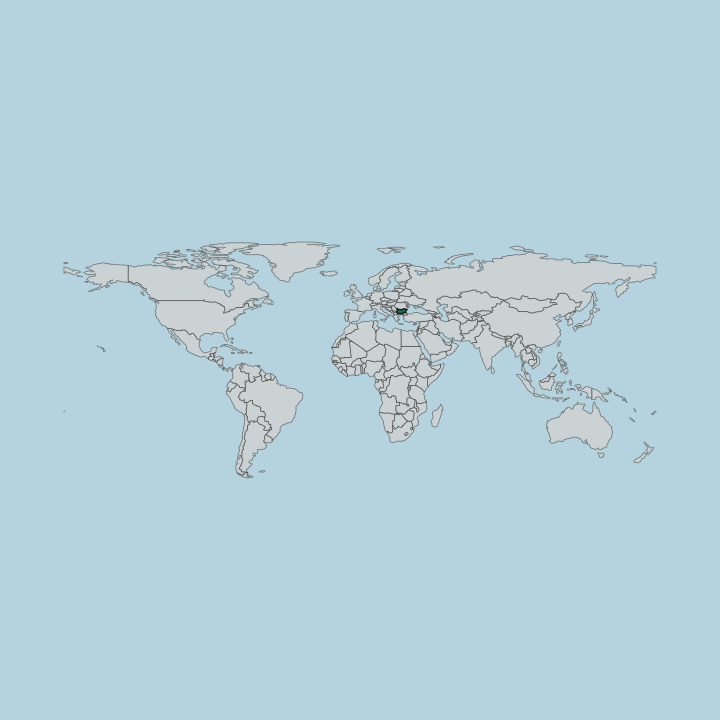
Sliven lies in eastern Bulgaria, at the southern foot of the Balkan Mountains on the Thracian plain. The city sits where the great range drops to the plain, below the rocky ridge of the Blue Rocks that rises above it, with vineyards and the wide lowland spreading south. Bare crags rise sheer behind.
The plain runs flat to the south.
What is the climate of Sliven?
Sliven has a temperate climate marked by a fierce wind. Warm summers and cold winters cross the plain, but a strong dry wind, the bora, sweeps down off the mountains in the cold months. The wind roars down from the ridge.
Snow caps the heights in winter.
How do you get to Sliven?
Sliven lies in eastern Bulgaria, on the road and rail between Burgas and the interior. Trains and the highway run to it along the foot of the mountains from Burgas and Stara Zagora, and lifts climb to the blue rocks. Roads run out to the vineyards.
Burgas lies east on the coast.
Common questions
What is the best area to stay in Sliven?
The town centre: Visitors here for the plane tree and museums. The Blue Rocks: Stays wanting the crags and rock trails.
Good for
Updated October 2026