Bulgaria · Oblast Yambol
Where to Stay in Yambol, Oblast Yambol
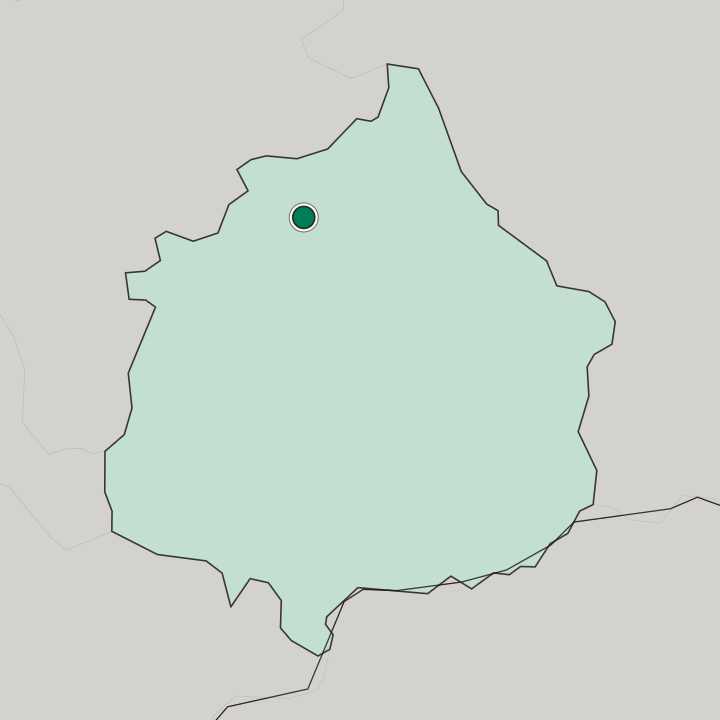
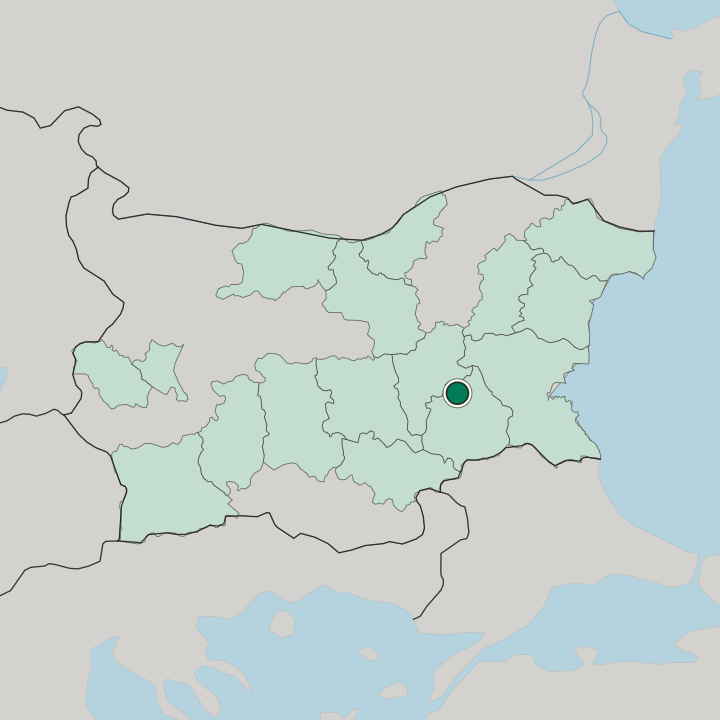
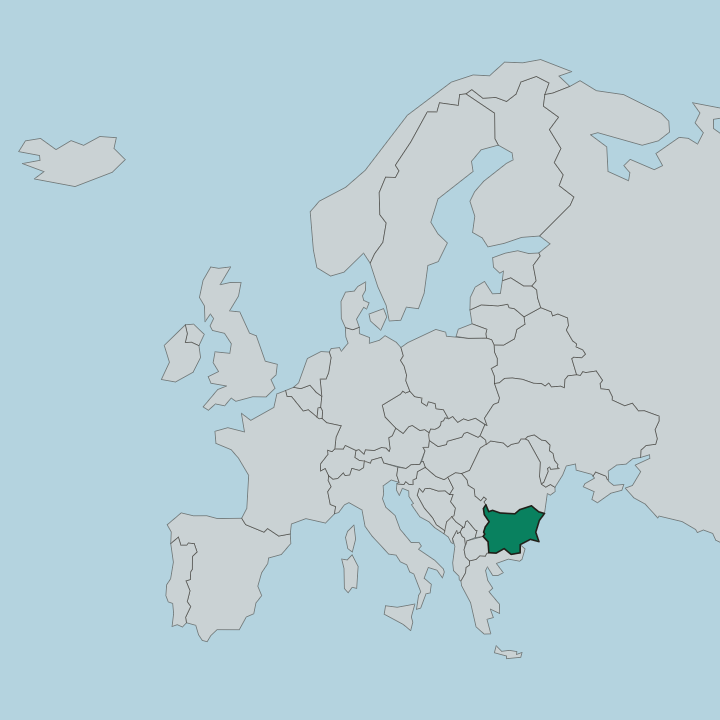
Yambol spreads along both banks of the Tundzha in the Upper Thracian Plain, the administrative centre of Yambol Province in historical Thrace.
Hotel links are affiliate links: booking through them may earn us a commission, at no extra cost to you. It never affects how places are ranked. How this works


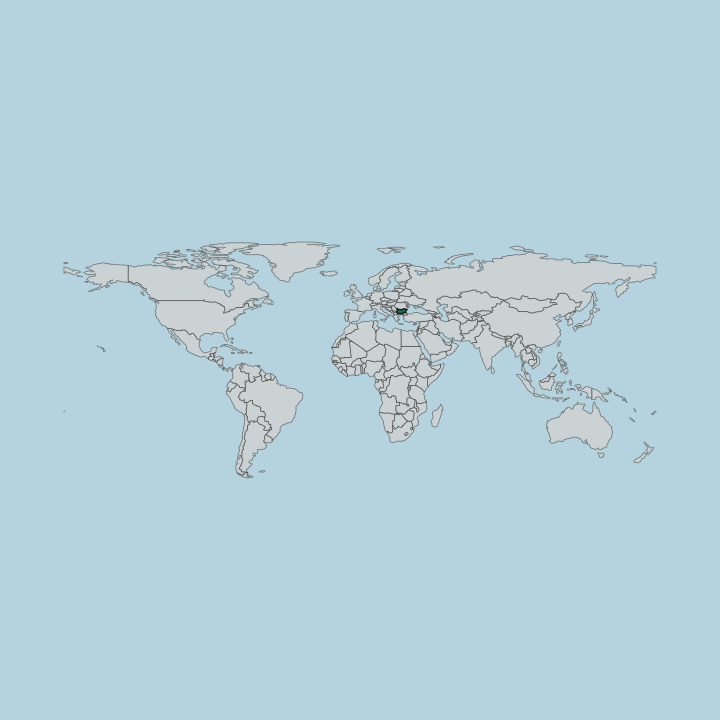
Where to stay in Yambol
The practical side of choosing where to sleep.
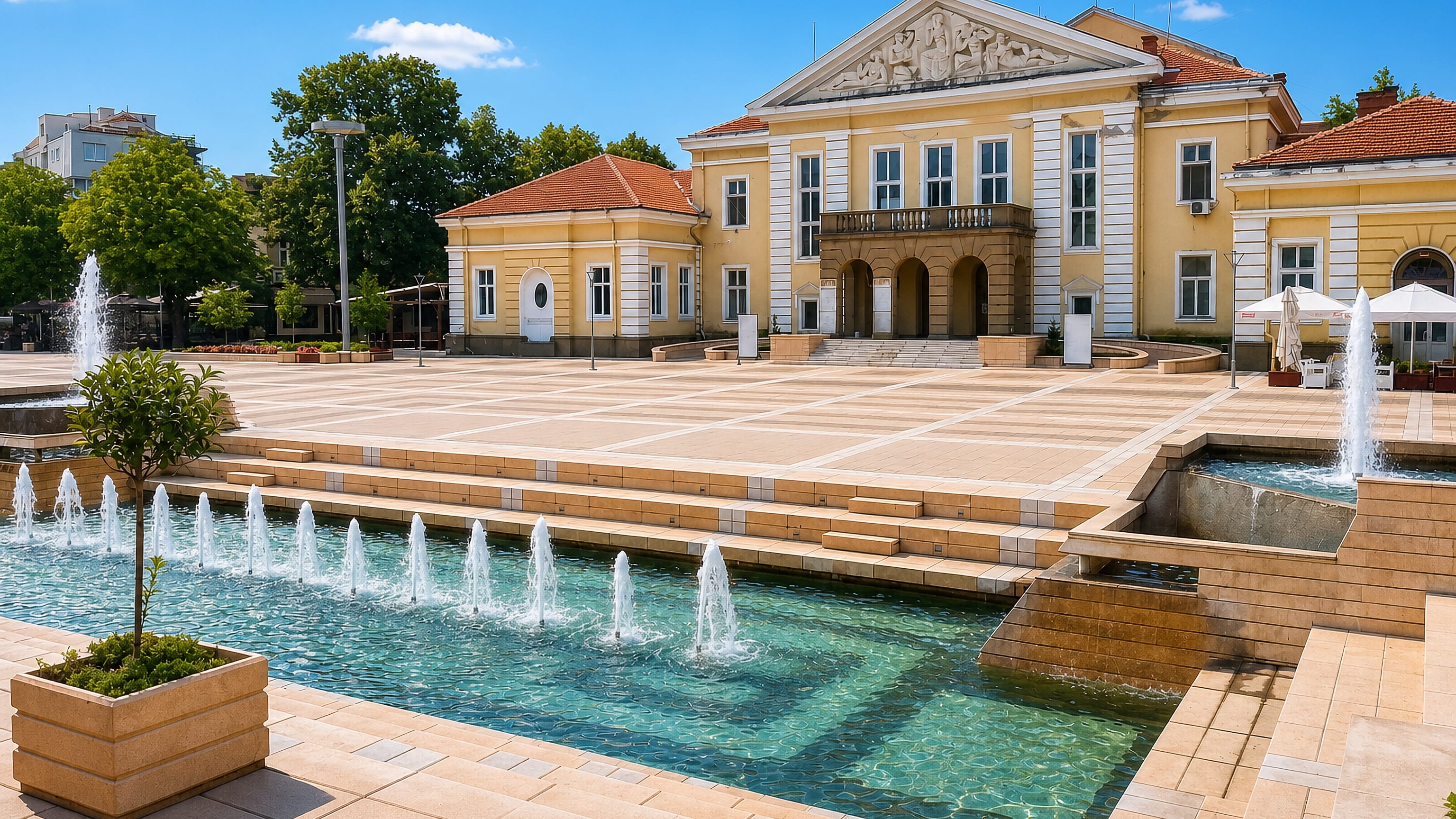
The Bezisten fixes the centre. A room near Yambol Bezisten puts the Regional History Museum (Yambol), St George Church, and the Saints Cyril and Methodius Church inside a walk that takes an easy morning rather than a planned expedition. The Tundzha offers the alternative.
Yambol occupies both banks, so a room across the water keeps the centre near without sitting in it, which suits anyone who would rather cross a bridge than a square to reach dinner. Sliven changes the terrain. The next province centre sits close under the Balkan Mountains, so a base there trades the flat Tundzha country for relief, and Yambol becomes the day out rather than the address.
Sliven's province is the other one on this stretch of the plain, and a night in either city puts the other within reach. Military history has its own corner. The Museum of Battle Glory (Yambol), the monument to the 23rd Cossack Regiment, and the monument to the Russian soldiers make a short circuit of their own, and a base pointed at them saves doubling back across the city. Света Троица and the other churches stay within the same walk whichever bank the bed is on.
Find hotels in Yambol
Direct booking searches for these neighbourhoods.
Around the Yambol Bezisten
Yambol Bezisten is what the centre organises itself around, and the Regional History Museum (Yambol) falls on the same morning.Find hotels in Around the Yambol Bezistenquieter nights with the river between the room and the centreThe far bank of the Tundzha
The Tundzha splits Yambol in two, so the opposite bank keeps the centre a bridge away rather than underfoot.Find hotels in The far bank of the Tundzhaa base under the Balkan Mountains with Yambol as the flat-country daySliven
Sliven is the next province centre, close under the Balkan Mountains, and it adds the relief the Tundzha plain cannot.Find hotels in Slivenvisitors following the city's military recordNear the Museum of Battle Glory
The Museum of Battle Glory (Yambol) and the monument to the 23rd Cossack Regiment belong to one short afternoon circuit.Find hotels in Near the Museum of Battle GloryHotel links are affiliate links: booking through them may earn us a commission, at no extra cost to you. It never affects how places are ranked. How this works
Things to do in Yambol
Ranked by global recognition; descriptions from Wikidata (CC0).
Museums & Galleries
2- Yambol Bezisten
- Museum of Battle Glory (Yambol)
Churches & Religious Sites
3- St George Church
- Saints Cyril and Methodius Church
- Света Троица
worth knowingacross 2 categories in Yambol
About Yambol
The Bezisten is the landmark.
What is Yambol known for?
Yambol Bezisten is the building the city is known by, and the Regional History Museum (Yambol) sets out what the streets around it are made of. Worship accounts for the next three entries. St George Church, the Saints Cyril and Methodius Church, and Света Троица divide the city's religious ground, while the Museum of Battle Glory (Yambol) keeps a military record that the monuments outside repeat in stone.
What are the main landmarks in Yambol?
One building leads the list. Yambol Bezisten is the name most visits are organised around, and the Regional History Museum (Yambol) and the Museum of Battle Glory (Yambol) split the indoor half of the city between general history and the military record. St George Church, the Saints Cyril and Methodius Church, and Света Троица take the rest.
Two monuments finish it, one to the 23rd Cossack Regiment and one to the Russian soldiers.
What is the history of Yambol?
Thrace is the older frame. Yambol stands in the historical region of Thrace, and the Regional History Museum (Yambol) carries that long sequence down to the modern province the city administers. The Bezisten is the standing evidence.
Yambol Bezisten sits at the centre of that account, and what the museum holds gives the building the context that a single façade cannot carry on its own. Three churches carry the religious record: St George Church, the Saints Cyril and Methodius Church, and Света Троица. War has its own museum here.
The Museum of Battle Glory (Yambol) sets out the military side, and elsewhere in the city the monument to the 23rd Cossack Regiment and the monument to the Russian soldiers mark the same history in the open air. The spelling has wavered too. Ямбол is the form in Bulgarian, and the city is occasionally spelled Jambol in other alphabets, which is the kind of detail that follows a place sitting on a route between regions. Sliven, the next province centre, lies close under the Balkan Mountains, an easy distance from the Tundzha country around Yambol.
Where is Yambol?
Water divides it, plain surrounds it. The Tundzha cuts Yambol in two, and the Upper Thracian Plain carries the city outward from the river in every direction until the ground begins to rise toward Sliven and the Balkan Mountains. Thrace is the historical name for this ground.
Yambol Province takes in the country around, and the plain gives it level ground rather than relief, with the mountains left to Sliven's side of the map.
What is the climate of Yambol?
The Balkan Mountains stand off to one side. Yambol lies out on the Upper Thracian Plain rather than under the range, so the shelter that Sliven gets from the Balkan Mountains does not extend this far, and the seasons arrive on open ground. Temperate is the short answer.
Summer heat gathers over the plain, and winter arrives properly rather than mildly, which is what an inland river town without a coast or a mountain wall gets.
How do you get to Yambol?
Sliven is the neighbour that matters. The next province centre lies close under the Balkan Mountains, which makes the two an easy pair on any route through the Upper Thracian Plain. The Tundzha marks the middle of Yambol for anyone arriving without a map, since the city occupies both of its banks.
Yambol Province spreads around the city, and the plain keeps every approach level.
Common questions
What is the best area to stay in Yambol?
Around the Yambol Bezisten: a walking stay with the city's signature building at the door. The far bank of the Tundzha: quieter nights with the river between the room and the centre. Sliven: a base under the Balkan Mountains with Yambol as the flat-country day. Near the Museum of Battle Glory: visitors following the city's military record.
Good for
Updated September 2026