Bolivia · Departamento de Oruro
Where to Stay in Oruro, Departamento de Oruro
Oruro is a mining city high on the Bolivian Altiplano, famous for a great carnival of dancing devils.
Hotel links are affiliate links: booking through them may earn us a commission, at no extra cost to you. It never affects how places are ranked. How this works


Where to stay in Oruro
Where the beds are, and what that means for the visit.
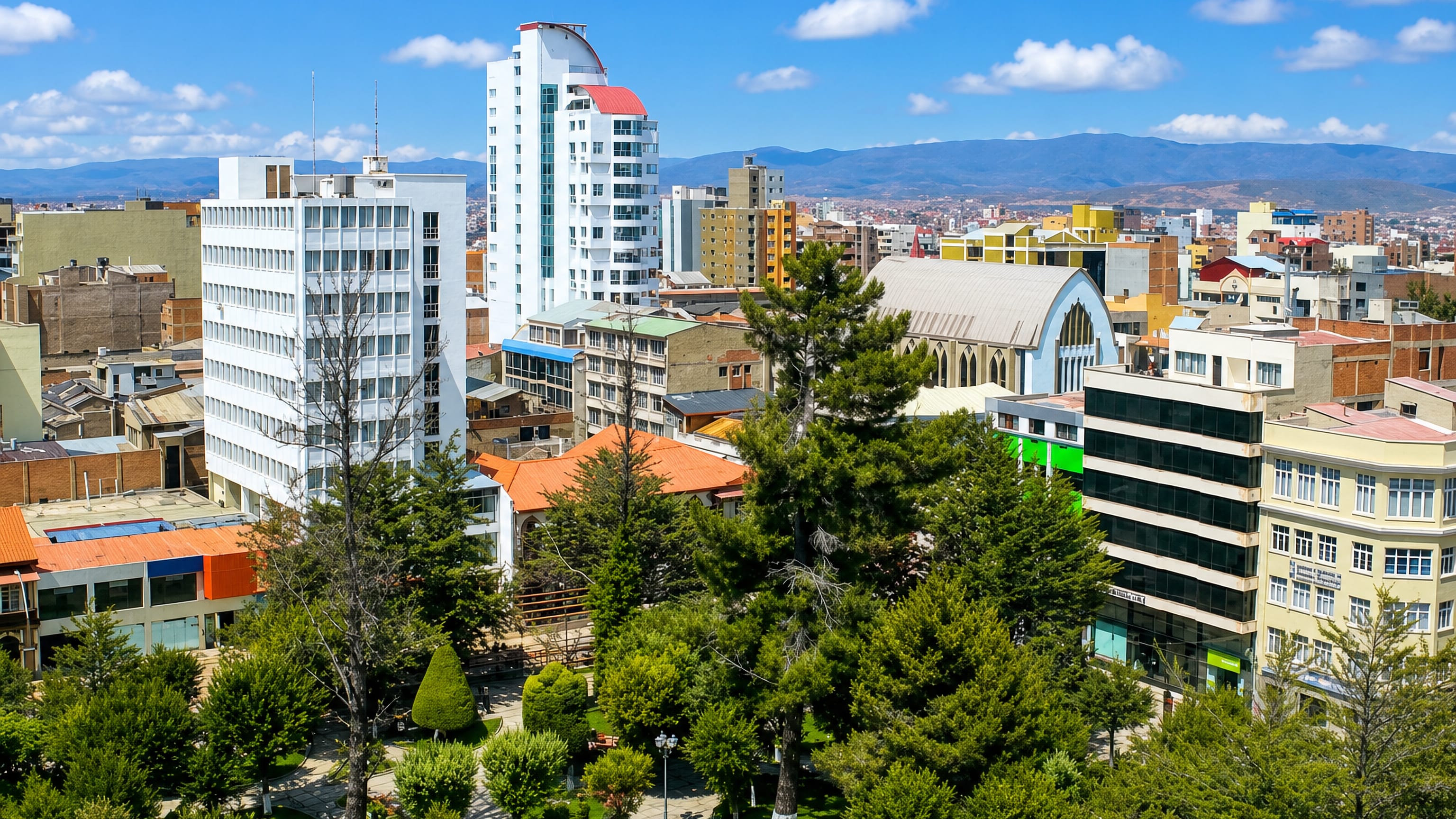
In Oruro the question is simply how near the main plaza you want to sleep. The streets around the main plaza keep the cathedral, the museums, and the market within a walk, and staying downtown suits anyone here for the city. The plaza is quiet in the thin cold air.
Rooms sit near the square and shrine. Out toward the station and the edges, the town spreads into plainer streets. A room away from the centre trades the plaza for parking, space, and an easy way to the trains and the road.
The bare plateau opens flat past the town. If you want the shrine and the museums, stay in the centre; if you want the road, take a room outside. Either way, the carnival city is close at hand.
Find hotels in Oruro
Direct booking searches for these neighbourhoods.
The centre
Around the main plaza and the sanctuary of the Virgen del Socavón, within a walk of the marketFind hotels in The centreStays wanting parking and the road outStation and edges
Away from the centre near the station, an easy way to the trains and the roadFind hotels in Station and edgesHotel links are affiliate links: booking through them may earn us a commission, at no extra cost to you. It never affects how places are ranked. How this works
Things to do in Oruro
Ranked by global recognition; descriptions from Wikidata (CC0).
Museums & Galleries
1- Museo Nacional Antropológico Eduardo López Rivas
Churches & Religious Sites
2- Church of Curahuara de Carangas Heritage
- Cathedral of Our Lady of the Assumption Heritage
Castles & Historic Sites
8- Conchupata Lighthouse Heritage
- Santuario de Nuestra Señora de Sabaya Heritage
- Casco de minero Heritage
- Conv. de San Agustín de Challacollo Heritage
- Cuartel Modelo de Oruro Heritage
Show 3 more →
- Inmueble de la Fundación Universitaria Simón I. Patiño Heritage
- Monumento de la Virgen del Socavón Heritage
- Monumentos a los mineros Heritage
worth knowingacross 3 categories in Oruro
About Oruro
Oruro is known for its wild carnival.
What is Oruro known for?
Each year the mining city erupts in the Carnival of Oruro, a huge procession of masked devils dancing the Diablada in honour of the Virgin of the Mineshaft, the patroness of the miners. A shrine to her crowns the hill above the town. Devils and silver mark the city.
What are the main landmarks in Oruro?
The shrine of the Virgin crowns the hill above Oruro. The sanctuary of the Virgen del Socavón, patroness of the miners, looks down on the city, the heart of the great carnival, at the mouth of an old mine. Museums hold the masks and the mines.
The Museo Nacional Antropológico keeps the devil masks of the Diablada, while the cathedral and the Conchupata Lighthouse mark the old town.
What is the history of Oruro?
Oruro rose on the silver and tin of the mountains. The Spanish founded the city in the seventeenth century to work the rich lodes of the high sierra, and centuries later it became the tin capital of Bolivia, its mines making men like the baron Patiño some of the richest in the world. The mines drove everything.
Thousands of miners toiled underground on the cold plateau, and they prayed to the Virgin of the Mineshaft, the Virgen del Socavón, for protection in the dark. Out of the mines came a great carnival. The miners' devotion and the old Andean dances grew together into the Carnival of Oruro, a vast procession in which masked dancers perform the Diablada, the dance of devils, before the shrine of the Virgin.
In time the tin ran out. The great mines closed and the city grew poorer, but the carnival only grew grander, drawing crowds from across the world. The festival was later named a treasure of the world.
Oruro still dances its devils high on the Altiplano.
Where is Oruro?
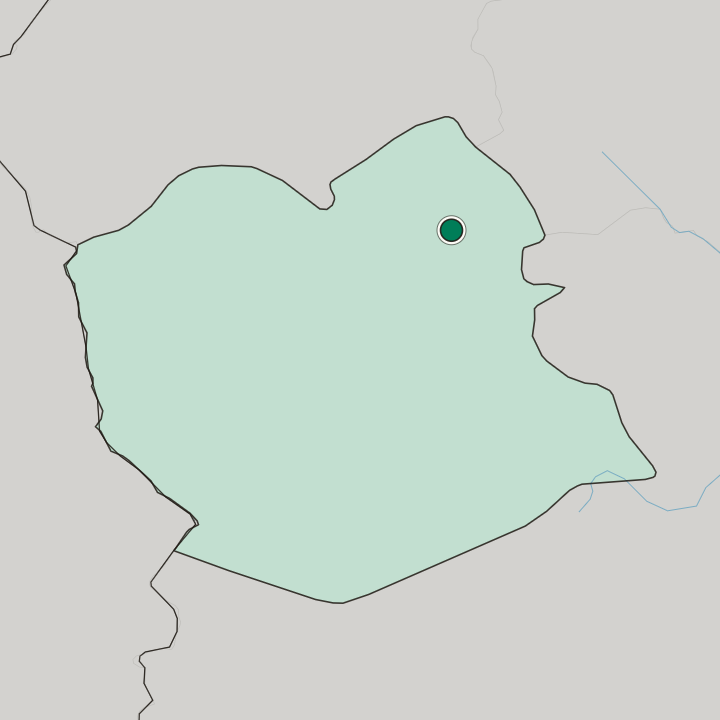
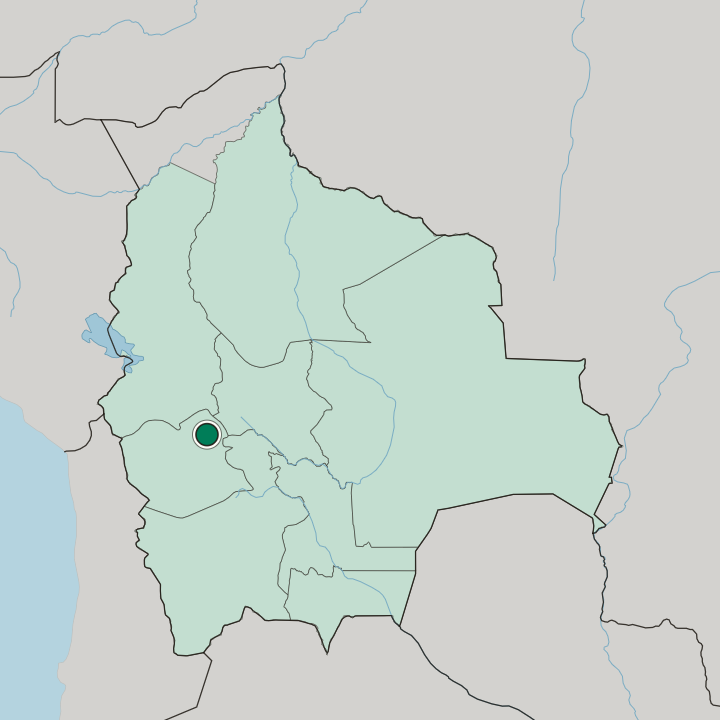
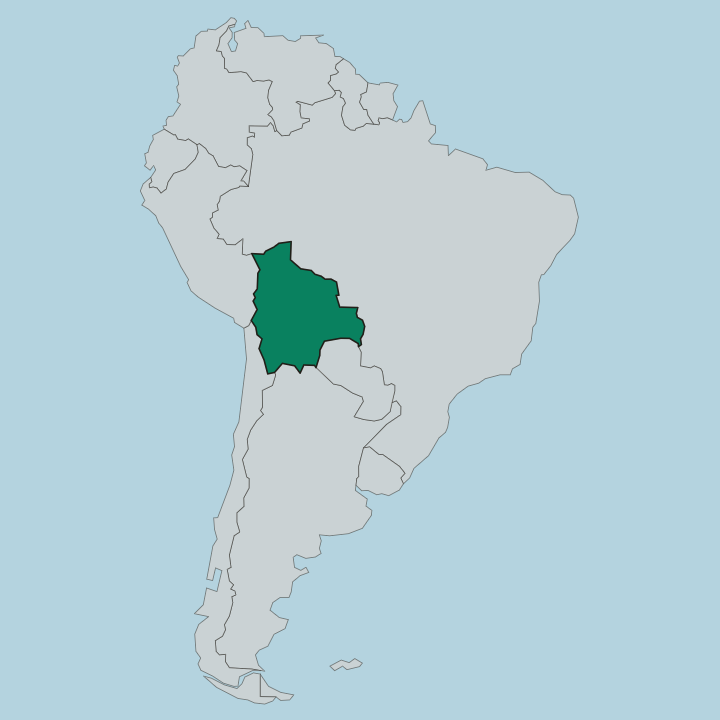
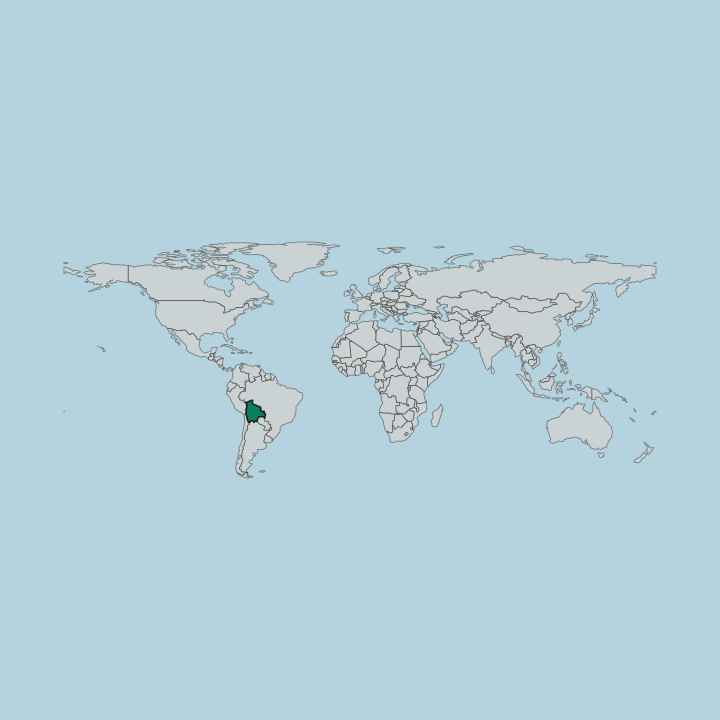
Oruro lies high on the windswept Altiplano. The city sits over three and a half thousand metres up on the bare Bolivian plateau, ringed by dry hills and salt flats, with shallow Lake Uru Uru to the south. Thin cold air hangs over the plain.
The empty Altiplano stretches wide beyond.
What is the climate of Oruro?
Oruro has a cold, dry highland climate. The great altitude keeps the city cold all year, with freezing nights and thin sun, and rain comes only in a short summer season. Icy winds sweep the bare plateau.
The high plain stays harsh and dry.
How do you get to Oruro?
Oruro lies on the high road across the Bolivian Altiplano. Rail lines and highways run to it between La Paz and the salt flats of the south, and buses cross the plateau in every direction. A famous tourist train sets out for Uyuni from here.
Most arrive by road across the high plain.
Common questions
What is the best area to stay in Oruro?
The centre: Visitors here for the shrine, cathedral, and museums. Station and edges: Stays wanting parking and the road out.
Good for
Updated October 2026