Bolivia
Departamento de Oruro, Bolivia — Towns & Travel Guide
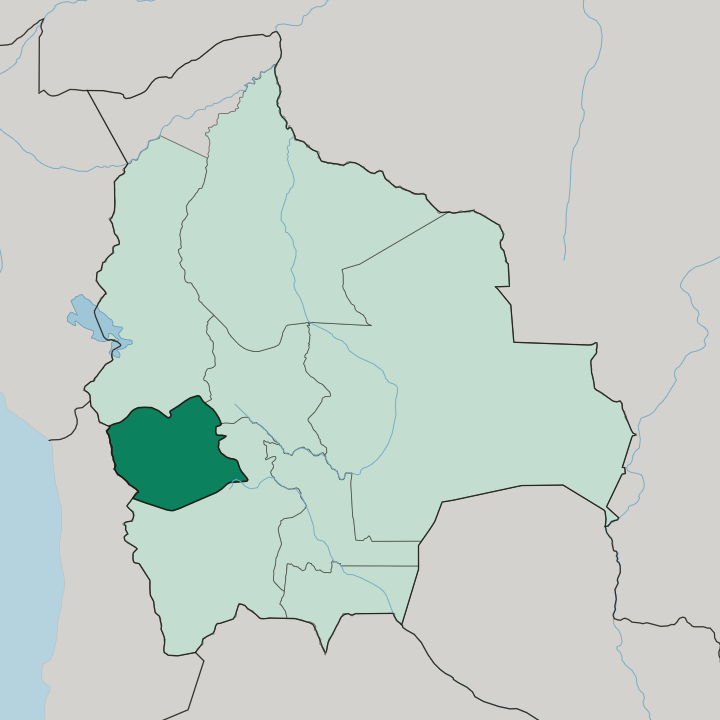
Oruro is a department of the Bolivian Altiplano, a high open plain in Bolivia, and its capital city carries the same name.
Hotel links are affiliate links: booking through them may earn us a commission, at no extra cost to you. It never affects how places are ranked. How this works


Towns & cities in Departamento de Oruro
One town here has its own guide — it links to where to stay.

 Bolivia
Oruro
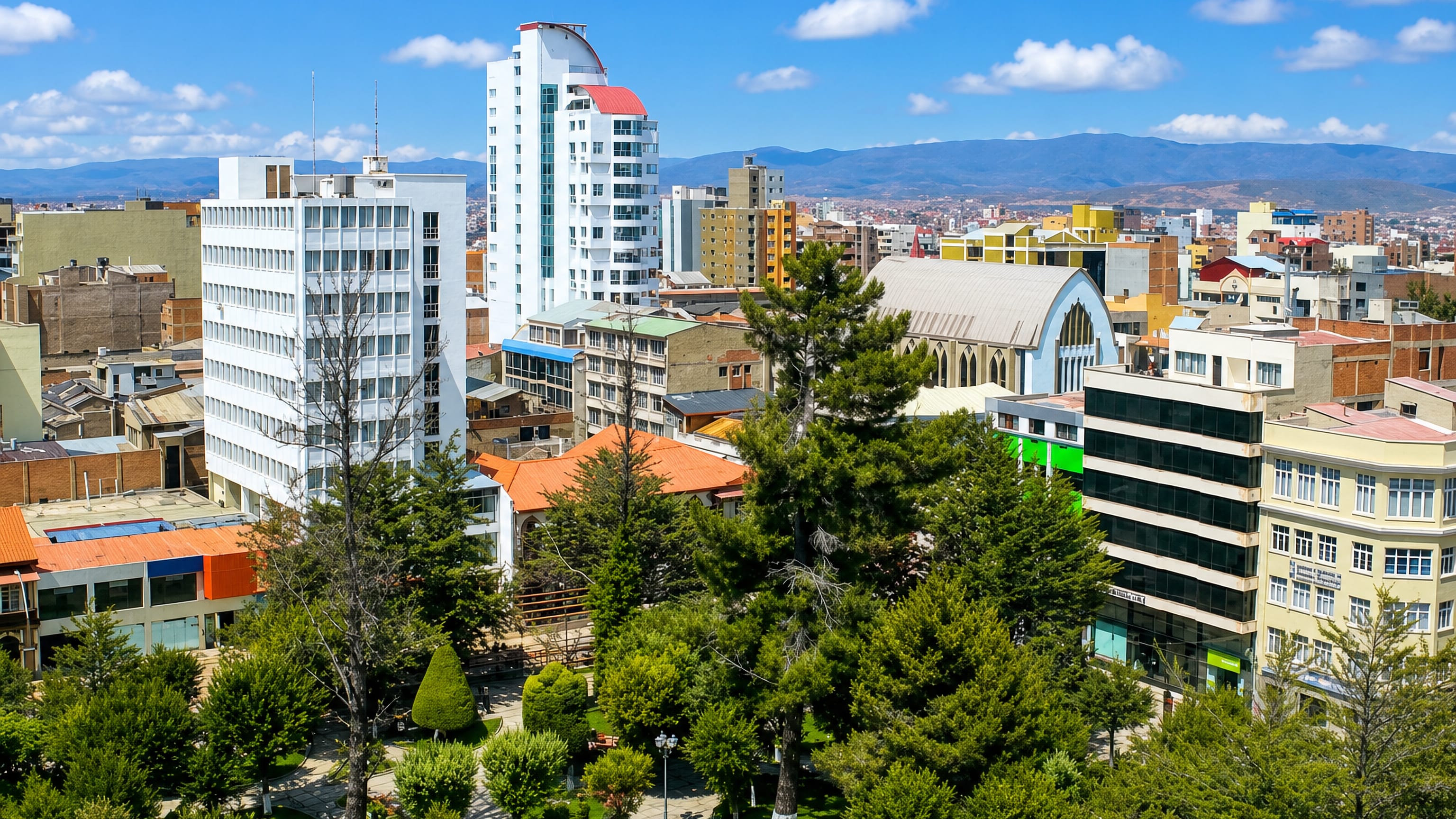
Oruro is a mining city high on the Bolivian Altiplano, famous for a great carnival of dancing devils.Where to stay →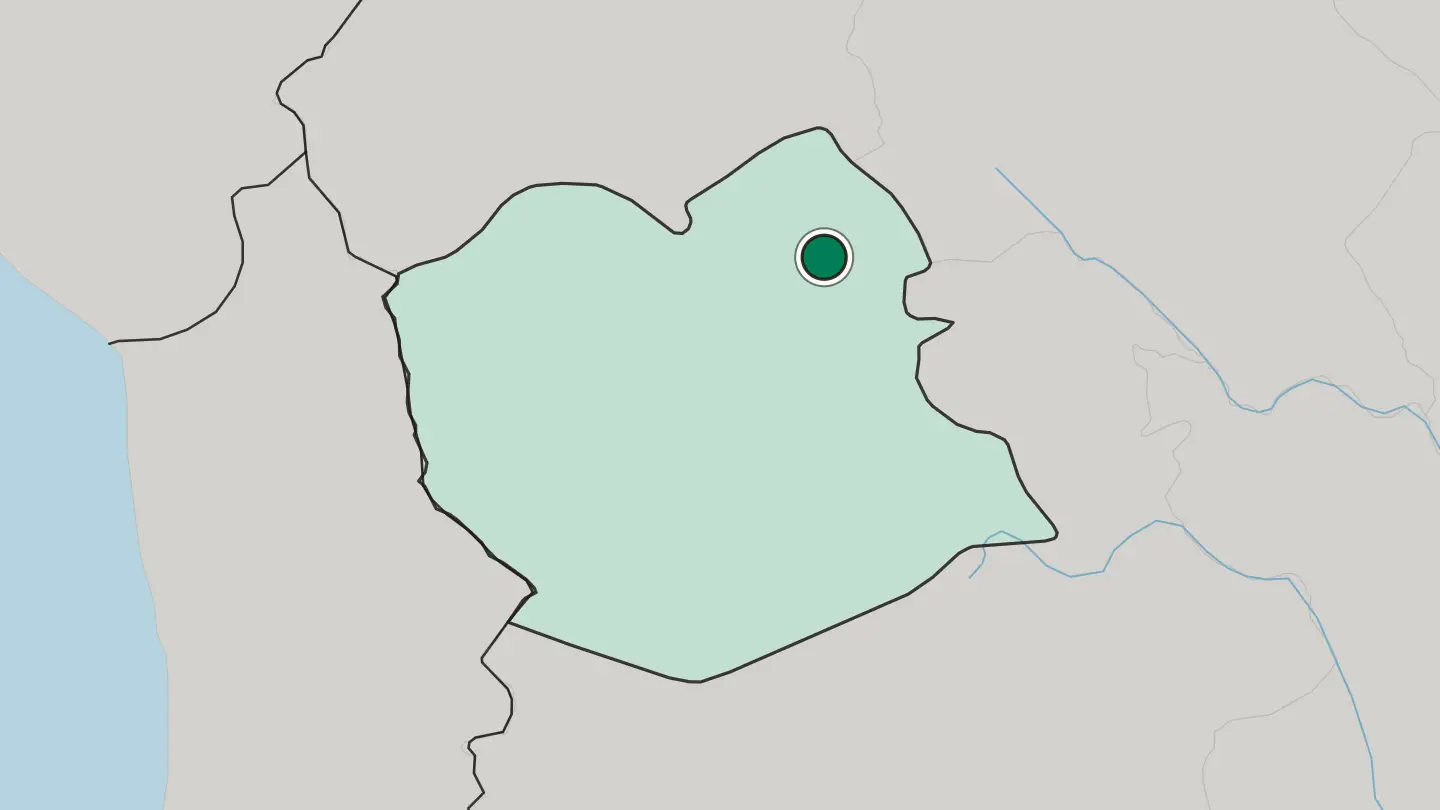
Hotel links are affiliate links: booking through them may earn us a commission, at no extra cost to you. It never affects how places are ranked. How this works
About Departamento de Oruro
Everything starts with altitude.
What is Departamento de Oruro known for?
The Oruro Department is a region of the Bolivian Altiplano, and the high plain sets the terms for everything here, from the growing season to the distance between one settlement and the next. Its capital shares the name. Oruro city is the department's administrative centre, and travellers use it as the fixed point in an area of 53,588 square kilometres where the Altiplano offers few others.
Where is Departamento de Oruro?
The Altiplano defines it. Oruro is a department of Bolivia laid out on the Bolivian Altiplano, and the high plain is not a feature within the region so much as the region itself, since the department covers 53,588 square kilometres of it. Scale changes the reading.
An area of that size on open plain puts real distance between places, and the Oruro Department is best understood as a single continuous surface rather than as a collection of separate districts. One city anchors all of it. Oruro city is the capital, and in a department of this extent a single named centre carries more weight than it would in a smaller or more broken landscape.
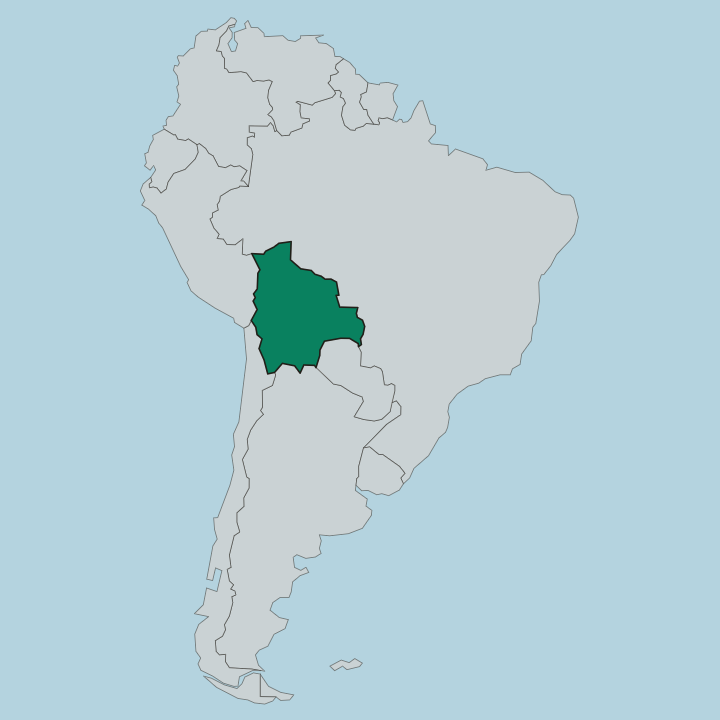
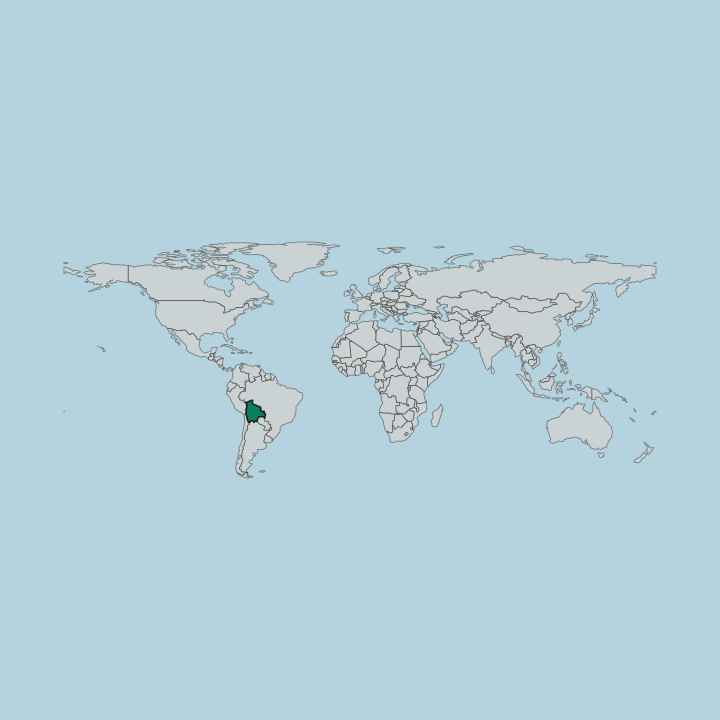
The tropics reach this far. Oruro lies in the tropical band south of the equator, but nothing about the Bolivian Altiplano behaves tropically, because elevation overrides the position on the globe. Bolivia's departmental map places it plainly.
The Oruro Department takes the Altiplano as its defining ground, which is the shortest accurate description of where a traveller actually finds themselves here.
What is Departamento de Oruro like?
The plain shapes the habits. Life in the Oruro Department is organised around the Bolivian Altiplano, and a community settled on a high open plain arranges itself differently from one settled in valleys, with distance and elevation built into ordinary movement. Spanish carries the day.
Spanish is the working language of the department, and it is the language in which the Altiplano's places, distances and seasons are named, measured and discussed. The capital concentrates public life. Oruro city holds the department's institutions, and in a region of 53,588 square kilometres with one dominant centre, whatever is civic, administrative or shared tends to happen there rather than being spread evenly across the plain.
Counting is done periodically. The 2012 census recorded the Oruro Department as a distinct unit of Bolivia, and such exercises are among the few moments when a place this large and this sparsely built is described whole. Name and place coincide here.
Oruro is at once the department and its capital, which means the word does double duty in speech, and the Bolivian Altiplano supplies the context that tells the two apart.
What is the history of Departamento de Oruro?
Records here are administrative. Oruro appears in the Bolivian record as a department with a fixed extent of 53,588 square kilometres and a capital of the same name, and that pairing is how the region is identified. Boundaries came later than ground.
Whatever administrative shape Bolivia gave the Oruro Department, the high plain it sits on preceded every boundary, and the 2012 census simply confirmed the department as a counted unit of the country.
What is the climate of Departamento de Oruro?
Thin air governs the year. The Bolivian Altiplano sits high enough that Oruro's position in the tropical band south of the equator counts for very little, and the day's own range matters more than the difference between one month and the next. Nights bite on open plain.
Across 53,588 square kilometres of Altiplano there is little to break wind or hold warmth, so visitors to the Oruro Department pack for a range rather than for an average.
How do you get to Departamento de Oruro?
Oruro city is the way in. The department's capital is the practical entry point, and in a region of open Altiplano the settlement that holds the administration is also the one that holds the connections. Distances are the obstacle.
Getting to the Oruro Department means crossing 53,588 square kilometres of high plain, or a good part of it, and journeys here are measured in hours of unvarying ground rather than in changes of scenery.
Common questions
What is the best area to stay in Departamento de Oruro?
Oruro city: Anyone treating the departmental capital as the one reliable stop on the Bolivian Altiplano. The open Altiplano: Travellers crossing the high plain who want the department's distances rather than its capital.
More regions in Bolivia
Updated September 2026