Bolivia · Departamento de Potosí
Where to Stay in Potosí, Departamento de Potosí
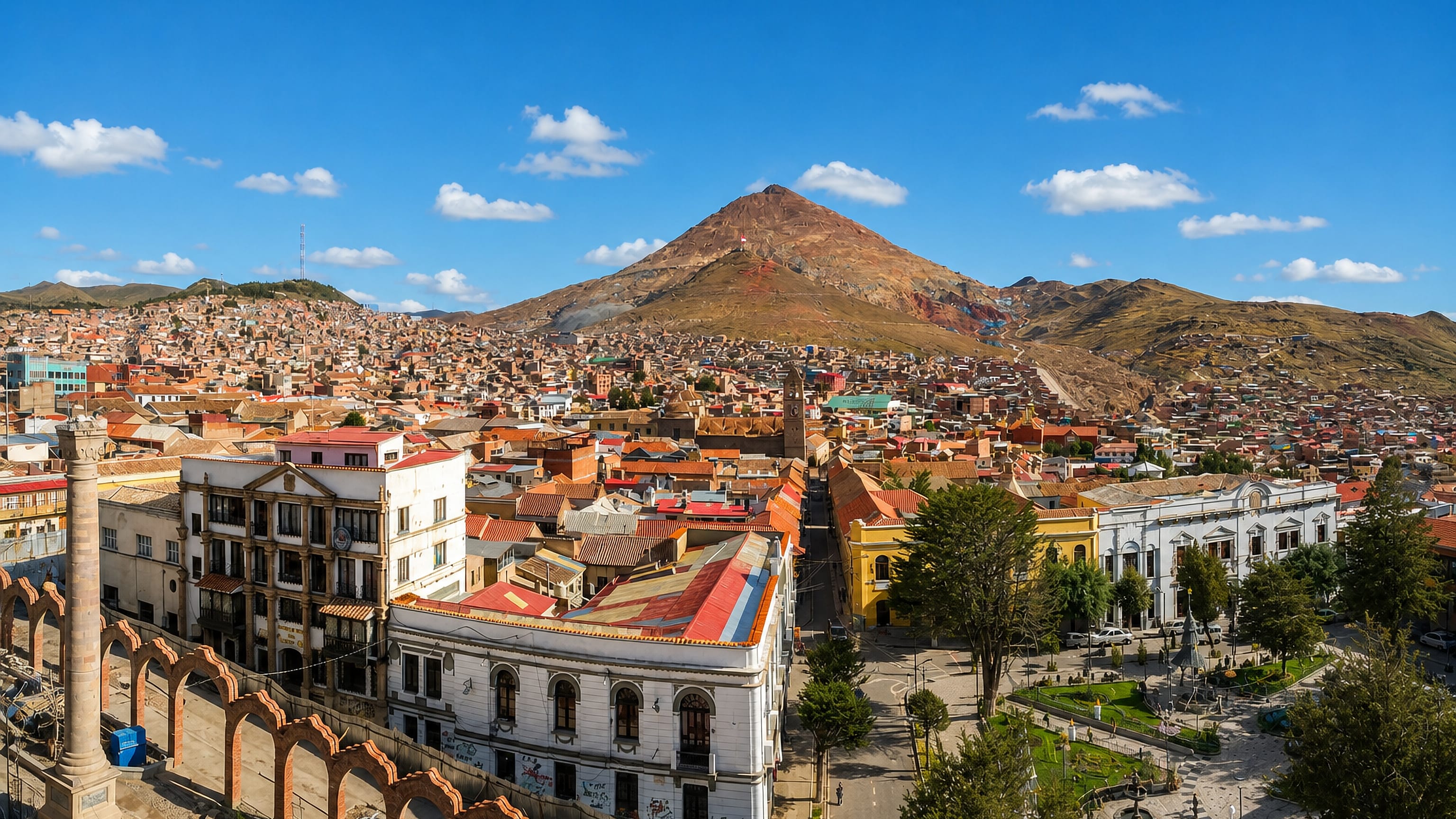
Silver made Potosí, a high Andean city in the Potosí department of Bolivia, known for the National Mint and its colonial churches.
Hotel links are affiliate links: booking through them may earn us a commission, at no extra cost to you. It never affects how places are ranked. How this works


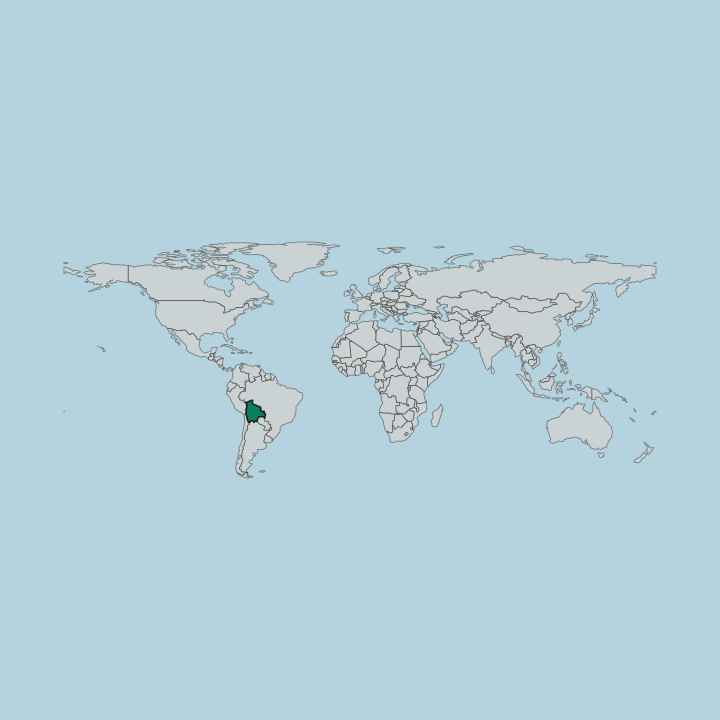
Where to stay in Potosí
How the choice of base plays out on the ground.
Potosí keeps its rooms in the old colonial grid, the compact heart of this high Andean city. The historic centre gathers around the National Mint of Bolivia and the church of San Lorenzo, with colonial houses such as Casa Nogales lining the streets nearby, and this is where nearly every traveller chooses to stay. It suits you if you want the city on foot.
The centre holds the mint, the churches, and the old mining streets within a short but steep walk that runs cold and thin-aired at this altitude. Around the central grid the city climbs the slopes below its ore mountain, and the convent of Santa Teresa and the smaller Casa Museo Humberto Iporre Salinas sit within the same walkable core. The upper streets run higher and quieter.
They suit you if you prefer calm over the busier lanes around the mint, though the altitude tells on every climb. Wherever you settle in Potosí, the city stays high and cold, so plan for the thin air of the Andes and keep the National Mint of Bolivia and the colonial centre of the Potosí department within easy reach.
Find hotels in Potosí
Direct booking searches for these neighbourhoods.
Colonial centre
The old grid around the National Mint of Bolivia and San Lorenzo, lined with colonial houses like Casa Nogales.Find hotels in Colonial centreQuiet near Santa TeresaUpper streets
Higher, calmer lanes toward the convent of Santa Teresa, above the busier core around the mint.Find hotels in Upper streetsHotel links are affiliate links: booking through them may earn us a commission, at no extra cost to you. It never affects how places are ranked. How this works
Things to do in Potosí
Ranked by global recognition; descriptions from Wikidata (CC0).
Museums & Galleries
3- National Mint of Bolivia
- Iglesia – Convento y Museo de Santa Teresa
- Casa Museo Humberto Iporre Salinas
Churches & Religious Sites
1- San Lorenzo Church, Potosí Heritage
Landmarks & Notable Places
1- Casa Nogales
worth knowingacross 3 categories in Potosí
About Potosí
What is Potosí known for?
Potosí is known for silver and for the National Mint of Bolivia. Founded in 1545, the city grew rich on the ore of the mountain above it and became one of the great mining centres of the Spanish empire. That wealth built churches.
San Lorenzo and the convent of Santa Teresa still stand from those years, alongside colonial houses such as Casa Nogales, and the whole of the high city carries the mark of the metal that was struck into coin at its mint.
What are the main landmarks in Potosí?
Potosí sets its landmarks around the silver trade and the colonial church. The National Mint of Bolivia is the emblem of the city, the great building where the ore was struck into coin. Faith left its mark too.
The church of San Lorenzo carries the carved stone of the mining age, the convent of Santa Teresa preserves a cloistered world within the grid, and colonial mansions such as Casa Nogales and the Casa Museo Humberto Iporre Salinas line the old streets of this high city in the Potosí department.
What is the history of Potosí?
Potosí was founded in 1545 at the foot of an Andean mountain of silver ore. The strike drew the Spanish empire to this cold, high ground, and within a few decades the town swelled into one of the largest and richest cities in the colonial world, its metal shipped across oceans. The National Mint of Bolivia rose to strike that silver into coin.
Wealth poured in. On the back of the mines the city filled with churches, convents, and mansions, San Lorenzo and Santa Teresa among them, and houses such as Casa Nogales marking the fortunes of the ore. The boom did not last.
As the richest seams thinned the city's fortunes fell away, and Potosí passed into a long quieter age, its grand colonial buildings left standing on the high slopes. That layered past still defines the place. From the founding strike to the decline of the mines, the history of Potosí is written into the mint, the churches, and the stone streets of the old city within the Potosí department of Bolivia.
Where is Potosí?
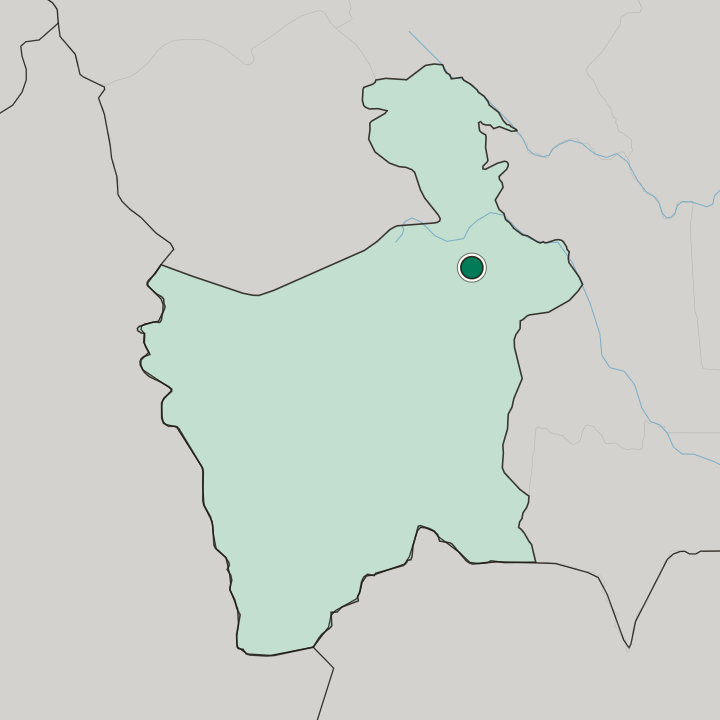
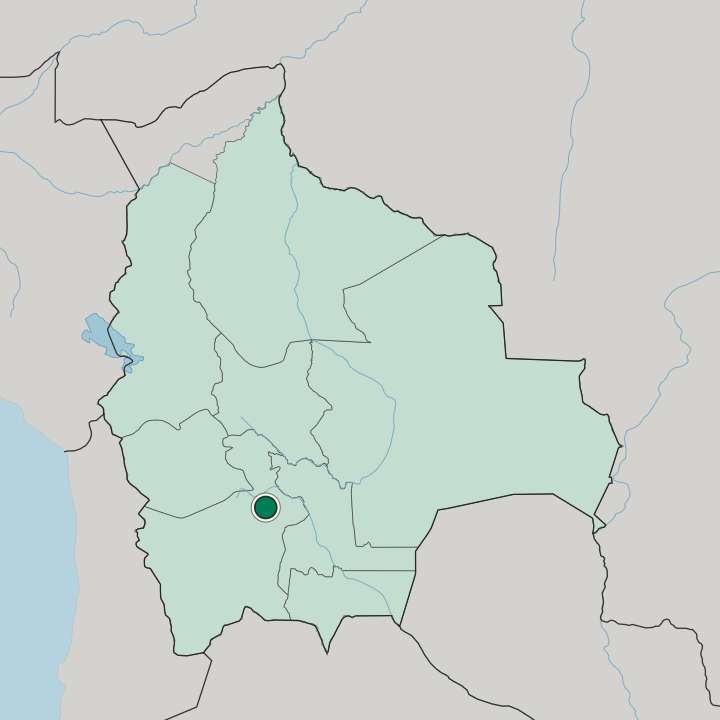
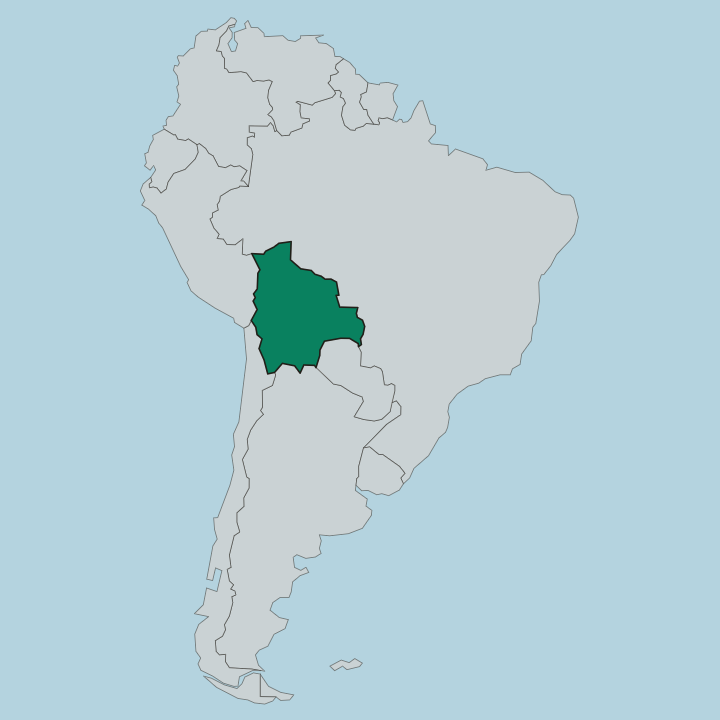
Potosí stands among the highest cities in the world, set high on the Andean cordillera of Bolivia. It rests below its ore mountain, on cold, thin-aired ground in the Potosí department, wrapped in bare highland far above the tree line. The city keeps to steep slopes.
Streets climb and drop across the mineral-rich sierra, and the whole of Potosí sits so high that the air runs cold and dry through the year, a world apart from the warm lowlands to the east.
What is the climate of Potosí?
Cold and thin-aired. Potosí has a harsh high-altitude climate, one of the coldest of any major city in Bolivia, ruled by its extreme height on the Andean sierra. Days can be bright and sharp, nights bitterly cold, and the air stays dry across much of the year.
Seasons split into a wetter warm spell and a long dry stretch, and frost is common on the high streets of the city below its ore mountain.
How do you get to Potosí?
Potosí is reached across the high roads of the Andes. The city is the road focus of the Potosí department, linked by highway to the other centres of highland Bolivia, and most travellers arrive overland from neighbouring cities. Routes run high and slow.
The great altitude and the broken cordillera make every approach a climb, and the roads into the city wind up through cold highland to the streets around the National Mint of Bolivia.
Common questions
What is the best area to stay in Potosí?
Colonial centre: The mint and churches on foot. Upper streets: Quiet near Santa Teresa.
Good for
Updated September 2026