Brazil · Acre
Where to Stay in Rio Branco, Acre
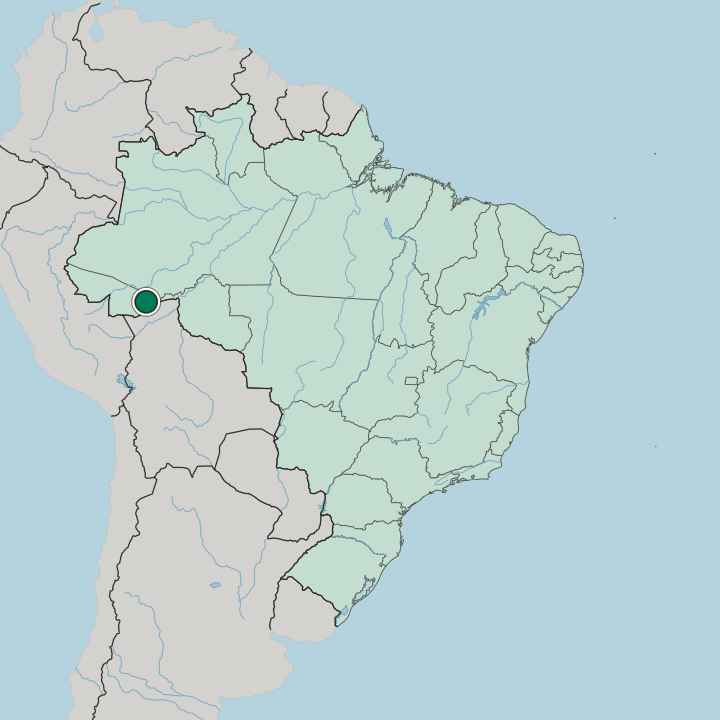
Rio Branco is the capital of Acre, a rubber-trade town on the Rio Acre in the far west of Brazil, founded on a seringal in 1882.
Hotel links are affiliate links: booking through them may earn us a commission, at no extra cost to you. It never affects how places are ranked. How this works


Where to stay in Rio Branco
Where the beds are, and what that means for the visit.
Centro holds the short list. Palácio Rio Branco, the Mercado Velho on the riverbank and the Museu da Borracha Governador Geraldo Mesquita sit within a few streets of Praça Plácido de Castro, so a room here puts the rubber-era city outside the door. Traffic is heavy on the through avenues.
The trade-off is noise, and it pays to ask which side of the building a room faces before booking. Bosque lies inland of the old grid. Streets there run quieter, the Parque da Maternidade threads through on its igarapé, and the walk in to Praça Plácido de Castro takes under half an hour at an easy pace.
It suits you if evenings matter more than errands. Across the water lies the Segundo Distrito. Bridges carry the traffic over the Rio Acre in both directions, the rooms there are plainer than the ones on the Palácio Rio Branco side, and a bus ride is the daily cost of the difference.
Few visitors sleep further out. The road toward the Aeroporto Internacional Plácido de Castro runs a long way from anything worth walking to, and it earns a night only when a flight leaves before dawn.
Find hotels in Rio Branco
Direct booking searches for these neighbourhoods.
Centro
Praça Plácido de Castro, the old government house and the Museu da Borracha Governador Geraldo Mesquita stand within a few streets of one another above the Rio Acre.Find hotels in CentroQuiet nights within a half-hour walk of Praça Plácido de CastroBosque
The Parque da Maternidade threads the neighbourhood along its igarapé, which keeps the streets green and the through traffic on the avenues behind.Find hotels in BosquePlainer rooms on the far bank of the Rio AcreSegundo Distrito
Bridges put Palácio Rio Branco and the Centro museums a short ride off, while the streets here keep the ordinary working city that grew across the water. Lodging is scarce in this area; reserve in advance.Find hotels in Segundo DistritoHotel links are affiliate links: booking through them may earn us a commission, at no extra cost to you. It never affects how places are ranked. How this works
Things to do in Rio Branco
Ranked by global recognition; descriptions from Wikidata (CC0).
Museums & Galleries
3- Memorial dos Autonomistas - Senador José Guiomard dos Santos Heritage
- Museu da Borracha Governador Geraldo Mesquita
- Casa de Memória Daniel Pereira de Mattos
Churches & Religious Sites
1- Igreja da Nossa Senhora da Conceição Heritage
Castles & Historic Sites
1- Palácio Rio Branco Heritage
Stadiums & Sports
1- Arena da Floresta
worth knowingacross 4 categories in Rio Branco
About Rio Branco
Rubber built this town.
What is Rio Branco known for?
Tappers cut latex out of the seringais up the Rio Acre and floated it down to the traders, and the Museu da Borracha Governador Geraldo Mesquita keeps the record of that trade. Acre itself is the other subject. The Memorial dos Autonomistas - Senador José Guiomard dos Santos marks the campaign that turned a federal territory into a state, and Palácio Rio Branco, seat of the governors who ran it, stands over the square where the argument was made.
What are the main landmarks in Rio Branco?
Palácio Rio Branco anchors the set. The old government house holds the state's collections, the Museu da Borracha Governador Geraldo Mesquita sets out the tools and the account books of the seringais, and the Centro Cultural do Tribunal de Justiça do Estado do Acre keeps the courts' side of the record. Igreja da Nossa Senhora da Conceição is older than the street around it.
Casa de Memória Daniel Pereira de Mattos keeps the papers of the Barquinha, one of the Amazonian faiths that took shape in Acre. Football fills Arena da Floresta.
What is the history of Rio Branco?
The first settlement was a seringal. Rubber traders put a trading house on a bend of the Rio Acre in 1882, and the men who tapped the trees were mostly northeasterners driven off their own land by drought. The land was Bolivian on paper.
Brazilian tappers outnumbered every official La Paz sent to govern them, and the quarrel turned into an armed revolt under Plácido de Castro before the Treaty of Petrópolis handed the territory to Brazil in 1903. Rio Branco became the seat of it. Then the market broke.
Plantations in Asia undercut wild latex, the seringais emptied, and the town lived on what the federal government spent until the Second World War sent a second wave of tappers into the forest. Statehood came in 1962, after a long campaign by José Guiomard dos Santos and the autonomists who wanted Acre governed from inside Acre. Highways changed the rest.
BR-364 reached the town in the 1970s with settlers, cattle and chainsaws behind it, and the tappers' unions answered the clearing with the empates, the standing blockades that Chico Mendes led. His murder in 1988 carried the argument out of Acre and into the world's press.
Where is Rio Branco?
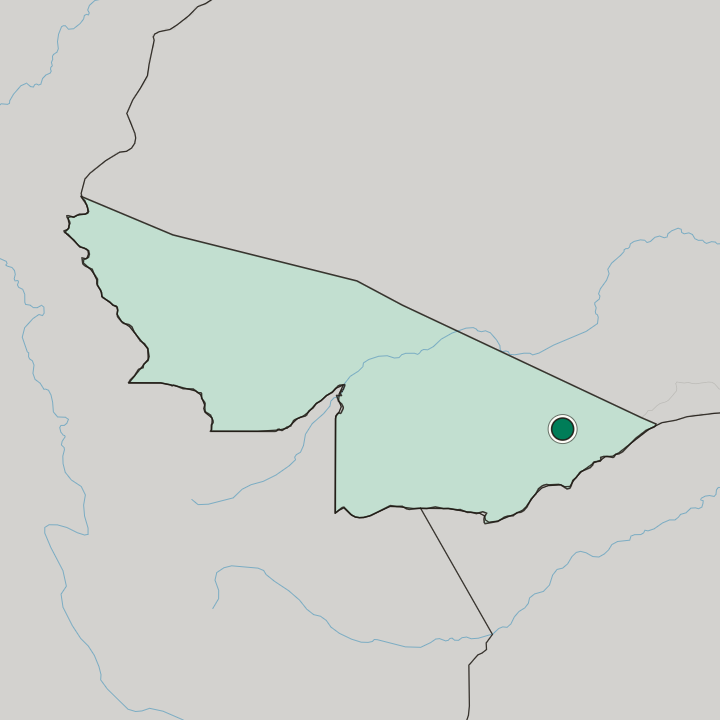
The Rio Acre sets the plan. The river comes down out of Peru, forms part of the frontier with Bolivia upstream, and cuts Rio Branco into two halves that the bridges hold together before it runs north to the Purus. Ground here is low and flat.
Forest and pasture reach the edge of the built-up streets, and the igarapés that drain into the river spill over their banks in the wet months.
What is the climate of Rio Branco?
Rain runs the year. Moist air off the western Amazon drops most of the water between October and April, when the Rio Acre rises and the unpaved roads out of Rio Branco turn to mud. Heat is steady the rest of the time.
Then the friagem arrives, cold air pushed up from the south of the continent, dropping the temperature for a few days at a stretch and catching most arrivals unprepared.
How do you get to Rio Branco?
Flights do most of it. The Aeroporto Internacional Plácido de Castro sits well outside the built-up area and carries the links to Brasília, São Paulo and the rest of the country. Roads take longer.
BR-364 runs northeast to Porto Velho and on toward the rest of Brazil, while BR-317 heads southwest through Brasiléia to the Peruvian border at Assis Brasil, and long-distance coaches work both. No railway has ever reached Acre.
Common questions
What is the best area to stay in Rio Branco?
Centro: Walking to Palácio Rio Branco and the Mercado Velho riverfront. Bosque: Quiet nights within a half-hour walk of Praça Plácido de Castro. Segundo Distrito: Plainer rooms on the far bank of the Rio Acre.
Good for
Updated October 2026