
Brazil: Regions, Cities & Travel Guide
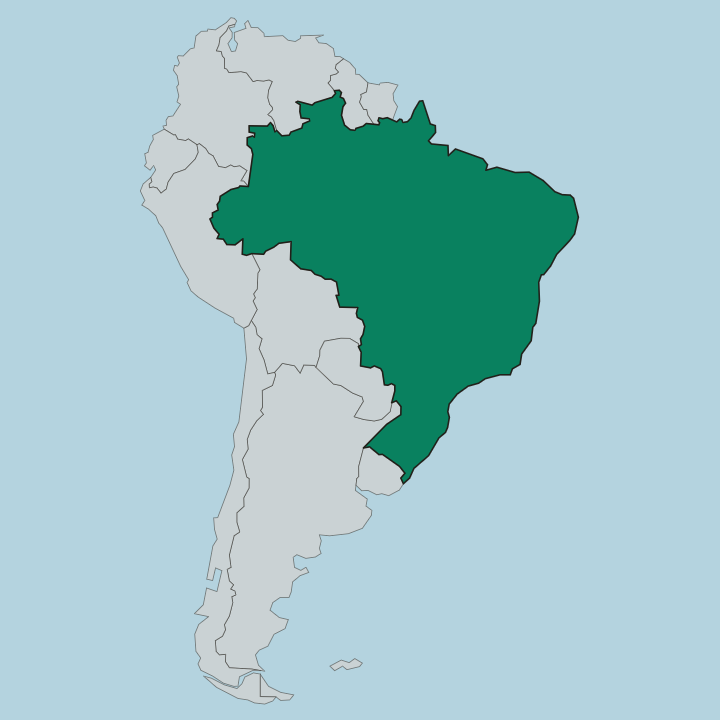
Brazil is the largest country in South America, a Portuguese-speaking federation stretching from the Amazon to the beaches of Rio de Janeiro.
Hotel links are affiliate links: booking through them may earn us a commission, at no extra cost to you. It never affects how places are ranked. How this works


Top destinations in Brazil
Cities to start from, then drill into areas and hotels.
 Brazil
Rio de Janeiro
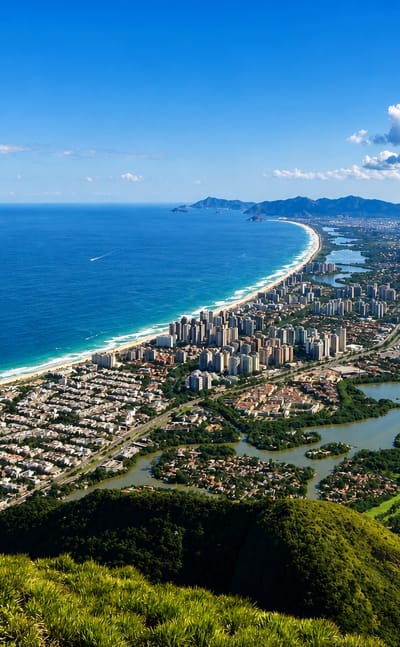
Between the mountains and the South Atlantic sits Rio de Janeiro, the second-largest city in Brazil, founded in 1565.Where to stay →
 Brazil
São Paulo
From Pátio do Colégio, São Paulo spreads out as Brazil's largest city and the capital of the state of São Paulo, founded in 1554.Where to stay →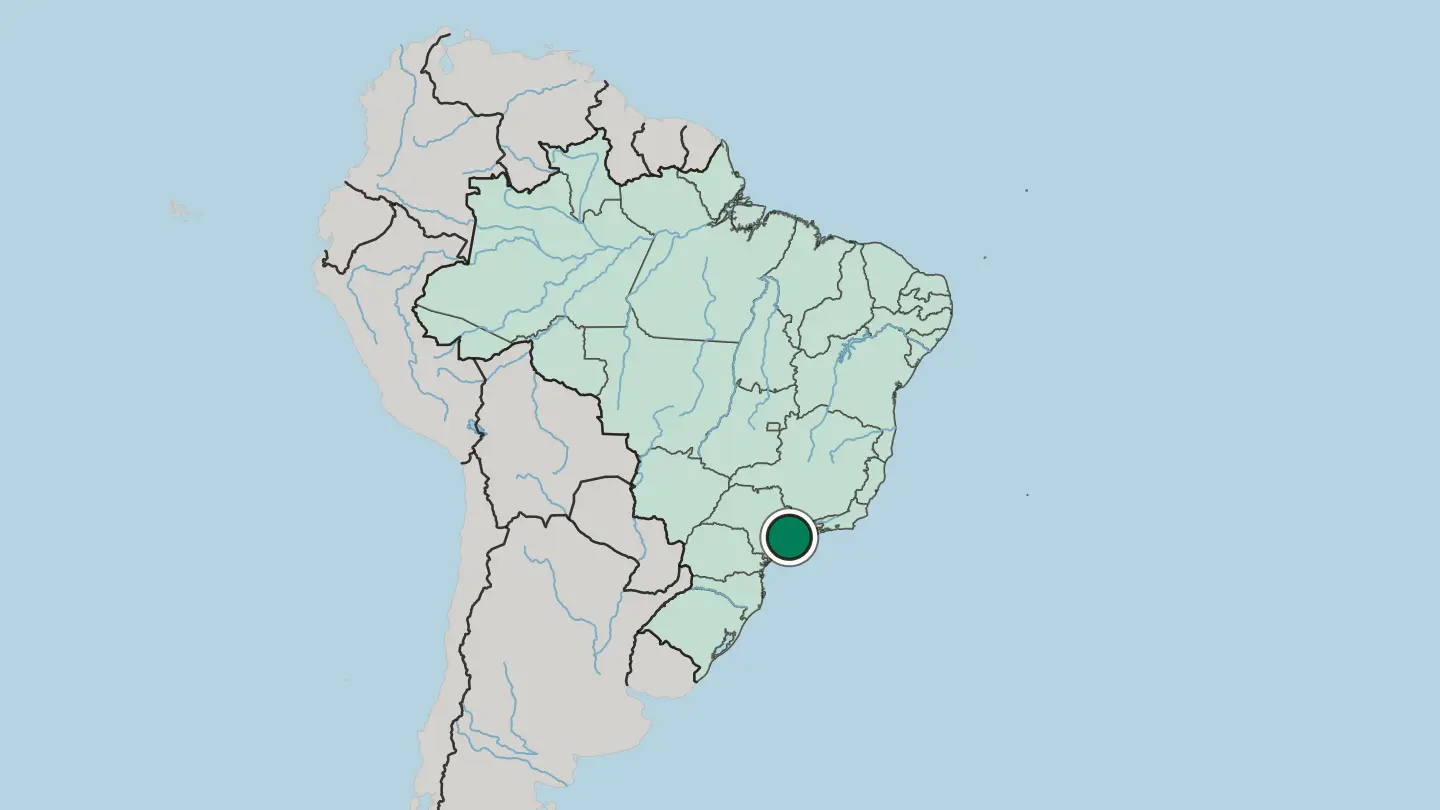
 Brazil
Brasília
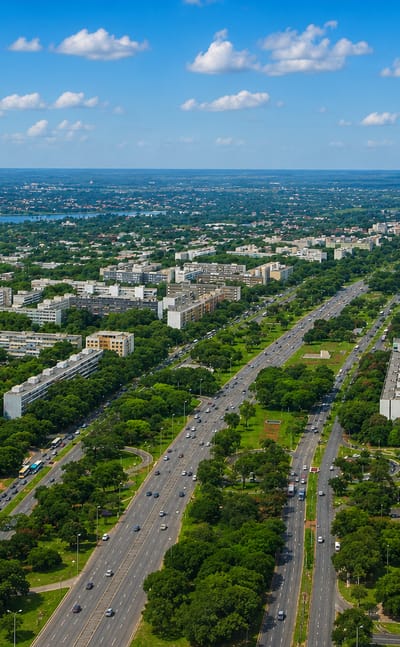
Modernist concrete and open sky define Brasília, the planned capital of Brazil on the Brazilian Highlands, inaugurated in 1960.Where to stay →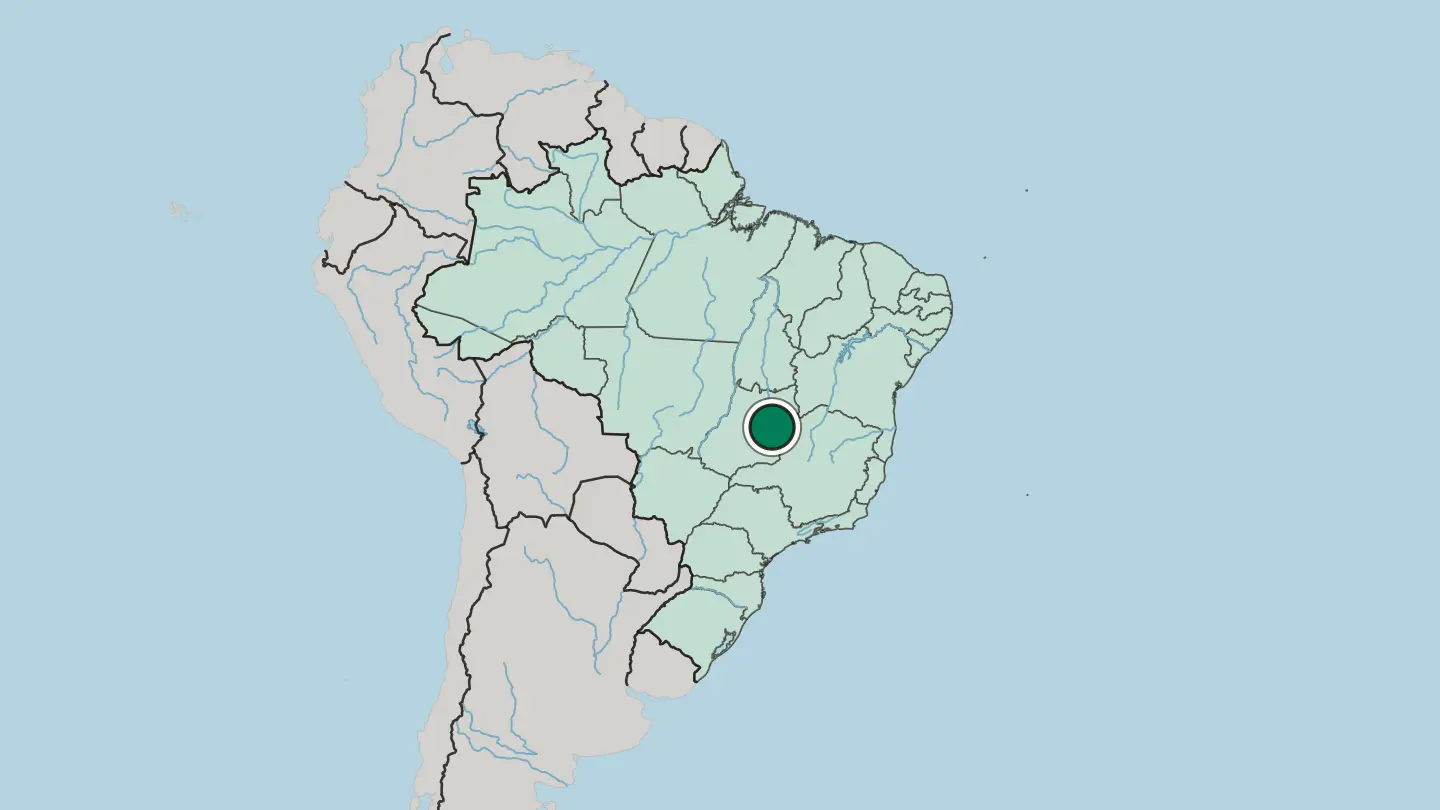
 Brazil
Salvador
Salvador is the capital of Bahia and the first capital of Colonial Brazil, founded in 1549 by Tomé de Sousa and a centre of Afro-Brazilian culture.Where to stay →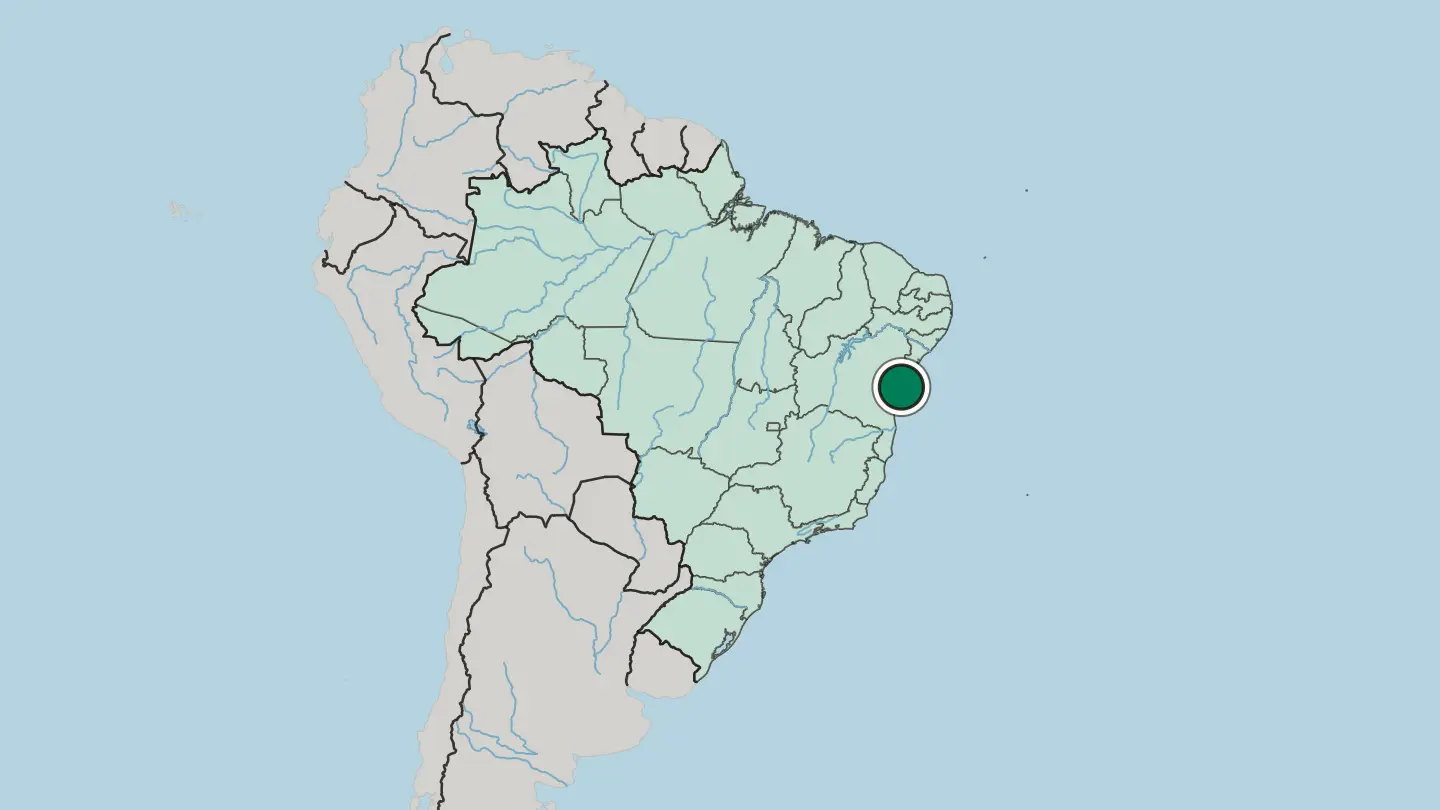
 Brazil
Curitiba
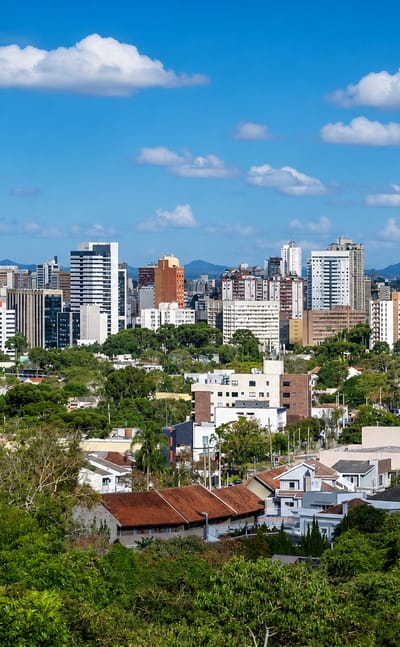
Green parks fold through Curitiba, the upland capital of Paraná in Southern Brazil, known for the eye-shaped Oscar Niemeyer Museum.Where to stay →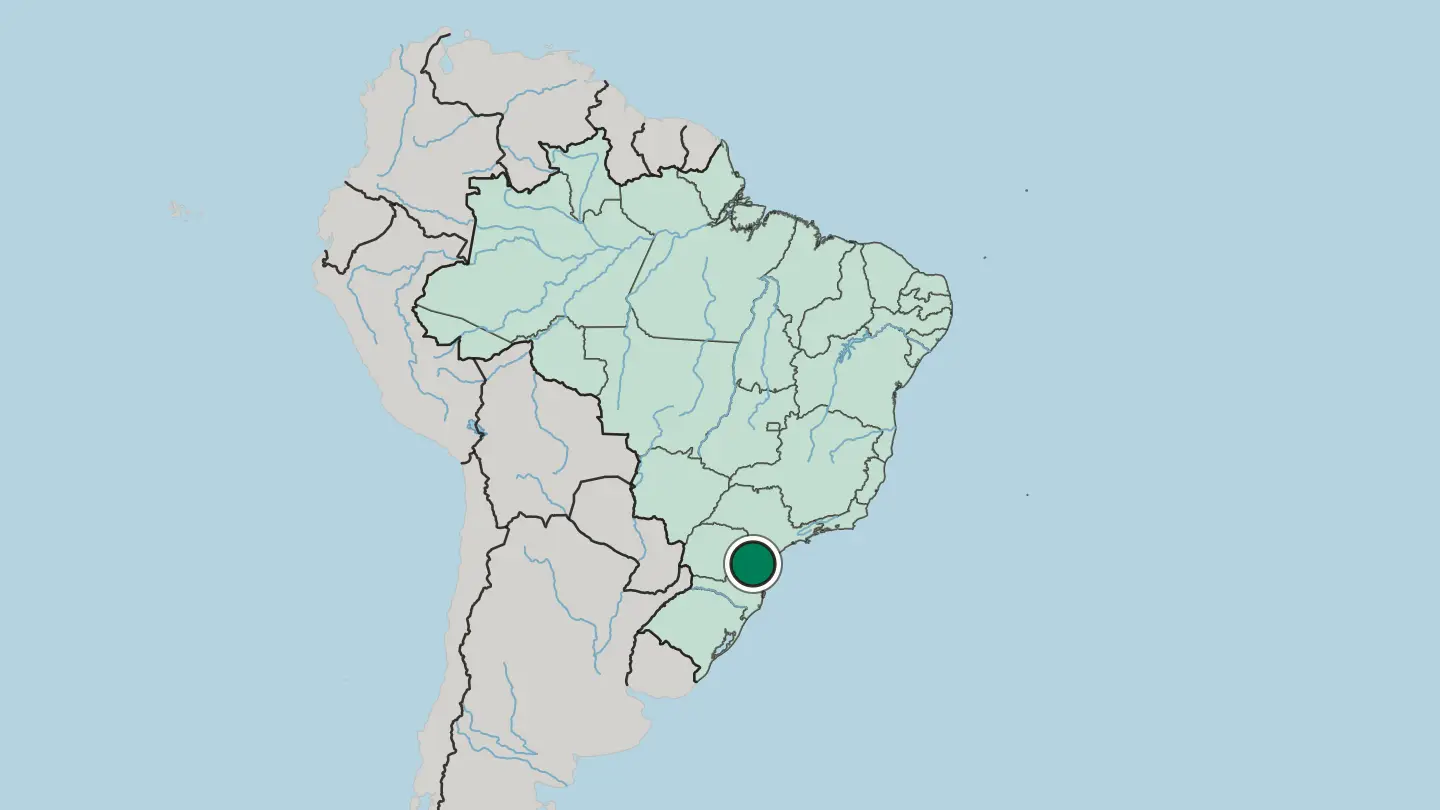
 Brazil
Manaus
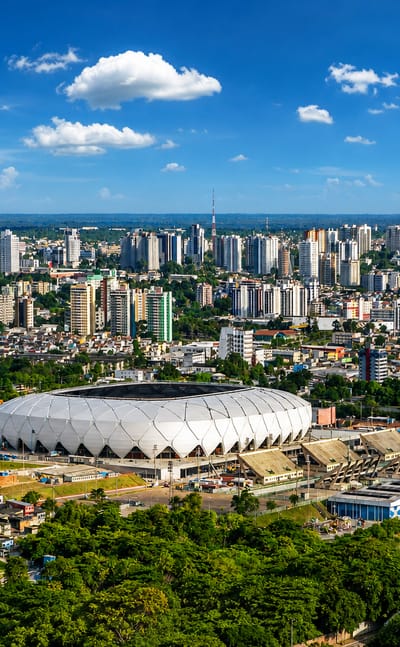
Dark and pale rivers braid past Manaus, the capital of Amazonas deep in the Amazon rainforest, known for the Teatro Amazonas opera house.Where to stay →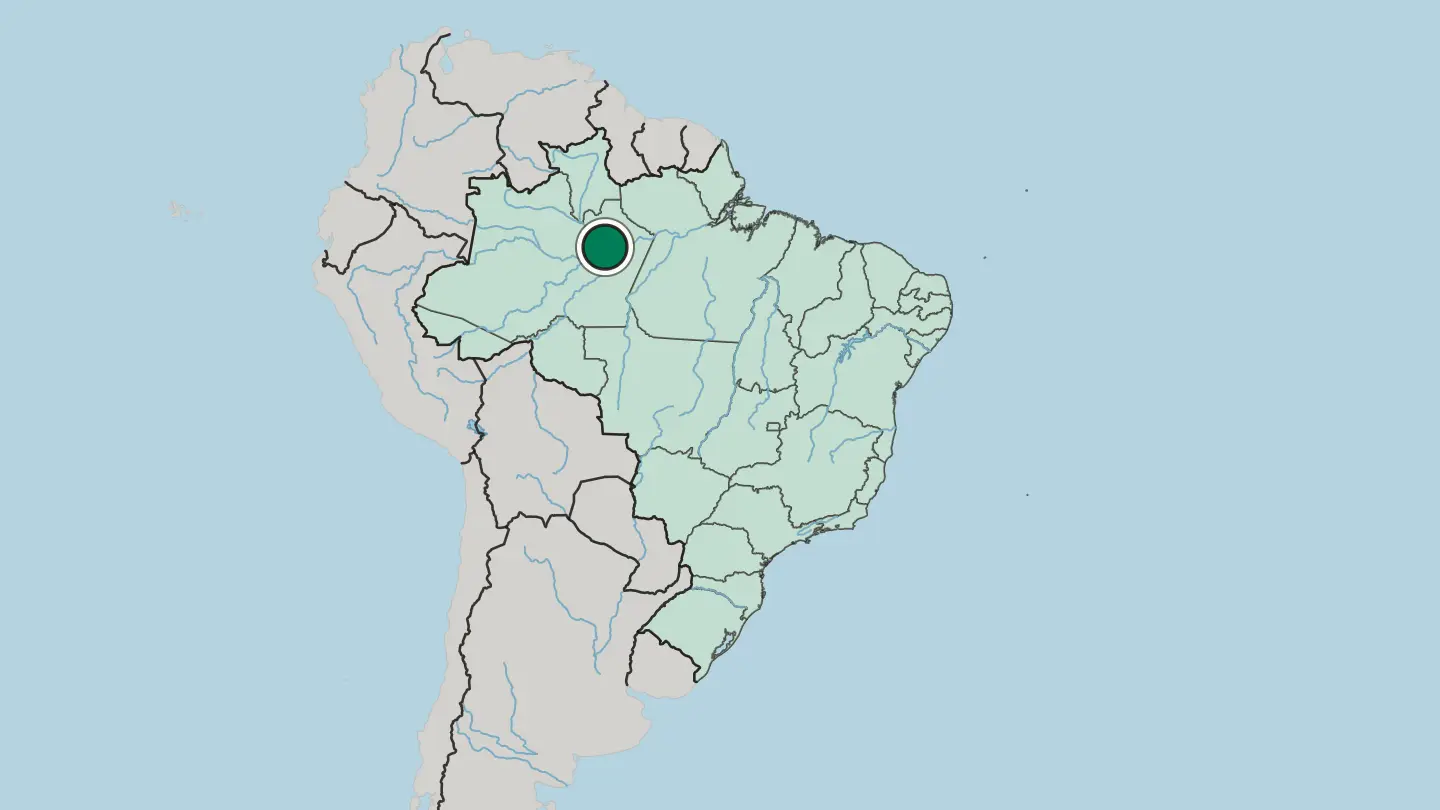
 Brazil
Belo Horizonte
The Serra do Curral closes the southern sky over Belo Horizonte, capital of Minas Gerais, known for Niemeyer's Pampulha and the Mercado Central.Where to stay →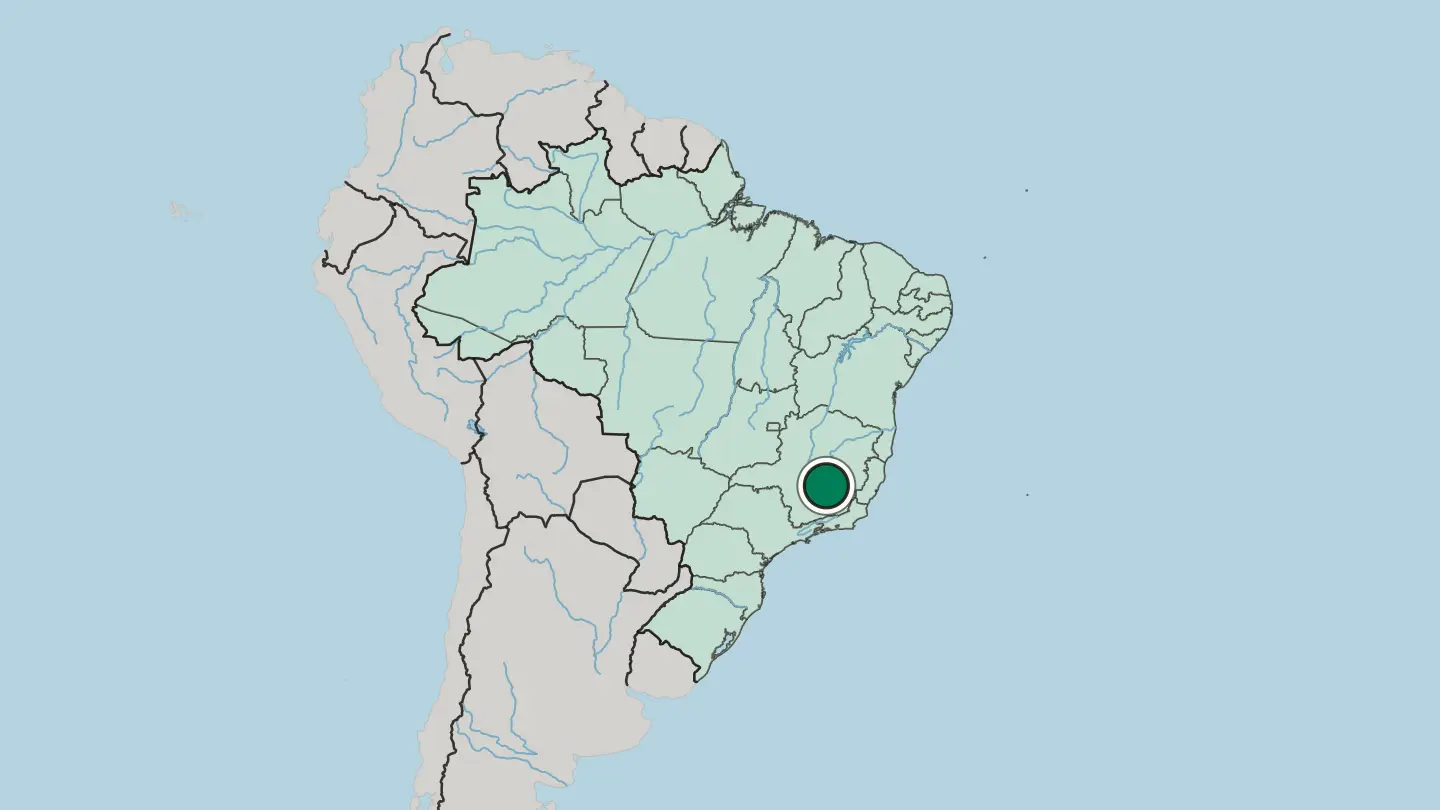
 Brazil
Florianópolis
Florianópolis, founded in 1726, is the capital of Santa Catarina, spread mostly across an island of beaches and forest reached by three bridges.Where to stay →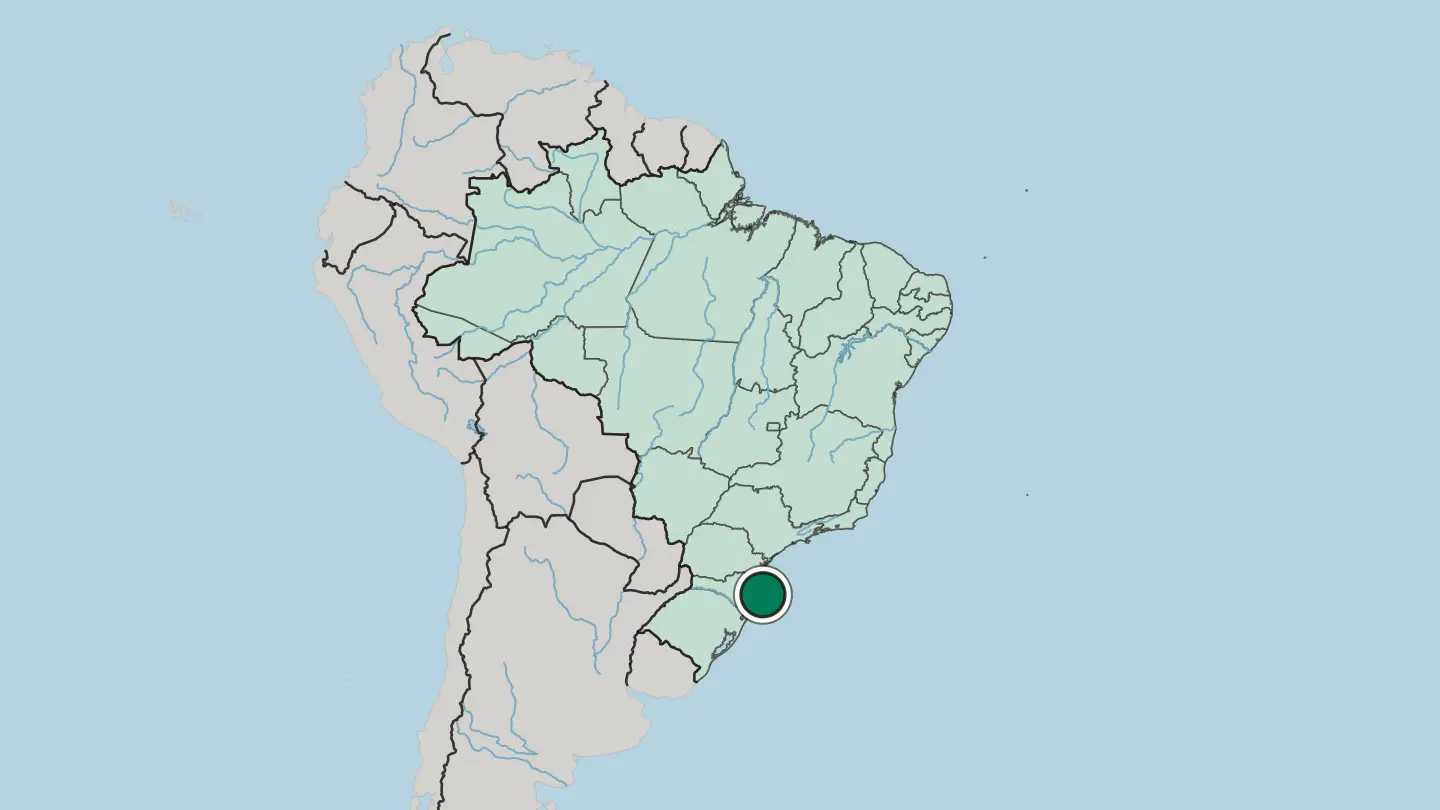
 Brazil
Fortaleza
Fortaleza is the capital of Ceará, a large coastal city of northeastern Brazil whose centre fills with museums, dating from 1726.Where to stay →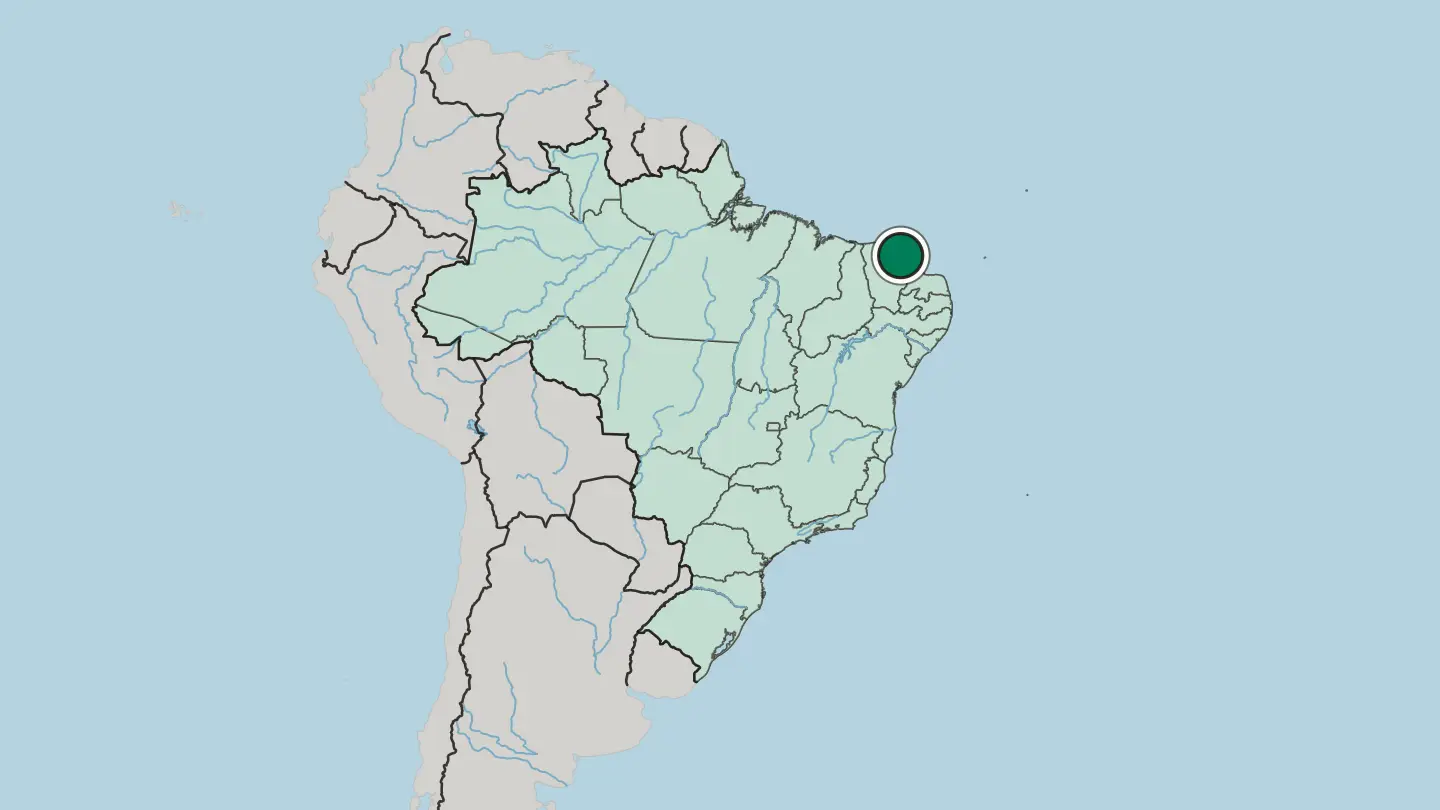
Hotel links are affiliate links: booking through them may earn us a commission, at no extra cost to you. It never affects how places are ranked. How this works
Regions of Brazil
Brazil
Acre
Acre is Brazil's westernmost state, a wedge of Amazon rainforest pressed against Peru and Bolivia, with Rio Branco on the Acre River as its capital.Towns & cities →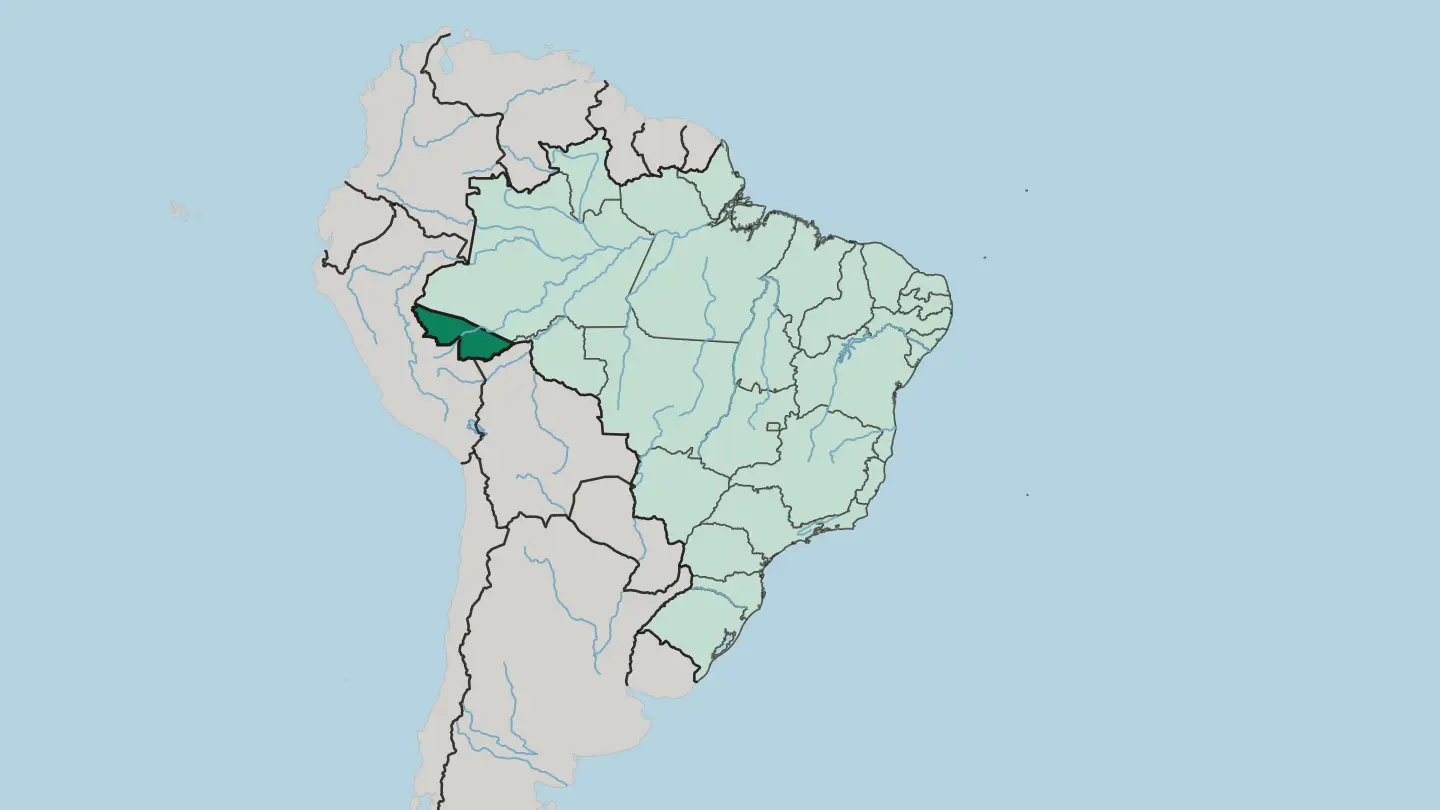
 Brazil
Alagoas
Alagoas is a small state on Brazil's Northeast coast, known for coral-reef beaches, the São Francisco river, and its two lagoons at Maceió.Towns & cities →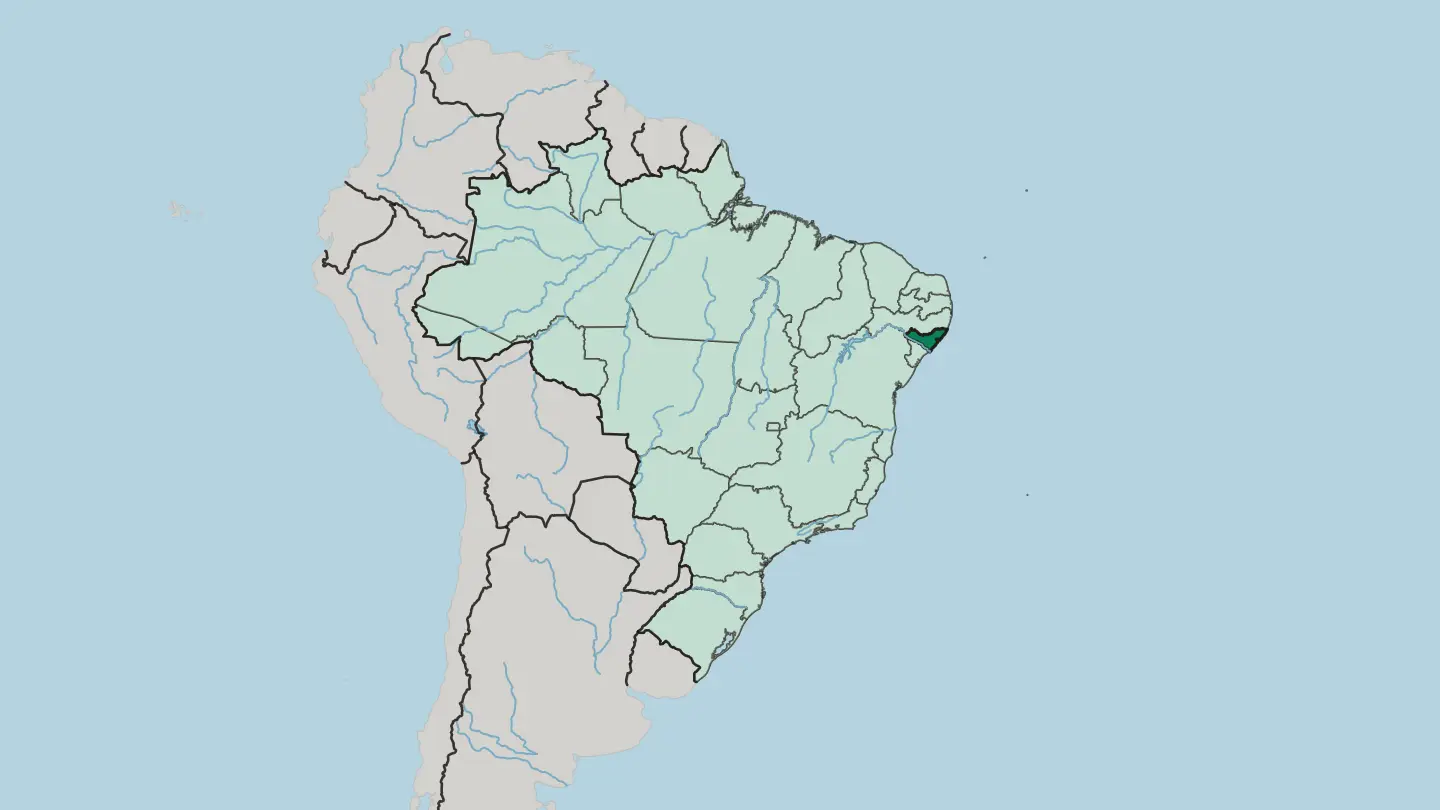 Brazil
Amapá
Amapá sits in the far north of Brazil, where the Amazon empties into the Atlantic and the equator runs straight through its capital, Macapá.Towns & cities →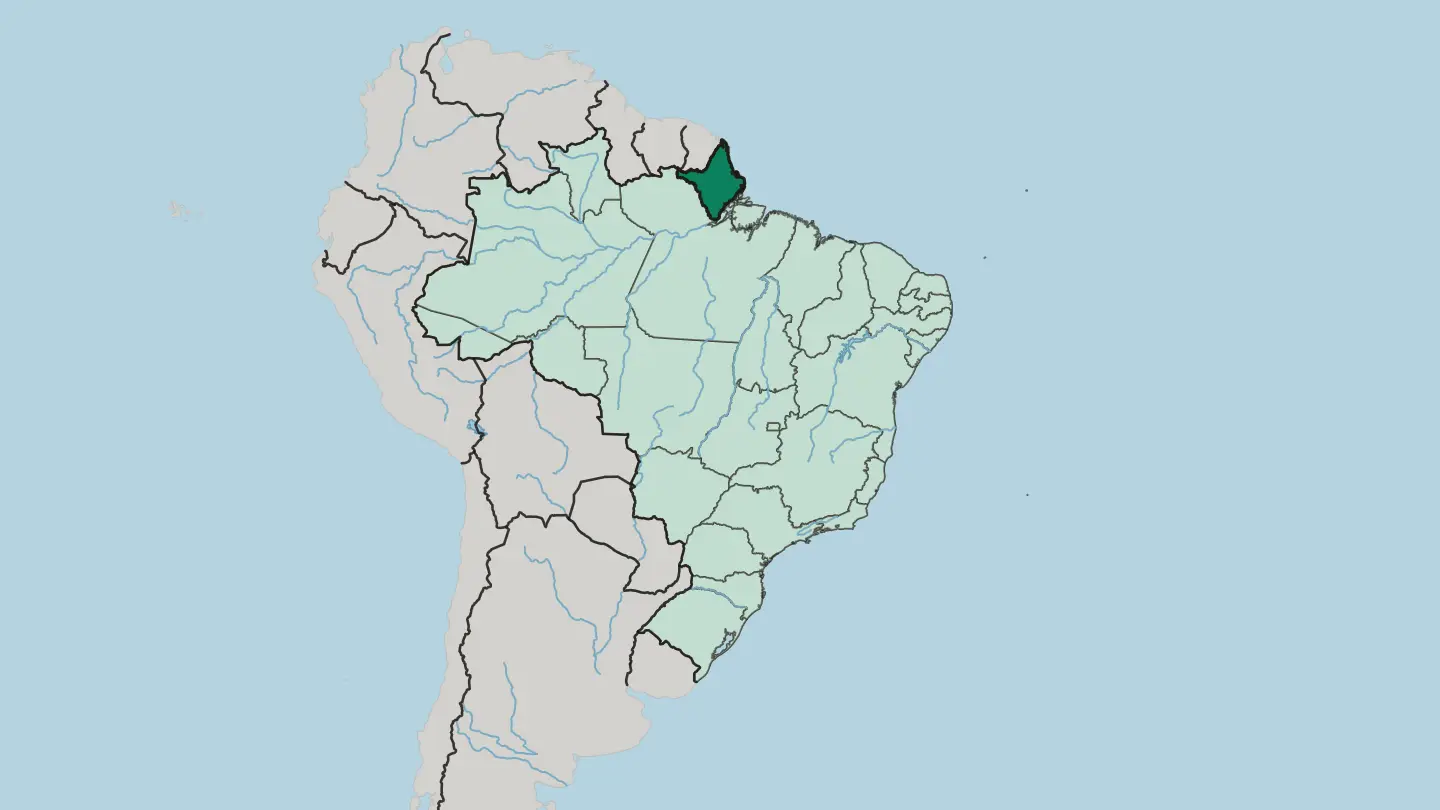 Brazil
Amazonas
Amazonas is Brazil's largest state, a rainforest expanse split by the Rio Negro and the Solimões, which join at Manaus to form the Amazon River.Towns & cities →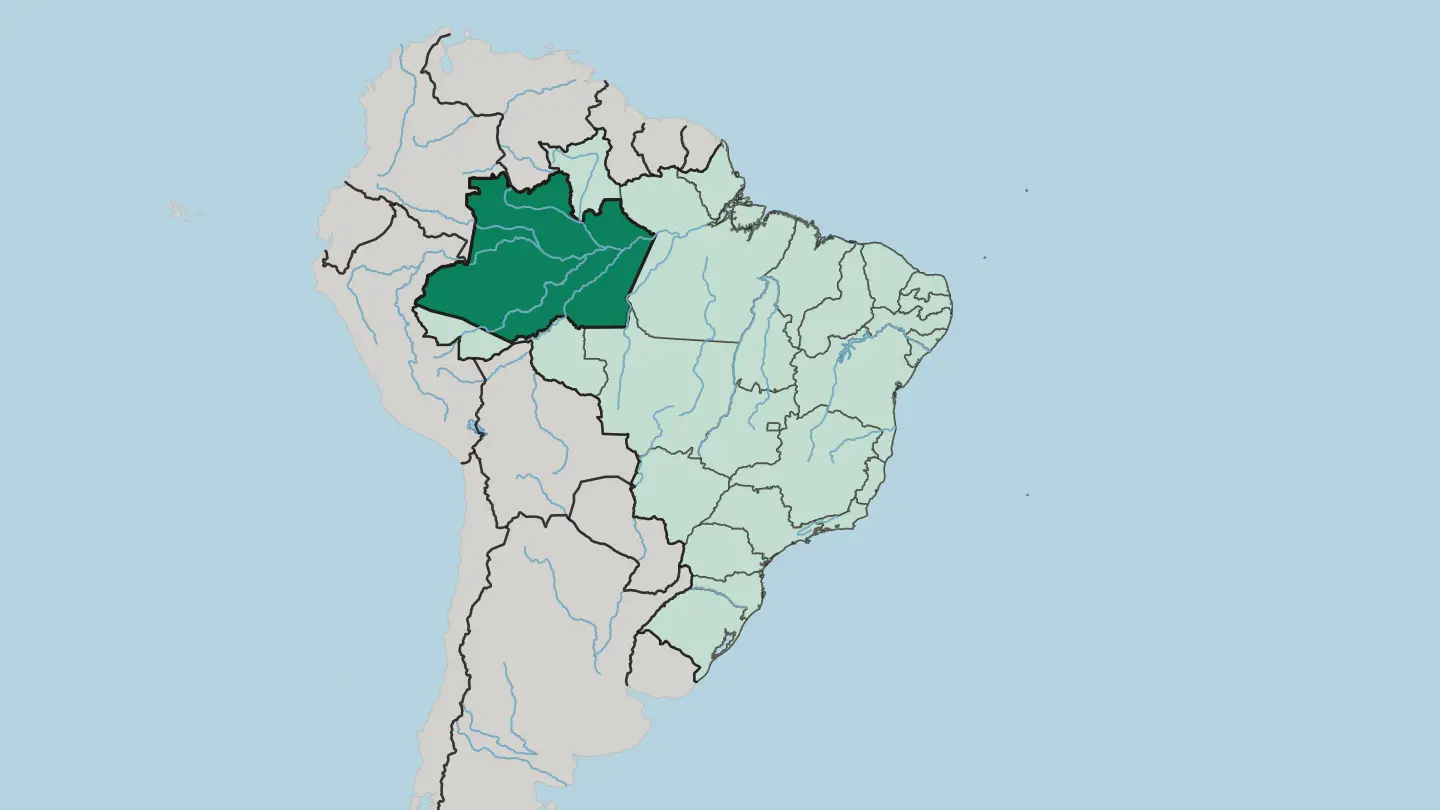 Brazil
Bahia
Bahia is Brazil's Afro-Brazilian heartland, the northeastern state where Salvador overlooks the Bay of All Saints.Towns & cities →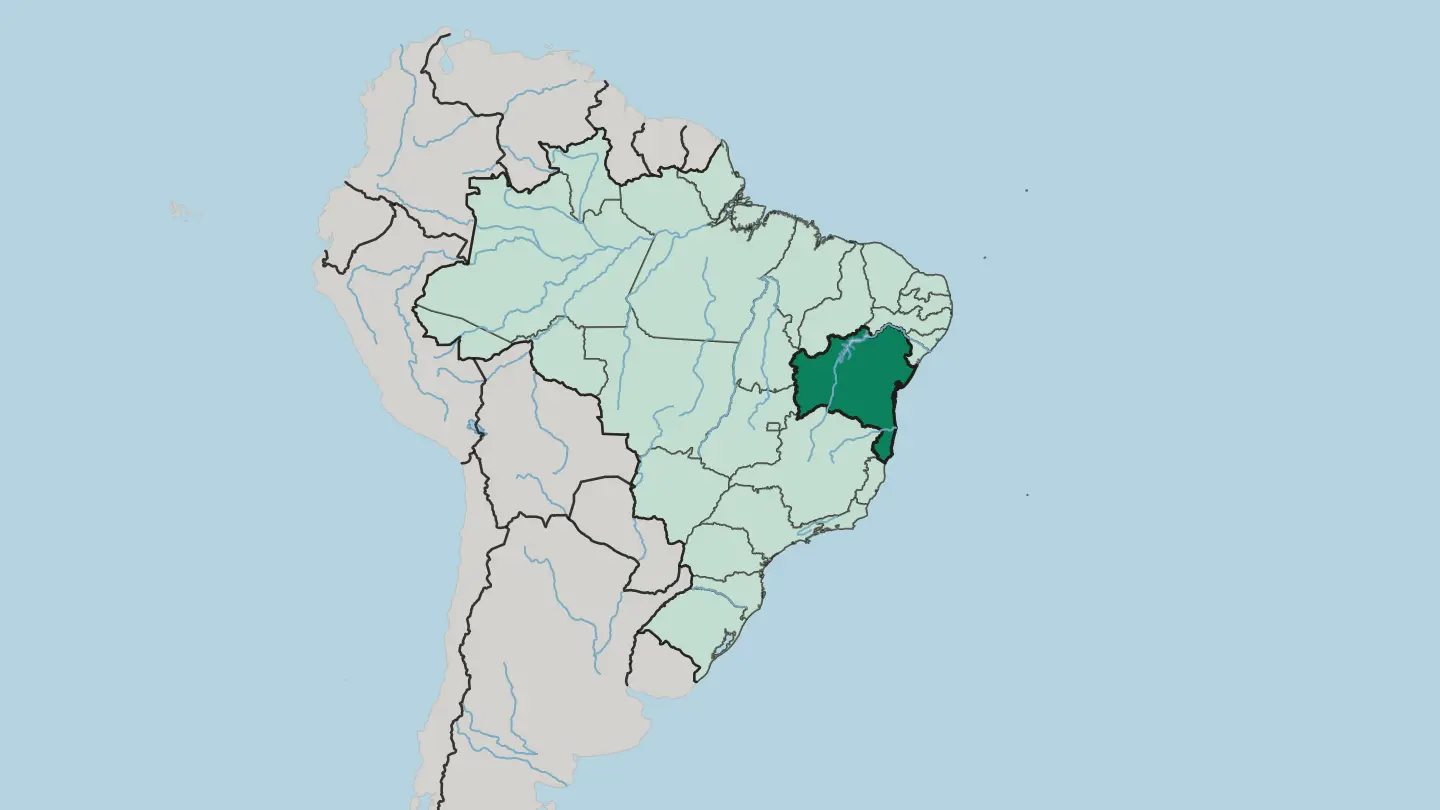 Brazil
Ceará
Ceará is a state on the northeastern coast of Brazil, its capital Fortaleza on the Atlantic and a dry sertão filling the interior.Towns & cities →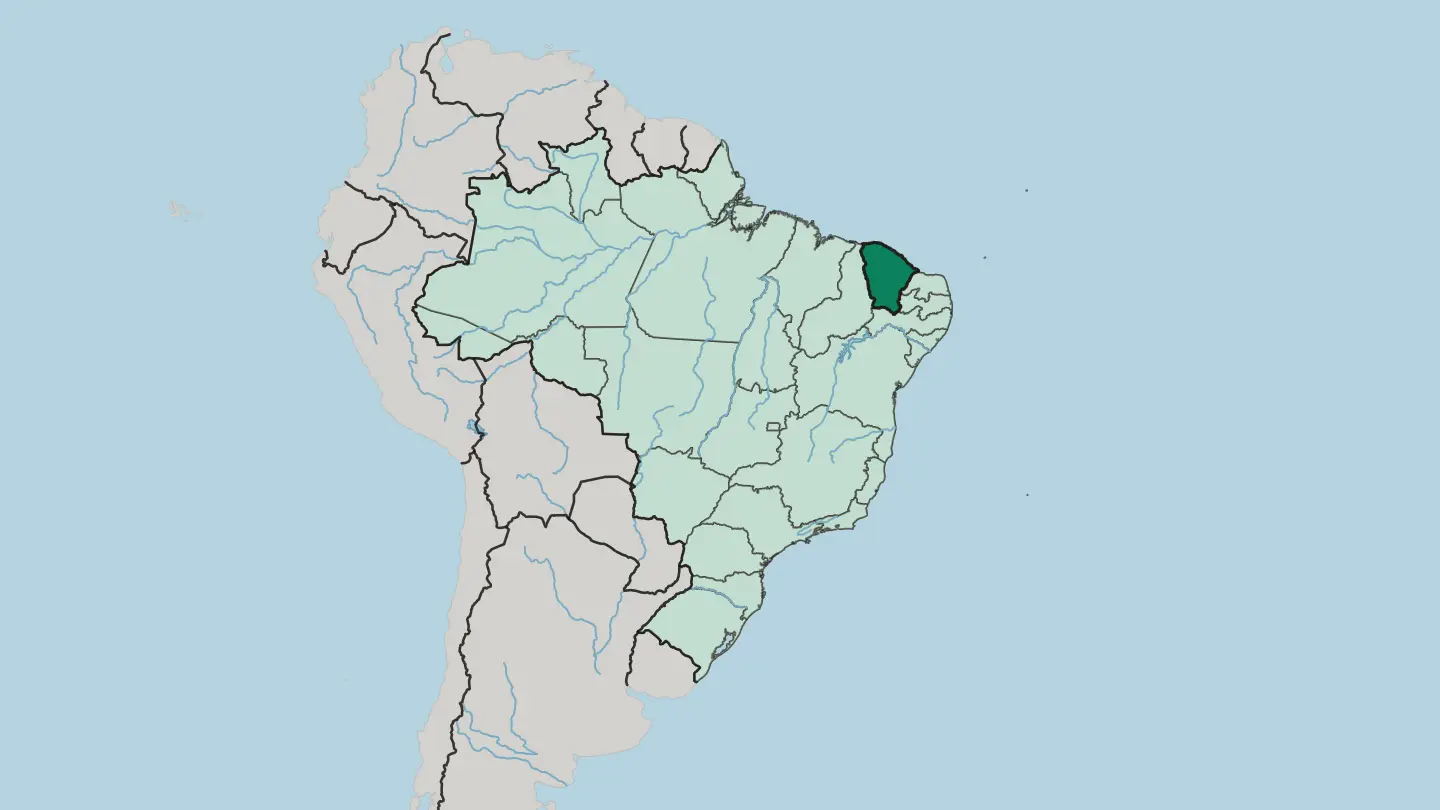
 Brazil
Espírito Santo
Espírito Santo is a coastal state on Brazil's Atlantic edge, its island capital Vitória wrapped by forested mountains and the sea.Towns & cities →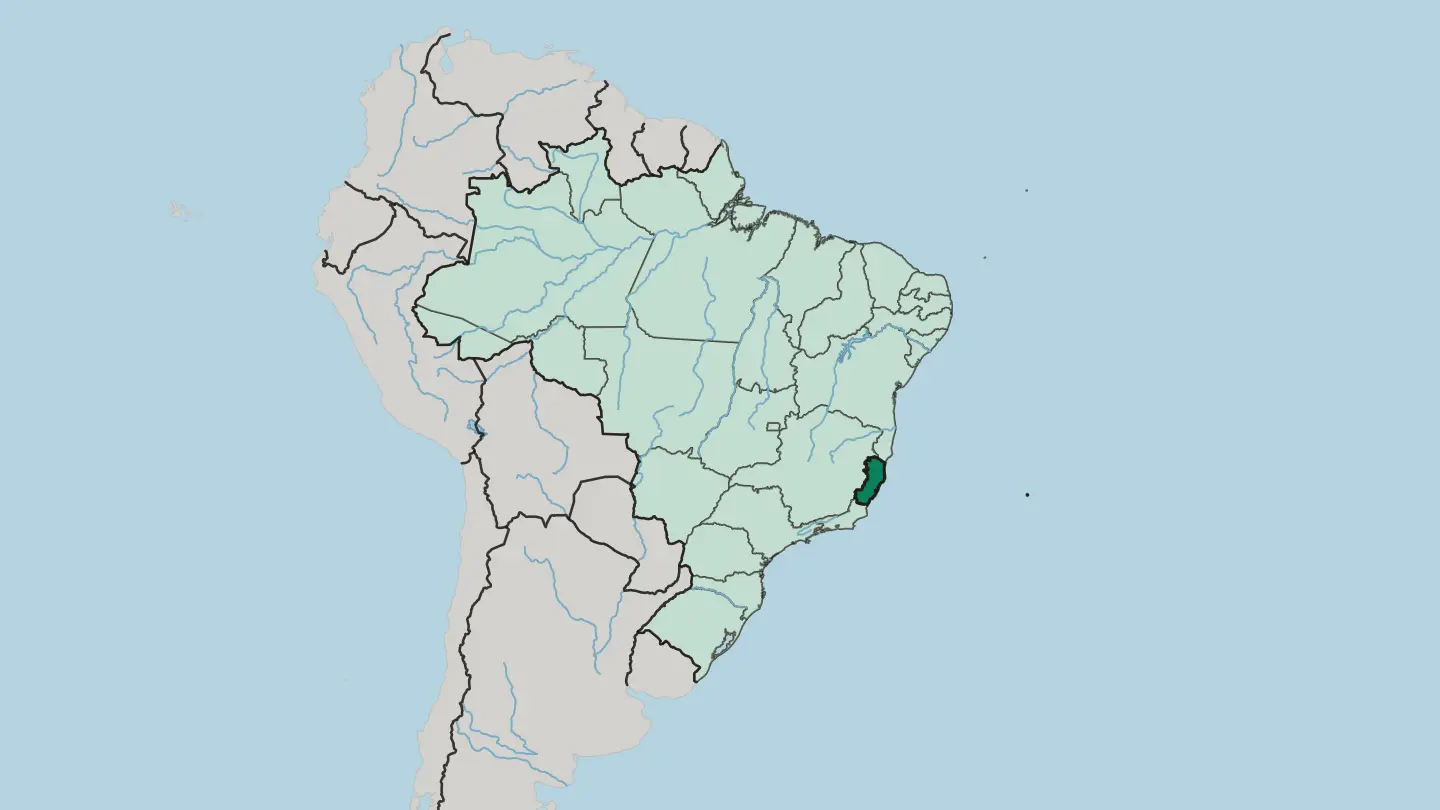 Brazil
Federal District
The Federal District is the federal unit of Brazil that holds the national capital, Brasília, standing apart from the country's 26 states.Towns & cities →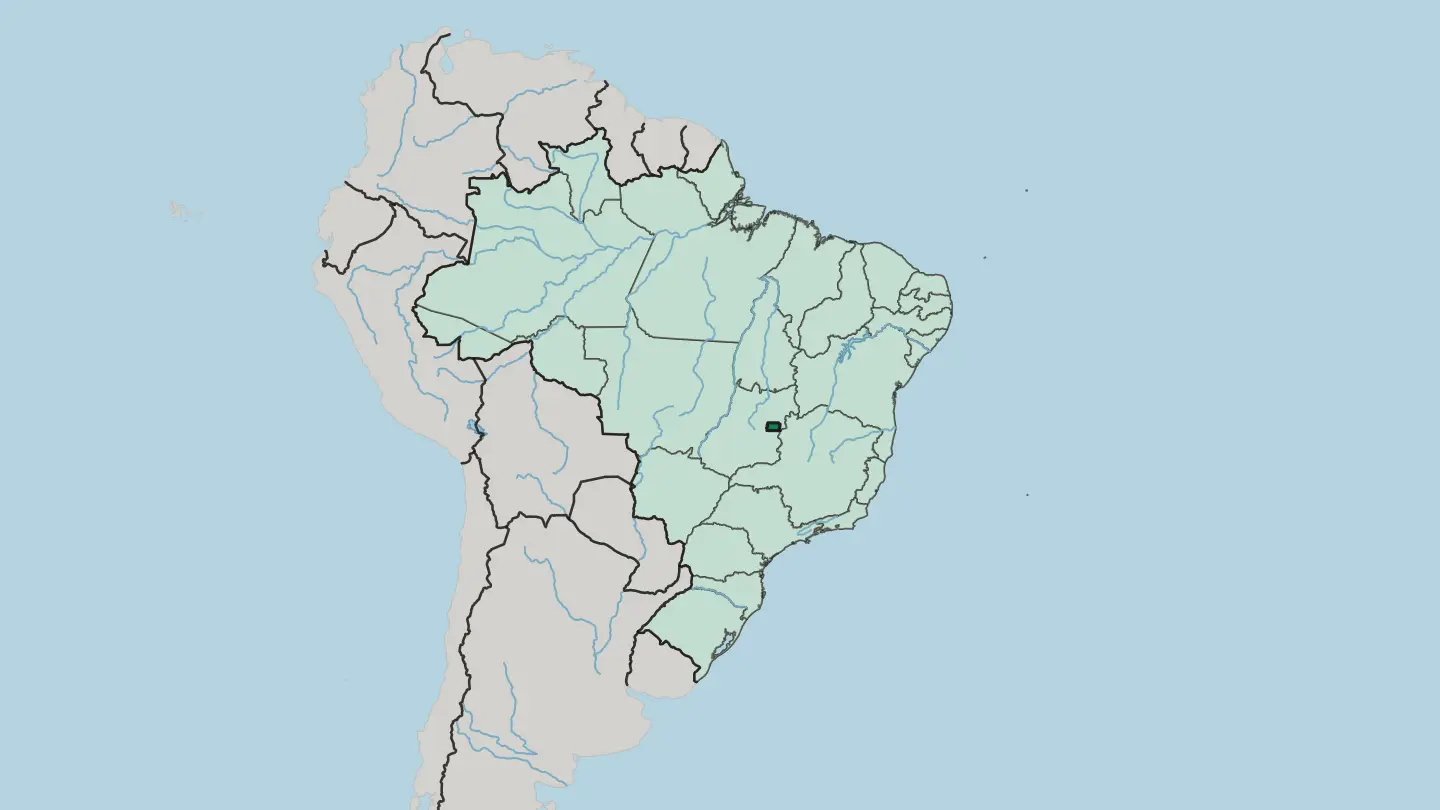
 Brazil
Goiás
Goiás is Brazil's Central-West heartland: a high Cerrado plateau of thermal springs, colonial gold towns, and the canyons of Chapada dos Veadeiros.Towns & cities →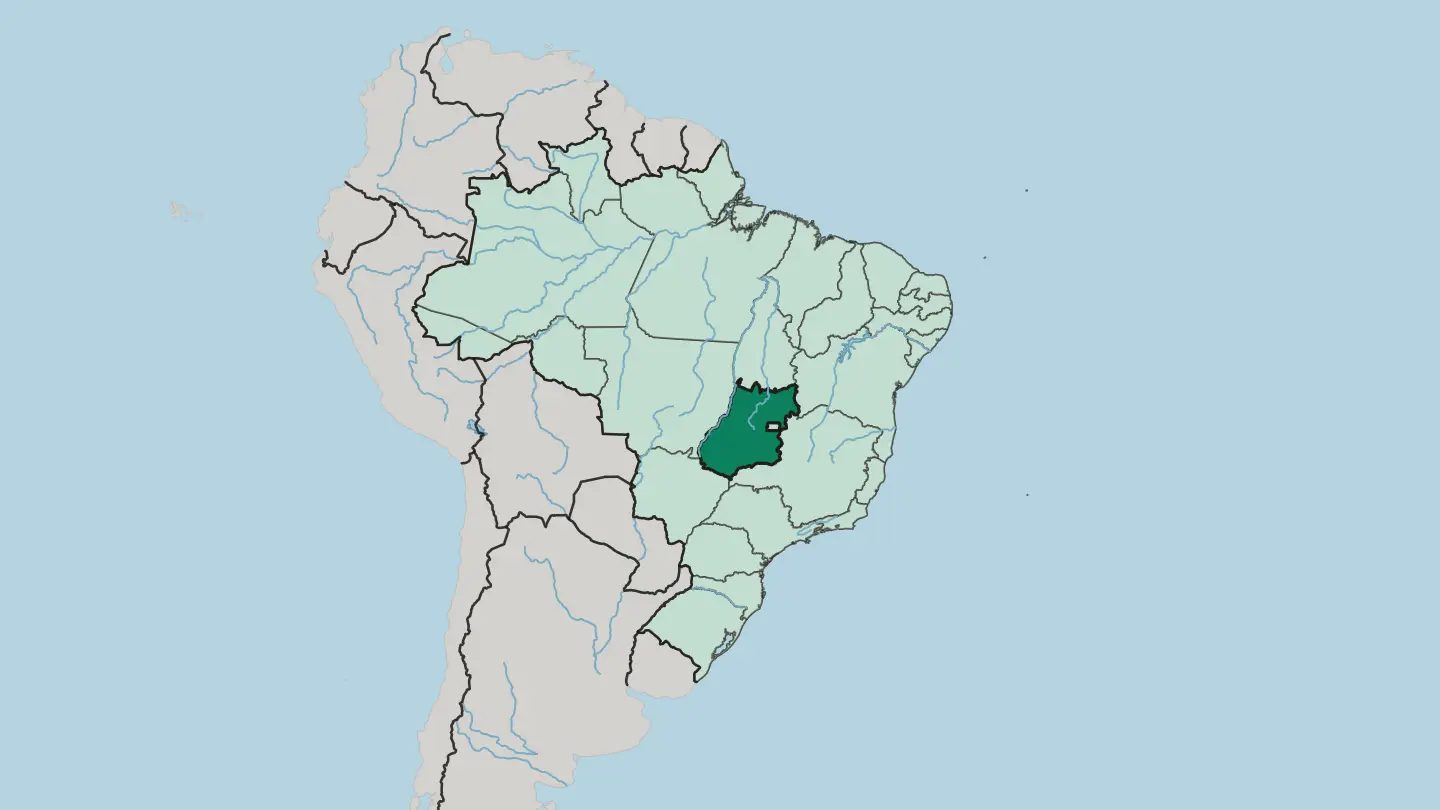
 Brazil
Maranhão
Maranhão is a state on Brazil's northern Atlantic coast, known for the Lençóis Maranhenses dunes and the colonial capital of São Luís.Towns & cities →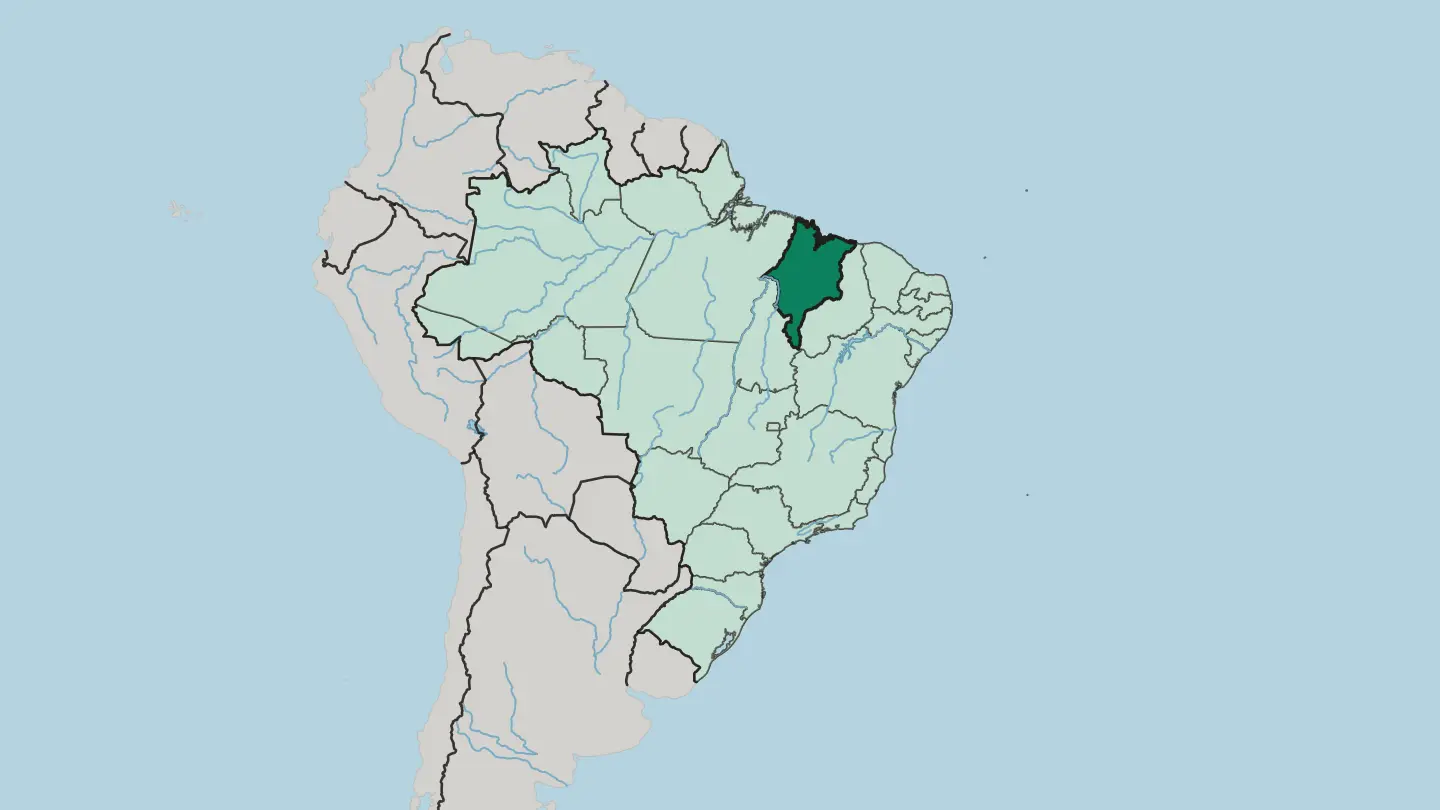
 Brazil
Mato Grosso
Mato Grosso is a vast Central-West state of Brazil where the Amazon, the Cerrado, and the Pantanal wetlands share one enormous territory.Towns & cities →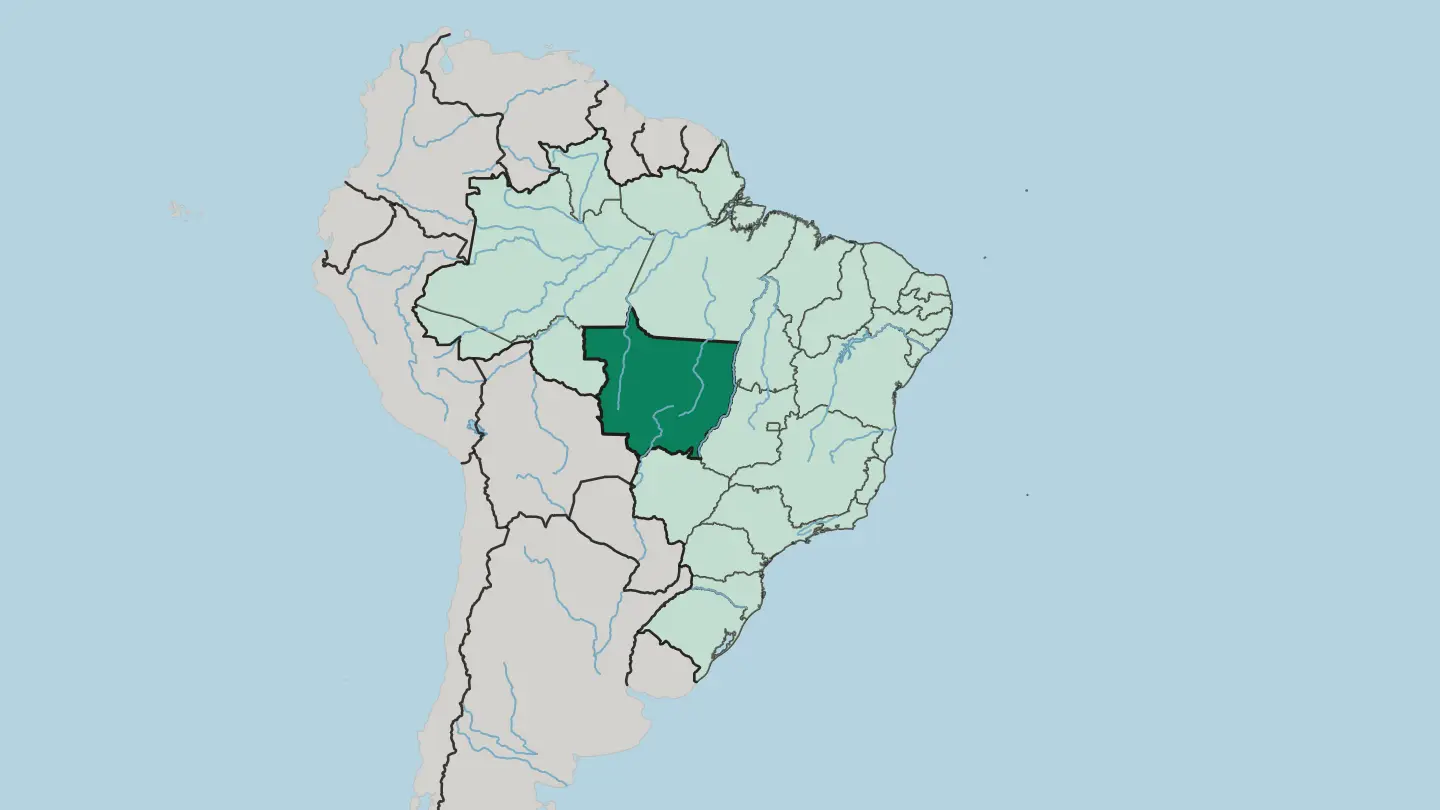
 Brazil
Mato Grosso do Sul
Mato Grosso do Sul is the Pantanal wetland state of west-central Brazil, from flooded plains and cerrado to the clear diving rivers of Bonito.Towns & cities →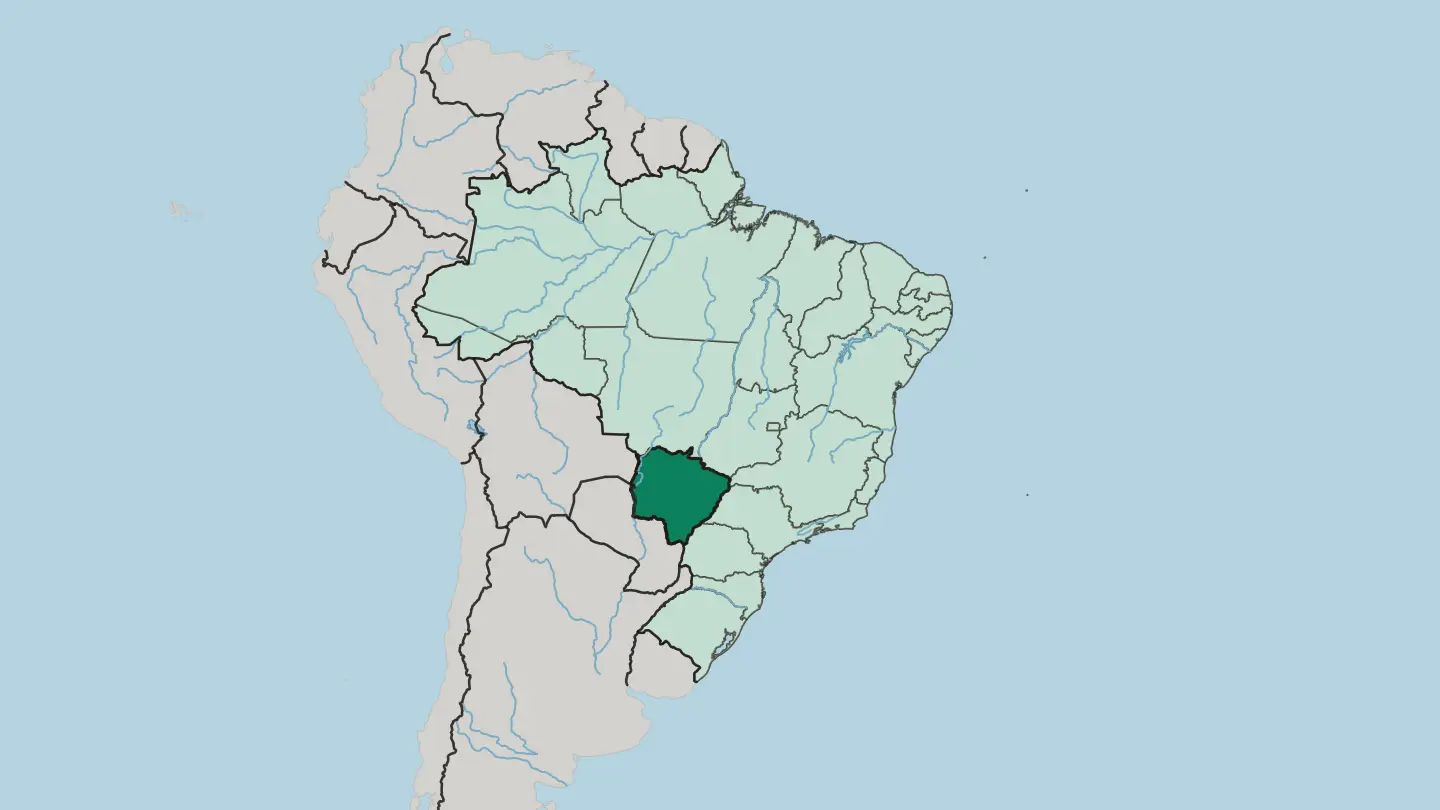 Brazil
Minas Gerais
Minas Gerais is a mountainous inland state of southeastern Brazil, where an 18th-century gold rush raised the baroque town of Ouro Preto.Towns & cities →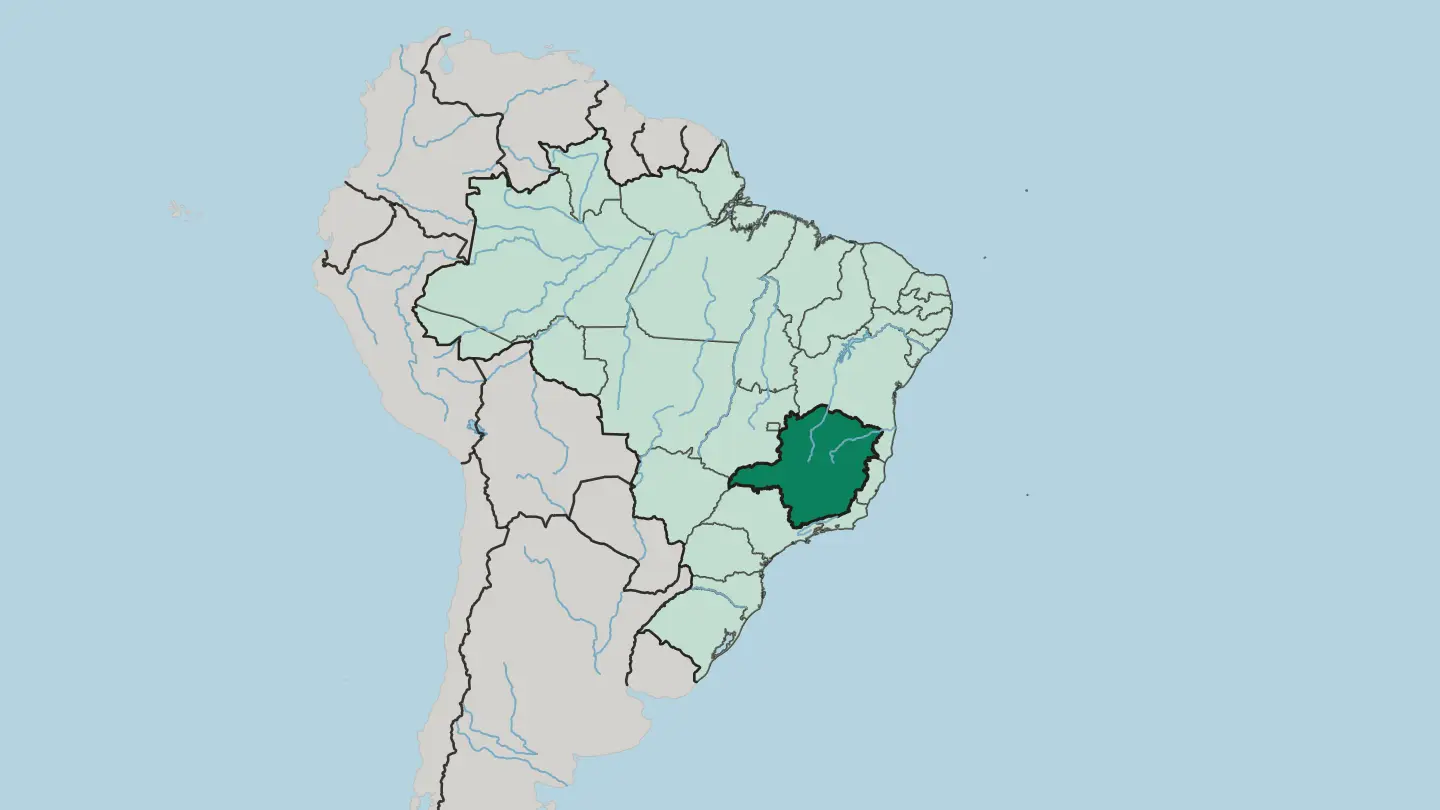 Brazil
Paraná
Paraná is a state in southern Brazil, where the Iguaçu Falls thunder down in some 275 cataracts and Curitiba sits high on the pine-forested plateau.Towns & cities →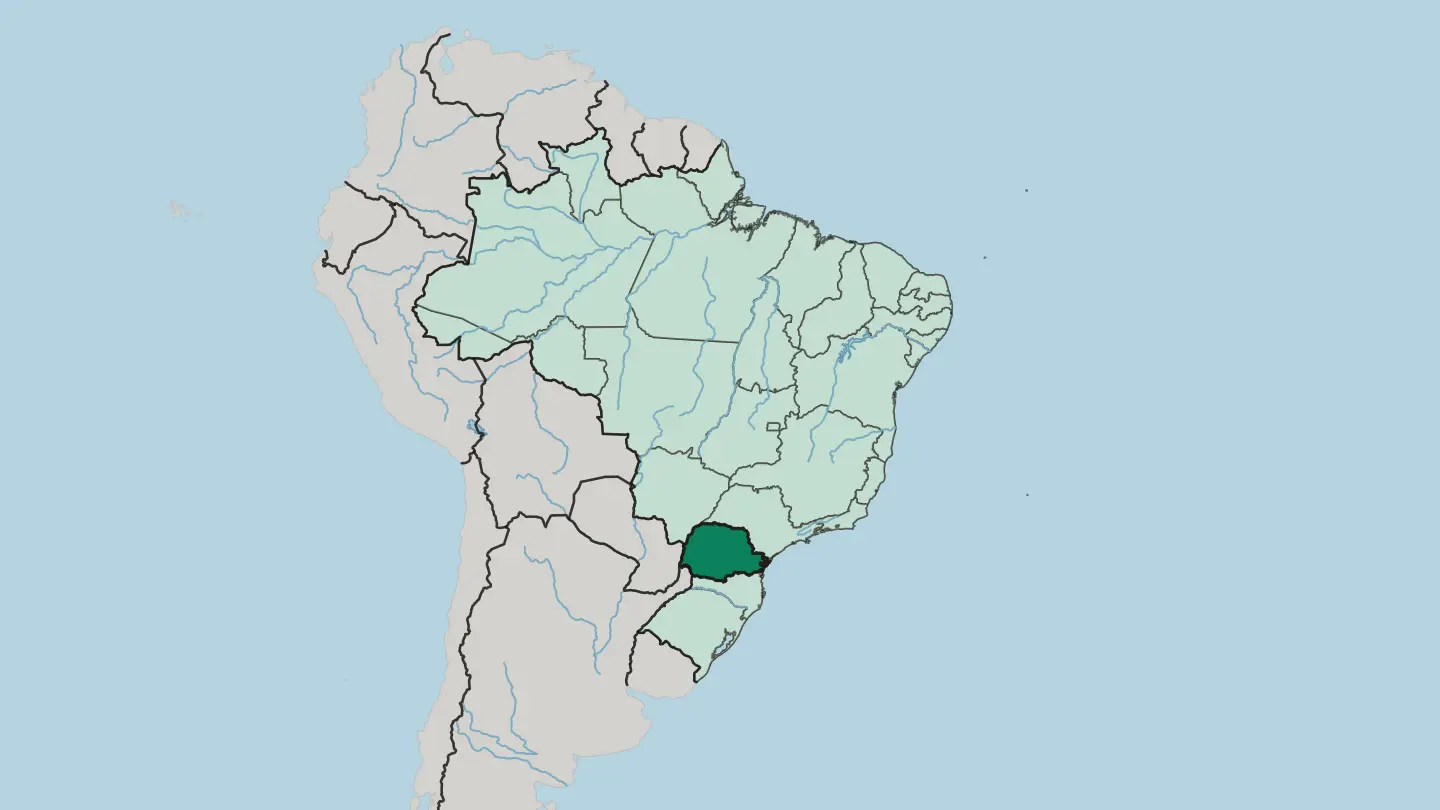
 Brazil
Paraíba
Paraíba is Brazil's easternmost state, João Pessoa on the Atlantic, Campina Grande's forró inland, and the semi-arid sertão beyond.Towns & cities →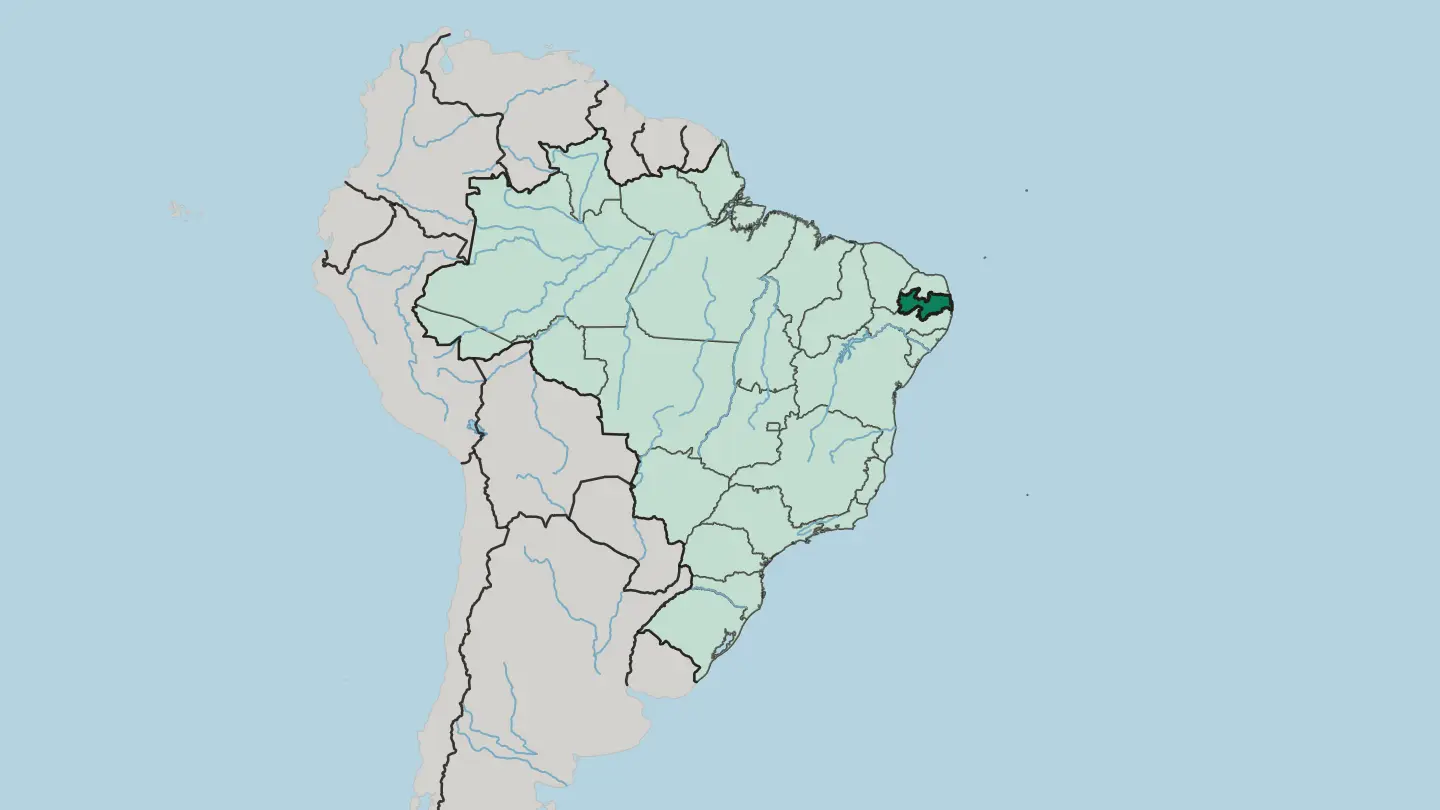
 Brazil
Pará
Pará is Brazil's second-largest state, where the lower Amazon breaks around Marajó and reaches the Atlantic past the port of Belém.Towns & cities →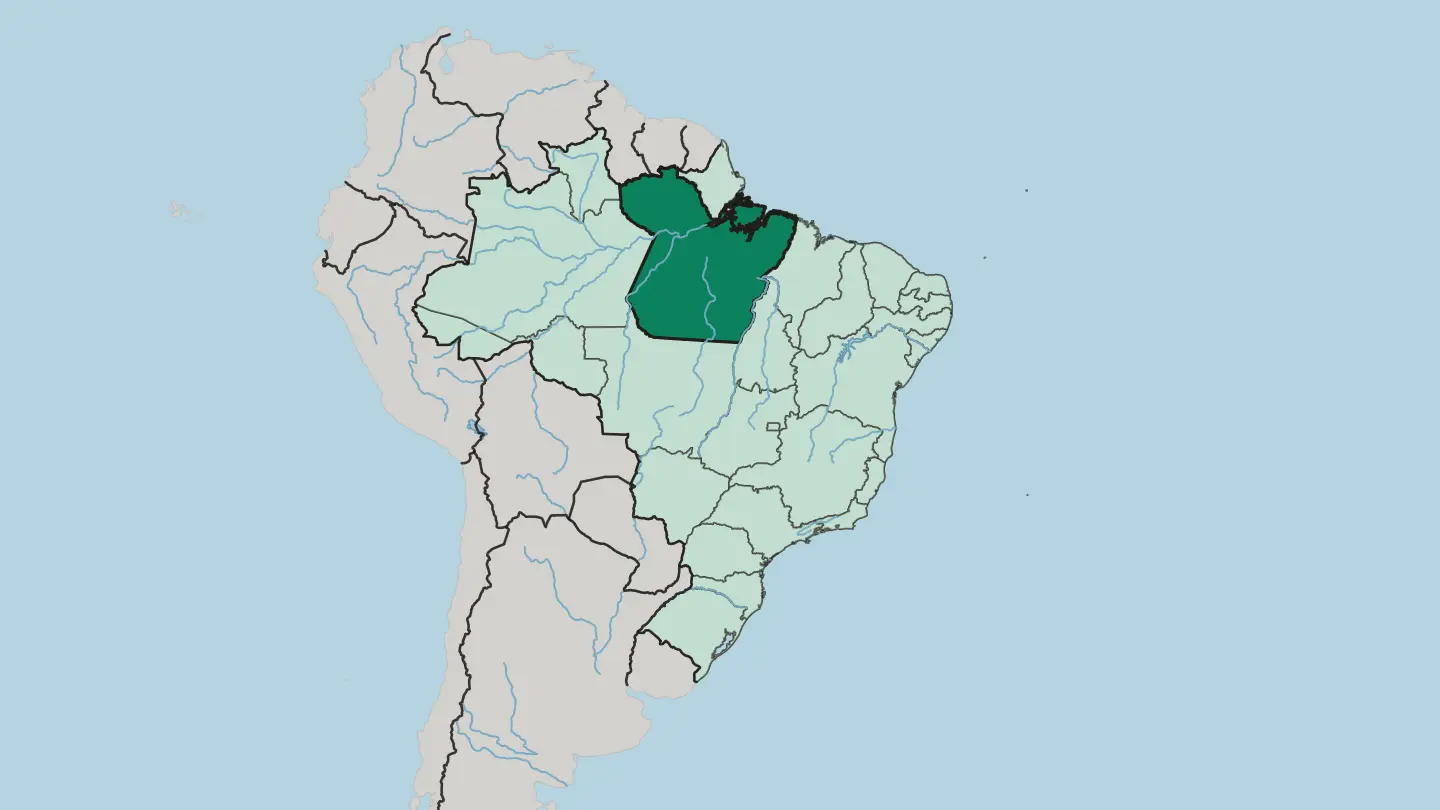
 Brazil
Pernambuco
Pernambuco runs from Recife's Atlantic beaches through the Agreste to the semi-arid Sertão, three landscapes in one Brazilian state.Towns & cities →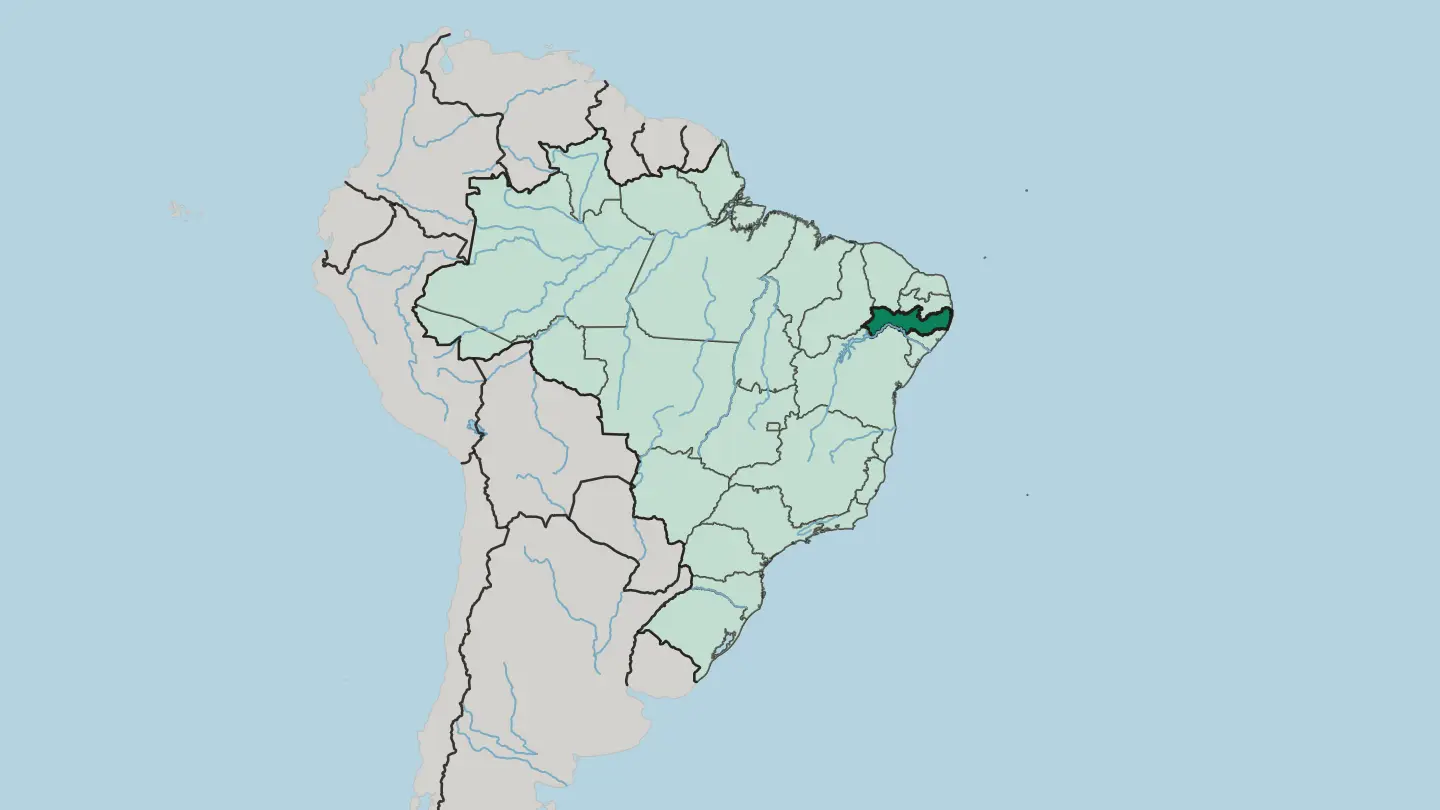
 Brazil
Piauí
Piauí is a state in Brazil's Northeast, running from a short Atlantic coast and the Parnaíba Delta to the rock-art canyons of Serra da Capivara.Towns & cities →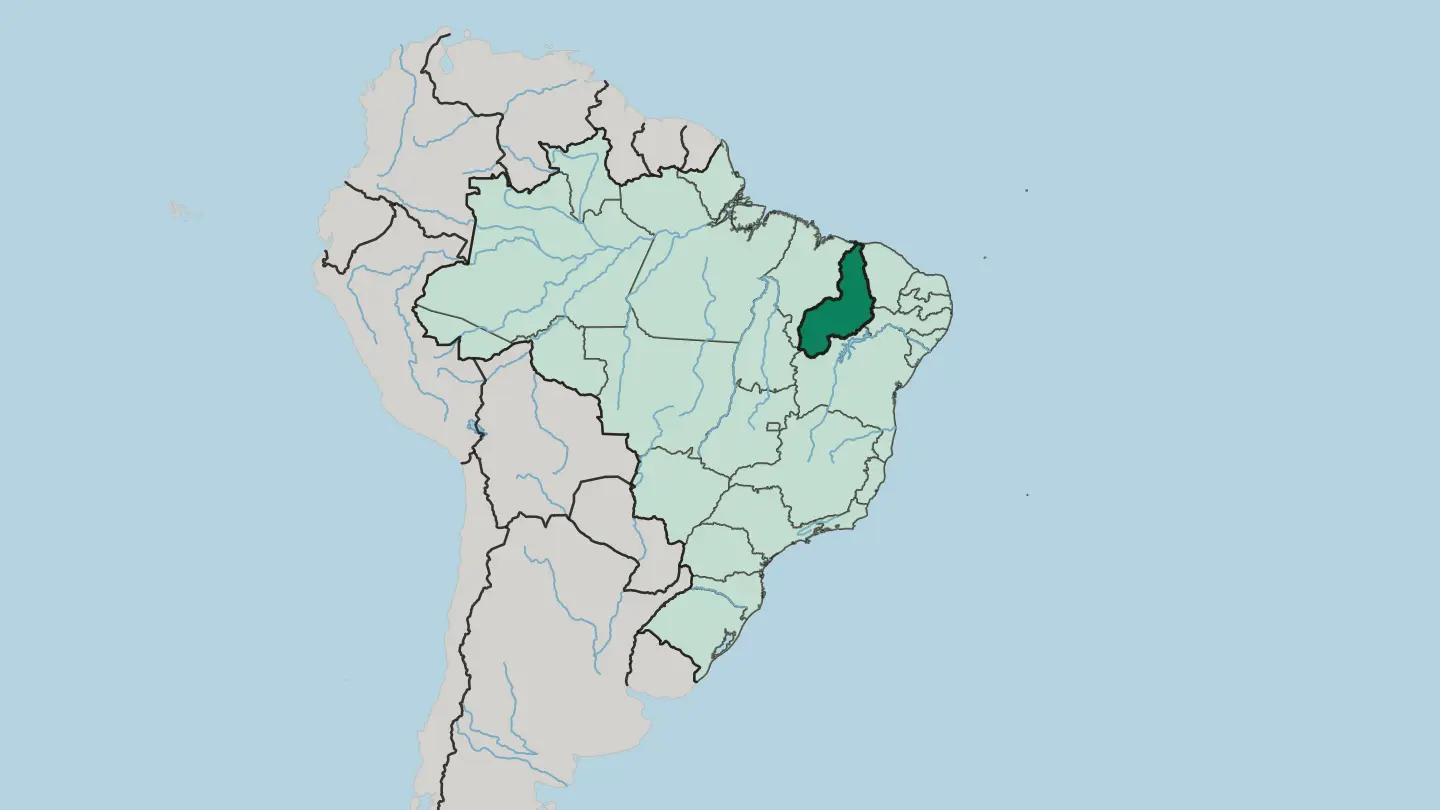
 Brazil
Rio Grande do Norte
Rio Grande do Norte is Brazil's northeastern corner, a Potiguar coast of white dunes and warm Atlantic beaches anchored by its capital, Natal.Towns & cities →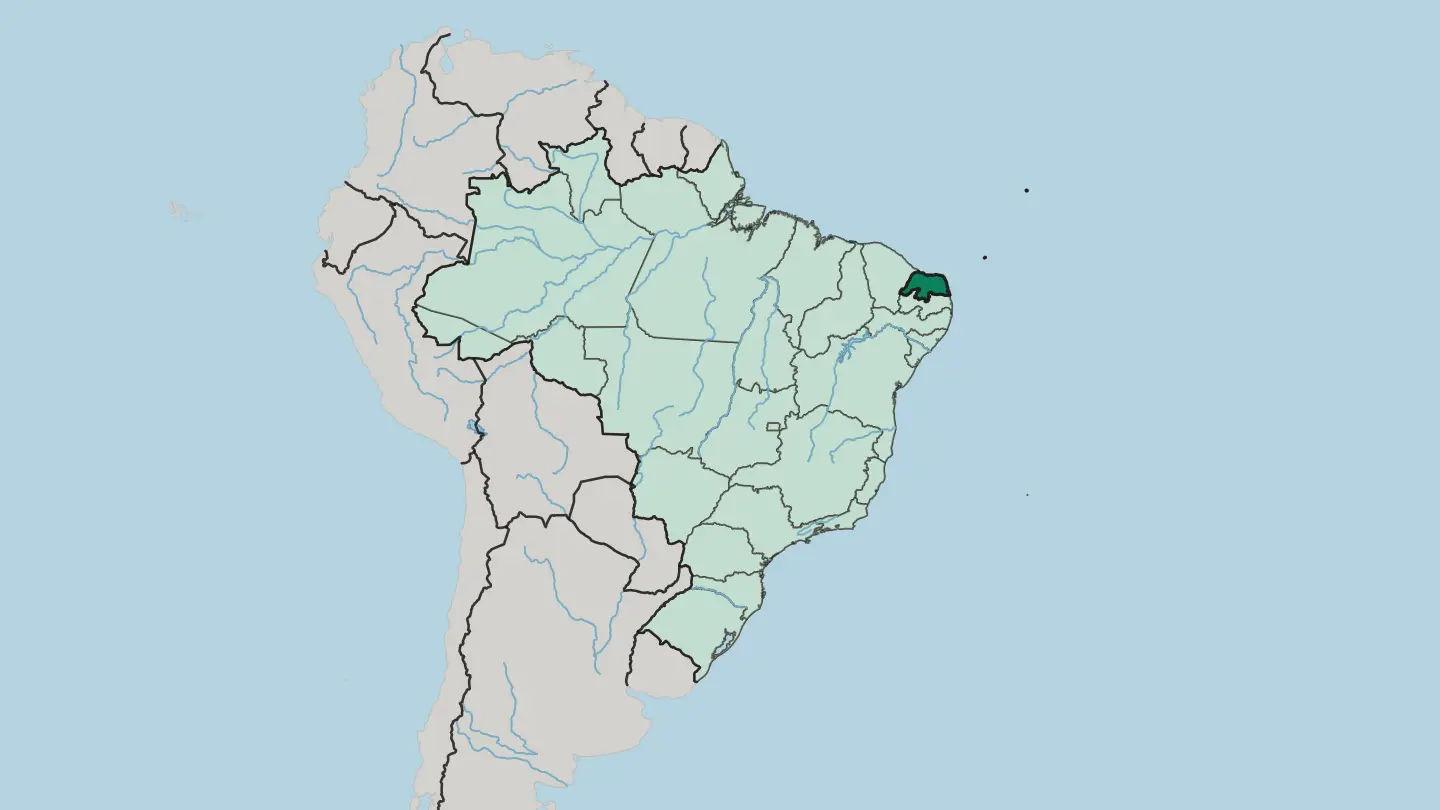
 Brazil
Rio Grande do Sul
Rio Grande do Sul is Brazil's southernmost state: gaúcho ranch country, churrasco and chimarrão, and the wine hills of the Serra Gaúcha.Towns & cities →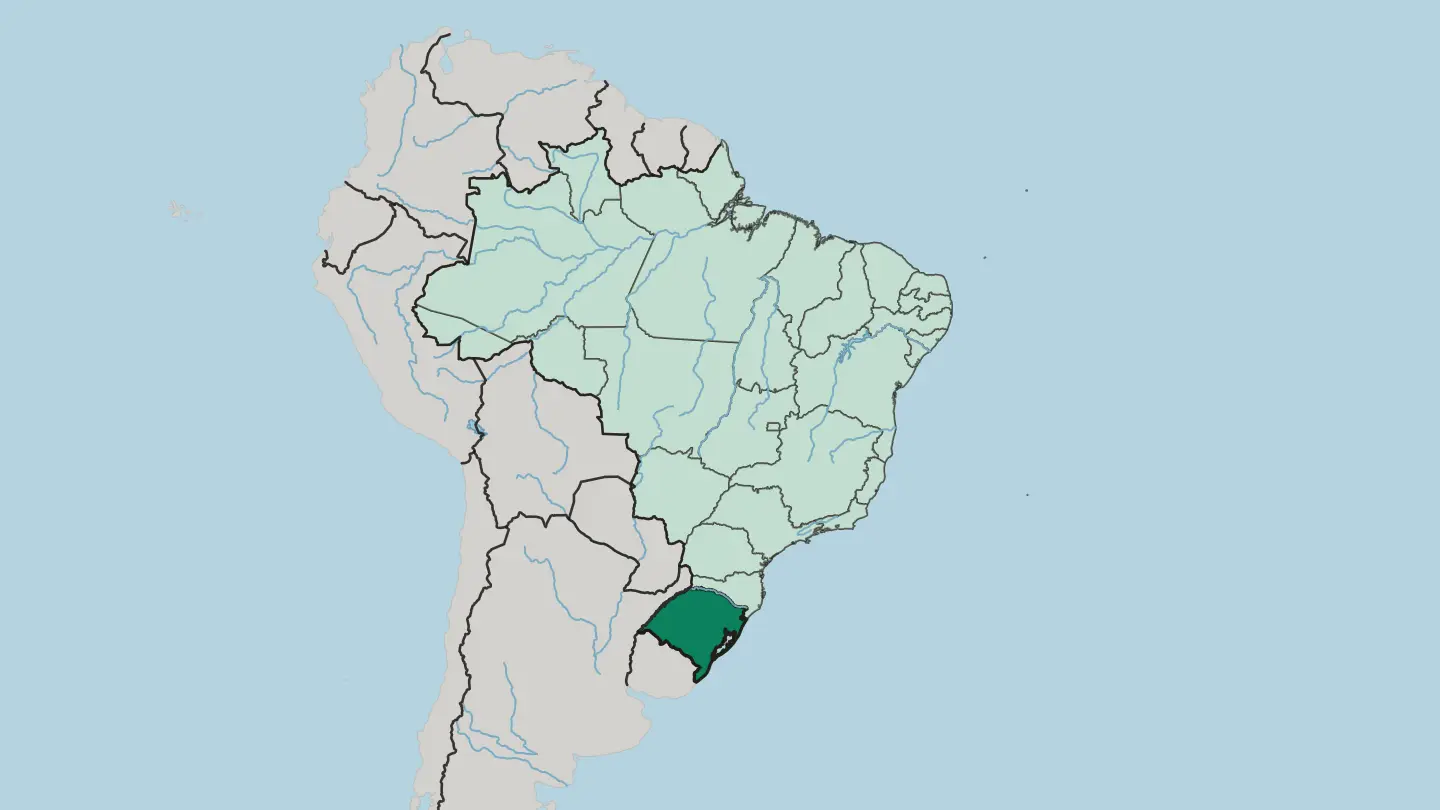 Brazil
Rio de Janeiro
Rio de Janeiro is a coastal state on Brazil's South Atlantic shore, named for its capital, and known for its beaches and Carnival.Towns & cities →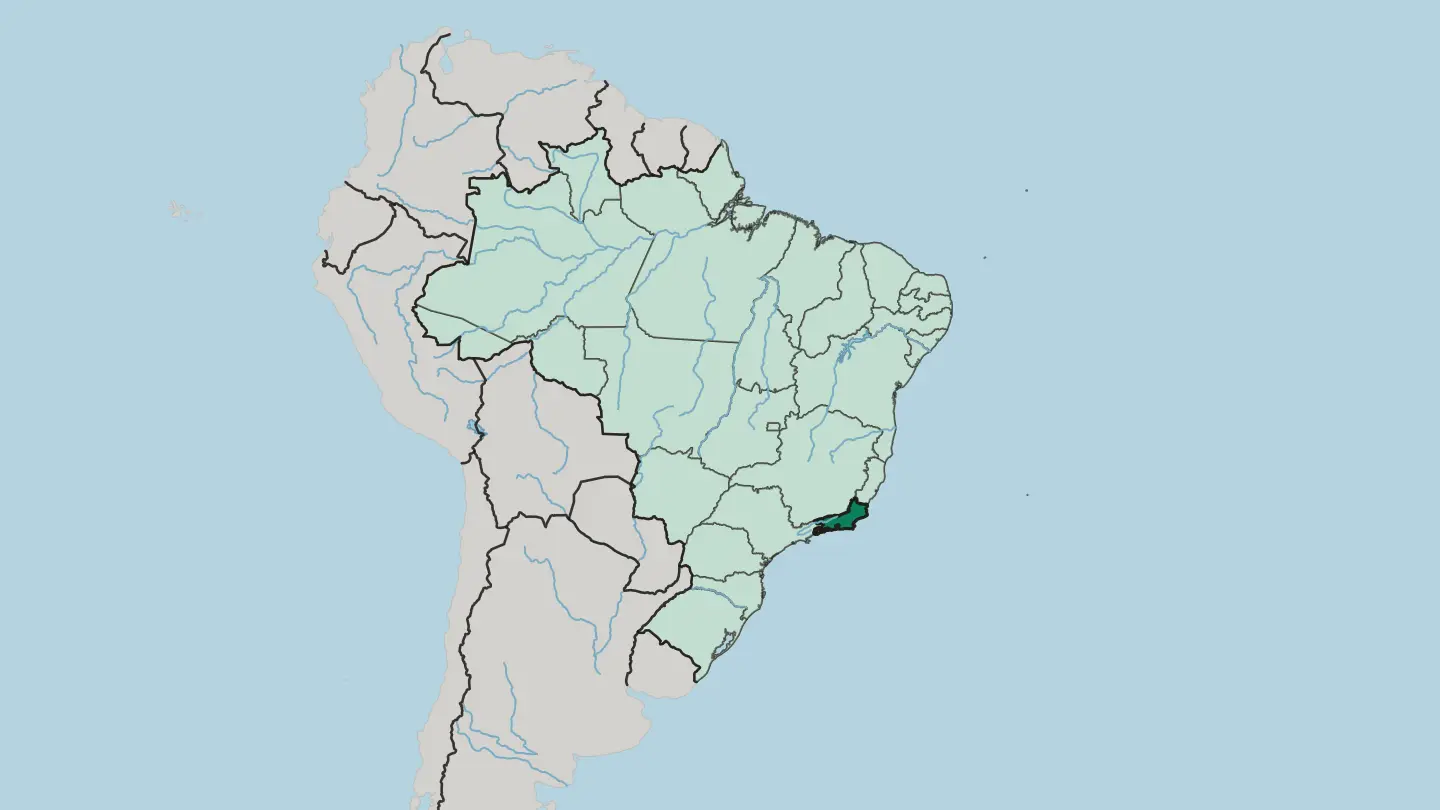 Brazil
Rondônia
Rondônia is a Brazilian state in the Amazon, on the Madeira River, with Porto Velho as its capital and main river port.Towns & cities →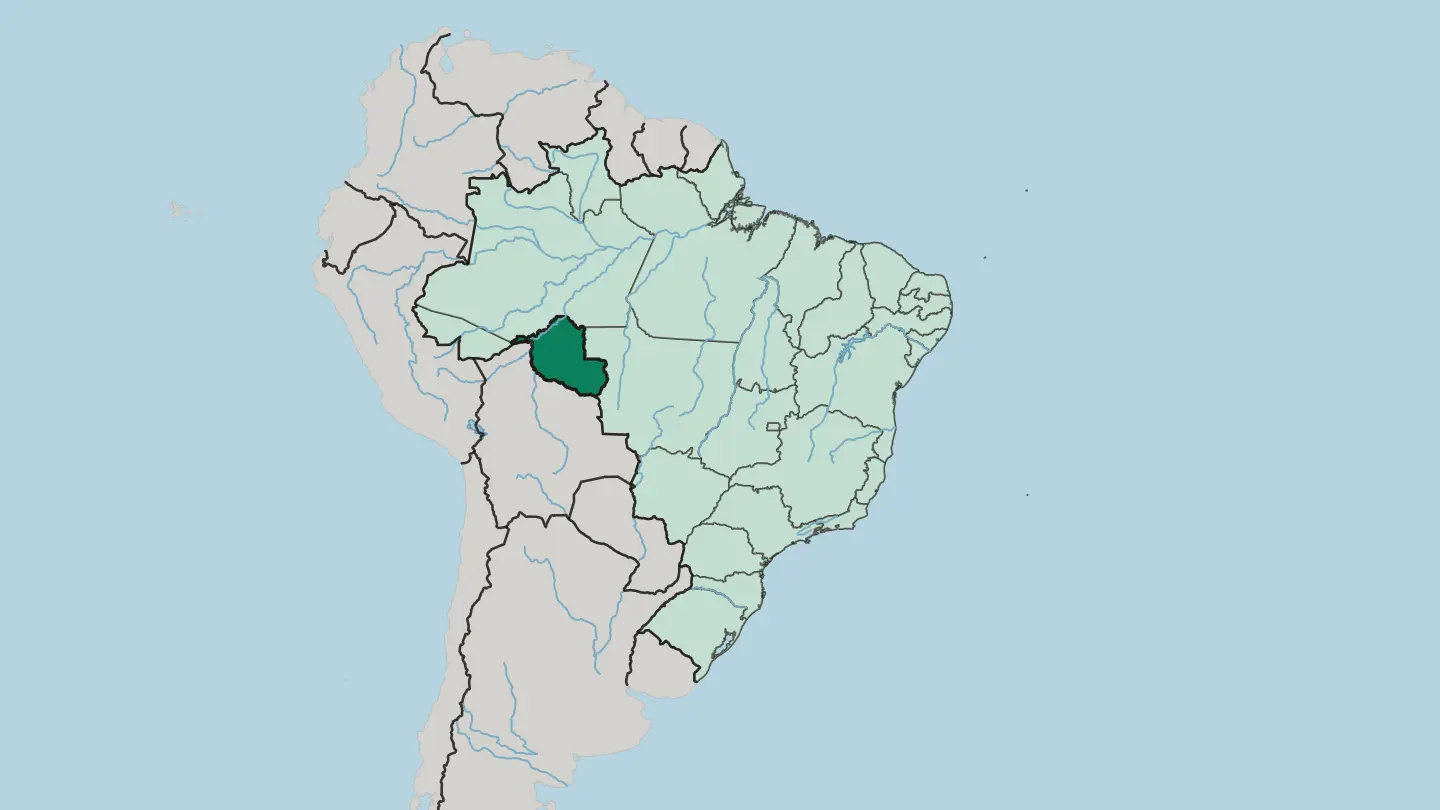 Brazil
Roraima
Roraima is Brazil's northernmost state, a frontier of savanna and Amazon rainforest on the Rio Branco, bordering Venezuela and Guyana.Towns & cities →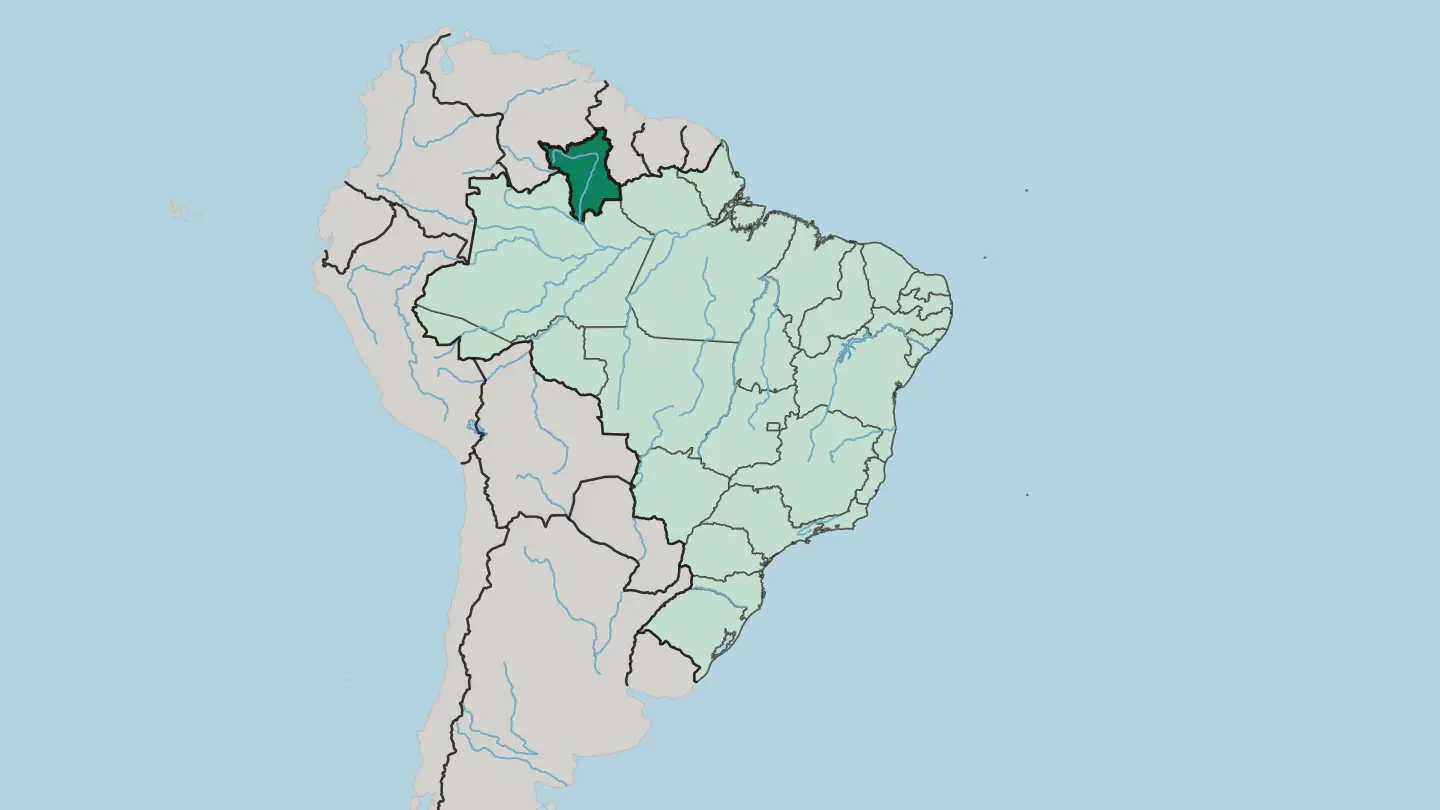 Brazil
Santa Catarina
Santa Catarina is Brazil's subtropical south: surf beaches, the Serra Geral mountains, and German, Italian and Azorean settler towns.Towns & cities →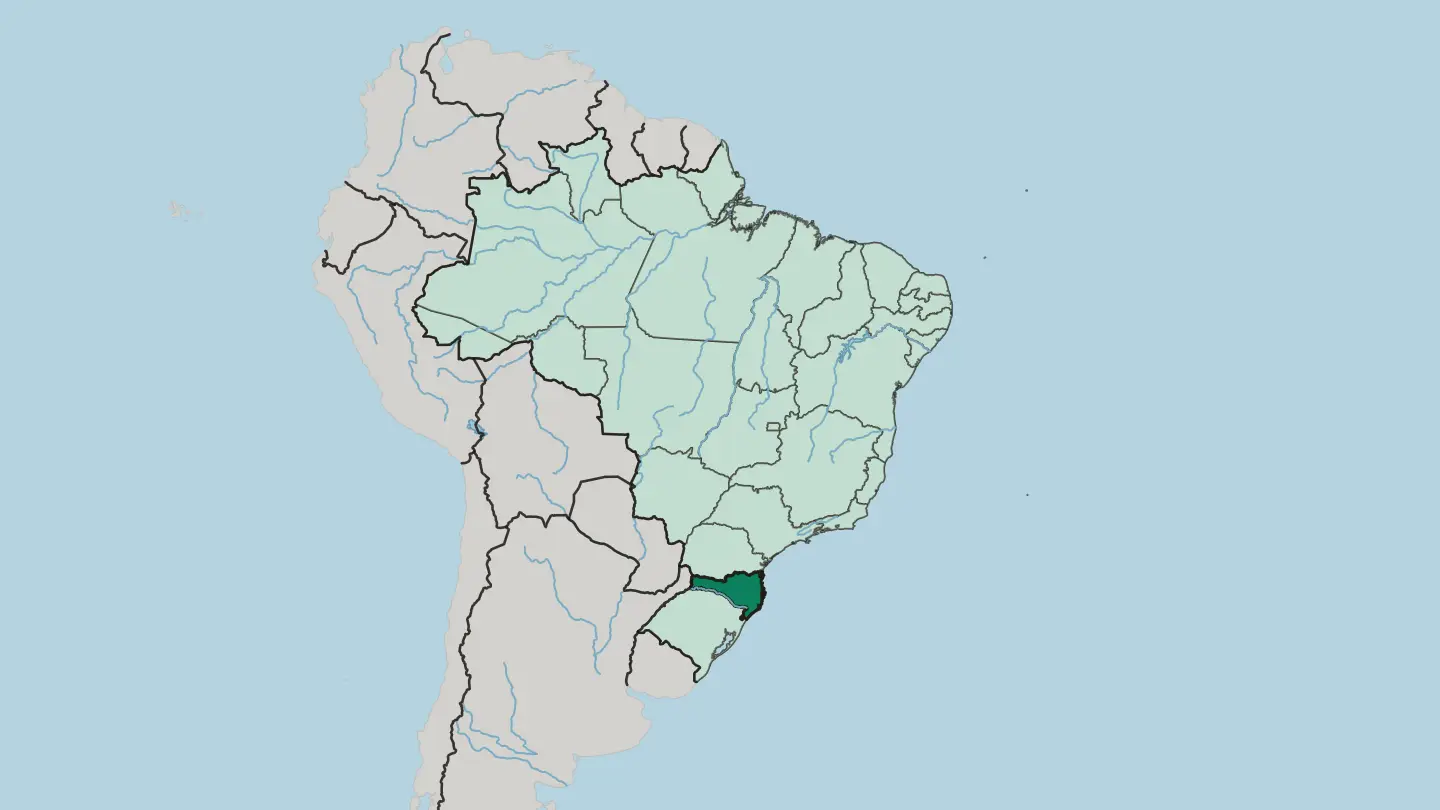
 Brazil
Sergipe
Sergipe is Brazil's smallest state, a strip of Atlantic coast and dry caatinga interior in the Northeast, its capital Aracaju on the Sergipe River.Towns & cities →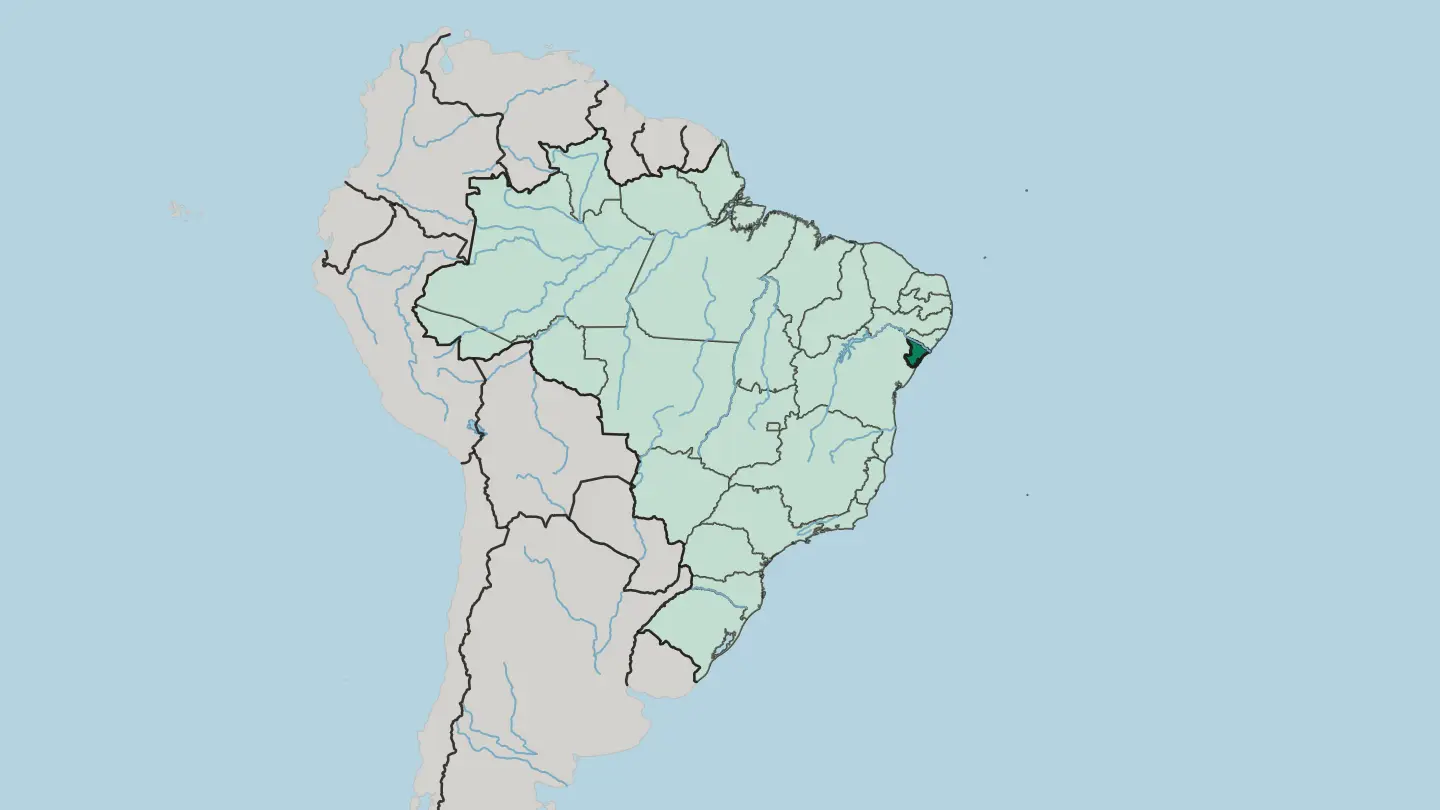 Brazil
São Paulo
São Paulo is a state in southeastern Brazil, named for its capital, the largest city in the country and its business heart.Towns & cities →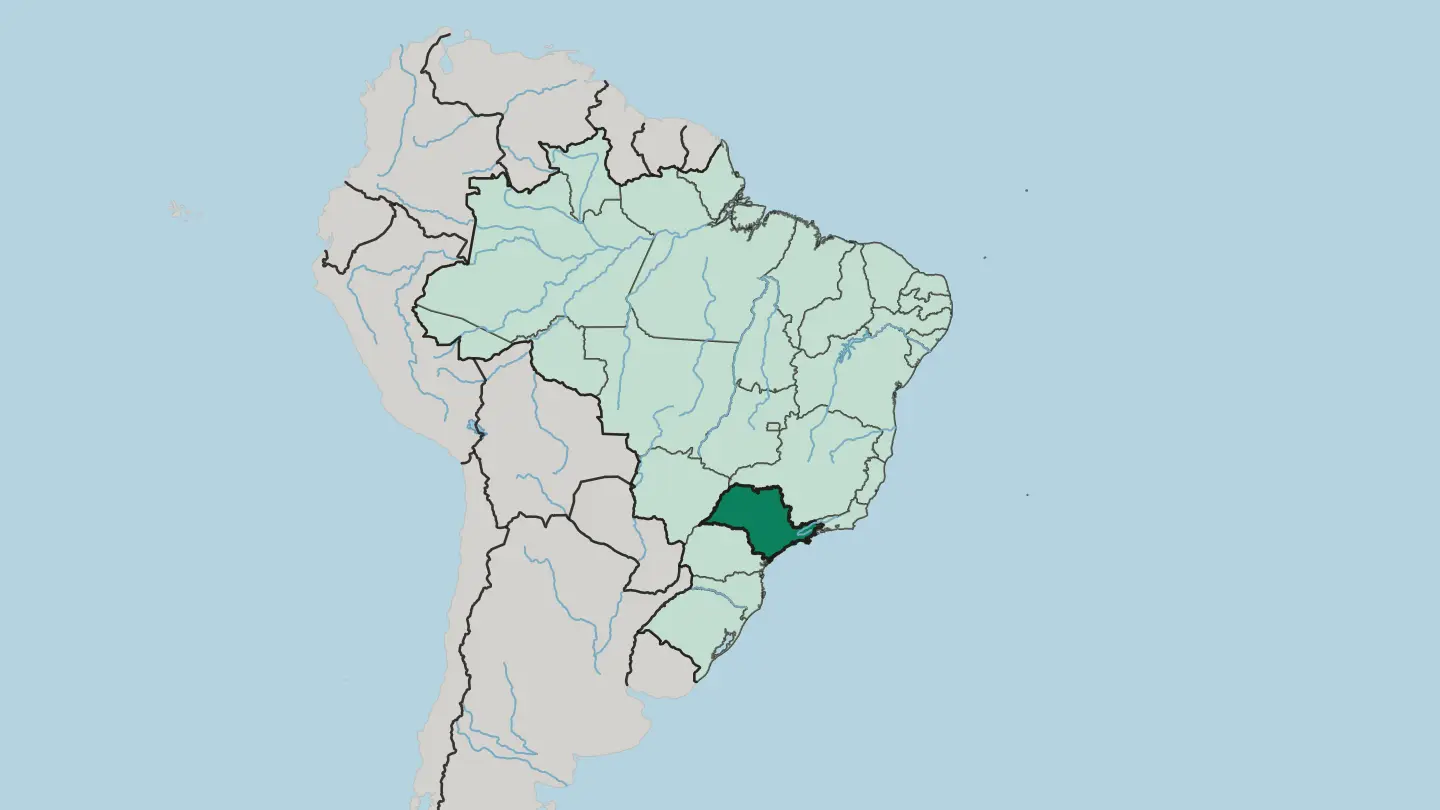
 Brazil
Tocantins
Tocantins is Brazil's newest state, carved from northern Goiás in 1988, its cerrado split by the Araguaia and Tocantins rivers.Towns & cities →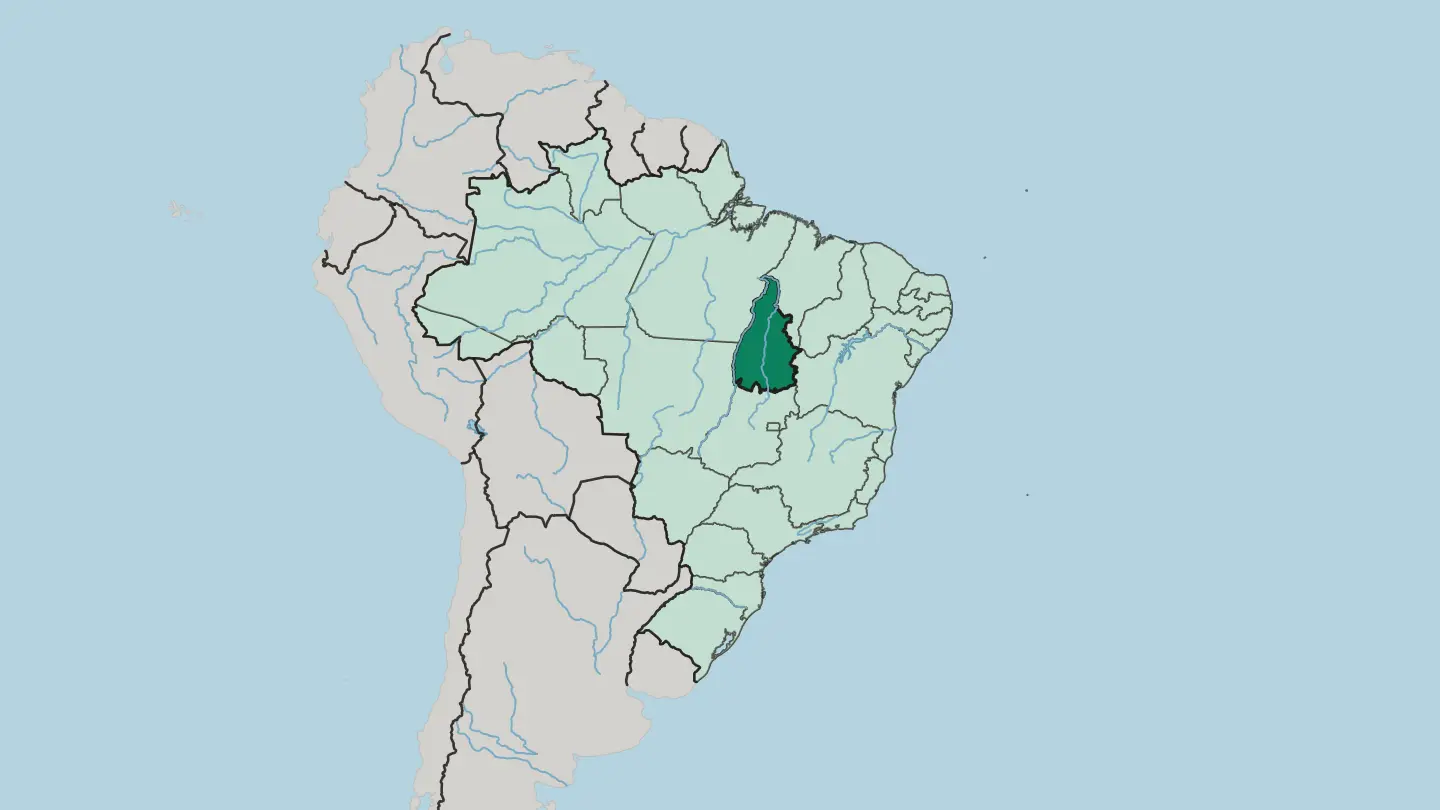
Explore by experience
Not sure which place? Start from how you want to travel.
About Brazil
What is Brazil known for?
Brazil is known for the Amazon, for Carnaval, and for the beaches of Rio de Janeiro. The scale is continental. As the largest country in South America, it holds the vast Amazon rainforest, the thundering Iguaçu Falls, and a coastline of famous beaches, while its cities range from São Paulo, the largest, to Rio de Janeiro.
Portuguese ties it all together as the national language.
Where is Brazil?
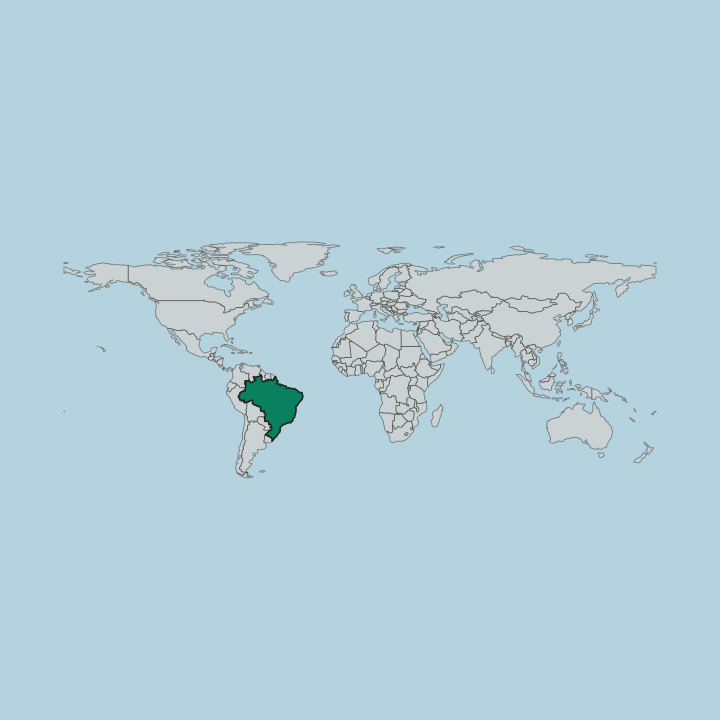
Brazil is the largest country in South America and the fifth-largest on Earth by area. Its size shapes everything. The land runs from the equatorial basin of the Amazon in the north to the subtropical south, taking in highland plateaus, long river systems, and a coastline that meets the South Atlantic along its entire eastern edge.
Few countries hold so many landscapes at once. The Amazon rainforest covers much of the north, drained by the Amazon river and its tributaries. It spreads in an unbroken green expanse across the northern half of the country, the defining feature of Brazil's interior.
To the south lie the Iguaçu Falls, where the river drops in a wide curtain along the border country. Between these extremes sit the plateaus and valleys that carry Brazil's great cities, São Paulo and Rio de Janeiro among them, close to the Atlantic shore. Brasília, the federal capital, stands inland on the central highland, set apart in the Federal District.
The result is a federation of 26 states spread across a continent-sized country. Distances between regions run vast, crossing climates and landscapes within one country.
What is the history of Brazil?
Brazil's history begins with the meeting of very different peoples. Portuguese colonizers arrived from Europe, and over generations the country drew in African and Asian communities alongside its indigenous peoples, a mingling that still shapes the country. European, African, Asian, and indigenous roots each left their mark on the country's speech, faith, and everyday life.
The colony grew large. Portuguese took hold as the common language, which is why Brazil holds more Portuguese speakers than any other country and remains the only nation in the Americas where Portuguese is official. Independence came in 1822.
From that point the country took shape as a federation, eventually a union of 26 states and a Federal District that governs its own capital. Brasília became that capital, inland in the Federal District. Each of the 26 states carries its own history within the federation.
São Paulo and Rio de Janeiro grew into the country's largest cities, the industrial and cultural counterweights to the inland capital in the interior. Together they form one of the world's largest countries by area. That layering of peoples, languages, and cities still defines Brazil.
What is Brazil like?
Culture in Brazil changes from one region to the next, but a few threads run nationwide. Carnaval is the loudest of them, filling the streets of Rio de Janeiro, Salvador, Olinda, and Recife with music and parade. The party is national.
Behind it lies the deeper mix the country was built from: European, African, Asian, and indigenous strands woven into Brazilian food, music, and faith across every state. The Portuguese language binds this variety together. It is the mother tongue of the whole country, the single thread shared from the Amazon to the southern cities, and Brazil holds more Portuguese speakers than any other nation.
Beach life colours the coast. Along the shore, and above all in Rio de Janeiro, an easy outdoor culture centres on sand, sea, and long afternoons in the sun, while inland cities like São Paulo carry the country's restaurants and nightlife. From the Amazon to the southern cities, each region keeps its own music, cooking, and speech.
The result is one culture with many accents, held together by language and carried by the same Carnaval rhythm from north to south.
What is the climate of Brazil?
Brazil's climate is mostly tropical, a warmth that follows from its place across the equator and the South American tropics. The range is wide. The Amazon basin in the north stays hot and wet through the year, thick with rainforest humidity, while the far south turns milder and more seasonal, closer to subtropical.
Along the coast, sea breezes soften the heat around Rio de Janeiro and the beaches. It is a country with little true winter.
How do you get to Brazil?
Most visitors reach Brazil by air, landing first in one of its big cities. São Paulo is the main point of arrival, the largest city and the busiest entry, followed by Rio de Janeiro on the coast and Brasília in the interior. From there the country opens up.
Because Brazil is the size of a continent, onward travel to the Amazon or the Iguaçu Falls means long internal hops rather than short drives.
Good for
Updated September 2026