Brazil · Alagoas
Where to Stay in Maceió, Alagoas
Maceió, founded in 1815 and capital of coastal Alagoas, takes its name from a Tupi word for a spring.
Hotel links are affiliate links: booking through them may earn us a commission, at no extra cost to you. It never affects how places are ranked. How this works


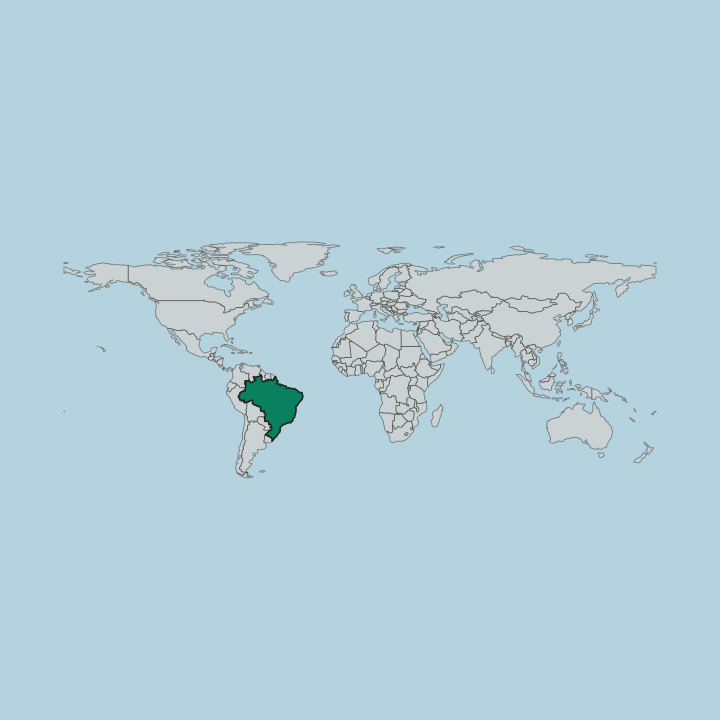
Where to stay in Maceió
The practical side of choosing where to sleep.
Jaraguá is the old side of the choice. The Pierre Chalita Foundation stands in that quarter, and the churches the city lists, the Igreja Bom Jesus dos Martírios, the Igreja Nossa Senhora da Guia, the Igreja de Nossa Senhora do Livramento and the Capela de São Gonçalo de Amarante, belong to the built-up historic ground rather than to the sand. Streets there have weight.
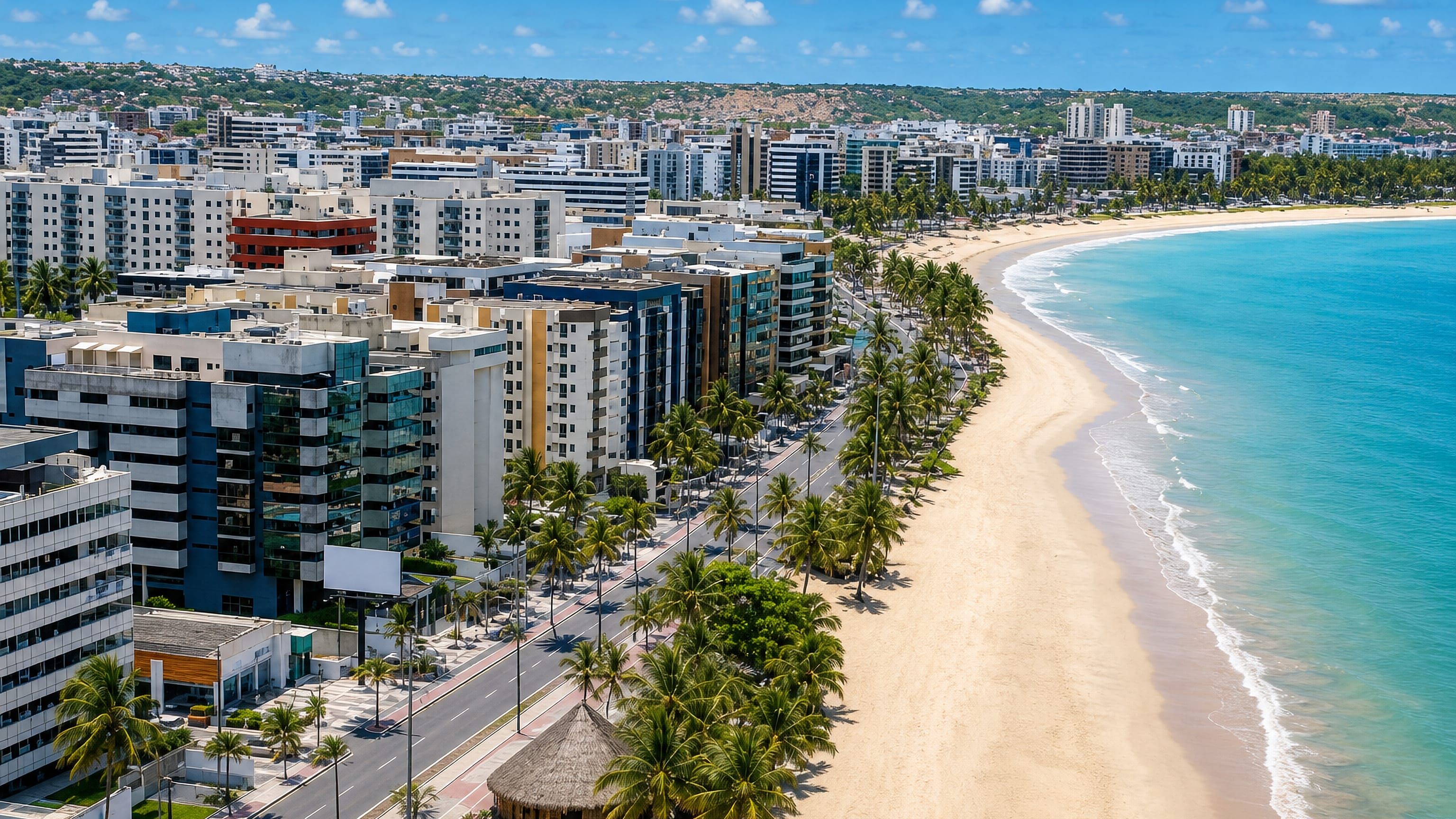
A bed among them puts the Museu Palácio Floriano Peixoto and the Instituto Histórico e Geográfico de Alagoas within an ordinary walk, which is a different holiday from one measured in steps to the water. The shore argues its own case. You may simply want the palms, the mangroves and that shallow green sea outside the door, in which case the museums of Maceió become an afternoon rather than a reason.
Both halves are close. A municipality of some 503 square kilometres holds the whole spread, from the collections of the Museu Théo Brandão and the Museu de Arte Pierre Chalita to the Memorial à República and the Museu da II Guerra Mundial, so the distance between the historic quarter and the coast is a short one either way. Portuguese runs every desk in Alagoas.
Find hotels in Maceió
Direct booking searches for these neighbourhoods.
Jaraguá
Jaraguá holds the Pierre Chalita Foundation, and the churches of Maceió sit on that historic ground rather than out along the sand.Find hotels in JaraguáVisitors working through the Museu Palácio Floriano Peixoto and the Théo Brandão collectionsThe Floriano Peixoto museum streets
The Museu Palácio Floriano Peixoto, the Instituto Histórico e Geográfico de Alagoas and the Museu de Arte Pierre Chalita stand within the same walk of central Maceió.Find hotels in The Floriano Peixoto museum streetsSwimmers who want the coconut palms and shallow green sea of Alagoas at the doorThe green-water shore
Mangroves and palms line the water that gives Maceió its reputation, and a room facing it trades the museums for the sea.Find hotels in The green-water shoreHotel links are affiliate links: booking through them may earn us a commission, at no extra cost to you. It never affects how places are ranked. How this works
Things to do in Maceió
Ranked by global recognition; descriptions from Wikidata (CC0).
Museums & Galleries
4- Museu Palácio Floriano Peixoto Heritage
- Museu Théo Brandão Heritage
- Museum of Sound and Image of Alagoas Heritage
- Instituto Histórico e Geográfico de Alagoas Heritage
Churches & Religious Sites
5- Capela de São Gonçalo de Amarante Heritage
- Church of Our Lady of the Rosary Heritage
- Igreja Bom Jesus dos Martírios Heritage
- Igreja Nossa Senhora da Guia Heritage
- Igreja de Nossa Senhora do Livramento Heritage
worth knowingacross 2 categories in Maceió
About Maceió
Green water and palms.
What is Maceió known for?
Mangroves and coconut palms back a shallow, bright green sea along the shore of Alagoas, and that colour is what most people put first when they describe Maceió, ahead of anything the city itself contains. What else there is sits in the museums. The Instituto Histórico e Geográfico de Alagoas, the Museu Théo Brandão and the Museu de Arte Pierre Chalita each keep a share of the arts, crafts and customs that the state is known for.
What are the main landmarks in Maceió?
Churches and memorials, in roughly equal measure. Four colonial-era churches carry the older layer, the Igreja Bom Jesus dos Martírios, the Igreja Nossa Senhora da Guia, the Igreja de Nossa Senhora do Livramento and the Capela de São Gonçalo de Amarante among them. The rest is remembrance.
Named halls run from the Memorial à República and the Memorial Teotônio Vilela to the Memorial Pontes de Miranda, while the Museu Palácio Floriano Peixoto, the Museu de Tecnologia do Século XX and the Museu da II Guerra Mundial cover ground the churches do not.
What is the history of Maceió?
The name came before the city. Maceió renders a Tupi term for a spring, so the water that the place is named for predates the founding date of 1815 and the state apparatus that later gathered around it, and the oldest surviving fabric is religious rather than civic. Churches mark that first layer.
The Capela de São Gonçalo de Amarante, the Igreja Nossa Senhora da Guia, the Igreja Bom Jesus dos Martírios and the Igreja de Nossa Senhora do Livramento are the buildings the record singles out from the centuries before Alagoas had a capital worth the title. Afterwards the institutions arrived. The Instituto Histórico e Geográfico de Alagoas took on the work of keeping the state's record, the Museu Palácio Floriano Peixoto occupies a palace that carries the name of Floriano Peixoto, and the Memorial à República marks the change of regime that the palace belonged to.
Later memory is split by subject. The Memorial Teotônio Vilela, the Memorial Arnon de Mello and the Memorial Pontes de Miranda each attach to a public figure, the Museu da II Guerra Mundial and the Museu de Tecnologia do Século XX take on a century of upheaval, and the Museu Théo Brandão and the Ecomuseu Comunitário Graciliano é uma Graça hold the popular and literary side of the same span. Heritage House - IPHAN Alagoas keeps the listing itself.
Where is Maceió?
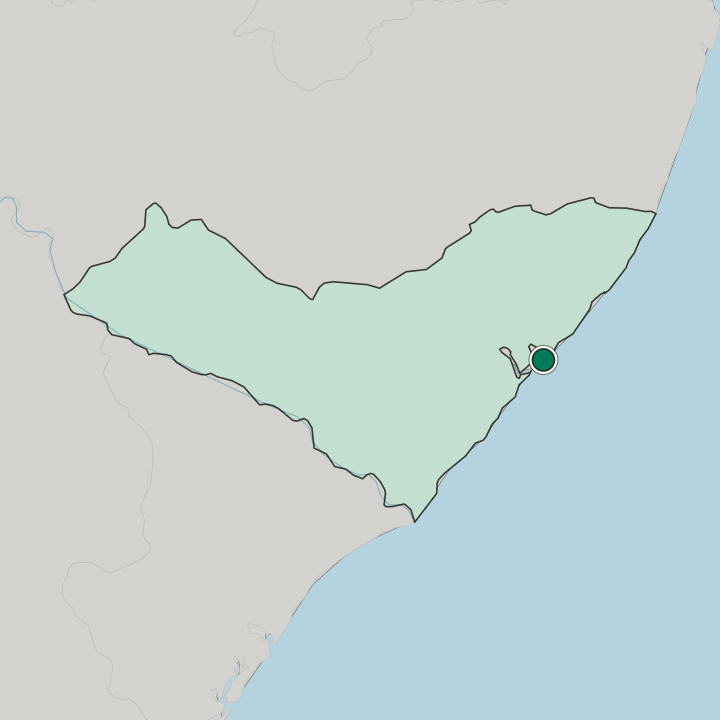
Water shapes the whole municipality. Some 503 square kilometres of Alagoas belong to Maceió, running from mangrove channels and stands of coconut palm to a shelf of shallow sea whose green is visible from the shore itself. The old quarter of Jaraguá sits back from it.
Tropical country in the southern hemisphere gives the year no cold season, and the spring that the Tupi name records is a reminder that fresh water, as much as the sea, put the settlement where it is.
What is the climate of Maceió?
The sea sets the terms in Maceió. Warm water lies immediately offshore and the mangroves and palm stands behind the beach hold the humidity in, so the difference between one month and the next shows up as rain and cloud rather than as any real change in temperature. Cold never arrives.
Afternoons indoors are easy enough to arrange, since the Museu Théo Brandão and the Museu de Arte Pierre Chalita are both within the built-up centre.
How do you get to Maceió?
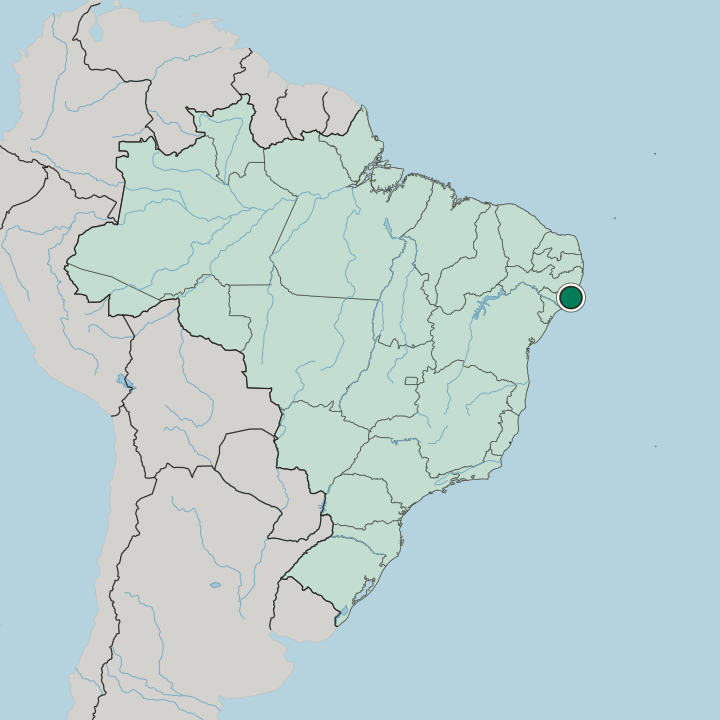
Alagoas funnels through its capital. Maceió is the largest city of the state and the point most arrivals pass through, whether the destination is the coast itself or one of the smaller places along it, and the shore road is the axis everything else hangs off. Jaraguá anchors the old end.
Getting between that quarter and the beachfront is a short run inside one municipality, so no part of the city sits far from the Museu Palácio Floriano Peixoto or from the water.
Common questions
What is the best area to stay in Maceió?
Jaraguá: Stays built around the Pierre Chalita Foundation and the old quarter it stands in. The Floriano Peixoto museum streets: Visitors working through the Museu Palácio Floriano Peixoto and the Théo Brandão collections. The green-water shore: Swimmers who want the coconut palms and shallow green sea of Alagoas at the door.
Good for
Updated October 2026