Brazil · Amapá
Where to Stay in Macapá, Amapá
Macapá is the capital of Amapá in the far north of Brazil, a city on the mouth of the Amazon that sits astride the Equator.
Hotel links are affiliate links: booking through them may earn us a commission, at no extra cost to you. It never affects how places are ranked. How this works


Where to stay in Macapá
Where visitors usually base themselves, and why.
Where you stay in Macapá turns on the riverfront or the town. The streets along the Amazon keep the fort, the market, and the riverside walk within reach, and staying by the water suits anyone here for the river. The great river runs past the front.
Boats crowd the landing. Back toward the town centre and the Equator line, the riverfront gives way to squares, markets, and the monument. A room in the centre trades the river for the Marco Zero pillar, the shady squares, and the everyday streets of the town.
The line runs right through. Stay by the water for the fort, or in the centre for the monument. The river lies a short way out.
Find hotels in Macapá
Direct booking searches for these neighbourhoods.
The riverfront
Along the Amazon by the fortFind hotels in The riverfrontStays wanting the Marco Zero and squaresThe town centre
Back toward the equator monumentFind hotels in The town centreHotel links are affiliate links: booking through them may earn us a commission, at no extra cost to you. It never affects how places are ranked. How this works
Things to do in Macapá
Ranked by global recognition; descriptions from Wikidata (CC0).
Museums & Galleries
2- Museu Sacaca
- Centro de Estudos e Pesquisas Arqueológicas do Amapá da Universidade Federal do Amapá
Churches & Religious Sites
2- Parish Church of Saint Joseph of Macapá Heritage
- Church of Our Lady of Conception
Castles & Historic Sites
1- Fortaleza de São José de Macapá Heritage
worth knowingacross 3 categories in Macapá
About Macapá
Macapá is the city on the line of the Equator.
What is Macapá known for?
On the north bank of the Amazon where the great river runs into the sea, it is the only Brazilian capital crossed by the Equator, and it keeps a monument marking the line through the town, a great star-shaped colonial fort on the river, a football ground split between the hemispheres, and the wide brown flood of the Amazon before it. The great river runs to the sea. The forest rises across the water.
What are the main landmarks in Macapá?
The Fortaleza de São José guards the river at Macapá. The great star-shaped fort of stone and brick on the bank of the Amazon, one of the largest colonial forts in Brazil, stands over the water, the emblem of the city, above the river. A monument marks the Equator.
The Marco Zero pillar stands on the line that crosses the town, while the riverside walk, the old churches, and the wide Amazon mark the country around Macapá.
What is the history of Macapá?
Macapá grew around a great river fort. The Portuguese built a huge star-shaped fortress here in the eighteenth century to hold the mouth of the Amazon against their rivals, and a town grew up in its shelter on the north bank. The fort held the river.
Its thick walls of stone and brick, raised by many hands over long years, guarded the approach to the Amazon and the lands beyond. The town lay long forgotten. For much of its history Macapá was a remote outpost on the edge of the forest, far from the cities of the south, living on fishing, timber, and the river.
The territory became a state. In the last century Amapá was made a territory and then a state, and Macapá grew as its capital, a river city on the Equator with its monument marking the line. The great fort still guards the shore.
Macapá keeps its fort and its river on the mouth of the Amazon.
Where is Macapá?
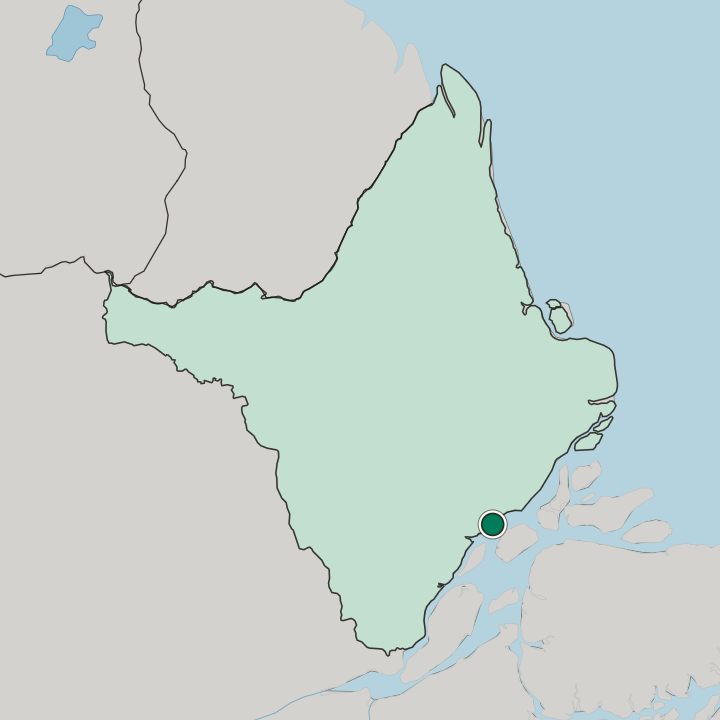
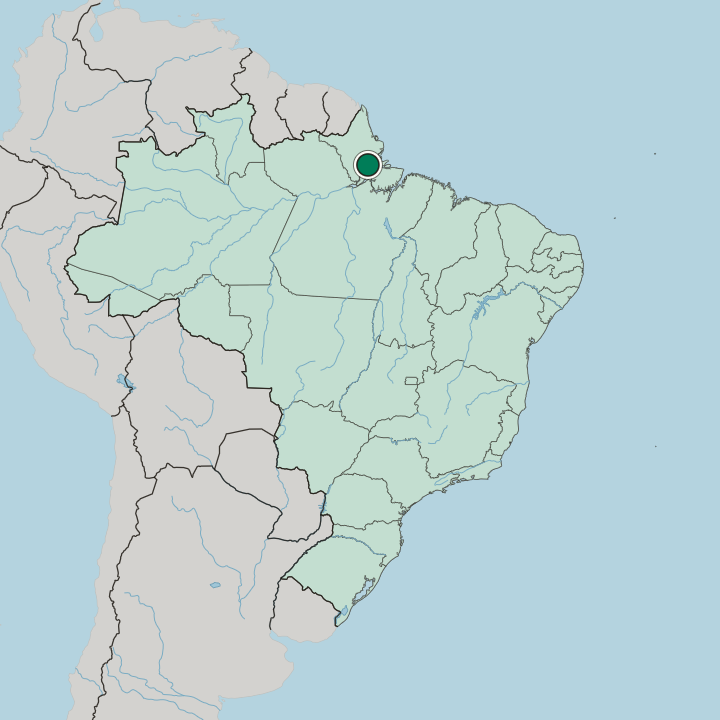
Macapá lies in the far north of Brazil, on the Amazon delta right on the Equator. The city stands on the north bank of the Amazon where the river spreads miles wide toward the ocean, in the flat green country of the delta, with rainforest and river channels stretching in every direction. The brown river fills the view.
Green forest runs to the sky.
What is the climate of Macapá?
Macapá has a hot, wet equatorial climate. Warm damp weather holds all year on the Equator, with heavy rains for much of the year and a shorter drier spell, the air thick and hot the year round. Rain sweeps in off the river.
The heat hangs heavy at noon.
How do you get to Macapá?
Macapá lies on the Amazon in the far north, cut off from the rest of Brazil by the forest and the river. Boats and planes bring most who come, crossing the great river from Belém or flying in over the delta, for no road links it south. River boats cross to Belém.
The forest walls the town.
Common questions
What is the best area to stay in Macapá?
The riverfront: Visitors here for the fort and river walk. The town centre: Stays wanting the Marco Zero and squares.
Good for
Updated October 2026