Brazil · Maranhão
Where to Stay in São Luís, Maranhão
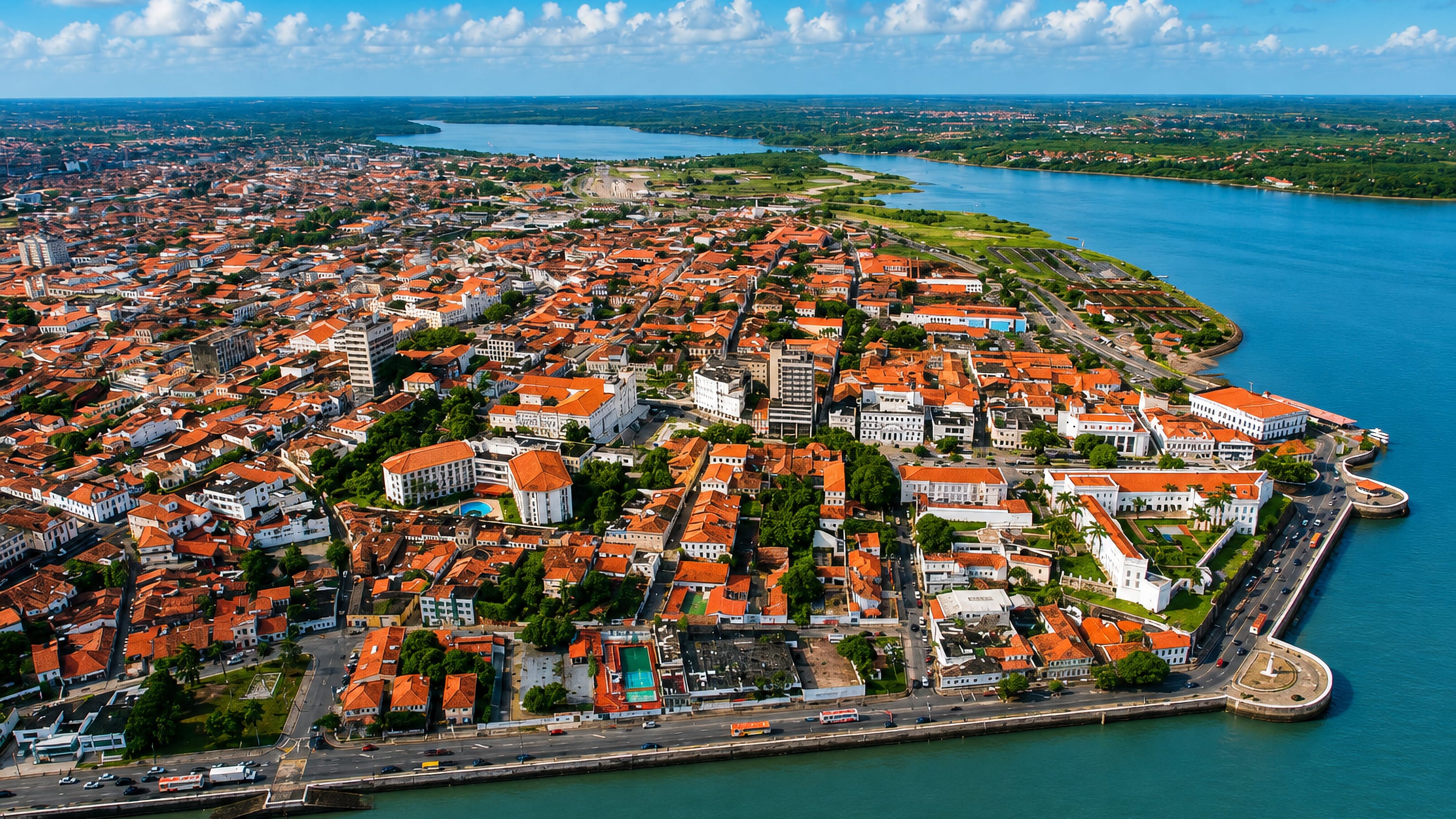
São Luís is a city of Maranhão founded in 1612, its old centre packed with convents, parish churches, and the Museu do Reggae do Maranhão.
Hotel links are affiliate links: booking through them may earn us a commission, at no extra cost to you. It never affects how places are ranked. How this works


Where to stay in São Luís
The practical side of choosing where to sleep.
Beds in São Luís divide between the museum streets and the convent streets, and the two are only a few blocks apart. Start with the museums. Casa de Cultura Josué Montello, Maranhão House, and the Museu da Gastronomia Maranhense stand close enough together that a room among them puts three collections inside a morning's walk, with the Museu do Reggae do Maranhão adding a fourth.
Nothing needs a car. Convent addresses read differently. Rooms near Convento e Igreja de Nossa Senhora do Carmo or the Convent of Mercy put the Igreja de Nossa Senhora do Rosário dos Pretos, Igreja de Santana, and the Sacred Art Museum of Maranhão on the same short circuit, which suits you if the churches are what brought you.
Quiet arrives early. The Cafuá das Mercês and the Memorial for Tibira do Maranhão stand within the same few streets. Outlying addresses trade walking for space.
The Ecomuseu do Sítio do Físico, the Igreja e Largo de São João de Vinhais, and the Capela de São José da Quinta das Laranjeiras lie away from the colonial grid, and a room out that way means driving in for anything in the historic core. Its boundaries run a long way out. Roughly eight hundred square kilometres of municipal territory carry far more than the old streets, and the Research Center for Natural History and Archeology of Maranhão is one of the reasons to leave them.
Find hotels in São Luís
Direct booking searches for these neighbourhoods.
The museum streets
Maranhão House and the reggae museum stand a few blocks from both collectionsFind hotels in The museum streetsChurch circuits taking in Igreja de Santana and the Rosário dos PretosAround Convento e Igreja de Nossa Senhora do Carmo
The Convent of Mercy and the Sacred Art Museum of Maranhão close the same short loopFind hotels in Around Convento e Igreja de Nossa Senhora do CarmoDrives out to the Ecomuseu do Sítio do Físico and São João de VinhaisBeyond the colonial grid
The Capela de São José da Quinta das Laranjeiras and the outer parishes need a car from the centre. Rooms are few around here — worth securing early.Find hotels in Beyond the colonial gridHotel links are affiliate links: booking through them may earn us a commission, at no extra cost to you. It never affects how places are ranked. How this works
Things to do in São Luís
Ranked by global recognition; descriptions from Wikidata (CC0).
Museums & Galleries
3- Museu Histórico e Artístico do Maranhão Heritage
- Maranhão House
- Sacred Art Museum of Maranhão
Churches & Religious Sites
8- Convent of Mercy Heritage
- Convento e Igreja de Nossa Senhora do Carmo Heritage
- Church of Saint Joseph of the Exile Heritage
- Convent of Saint Antony Heritage
- Igreja de Nossa Senhora do Rosário dos Pretos Heritage
Show 3 more →
- Igreja de Santana Heritage
- Capela de São José da Quinta das Laranjeiras Heritage
- Igreja e Largo de São João de Vinhais Heritage
worth knowingacross 2 categories in São Luís
About São Luís
Museums and convents fill the old centre.
What is São Luís known for?
The Museu Histórico e Artístico do Maranhão, the Sacred Art Museum of Maranhão, and Museu Casa de Nhozinho sit within the same colonial grid, and the Museu do Reggae do Maranhão gives the city a music collection that no convent could supply. Churches run to a long list. Convento e Igreja de Nossa Senhora do Carmo, the Convent of Mercy, and the Convent of Saint Antony all survive from the religious town.
What are the main landmarks in São Luís?
Church names dominate the register. The Igreja de São Pantaleão, Igreja de Nossa Senhora dos Remédios, and the Church of Saint Joseph of the Exile stand among the parish buildings, while the Convent of Saint Antony and Convento e Igreja de Nossa Senhora do Carmo hold the monastic side. Two names sit outside that pattern.
The statue of João Francisco Lisboa and the Huguenot House of Culture Daniel de La Touché commemorate people rather than congregations, and the Memorial Bandeira Tribuzi does the same.
What is the history of São Luís?
The founding year is 1612, and the Huguenot House of Culture Daniel de La Touché carries a French name through the old streets. Religious orders built much of the rest. Convento e Igreja de Nossa Senhora do Carmo, the Convent of Mercy, and the Convent of Saint Antony show how much of the early town was raised by religious communities rather than by any single patron, and their walls still set the shape of the streets around them.
Parish churches record the growth outward. Igreja de São Pantaleão, Igreja de Santana, and the Igreja e Largo de São João de Vinhais mark districts that stood apart before the city reached them, and the Capela de São José da Quinta das Laranjeiras takes its name from a quinta rather than from a parish. Not every name is easy.
The Igreja de Nossa Senhora do Rosário dos Pretos, the Cafuá das Mercês, and the Memorial for Tibira do Maranhão carry parts of the past that the city keeps marked rather than erased. Collections came later. The Museu Histórico e Artístico do Maranhão, the Museu da Memória Audiovisual do Maranhão, and the Research Center for Natural History and Archeology of Maranhão turned the state's record into institutions, while Casa de Cultura Josué Montello and the Memorial Bandeira Tribuzi attach that work to individual names.
The Museu do Reggae do Maranhão documents a strand of music history in the same old centre.
Where is São Luís?
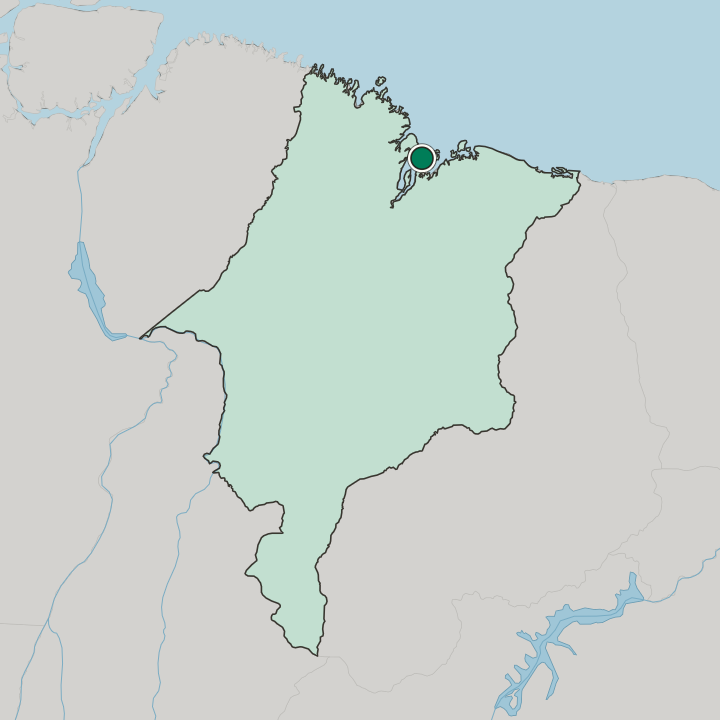
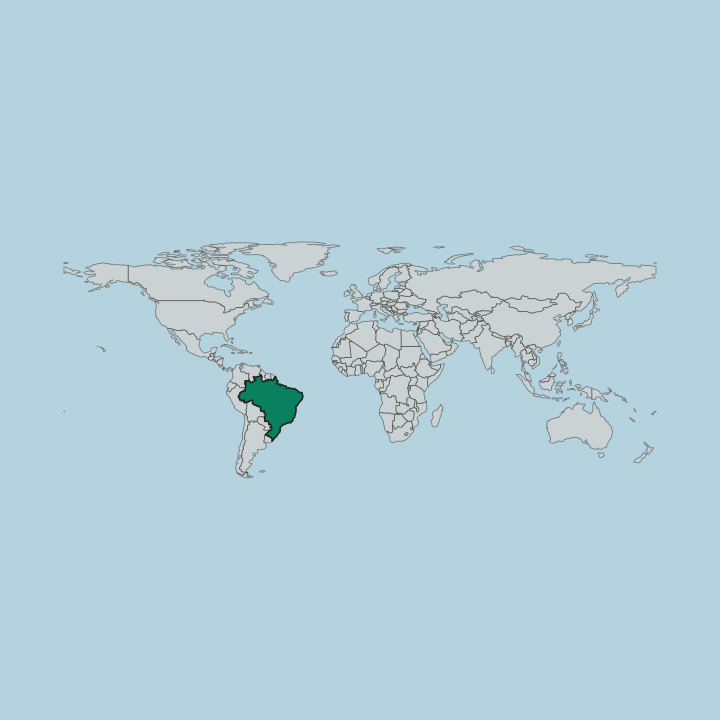
São Luís spreads over roughly eight hundred square kilometres of Maranhão, tropical ground with the colonial centre packed into a small share of it. The old grid is dense. Igreja de São Pantaleão, the Convent of Mercy, and the Museu Casa de Nhozinho all fall inside a few walkable blocks, while the Ecomuseu do Sítio do Físico and the Igreja e Largo de São João de Vinhais mark how far the municipality reaches beyond them.
What is the climate of São Luís?
Heat is the constant in this part of Maranhão. Rain, rather than temperature, marks the turn of the year, and the wet months land hard enough that the thick walls and deep doorways of the colonial centre read as practical rather than decorative. Shade matters in the old streets.
São Luís sits deep in the tropics, so the difference between one month and another is a difference in cloud.
How do you get to São Luís?
Most arrivals end up in the colonial centre, where Maranhão House, the Museu Histórico e Artístico do Maranhão, and Igreja de Nossa Senhora dos Remédios stand within a short walk of one another. Walking works from there. Getting to the Ecomuseu do Sítio do Físico, the Igreja e Largo de São João de Vinhais, or the Capela de São José da Quinta das Laranjeiras means a ride out of the old grid, since the municipality runs well past the streets that hold the museums.
Common questions
What is the best area to stay in São Luís?
The museum streets: Mornings taking in Casa de Cultura Josué Montello and the Museu da Gastronomia Maranhense. Around Convento e Igreja de Nossa Senhora do Carmo: Church circuits taking in Igreja de Santana and the Rosário dos Pretos. Beyond the colonial grid: Drives out to the Ecomuseu do Sítio do Físico and São João de Vinhais.
Good for
Another city in Maranhão
Updated October 2026