Brazil · Mato Grosso do Sul
Where to Stay in Campo Grande, Mato Grosso do Sul
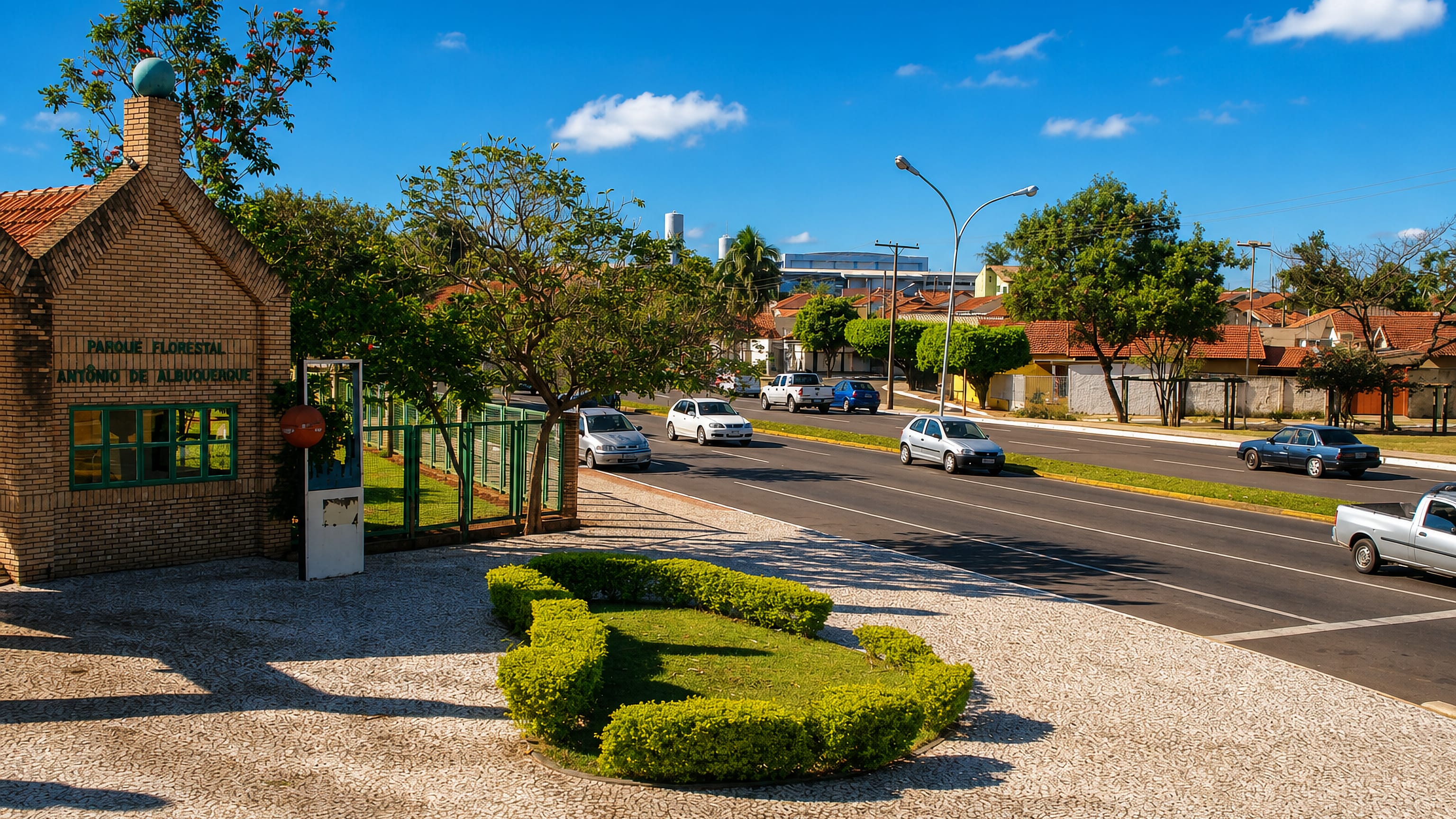
Food and wide green avenues carry Campo Grande, and the Pantanal begins beyond the farmland around the Mato Grosso do Sul capital.
Hotel links are affiliate links: booking through them may earn us a commission, at no extra cost to you. It never affects how places are ranked. How this works


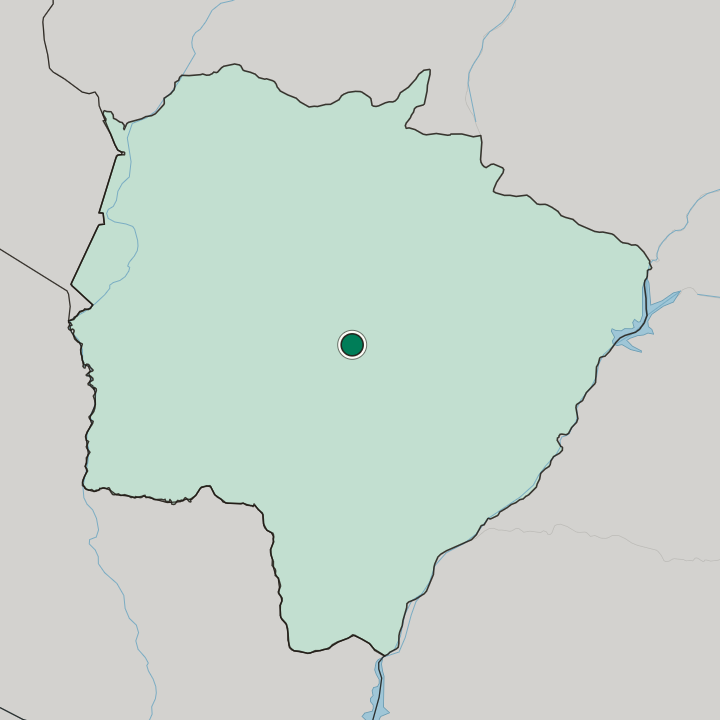
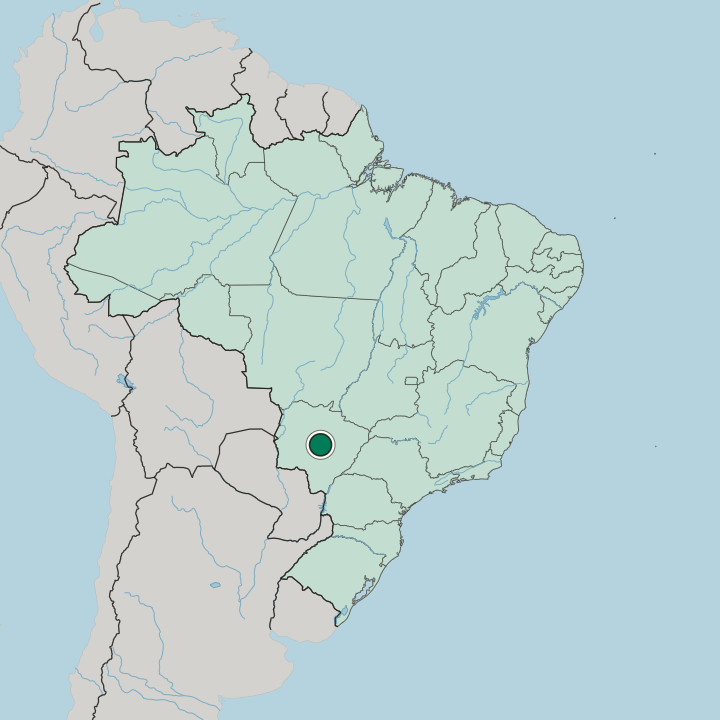
Where to stay in Campo Grande
One neighbourhood here has its own guide — here's what it is best for.

 Campo GrandeBrazil
Amambaí
Eleven recorded addresses sit in Amambaí, a district of Campo Grande, among them the Morada dos Baís, the Casa da Ferrovia and the Museu Lidia Baís.Where to stay →Hotel links are affiliate links: booking through them may earn us a commission, at no extra cost to you. It never affects how places are ranked. How this works
Find hotels in Campo Grande
Direct booking searches for these neighbourhoods.
Around the Obelisco
The planned grid keeps Morada dos Baís, the Museu da Imagem e do Som and the Museu Lidia Baís inside one shaded circuitFind hotels in Around the ObeliscoQuieter nights within reach of the Oxcart MonumentCasa da Ferrovia streets
The old railway ground lies off the wide avenues, so the traffic drops away without the walk to the Obelisco de Campo Grande getting longFind hotels in Casa da Ferrovia streetsTrips built around the Monumento Símbolo da UFMS and the road toward the PantanalThe UFMS side
Plainer rooms out where Campo Grande thins, near the Monumento Cabeça de Boi and the way out of the cityFind hotels in The UFMS sideHotel links are affiliate links: booking through them may earn us a commission, at no extra cost to you. It never affects how places are ranked. How this works
Things to do in Campo Grande
Ranked by global recognition; descriptions from Wikidata (CC0).
Museums & Galleries
3- Museu da Força Expedicionária Brasileira (Campo Grande)
- Museu da Imagem e do Som
- Casa da Ferrovia
Castles & Historic Sites
3- Obelisco de Campo Grande Heritage
- Monumento Símbolo da UFMS Heritage
- Oxcart Monument
Landmarks & Notable Places
1- Morada dos Baís Heritage
worth knowingacross 3 categories in Campo Grande
About Campo Grande
Planning shows in the streets.
What is Campo Grande known for?
Campo Grande was planned in the middle of a vast green space, so its wide streets and tree-lined avenues carry more room than the buildings along them need. Food is the other draw, and the kitchens here have made an unlikely reputation for a city of the interior. The Pantanal lies beyond.
Museums fill the rest: the Museu da Imagem e do Som, the Museu Lidia Baís and the Museu Latino Americano among them.
What are the main landmarks in Campo Grande?
The Obelisco de Campo Grande fixes the centre. Morada dos Baís and Casa da Ferrovia carry the older fabric, while the Oxcart Monument and the Monumento Cabeça de Boi keep the ox carts and cattle their names record in public view. Museums are the strength here, from the Museu da Imagem e do Som and the Museu Lidia Baís to the Museu Latino Americano and the Museu da Televisão.
The Museu da Força Expedicionária Brasileira remembers the war. Sala David Cardoso shows art.
What is the history of Campo Grande?
Campo Grande dates from 1899. Ox carts moved the goods before anything else did, which is what the Oxcart Monument records, and the Monumento Cabeça de Boi keeps the cattle that paid for the early town in front of the traffic. Rails reached the town next.
Casa da Ferrovia survives from that arrival, and the street pattern laid out around it gave the place the wide avenues and the green space that still set it apart. Morada dos Baís belongs to the older centre. Capital status changed the scale, and the offices, the university and the museum collections that a state capital carries settled into the grid the planners had drawn.
The Museu da Força Expedicionária Brasileira holds the war record, the Museu de História da Medicina de Mato Grosso do Sul the medical one, and the Museu Lidia Baís, the Museu Latino Americano and the Museu do Videogame Itinerante the rest. Cooking counts here too. The kitchens of Campo Grande built a reputation that reaches well beyond Mato Grosso do Sul, and travellers bound for the Pantanal tend to eat better here than anywhere on the road ahead.
Where is Campo Grande?
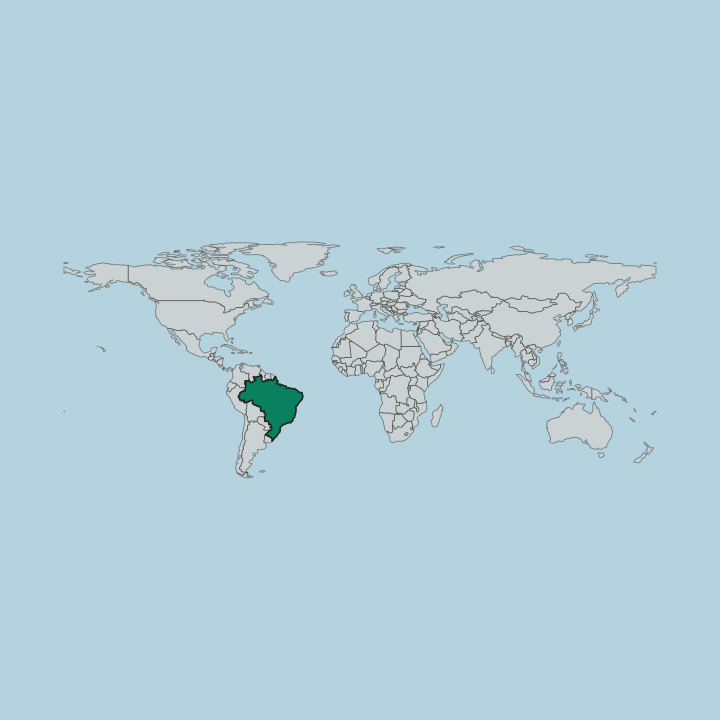
Green space came first. Campo Grande sits on open country in the interior of Brazil, planned into the middle of that green with streets wide enough to hold rows of trees down their length. The Pantanal begins beyond the farmland.
Ground here runs open rather than broken, and Mato Grosso do Sul spreads around the city in pasture and field.
What is the climate of Campo Grande?
Shade is the point of the trees. The wet season greens the country toward the Pantanal while the dry one turns it pale, and the avenues of Campo Grande are laid out wide enough that the canopy does real work between those extremes. Heat holds year-round.
Storms break it.
How do you get to Campo Grande?
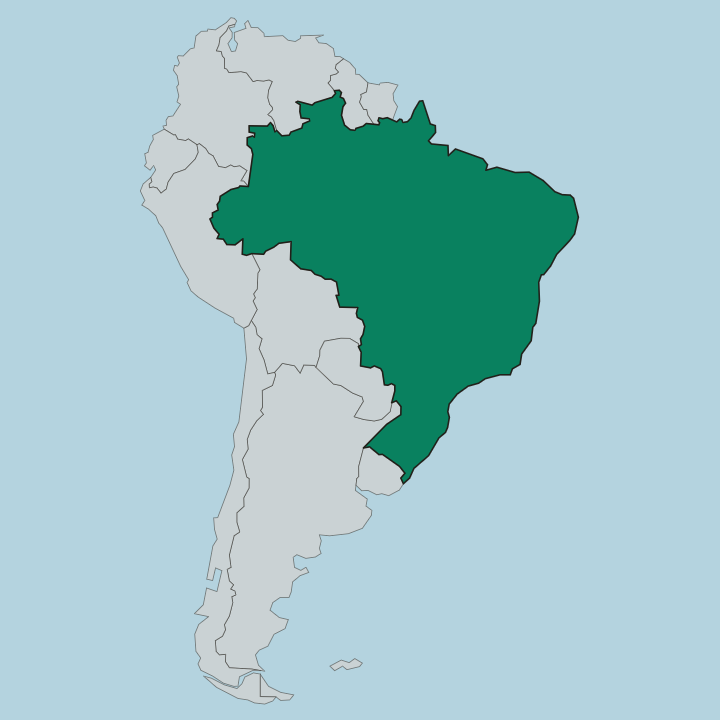
Getting here takes a while. Campo Grande lies deep in the interior of Brazil, a long way from any coast, so the approach is a long one however it is made, and the capital of Mato Grosso do Sul works as the stop before the Pantanal for most travellers. Casa da Ferrovia remembers when the railway did that work.
Inside the city the planned grid keeps orientation simple, though the avenues run far enough apart that distances between the museums are longer than they look.
Common questions
What is the best area to stay in Campo Grande?
Around the Obelisco: Eating out, with the kitchens of Campo Grande a short walk from the door. Casa da Ferrovia streets: Quieter nights within reach of the Oxcart Monument. The UFMS side: Trips built around the Monumento Símbolo da UFMS and the road toward the Pantanal.
Good for
Updated October 2026