Brazil · Rio Grande do Norte
Where to Stay in Mossoró, Rio Grande do Norte
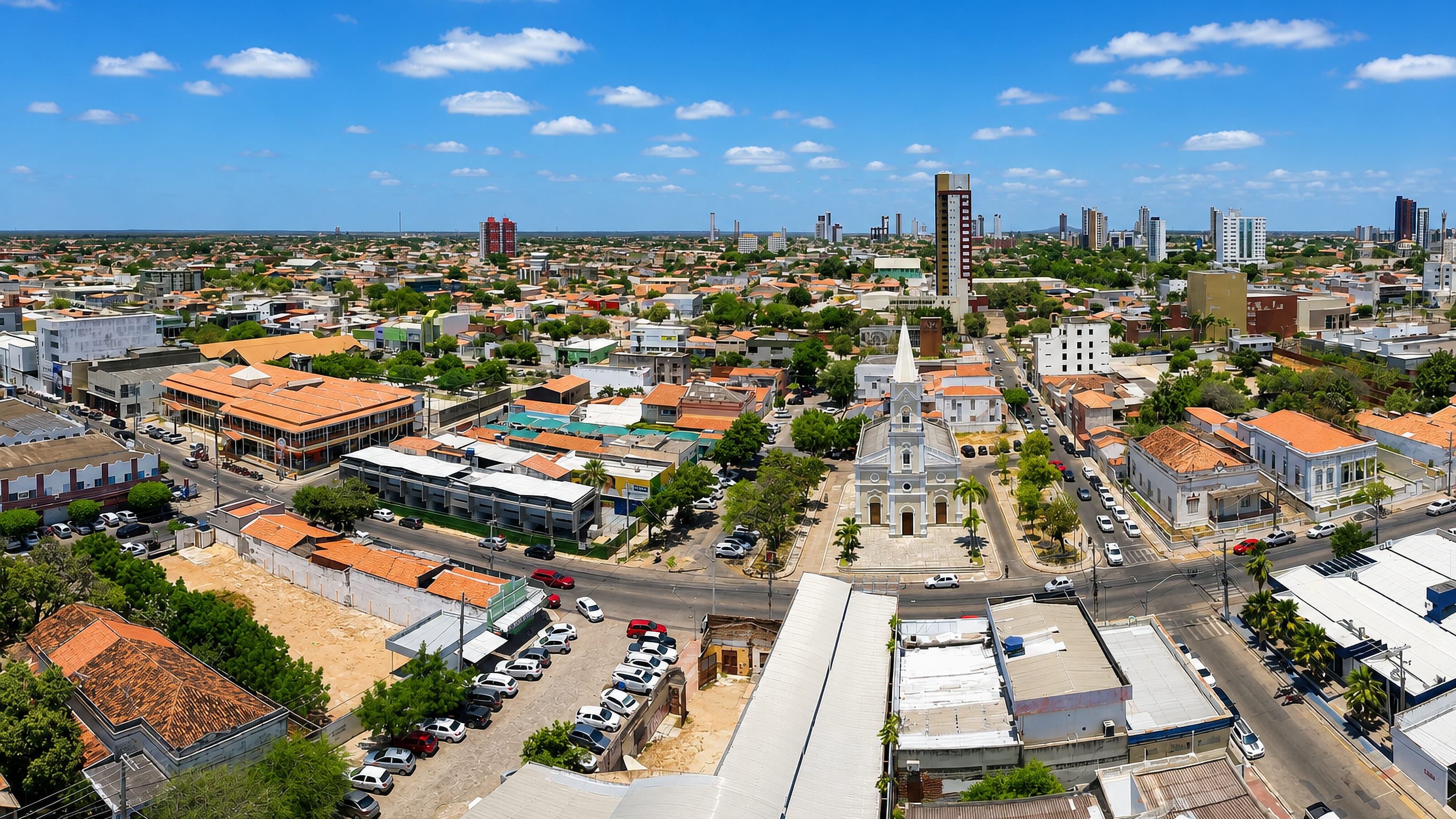
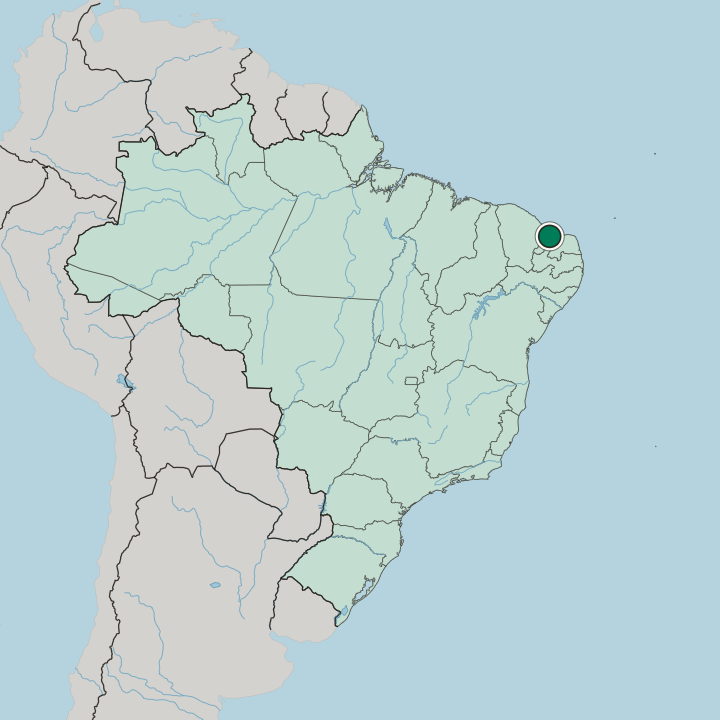
Mossoró is the second city of Rio Grande do Norte, an inland place of salt pans and oil fields, and the recognised capital of Brazil's semi-arid region.
Hotel links are affiliate links: booking through them may earn us a commission, at no extra cost to you. It never affects how places are ranked. How this works


Where to stay in Mossoró
How the choice of base plays out on the ground.
Igreja de São Vicente sets the centre of Mossoró, and hotels within reach of it put the Memorial da Resistência Mossoroense and the Cadeia Pública de Mossoró on the same short walking circuit. That circuit is the city's core. Anyone whose reason for the stop is the resistance story rather than the road will want to be inside it, because the memorial and the old public jail speak to each other across only a few streets.
Beds cluster here. The Universidade Federal Rural do Semi-Árido pulls a second kind of stay to its own side of town. Rooms out there suit you if the Museu de Paleontologia Vingt-un Rosado is the errand, and the campus setting trades the centre's density for space and easier parking.
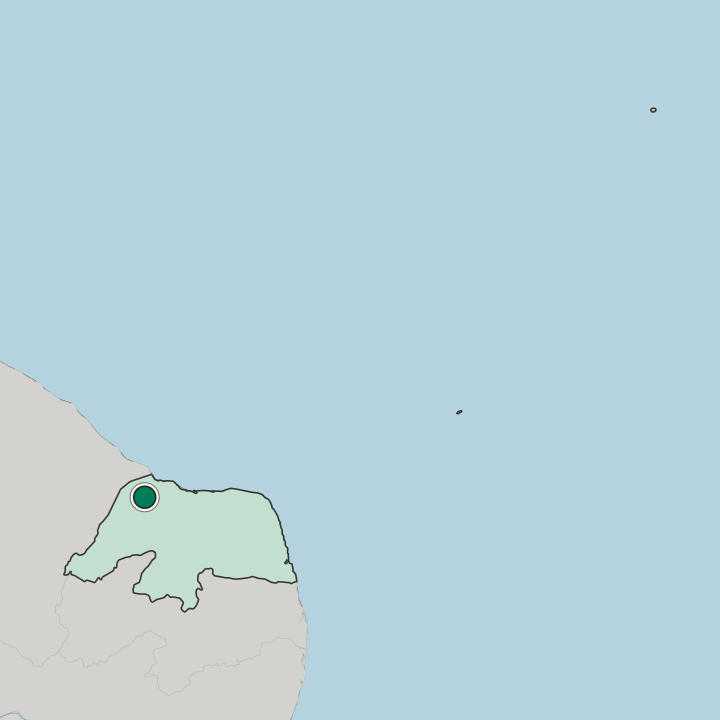
Mossoró is a very large municipality. Its territory is the biggest in Rio Grande do Norte, so an address described simply as being in the city can still sit a long drive from the church square. Tibau offers the alternative that Mossoró itself cannot.
The nearest beach lies some forty kilometres north, which puts a coastal night within an easy drive for anyone who would rather wake by the water than in the semi-arid interior. Distances are the trade-off. Natal and Fortaleza both lie hours away by road, and Mossoró falls roughly midway between them, which is why so many of its beds are filled by people breaking a long journey rather than ending one.
Find hotels in Mossoró
Direct booking searches for these neighbourhoods.
The Igreja de São Vicente centre
Igreja de São Vicente, the resistance memorial, and the old public jail sit on one short circuitFind hotels in The Igreja de São Vicente centreVisits pinned to the Museu de Paleontologia Vingt-un RosadoThe Universidade Federal Rural do Semi-Árido side
The palaeontology collection sits on the Universidade Federal Rural do Semi-Árido campus, away from the church square. Lodging is scarce in this area; reserve in advance.Find hotels in The Universidade Federal Rural do Semi-Árido sideCoastal nights within a short drive of MossoróTibau on the coast
Tibau is the nearest beach to Mossoró, some forty kilometres north of the semi-arid interior. Beds are limited here, so book early.Find hotels in Tibau on the coastHotel links are affiliate links: booking through them may earn us a commission, at no extra cost to you. It never affects how places are ranked. How this works
About Mossoró
Salt and oil built the economy.
What is Mossoró known for?
Mossoró works the semi-arid interior of Rio Grande do Norte through petroleum extraction, salt panning, and farming, with shrimp ponds and renewable energy added to the same list. The Museu de Paleontologia Vingt-un Rosado, run by the Universidade Federal Rural do Semi-Árido, gives the region's deep past a public face. Resistance is the other theme.
The Memorial da Resistência Mossoroense keeps it.
What are the main landmarks in Mossoró?
Four names carry most of the visiting here. Igreja de São Vicente holds the religious ground. The Memorial da Resistência Mossoroense and the Cadeia Pública de Mossoró sit closer together in subject than their forms suggest, one built to remember a stand the city made and the other an actual public jail preserved in the fabric of the streets.
Fossils fill the fourth. The Museu de Paleontologia Vingt-un Rosado belongs to the Universidade Federal Rural do Semi-Árido, and it reads the semi-arid interior backwards into deep time.
What is the history of Mossoró?
Mossoró dates its municipal life from 1852. That is late by the standards of the Brazilian coast but early for the dry interior, where settlement followed water and salt rather than harbours, and the town that resulted grew well inland of anything a ship could reach. Igreja de São Vicente still marks that old centre.
Its parish anchors the streets around it. Resistance is the memory the city chose to build around, and the Memorial da Resistência Mossoroense exists to hold it rather than to leave it to anniversaries and speeches. The Cadeia Pública de Mossoró survives from the same civic century.
Jails outlast most buildings. Preserved rather than demolished, it stands as a record of how the town governed itself in the decades after its founding. Salt, oil, and farmland set the later course.
Mossoró grew into the second city of Rio Grande do Norte and the recognised capital of the Brazilian semi-arid region, a title that says as much about the surrounding country as about the place itself. Universities came with the growth. The Universidade Federal Rural do Semi-Árido runs the Museu de Paleontologia Vingt-un Rosado, which pushes the local record far past 1852 and into the fossil beds of the interior.
Natal remains the state capital, a long drive away.
Where is Mossoró?
Mossoró covers more ground than any other municipality in Rio Grande do Norte. Its territory runs across the semi-arid interior, well back from the Atlantic, with the nearest beach at Tibau some forty kilometres to the north rather than on its own doorstep. Dry ground dominates.
Natal lies far off on the other side of the state and Fortaleza a comparable distance the opposite way, which leaves Mossoró roughly midway between the two on the long inland run.
What is the climate of Mossoró?
The semi-arid interior sets the terms here. Mossoró is recognised as the capital of Brazil's semi-arid region, which is a weather description before it is an economic one, and the dry belt of the interior governs both the heat and the shortage of rain. Rain is the scarce thing.
The Atlantic sits close enough at Tibau to soften the air a little, yet not close enough to break the dryness of the country around Rio Grande do Norte's largest municipality.
How do you get to Mossoró?
Mossoró sits on the long road between Natal and Fortaleza. That position, roughly midway between the two, makes the city a natural halt on a drive that would otherwise run for most of a day without a substantial town. Natal is the state capital.
The distance to it runs to a few hundred kilometres across the interior, while Tibau and the coast lie only about forty kilometres north of the centre.
Common questions
What is the best area to stay in Mossoró?
The Igreja de São Vicente centre: Reaching the Memorial da Resistência Mossoroense and the Cadeia Pública de Mossoró on foot. The Universidade Federal Rural do Semi-Árido side: Visits pinned to the Museu de Paleontologia Vingt-un Rosado. Tibau on the coast: Coastal nights within a short drive of Mossoró.
Good for
Another city in Rio Grande do Norte
Updated September 2026