Brazil · Sergipe
Where to Stay in Aracaju, Sergipe
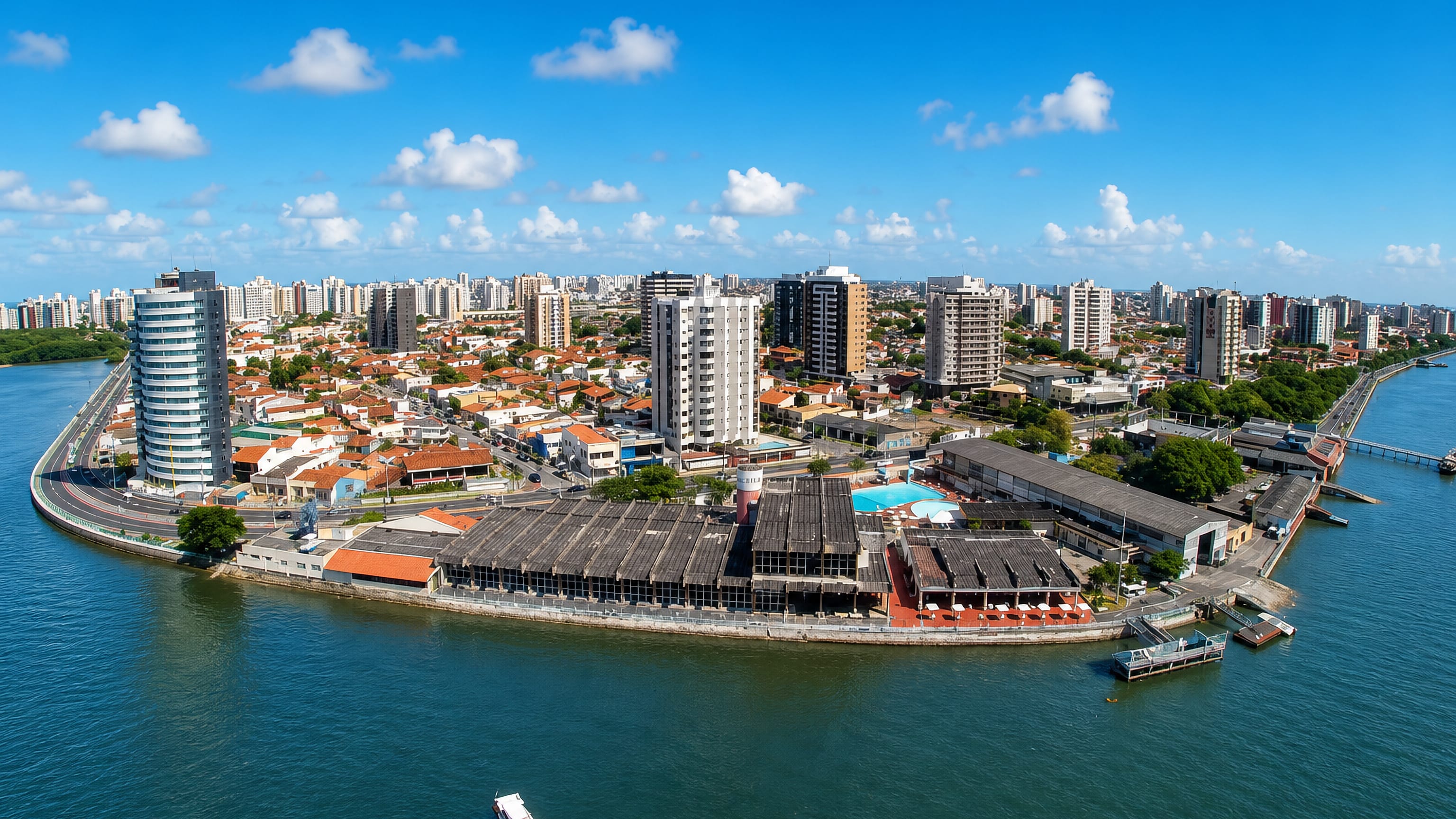
Aracaju, the coastal capital of Sergipe, dates from 1855 and takes its Tupi-Guarani name from the cashew of the parrots.
Hotel links are affiliate links: booking through them may earn us a commission, at no extra cost to you. It never affects how places are ranked. How this works


Where to stay in Aracaju
Where the beds are, and what that means for the visit.
Start with the Museu da Gente Sergipana. The blocks around it and around the Largo da Gente Sergipana hold most of what a first visit to Aracaju is made of, including the Igreja de São Salvador, the Galeria de Artes Álvaro Santos and the bust of the Marquês de Tamandaré. That is the walkable core.
A room there also puts the Casa de Ciência e Tecnologia da Cidade de Aracaju and the CCTECA - Galileu Galilei in reach, which matters if the trip includes children. The water side is a different stay. Bairro Treze de Julho carries the Memorial de Sergipe and looks out rather than in, and the Sergipe and the Poxim give the capital more waterfront than a city of 181 square kilometres would otherwise have.
You may want the metropolitan option instead. Barra dos Coqueiros, Nossa Senhora do Socorro and São Cristóvão make up the rest of Greater Aracaju, so a bed outside the capital still sits inside the same working area and still reaches the Museu Galdino Bicho or the Museu do Homem Sergipano in an easy run. Portuguese covers the desks, and the sea is never far in any of the four municipalities.
Find hotels in Aracaju
Direct booking searches for these neighbourhoods.
Around the Largo da Gente Sergipana
The Largo da Gente Sergipana, the Museu da Gente Sergipana and the Galeria de Artes Álvaro Santos stand within one walk of central Aracaju.Find hotels in Around the Largo da Gente SergipanaWaterfront nights beside the Memorial de SergipeBairro Treze de Julho
Bairro Treze de Julho carries the Memorial de Sergipe and faces the water that the Sergipe and the Poxim bring through the capital.Find hotels in Bairro Treze de JulhoBeds outside the capital but inside Greater AracajuBarra dos Coqueiros and the metropolitan municipalities
Barra dos Coqueiros, Nossa Senhora do Socorro and São Cristóvão form the rest of Greater Aracaju and stay within reach of the Museu do Homem Sergipano. Lodging is scarce in this area; reserve in advance.Find hotels in Barra dos Coqueiros and the metropolitan municipalitiesHotel links are affiliate links: booking through them may earn us a commission, at no extra cost to you. It never affects how places are ranked. How this works
Things to do in Aracaju
Ranked by global recognition; descriptions from Wikidata (CC0).
Museums & Galleries
3- Museu da Gente Sergipana Heritage
- CCTECA - Galileu Galilei
- Galeria de Artes Álvaro Santos
Churches & Religious Sites
1- Igreja de São Salvador Heritage
Castles & Historic Sites
1- Largo da Gente Sergipana
worth knowingacross 3 categories in Aracaju
About Aracaju
A state explaining itself.
What is Aracaju known for?
The Museu da Gente Sergipana and the Museu do Homem Sergipano both take the people of the state as their subject, and the Largo da Gente Sergipana carries that same idea outdoors into a public square. Two rivers cut the plan. The Sergipe and the Poxim run through a capital that also meets the sea, and the Igreja de São Salvador and the Tobias Carousel belong to the older ground between them.
What are the main landmarks in Aracaju?
The state's institutions each keep a hall. The Memorial da Advocacia Sergipana, the Memorial do Poder Judiciário de Sergipe and the Memorial de Sergipe hold that side of the record, while the Museu Galdino Bicho, the Museu do Homem Sergipano and the Memorial Valdice Teles / Escola Oficina de Artes take the popular and artistic one. Science has its own pair.
The Casa de Ciência e Tecnologia da Cidade de Aracaju and the CCTECA - Galileu Galilei sit alongside the Igreja de São Salvador, the Tobias Carousel and a bust of the Marquês de Tamandaré.
What is the history of Aracaju?
The name is older than the city. Ará acaiú, the Tupi-Guarani expression behind Aracaju, joins the word for parrots to the word for the cashew fruit, and it described the ground long before 1855 gave the place a founding date and a role as the capital of Sergipe. The date matters, though.
A capital laid out in the middle of the nineteenth century between the Sergipe and the Poxim had room to be planned rather than inherited, and the Igreja de São Salvador belongs to that first ordering of the streets. Institutions followed the seat of government. The Memorial do Poder Judiciário de Sergipe and the Memorial da Advocacia Sergipana record the courts and the bar, the Metropolitan Cathedral of Nossa Senhora da Conceição became the archiepiscopal see of the Roman Catholic Archdiocese of Aracaju, and the bust of the Marquês de Tamandaré marks a naval reputation the city chose to keep.
Later came the accounting of the people themselves. The Museu do Homem Sergipano, the Museu da Gente Sergipana and the Largo da Gente Sergipana all set out to hold what the state is rather than what it governs, and the Museu Galdino Bicho and the Memorial Valdice Teles / Escola Oficina de Artes carry the artistic thread through the same century. Growth spilled past the boundary.
Barra dos Coqueiros, Nossa Senhora do Socorro and São Cristóvão now belong with the capital as Greater Aracaju.
Where is Aracaju?
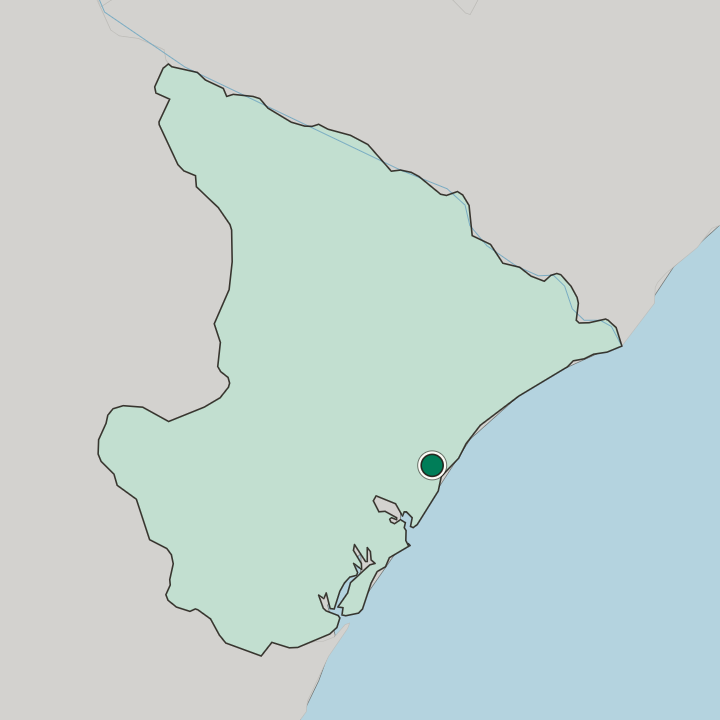
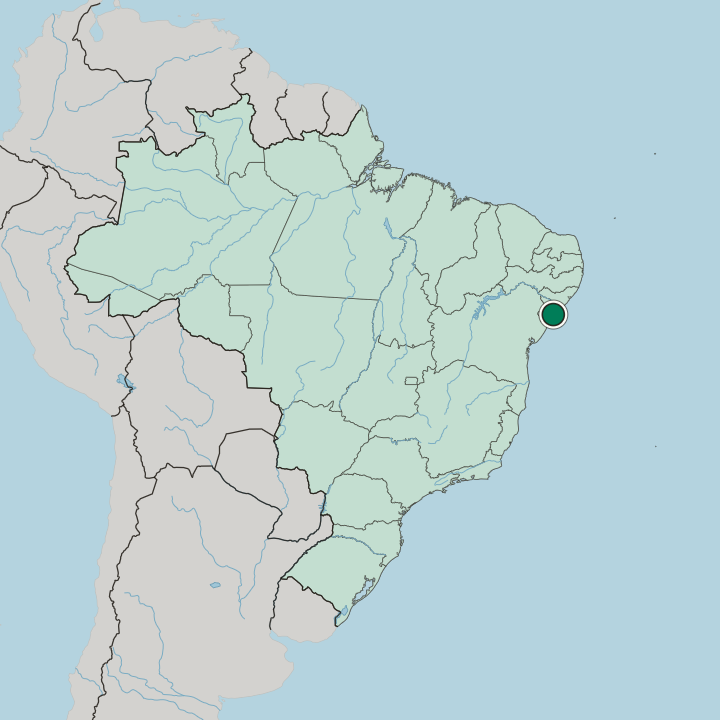
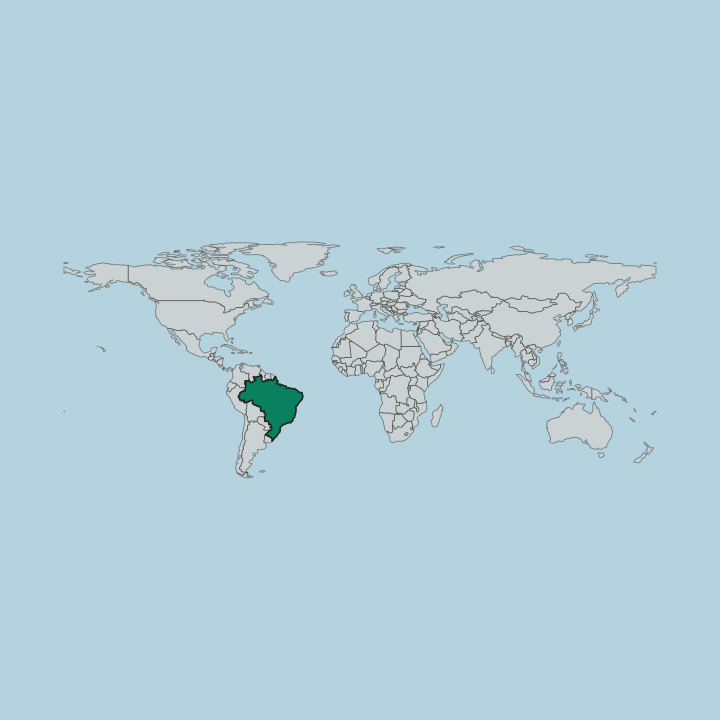
Rivers and sea between them draw the outline. Aracaju covers roughly 181 square kilometres on the coast of Sergipe, cut by the Sergipe and the Poxim, with Barra dos Coqueiros, Nossa Senhora do Socorro and São Cristóvão filling out the metropolitan ground around it. Salvador lies well to the south.
The tropical belt of the southern hemisphere runs through the whole state, so the low coastal plain here never sees a cold season, only a wetter and a drier half of the year.
What is the climate of Aracaju?
Sea air reaches everything. The coast holds the range narrow across the year and the Sergipe and the Poxim keep the air over the built-up ground damp, so the calendar in Aracaju divides into a wet stretch and a drier one rather than into seasons of heat and cold. Shade wins the afternoon.
The Museu da Gente Sergipana and the CCTECA - Galileu Galilei are the indoor answers when the middle of the day turns heavy.
How do you get to Aracaju?
Salvador is the nearest big anchor. Some 350 kilometres of coast separate it from Aracaju to the south, and that run is the usual overland approach for anyone arriving from the larger cities of the seaboard rather than from inside Sergipe. Greater Aracaju is compact by comparison.
Barra dos Coqueiros, Nossa Senhora do Socorro and São Cristóvão are short hops from the centre, so the Museu da Gente Sergipana stays reachable from any of the four municipalities.
Common questions
What is the best area to stay in Aracaju?
Around the Largo da Gente Sergipana: First visits built on the Museu da Gente Sergipana and the Igreja de São Salvador. Bairro Treze de Julho: Waterfront nights beside the Memorial de Sergipe. Barra dos Coqueiros and the metropolitan municipalities: Beds outside the capital but inside Greater Aracaju.
Good for
Updated October 2026