Brazil · Tocantins
Where to Stay in Palmas, Tocantins
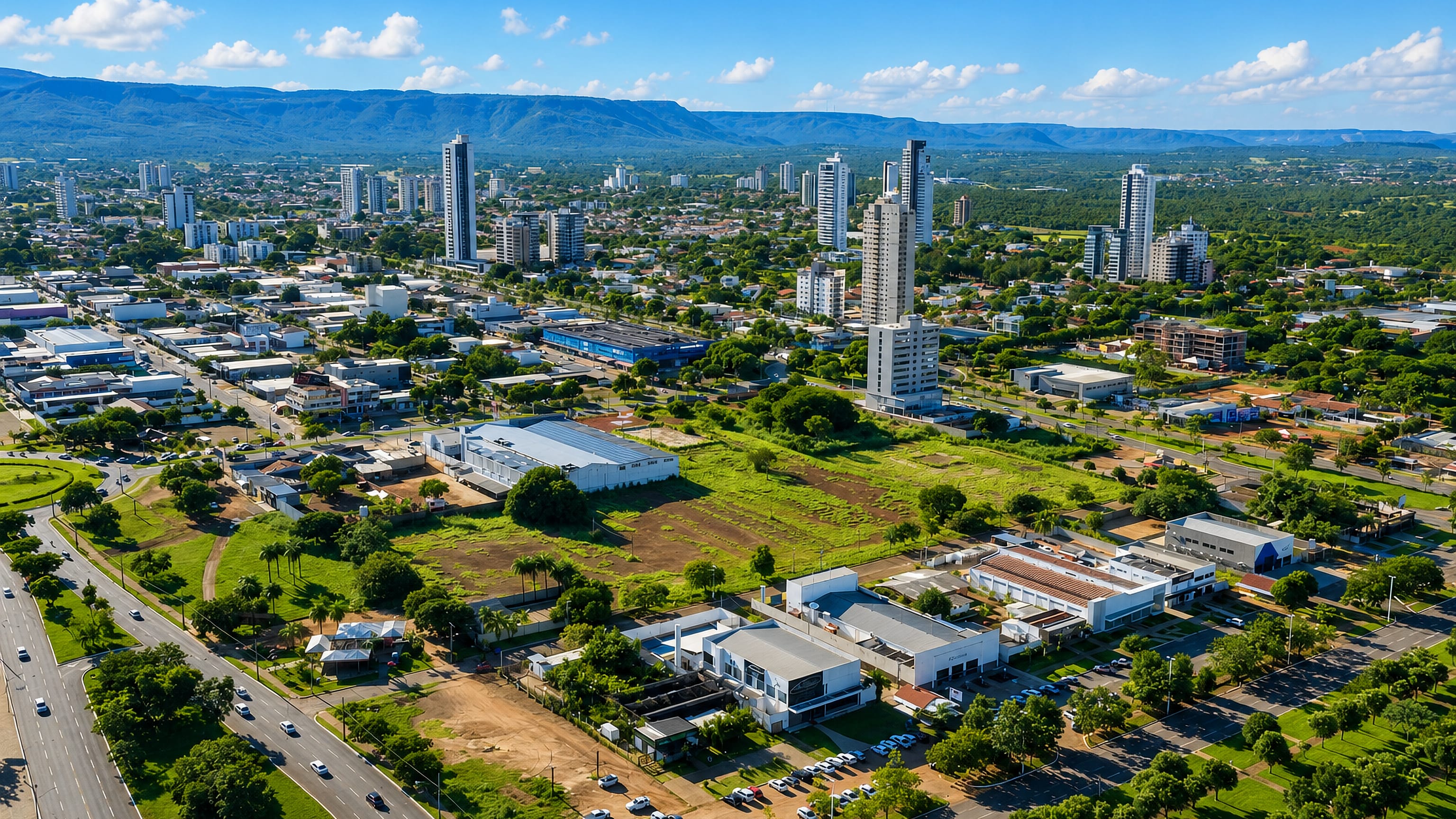
Palmas is the capital of Tocantins, a planned city raised from open ground in 1989 to house the government of a new Brazilian state.
Hotel links are affiliate links: booking through them may earn us a commission, at no extra cost to you. It never affects how places are ranked. How this works


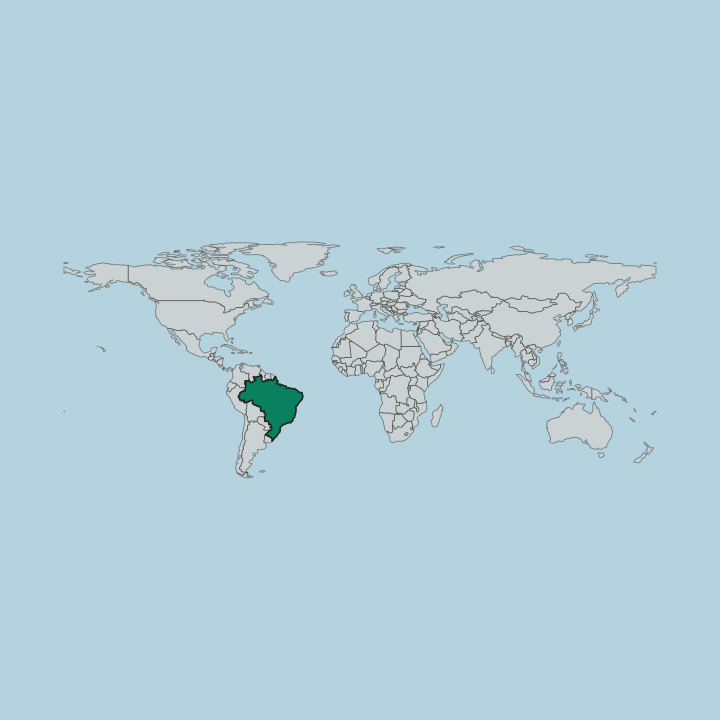
Where to stay in Palmas
Where visitors usually base themselves, and why.
Palmas gives you a planned city to work with, and the ground around the Museu Histórico do Tocantins is the nearest thing it has to a historic centre. That is where the state's business sits. A room near the government quarter puts the administrative city, its offices and the Museu Histórico do Tocantins within easy reach, which is what most visitors to a state capital actually need.
The register is administrative. Two museums are the only fixed sights, so a stay here organises itself around the city's function rather than around a monument list. Away from that core the city thins out.
Palmas covers a very large municipal area, so the outer stretches run to wide roads and open ground, and a stay out there trades walking distance for space and quiet. The Museu Casa Vitor is the other fixed point. Anyone here on business with the government of Tocantins should stay near the centre, while anyone breaking a longer journey across Brazil can take whatever sits convenient to the road.
Distances here are driving distances rather than walking ones, and that follows from the plan the city was laid out on in 1989.
Find hotels in Palmas
Direct booking searches for these neighbourhoods.
The government quarter
The offices of Tocantins and the Museu Histórico do Tocantins share the same central groundFind hotels in The government quarterSpace and parking across the wide municipal ground of PalmasThe outer city
Open country and broad roads past the edge of the plan, with the Museu Casa Vitor a drive in. Beds are limited here, so book early.Find hotels in The outer cityHotel links are affiliate links: booking through them may earn us a commission, at no extra cost to you. It never affects how places are ranked. How this works
About Palmas
Palmas was built to order.
What is Palmas known for?
Like Brasília and several other Brazilian state capitals, it went up on empty ground to give a new state its seat of government, which makes it one of the youngest cities of any size in Brazil. Tocantins governs from here. The Museu Histórico do Tocantins and the Museu Casa Vitor carry what public history the place has assembled since.
What are the main landmarks in Palmas?
Two museums, and that is the list. The Museu Histórico do Tocantins holds the record of the state whose creation brought Palmas into being, which is a short record by the standards of Brazilian cities but the whole of what there is here. The Museu Casa Vitor occupies a house.
Beyond them the city itself is the exhibit: a capital drawn on paper in 1989 and built where nothing stood, which is rarer than any single monument.
What is the history of Palmas?
Palmas dates from 1989. The state of Tocantins had just been created, and a capital was needed for it, so the city was laid out and built on ground that carried no town before. That is a rare origin.
Brasília had done the same for the country a generation earlier, and several other Brazilian state capitals were founded on the same principle, which places Palmas in a small and specific class of planned government cities. History here is state history. The Museu Histórico do Tocantins carries the record of the state itself rather than of a settlement that grew slowly, because there was no such settlement to inherit and the city and the state began together.
The Museu Casa Vitor adds a domestic thread. Palmas is the largest city of Tocantins as well as its capital, which followed from the plan rather than preceding it. Everything else here is younger than that plan, so the city's past is measured in decades rather than centuries and its oldest buildings are the ones raised for the government of Tocantins in the first years after 1989.
Where is Palmas?
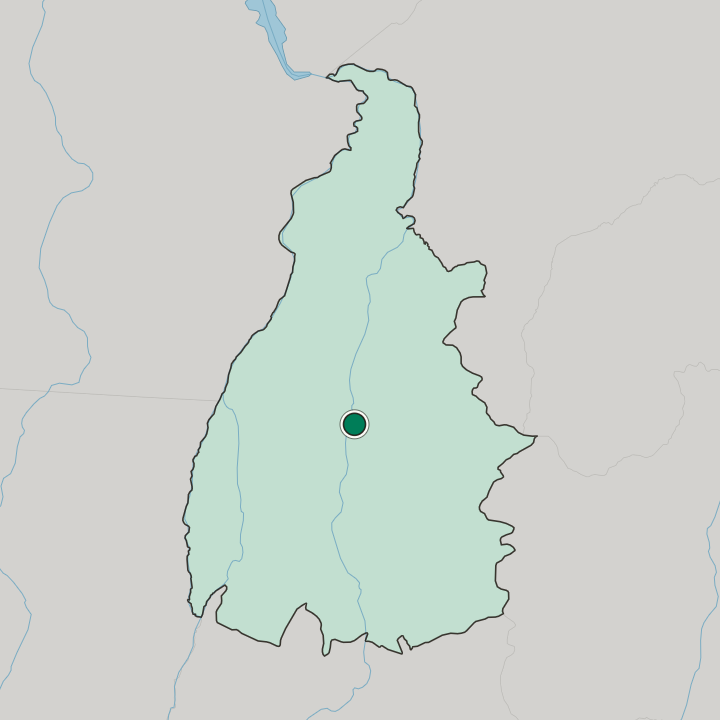
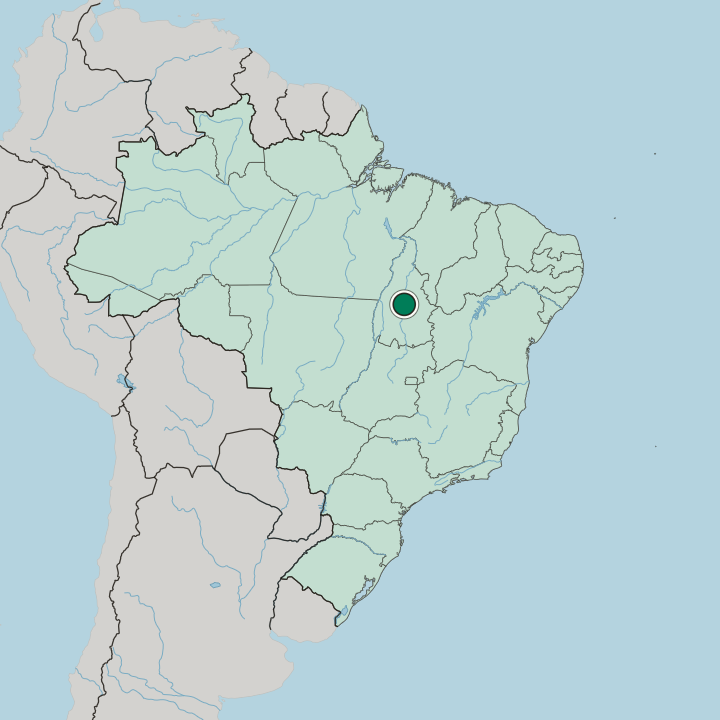
Tocantins is the frame. Palmas occupies a very large municipal territory in the state it governs, and the built city takes up only part of that ground, with open country beyond the edges of the plan. The setting is tropical.
The city lies south of the equator in the warm belt that covers this part of Brazil, on ground that had no town on it before the plan was drawn. IBGE supplies the size estimates for Palmas.
What is the climate of Palmas?
The equator does the work. Palmas sits inside the tropics and not far from the equator, which keeps temperatures high across every month and leaves the year without a cold season of any kind. Tocantins runs warm throughout.
The southern hemisphere reverses the calendar, so what counts as midsummer here falls when the northern year is at its coldest.
How do you get to Palmas?
Palmas is a state capital. That is the practical fact about reaching it, since Tocantins runs its administrative traffic through its own capital and the city was placed to serve the whole of the state rather than one corner of it. The plan came before the roads.
Brasília was raised the same way a generation earlier, and Palmas belongs to the same class of Brazilian capital, drawn on paper and then built where nothing stood.
Common questions
What is the best area to stay in Palmas?
The government quarter: State business with the Museu Histórico do Tocantins nearby. The outer city: Space and parking across the wide municipal ground of Palmas.
Good for
Updated September 2026