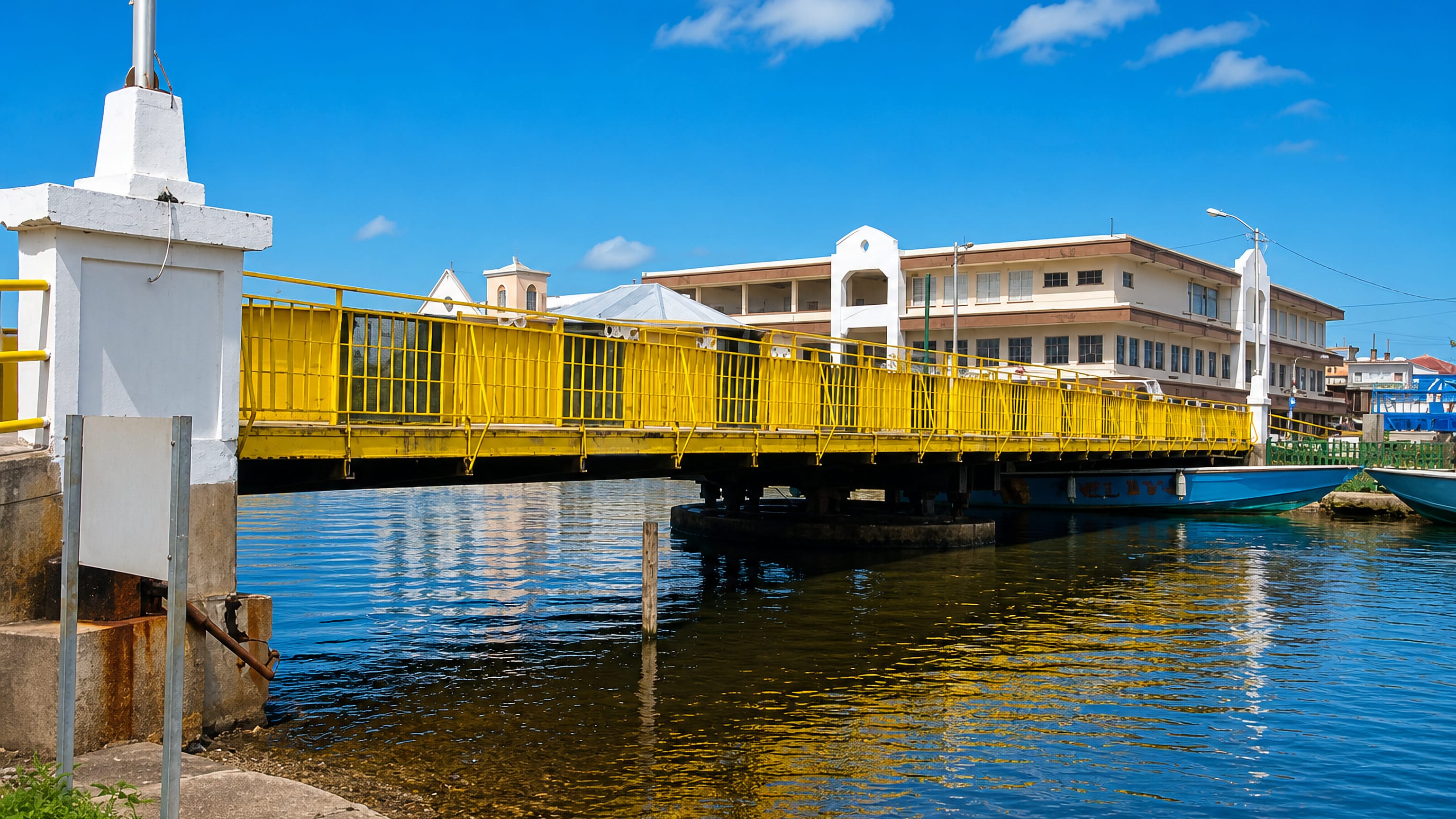
Belize: Regions, Cities & Travel Guide
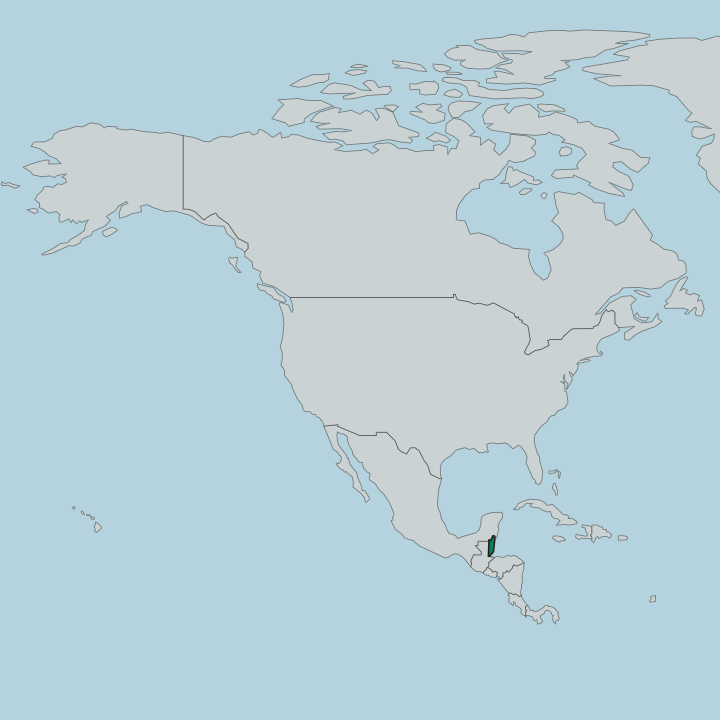
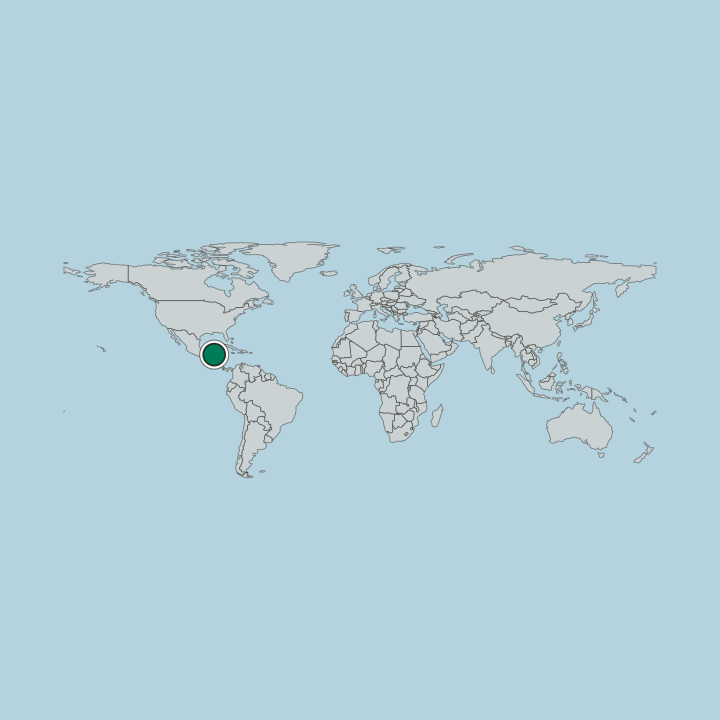
Belize sits on the Caribbean coast of Central America, the only mainland country of the isthmus where English is the official language.
Hotel links are affiliate links: booking through them may earn us a commission, at no extra cost to you. It never affects how places are ranked. How this works


Top destinations in Belize
One city to start from, then drill into its areas and hotels.

 Belize
Belize City
Belize City stands on a peninsula in the Caribbean Sea at the mouth of the Haulover Creek, the largest city and principal port of Belize.Where to stay →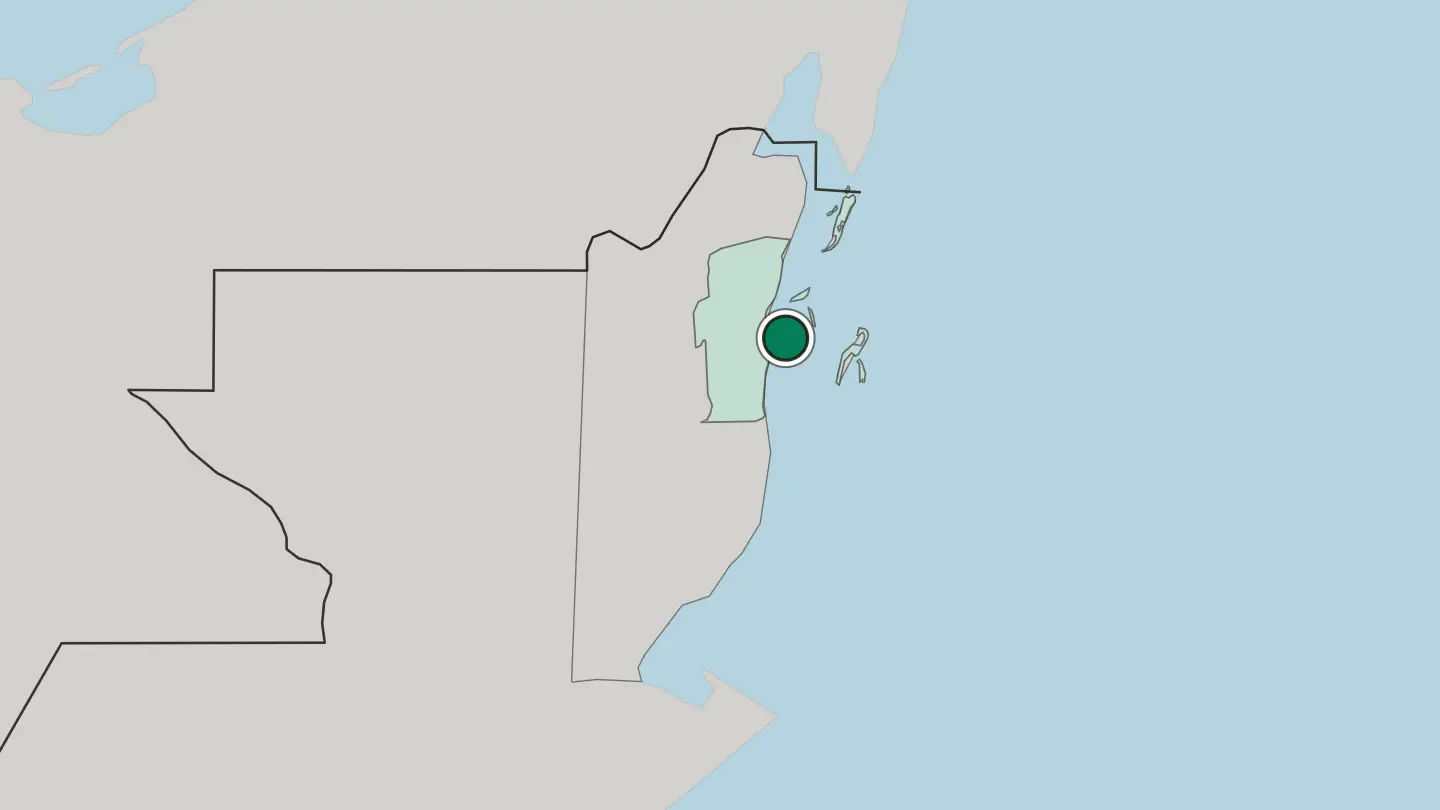
Hotel links are affiliate links: booking through them may earn us a commission, at no extra cost to you. It never affects how places are ranked. How this works
Browse by region
One region so far — open it to see its cities and towns.
About Belize
The Belize Barrier Reef defines the country.
What is Belize known for?
It runs the length of the coast as the largest such reef in the northern hemisphere, sheltering hundreds of cayes and the flooded sinkhole of the Great Blue Hole. Inland the pull is the ancient Maya world, where Caracol once rivalled the great cities of the region and Xunantunich still crowns a ridge above the Mopan valley. Belmopan is the planned capital, but Belize City remains the largest town and the main jumping-off point for the reef.
Where is Belize?
Belize occupies a compact wedge of the Central American isthmus, hemmed by Mexico to the north, Guatemala along the west and south, and the Caribbean Sea on its long eastern edge. The land tells two very different stories. In the north and along the coast it lies low and flat, a limestone plain of pine savanna, mangrove, and swamp that barely rises above the sea.
Then the ground climbs. The Maya Mountains, a block of ancient granite and sandstone, buckle up across the south-centre of the country and carry its highest ground, including Doyle's Delight and Victoria Peak. Water ties the two halves together.
The Belize River, the longest in the country, drains the mountains and the western valleys and empties near Belize City, while shorter rivers carve caves and pools through the soluble limestone of the Cayo District. Offshore, the Belize Barrier Reef runs almost the whole length of the coast, screening a shallow lagoon studded with more than four hundred cayes and three coral atolls. Beyond the reef the sea plunges into the Great Blue Hole.
From flooded cave to summit granite, the range packed into so small a country is unusual.
What is the history of Belize?
Long before Europeans arrived, the land was Maya country. Between roughly 1500 BC and 1000 AD a dense population built cities across the region, and Caracol, deep in the Cayo District, grew into a political centre thought to have held well over a hundred thousand people. Its rulers warred with Tikal across the modern Guatemalan border.
When the lowland Maya states declined, the forest reclaimed the temples, and sites like Xunantunich and Lamanai fell quiet for centuries. The colonial story is unusual. English and Scottish buccaneers began cutting logwood and later mahogany along the coast in the seventeenth century, bringing enslaved Africans to fell the timber, and out of that mix grew the Belizean Kriol people and language.
Spain claimed the territory but never settled it, and Britain held on, formally naming the colony British Honduras in 1862. The name reverted to Belize in 1973. Full independence came on 21 September 1981, though Guatemala's long-standing claim to the territory kept British troops stationed here for years afterward.
Belize is Central America's youngest nation. Its capital, Belmopan, was built inland only after Hurricane Hattie wrecked Belize City in 1961.
What is Belize like?
Few countries this small hold so many peoples at once. Belize is a genuine crossroads of Maya, Kriol, Mestizo, and Garifuna communities, each with its own language, kitchen, and music, bound together by English and by the Belizean Kriol that almost everyone speaks. The mix shows up on the plate.
Kriol cooking centres on rice and beans stewed in coconut milk with chicken and fried plantain, while Mestizo tables in the north lean on tamales, escabeche, and the black-sauce relleno of Yucatecan roots. The Garifuna carry a story all their own. Descended from Carib, Arawak, and shipwrecked West Africans, they settled the southern coast around Dangriga and Punta Gorda, and their drumming, punta rhythm, and language were named by UNESCO as a masterpiece of intangible heritage.
Maya communities still farm the hills of the south and speak Q'eqchi' and Mopan. Sunday brings drums to Dangriga and church hymns to San Ignacio. Belize wears its differences as its identity, not a problem to be smoothed away.
What is the climate of Belize?
Belize is tropical and humid year-round. A dry season runs from late February into May, and a wetter one from June through November, when afternoon storms build off the Caribbean Sea. Rainfall grows sharply from north to south, from modest amounts around Corozal to drenching totals near Punta Gorda in the far south.
Heat stays fairly constant; it is the rain and the humidity that mark the calendar. Hurricanes are a real threat from July to November. The reef and the highlands both run a little cooler than the coastal plain.
How do you get to Belize?
Nearly everyone arrives through Philip Goldson International Airport at Ladyville, just outside Belize City, with the busiest links running to Houston and Miami. From there the country opens up by small plane, boat, and road. Getting around is easy.
Domestic flights and water taxis reach Ambergris Caye and Placencia, while buses and hire cars run west along the highway to San Ignacio and the Guatemalan border. Nothing in Belize sits far from anything else. A reef morning and a jungle afternoon can share the same day.
Good for
Updated September 2026