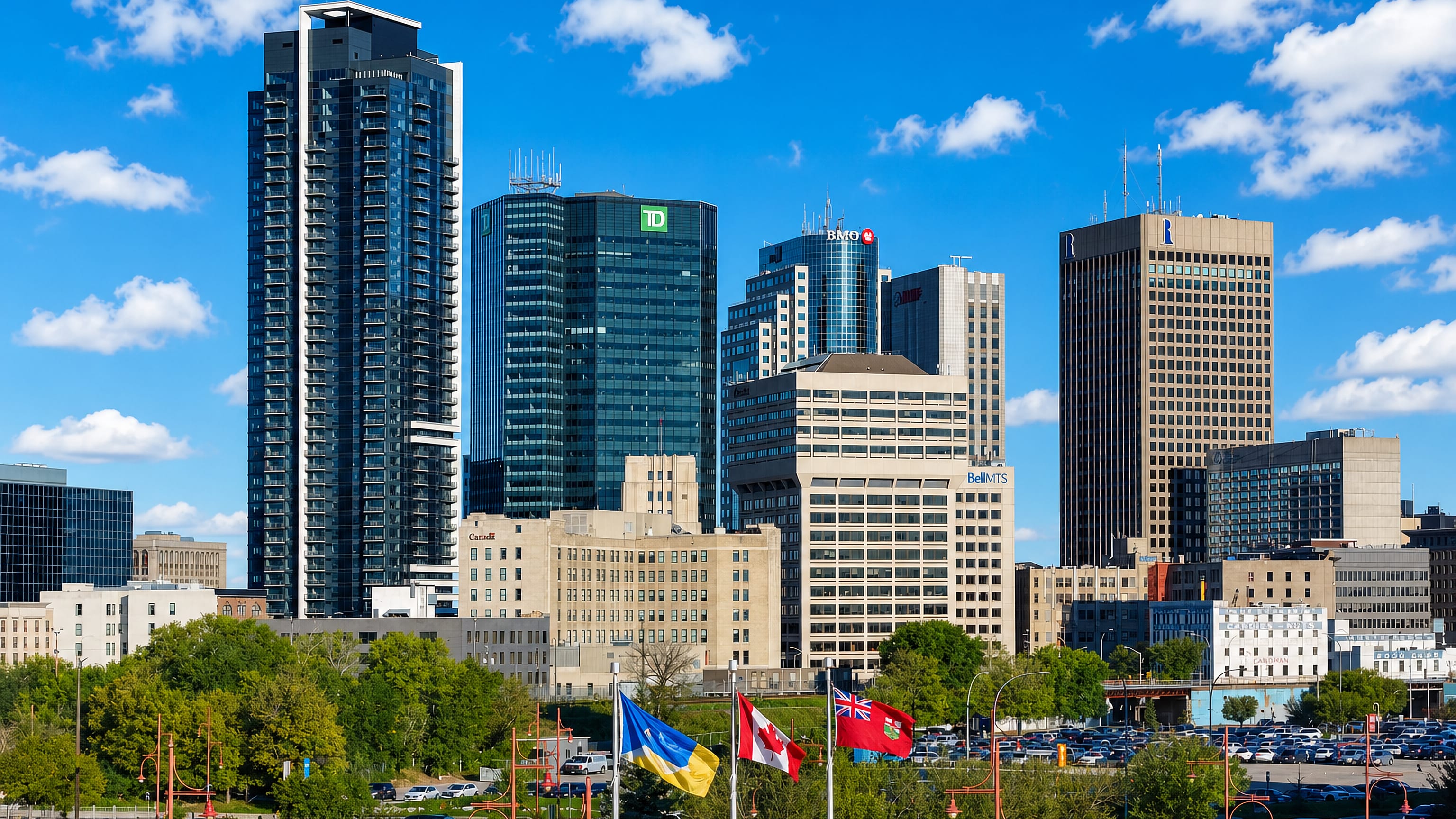
Canada · Manitoba
Where to Stay in Winnipeg, Manitoba
The Red and Assiniboine rivers meet at Winnipeg, the capital of Manitoba, known for the Canadian Museum for Human Rights and its French quarter.
Hotel links are affiliate links: booking through them may earn us a commission, at no extra cost to you. It never affects how places are ranked. How this works


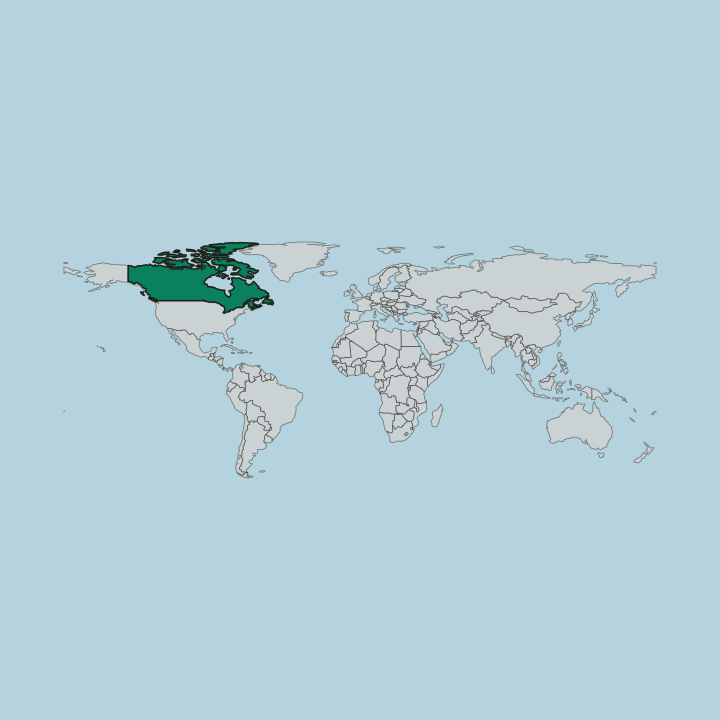
Where to stay in Winnipeg
How the choice of base plays out on the ground.
Winnipeg gathers around the meeting of the Red and Assiniboine rivers, and where you stay in the Manitoba capital turns on which side of that junction you choose. The central district on the west bank, near the Canadian Museum for Human Rights and the Winnipeg Art Gallery, puts the main sights within walking distance of the rivers. Stay near the centre first.
The Manitoba Museum and the Manitoba Children's Museum sit close by, and the railway station and its Winnipeg Railway Museum recall the city's role on the line. Government House and Dalnavert stand among the older streets. Across the Red River lies Saint Boniface, the French quarter, gathered around Saint Boniface Cathedral and Le Musée de Saint-Boniface Museum.
Maison Gabrielle-Roy and the Centre du patrimoine keep its heritage close. Choose your bank by your plans. The west side suits a first visit near the museums and the galleries, while Saint Boniface suits those drawn to the French and Metis story of the prairie.
Fort Gibraltar stands on the eastern bank as a reminder of the fur trade. The two rivers thread every district together.
Things to do in Winnipeg
Ranked by global recognition; descriptions from Wikidata (CC0).
Museums & Galleries
3- Ukrainian Cultural and Educational Centre Heritage
- Le Musée de Saint-Boniface Museum Heritage
- Dalnavert Heritage
Churches & Religious Sites
3- Saint Boniface Cathedral Heritage
- Holy Trinity Anglican Church Heritage
- Precious Blood Roman Catholic Church
Stadiums & Sports
3- Granite Curling Club Heritage
- Canada Life Centre
- Blue Cross Park
Landmarks & Notable Places
3- Maison Gabrielle-Roy Heritage
- Ralph Connor House Heritage
- Government House
worth knowingacross 4 categories in Winnipeg
About Winnipeg
What is Winnipeg known for?
Winnipeg is known as the capital and largest city of Manitoba, standing at the confluence of the Red and Assiniboine rivers. The point where the two rivers meet has been a crossing and meeting place for centuries. The Canadian Museum for Human Rights rises above the junction, and the Winnipeg Art Gallery and the Manitoba Museum hold the city's collections.
Saint Boniface keeps its French heart. Two rivers define it.
What are the main landmarks in Winnipeg?
Winnipeg's landmarks gather around the meeting of the Red and Assiniboine rivers. The Canadian Museum for Human Rights rises above the junction, and the Winnipeg Art Gallery and the Manitoba Museum hold the city's collections nearby. Across the Red River, Saint Boniface Cathedral and Le Musée de Saint-Boniface Museum anchor the French quarter, with Maison Gabrielle-Roy close at hand.
Fort Gibraltar recalls the fur trade on the eastern bank. Dalnavert and Government House survive from the early city.
What is the history of Winnipeg?
Winnipeg grew at the confluence of the Red and Assiniboine rivers, a meeting of waters long used by the peoples of the plains. Fur traders raised posts here in the eighteenth century, and Fort Gibraltar stood on the eastern bank as one of them, guarding the junction that carried the trade. Rivers made the place.
French and Metis settlers gathered across the Red River in Saint Boniface, and Saint Boniface Cathedral rose as the heart of their community on the prairie. The two rivers carried people and goods deep into the interior. With the coming of the railway, Winnipeg became the great junction of the prairie, the gateway through which settlement flowed west across Manitoba.
It grew quickly into the capital and largest city of the province, drawing people from across Europe, among them the Ukrainian families whose heritage the Ukrainian Cultural and Educational Centre records. Grand houses such as Dalnavert rose in the boom. The Winnipeg Railway Museum keeps the memory of the line that built it.
Institutions like the Manitoba Museum came to hold the record. The rivers still meet at its heart.
Where is Winnipeg?
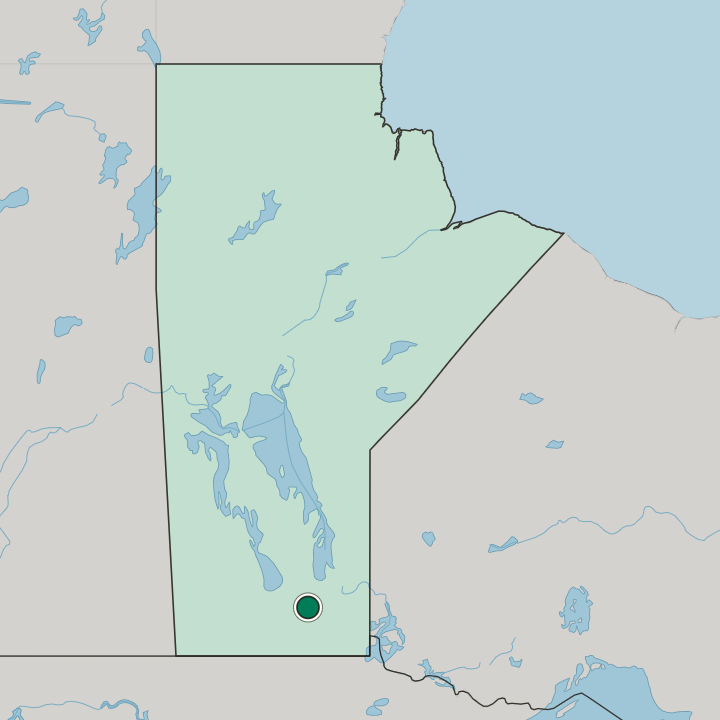
Winnipeg stands at the confluence of the Red and Assiniboine rivers, in the middle of the flat prairie of Manitoba. The two rivers meet near the heart of the city, and their valleys cut low channels across otherwise level ground. The land runs flat to every horizon.
Saint Boniface lies across the Red River from the centre. The prairie of Manitoba reaches away on all sides toward the far edge of the plains.
What is the climate of Winnipeg?
Winnipeg has a cold, dry continental climate, among the most extreme of any large Canadian city. Winters are long and bitter, with deep cold settling over the frozen Red and Assiniboine rivers for months and the wind sweeping across the open prairie. Summers are hot and short.
When the warm season comes, the plains around Manitoba turn green and the rivers run high. The seasons swing hard between the two.
How do you get to Winnipeg?
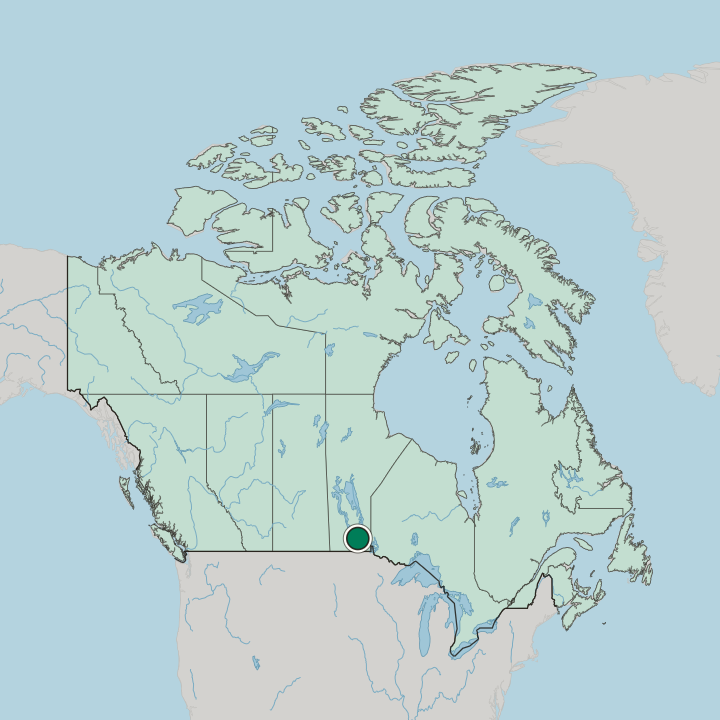
Winnipeg sits midway on the Trans-Canada Highway and the transcontinental railway, roughly halfway across the country. Highways run east and west across the prairie of Manitoba, meeting at the city as they have for generations. Its airport lies west of the centre.
Rail lines that made the place a great junction still cross it, and long-distance roads carry travellers in from every direction toward the confluence of the Red and Assiniboine rivers.
Good for
Updated October 2026