Canada: Regions, Cities & Travel Guide
Canada is the world's second-largest country, a stretch of North America between three oceans, with its capital at Ottawa.
Hotel links are affiliate links: booking through them may earn us a commission, at no extra cost to you. It never affects how places are ranked. How this works


Top destinations in Canada
Cities to start from, then drill into areas and hotels.
 Canada
Toronto
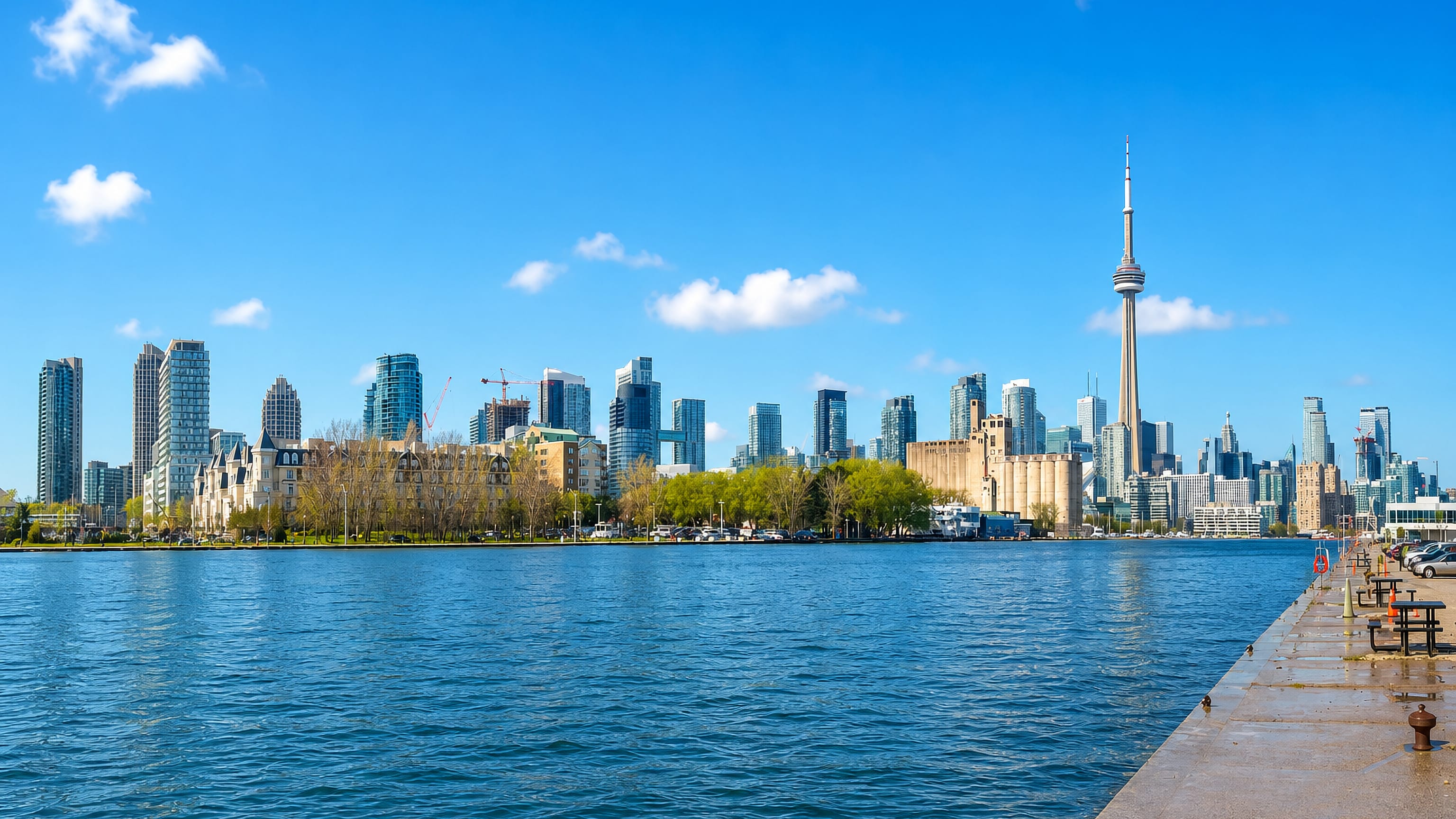
Toronto stands on its harbour at the shore of Lake Ontario, the largest city in Canada and the capital of Ontario, known for the CN Tower.Where to stay →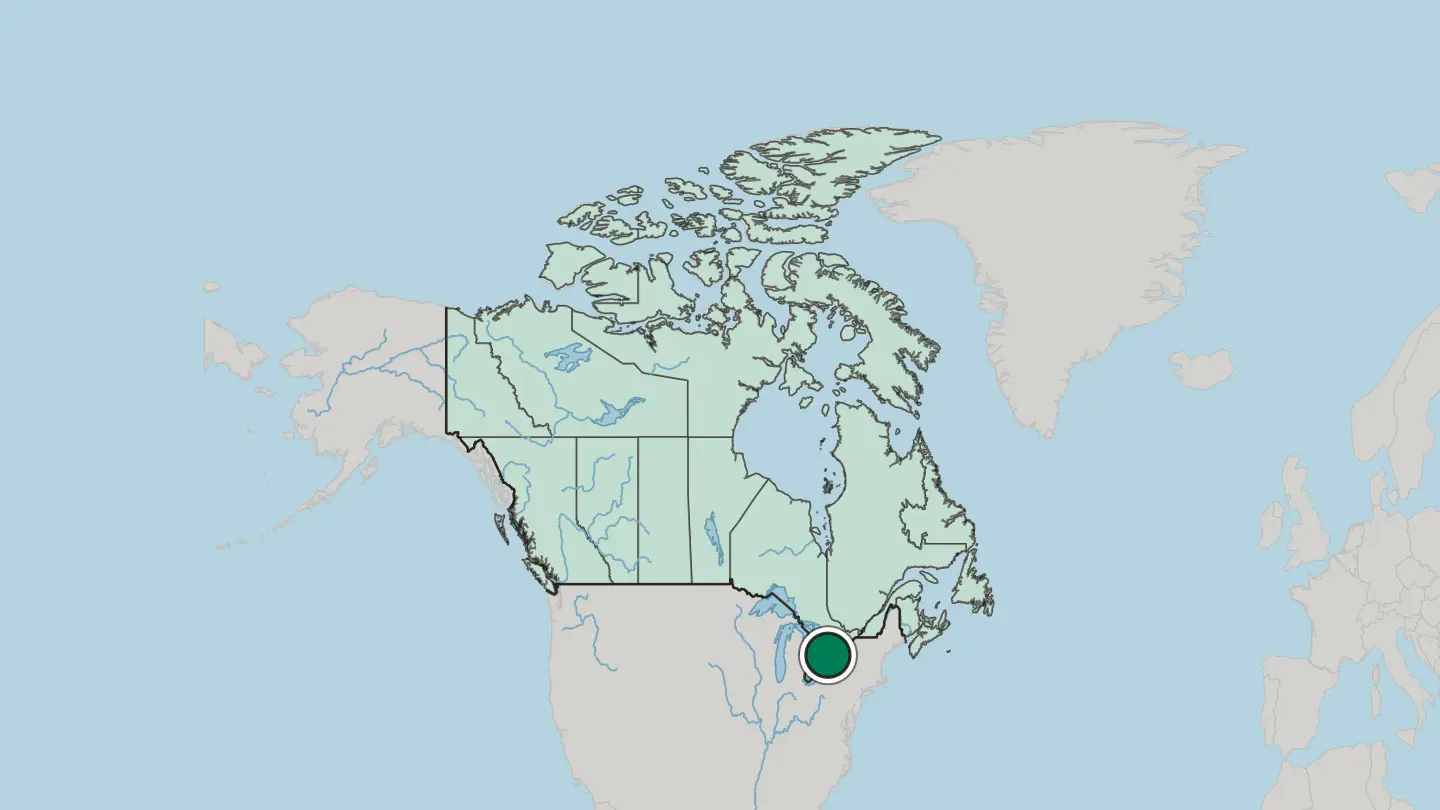
 Canada
Montréal
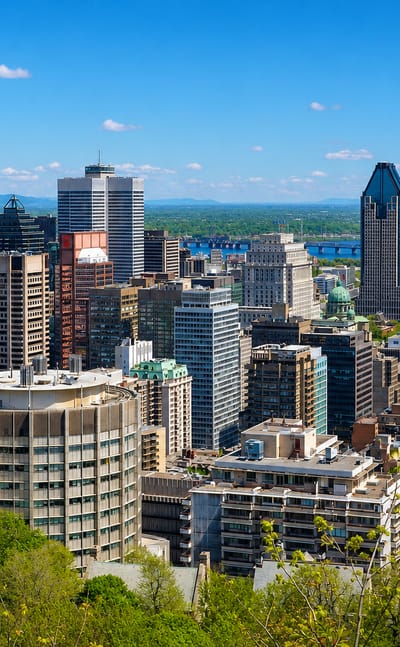
Montréal rises on its island around Mount Royal, the largest city in Québec and Canada's second-largest, the biggest francophone city in the Americas.Where to stay →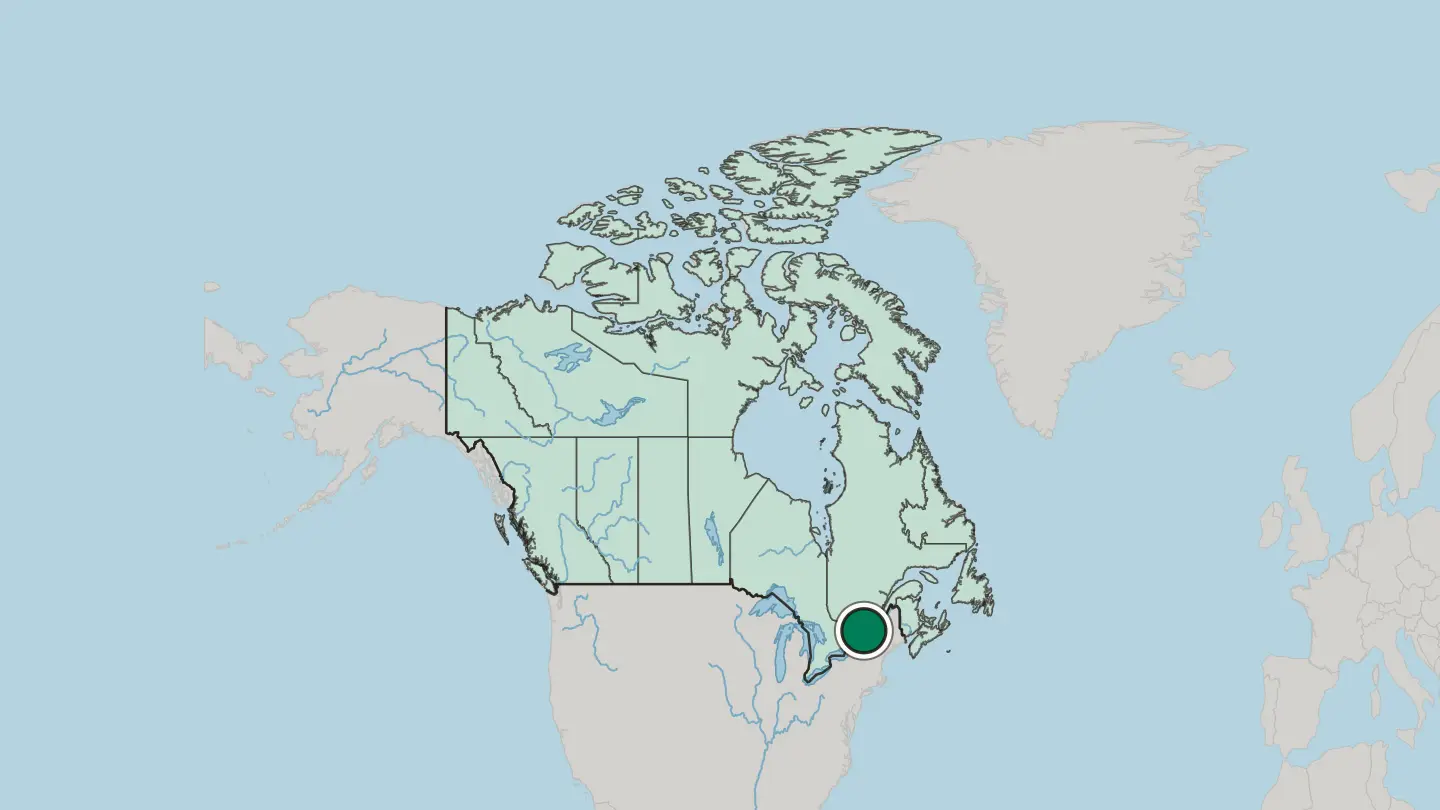
 Canada
Vancouver
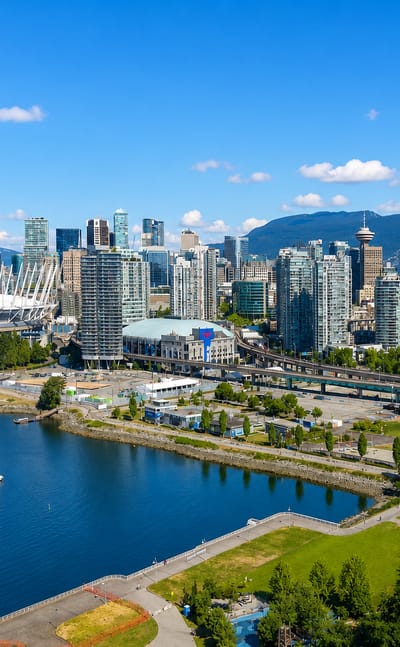
The North Shore Mountains rise above the water at Vancouver, a coastal city in British Columbia known for its miles of shoreline and its galleries.Where to stay →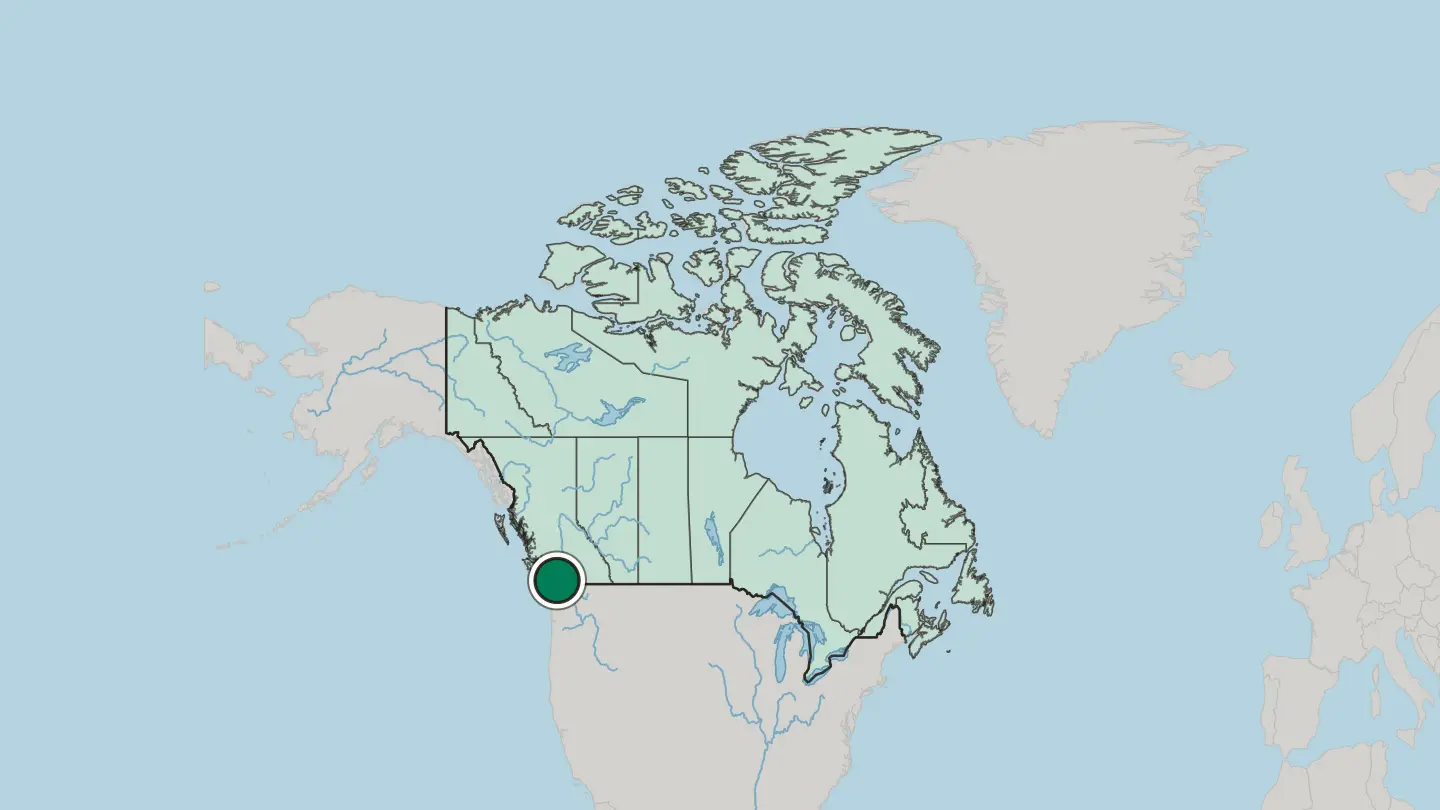
 Canada
Ottawa
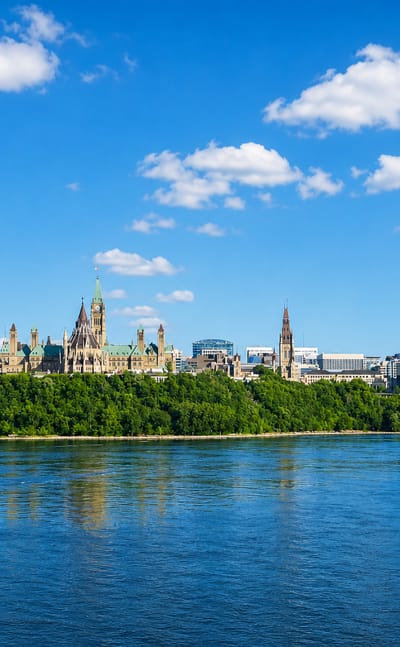
Ottawa is Canada's capital, at the confluence of the Ottawa River and the Rideau River in southeastern Ontario, known for Parliament Hill.Where to stay →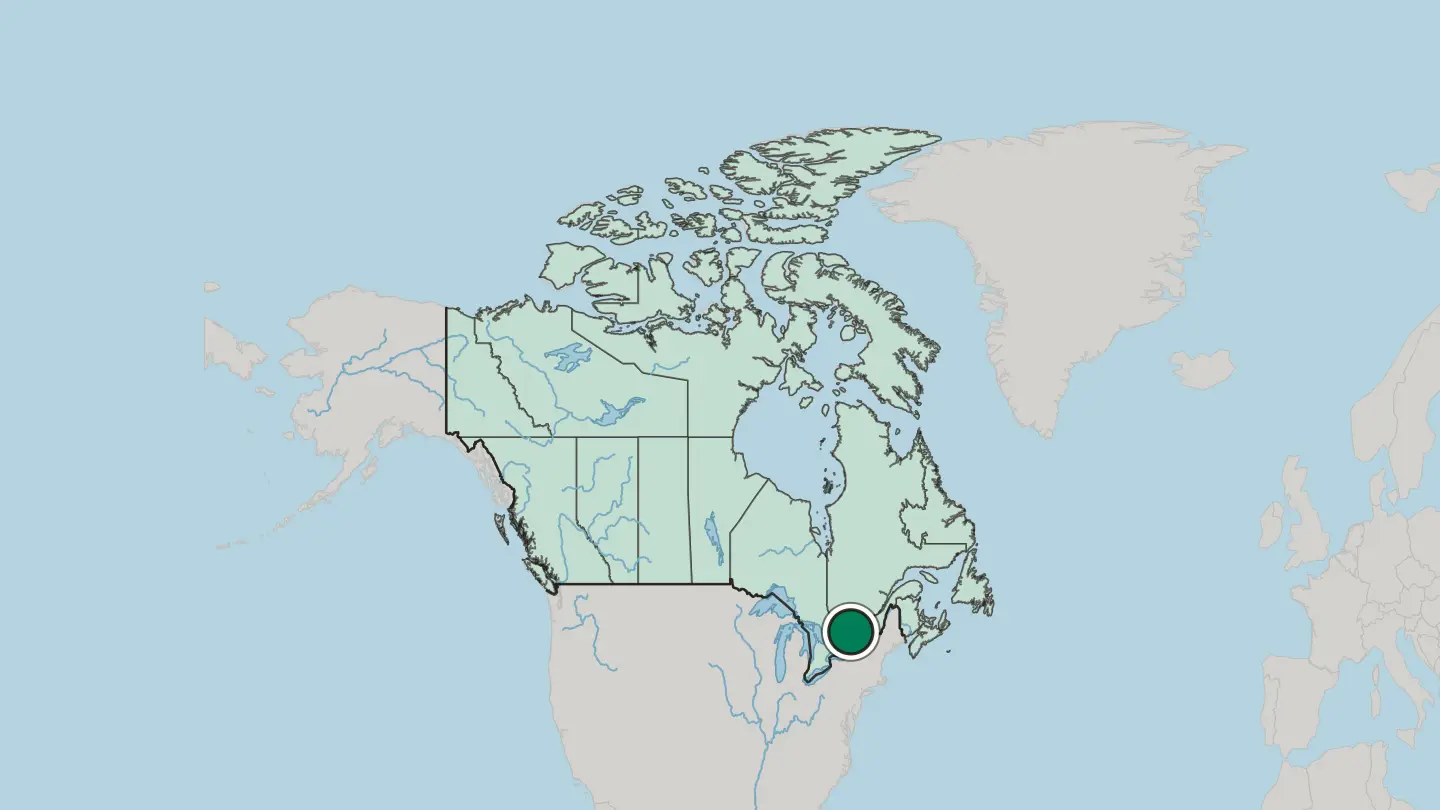
 Canada
Calgary
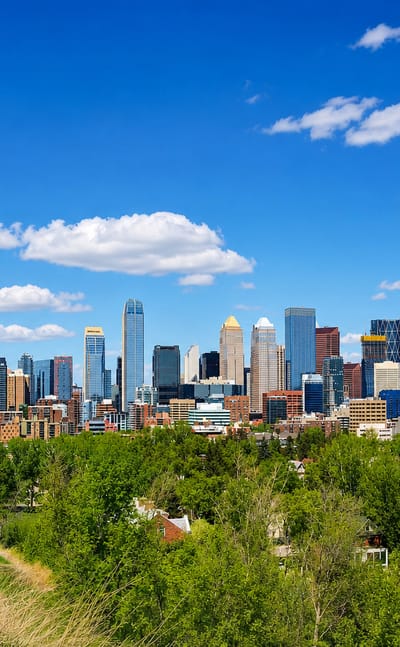
Calgary stands on Alberta's western prairie near the Rocky Mountains, its largest city and Canada's third-largest, known for the Stampede.Where to stay →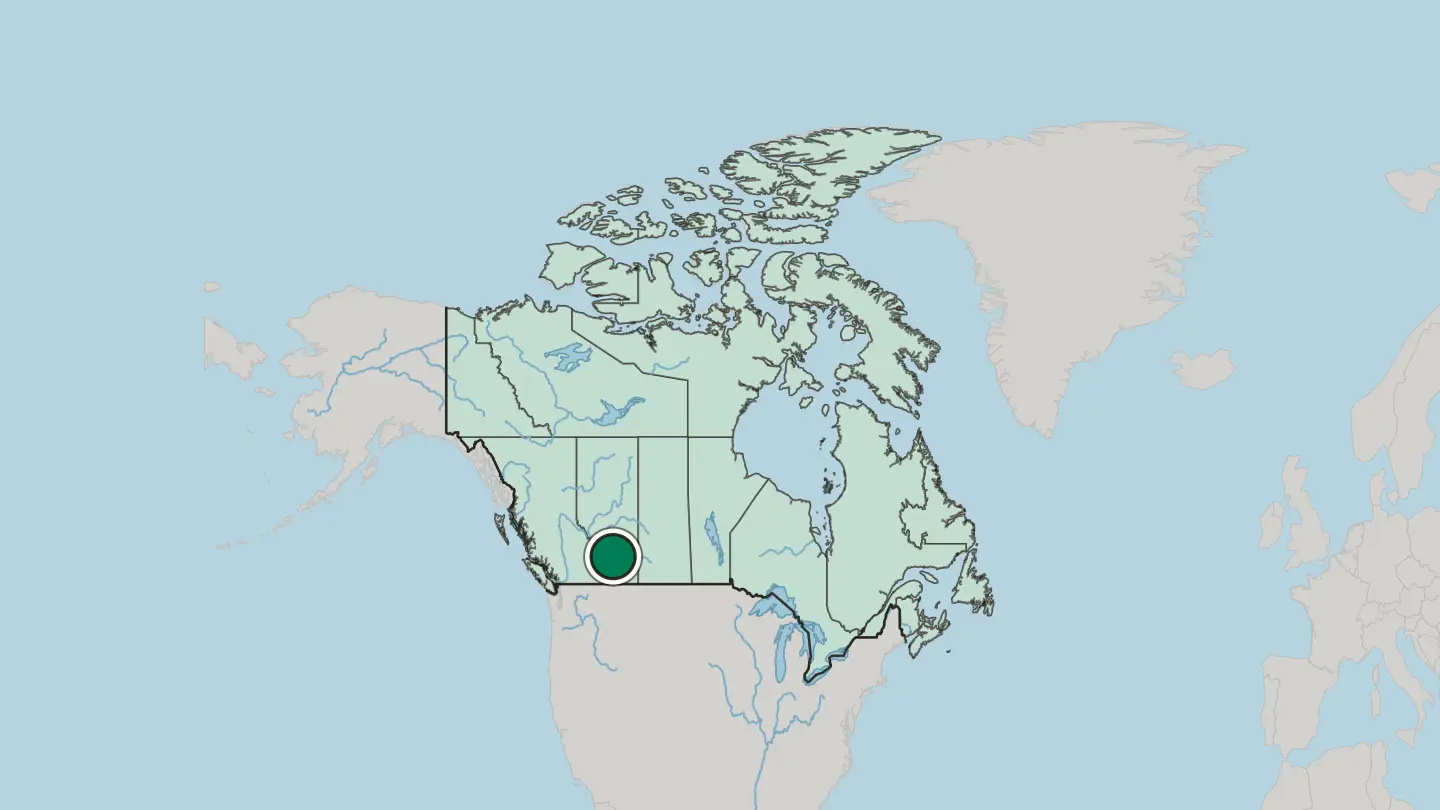
 Canada
Québec
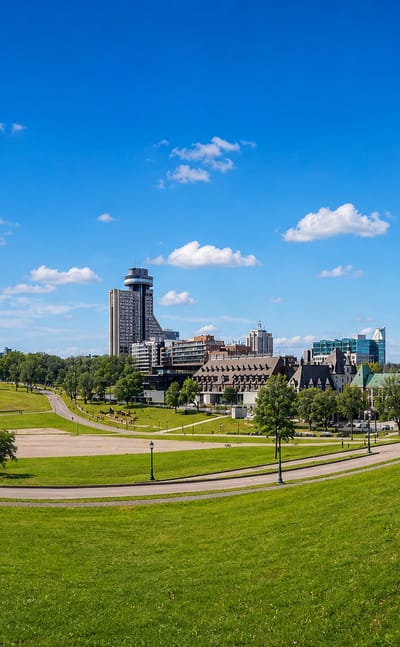
The Citadelle of Quebec crowns Québec, capital of the province of Québec in Canada, a walled old town founded in 1608 above the water.Where to stay →
 Canada
Edmonton
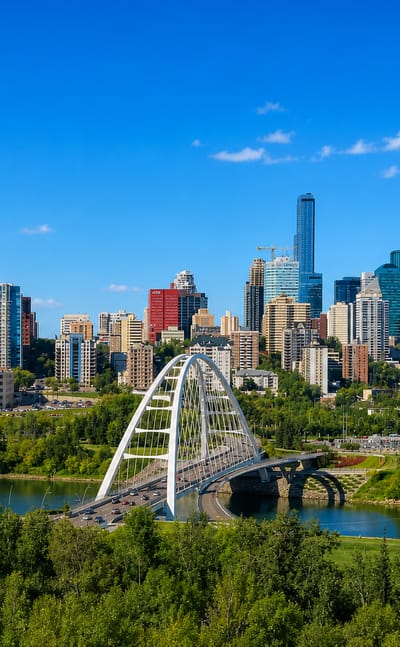
The North Saskatchewan River curves through Edmonton, the capital of Alberta, known for its river valley parks and West Edmonton Mall.Where to stay →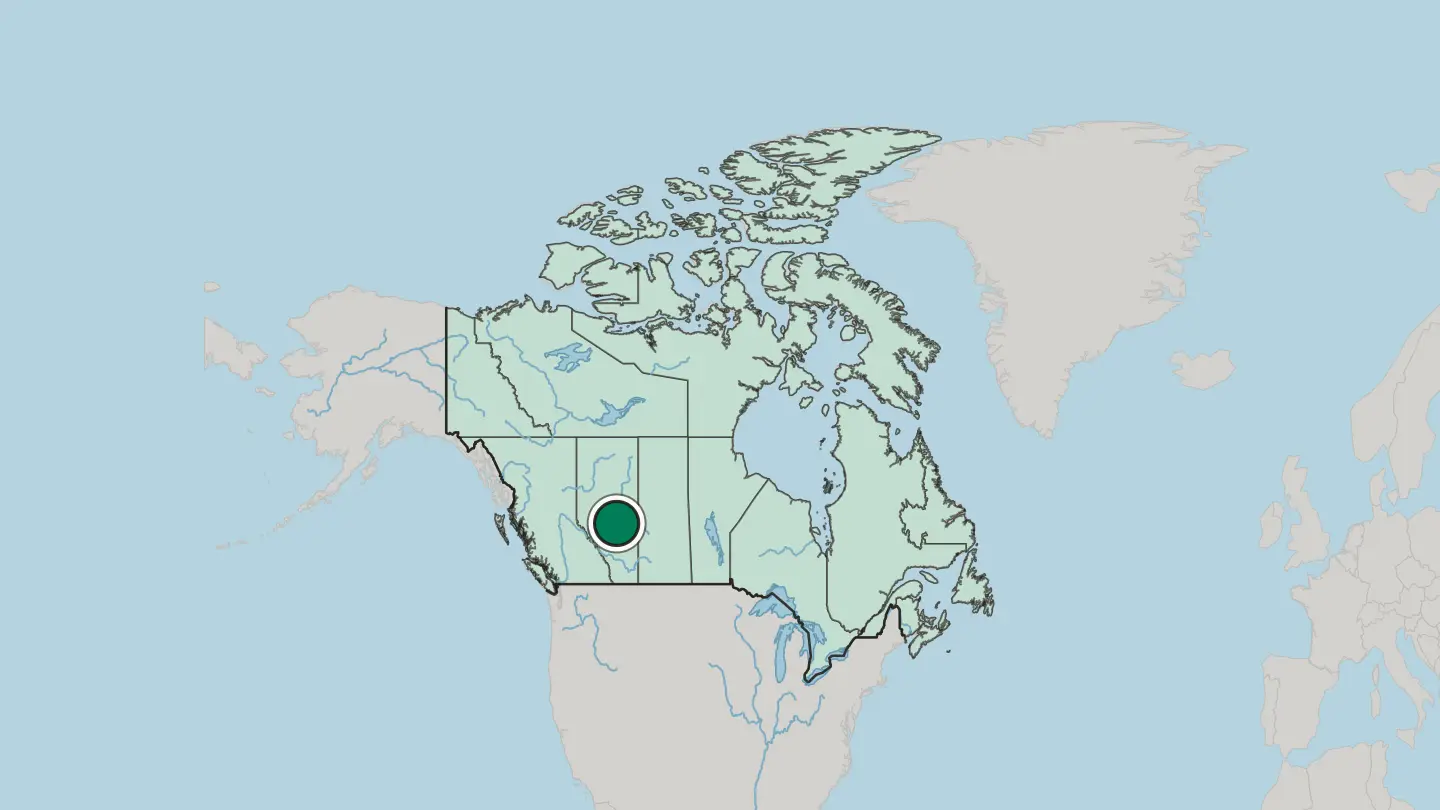 Canada
Halifax
Halifax is the capital of Nova Scotia and the largest city in Atlantic Canada, built around one of the world's great natural harbours.Where to stay →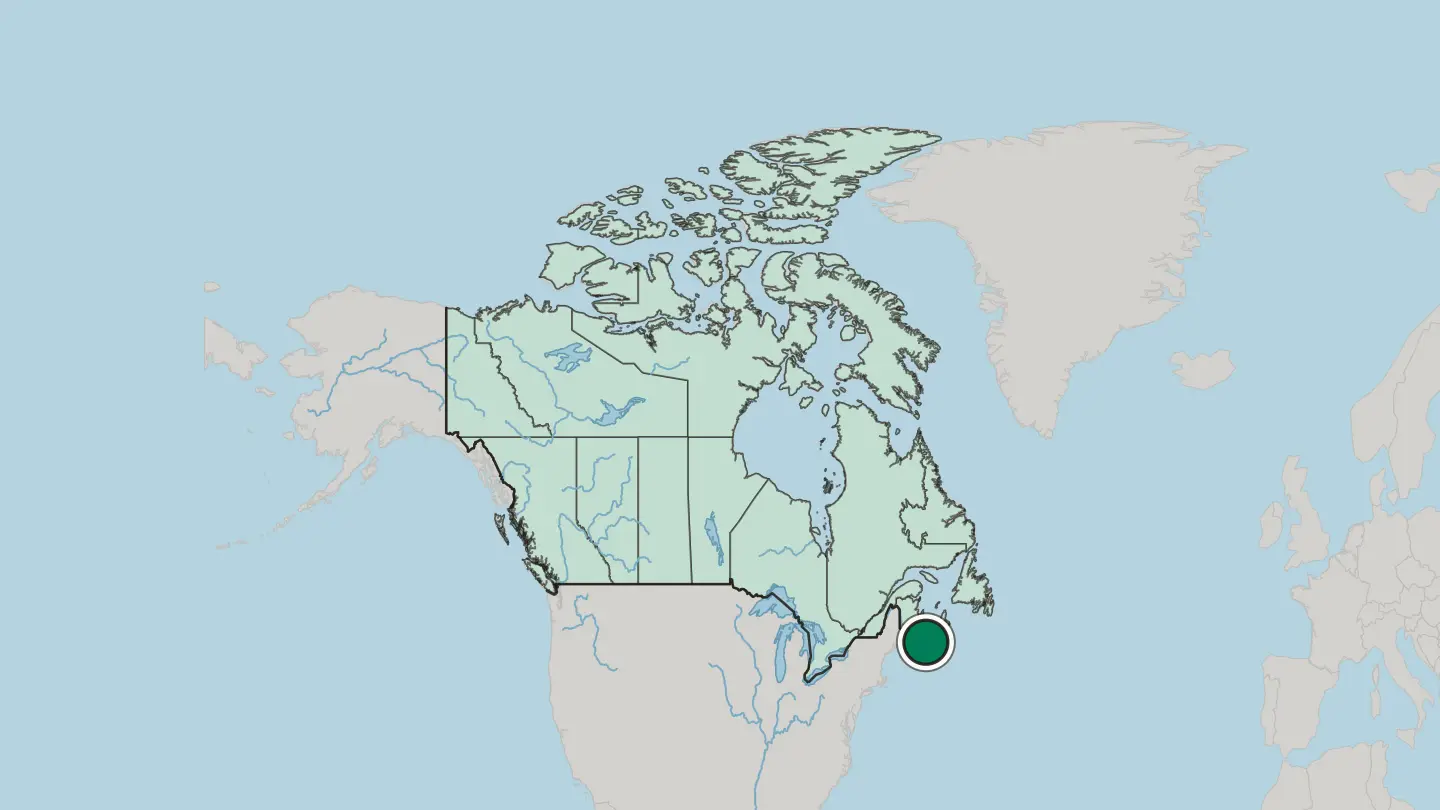
 Canada
Winnipeg
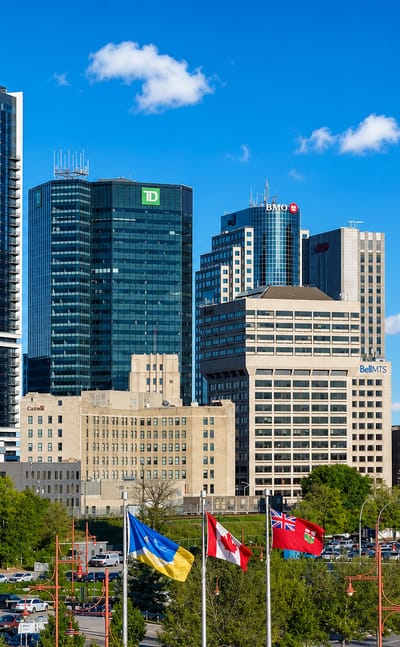
The Red and Assiniboine rivers meet at Winnipeg, the capital of Manitoba, known for the Canadian Museum for Human Rights and its French quarter.Where to stay →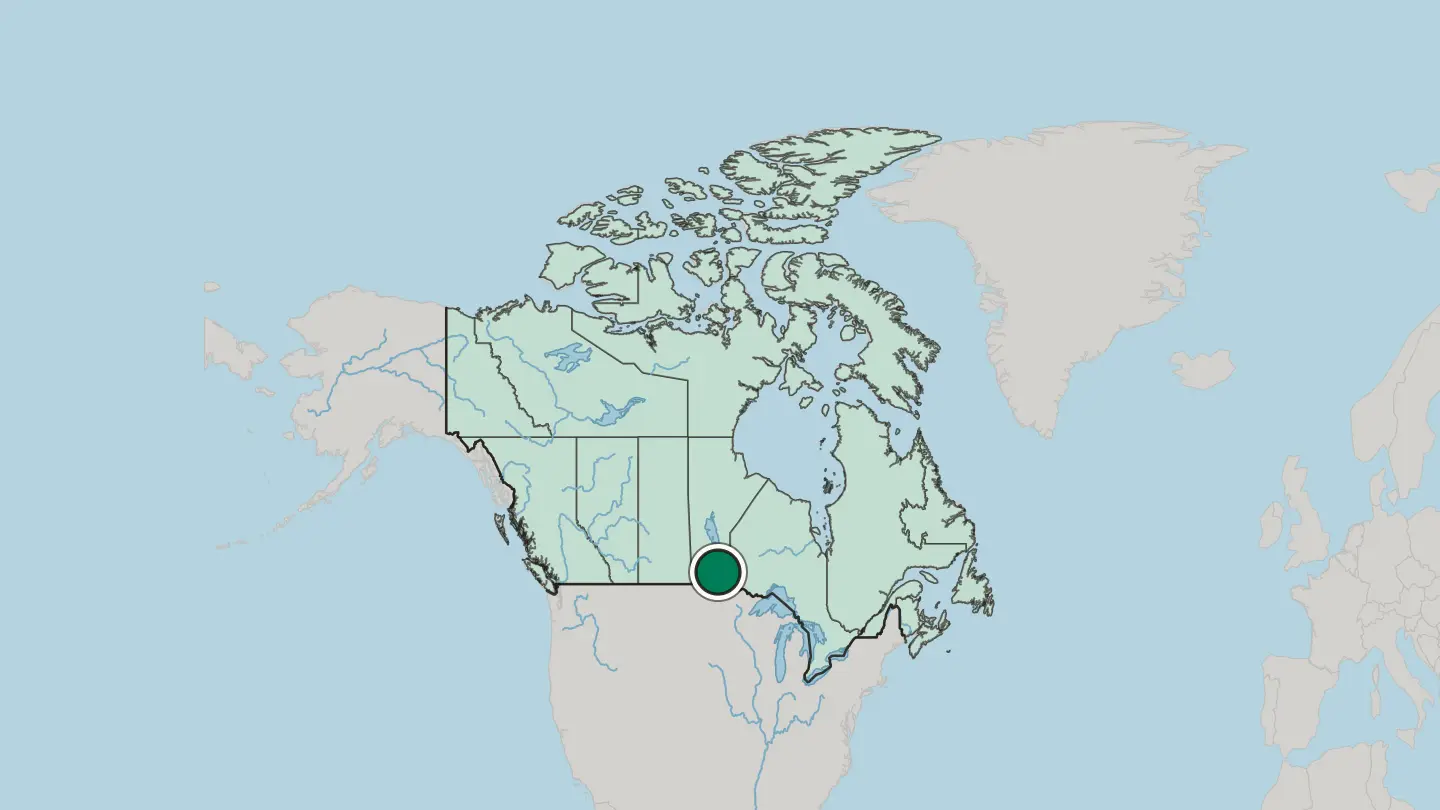
Hotel links are affiliate links: booking through them may earn us a commission, at no extra cost to you. It never affects how places are ranked. How this works
Regions of Canada
Canada
Alberta
Alberta is a prairie province of Western Canada, reaching from the Great Plains to the Rocky Mountains, with Calgary its largest city.Towns & cities →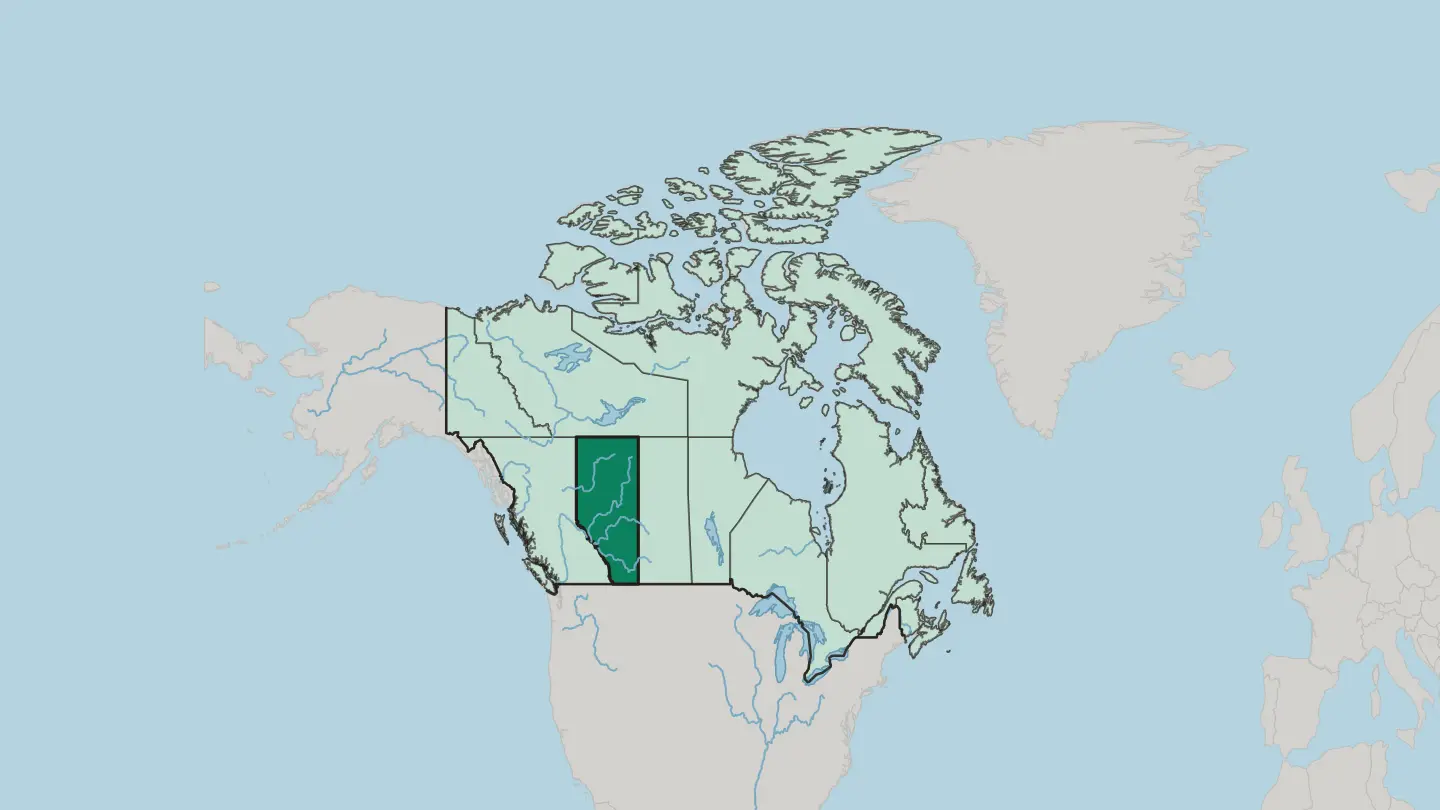 Canada
British Columbia
British Columbia is Canada's Pacific edge, where the Coast Mountains drop straight into the sea and rainforest meets the ocean.Towns & cities →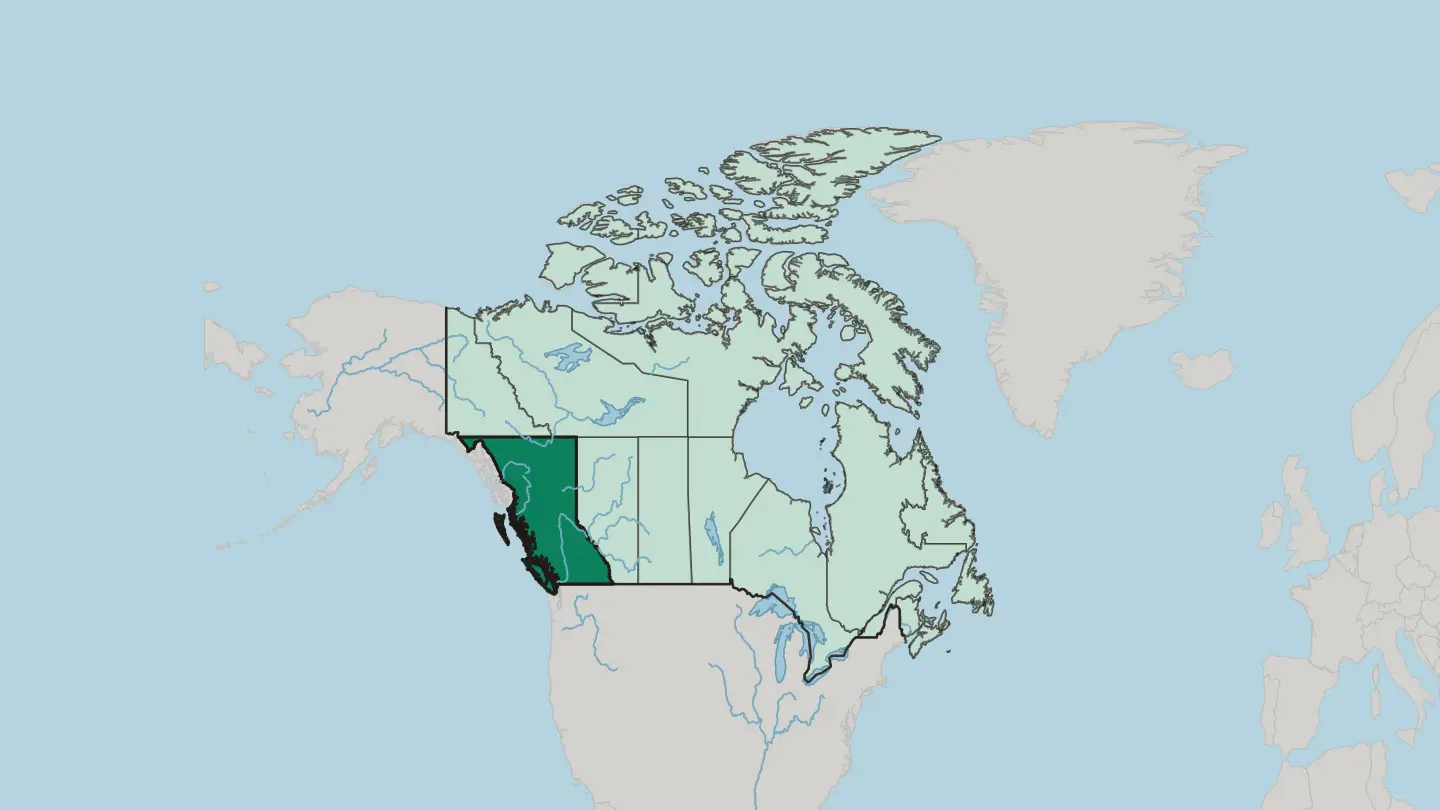 Canada
Manitoba
Manitoba is a Prairie province at the longitudinal centre of Canada, spanning prairie, boreal forest and the Hudson Bay coast.Towns & cities →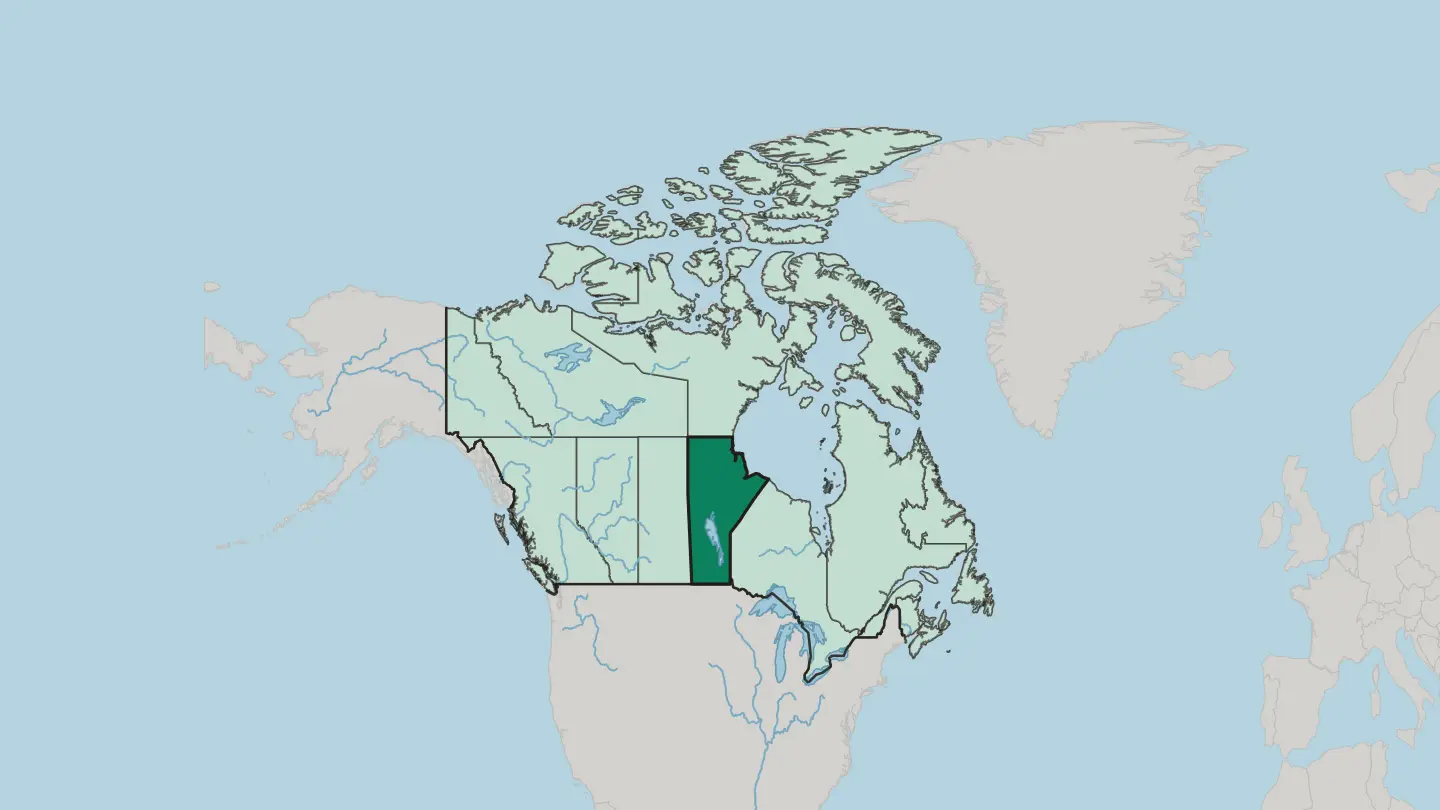
 Canada
New Brunswick/Nouveau-Brunswick
New Brunswick is Canada's only officially bilingual province, a forested Maritime land ringed by the record tides of the Bay of Fundy.Towns & cities →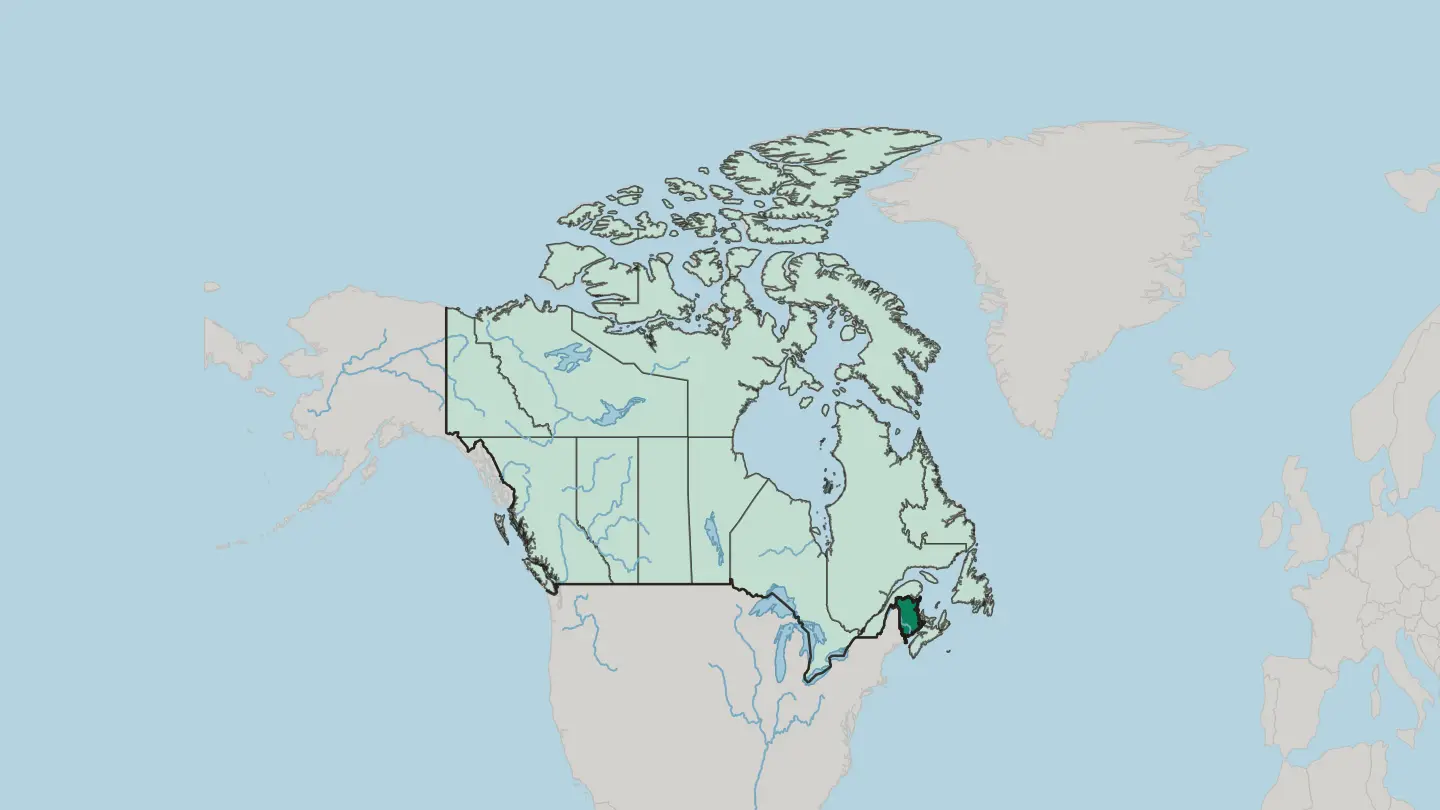
 Canada
Newfoundland and Labrador
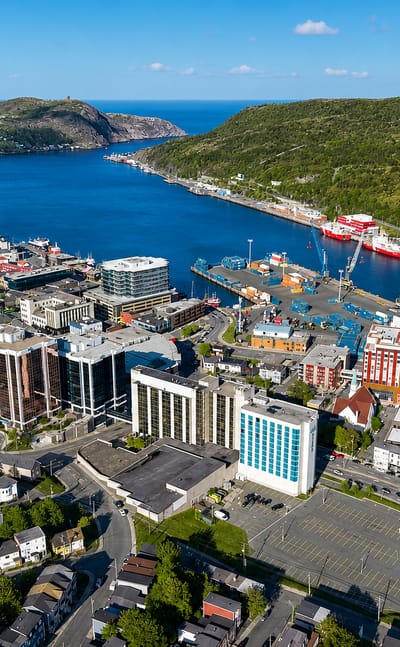
Canada's easternmost province, where the island of Newfoundland and the mainland coast of Labrador meet the North Atlantic.Towns & cities →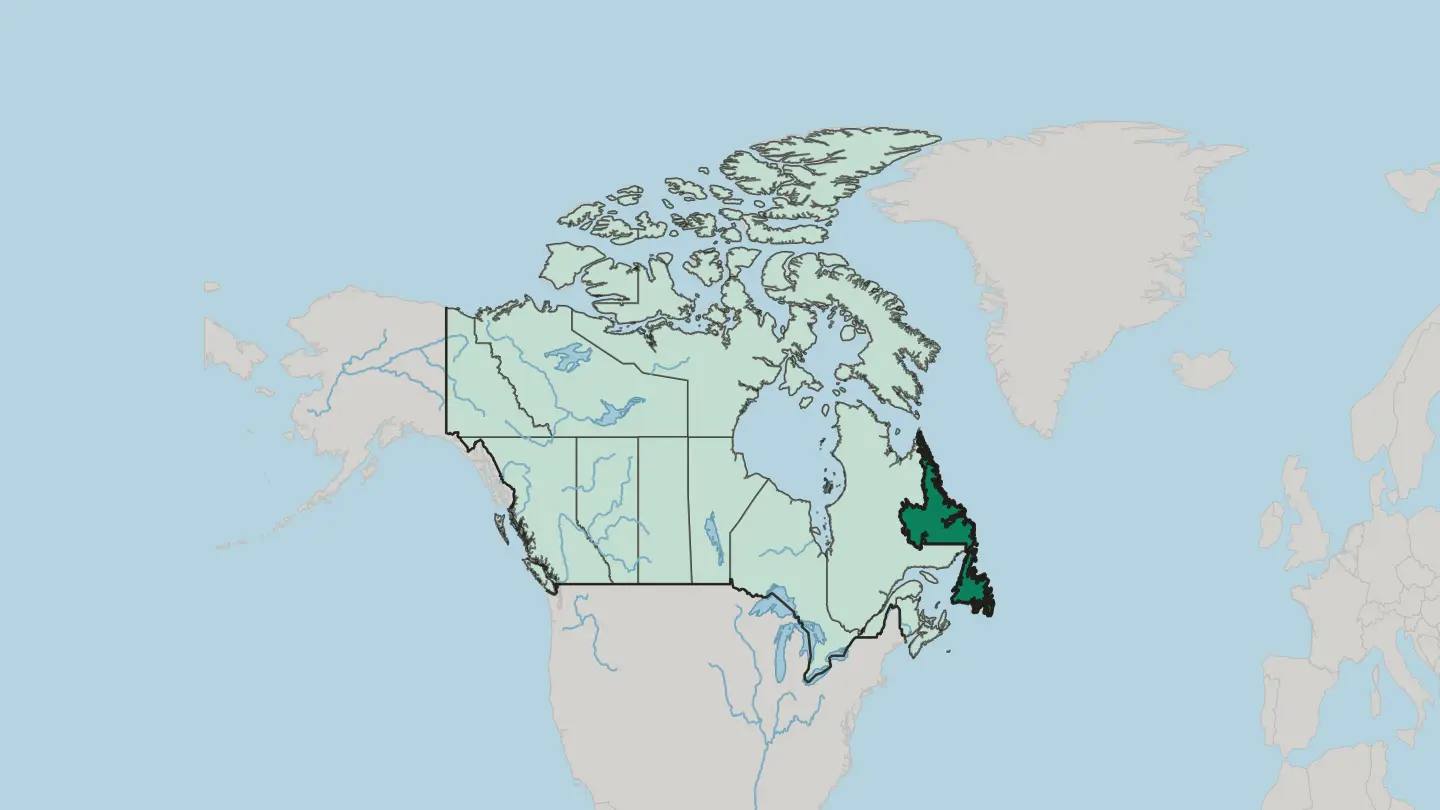 Canada
Northwest Territories
The Northwest Territories fills the northwest of Canada, drained by the Mackenzie River flowing from Great Slave Lake to the Arctic Ocean.Towns & cities →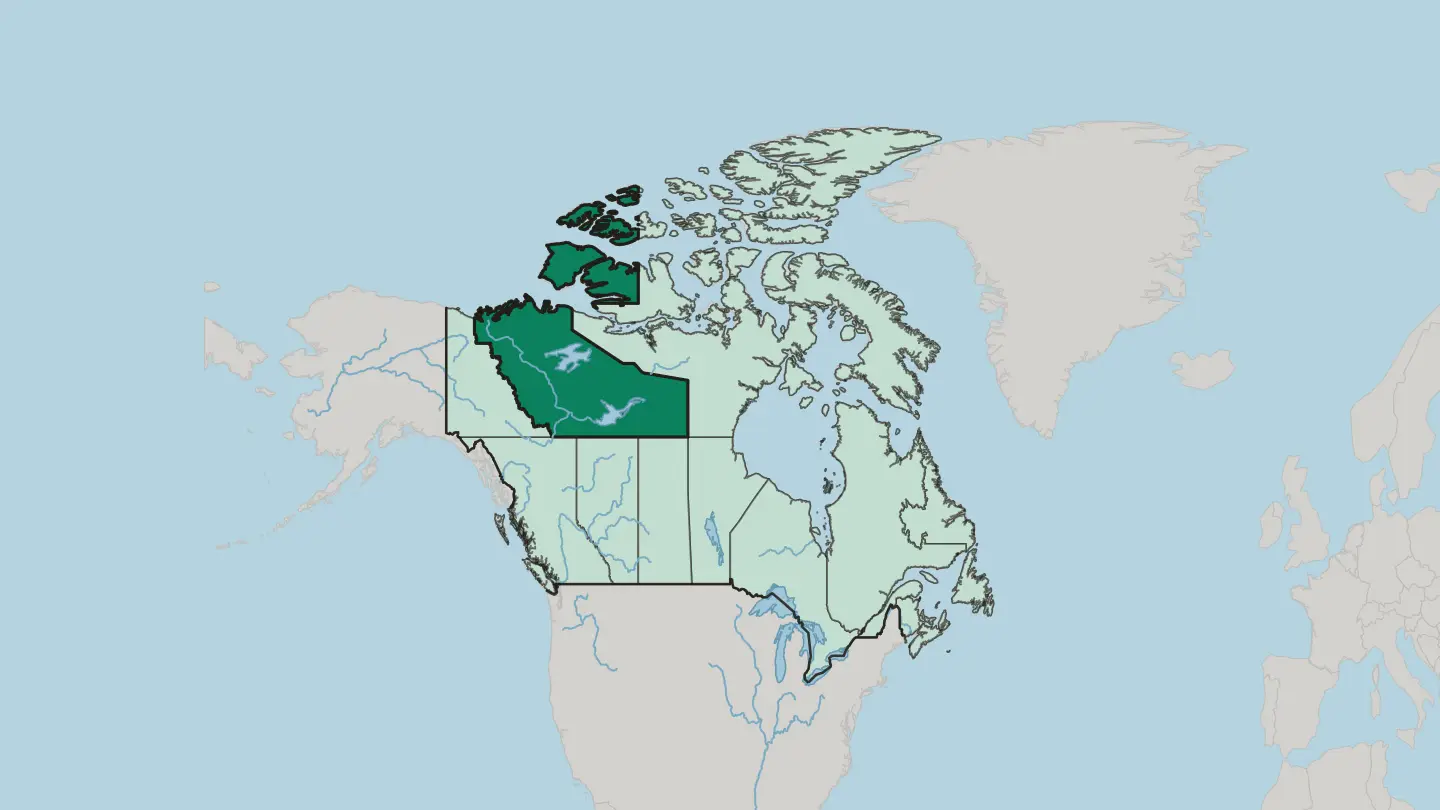
 Canada
Nova Scotia
Nova Scotia is one of Canada's Atlantic provinces, a peninsula and Cape Breton Island reaching into the sea off the nation's east coast.Towns & cities →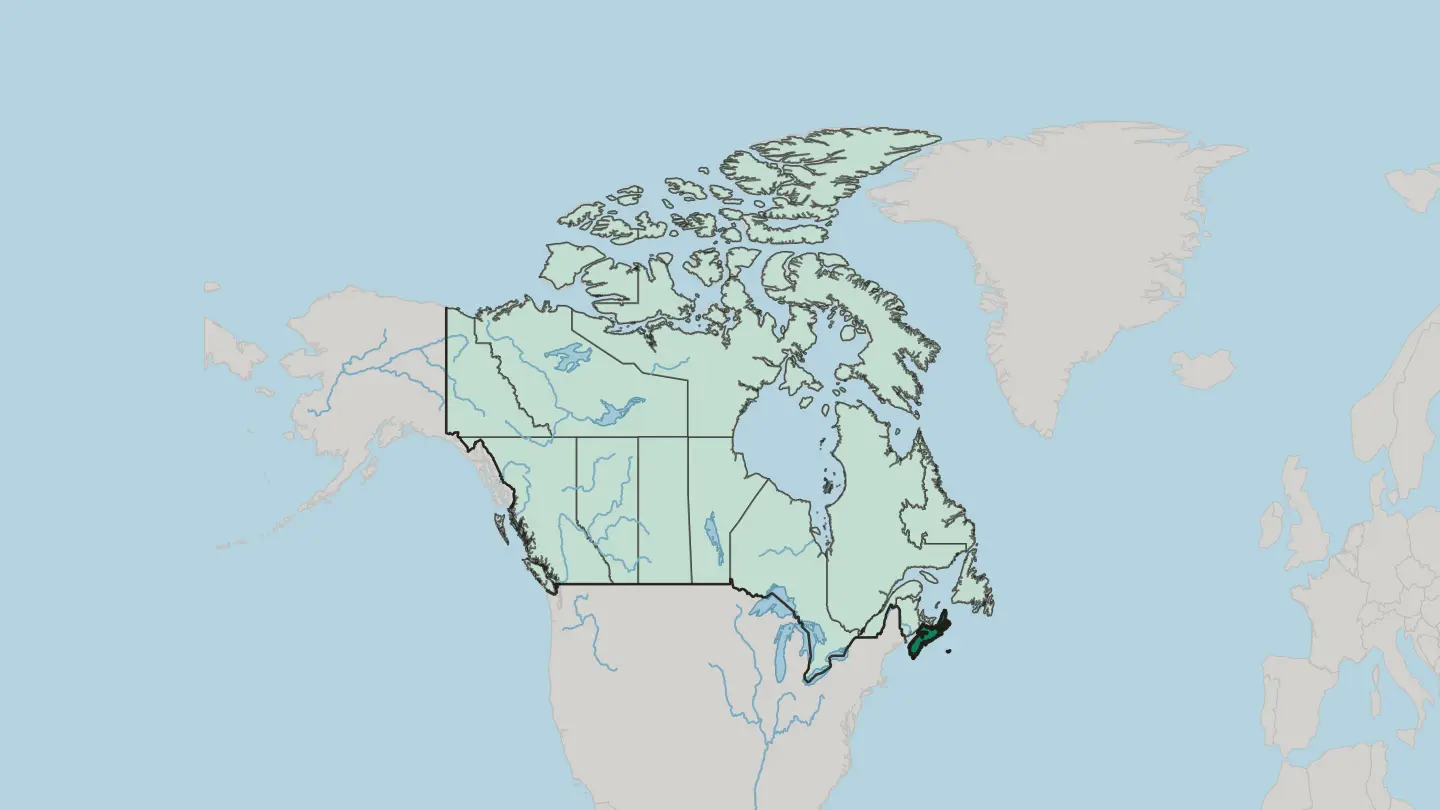 Canada
Nunavut
Nunavut is Canada's largest and northernmost territory, an Arctic expanse of tundra and islands with Iqaluit as its capital.Towns & cities →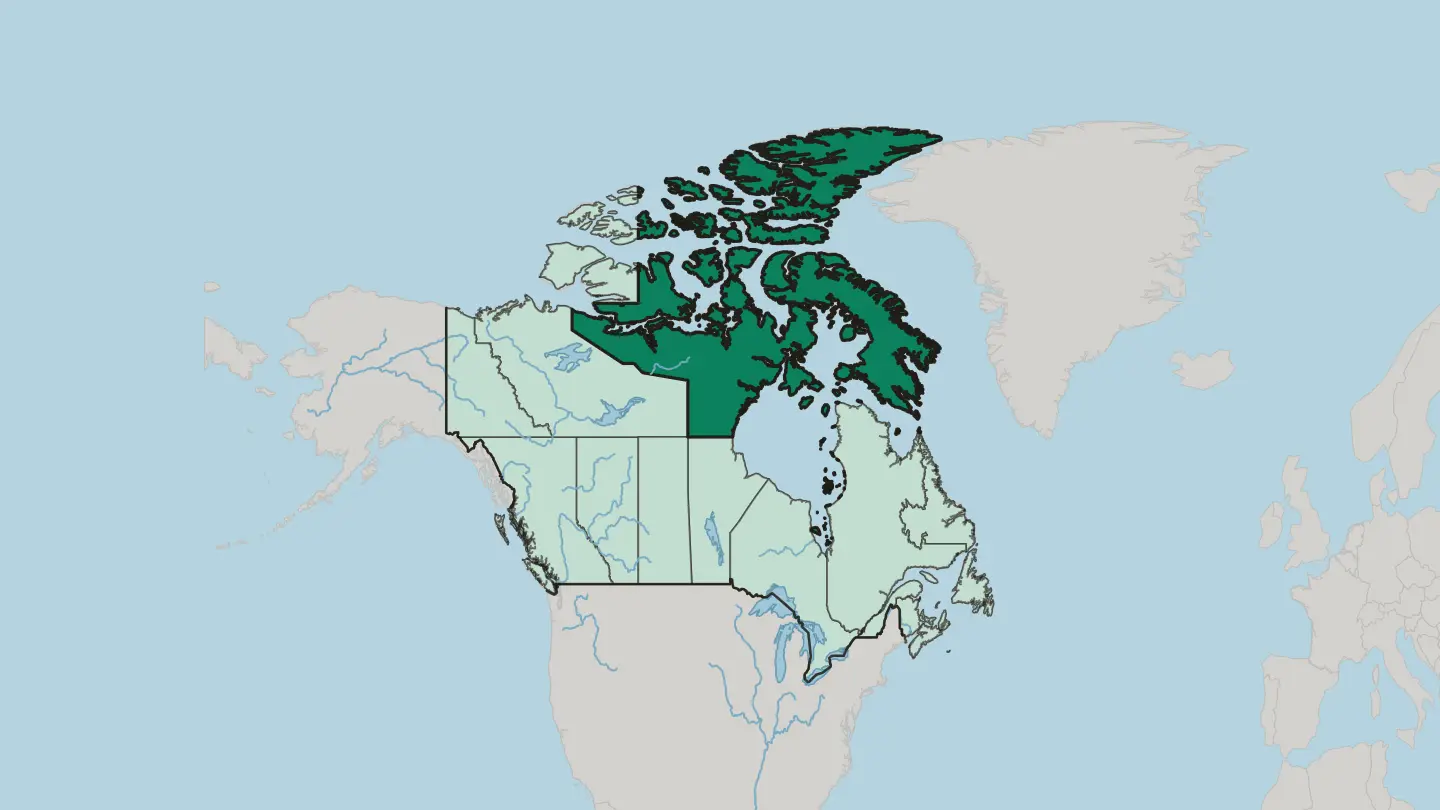 Canada
Ontario
Ontario is Canada's second-largest province, set in Central Canada, holding the national capital at Ottawa and the country's largest city, Toronto.Towns & cities →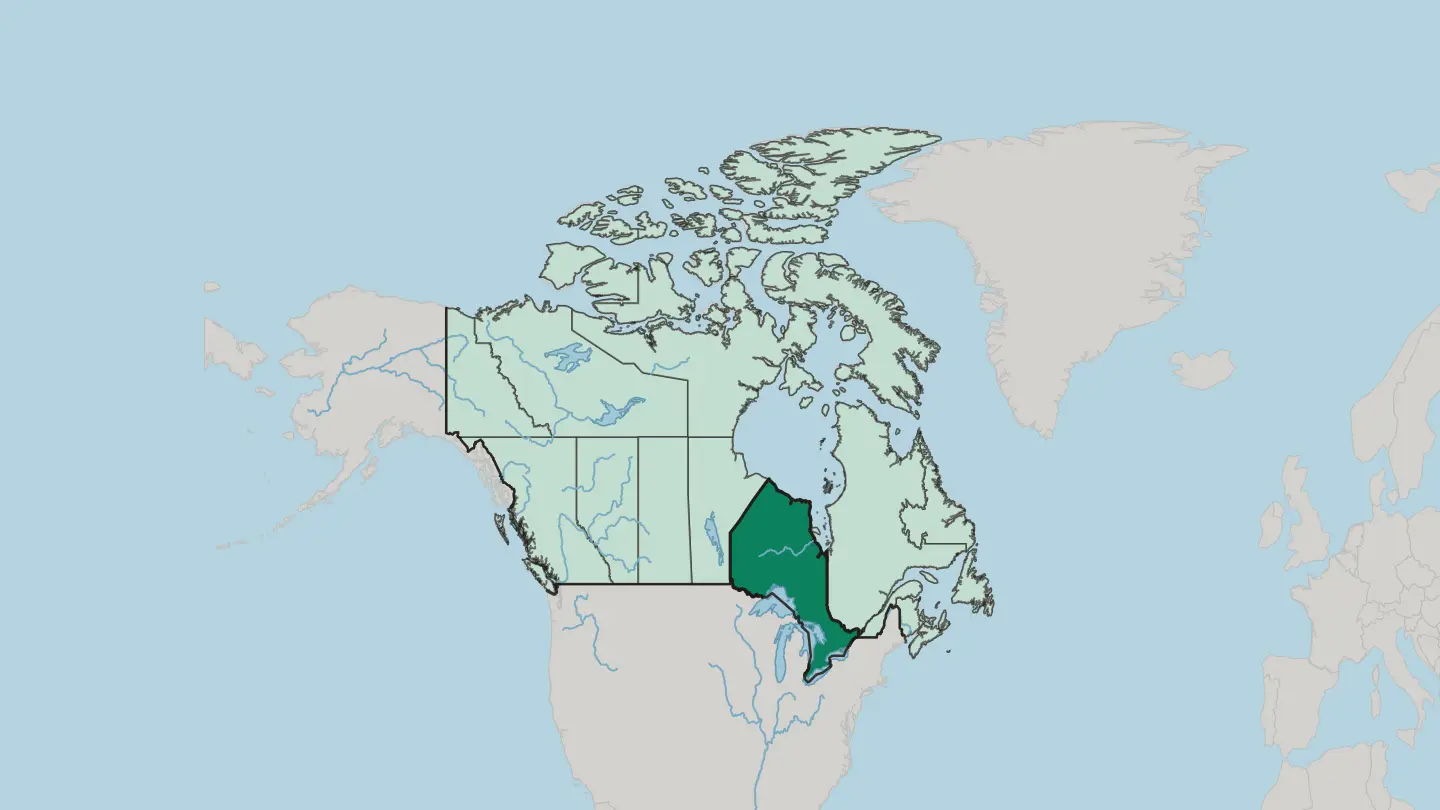 Canada
Prince Edward Island
Prince Edward Island is Canada's smallest province, a crescent of red-soil farmland and beaches in the Gulf of Saint Lawrence.Towns & cities →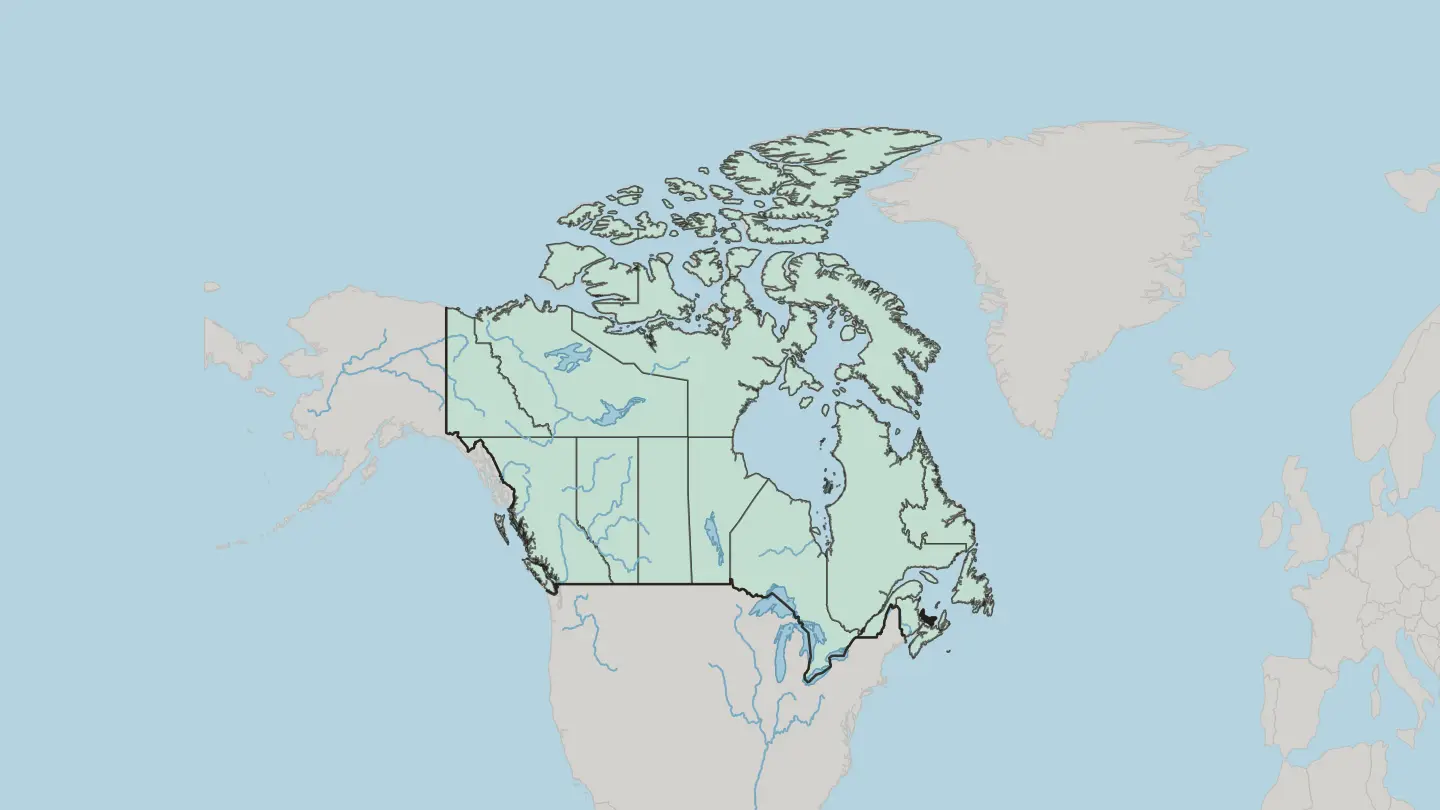 Canada
Québec
Québec is Canada's largest province by area and its only Francophone-majority province, set in Central Canada where Québécois French is spoken.Towns & cities →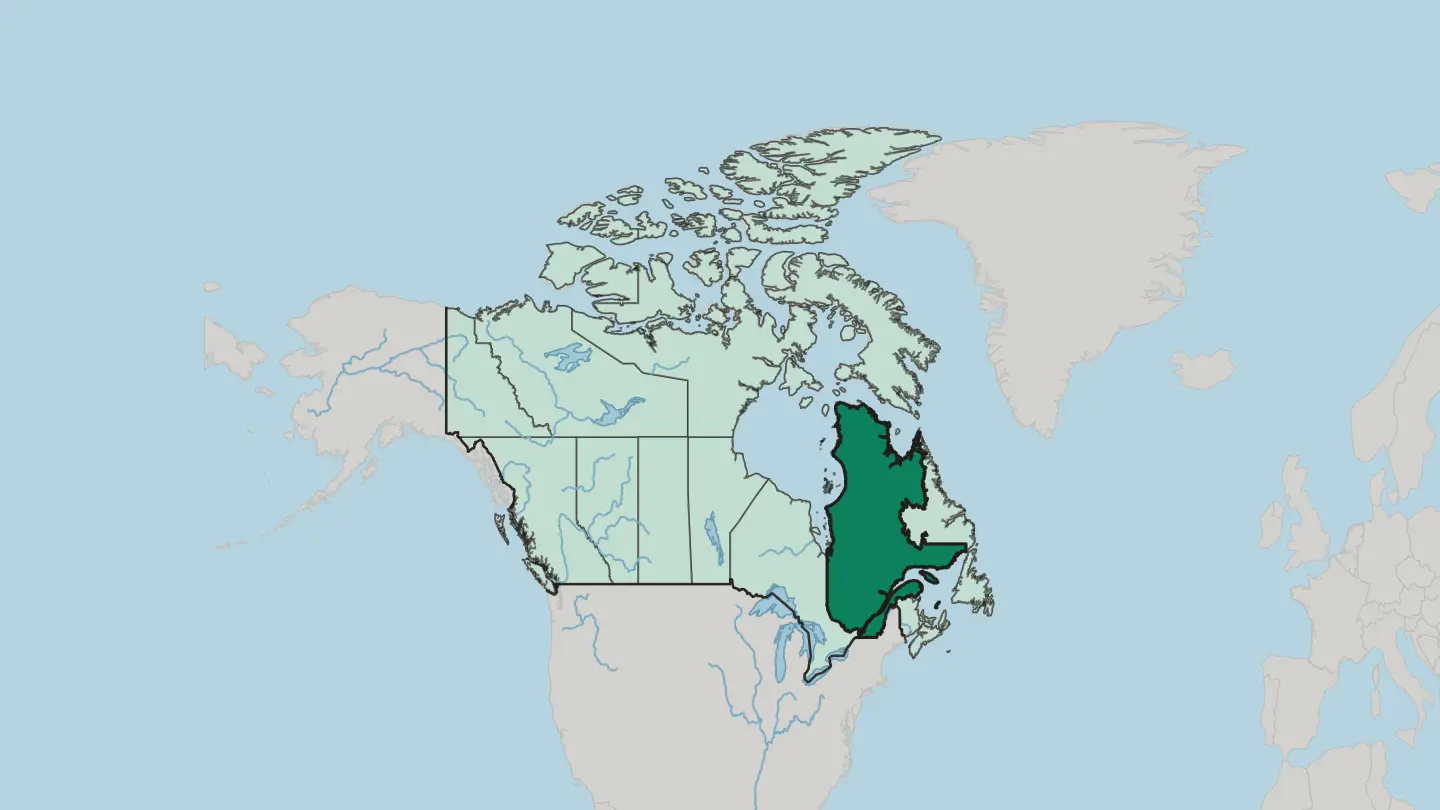
 Canada
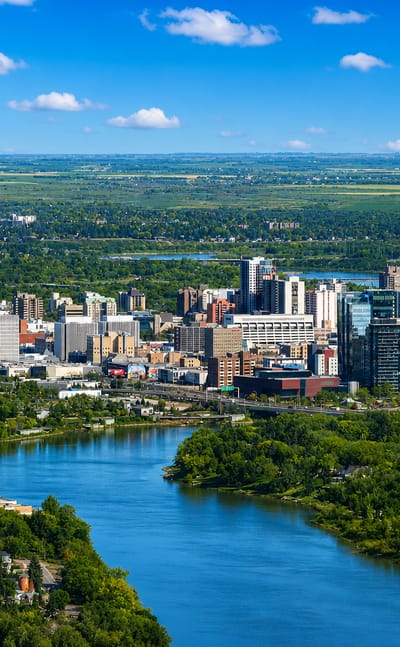
Saskatchewan
Saskatchewan is a landlocked prairie province of Western Canada, wheat fields in the south and boreal forest and lakes in the north.Towns & cities →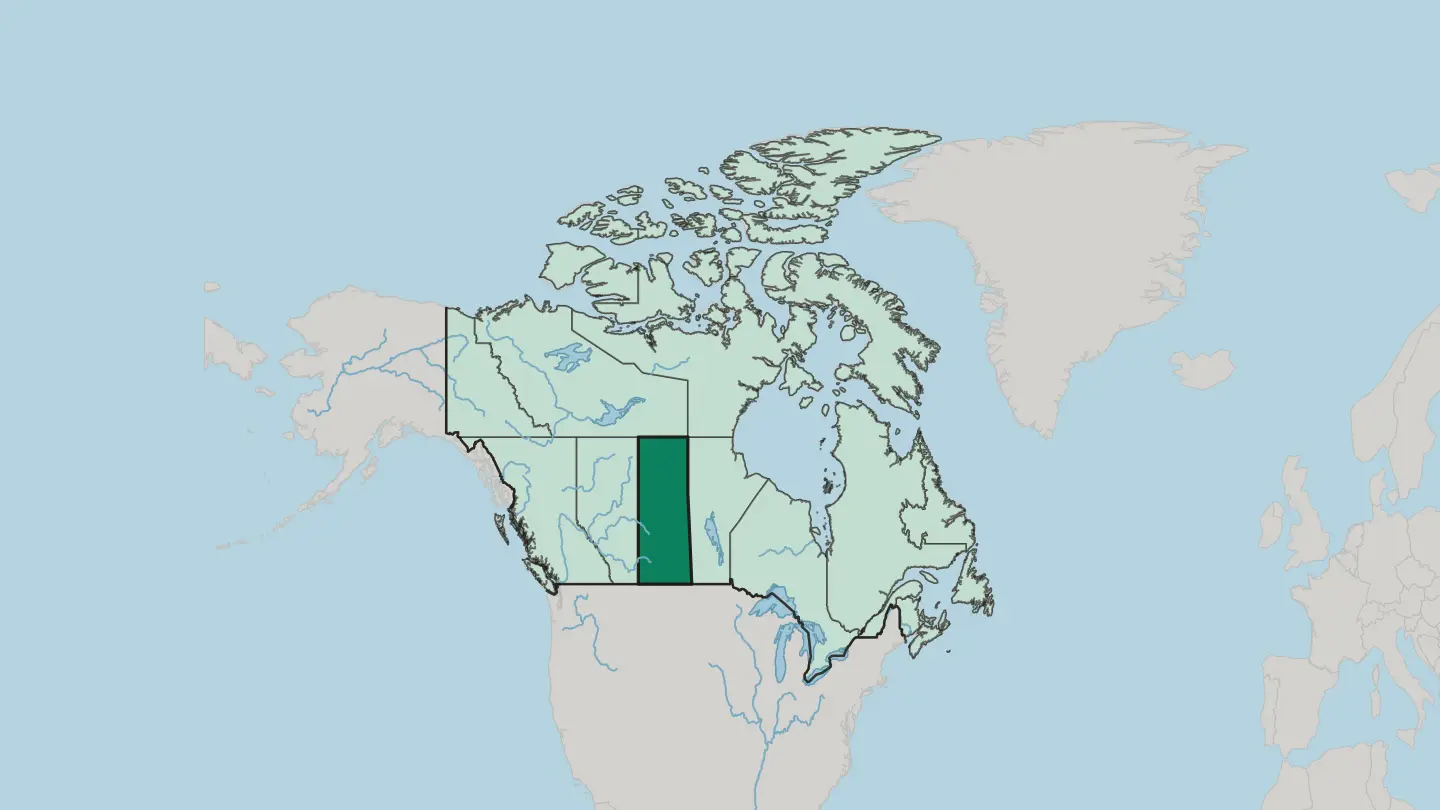 Canada
Yukon
Yukon is Canada's westernmost territory, a land of high mountains and the great river that gave it its name, next to Alaska.Towns & cities →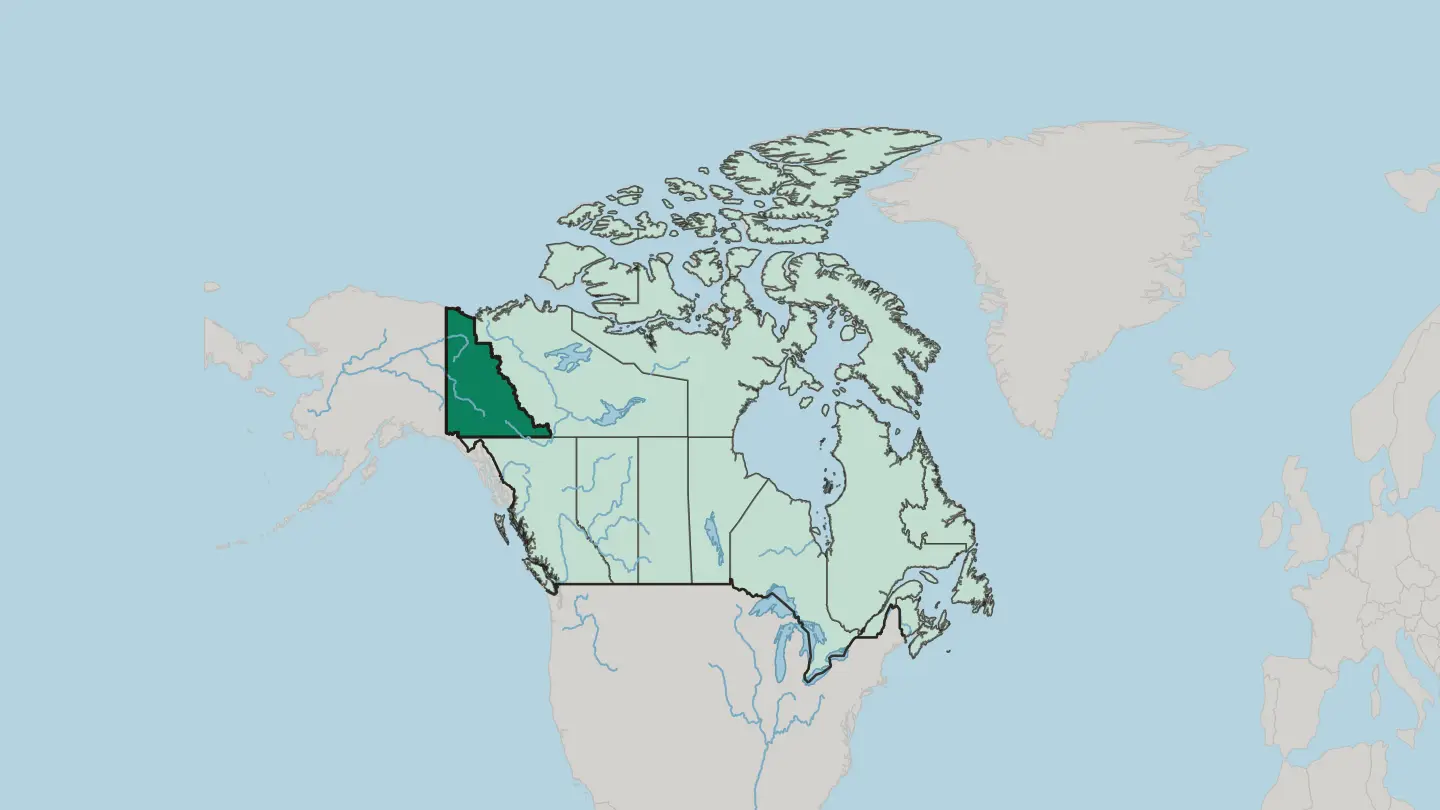
Explore by experience
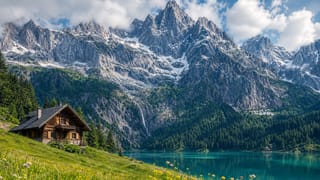
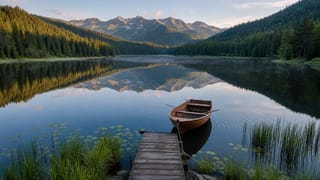
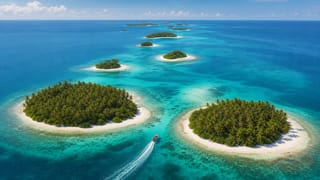
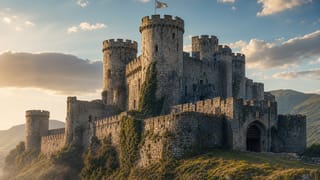
Not sure which place? Start from how you want to travel.

About Canada
Canada is known for its scale and its wild country.
What is Canada known for?
The Great White North, as it is nicknamed, holds more lakes than any other country, endless forests, the peaks of the Rocky Mountains, the open Prairies, and a thinly settled Arctic reaching toward the pole. Its cities are the other side. Toronto, Montreal, and Vancouver hold most of the country's people and carry its multicultural heritage, set against three ocean coasts and the longest coastline on Earth.
Where is Canada?
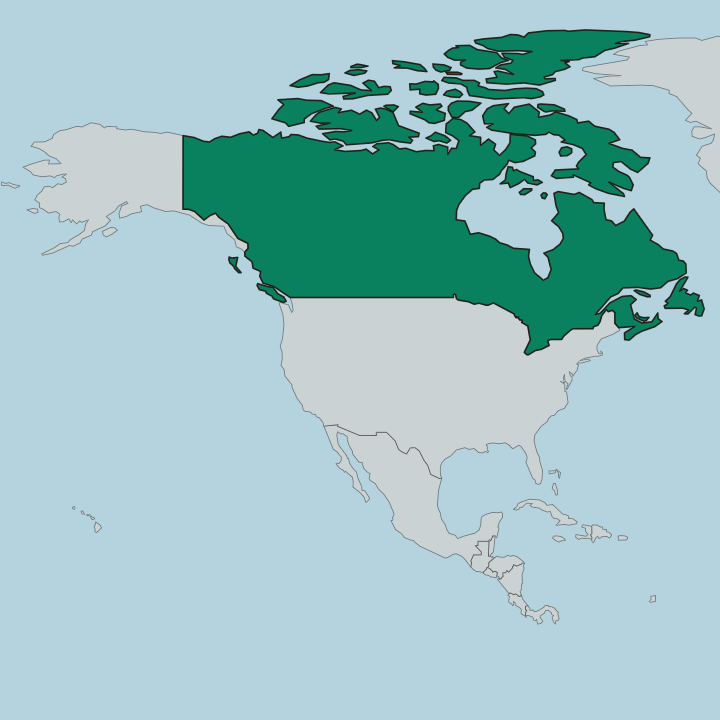
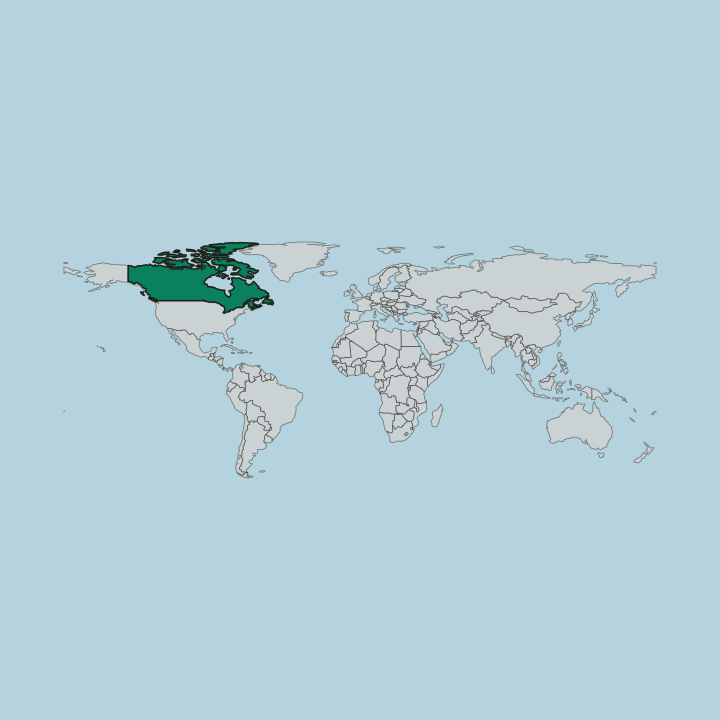
Canada fills the top of North America. It is the second-largest country on Earth after Russia, its ten provinces and three territories running from the Atlantic Ocean in the east to the Pacific Ocean in the west, and north into the Arctic Ocean. Three oceans give it three coasts and the longest coastline of any country.
Its boundary with the United States is the longest land border between any two nations. That single border runs from one ocean nearly to the other. Few countries are so wide.
Inside, the country is a catalogue of landforms. The Rocky Mountains wall off the west, the flat Prairies roll through the middle, and forest covers vast stretches between them, holding more lakes than any other country can claim. Coast, mountain, plain, forest, and tundra all sit inside one set of borders.
Farther north the land thins into a sparsely settled Arctic, an archipelago of islands trailing toward the pole. Geologically and in its weather the country shifts from region to region. From the Atlantic shore to the Pacific, Canada changes character many times over.
What is the history of Canada?
Canada dates its founding to 1867. The country was assembled that year and grew outward until it reached across North America, from the Atlantic Ocean to the Pacific and north to the Arctic. What began smaller widened into the second-largest country on Earth, a federation of ten provinces and three territories.
That union set the country on its course. Each was drawn in over time. The span between the coasts was knit together into a single state.
Its people came from many origins. The multicultural heritage the country is known for grew from generations of arrivals settling a very large land. Many languages and traditions took root together.
Ottawa became the capital, set inland between the larger cities rather than in any one of them. Over the years the provinces and territories took the shape they hold now, and the long boundary with the United States settled into the longest border between any two nations. Toronto, Montreal, and Vancouver grew into the country's largest urban centres.
The founding year, 1867, still dates it all. History here is measured across a very wide map.
What is Canada like?
Canada defines itself partly by its mix of peoples. Diversity is the starting point here. The country's multicultural heritage draws together many origins and languages under one flag, and French is among the tongues in daily use across it.
Its cultural life concentrates in the big cities. Toronto, Montreal, and Vancouver each carry their own character, gathering communities from around the world into distinct urban scenes. Ottawa holds the government, but the cultural weight sits in the three big cities.
The other half of the culture is the land. Canadians live with an immense outdoors, and that closeness to wild country runs through how the place sees itself. Forests and lakes fill much of the map, more lakes than any other country holds.
The Rocky Mountains rise in the west, the open Prairies roll through the middle, and the Arctic ice caps the north. The Great White North is as much an idea as a nickname. Distance shapes the culture too, since a drive between regions can cross a coast, a mountain range, and a plain.
Life outdoors shapes the calendar here as surely as the cities do. It is a culture split between the metropolis and the map's empty spaces.
What is the climate of Canada?
Canada holds many climates at once. Its sheer size means the weather changes utterly from region to region, from the mild Pacific coast to the deep cold of the Arctic and the continental swing of the Prairies. Winters bite hard inland.
The far north stays frozen much of the year, while the southern cities near the United States border see four clear seasons, and the oceans temper the coasts on either side.
How do you get to Canada?
For a country this wide, most people reach Canada by plane. The major gateways are Toronto, Montreal, and Vancouver, with Ottawa and other cities adding their own airports, and flights are how most people cross a country this wide. Overland routes help too.
Its long frontier with the United States carries road and rail crossings all along the populated belt, while the three ocean coasts open Canada to sea routes east, west, and north.
Good for
Updated September 2026