Canada · New Brunswick/Nouveau-Brunswick
Where to Stay in Moncton, New Brunswick/Nouveau-Brunswick
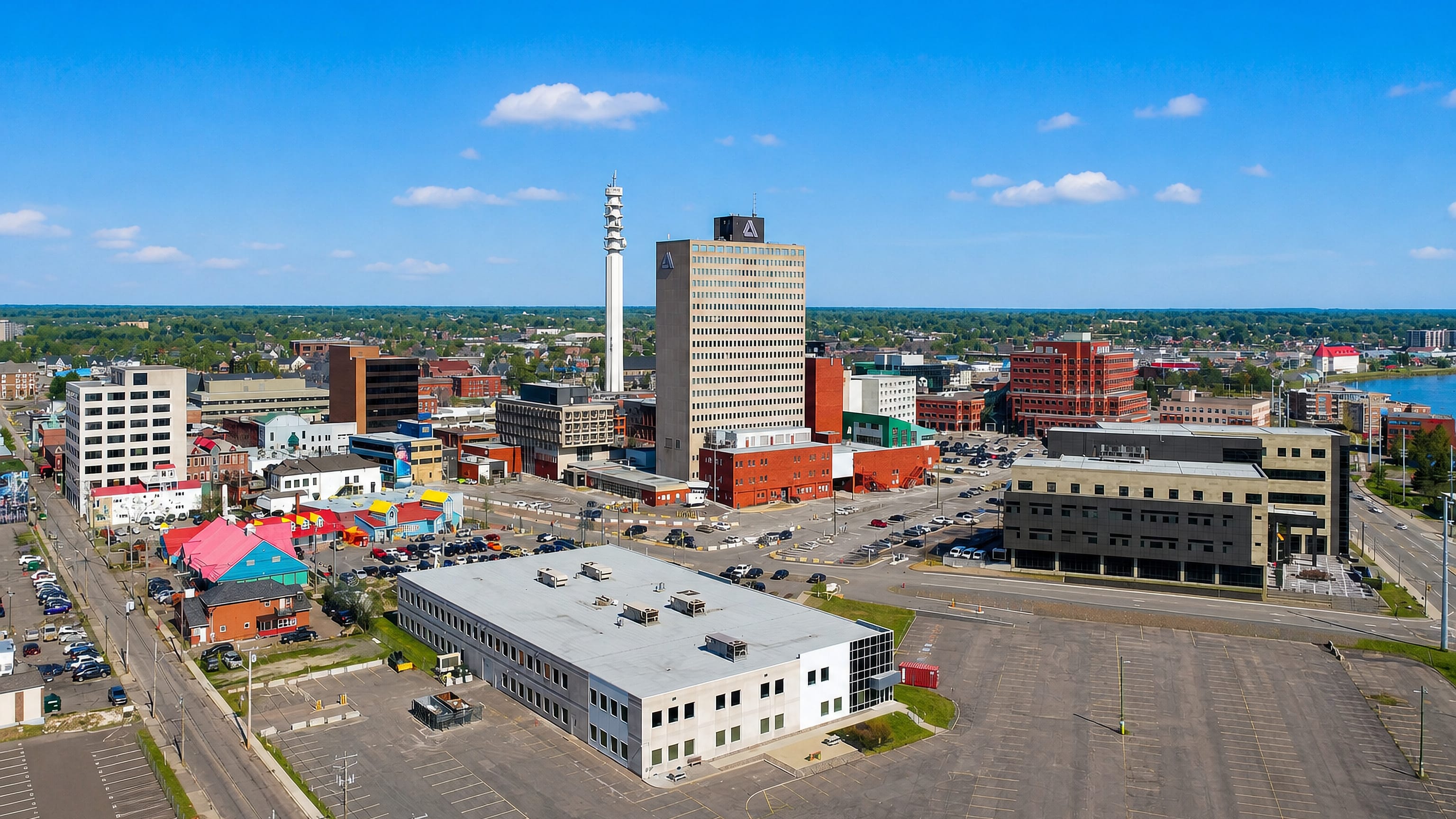
Moncton is a city of New Brunswick in Canada, an Acadian and railway hub on the Petitcodiac River, famous for its tidal bore and Magnetic Hill.
Hotel links are affiliate links: booking through them may earn us a commission, at no extra cost to you. It never affects how places are ranked. How this works


Where to stay in Moncton
How the choice of base plays out on the ground.
Where you stay in Moncton turns on the city or the riverside. The streets around the centre keep the museums, the cathedral, and the shops within a walk, and staying downtown suits anyone here for the city. Its river runs past the town.
The tide climbs twice a day. Out toward Magnetic Hill and the coast, the city gives way to parks, marsh, and the road to the bay. A room by the hill trades the centre for the famous slope, the water park, and the drive out to the Fundy shore.
Marsh and forest spread around. Stay downtown for the cathedral, or by the hill for the sights. Moncton's cathedral and downtown blocks stay a short drive from the hill.
Find hotels in Moncton
Direct booking searches for these neighbourhoods.
The city centre
Around downtown on the PetitcodiacFind hotels in The city centreStays wanting the hill and the coastMagnetic Hill
Out toward the famous slope and the bayFind hotels in Magnetic HillHotel links are affiliate links: booking through them may earn us a commission, at no extra cost to you. It never affects how places are ranked. How this works
Things to do in Moncton
Ranked by global recognition; descriptions from Wikidata (CC0).
Museums & Galleries
1- musée acadien
Churches & Religious Sites
5- Cathedral of Our Lady of the Assumption Heritage
- Saint George's Anglican Church Heritage
- First Moncton United Baptist Church Heritage
- Highfield Street United Baptist Church Heritage
- St. John's United Church Heritage
Castles & Historic Sites
3- I.C.R. Monument Heritage
- Mary's Home Heritage
- Settlers' Landing Monument Heritage
Parks & Gardens
1- Crystal Palace Amusement Park
worth knowingacross 4 categories in Moncton
About Moncton
Moncton is the hub city of the Maritimes.
What is Moncton known for?
On the muddy Petitcodiac where the great Fundy tides push a wave upriver, it grew as a railway and shipbuilding town, and it keeps a strong Acadian and French life, the tidal bore that runs up its river, the famous Magnetic Hill where cars seem to roll uphill, and its old name as the hub of the region's railways. The brown tide climbs the river. Rails still cross in the city.
What are the main landmarks in Moncton?
The tidal bore is the wonder of Moncton. The wave of the great Fundy tide, running up the muddy Petitcodiac twice a day against the current, sweeps past the town, the emblem of the river, through the city. A hill fools the eye nearby.
The famous Magnetic Hill lets cars seem to roll uphill on its slope, while the Acadian cathedral, the Acadian museum, and the old railway yards mark the streets of Moncton.
What is the history of Moncton?
This was the country of the Acadians. French Acadian settlers farmed the marshes at the head of the bay in the old days, until the British expelled them in the great deportation of the seventeen-fifties, scattering them far across the world. The Acadians were driven out.
Many returned in time, and Moncton grew into a heart of Acadian life, with a French university and a great cathedral of its own. The railways made the modern city. Moncton became the hub of the Maritime railways in the nineteenth century, its yards and shops the busiest of the east, earning it the name of the Hub City.
The tides drew visitors too. A great Fundy tidal bore ran up the Petitcodiac before crowds, and the strange Magnetic Hill, where cars seem to drift uphill, became a famous stop on the road. The bore still climbs the river.
Moncton keeps its river and its rails at the head of the bay.
Where is Moncton?
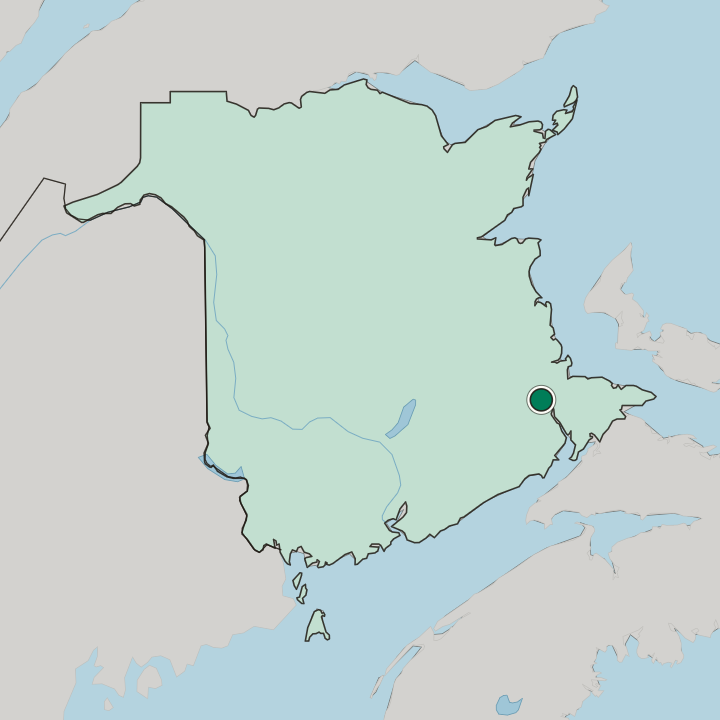
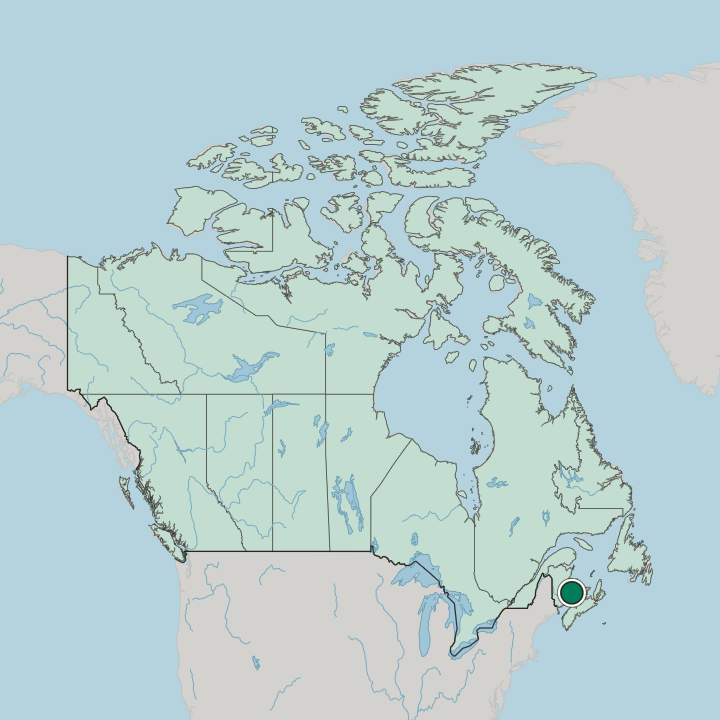
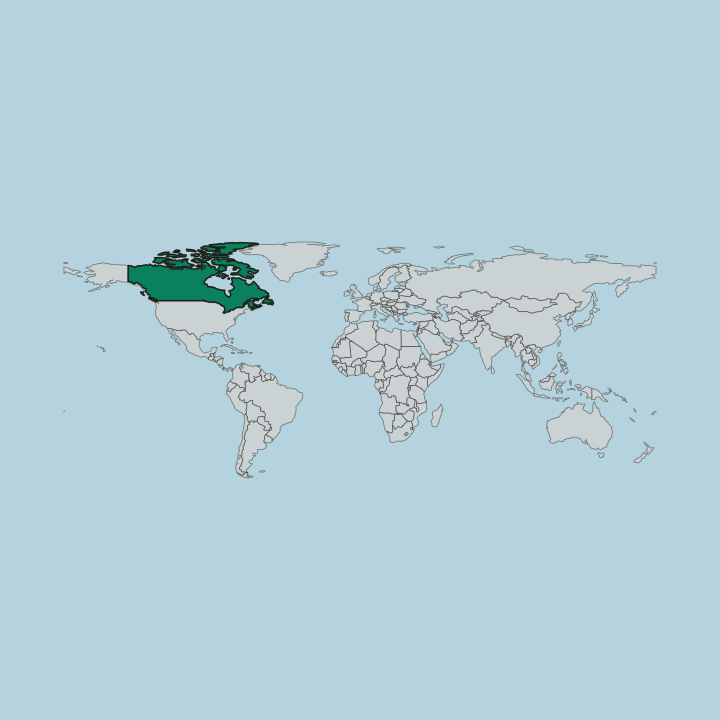
Moncton lies in southeast New Brunswick, on the Petitcodiac River near the head of the Bay of Fundy. The city stands on a bend of the tidal river where the world's greatest tides push far inland twice a day, in a low country of marsh and forest, with the Acadian coast and the bay a short way off. Flat wooded country spreads around.
The muddy river fills and empties with the tide.
What is the climate of Moncton?
Moncton has a cool, humid climate of the Maritimes. Warm summers and cold, snowy winters cross the coast country, with heavy snow in winter and rain and fog off the Fundy coast through the year. Deep snow falls in the long winter.
Fog drifts in off the bay.
How do you get to Moncton?
Moncton lies in southeast New Brunswick, at the crossroads of the Maritime highways. Roads and rail run to it from Halifax, Fredericton, and the island, and its airport is the hub of the region. Highways reach the Fundy coast.
Halifax lies southeast down the road.
Common questions
What is the best area to stay in Moncton?
The city centre: Visitors here for the museums and cathedral. Magnetic Hill: Stays wanting the hill and the coast.
Good for
More cities in New Brunswick/Nouveau-Brunswick
Updated September 2026