Canada · Newfoundland and Labrador
Where to Stay in St. John's, Newfoundland and Labrador
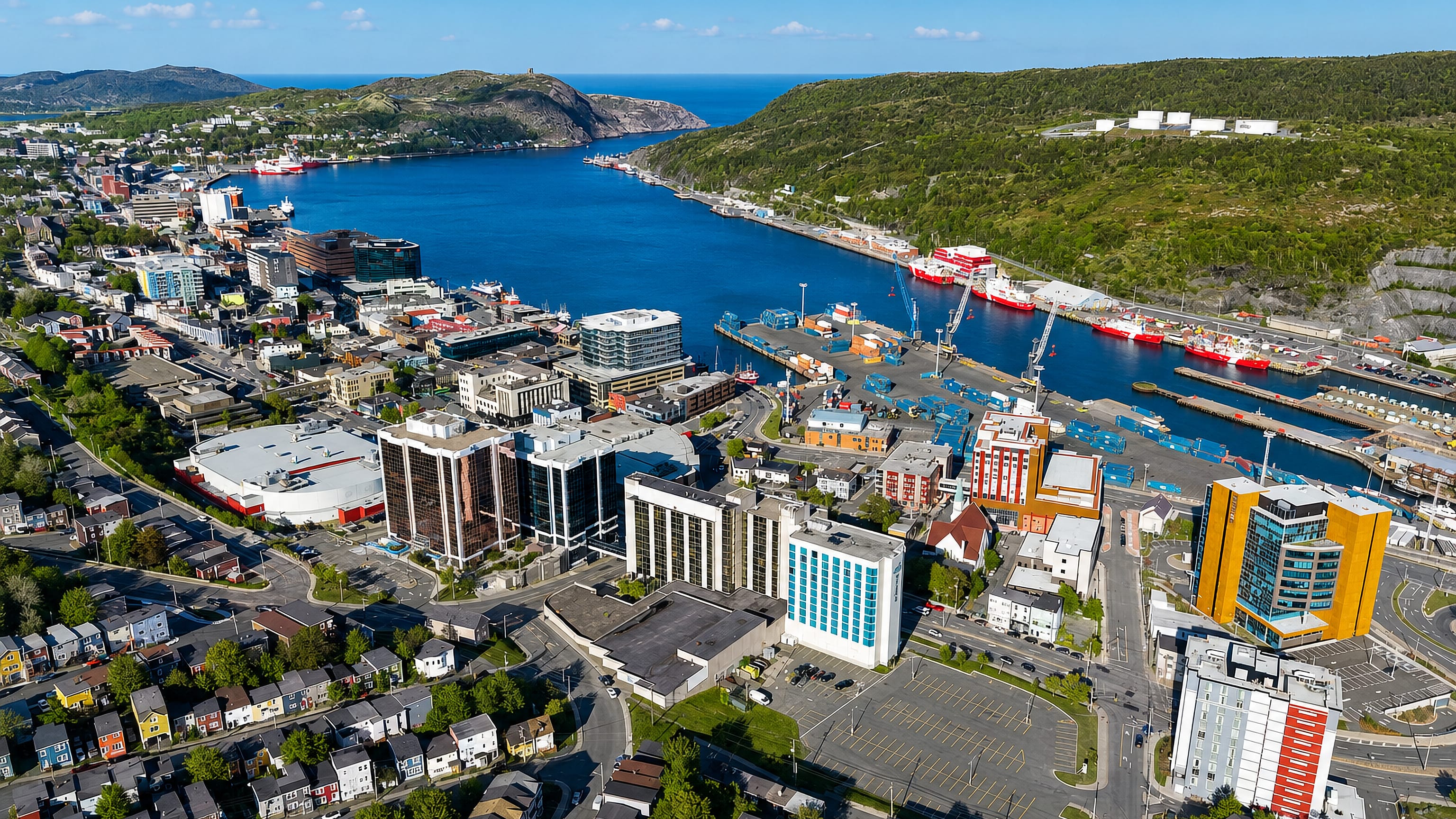
Signal Hill guards St. John's, capital of Newfoundland and Labrador and one of the oldest European-founded ports in North America, known for Cabot Tower.
Hotel links are affiliate links: booking through them may earn us a commission, at no extra cost to you. It never affects how places are ranked. How this works




Where to stay in St. John's
One neighbourhood here has its own guide — here's what it is best for.

 St. John'sCanada
Downtown St. John's
Downtown St. John's is the historic core and central business district of St. John's, capital of Newfoundland and Labrador.Downtown St. John's →Hotel links are affiliate links: booking through them may earn us a commission, at no extra cost to you. It never affects how places are ranked. How this works
Things to do in St. John's
Ranked by global recognition; descriptions from Wikidata (CC0).
Museums & Galleries
3- Signal Hill Heritage
- The Rooms
- Johnson Geo Centre
Churches & Religious Sites
7- St. Patrick's Church Heritage
- George Street United Church Heritage
- Chapel Hill Condominiums Heritage
- Mount St. Francis Monastery Heritage
- Christ Church Heritage
Show 2 more →
- St. Thomas’ Anglican Church Heritage
- Cochrane Street United Church Heritage
Castles & Historic Sites
1- Fort Townshend Heritage
Stadiums & Sports
2- King George V Park
- St. Patrick's Park
Landmarks & Notable Places
8- Cabot Tower Heritage
- Government House Heritage
- Anderson House Heritage
- Retreat Cottage Heritage
- Thimble Cottage Heritage
Show 3 more →
- Mallard Cottage Heritage
- Waterford Hall Heritage
- The Lea Heritage
worth knowingacross 5 categories in St. John's
About St. John's
What is St. John's known for?
St. John's is known as the capital of Newfoundland and Labrador and one of the oldest European-founded settlements in North America. Signal Hill rises above the narrow entrance to its harbour, crowned by Cabot Tower and looking out over the grey water toward the open North Atlantic beyond. The Rooms holds the province's art, museum, and archives on a height over the town.
Its streets are steep. The Johnson Geo Centre tells the deep geological story of the coast.
What are the main landmarks in St. John's?
St. John's landmarks gather around the harbour and the hills above it. Signal Hill guards the entrance to the harbour, crowned by Cabot Tower, the height where the first transatlantic wireless signal was received across the ocean. The Rooms holds the province's art and archives, and the Johnson Geo Centre explores the ancient rock of the coast.
Government House and Fort Townshend recall the colonial garrison. Mallard Cottage and George Street United Church survive among the old streets.
What is the history of St. John's?
St. John's traces its story to 1497, when European ships first reached the harbour on the coast of Newfoundland and Labrador. The sheltered inlet, guarded at its mouth by the height of Signal Hill, drew the fishing fleets of the North Atlantic to one of the earliest European-founded settlements on the continent. Fish built the town.
Fort Townshend and the guns above the harbour defended it through the long contests for the island, and Government House later marked its standing as a colonial capital. Ships crowded the narrow harbour for centuries. Signal Hill kept its watch over the entrance, and Cabot Tower rose on its summit, the place where the first transatlantic wireless signal was received across the ocean.
The town spread up the steep slopes in rows of painted wooden houses, among them heritage homes such as Mallard Cottage. Churches multiplied on the hills, from George Street United Church to St. Patrick's Church. A railway once reached the harbour, a story kept at the Railway Coastal Museum.
High above the town, The Rooms now gathers the province's memory. The old port still faces the sea.
Where is St. John's?
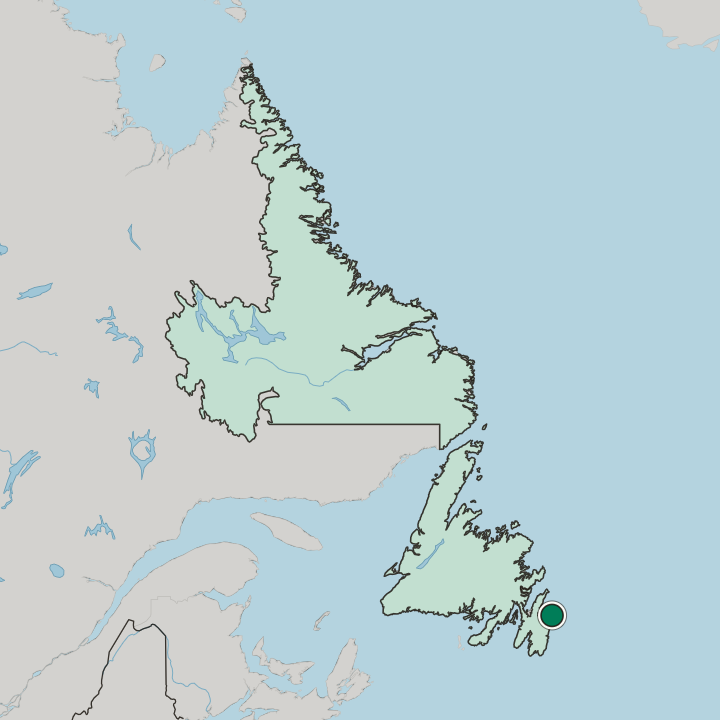
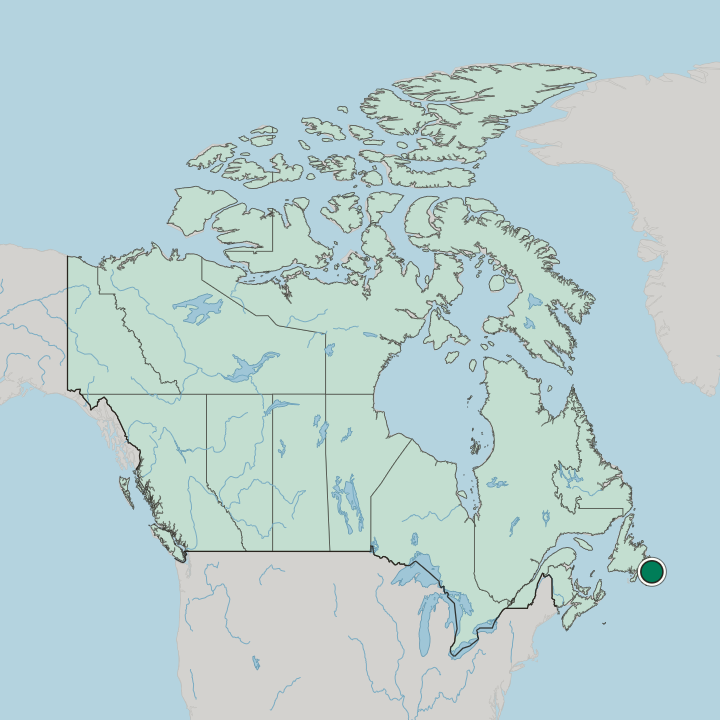
St. John's stands on the Atlantic coast of Newfoundland and Labrador, at the eastern edge of the island and of the continent beyond it. The city wraps around a narrow harbour reached through a slim gap in the cliffs, with Signal Hill rising over the entrance. The land is steep and rocky.
Its streets climb the slopes above the water in tight rows. The open Atlantic lies just beyond the harbour mouth below Signal Hill.
What is the climate of St. John's?
St. John's has a cool, wet oceanic climate shaped by the North Atlantic. Fog rolls in off the sea for much of the year, and grey days settle over the harbour and Signal Hill as the ocean moderates the cold. Winters are long and windy.
When storms drive in from the Atlantic, they bring rain, snow, and gales in turn across Newfoundland and Labrador. Summers are short, cool, and green.
How do you get to St. John's?
St. John's is reached mainly by air and sea, set at the far eastern edge of Newfoundland and Labrador. Its airport lies north of the centre, the main air link to the island for travellers arriving from the mainland. Ferries and ships call at the harbour.
Roads run west across the island from the city toward the rest of the province, while the old railway that once crossed the interior is remembered at the Railway Coastal Museum.
Good for
Updated September 2026