Canada
Newfoundland and Labrador, Canada — Towns & Travel Guide
Canada's easternmost province, where the island of Newfoundland and the mainland coast of Labrador meet the North Atlantic.
Hotel links are affiliate links: booking through them may earn us a commission, at no extra cost to you. It never affects how places are ranked. How this works


Towns & cities in Newfoundland and Labrador
One town here has its own guide — it links to where to stay.
 Canada
St. John's
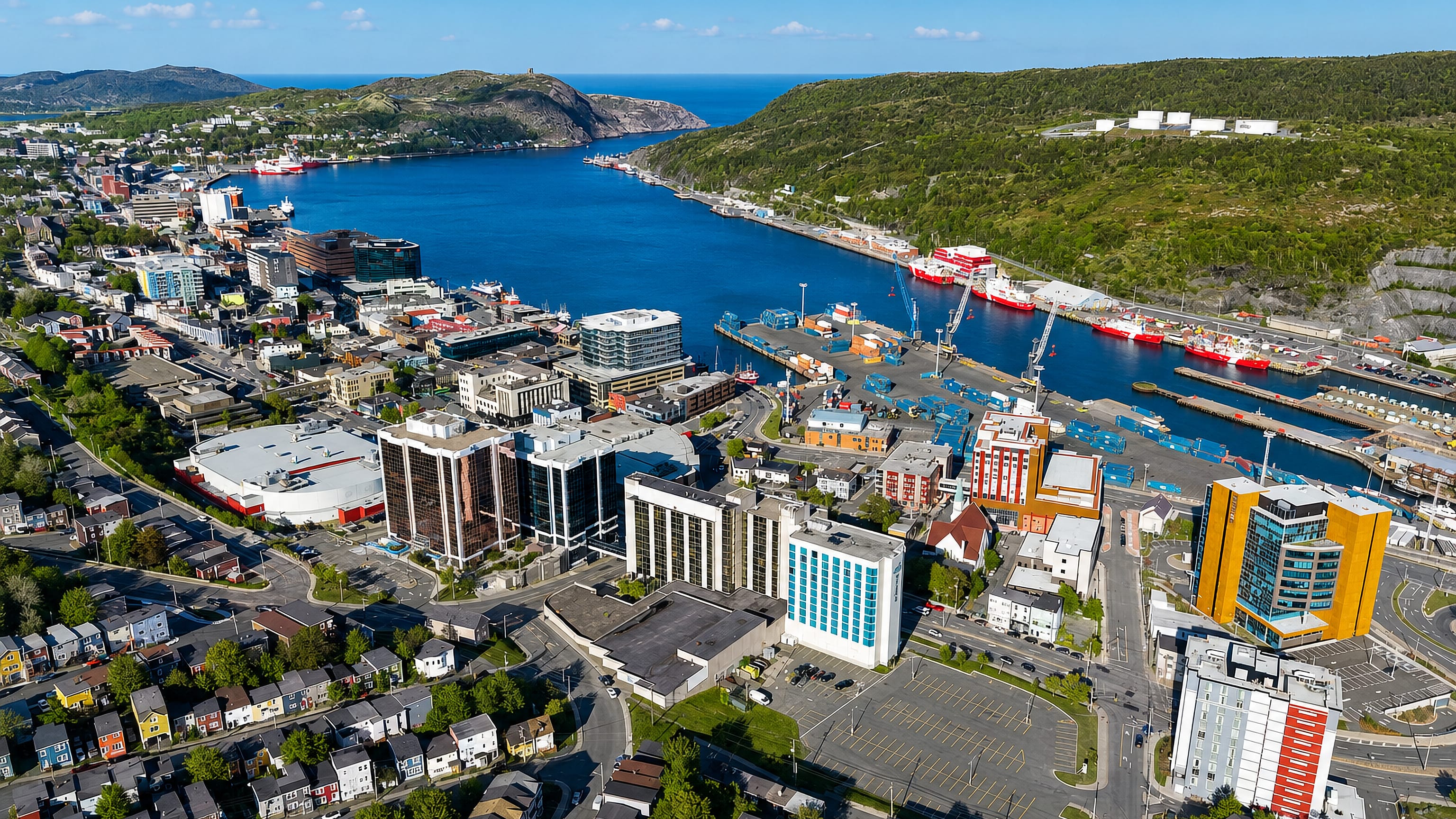
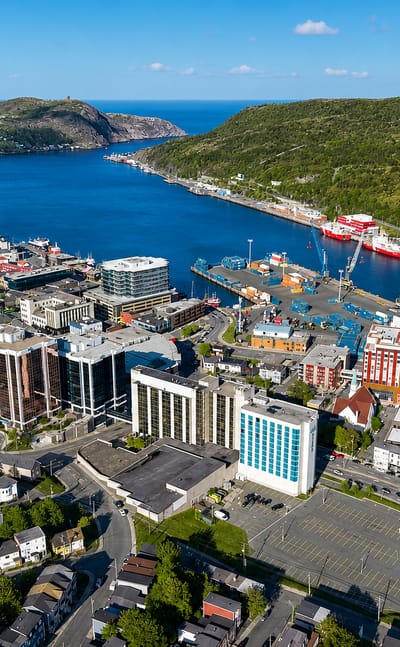
Signal Hill guards St. John's, capital of Newfoundland and Labrador and one of the oldest European-founded ports in North America, known for Cabot Tower.Where to stay →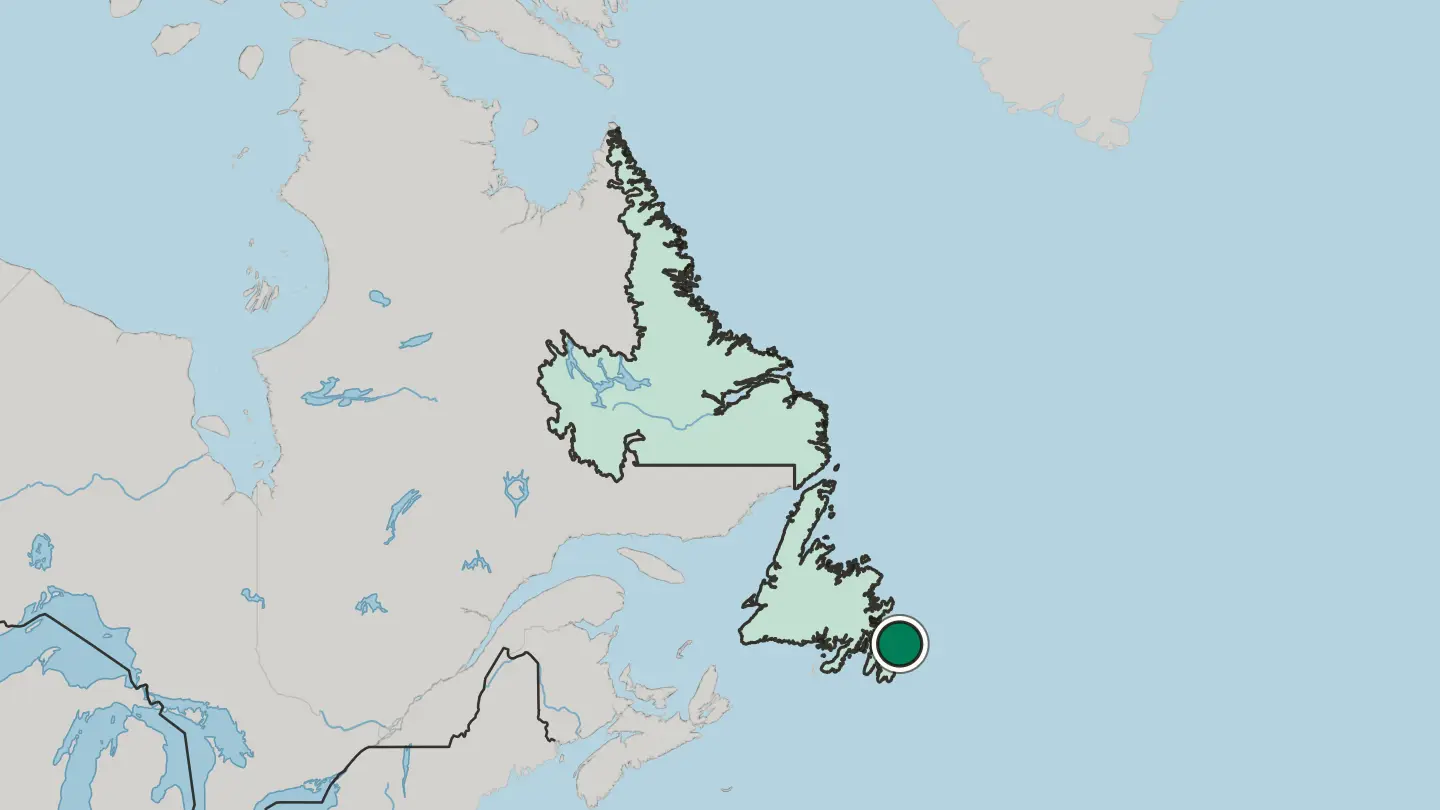
Hotel links are affiliate links: booking through them may earn us a commission, at no extra cost to you. It never affects how places are ranked. How this works
About Newfoundland and Labrador
Two very different lands share one name.
What is Newfoundland and Labrador known for?
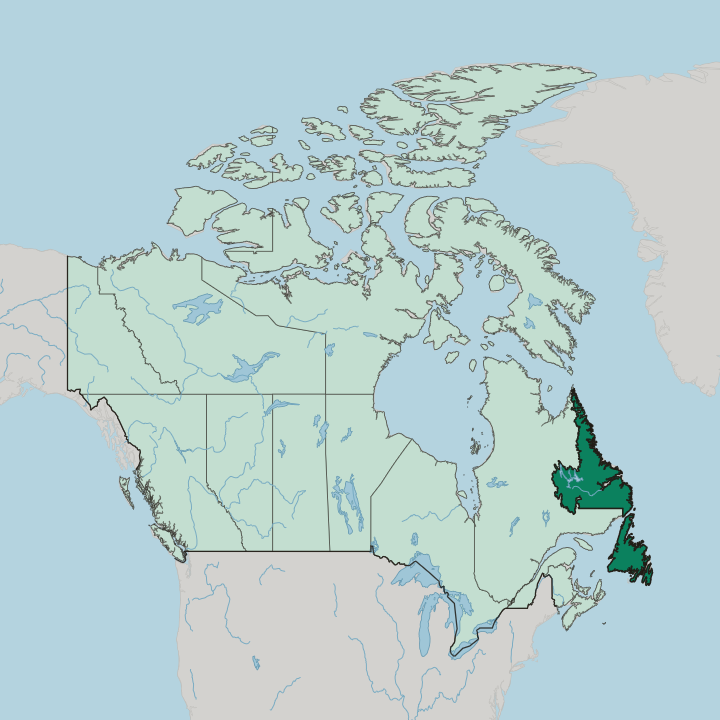
Newfoundland is an island out in the Atlantic Ocean; Labrador is the mainland coast to the north-west, across the Strait of Belle Isle. The island holds nearly all the people. More than half of those live on the Avalon Peninsula around the capital at St. John's.
Icebergs drift down the coast each spring, humpback whales feed offshore in summer, and the fjords of Gros Morne National Park cut into the west coast. This is the easternmost province of Canada.
Where is Newfoundland and Labrador?
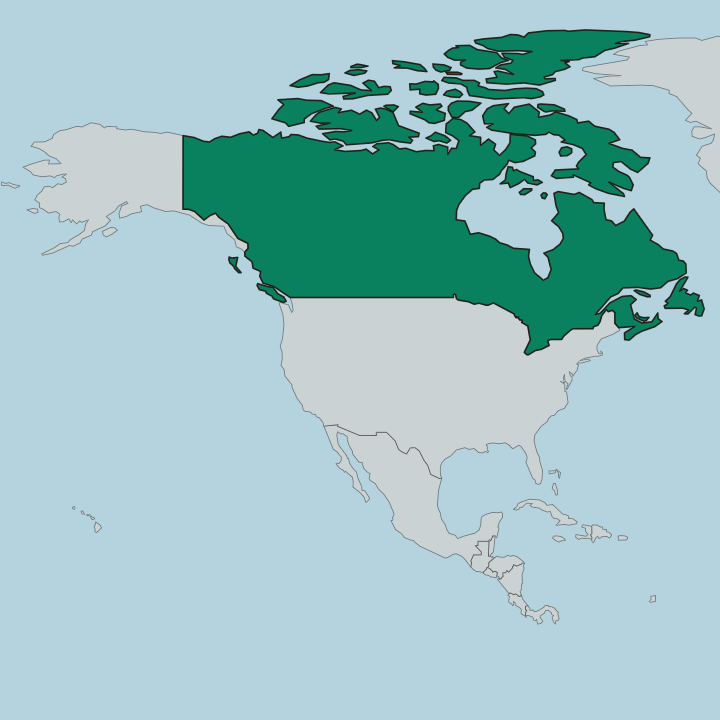
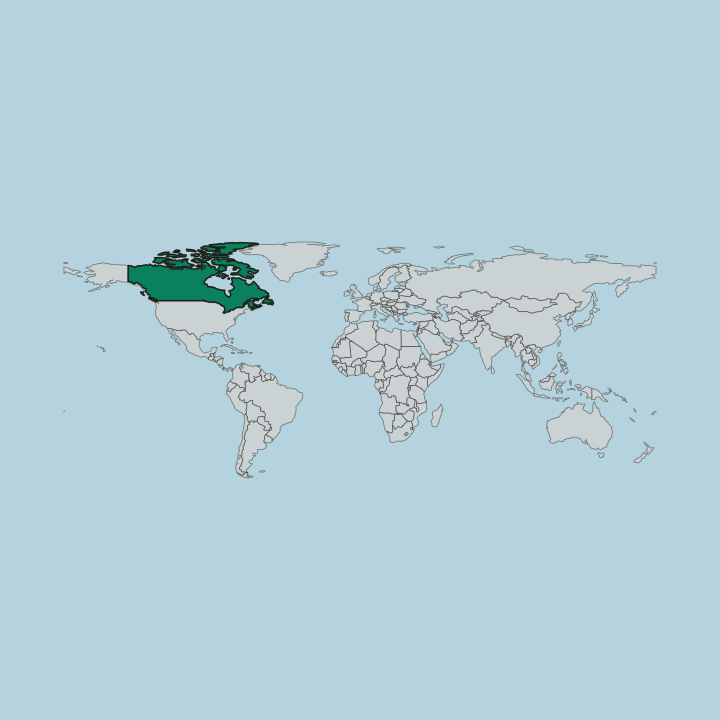
The province sits at the north-eastern edge of North America, the last land before the open Atlantic Ocean. It comes in two pieces. Newfoundland is a roughly triangular island out in the sea.
Labrador is the mainland portion, a wedge of coast north-west across the Strait of Belle Isle, and it shares a long inland border with Quebec. The narrow strait between the two is what splits the name. St. John's stands at the far eastern tip of the island, on the Avalon Peninsula, where the bulk of the population lives.
The island's coast is deeply cut by bays and long fjords, and no part of it lies more than about a hundred kilometres from salt water. Gros Morne National Park on the west coast, a World Heritage Site for its tectonics, is where the Long Range Mountains drop to the sea in sheer walls. Labrador is different again.
Its interior is a low plateau of forest, bog, and bare rock draining east to the Atlantic, thinning to tundra in the far north. Thousands of small islands ring the shores. Everything here is shaped by the sea and the rock it breaks against.
What is Newfoundland and Labrador like?
The culture here grew out of the fishery and the sea it depended on. For four centuries families settled in small coastal outports, following the cod, and that isolation bred something distinct. The province has more varieties of spoken English than anywhere else in the world, rooted in the west of England and the south of Ireland.
Tens of thousands of Irish crossed the Atlantic Ocean to work the fisheries, and their speech and songs stuck. The result is an accent unlike any other in Canada, and a folk-music tradition of ballads, fiddle tunes, and shanties still played in the kitchens and bars of St. John's. That sea heritage runs through everything.
Storytelling, the accordion, and the mummering of the Christmas season all trace back to the outport world. Labrador adds its own layer, with Innu and Inuit communities whose presence on the coast long predates the European fishery. Newcomers are still welcomed with the screech-in, a mock ceremony of rum and a kiss on a codfish.
It is a place that wears its own history lightly and tells it well. Few provinces hold their identity so tightly.
What is the history of Newfoundland and Labrador?
The Norse got here first. Around the year 1000 they built a small camp at L'Anse aux Meadows, on the northern tip of Newfoundland, the earliest known European settlement anywhere in the Americas. Centuries later John Cabot sailed for the English crown and made landfall in 1497, reporting cod so thick off the Grand Banks they could be scooped up in baskets.
That report drew fishing fleets from England, Portugal, France, and the Basque country, and permanent settlement slowly followed. For most of its history the territory stood apart from Canada, first as a British colony and then as a self-governing dominion. It joined the federation last of all, in 1949.
What is the climate of Newfoundland and Labrador?
The sea rules the weather. St. John's takes frequent fog and high winds, its air fought over by the cold Labrador Current and the warmer water offshore. Spring and early summer bring dense fog as sea and air temperatures clash, and no part of the island lies far enough inland to escape it.
Winters are cold and long, summers cool and short. Labrador runs harsher still, subarctic along its southern coast and true polar tundra in the far north.
How do you get to Newfoundland and Labrador?
Flights land at St. John's International Airport, a short drive from the capital's centre. The alternative is the sea. Marine Atlantic runs a year-round car ferry across the Cabot Strait from North Sydney in Nova Scotia to Port aux Basques on Newfoundland's south-west corner, with a summer crossing to Argentia nearer St. John's.
From Port aux Basques the Trans-Canada Highway runs the length of the island to the capital. Labrador is reached overland from Quebec or by a separate ferry across the Strait of Belle Isle.
Common questions
What is the best area to stay in Newfoundland and Labrador?
St. John's: a first visit starting at Signal Hill. The west coast and Gros Morne: fjords and long-distance hiking. The Avalon Peninsula coast: coastal walking and seabird colonies. Labrador: remote wilderness travel.
Good for
More regions in Canada
Updated October 2026