Canada · Northwest Territories
Where to Stay in Yellowknife, Northwest Territories
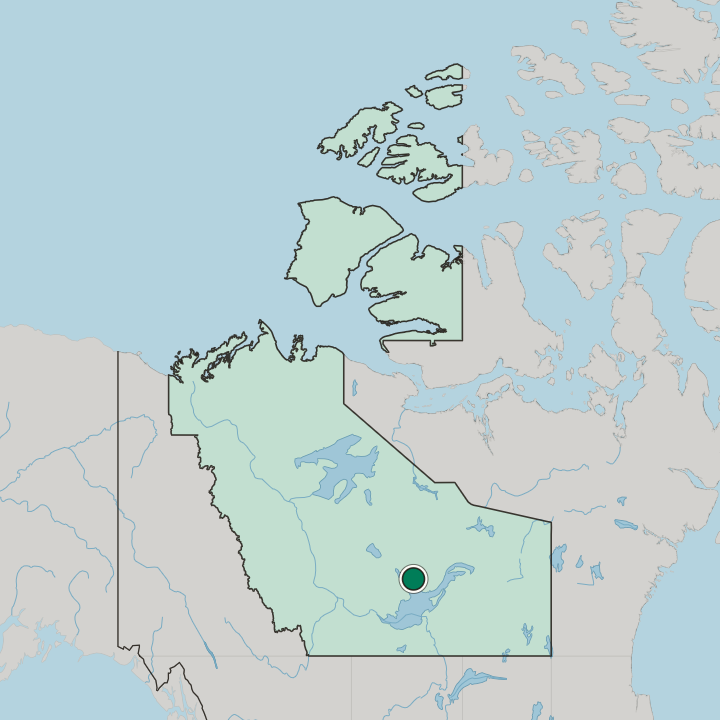
Yellowknife is the capital of the Northwest Territories and its only city, standing on Yellowknife Bay near the outlet of the Yellowknife River.
Hotel links are affiliate links: booking through them may earn us a commission, at no extra cost to you. It never affects how places are ranked. How this works


Where to stay in Yellowknife
Where the beds are, and what that means for the visit.
Two things pull the choice at Yellowknife in opposite directions: the bay and the collections. Rooms that put water first sit toward Back Bay, the side the Canadian Pacific Airlines floatbase and Back Bay Cemetery are filed under, and it is the part of the record that faces open water. Float traffic sets the hours.
Anyone who came for Great Slave Lake, for the outlet of the Yellowknife River, or for a window that faces the aurora should look there first and book well ahead. The centre carries the rest of the named addresses. St. Patrick Co-Cathedral, the Yellowknife Post Office, the Bank of Toronto building and Weaver & Devore Trading all sit in the city proper, with Fireweed Studio and the Hudson's Bay Warehouse on the same register, and the Prince of Wales Northern Heritage Centre anchors that side for anyone whose trip is really about the Northwest Territories as a whole.
It suits you if the day starts in the territorial museum and ends outdoors after dark. Great Slave Lake frames both options. The city stands on the western side of Yellowknife Bay, near the outlet of the Yellowknife River and on the lake's North Arm, so open water is a short matter from either choice of bed.
Find hotels in Yellowknife
Direct booking searches for these neighbourhoods.
The Back Bay shore
The waterside part of Yellowknife that the Canadian Pacific Airlines floatbase and Back Bay Cemetery are filed under, where the bay rather than the street grid decides what the day looks like. Lodging is scarce in this area; reserve in advance.Find hotels in The Back Bay shoretrips built on the territorial collection at the Prince of Wales Northern Heritage CentreThe centre around the Prince of Wales Northern Heritage Centre
The built-up core of Yellowknife, holding St. Patrick Co-Cathedral, the Yellowknife Post Office and the Bank of Toronto building alongside the territorial museum and the shops of Weaver & Devore Trading.Find hotels in The centre around the Prince of Wales Northern Heritage Centrea base at the edge of Yellowknife where the river meets the North Arm of Great Slave LakeToward the Yellowknife River outlet
The end of the city nearest the outlet of the Yellowknife River, where the built streets give out and the North Arm of Great Slave Lake opens ahead of them. Few places to stay nearby — book ahead.Find hotels in Toward the Yellowknife River outletHotel links are affiliate links: booking through them may earn us a commission, at no extra cost to you. It never affects how places are ranked. How this works
About Yellowknife
Northern Lights over Great Slave Lake pull the traffic.
What is Yellowknife known for?
Yellowknife is the way most visitors reach the Northwest Territories at all, and what pulls them is the northern sky, the water of Great Slave Lake, and a way of living the territory kept rather than staged. The Prince of Wales Northern Heritage Centre holds the territorial collection indoors. The Wildcat Cafe and the Log School House stand on the same short list of named buildings.
What are the main landmarks in Yellowknife?
The named sites run to buildings rather than monuments. Prince of Wales Northern Heritage Centre keeps the territorial collection, and the list beside it holds The Wildcat Cafe, the Log School House, the Bank of Toronto building, the Hudson's Bay Warehouse and Weaver & Devore Trading. St. Patrick Co-Cathedral is the church on it.
Fireweed Studio, the Yellowknife Post Office and Back Bay Cemetery close the list, along with the Canadian Pacific Airlines floatbase on the water.
What is the history of Yellowknife?
Yellowknife starts on the record in 1936, and what survives from near that date is commercial rather than ceremonial: the Hudson's Bay Warehouse, the Bank of Toronto building, Weaver & Devore Trading, and the floatbase entered under the name of Canadian Pacific Airlines. The Log School House sits on the same list. So does The Wildcat Cafe.
The territory's business sits here. Yellowknife is the capital of the Northwest Territories, its largest community, and the only place in the territory that holds city status, and the Prince of Wales Northern Heritage Centre keeps the territorial collection in it. St. Patrick Co-Cathedral stands on the same register.
Back Bay Cemetery, Fireweed Studio and the Yellowknife Post Office fill out the rest of what the record names, which for a capital is a short list. Distance shaped the list. Great Slave Lake and the Yellowknife River fixed the site, about 400 kilometres south of the Arctic Circle, and the floatbase recorded to Canadian Pacific Airlines is the plainest sign of how a place this far north was reached at all.
Buildings that would pass unnoticed further south carry names on the list here: a bank, a warehouse, a trading store and a schoolhouse.
Where is Yellowknife?
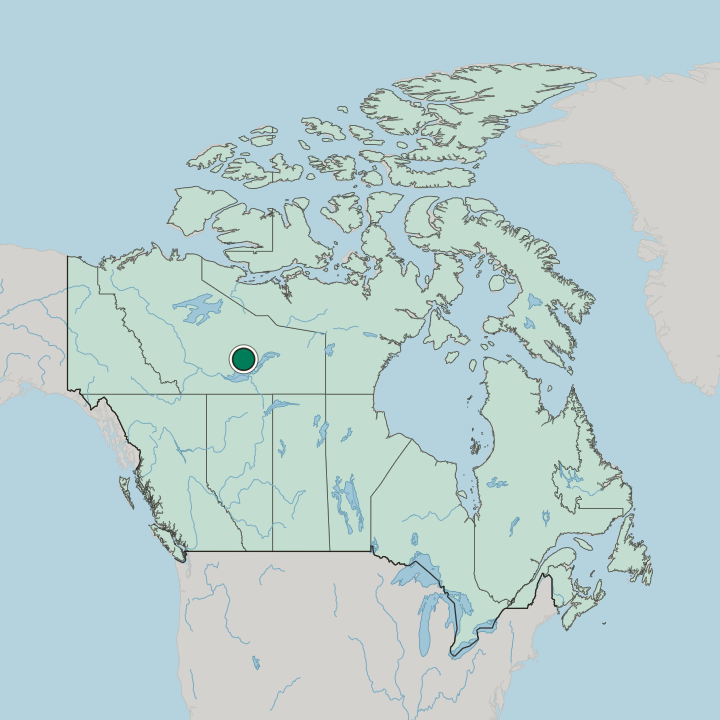
Great Slave Lake sets the terms. Yellowknife stands on the North Arm of that lake, on the western side of Yellowknife Bay and near the outlet of the Yellowknife River, so water frames the built ground on more than one side. The Arctic Circle lies about 400 kilometres north.
Back Bay Cemetery is filed on that shoreline, and beyond the city the Northwest Territories hold no other place with city status.
What is the climate of Yellowknife?
Great Slave Lake does the moderating, and not much of it. Water that big holds its cold well into the warm months and gives it back in autumn, so the bay freezes late by the standards of the ground around it and opens late as well. Yellowknife Bay ices over.
What the long nights buy visitors is the Northern Lights, and the summer answers with a sun that barely commits to setting over the North Arm.
How do you get to Yellowknife?
Great Slave Lake was the first runway. Yellowknife works as the main entry point for visitors to the Northwest Territories, so a trip into the territory almost always opens and closes in this city rather than in one of its smaller communities. The Canadian Pacific Airlines floatbase records the era when the lake did that work.
Nothing else in the Northwest Territories holds city status, so the routes gather here.
Common questions
What is the best area to stay in Yellowknife?
The Back Bay shore: days that begin at the Canadian Pacific Airlines floatbase and end watching the aurora off the water. The centre around the Prince of Wales Northern Heritage Centre: trips built on the territorial collection at the Prince of Wales Northern Heritage Centre. Toward the Yellowknife River outlet: a base at the edge of Yellowknife where the river meets the North Arm of Great Slave Lake.
Good for
Updated September 2026