Canada · Nova Scotia
Where to Stay in Sydney, Nova Scotia
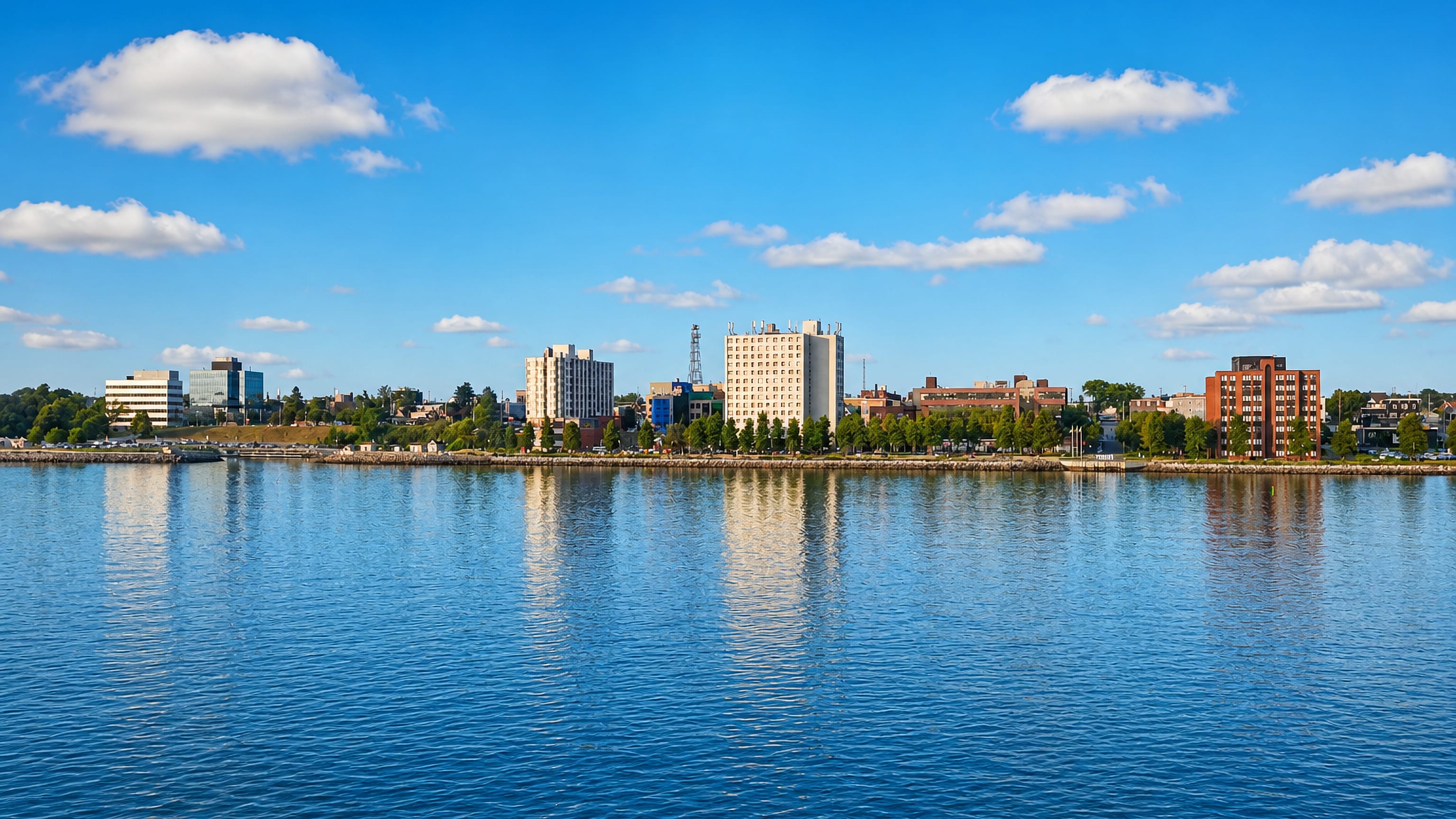
Sydney is the main port of Cape Breton Island, on the island's east coast, founded by the British in 1785 and incorporated as a city in 1904.
Hotel links are affiliate links: booking through them may earn us a commission, at no extra cost to you. It never affects how places are ranked. How this works


Where to stay in Sydney
Where the beds are, and what that means for the visit.
Downtown Sydney sits on the harbour. The Highland Arts Theatre and the Sydney Museum stand within a few streets of the water, so a room in that quarter puts the working port, the evening programme and the city's own collection inside a single short walk. Whitney Pier is the other half.
That neighbourhood has a historical society museum of its own, while the Holy Ghost Ukrainian Church and St. Mary's Polish Church record the communities that settled around the port. Both sides of the city sit near the water, which keeps any choice here inside a few minutes of the harbour the whole place was built around. Cape Breton Island decides the rest.
Sydney is the island's main port and its largest urban community, so a stay here is usually a base for the island rather than for the city itself, and the roads out matter as much as the streets in. Rooms grow scarce once you leave the harbour streets. The Canadian Coast Guard Academy occupies its own ground, the Cape Breton Regional Municipality reaches well past the limits of the old city, and anything outside those limits means a drive.
Take the harbour if you would rather walk.
Find hotels in Sydney
Direct booking searches for these neighbourhoods.
Downtown Sydney
The Highland Arts Theatre and the Sydney Museum stand a few streets back from the working portFind hotels in Downtown SydneyThe immigrant churches and the Whitney Pier Historical Society MuseumWhitney Pier
The neighbourhood keeps its own historical society museum and the congregations that grew up around the harbour. Lodging is scarce in this area; reserve in advance.Find hotels in Whitney PierHotel links are affiliate links: booking through them may earn us a commission, at no extra cost to you. It never affects how places are ranked. How this works
Things to do in Sydney
Ranked by global recognition; descriptions from Wikidata (CC0).
Museums & Galleries
2- Sydney Museum
- Whitney Pier Historical Society Museum
Churches & Religious Sites
3- Highland Arts Theatre Heritage
- Holy Ghost Ukrainian Church Heritage
- St. Mary's Polish Church
Stadiums & Sports
1- Canadian Coast Guard Academy
worth knowingacross 3 categories in Sydney
About Sydney
The port is the point.
What is Sydney known for?
Sydney serves as the main port of Cape Breton Island, and the harbour on the island's east coast is the reason a settlement the British founded in 1785 became a city at all. Whitney Pier tells the other half. The Holy Ghost Ukrainian Church and St. Mary's Polish Church record who came here to work, and the Whitney Pier Historical Society Museum keeps that account together.
The Highland Arts Theatre handles the evenings.
What are the main landmarks in Sydney?
Six entries carry the city. The Highland Arts Theatre is the one built for performance, the Sydney Museum holds the civic collection, and the Whitney Pier Historical Society Museum does the same job for the neighbourhood whose name it takes. Churches account for two more.
Holy Ghost Ukrainian Church and St. Mary's Polish Church are the buildings that record the communities settling around the port. The Canadian Coast Guard Academy is the sixth.
What is the history of Sydney?
The British founded Sydney in 1785. The settlement took the east coast of Cape Breton Island and the harbour behind it, which was the whole reason for choosing the site, and the port has driven everything that followed. City status came in 1904.
The century between the two dates turned a colonial foundation into the island's main urban place, and the Sydney Museum is where that account is kept. Work brought people from a long way off. Holy Ghost Ukrainian Church and St. Mary's Polish Church stand as evidence of communities that reached the port from Europe, and the Whitney Pier Historical Society Museum exists because that neighbourhood's story sits apart from the rest of the city's.
The city ended in 1995. Sydney was dissolved on the first of August that year and amalgamated into the Cape Breton Regional Municipality, so what had been a city since 1904 became an urban community inside a larger unit. The name outlived the change.
Sydney still names the main port of Cape Breton Island and the ground the Canadian Coast Guard Academy occupies, whatever the municipal boundaries now say.
Where is Sydney?
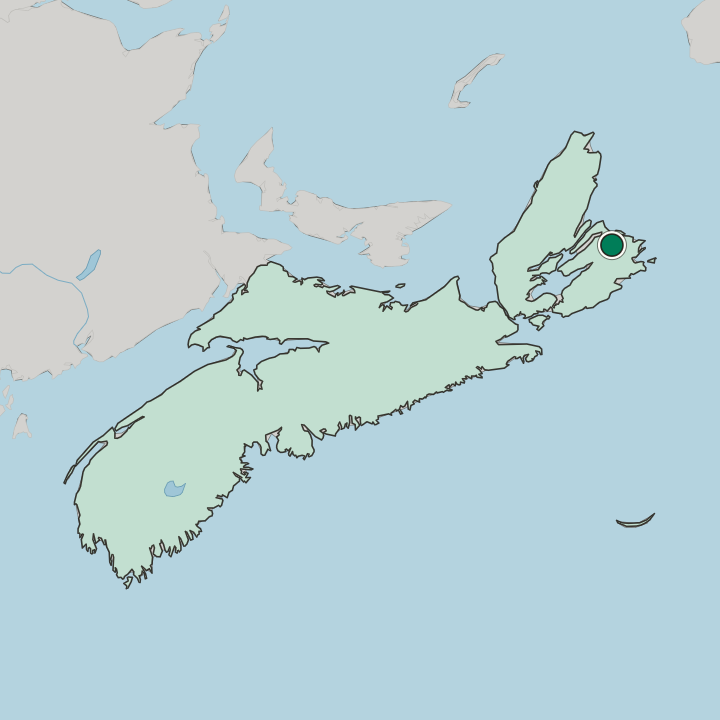
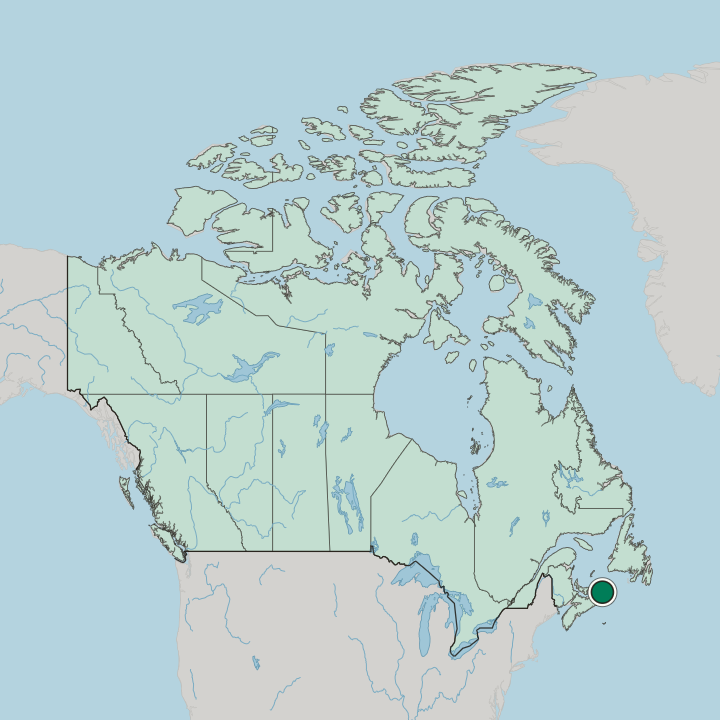
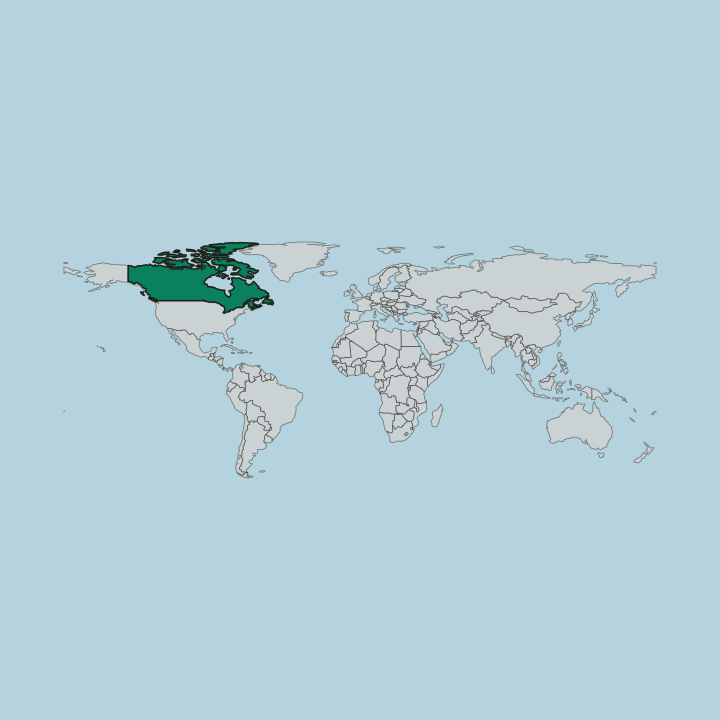
Cape Breton Island holds it. Sydney occupies the island's east coast around the harbour that made it the main port here, roughly twenty-nine square kilometres of ground inside the Cape Breton Regional Municipality of Nova Scotia. Whitney Pier belongs to the same urban ground.
The city is small in area for the role it plays, and the island around it runs far beyond the built-up part that carries the name.
What is the climate of Sydney?
Open water sets the year. The sea on every side of Cape Breton Island keeps Sydney's swings narrower than the temperate band would give an inland place, and it holds the warmth of the autumn later than the calendar suggests. Winter arrives off the sea.
Storms that reach an east-coast harbour come with open water behind them, and the working year of the port is shaped by that more than by anything on land.
How do you get to Sydney?
The port is the front door. Sydney is the main port on Cape Breton Island, so arrivals by water land in the middle of the city rather than at its edge. Roads come in from the rest of the island.
Everything else inside the Cape Breton Regional Municipality feeds toward Sydney, and reaching the mainland of Nova Scotia means getting off the island first.
Common questions
What is the best area to stay in Sydney?
Downtown Sydney: Harbour rooms within walking distance of the Highland Arts Theatre. Whitney Pier: The immigrant churches and the Whitney Pier Historical Society Museum.
Good for
More cities in Nova Scotia
Updated October 2026