Canada
Nova Scotia, Canada — Towns & Travel Guide
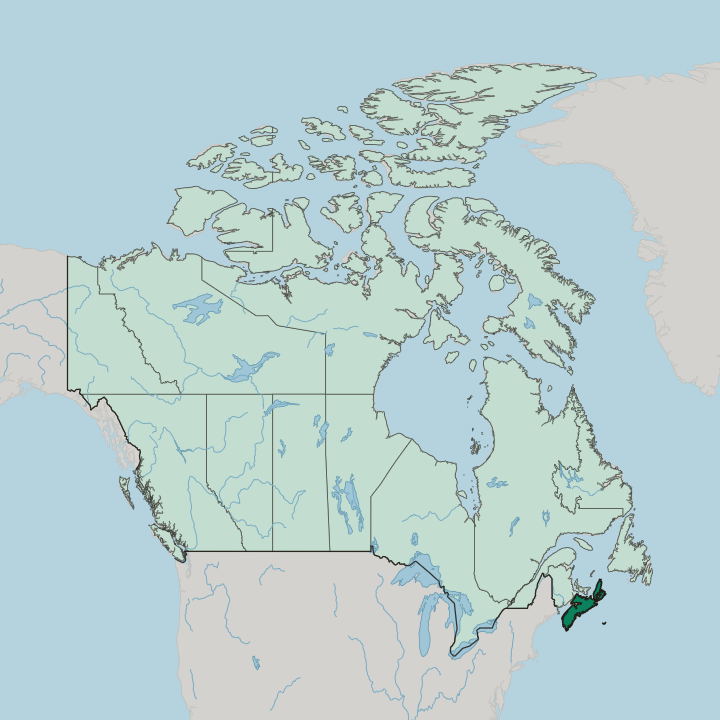
Nova Scotia is one of Canada's Atlantic provinces, a peninsula and Cape Breton Island reaching into the sea off the nation's east coast.
Hotel links are affiliate links: booking through them may earn us a commission, at no extra cost to you. It never affects how places are ranked. How this works


Towns & cities in Nova Scotia
Pick a town or city — each links to where to stay.
 Canada
Halifax
Halifax is the capital of Nova Scotia and the largest city in Atlantic Canada, built around one of the world's great natural harbours.Where to stay →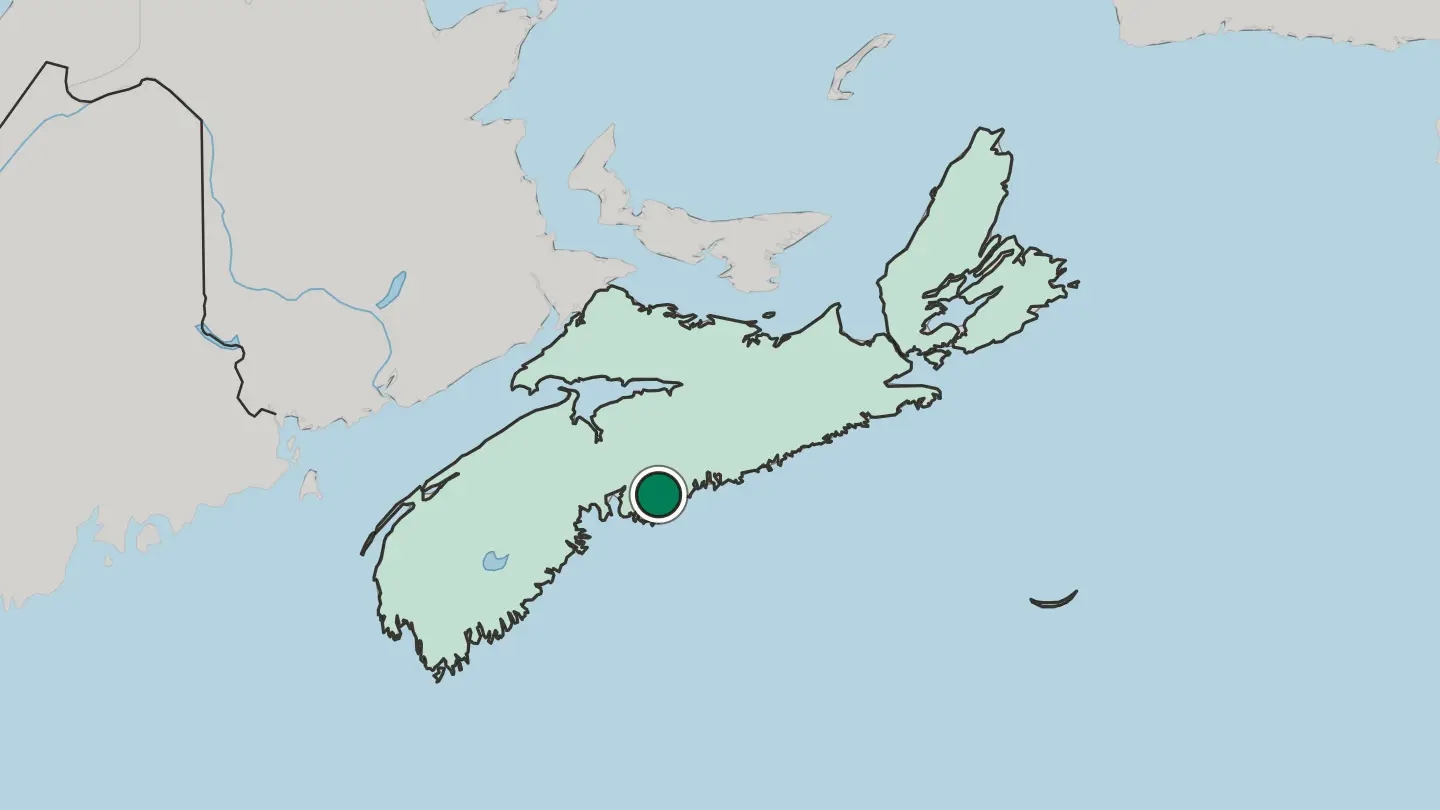
 Canada
Sydney
Sydney is the main port of Cape Breton Island, on the island's east coast, founded by the British in 1785 and incorporated as a city in 1904.Where to stay →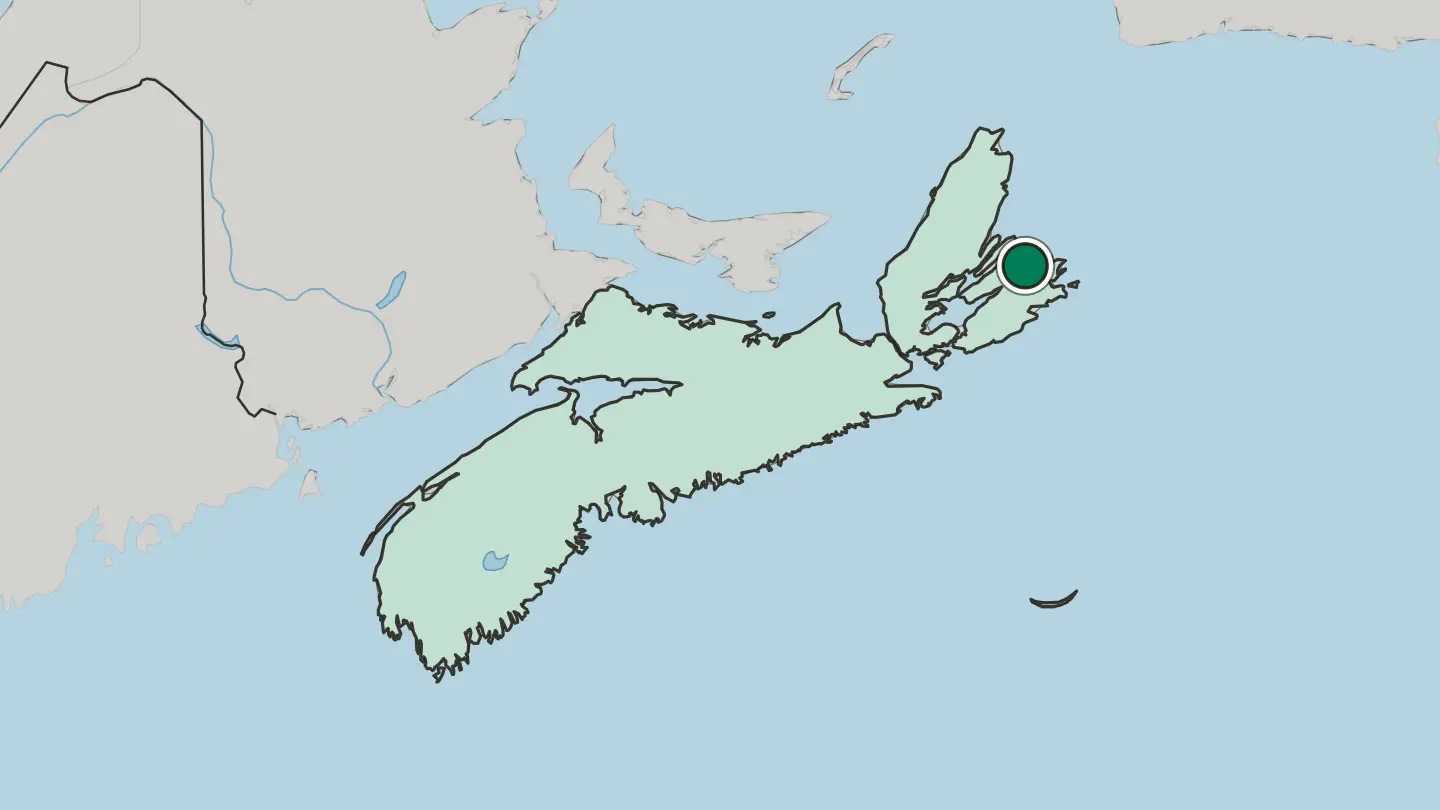
 Canada
Dartmouth
Dartmouth holds the eastern shore of Halifax Harbour, facing Halifax across the water, and answers to the nickname City of Lakes.Where to stay →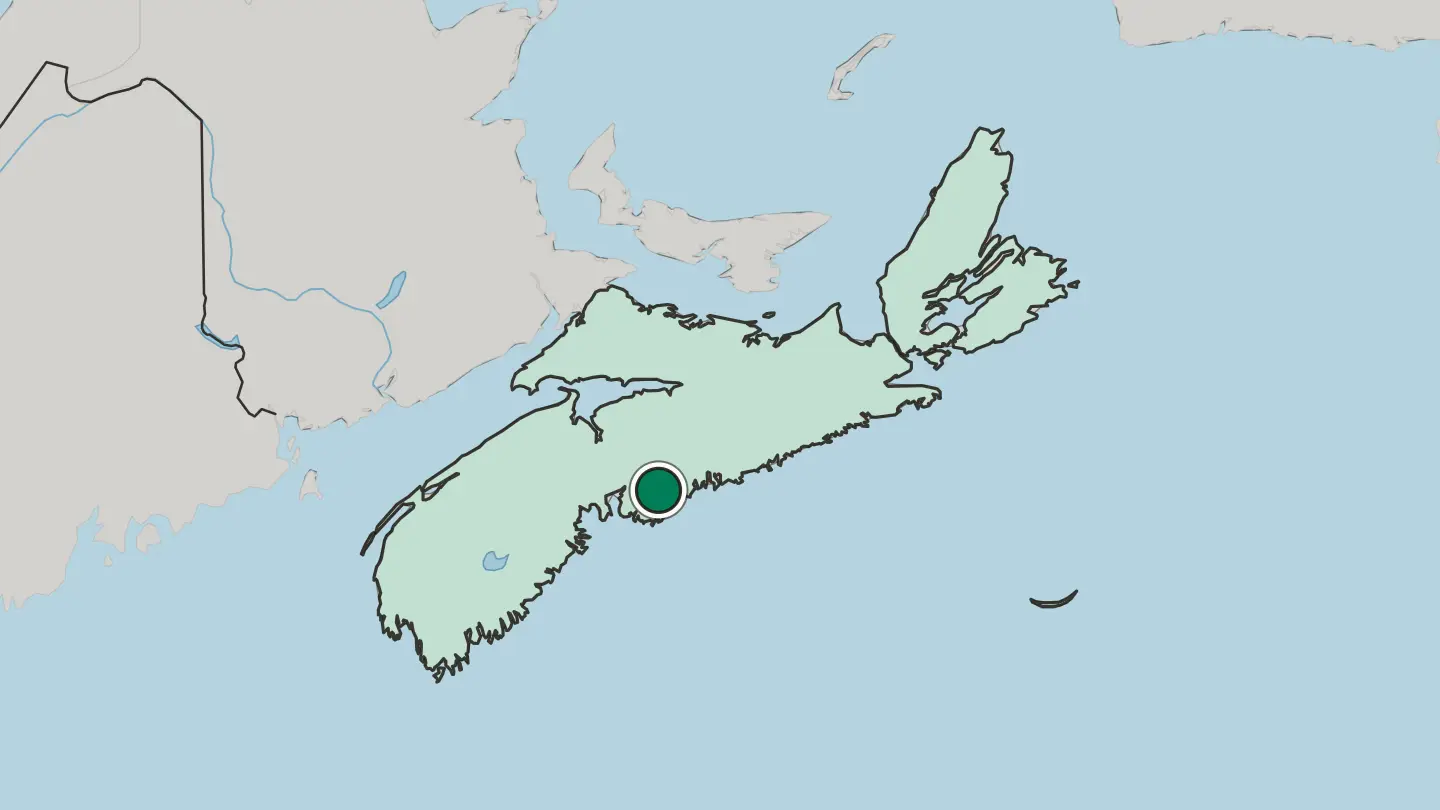
Hotel links are affiliate links: booking through them may earn us a commission, at no extra cost to you. It never affects how places are ranked. How this works
About Nova Scotia
Nova Scotia is the coast.
What is Nova Scotia known for?
The province is a long peninsula plus Cape Breton Island, and the sea is never far from anywhere in it. Halifax is the capital and largest city, a working harbour town home to over 45% of the province's people. Fishing villages and the tidal flats of the Bay of Fundy pull travellers around the shore, while the Cabot Trail loops the highlands of Cape Breton Island.
Lobster boats and lighthouses are the everyday backdrop.
Where is Nova Scotia?
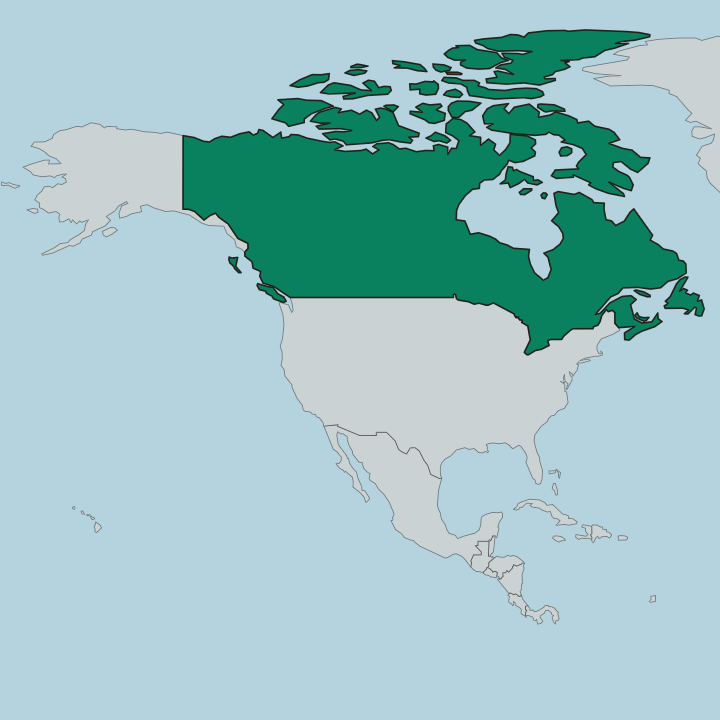
Nova Scotia sits on the east coast of Canada, one of the four Atlantic provinces. Two land masses make it up. The mainland is a long peninsula, and Cape Breton Island lies off its north-eastern tip across the narrow Strait of Canso, with some 3,800 smaller islands scattered along the shore besides.
A thin neck of land called the Isthmus of Chignecto ties the whole province to the rest of the continent, and the province's only land border, with New Brunswick, runs across it. Everything else is water. The Atlantic Ocean works the southern and eastern shore, the Bay of Fundy presses in from the west between the province and New Brunswick, and the Gulf of Saint Lawrence lies off the north.
No part of Nova Scotia sits far from the sea. That is the plain fact of the place, and it has shaped the province more than any line on a map. The Bay of Fundy is the geographic headline, pressing in against the western coast.
Halifax stands on the Atlantic side of the mainland, a deep harbour cut into the coast. From that harbour the province fans out along a shoreline that turns rocky in one stretch and low and marshy in the next.
What is Nova Scotia like?
The culture of Nova Scotia is a stack of arrivals, each layer still visible. Mi'kmaq people were here first and remain, having fished and lived along these waters for thousands of years before any European sail appeared off the coast. The French came next.
Their descendants, the Acadians, farmed the Fundy marshlands from the early seventeenth century until the British expelled them in 1755, and Acadian communities returned and endured all the same. Then came the Scots. Highland settlers poured into Cape Breton Island through the port of Pictou from 1773 onward, and they carried a Gaelic language and fiddle music that outlasted the crossing and still sounds at kitchen parties and highland gatherings on the island.
Germans and Swiss Protestants founded Lunenburg on the South Shore in the 1750s, and its brightly painted waterfront survives as a preserved old town. New England planters and Loyalists from the American Revolution filled in the rest. Fishing and the sea bind all of it together.
The dominant tongue is English, but Nova Scotia wears its Scottish, Acadian and Mi'kmaq inheritances openly, in place names, music and food alike.
What is the history of Nova Scotia?
The French built the first lasting European settlement, at Port-Royal on the Bay of Fundy, in 1605. What followed was a long tug-of-war. France and Britain fought over the colony for a century and a half, the British deported the Acadians in 1755, and Halifax rose as a naval fortress guarding the Atlantic approaches.
Nova Scotia then became one of the founding provinces of the Dominion of Canada in 1867. Sea power and the fisheries carried the province through most of what came after.
What is the climate of Nova Scotia?
The sea rules the weather here. Nova Scotia has a humid continental climate softened at every turn by the Atlantic Ocean around it, so winters run milder and summers cooler than places inland at the same reach of the continent. Fog rolls in thick along the Atlantic shore, and the weather can swing from one day to the next without warning.
Summer and early autumn are the settled, warm season. Snow and cold hold the winter.
How do you get to Nova Scotia?
Flights land at Halifax Stanfield. The international airport sits about half an hour north of the Halifax waterfront. Overland, the only road in runs across the Isthmus of Chignecto from New Brunswick, since that thin neck of land carries the sole land border.
Ferries also cross the Bay of Fundy from Saint John and run in from Maine and Prince Edward Island. A causeway ties Cape Breton Island to the mainland. Once you arrive a car is all but essential, since the coast unspools for hundreds of kilometres.
Common questions
What is the best area to stay in Nova Scotia?
Halifax: an opening chapter to Nova Scotia. Lunenburg and the South Shore: the fishing-village coast south-west of Halifax. Baddeck and Cape Breton Island: the highland drive across the Strait of Canso. The Bay of Fundy shore: the Fundy shore and valley wine country.
Good for
More regions in Canada
Updated October 2026