Democratic Republic of the Congo · Mongala
Where to Stay in Bumba, Mongala
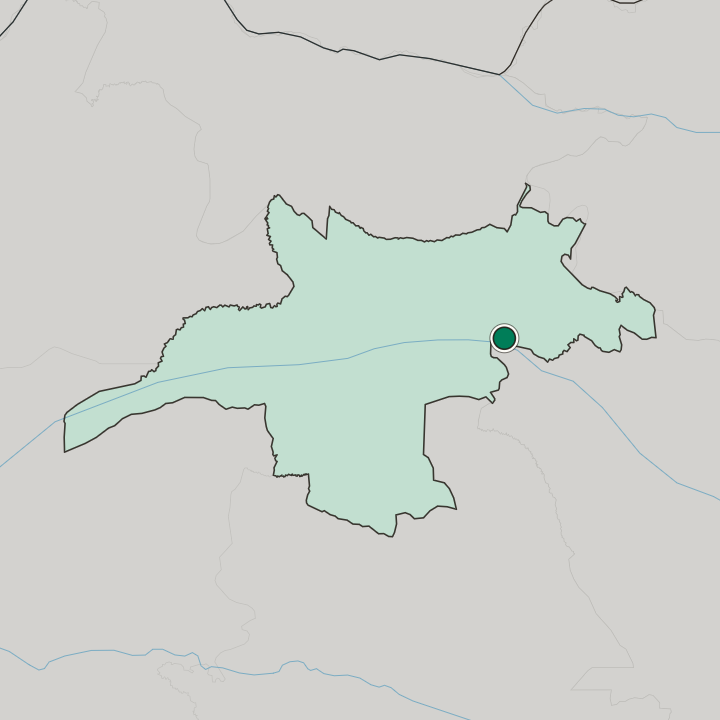
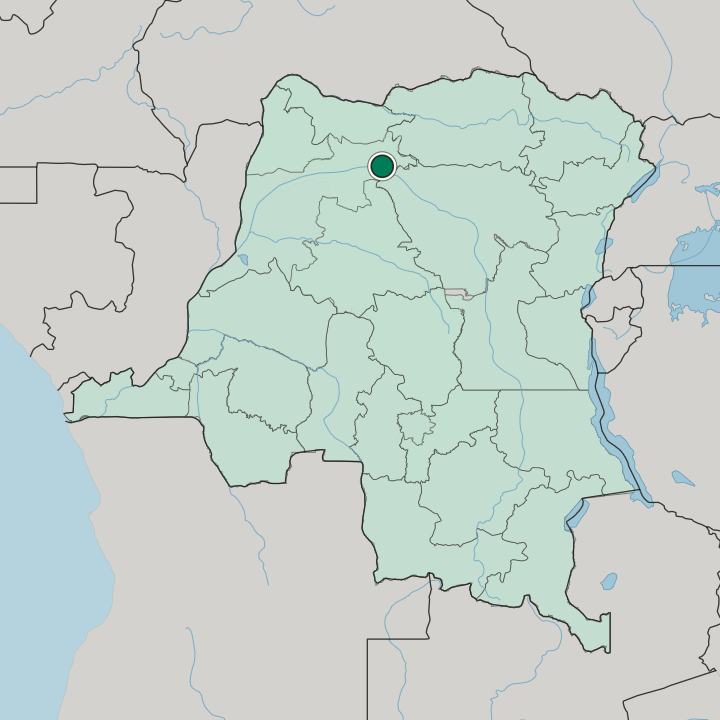
Bumba is a river port on the right bank of the Congo River in Mongala Province, close to the confluence of the Itimbiri.
Hotel links are affiliate links: booking through them may earn us a commission, at no extra cost to you. It never affects how places are ranked. How this works


Where to stay in Bumba
The practical side of choosing where to sleep.
Rooms here answer to the port. Bumba earns its living as a river port and as the administrative centre of Bumba Territory, so most people looking for a bed have come for cargo, for a boat, or for an office rather than for a holiday. That narrows the choice sharply.
The usable stock sits close to the Congo River landing and along the streets around the Cathédrale Saint Jean-Baptiste, because those two points are what the town's working day turns on. Little else registers. Practical questions outrank comfortable ones.
The town runs without mains electricity and without piped water, a condition that shapes a night in Bumba far more than any difference between one house and the next. Ask first about power and water. You are best served by the waterfront if a boat brought you in or will carry you out, and by the quieter ground toward the confluence of the Itimbiri if the next leg goes upriver. Mongala Province holds no larger alternative nearby.
Distance settles the rest. Anyone who has travelled this far into the Congo Basin is not going to be weighing quarters against one another; the real question is whether a room exists on the night wanted, and how far it stands from the water. Availability decides, not character.
Find hotels in Bumba
Direct booking searches for these neighbourhoods.
The Congo River landing
The waterfront strip of Bumba, where cargo for the Congo River is loaded and the town's river traffic gathers. Rooms are few around here — worth securing early.Find hotels in The Congo River landingStays within walking reach of the Cathédrale Saint Jean-Baptiste in central BumbaAround the Cathédrale Saint Jean-Baptiste
The core of Bumba around the Cathédrale Saint Jean-Baptiste, the one named building the record fixes to the town. Beds are limited here, so book early.Find hotels in Around the Cathédrale Saint Jean-BaptisteTravellers carrying on toward the confluence of the Itimbiri and the interior of Bumba TerritoryThe Itimbiri side
The quieter edge of Bumba facing the ground where the Itimbiri comes in, used by anyone whose next leg runs upriver. Beds are limited here, so book early.Find hotels in The Itimbiri sideHotel links are affiliate links: booking through them may earn us a commission, at no extra cost to you. It never affects how places are ranked. How this works
About Bumba
The river made this town.
What is Bumba known for?
Bumba works as a river port on the Congo River, taking in cargo that moves along the main channel and out through the country of Mongala Province behind it. It is also the administrative centre of Bumba Territory. Add the Cathédrale Saint Jean-Baptiste, the one building the record fixes here by name, and the shape of the place is roughly complete.
Trade and paperwork, then.
What are the main landmarks in Bumba?
One building carries the town. The Cathédrale Saint Jean-Baptiste is the single named structure the record fixes to Bumba, and a visitor's circuit of sights begins and effectively ends with it. The rest is water.
Congo River traffic, the landing, and the ground where the Itimbiri comes in account for most of what a visitor will actually look at here.
What is the history of Bumba?
No founding year is entered for Bumba. What the record gives instead is a position: the right bank of the Congo River, a short way from the confluence of the Itimbiri, in the stretch of the Congo Basin that later became Mongala Province. Water came first.
A settlement at that junction can load and unload, and a place that can do so on the main channel of a great river tends to outlast the reasons anyone first stopped there. The Itimbiri adds a second route inland from the same point. Bumba grew into a port.
Administration followed the boats. The town became the administrative centre of Bumba Territory, which put registries, courts, and the ordinary machinery of a district into a place whose other business was moving goods along the Congo River. The Cathédrale Saint Jean-Baptiste belongs to that layer.
It is the one named building the surviving account attaches to the town, and its presence says something about who was organising Bumba and when, even without a date to hang on it. Mongala Province was drawn around it later. The sequence runs river first, then port, then territory.
Where is Bumba?
The Congo River sets the frame. Bumba stands on its right bank inside the Congo Basin, low country where the main channel runs broad and the land behind it drains toward the same water. The Itimbiri joins close by.
That confluence gives Mongala Province a second line of approach from the interior, and it is why a port grew at this point on the bank rather than another.
What is the climate of Bumba?
The record sets down no climate figures for Bumba. What it does place the town in is the Congo Basin, on the Congo River, which is the frame any account of the weather here has to start from. Water dominates.
A river of that size, and the basin feeding it, are what a description of humidity and the run of wet and dry stretches would turn on. The Itimbiri behaves the same way.
How do you get to Bumba?
The river is the road. Bumba works as a port before anything else, and the main channel of the Congo River is the line that ties it to the rest of the Democratic Republic of the Congo. Timetables belong to the boats.
The Itimbiri opens a second approach from the interior, and overland travel runs through Bumba Territory rather than along any trunk route the record names.
Common questions
What is the best area to stay in Bumba?
The Congo River landing: Nights built around the Bumba landing and the boats working the Congo River. Around the Cathédrale Saint Jean-Baptiste: Stays within walking reach of the Cathédrale Saint Jean-Baptiste in central Bumba. The Itimbiri side: Travellers carrying on toward the confluence of the Itimbiri and the interior of Bumba Territory.
Updated September 2026