Democratic Republic of the Congo · Province du Kongo Central
Where to Stay in Matadi, Province du Kongo Central
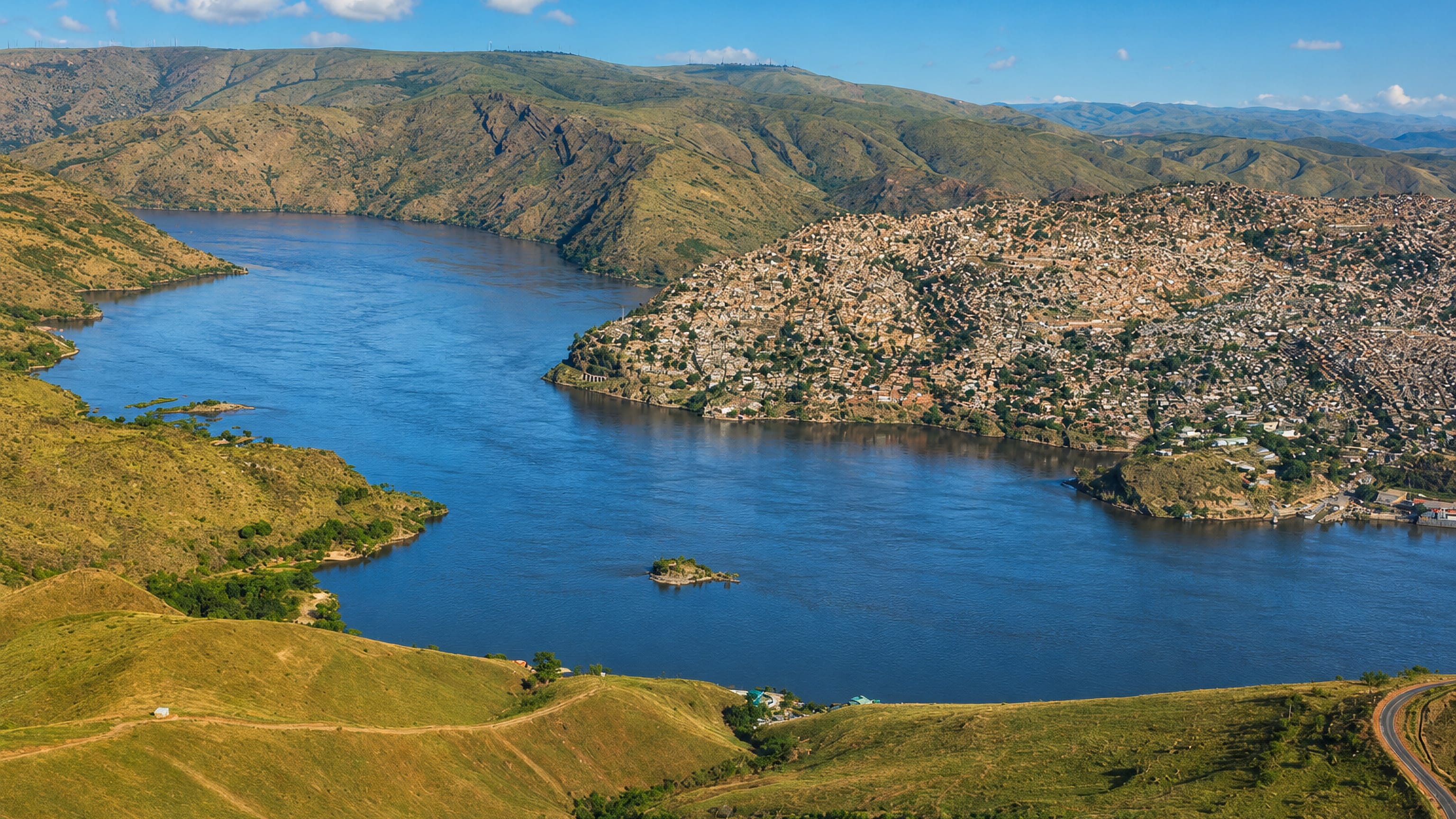
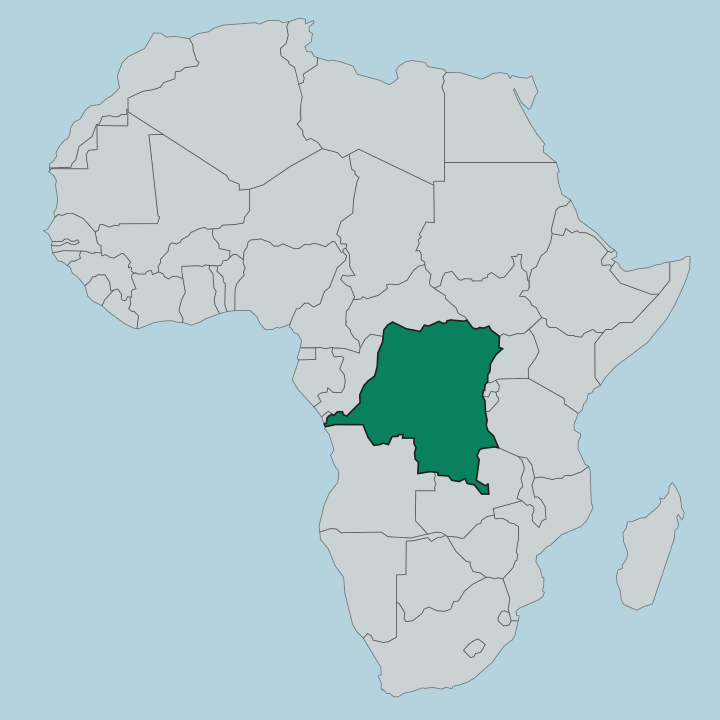
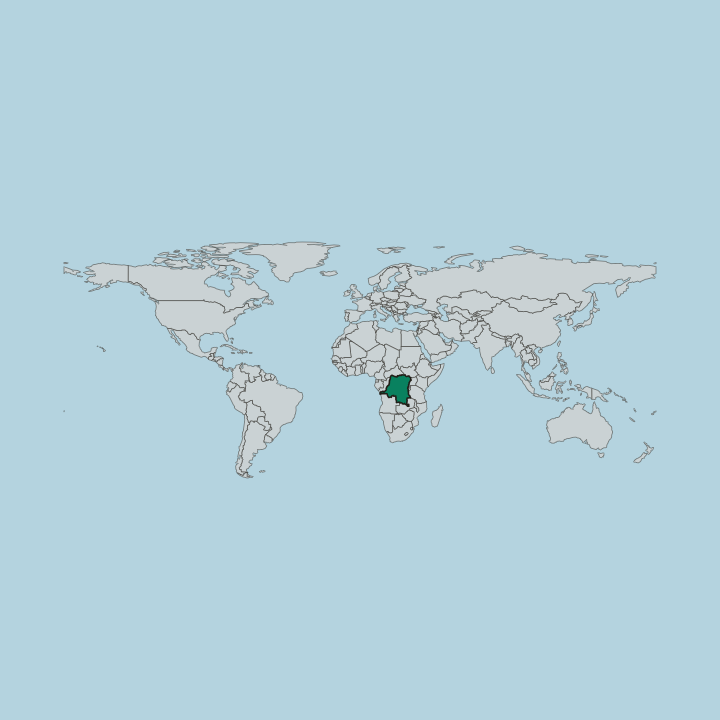
Matadi is the chief sea port of the Democratic Republic of the Congo, on the left bank of the Congo River in Kongo Central province.
Hotel links are affiliate links: booking through them may earn us a commission, at no extra cost to you. It never affects how places are ranked. How this works


Where to stay in Matadi
The practical side of choosing where to sleep.
The port decides where the beds are. Rooms in Matadi divide between the left bank of the Congo River, where the quays and the seagoing traffic are, and the streets that run back from the water into the capital of Kongo Central. A few streets separate them.
The frontage is the working part of the city, 148 kilometres up from the mouth and 8 kilometres below the point where rapids end navigation, and a bed facing it keeps that traffic in sight. Everything sits within one port city, dated to 1879 and still organised around the last reach of water that ocean ships can use. Choose by the errand.
If you have come for the sea trade of the Democratic Republic of the Congo, take the bank; if you are crossing toward Angola or moving through Province du Kongo Central by road, the streets behind the front sit nearer the way out. Named quarters are not on the record for Matadi, so the choice is between the water and the road rather than between neighbourhoods, and a stay of more than a night or two turns on which of the two the day is built around. Either way the stock of beds is small.
Find hotels in Matadi
Direct booking searches for these neighbourhoods.
The Congo River bank
The left bank at Matadi holds the berths that make it the chief sea port of the Democratic Republic of the Congo, so a room here faces the point 148 kilometres above the mouth where ocean cargo comes off the Congo River.Find hotels in The Congo River bankroad journeys on toward the Angolan frontier or across Province du Kongo CentralThe streets above the quays
Back from the Congo River, these streets carry the business of the Kongo Central provincial capital and sit nearer the roads leaving Matadi for the border with Angola than the working front does.Find hotels in The streets above the quaysHotel links are affiliate links: booking through them may earn us a commission, at no extra cost to you. It never affects how places are ranked. How this works
About Matadi
Ships stop here.
What is Matadi known for?
Matadi handles the seagoing trade of the Democratic Republic of the Congo, sitting 148 kilometres up from the mouth of the Congo River and only 8 kilometres below the last point a vessel can reach before the rapids. Above that line the water is impassable for a long stretch. The port and the capital of Kongo Central are the same town, and Angola begins just beyond the frontier.
What are the main landmarks in Matadi?
Matadi keeps no monument on the record. The port itself is what people look at: the quays on the left bank of the Congo River, the traffic that has come 148 kilometres up from the mouth, and the reach just above the town where rapids take over. Province du Kongo Central lists nothing further.
Angola sits just across the frontier.
What is the history of Matadi?
Settlement here begins in 1879. Geography left little choice. Ocean-going ships can work up the Congo River 148 kilometres from the mouth and no further, because the rapids begin 8 kilometres above the town and close the channel for a long stretch upriver.
Everything moving between the sea and the interior of the Democratic Republic of the Congo must change carrier along that line, and Matadi occupies the left bank at the point where it happens. The left bank carries the town. That single fact, a navigable channel that stops here, accounts for a settlement dated to 1879 at the point where water transport has to end.
Administration followed the water. The city serves as capital of Kongo Central province, the unit that older descriptions call Bas-Congo, and it keeps that role alongside its work as the chief sea port of the Democratic Republic of the Congo. Angola lies adjacent, its border close to the city, which sets road traffic across the frontier beside the river work the quays exist for.
Two jobs run at once here. Province du Kongo Central reaches from this stretch of the Congo River out to the Angolan frontier, and Matadi answers for both the provincial business and the cargo that leaves the water. No further dates stand on the record.
Where is Matadi?
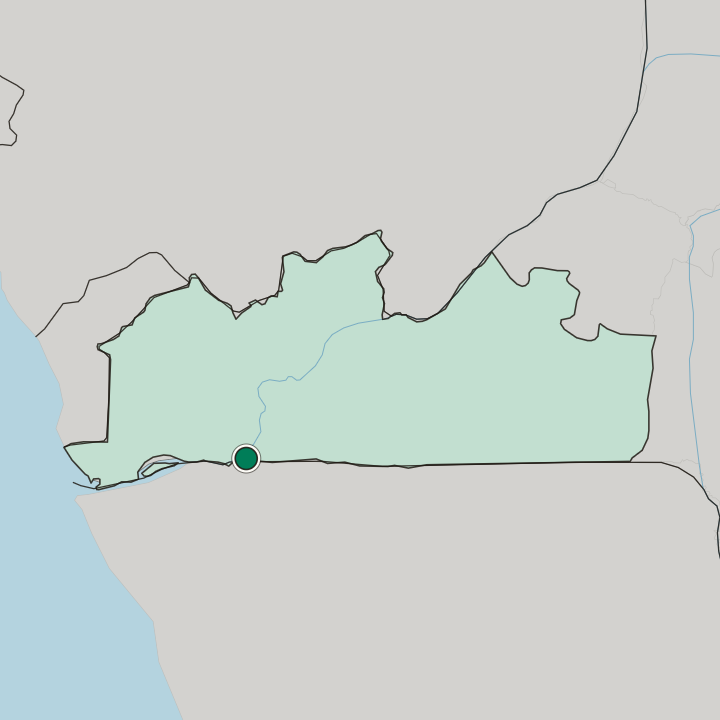
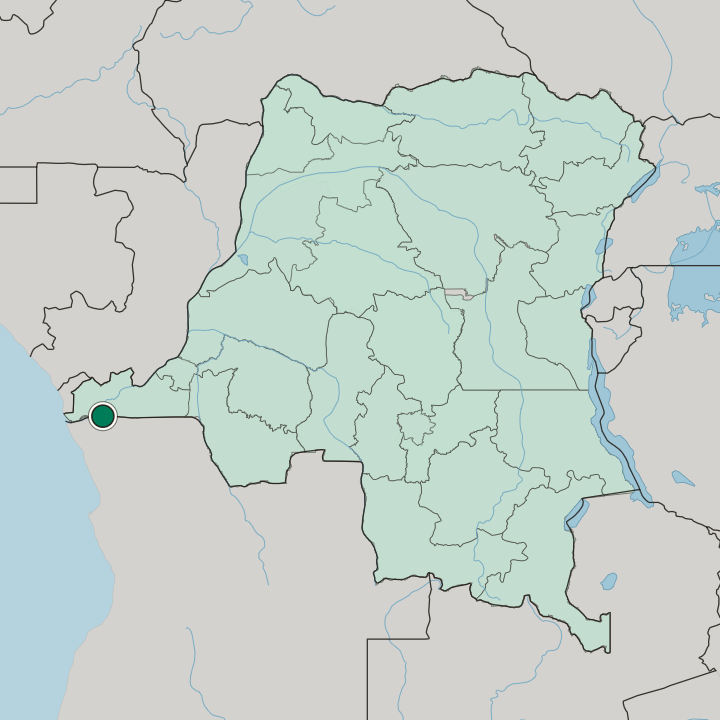
The bank sets the town. Matadi stands on the left side of the Congo River, 148 kilometres up from the mouth and 8 kilometres short of the last navigable point, beyond which rapids shut the channel for a long stretch upriver. Angola lies adjacent across the border.
The rest of Province du Kongo Central runs inland behind the port.
What is the climate of Matadi?
The Congo River carries the damp. Matadi lies within the tropics and south of the equator, so its year divides into wet and dry spells instead of four seasons, and the water coming down the Congo River keeps the air heavy in the reach below the rapids. Cold weather never arrives.
Ships from the sea work up to the town through the year, 148 kilometres above the mouth.
How do you get to Matadi?
Arrival is by water or road. Seagoing vessels come up the Congo River from the mouth, 148 kilometres of navigable channel that ends 8 kilometres above Matadi where the rapids begin, so nothing continues upriver from the town by ship. Land traffic takes over from there.
Overland links run through Province du Kongo Central and toward the Angolan border, which lies adjacent to the city.
Common questions
What is the best area to stay in Matadi?
The Congo River bank: guests whose business is the Matadi quayside and the last navigable water below the rapids. The streets above the quays: road journeys on toward the Angolan frontier or across Province du Kongo Central.
Another city in Province du Kongo Central
Updated September 2026