Central African Republic
Commune de Bangui, Central African Republic — Towns & Travel Guide
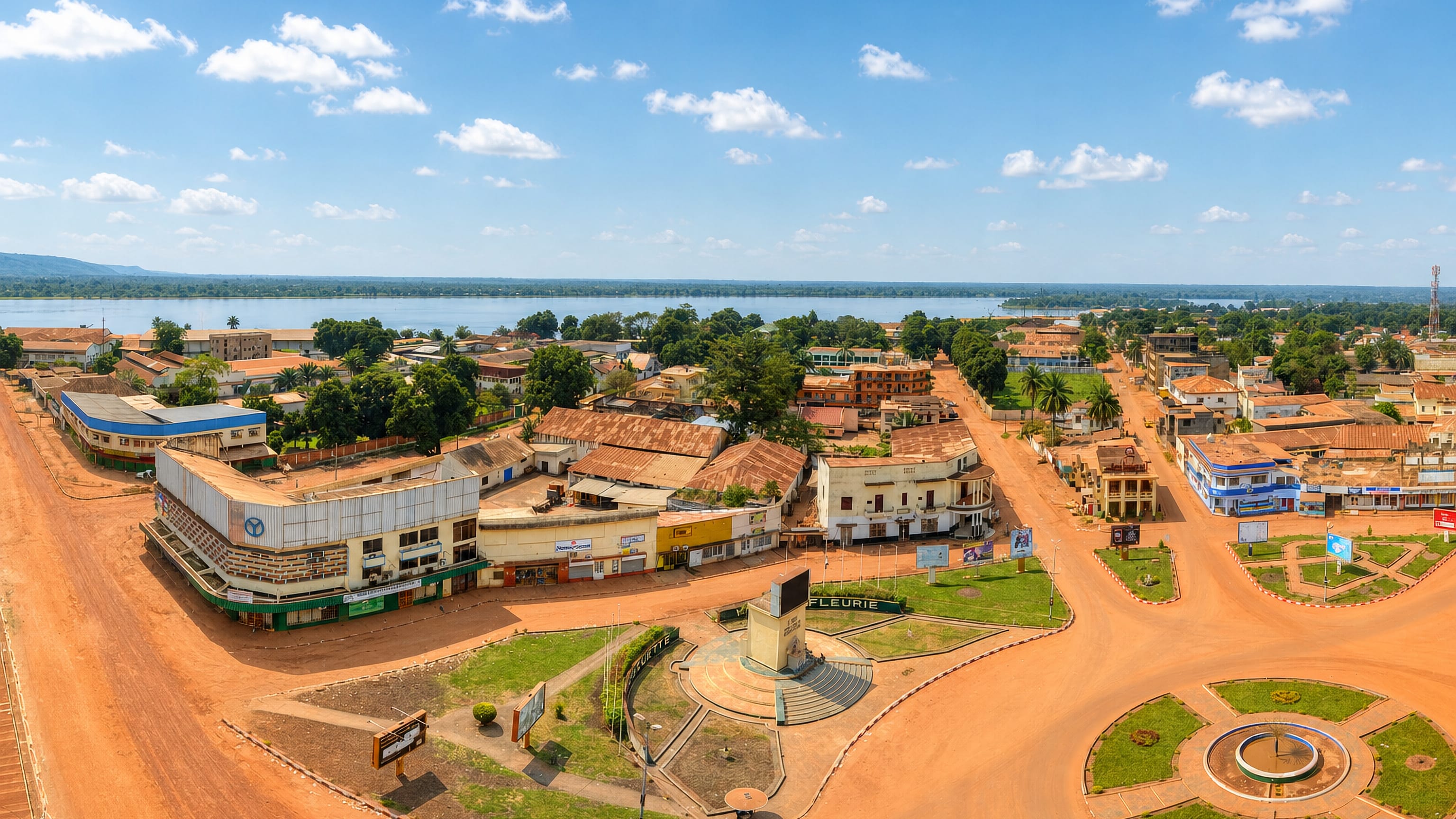
The Ubangi River curves past Commune de Bangui, the capital region of the Central African Republic, set on the river's north bank below a line of rapids.
Hotel links are affiliate links: booking through them may earn us a commission, at no extra cost to you. It never affects how places are ranked. How this works


Towns & cities in Commune de Bangui
One town here has its own guide — it links to where to stay.
 Central African Republic
Bangui
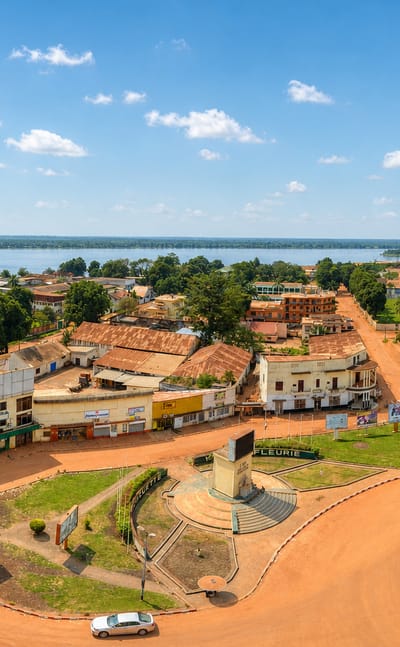
Bangui rises from the north bank of the Ubangi River, the capital of the Central African Republic, known for the Boganda National Museum.Where to stay →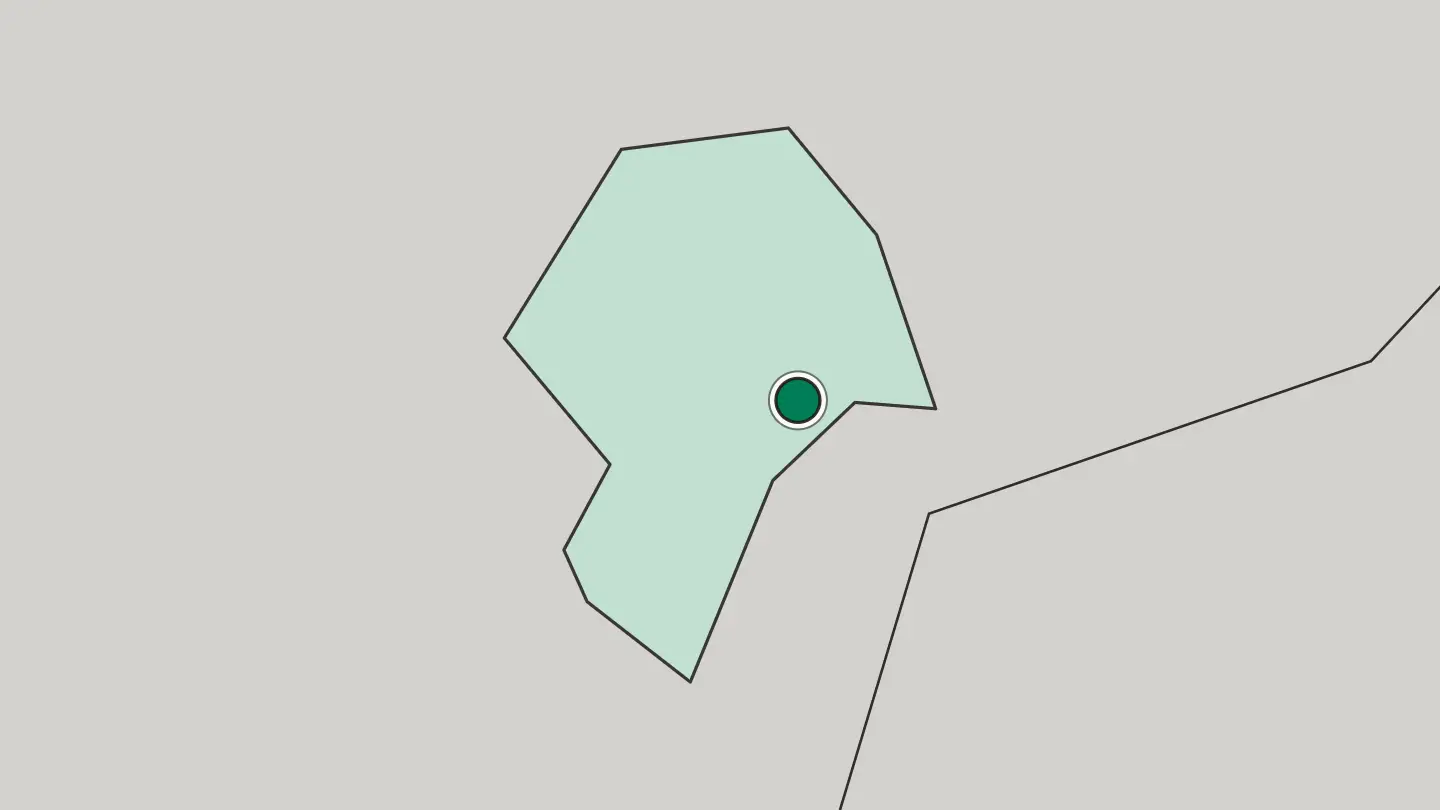
Hotel links are affiliate links: booking through them may earn us a commission, at no extra cost to you. It never affects how places are ranked. How this works
About Commune de Bangui
What is Commune de Bangui known for?
Commune de Bangui is known as the capital region of the Central African Republic, set on the northern bank of the Ubangi River. The river defines it. Below the settlement a line of rapids marks the end of navigable water reaching north from Brazzaville, and the Ubangi turns sharply south to join the Congo River.
Across the water lies the Congolese town of Zongo. The region holds Bangui, the country's largest city and its administrative heart.
Where is Commune de Bangui?
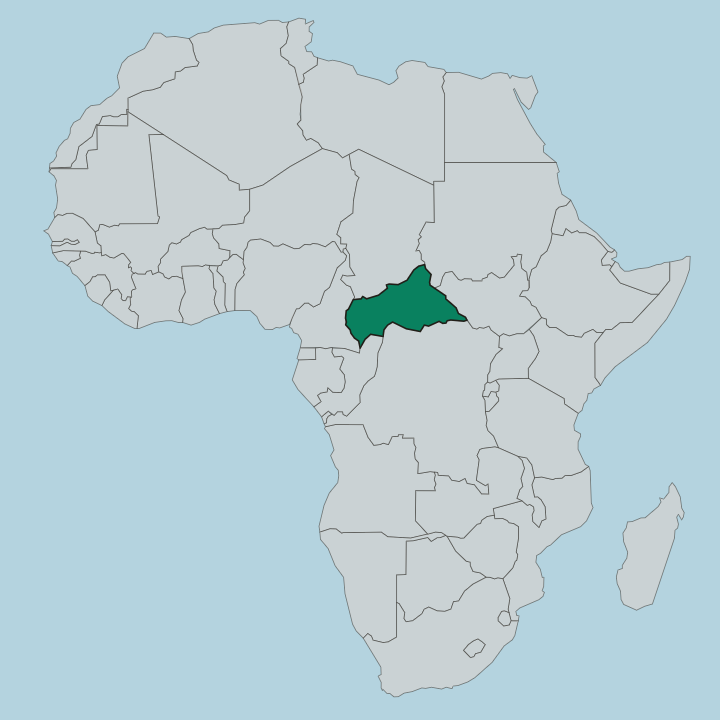
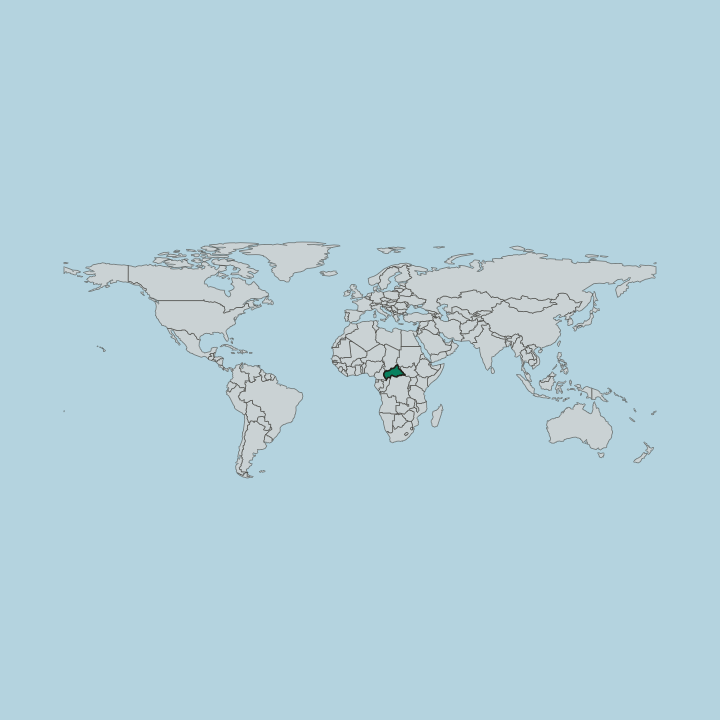
Commune de Bangui sits on the northern bank of the Ubangi River in the Central African Republic, on the country's southern edge. The river shapes everything here. Just above the settlement a series of rapids breaks the water, marking the limit of major commercial shipping farther upriver, so the navigable reach ends where the region begins.
The Ubangi runs as the border between the Central African Republic and the Democratic Republic of the Congo, and the Congolese town of Zongo sits directly opposite Bangui across the water. Below the region the river bends sharply south. From there the Ubangi carries on to meet the Congo River near Brazzaville, joining it as a chief northern tributary.
Most of the country's population lives in these western parts, in Bangui and the land around it. The low riverside ground, the rapids, and the sweep of the Ubangi give the capital region its setting on the water.
What is Commune de Bangui like?
Commune de Bangui carries the culture of a river capital on the Ubangi. Life here bends toward the water. The region gathers the administrative and civic heart of the Central African Republic, and its position on the northern bank ties it to the trade and movement that the Ubangi River has long carried between the settlement and Brazzaville downstream.
French is the shared language of the offices and the streets. Rapids just above the city fixed the point where northward navigation ended, and that break in the water set the place where the settlement grew. The river also joins the region to its neighbour across the bank.
Facing Bangui directly, the Congolese town of Zongo sits on the far shore, and the crossing links the two banks of the Ubangi. This is a capital defined by its riverfront. The water, the border it marks with the Democratic Republic of the Congo, and the run toward the Congo River all shape daily life on the northern bank.
What is the history of Commune de Bangui?
Commune de Bangui traces its origin to a French outpost established in 1889 on the northern bank of the Ubangi River. The site took its name from the river. The Ubangi in turn was named from the Bobangi word for the rapids beside the settlement, which marked the end of navigable water reaching north from Brazzaville.
From that outpost the town grew into the capital of the Central African Republic and the largest settlement in the country.
What is the climate of Commune de Bangui?
Commune de Bangui has a tropical climate shaped by its low position on the Ubangi River. Two seasons carve up the calendar. A long rainy season brings heavy downpours to the riverside land, swelling the Ubangi and the run below the rapids, while a shorter drier stretch follows.
The heat rarely eases across the seasons. The river keeps the air humid across the capital region of the Central African Republic.
How do you get to Commune de Bangui?
Commune de Bangui is reached by road, river, and air from within the Central African Republic and across the Ubangi River. The river itself is a route. Navigable water reaches the region from downstream toward Brazzaville, ending at the rapids just above the settlement, and a crossing links Bangui to the Congolese town of Zongo on the far bank.
Roads run in from the wider country, and an airport near the city carries the main air links to the capital region.
Updated September 2026