Central African Republic · Commune de Bangui
Where to Stay in Bangui, Commune de Bangui
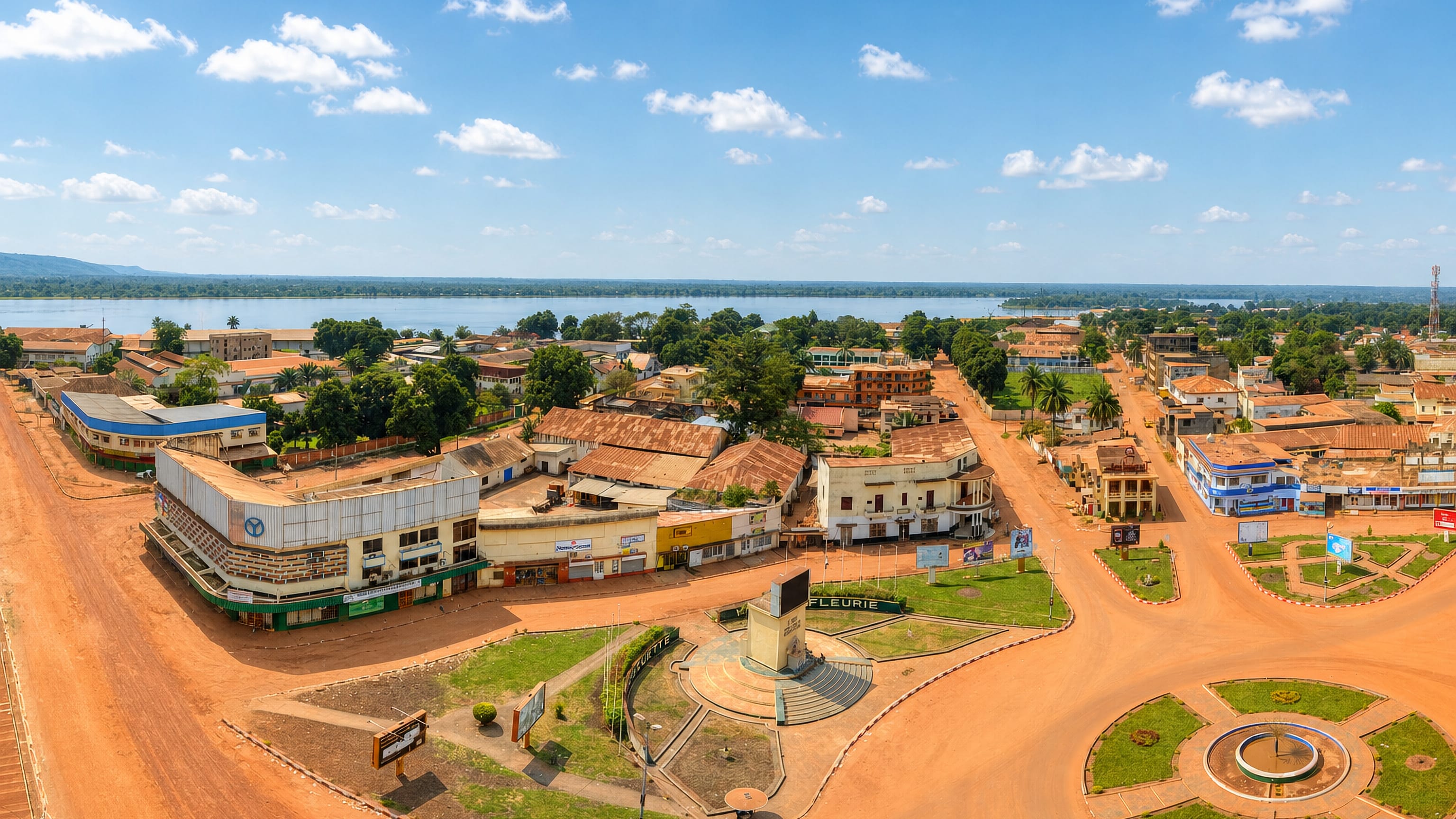
Bangui rises from the north bank of the Ubangi River, the capital of the Central African Republic, known for the Boganda National Museum.
Hotel links are affiliate links: booking through them may earn us a commission, at no extra cost to you. It never affects how places are ranked. How this works


Where to stay in Bangui
The practical side of choosing where to sleep.
Bangui keeps its lodging close to the riverfront and the civic core, both a short distance from the Ubangi River. The waterfront is the natural base. Along it the Boganda National Museum, the crossing toward Zongo, and the view of the rapids upstream stay within reach, and the streets by the bank fill with movement through the warm hours.
Stay near the river to reach the museum and the water on foot. The streets around Notre Dame D'Afrique suit visitors who want the cathedral and the quieter blocks set back from the bank, a short ride from the waterfront. Here the built-up avenues keep the Church of Fatima and the administrative offices within an easy walk.
Travellers arriving overland find the districts nearer the main roads the most practical of all, close to the routes that run in from the wider Central African Republic. Wherever you settle in Bangui, the Ubangi River and the rapids upstream frame the southern edge of the city.
Find hotels in Bangui
Direct booking searches for these neighbourhoods.
Bangui waterfront
The bank of the Ubangi River near the Boganda National Museum and the crossing toward Zongo, the most practical base for reaching the water on foot in Bangui.Find hotels in Bangui waterfrontquieter stays by the cathedral of BanguiNotre Dame D'Afrique quarter
The built-up blocks around Notre Dame D'Afrique and the Church of Fatima, set back from the Ubangi bank in Bangui.Find hotels in Notre Dame D'Afrique quarteroverland arrivals into the Central African Republic capitalBangui road approaches
The districts near the main roads running into Bangui from the wider Central African Republic, practical for travellers arriving by land.Find hotels in Bangui road approachesHotel links are affiliate links: booking through them may earn us a commission, at no extra cost to you. It never affects how places are ranked. How this works
About Bangui
What is Bangui known for?
Bangui is known as the capital and largest city of the Central African Republic, gathered on the Ubangi River. Its riverfront defines it. The Boganda National Museum holds the country's collections, while Notre Dame D'Afrique and the Church of Fatima mark the skyline of the built-up area.
Just upstream a line of rapids ends the navigable water reaching north from Brazzaville. Across the river stands the Congolese town of Zongo, close enough to see from the northern bank.
What are the main landmarks in Bangui?
Bangui's landmarks gather near the Ubangi River and the civic core. The Boganda National Museum holds the collections of the Central African Republic, from ethnography to the country's record. Two churches mark the skyline.
Notre Dame D'Afrique and the Church of Fatima rise above the built-up streets of the capital. Together these set the pattern of the city, the museum by the river and the churches among the avenues that run back from the bank.
What is the history of Bangui?
Bangui began as a French outpost established in 1889 on the northern bank of the Ubangi River. The post took its name from the river. That name came in turn from the Bobangi word for the rapids beside the settlement, the break in the water that marked the end of navigation reaching up from Brazzaville.
From this river station the town grew into the capital and largest city of the Central African Republic, with most of the country's population settling in Bangui and the land around it. The decades that followed built the civic city on the bank. Institutions gathered by the water.
The Boganda National Museum came to hold the national collections, while Notre Dame D'Afrique and the Church of Fatima rose among the growing streets. Its founding on the Ubangi still shapes the city, from the riverside quarter down to the crossing that faces the Congolese town of Zongo across the water.
Where is Bangui?
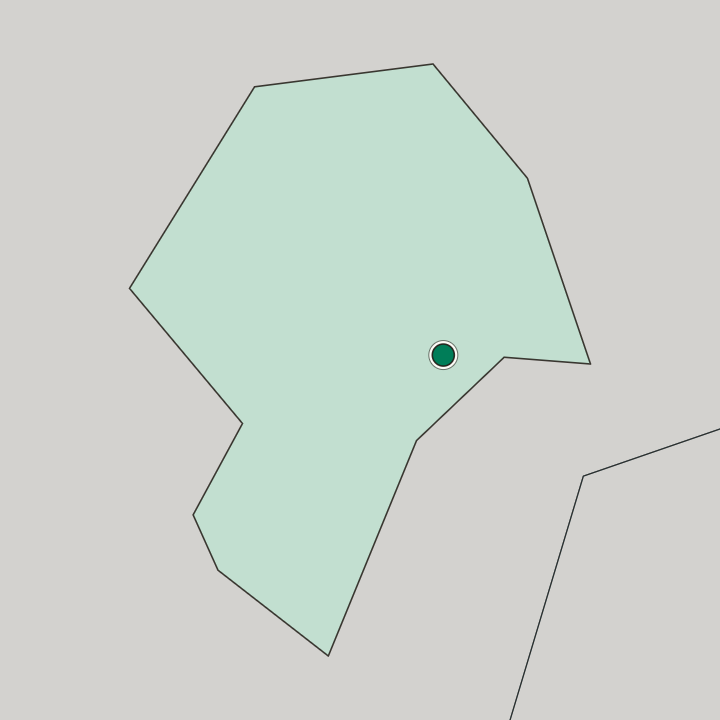
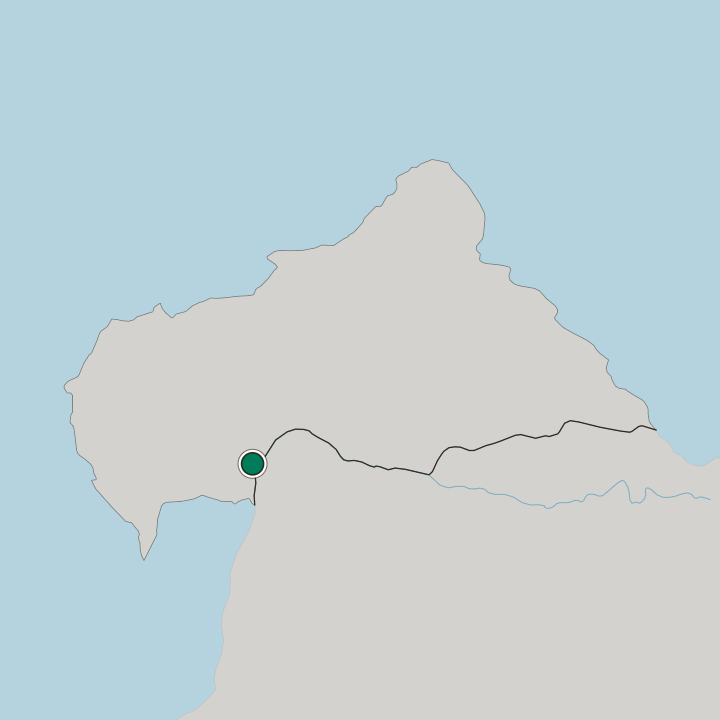
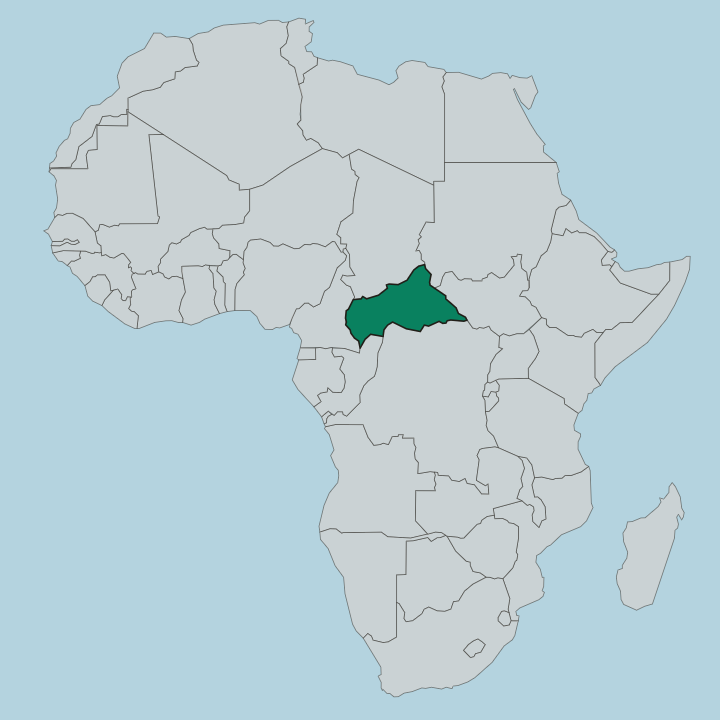
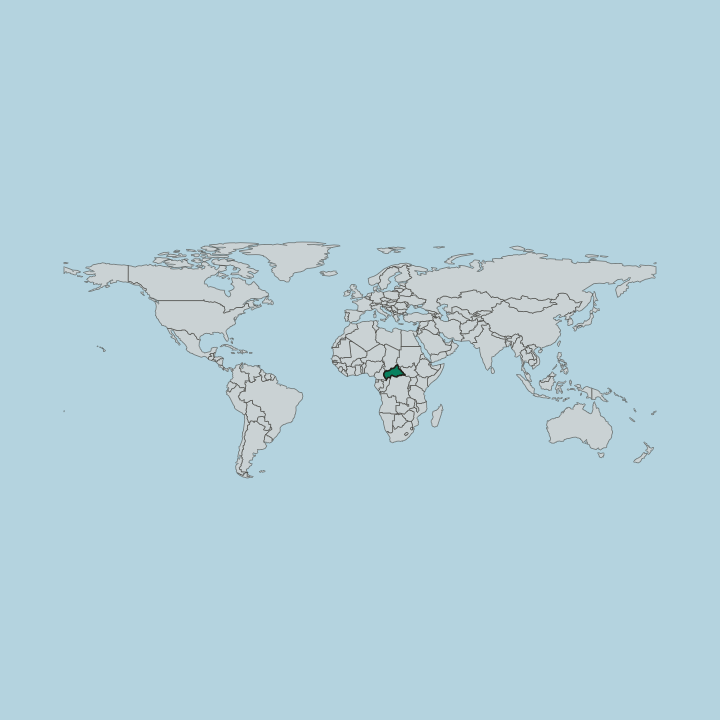
Bangui occupies the northern bank of the Ubangi River, at the southern edge of the Central African Republic. The river runs along the city's front. Just upstream a series of rapids limits shipping from farther up the water, and below the city the Ubangi turns sharply south toward the Congo River near Brazzaville.
The Congolese town of Zongo sits opposite across the bank. This low riverside setting, hemmed by the water and the rapids, gives Bangui its form.
What is the climate of Bangui?
Bangui has a tropical climate set by its low place on the Ubangi River. Rain rules half the year. A long wet season brings heavy storms that swell the river and the run below the rapids, giving way to a shorter dry stretch of clearer skies.
Heat stays constant through the seasons. The nearness of the Ubangi keeps the air of the Central African Republic capital humid.
How do you get to Bangui?
Bangui is reached by road, river, and air, set on the Ubangi River in the Central African Republic. The river carries traffic upstream. Boats reach the city from downstream toward Brazzaville, halting at the rapids just above the settlement, and a crossing links Bangui to the Congolese town of Zongo on the far bank.
Roads run in from the wider country, and an airport near the capital handles the main air links toward the Boganda National Museum and the riverside core.
Common questions
What is the best area to stay in Bangui?
Bangui waterfront: riverside stays near the Boganda National Museum. Notre Dame D'Afrique quarter: quieter stays by the cathedral of Bangui. Bangui road approaches: overland arrivals into the Central African Republic capital.
Good for
Updated September 2026