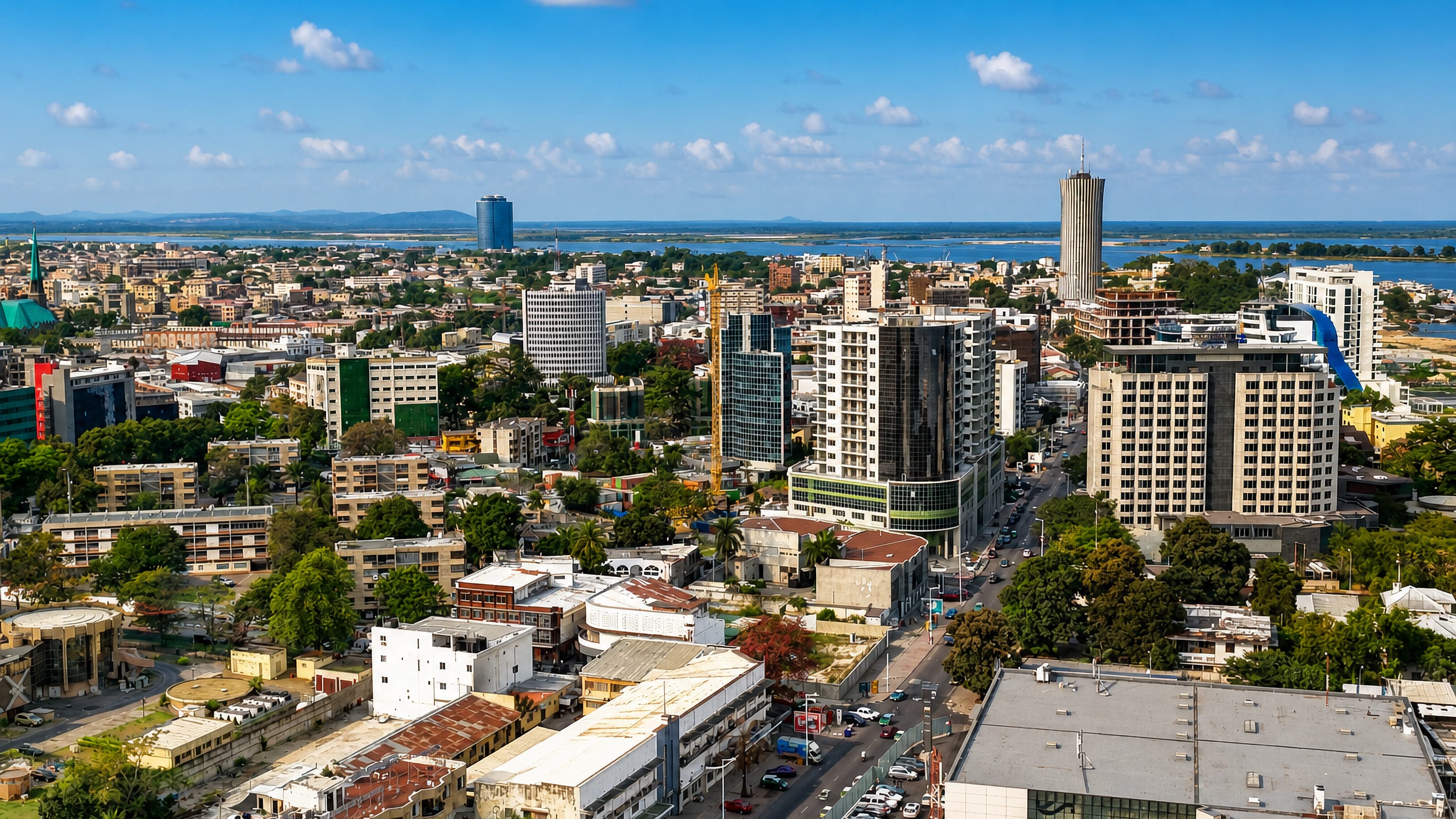
Republic of the Congo · Brazzaville department
Where to Stay in Brazzaville, Brazzaville department
The Congo River curves past Brazzaville, capital of the Republic of the Congo, a river city facing Kinshasa across the water and founded in 1880.
Hotel links are affiliate links: booking through them may earn us a commission, at no extra cost to you. It never affects how places are ranked. How this works


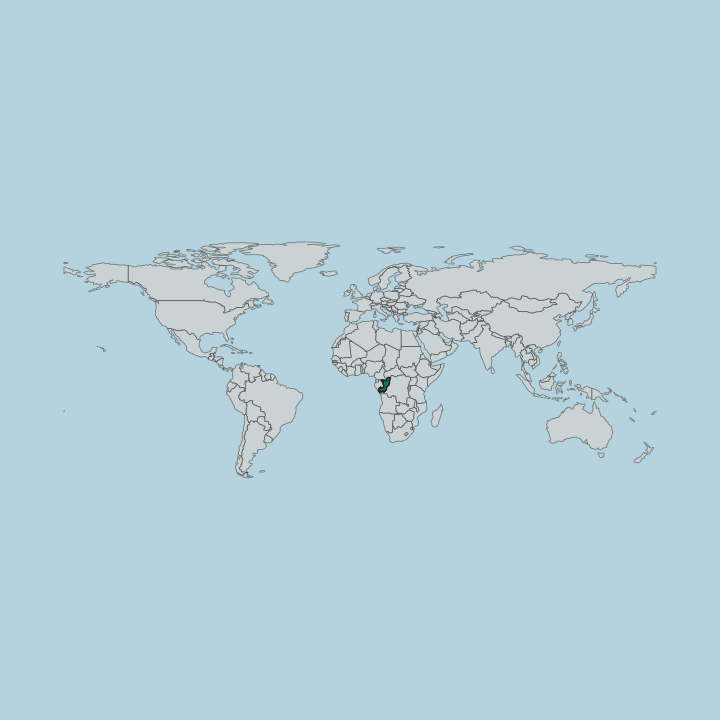
Where to stay in Brazzaville
Where visitors usually base themselves, and why.
Brazzaville concentrates its beds and its business in the central quarters set back from the Congo River, where the administrative offices, the cathedral, and the main markets stand within reach of one another. The riverfront orients everything. A stay in the central city puts you near Église Saint-Pierre-Claver and the government district, the practical base for anyone arriving to handle business or to break a journey toward Pointe-Noire.
Other parts of Brazzaville pull the character in different directions. The quarter around Stade Marchand fills on match days and gives a livelier, more local feel, while the ground near Brazzaville Zoo and the parish churches of Notre-Dame-du-Rosaire and Saint-François-d'Assise sits in the calmer residential reaches of the city. Whichever quarter you pick, the river frontage facing Kinshasa remains the fixed point of Brazzaville, and the capital's compact centre keeps the main sights of the Republic of the Congo close at hand.
Find hotels in Brazzaville
Direct booking searches for these neighbourhoods.
Central Brazzaville
The administrative core near Église Saint-Pierre-Claver holds the offices, markets, and river frontage of the Republic of the Congo's capital.Find hotels in Central BrazzavilleMatch-day crowds and local lifeThe Stade Marchand quarter
Streets around Stade Marchand fill on football days and keep a livelier, more residential pulse away from the government district.Find hotels in The Stade Marchand quarterQuieter residential nightsThe parish and zoo reaches
The calmer ground near Brazzaville Zoo and the churches of Notre-Dame-du-Rosaire and Saint-François-d'Assise sits back from the busiest centre.Find hotels in The parish and zoo reachesHotel links are affiliate links: booking through them may earn us a commission, at no extra cost to you. It never affects how places are ranked. How this works
About Brazzaville
What is Brazzaville known for?
Brazzaville is best known as the capital and largest city of the Republic of the Congo, the financial and administrative centre of the country. It sits on a great river. Facing Kinshasa across the Congo River, the city pairs its role as national capital with landmarks such as the cathedral of Église Saint-Pierre-Claver and the crowds of Stade Marchand, and it serves as the usual entry point before trips on to Pointe-Noire or the Congolese rainforest.
What are the main landmarks in Brazzaville?
Brazzaville's landmarks run from its churches to its sports ground and its riverside zoo. The parishes stand out. Église Saint-Pierre-Claver anchors the Catholic heart of the city, while église Notre-Dame-du-Rosaire de Brazzaville and Église Saint-François-d'Assise de Brazzaville mark the quieter parishes of the capital of the Republic of the Congo. Stade Marchand draws the football crowds, and Brazzaville Zoo gathers families near the Congo River.
What is the history of Brazzaville?
Brazzaville was founded in 1880 on the north bank of the Congo River, and it grew from that river station into the capital and largest city of the Republic of the Congo. The river made the site. A navigable stretch above the great cataracts let the settlement command the north side of the Congo River directly opposite the ground that became Kinshasa, and this crossing point fixed the two capitals face to face across the water.
From its founding the town rose steadily into the financial and administrative centre of the country. It became the seat of government for the Republic of the Congo, gathering the churches, institutions, and public buildings that still mark its quarters, from Église Saint-Pierre-Claver to the later parishes of the growing city. Brazzaville has kept that capital role ever since, the pivot of the country and its link across the Congo River to the Democratic Republic of the Congo on the far bank.
Where is Brazzaville?
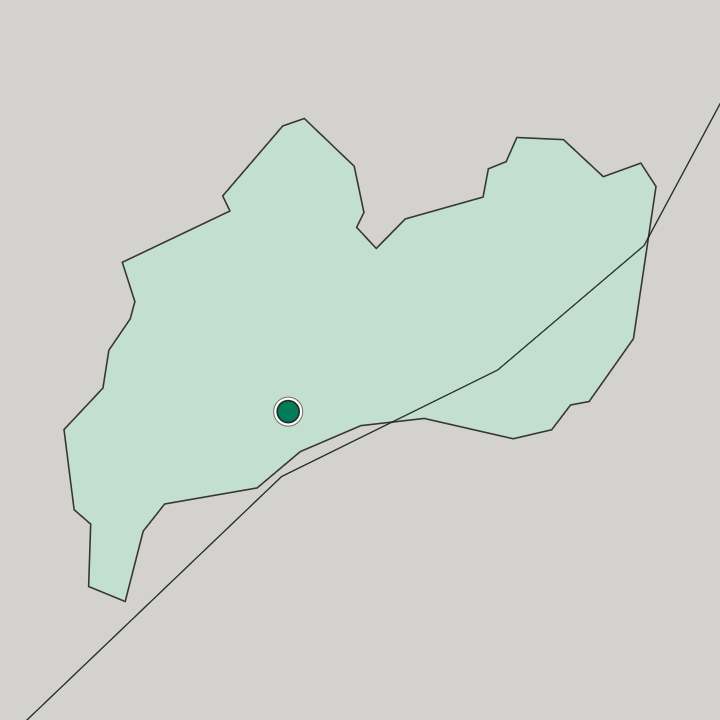
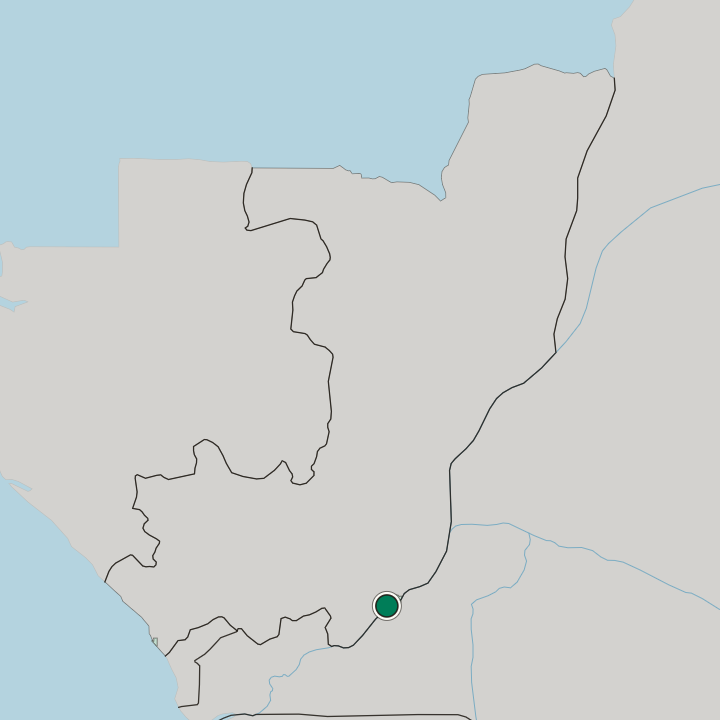
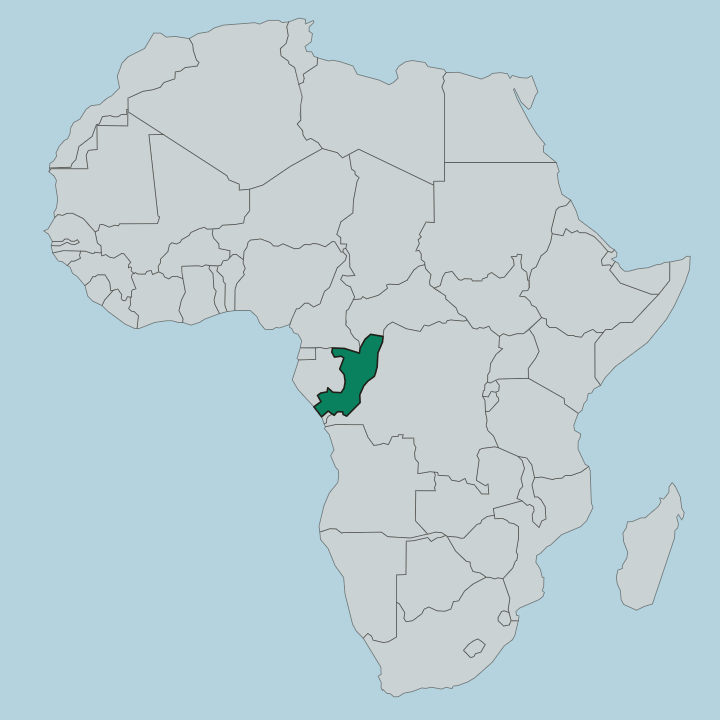
Brazzaville stands on the north side of the Congo River, in the Brazzaville department of the Republic of the Congo. The river defines it. Across the water lies Kinshasa, capital of the Democratic Republic of the Congo, so the two cities sit opposite one another on either bank, and Brazzaville spreads back from the riverfront over the low ground of the department.
This position on the Congo River, at the crossing to Kinshasa, has shaped the city since its founding.
What is the climate of Brazzaville?
Brazzaville has a tropical climate, warm and humid across the year on the north bank of the Congo River. Wet and dry seasons alternate. Long rains give way to a drier stretch over the capital of the Republic of the Congo, and heat holds steady through the months without the sharp seasonal swings of higher latitudes.
The river keeps the air close and humid around Brazzaville.
How do you get to Brazzaville?
Brazzaville is the main point of entry to the Republic of the Congo, served by its own airport and the rail line that runs to the coast. The river carries traffic too. Ferries cross the Congo River to Kinshasa, the airport handles the country's international flights, and the railway links the capital with Pointe-Noire on the Atlantic.
Roads fan out from Brazzaville to the other departments of the country.
Common questions
What is the best area to stay in Brazzaville?
Central Brazzaville: Business and first-time stopovers. The Stade Marchand quarter: Match-day crowds and local life. The parish and zoo reaches: Quieter residential nights.
Good for
Updated September 2026