Republic of the Congo
Brazzaville department, Republic of the Congo — Towns & Travel Guide
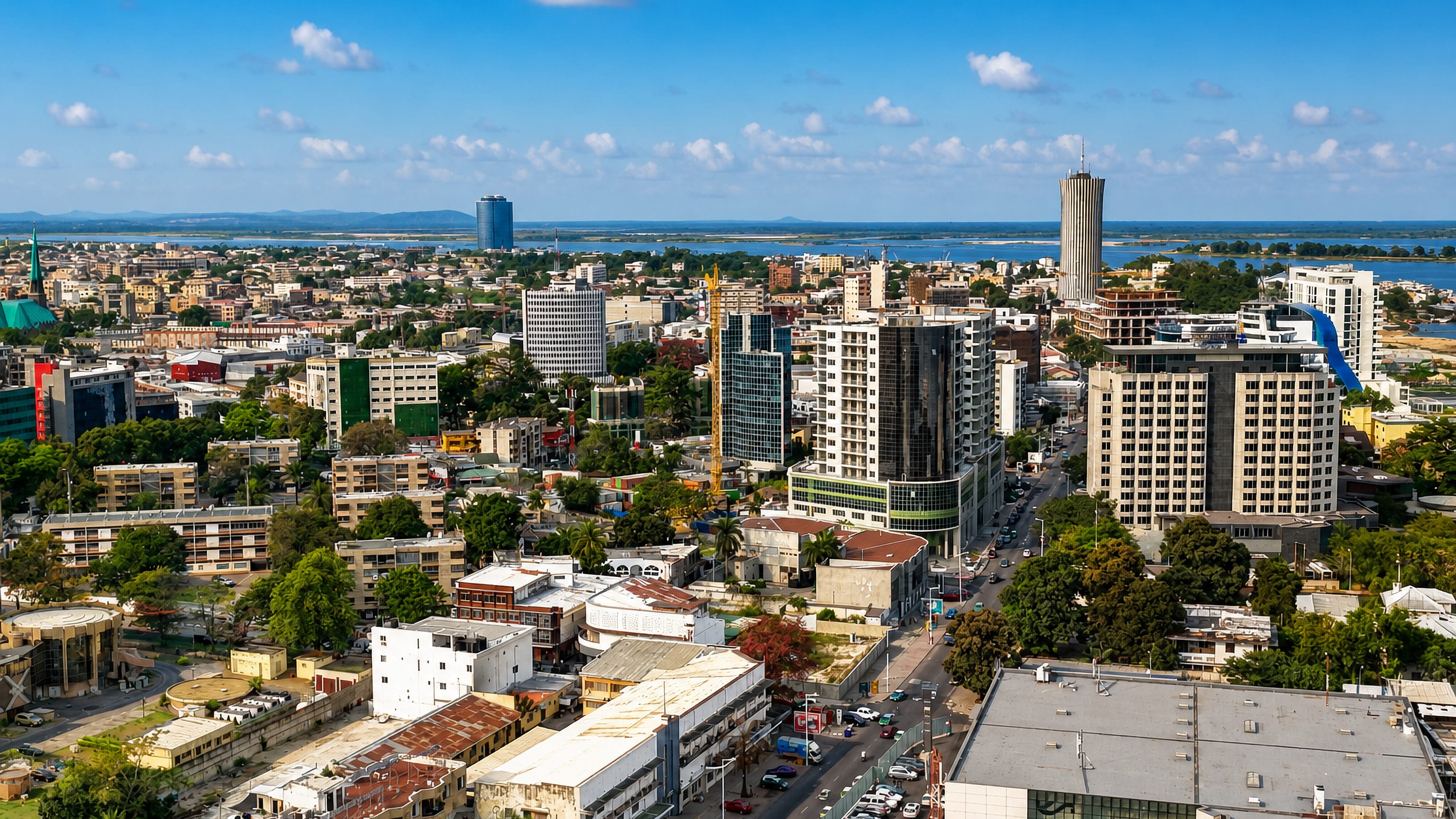
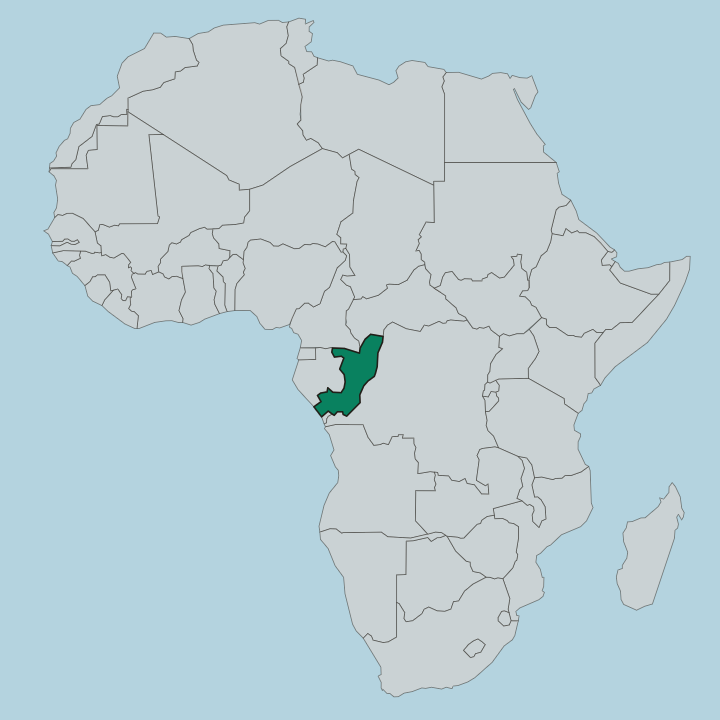
Brazzaville department is the capital department of the Republic of the Congo, north of the Congo River and facing Kinshasa.
Hotel links are affiliate links: booking through them may earn us a commission, at no extra cost to you. It never affects how places are ranked. How this works


Towns & cities in Brazzaville department
One town here has its own guide — it links to where to stay.
 Republic of the Congo

Brazzaville
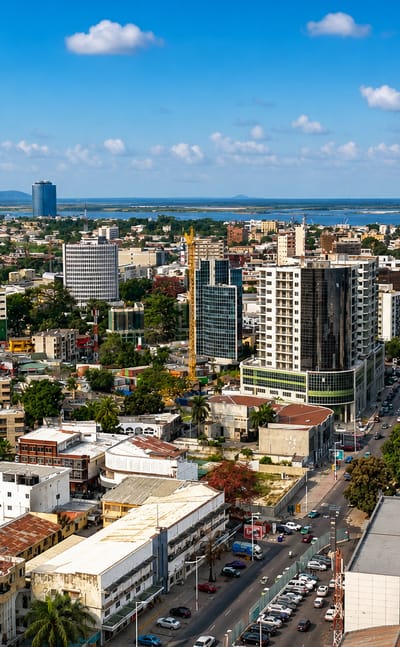
The Congo River curves past Brazzaville, capital of the Republic of the Congo, a river city facing Kinshasa across the water and founded in 1880.Where to stay →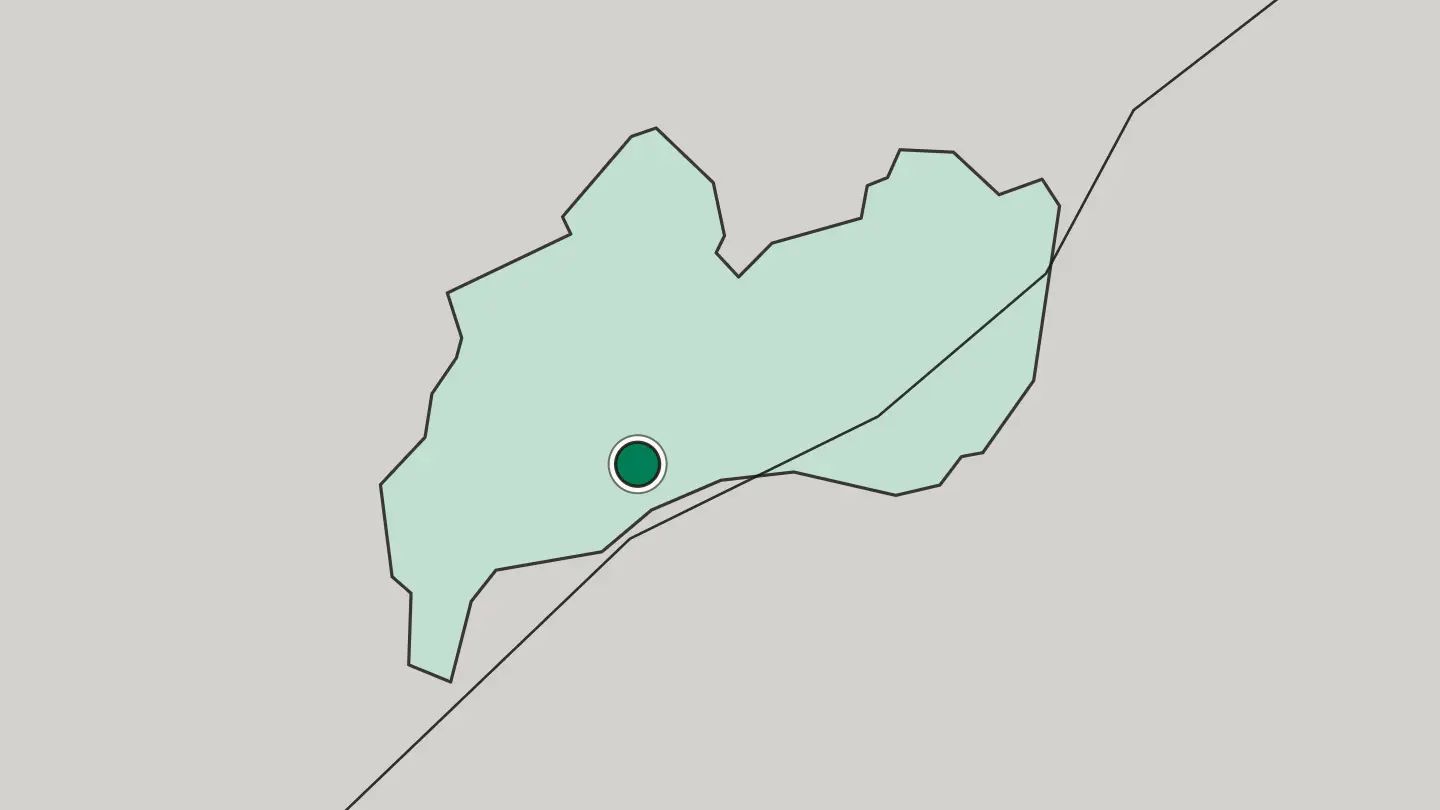
Hotel links are affiliate links: booking through them may earn us a commission, at no extra cost to you. It never affects how places are ranked. How this works
About Brazzaville department
What is Brazzaville department known for?
UNESCO named Brazzaville a City of Music in 2013, and the department has carried that title since. Music is the calling card. The World Health Organization runs its regional office for Africa from the capital, which also holds the Nabemba Tower, the Congressional Palace, and the Pierre Savorgnan de Brazza Mausoleum.
Beyond the offices and monuments, this is the department from which the Republic of the Congo is governed.
Where is Brazzaville department?
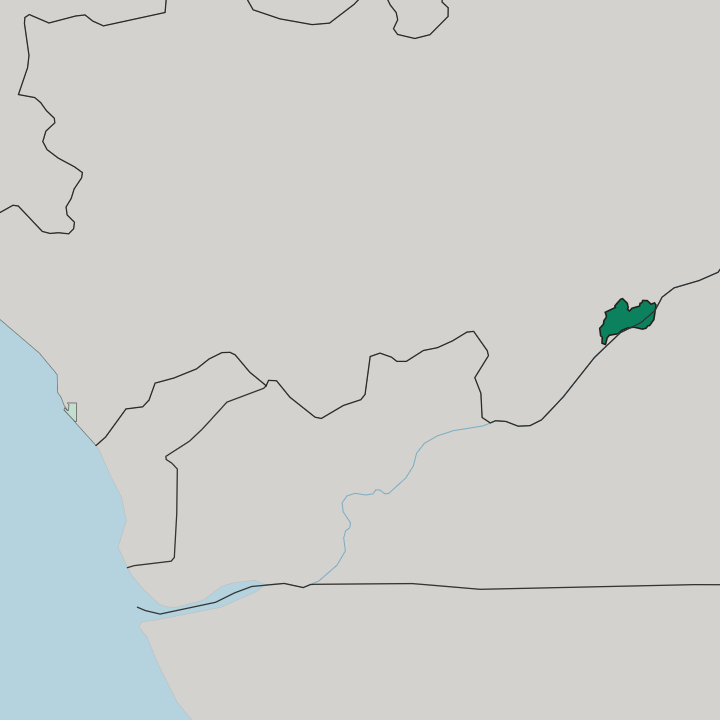
Brazzaville department holds the north bank of the Congo River at the point the water widens into Pool Malebo. The ground is flat. Plains open out beyond the built-up area, and Mbamu, the large island lying inside the Pool, belongs to the Republic of the Congo rather than to the country on the far shore.
Kinshasa stands directly opposite. Nowhere else on earth did two national capitals grow on facing banks of one river, close enough to see each other across the current. Downstream the Congo breaks into the rapids of Livingstone Falls, and the Djoué River comes in at the edge of the built-up area, which is why no vessel can work its way up from the Atlantic Ocean to this point.
The rapids fixed the limit of navigation. Boundaries have moved twice: the district of Ile Mbamou came into the department in 2011, and the commune of Kintélé transferred from Pool Department in 2024. The department also lends its name to a conservation pact reaching far past its own edges.
Under the Brazzaville Declaration of 2018, the Republic of the Congo, the Democratic Republic of the Congo, and Indonesia undertook to protect the Cuvette Centrale, the swamp-forest peatland of the Congo Basin that carries the largest store of terrestrial organic carbon on the planet.
What is Brazzaville department like?
French is the working language of Brazzaville department, yet older names for this reach of river survive in Kongo and in the Teke languages: Ntamo, Kintamo, Tandala, and Mavula in the one, Mfaa and Mfoa in the other. The names outlasted the kingdoms. Visitors are pointed toward the Poto-Poto School of Painting and the Brazzaville Zoo, and toward the Marien Ngouabi Mausoleum, which commemorates the head of state the university is named for.
Roger Erell designed a house in the city for Charles de Gaulle while he led Free France from here. Municipal building came in a burst between 1910 and 1915, when a courthouse and headquarters for the Institut Pasteur went up in the European centre. Faith is plural.
Catholic practice spread widely under French rule, and the Basilica of Sainte-Anne-du-Congo, the Evangelical Church of Congo, the Assemblies of God, and the Greek Orthodox Archdiocese of Brazzaville and Gabon all keep congregations in the department. Marien Ngouabi University opened in 1971, after independence, and remains the public university here; the Lycée Français Saint-Exupéry de Brazzaville and the American International School of Brazzaville teach to foreign programmes instead.
What is the history of Brazzaville department?
Two trading centres, Mfwa and Mpila, held this bank under the Tio Kingdom before any European claim. Both names survive. Pierre Savorgnan de Brazza founded the settlement on the Bateke village of Ncuna in 1880, after the Tio king Iloo I signed a treaty of protection that placed his lands under France.
Free France governed from here between 1940 and 1943, and the Brazzaville Declaration of 1944 reset the terms between France and its African colonies. The department itself came later, in 2003, when the city was raised to departmental rank.
What is the climate of Brazzaville department?
Rain governs the calendar in Brazzaville department. The wet season runs from October to May, longer than the dry months that follow it, and the equator sitting to the north means the driest stretch opens around the June solstice rather than in December. July and August pass with no significant rain.
Temperatures hold close to steady from one month to the next, so the year is measured by water rather than by heat.
How do you get to Brazzaville department?
Maya-Maya Airport sits in the middle of the capital, with flights to Pointe-Noire and on to Africa, Europe, and the Middle East. Ferries and fast private boats carry most traffic over to Kinshasa, and a twice-weekly flight covers the same crossing in five minutes. River services also reach Bangui by way of Impfondo.
From the station in the city the Congo-Ocean Railway sends La Gazelle down to the Atlantic port of Pointe-Noire every other day, a portage line built because Livingstone Falls block the river route to the coast. Buses here are privately owned.
Another region in Republic of the Congo
Updated September 2026