
Republic of the Congo
Pointe-Noire, Republic of the Congo — Towns & Travel Guide
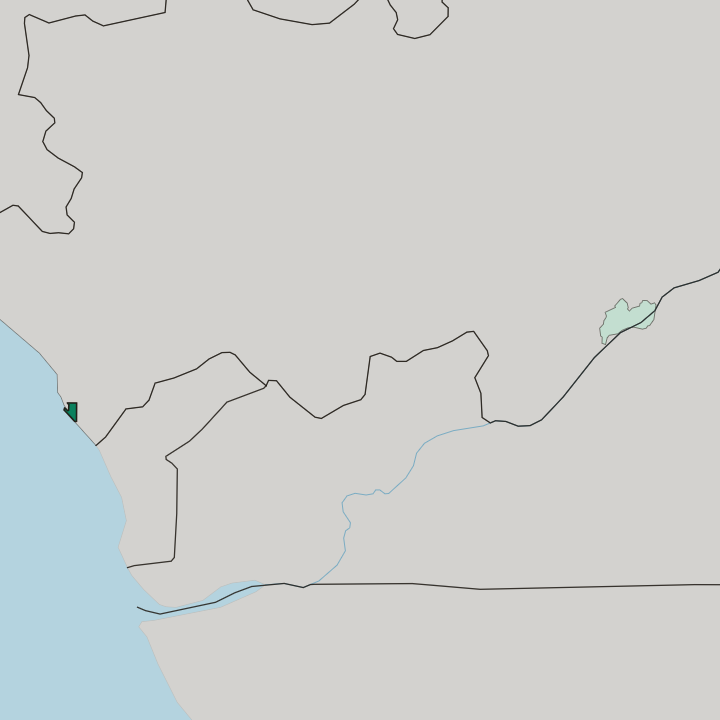
Pointe-Noire is an autonomous department of the Republic of the Congo, a sea port on the headland between Pointe-Noire Bay and the Atlantic Ocean.
Hotel links are affiliate links: booking through them may earn us a commission, at no extra cost to you. It never affects how places are ranked. How this works


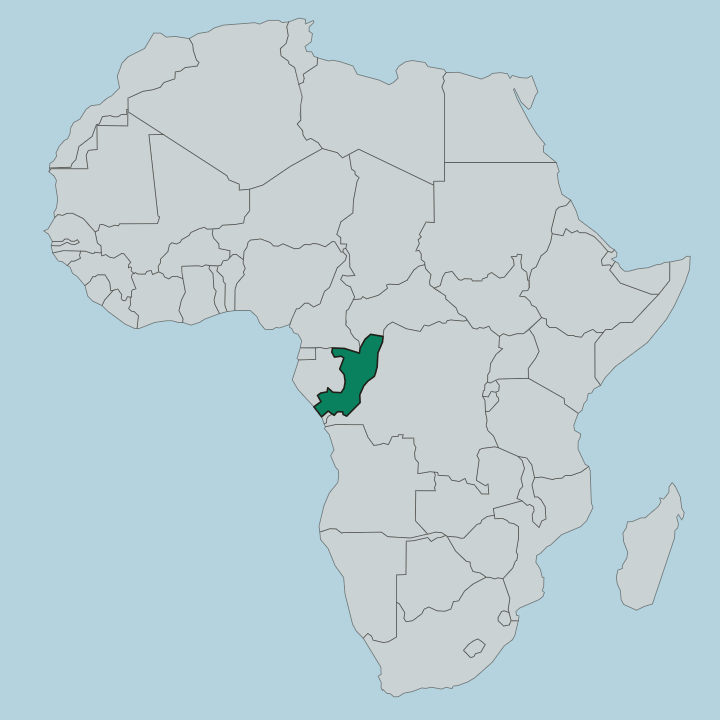
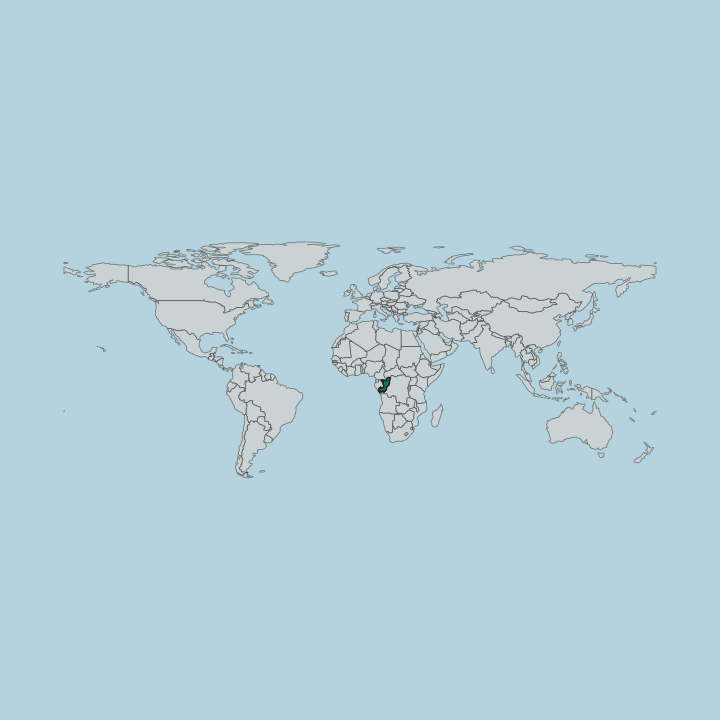
Towns & cities in Pointe-Noire
One town here has its own guide — it links to where to stay.

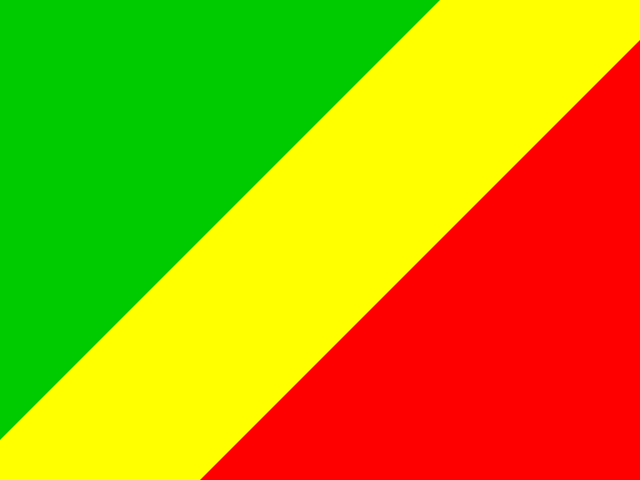 Republic of the Congo
Pointe-Noire
Pointe-Noire is a city of the Republic of the Congo on the Atlantic, the country's port and oil town, at the end of the old railway from Brazzaville.Where to stay →
Hotel links are affiliate links: booking through them may earn us a commission, at no extra cost to you. It never affects how places are ranked. How this works
About Pointe-Noire
What is Pointe-Noire known for?
Pointe-Noire carries two roles at once: the Republic of the Congo's second largest city and, since the 2002 constitution, an autonomous department and commune in its own right. Tourists come too. Its sea port handles the country's trade, and the strongly French feel that the colonial past left behind is sustained by a large French expatriate presence on the Atlantic Ocean shore.
Where is Pointe-Noire?
A headland carries the town. Pointe-Noire stands on that spur, with Pointe-Noire Bay on one flank and the open Atlantic Ocean on the other, and the department takes both its name and its outline from the same piece of coast. The ocean side is exposed.
Sheltered water on the bay side is what let a deep-water sea port work here at all, and the contrast between the two shores is the first thing that reads on the ground. The name travels: it belongs to the bay, to the second largest city of the Republic of the Congo, and to the autonomous department that the 2002 constitution created around them. Kouilou is the older frame.
Before that constitutional change Pointe-Noire served as the capital of the Kouilou region, and the inland ground beyond the port still belongs to that country rather than to the coast. The border with Angola lies near. Tropical and ocean-exposed, this corner of the Republic of the Congo takes its weather and much of its living from the Atlantic Ocean, which is also why the sea port rather than the interior sets the terms.
Rain marks the year, not frost.
What is Pointe-Noire like?
The French feel is immediate. Two things produce it: a colonial past that shaped the fabric of the streets and the institutions, and a large standing community of French expatriates who live and work in the town alongside the visitors who pass through. Neither is a museum piece.
The expatriate presence is tied to the sea port and to the department's standing as the main economic centre of the Republic of the Congo, which keeps the exchange current rather than historical. Visitors arriving by sea or by air meet the same register, so the atmosphere reads as continuous rather than staged for arrivals. Status feeds the identity too.
Since the 2002 constitution Pointe-Noire has been an autonomous department and a commune, a change that gave the town its own administrative standing instead of the role of capital of the Kouilou region. Trade points the town outward. Being the main economic centre of the Republic of the Congo as well as its second largest city gives Pointe-Noire a self-image distinct from the capital's, and the French-inflected daily life of the place is part of what that distinctness rests on.
What is the history of Pointe-Noire?
Colonial history set the tone. The very French feel that visitors report is credited to that past, and it is kept alive by the large French expatriate community and by the tourists who follow them to the Atlantic Ocean shore. Administration changed later.
Pointe-Noire had been the capital of the Kouilou region, and the 2002 constitution turned it instead into an autonomous department and a commune, giving the second largest city of the Republic of the Congo a frame of its own.
What is the climate of Pointe-Noire?
The Atlantic Ocean moderates everything. Exposure on the headland keeps the heat of Pointe-Noire from running away, and the water off Pointe-Noire Bay does more to set the daily range than the tropical position of the department does. Humidity stays high.
Seasons read as wetter and drier rather than as warm and cold, which is the pattern the tropics impose on this stretch of the Republic of the Congo's coast.
How do you get to Pointe-Noire?
Most arrivals come by water. Pointe-Noire works as a major sea port for the Republic of the Congo, which is why the department's traffic converges on the headland between Pointe-Noire Bay and the open Atlantic Ocean. Land routes run inland.
The department lies near the border with Angola and adjoins the Kouilou country it once governed, which frames the overland approaches to the town.
Common questions
What is the best area to stay in Pointe-Noire?
The headland town: Arrivals working through the Republic of the Congo's main sea port. The Pointe-Noire Bay flank: Rooms turned toward Pointe-Noire Bay rather than the open Atlantic Ocean.
Another region in Republic of the Congo
Updated September 2026