Switzerland · Kanton Basel-Stadt
Where to Stay in Basel, Kanton Basel-Stadt
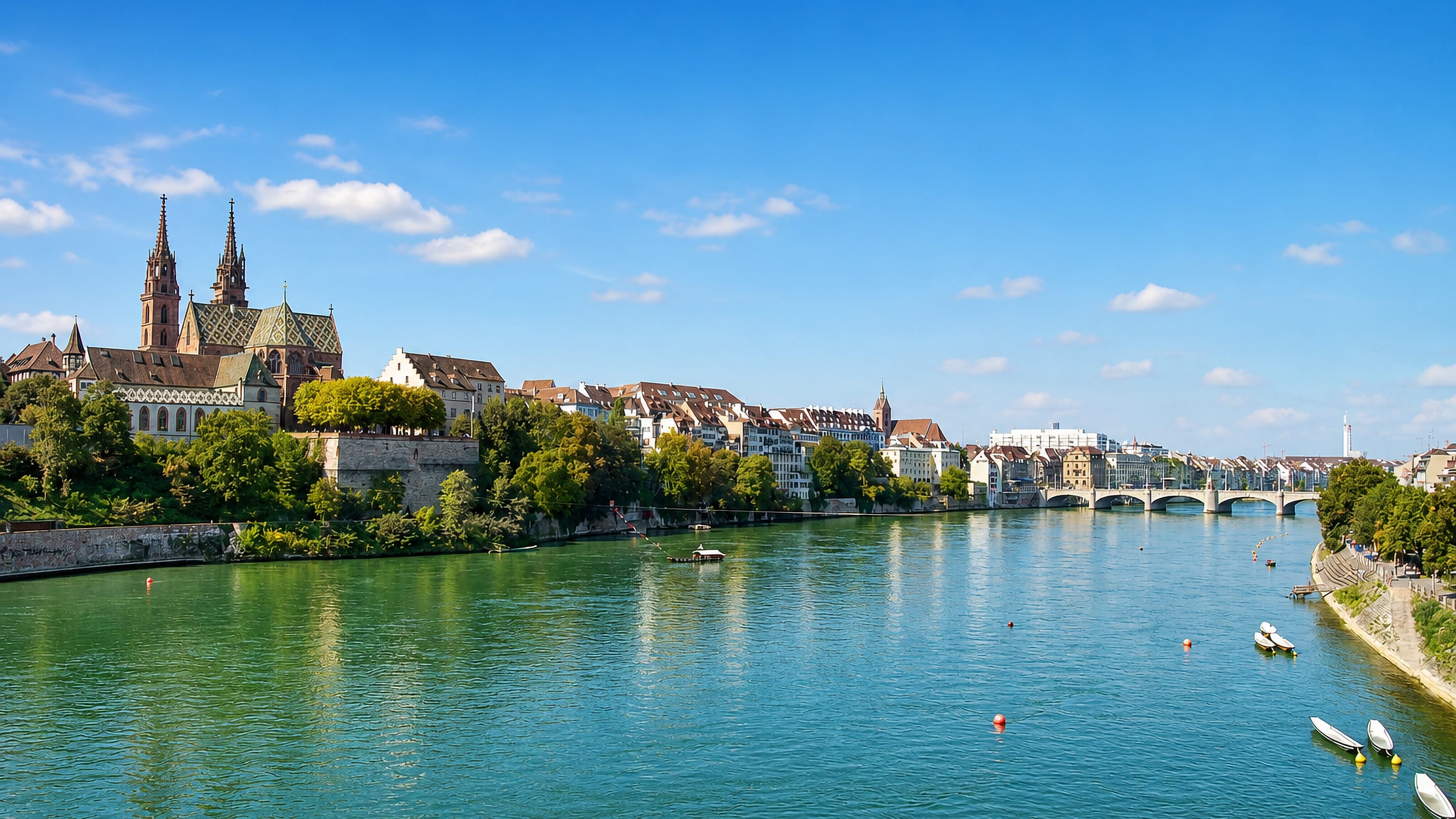
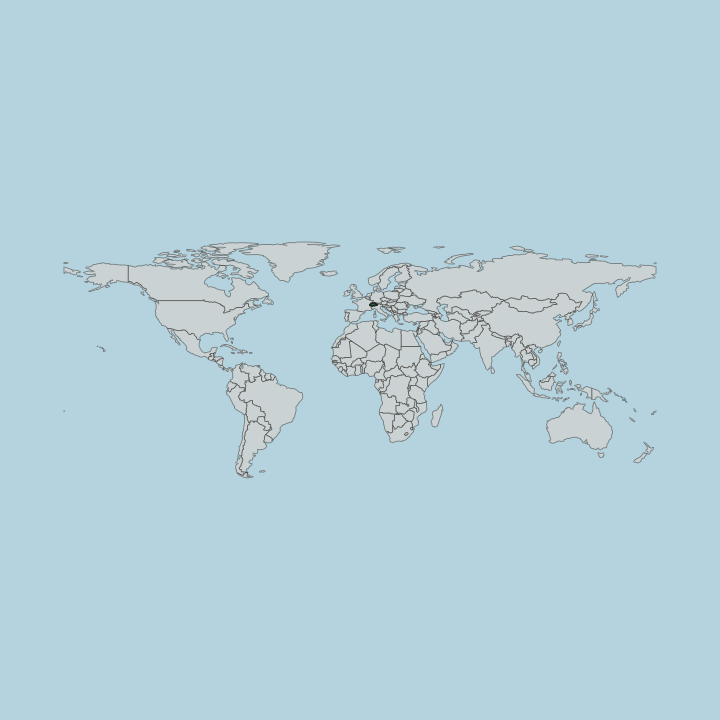
The Rhine turns north at Basel, a city on Switzerland's border in Kanton Basel-Stadt, known for the Basel Minster and its museums.
Hotel links are affiliate links: booking through them may earn us a commission, at no extra cost to you. It never affects how places are ranked. How this works


Where to stay in Basel
The right area depends on your trip — here's what each neighbourhood is best for.

 BaselSwitzerland
Iselin
Iselin is a Basel quarter of just over a square kilometre, marked by the Antoniuskirche, the Johanneskirche and the Anatomical Museum Basel.Where to stay →BaselSwitzerlandGrossbasel
Grossbasel is the Basel quarter of the Basel Minster, the Kunsthalle and a museum row running from ancient art to pharmacy history.Where to stay →BaselSwitzerlandBachletten
Bachletten is a Basel quarter whose landmarks run to the Allerheiligenkirche, the Monteverdi-Automuseum and two early medieval cemeteries.Where to stay →BaselSwitzerlandVorstädte
Vorstädte is the Basel quarter of the Kunstmuseum, the Elisabethenkirche and three surviving town gates, under a square kilometre in all.Where to stay → BaselSwitzerland
Gundeldingen
Schlösschen Gundeldingen and the Zwinglihaus Basel stand in Gundeldingen, a Basel district laid over Bronze Age and Roman ground.Where to stay → BaselSwitzerland
Klybeck
St. Joseph's Church and the Pförtnerhaus Aktienmühle mark Klybeck, a Basel district with the Celtic settlement site at Gasfabrik inside it.Where to stay →BaselSwitzerlandKleinbasel
Kleinbasel is a district of Basel holding the Theodorskirche, Museum Klingental, the Gate of Riehen and the Gate of Blaise.Where to stay →BaselSwitzerlandSt. Alban
St. Alban is the Basel district of the Kunsthaus Baselland, the Gellertkirche and the Tram-Museum Basel.Where to stay → BaselSwitzerland
Kleinhüningen
Kleinhüningen is the Basel quarter of the Dreiländereck and the Hafenmuseum Basel, on the Rhine at the edge of the city.Where to stay →BaselSwitzerlandHirzbrunnen
Hirzbrunnen holds Museum Tinguely, the Tierpark Lange Erlen and the Eglisee across three square kilometres of Basel.Where to stay →Hotel links are affiliate links: booking through them may earn us a commission, at no extra cost to you. It never affects how places are ranked. How this works
Find hotels in Basel
Direct booking searches for these neighbourhoods.
Around the Basel Minster
The old core holds the Basel Minster, the Skulpturhalle Basel and the Basel Museum of Ancient Art and Ludwig Collection inside one walk.Find hotels in Around the Basel MinsterA bed one street back from the Kunsthalle BaselBehind the Gate of Spalen
The Pharmaziemuseum Universität Basel sits behind the old gate, one remove from the visitor line through the Minster streets.Find hotels in Behind the Gate of SpalenQuiet nights near the Museum of Contemporary ArtSaint Alban
The Basel Paper Mill and the Gate of Saint Alban give this quarter both its name and its pace.Find hotels in Saint AlbanSpace, the Rhine and the Museum TinguelyToward the Dreiländereck
The city gives out toward the border corner at the Dreiländereck, where the river replaces the museum grid.Find hotels in Toward the DreiländereckHotel links are affiliate links: booking through them may earn us a commission, at no extra cost to you. It never affects how places are ranked. How this works
Things to do in Basel
Ranked by global recognition; descriptions from Wikidata (CC0).
Museums & Galleries
7- Kunstmuseum Basel Heritage
- Museum Tinguely Heritage
- Schaulager Heritage
- Kunsthalle Basel Heritage
- Basel Museum of Ancient Art and Ludwig Collection Heritage
Show 2 more →
- Museum Klingental Heritage
- Kunsthaus Baselland Heritage
Churches & Religious Sites
8- Basel Minster Heritage
- Elisabethenkirche Heritage
- St. Paul's Church Heritage
- Antoniuskirche, Basel Heritage
- Church of Saint Leonard Heritage
Show 3 more →
- Theodorskirche Heritage
- St. Matthew church Heritage
- catholic church St. Clara Heritage
Castles & Historic Sites
8- Strassburger Monument Heritage
- Schlösschen Gundeldingen Heritage
- Gasfabrik, keltische Siedlung Heritage
- Alamanni cemetery, Gotterbarmweg Heritage
- Alamanni cemetery, Kleinhüningen Heritage
Show 3 more →
- Early Latène grave Heritage
- Early Latène graves Heritage
- Early Medieval cemetery (slab graves) Heritage
Stadiums & Sports
1- St. Jakobshalle
Landmarks & Notable Places
3- Gate of Spalen
- Gate of Saint Alban
- Gate of Saint John
worth knowingacross 5 categories in Basel
About Basel
What is Basel known for?
Basel is known for the density of its museums and for the Basel Minster at the centre of the old town. Basel counts its museums by the dozen. Kunstmuseum Basel, the Kunsthalle Basel, and the Museum Tinguely sit within a single small city, alongside the Museum of Cultures and the Jewish Museum of Switzerland.
Three city gates survive. The Gate of Spalen, the Gate of Saint Alban, and the Gate of Saint John still stand, and the Basel Paper Mill carries the name of an older industry.
What are the main landmarks in Basel?
Basel's landmarks are its museums and the three gates left from its walls. Basel Minster anchors the old town, and the Kunstmuseum Basel, the Kunsthalle Basel, and the Swiss Architecture Museum hold the art between them. The Gate of Spalen, the Gate of Saint Alban, and the Gate of Saint John hold three edges of the old city, and the Dreiländereck marks the corner where the Swiss border gives way to France and Germany.
Elisabethenkirche and the Basel Zoo remain.
What is the history of Basel?
Basel's history is the history of a walled river city that turned into a canton of its own. Stone first, then paper. The Gate of Spalen, the Gate of Saint Alban, and the Gate of Saint John survive from the wall, and the Basel Minster stands inside the same defended ground.
Paper made the working city, and the Basel Paper Mill is the piece of that trade the city kept. A university grew alongside it, and the Pharmaziemuseum Universität Basel keeps its old apothecary collection, while the Jewish Museum of Switzerland sits in the same streets. Then the canton split.
Basel-Stadt kept the city and two more municipalities, Basel-Landschaft took the countryside, and the arrangement still leaves Basel the capital of a half-canton rather than a full one. What the city collected stayed: the Basel Historical Museum, the Museum of Cultures, and the Skulpturhalle Basel all came out of that long habit.
Where is Basel?
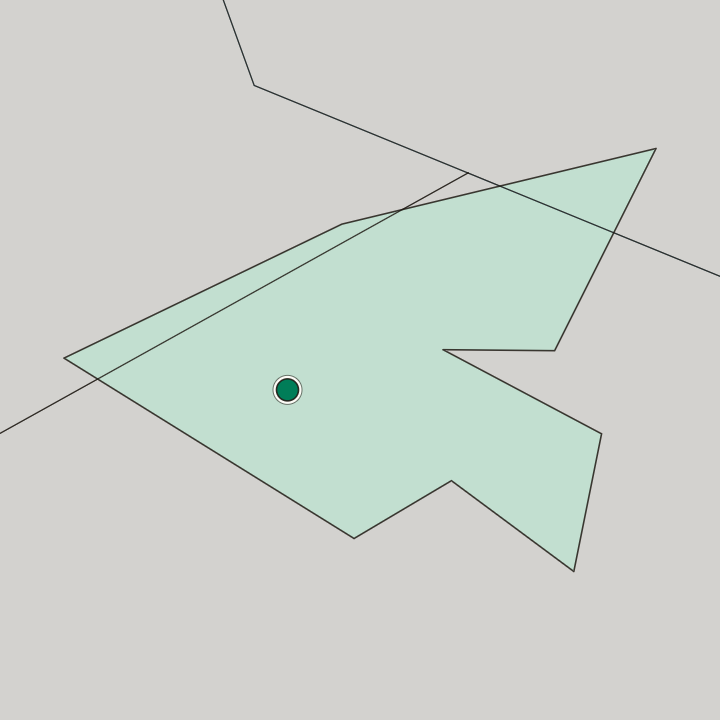
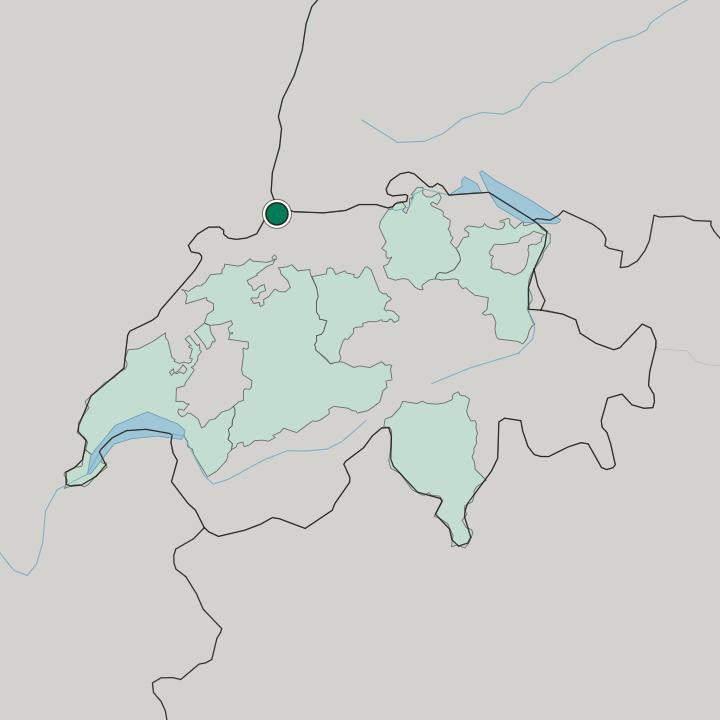
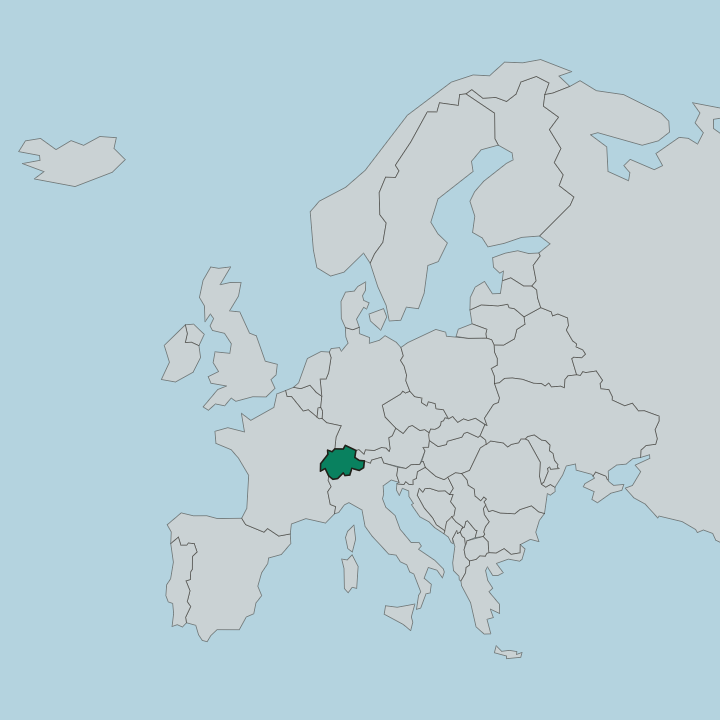
Basel sits on the Rhine at the northern corner of Switzerland, where the river turns away from the Swiss Plateau and runs on toward the sea. The border is everywhere here. The Dreiländereck marks the point at which Swiss ground gives out and France and Germany take over, and the city has grown up against that line rather than away from it.
Kanton Basel-Stadt is small, three municipalities and no more. The Jura ridges stand not far off, and the Swiss Plateau opens behind the city.
What is the climate of Basel?
The Rhine sets the terms of Basel's weather. Warm air runs up the valley between the Jura ridges and the ground beyond the border through summer, and the city keeps that heat longer than the higher Swiss ground to the south. Winters are grey.
Cloud settles along the Rhine in the cold months, and what snow falls rarely lasts on ground this low. Spring comes early to the plateau.
How do you get to Basel?
Basel is the first Swiss stop for anyone arriving from the north, and the border is the reason. Three countries share the approach. Roads and rail cross into Kanton Basel-Stadt from France and from Germany close to the Dreiländereck, so an arrival here often begins on the far side of a frontier.
Water is the older route. Barge and boat still reach the city along the Rhine, the same line that carried its trade before any of the crossings existed.
Common questions
What is the best area to stay in Basel?
Around the Basel Minster: Walking between Kunstmuseum Basel and the Basel Historical Museum. Behind the Gate of Spalen: A bed one street back from the Kunsthalle Basel. Saint Alban: Quiet nights near the Museum of Contemporary Art. Toward the Dreiländereck: Space, the Rhine and the Museum Tinguely.
Good for
Updated October 2026