Switzerland: Regions, Cities & Travel Guide
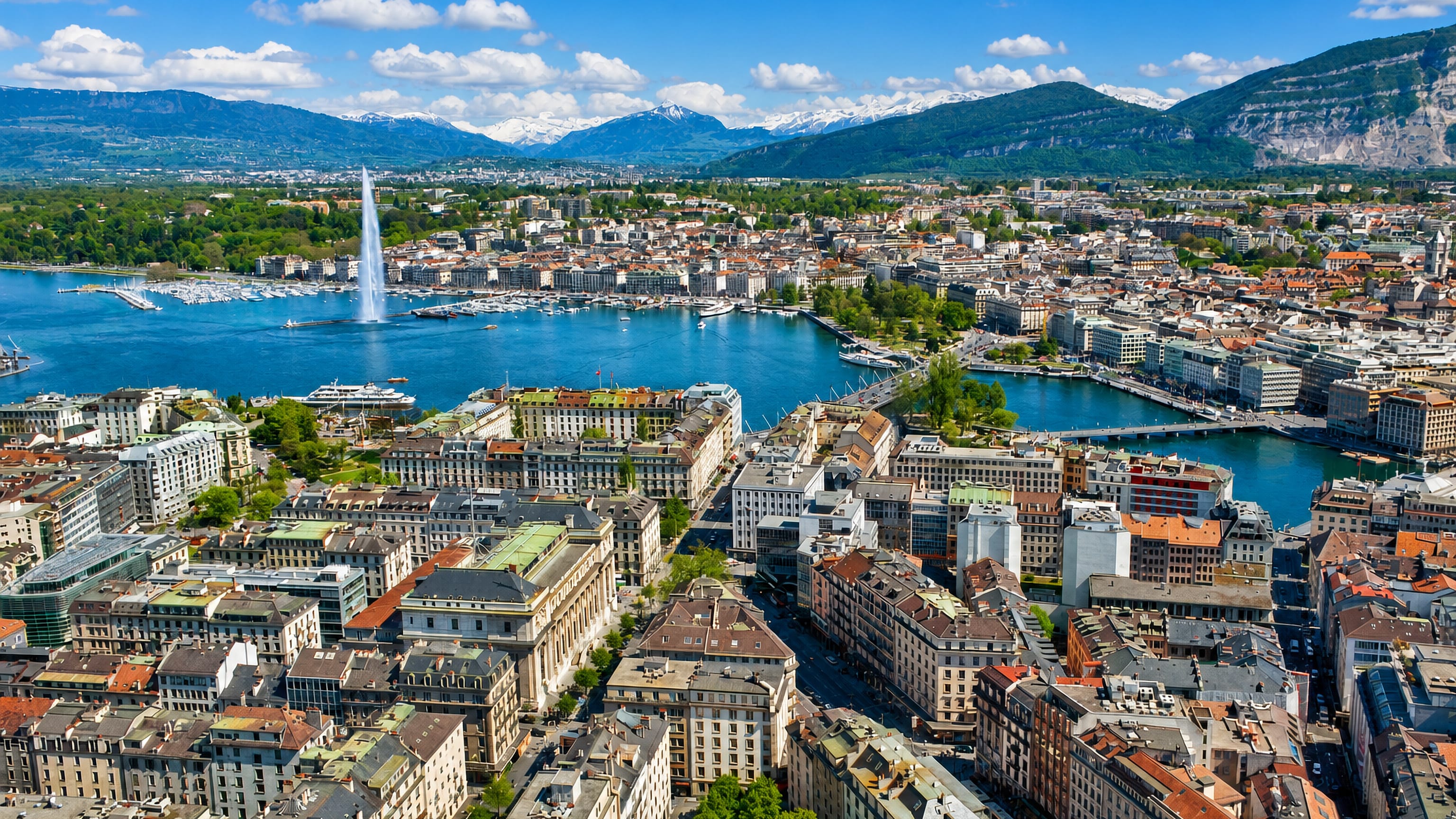
Switzerland is a landlocked Alpine country in the heart of Europe, split among the high Alps, the Swiss Plateau, and the Jura, with Bern its capital.
Hotel links are affiliate links: booking through them may earn us a commission, at no extra cost to you. It never affects how places are ranked. How this works


Top destinations in Switzerland
Cities to start from, then drill into areas and hotels.

 Switzerland
Geneva
Geneva sits where the Rhône leaves Lake Geneva, capital of the Canton de Genève and seat of the International Committee of the Red Cross.Where to stay →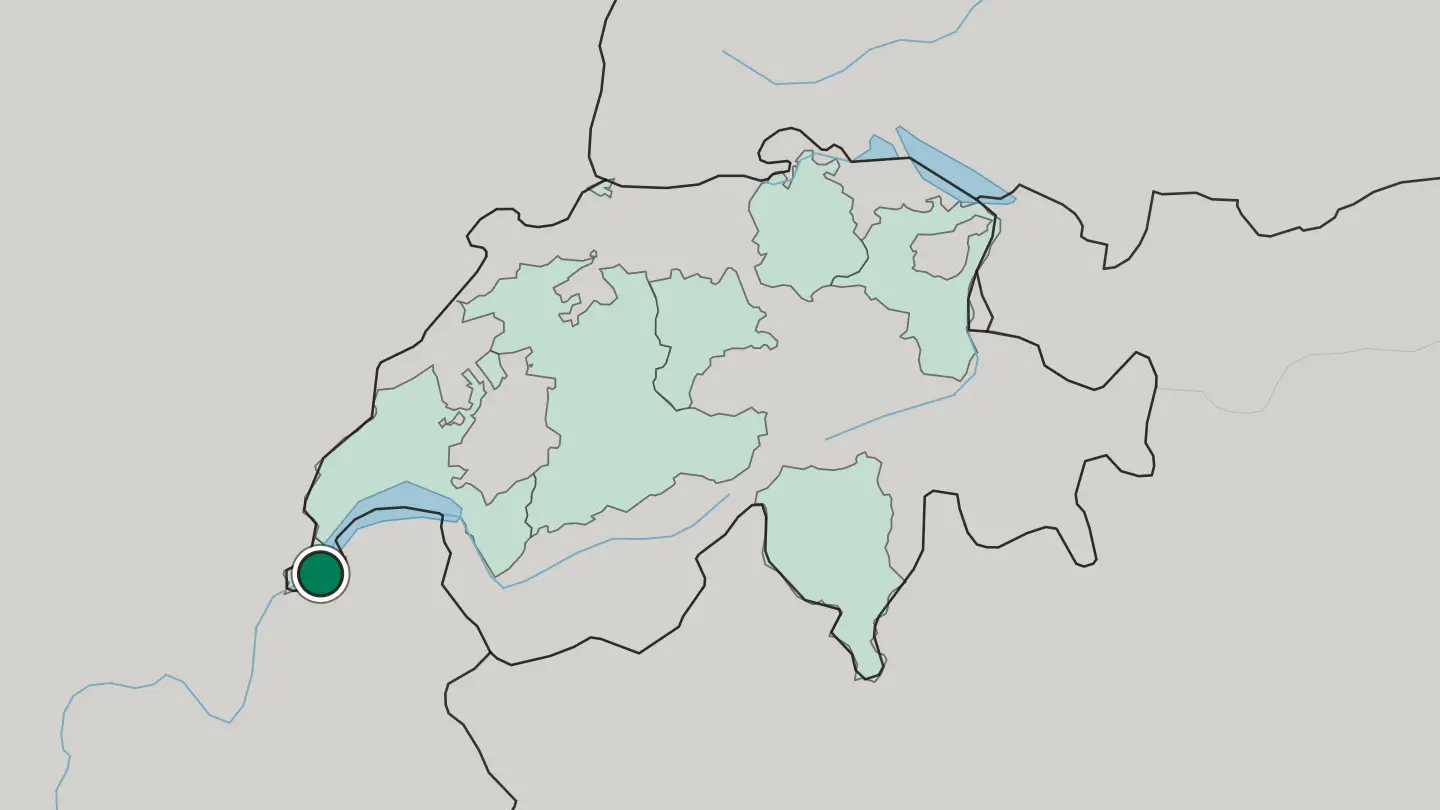
 Switzerland
Zürich
Lake Zurich narrows to its northwestern tip at Zürich, the largest city in Switzerland and the capital of Kanton Zürich, known for the Kunsthaus Zürich.Where to stay →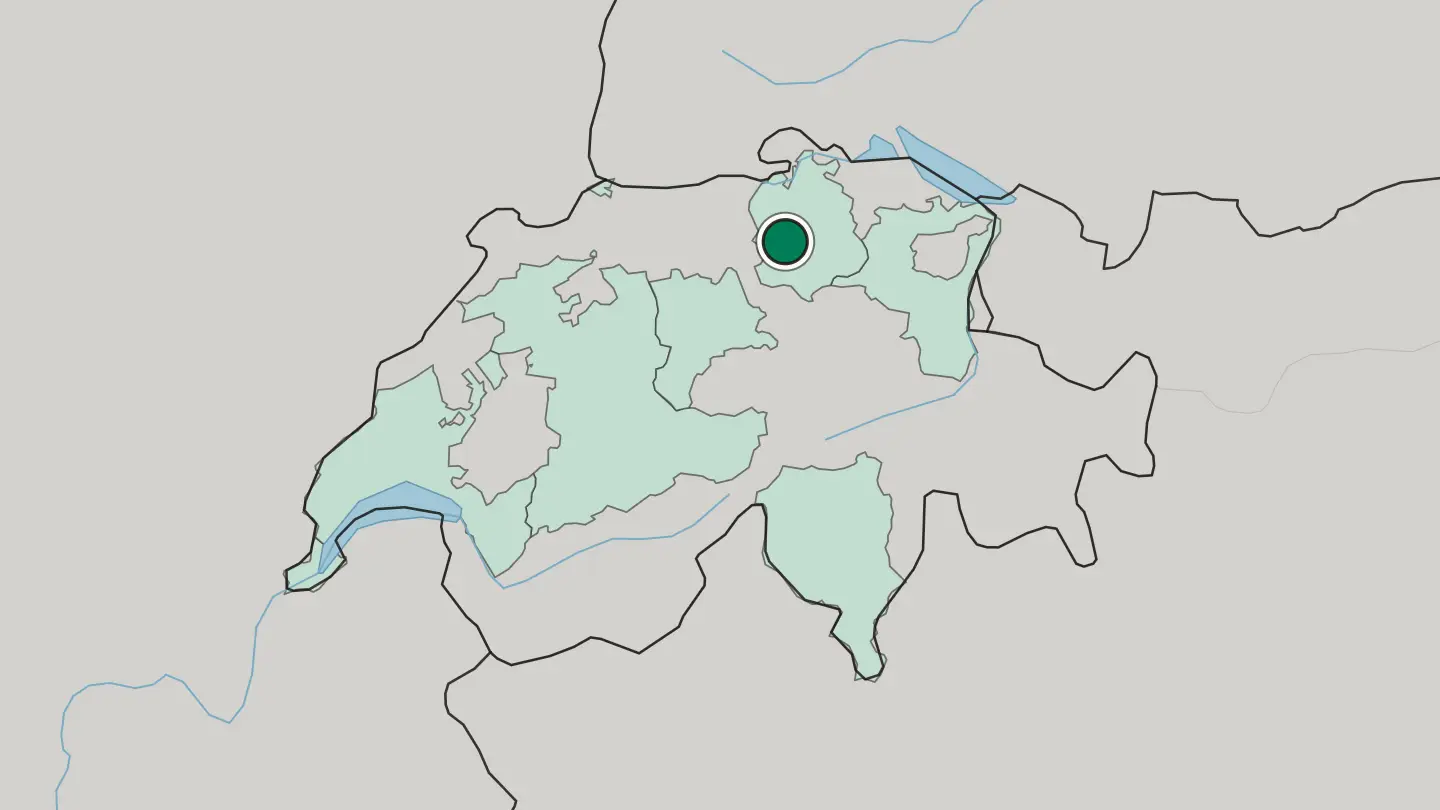
 Switzerland
Bern
Arcades run for kilometres through the old town of Bern, federal seat of Switzerland in Canton de Berne, founded above a bend of the Aare in 1191.Where to stay →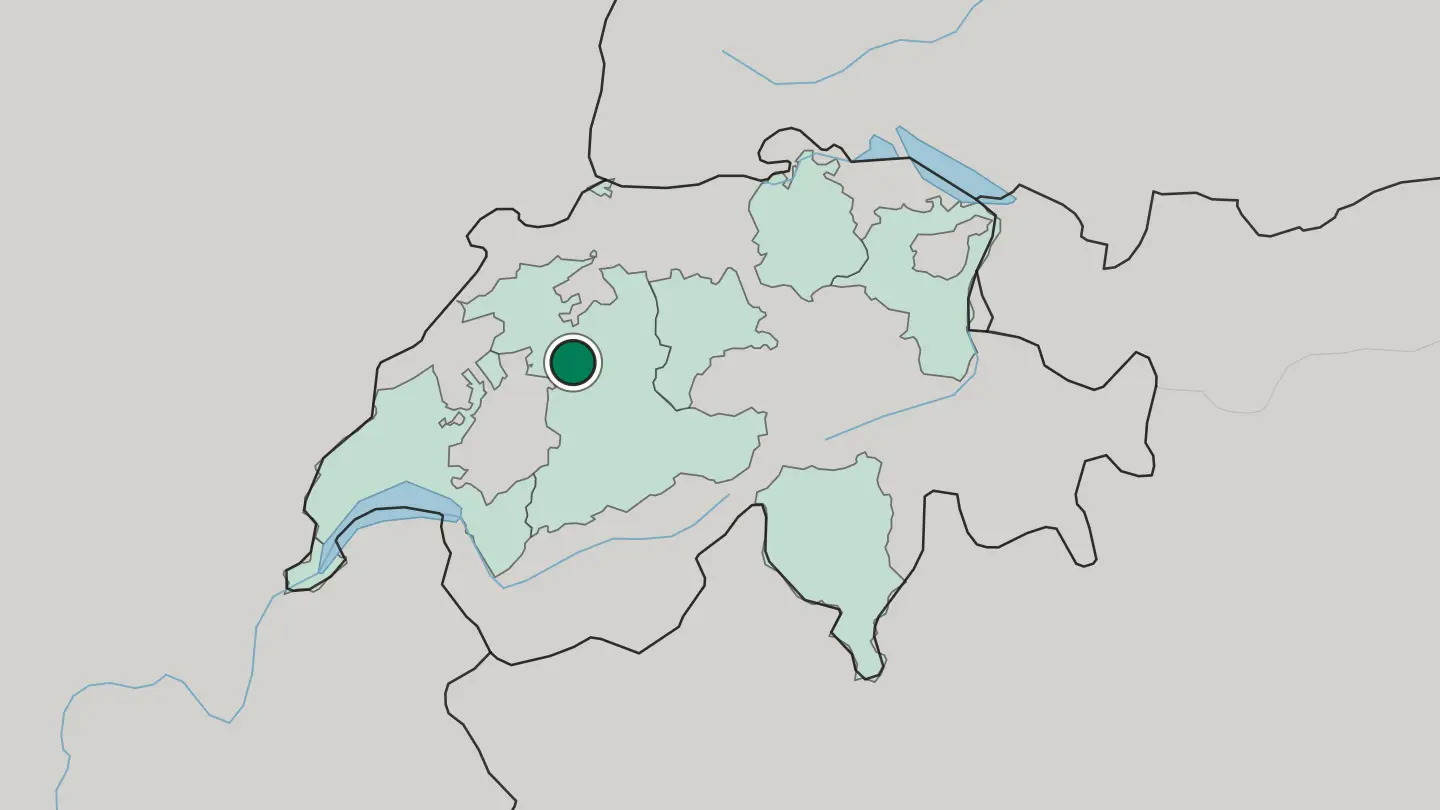
 Switzerland
Basel
The Rhine turns north at Basel, a city on Switzerland's border in Kanton Basel-Stadt, known for the Basel Minster and its museums.Where to stay →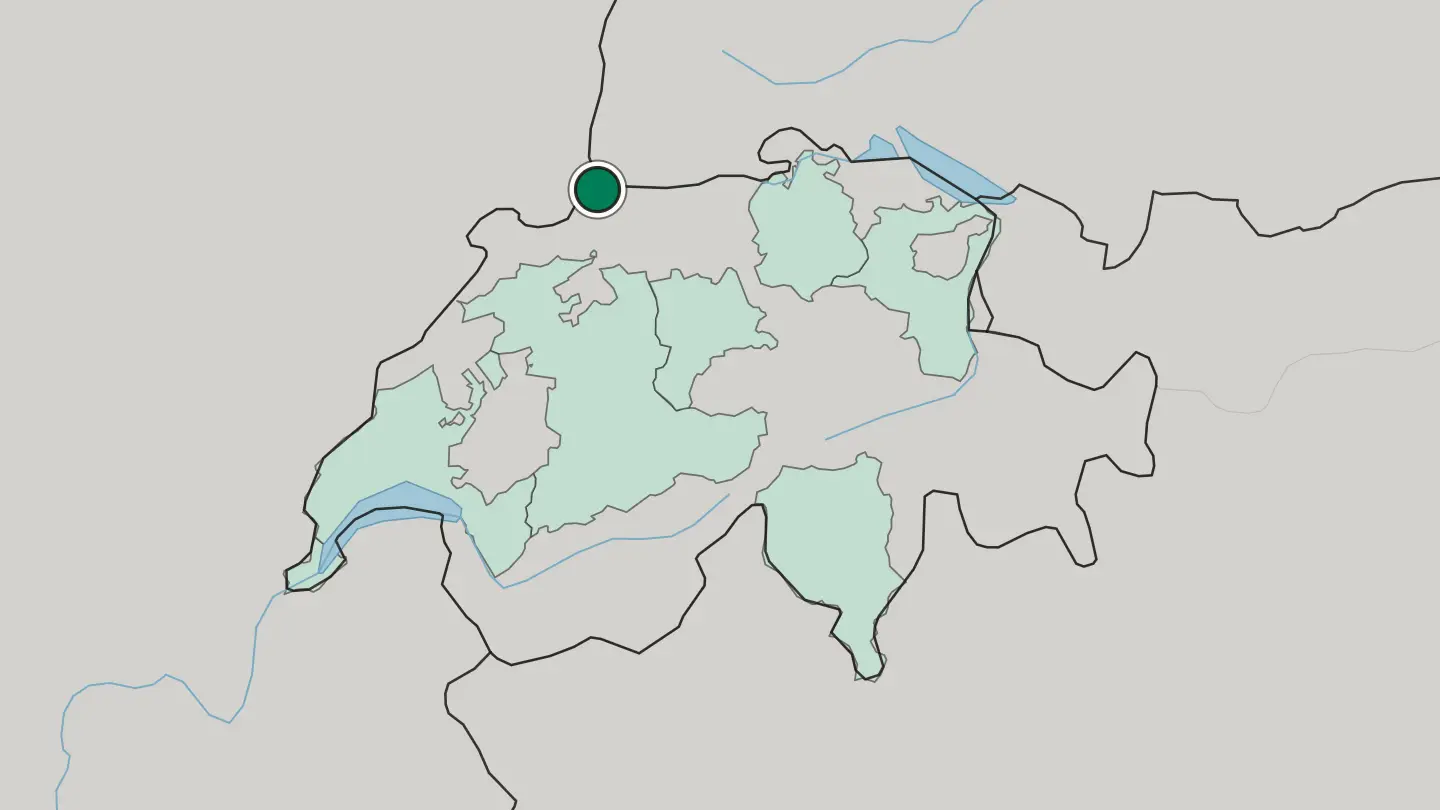
 Switzerland
Lausanne
Lausanne, capital of the Swiss canton of Vaud, rises from the shore of Lake Geneva between the Jura Mountains and the Alps.Where to stay →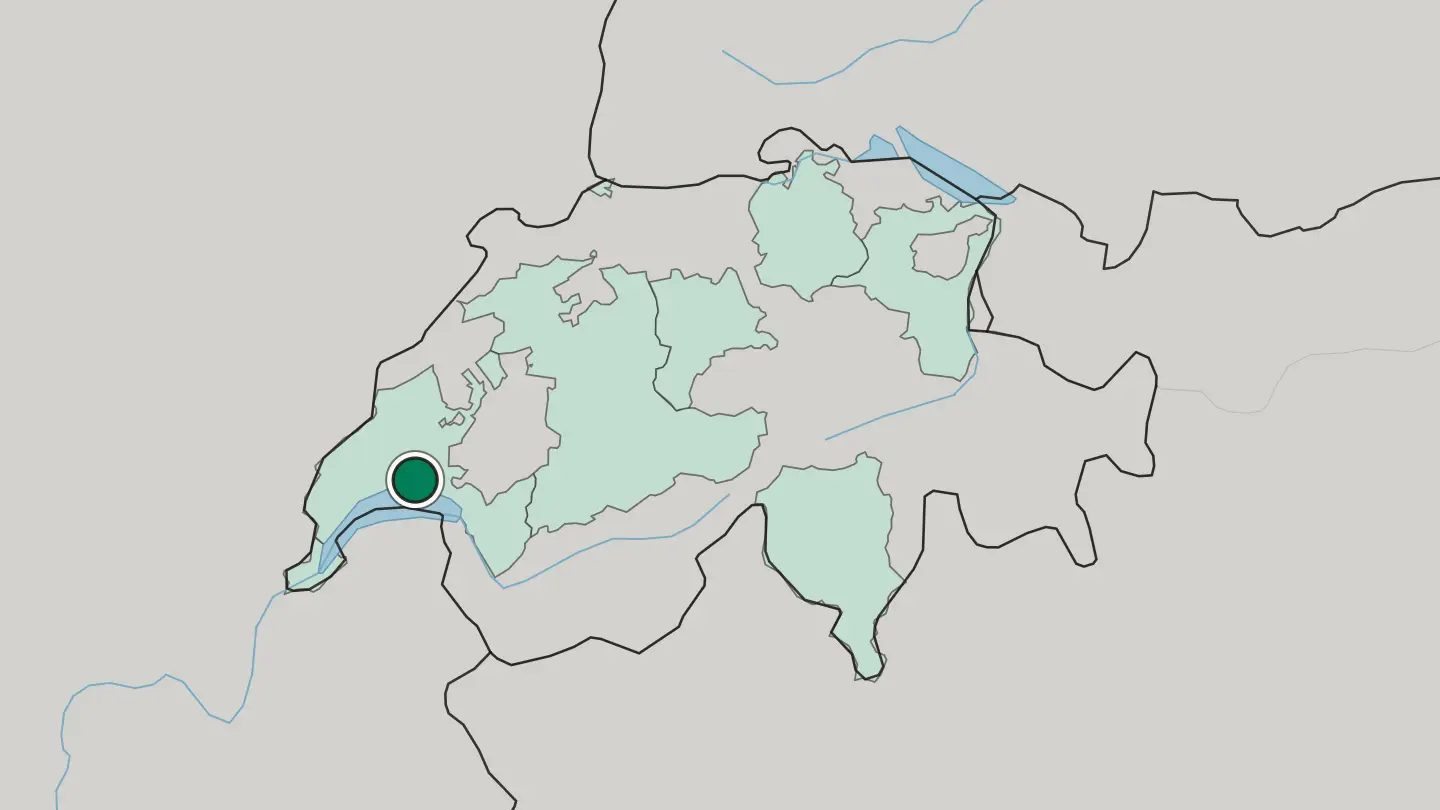
 Switzerland
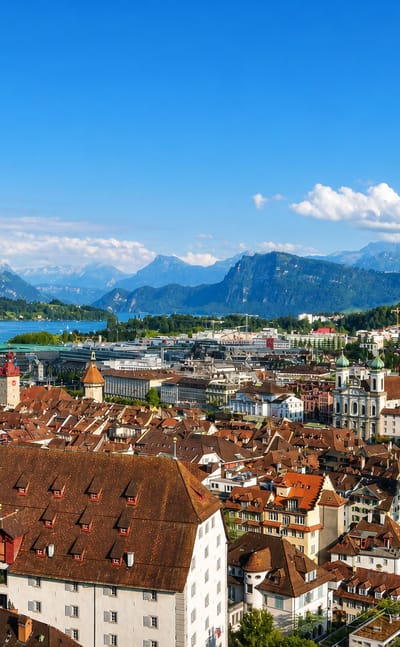
Luzern
Water and covered timber meet at Luzern, a lakeside city on Lake Lucerne in central Switzerland, known for the Chapel Bridge and the Lion Monument.Where to stay →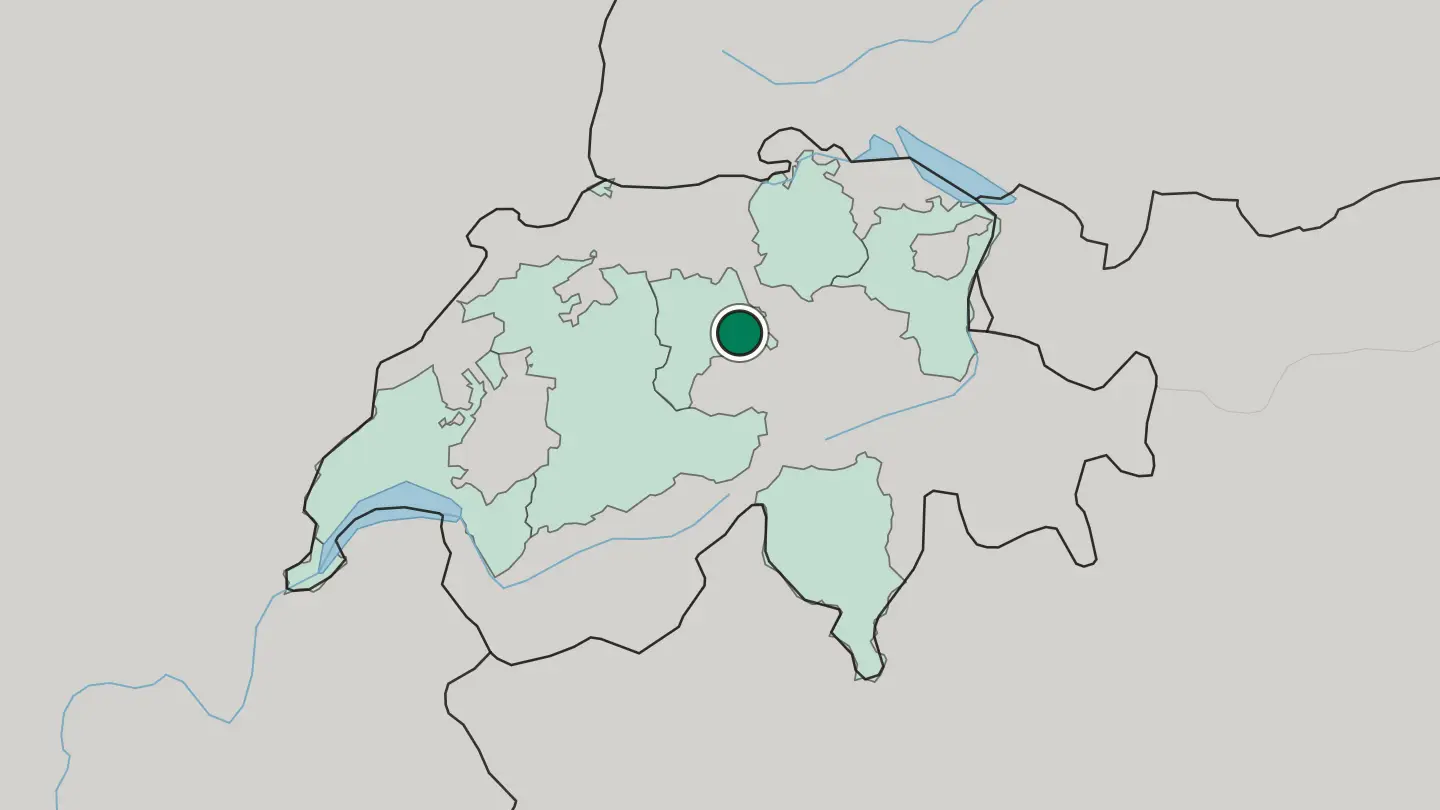
 Switzerland
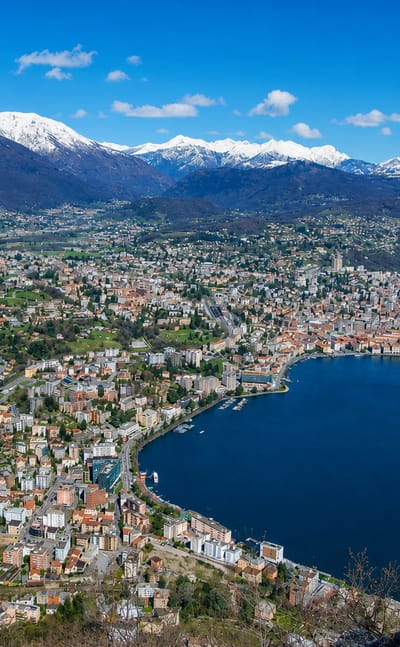
Lugano
Palms and pale stone edge the water at Lugano, the largest Italian-speaking city in southern Switzerland, set on Lake Lugano beneath Monte San Salvatore.Where to stay →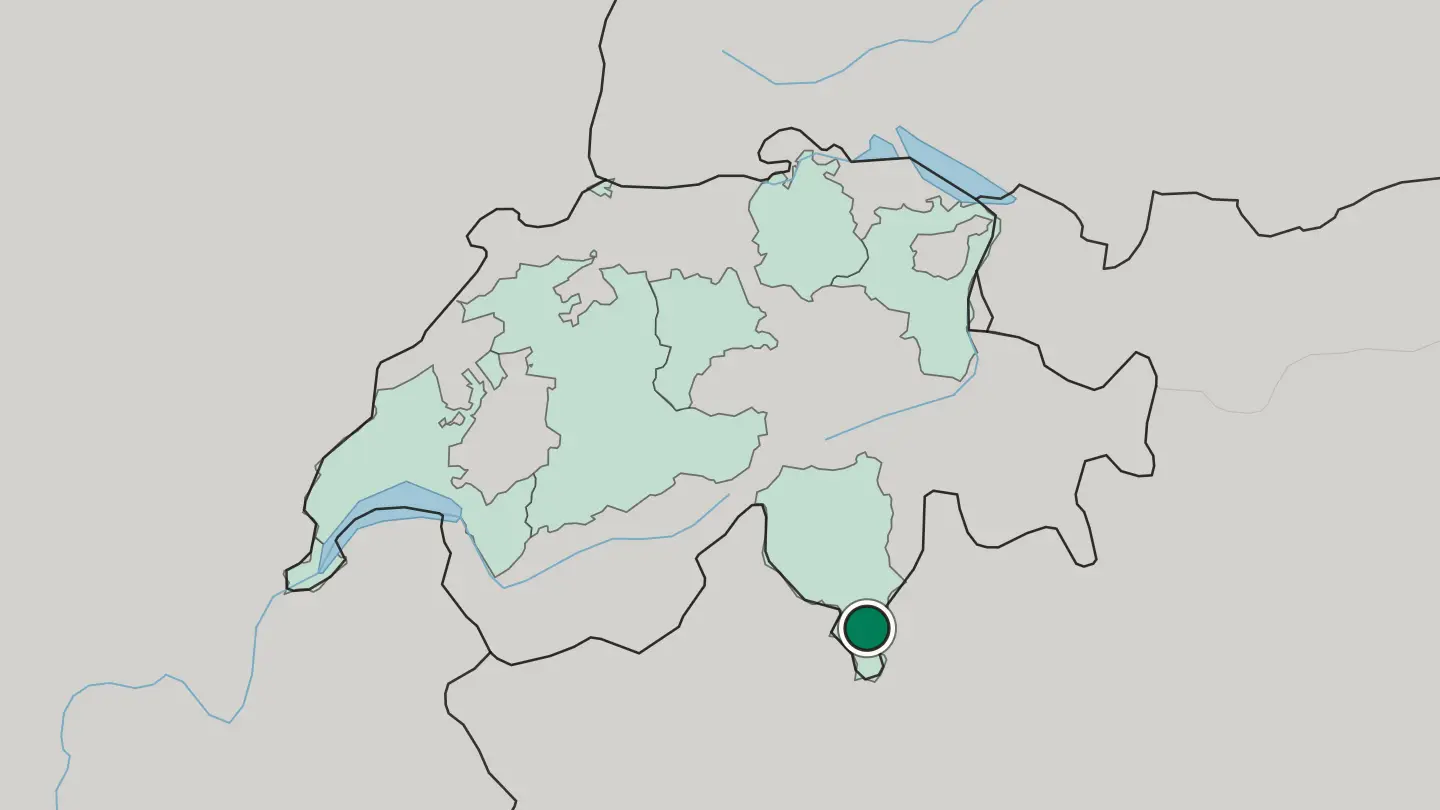 Switzerland
Sankt Gallen
Two Baroque towers rise over the Steinach valley at Sankt Gallen, a city in Kanton St. Gallen, Switzerland, known for its abbey library and its embroidery.Where to stay →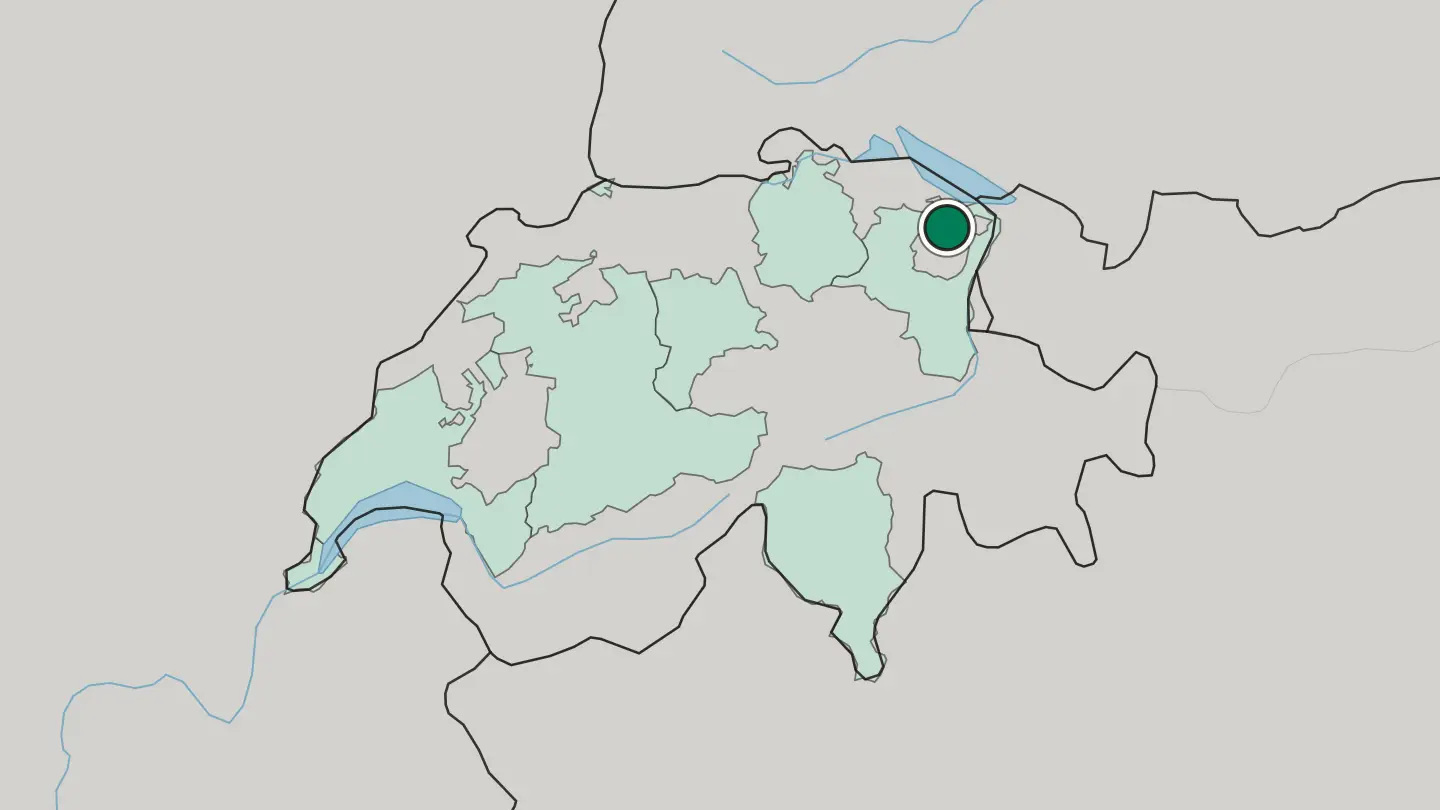
 Switzerland
Biel/Bienne
Biel/Bienne is a bilingual city on the northern edge of the canton of Bern, and one of the main centres of the Swiss watch industry.Where to stay →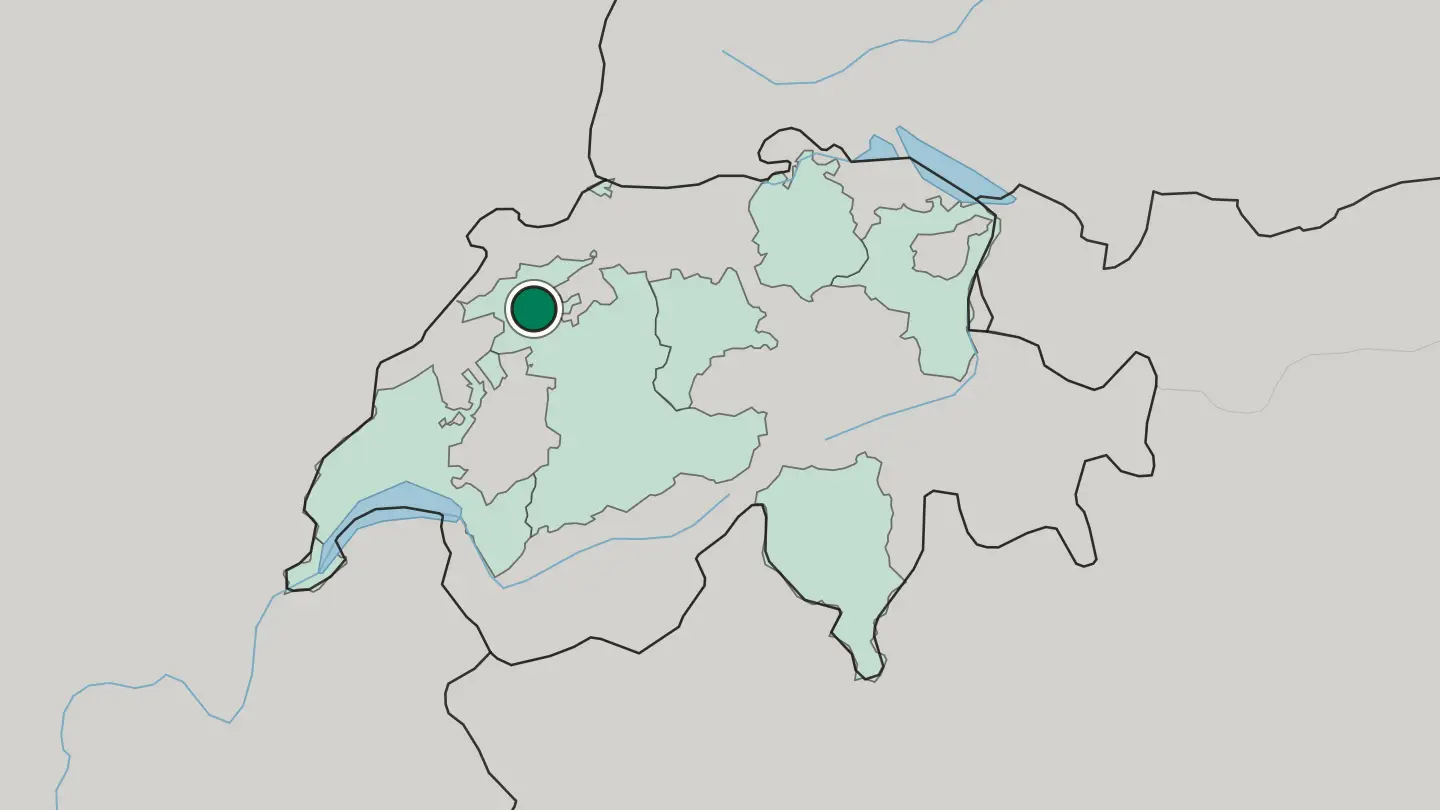
Hotel links are affiliate links: booking through them may earn us a commission, at no extra cost to you. It never affects how places are ranked. How this works
Regions of Switzerland
Switzerland
Canton de Berne
Canton de Berne is one of the 26 cantons of the Swiss Confederation, and its capital Bern is also the de facto capital of Switzerland.Towns & cities →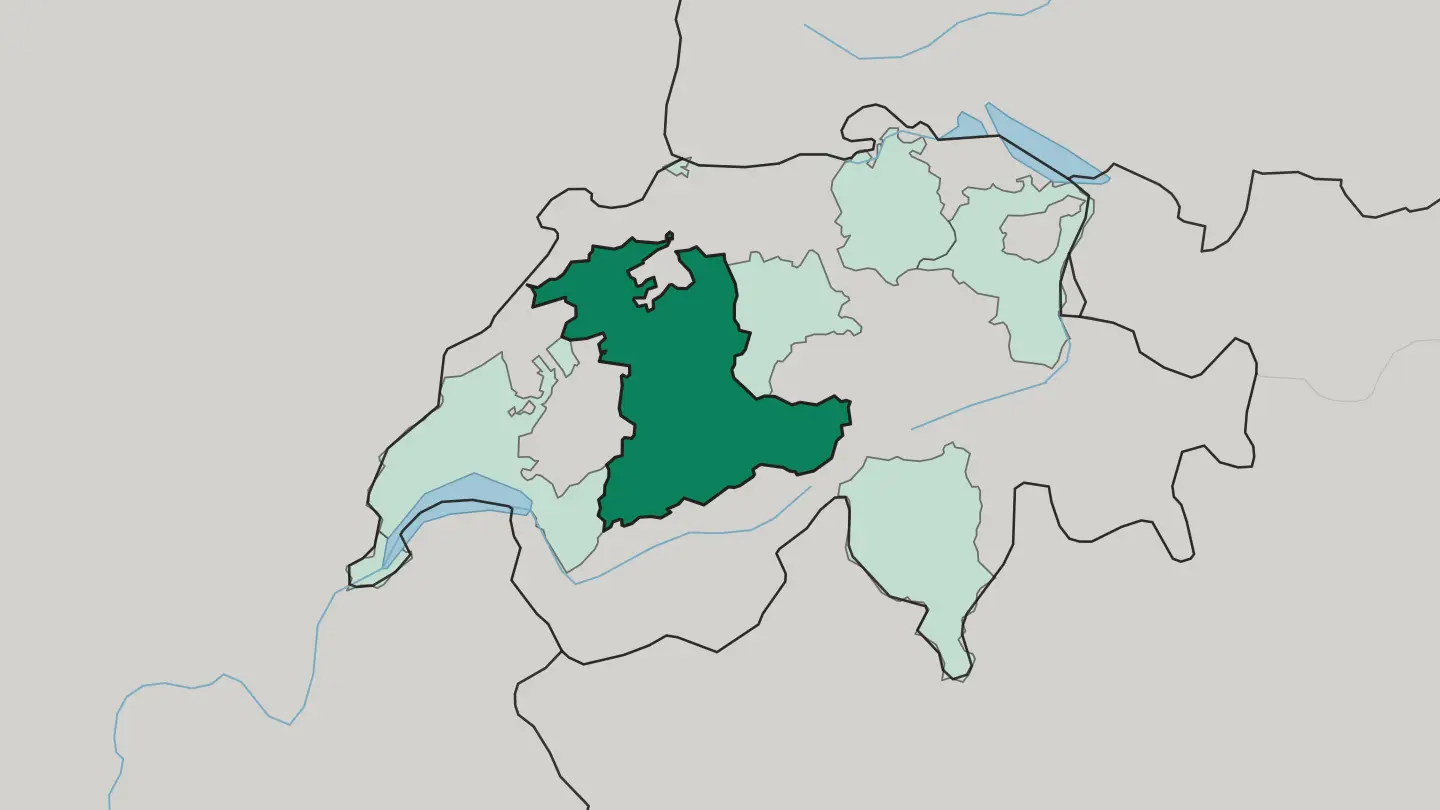 Switzerland
Canton de Genève
Canton de Genève, officially the République et canton de Genève, is one of the 26 cantons of the Swiss Confederation, seated in the city of Geneva.Towns & cities →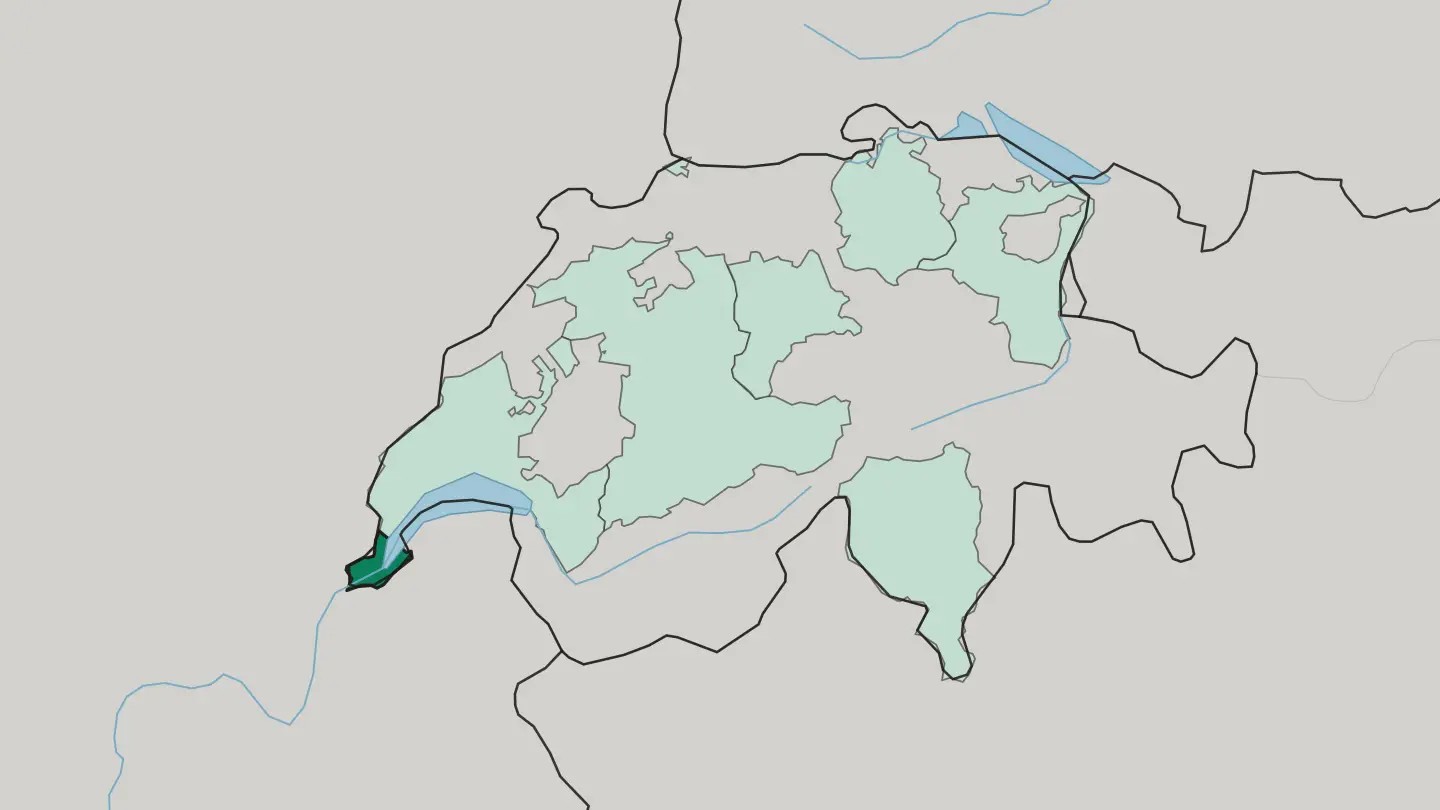 Switzerland
Canton de Vaud
Vaud is a French-speaking canton of the Swiss Confederation, made up of ten districts, with Lausanne as its capital and Liberté et Patrie as its motto.Towns & cities →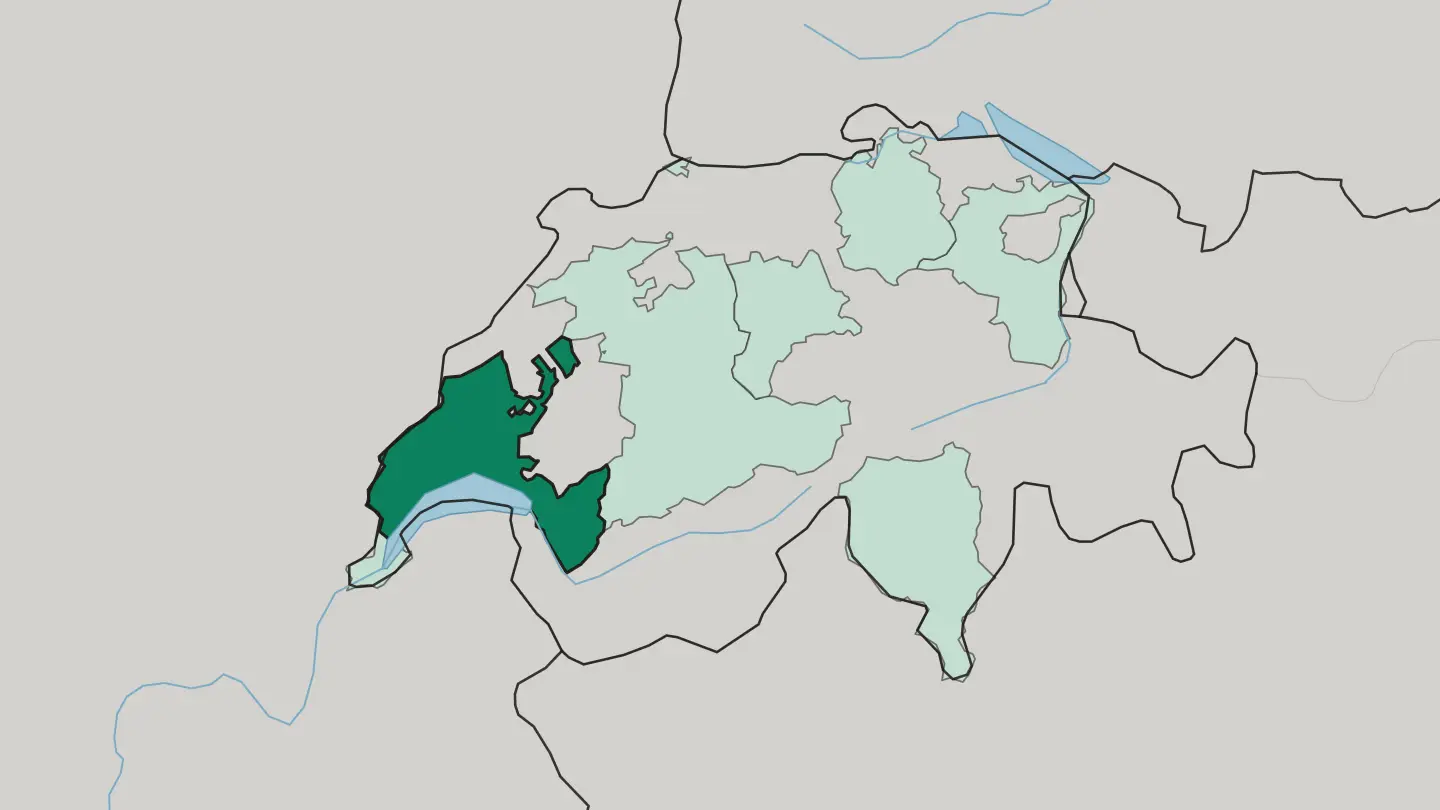 Switzerland
Cantone Ticino
Cantone Ticino is the Italian-speaking canton of the Swiss Confederation, split by Monte Ceneri into Sopraceneri and Sottoceneri, its capital Bellinzona.Towns & cities →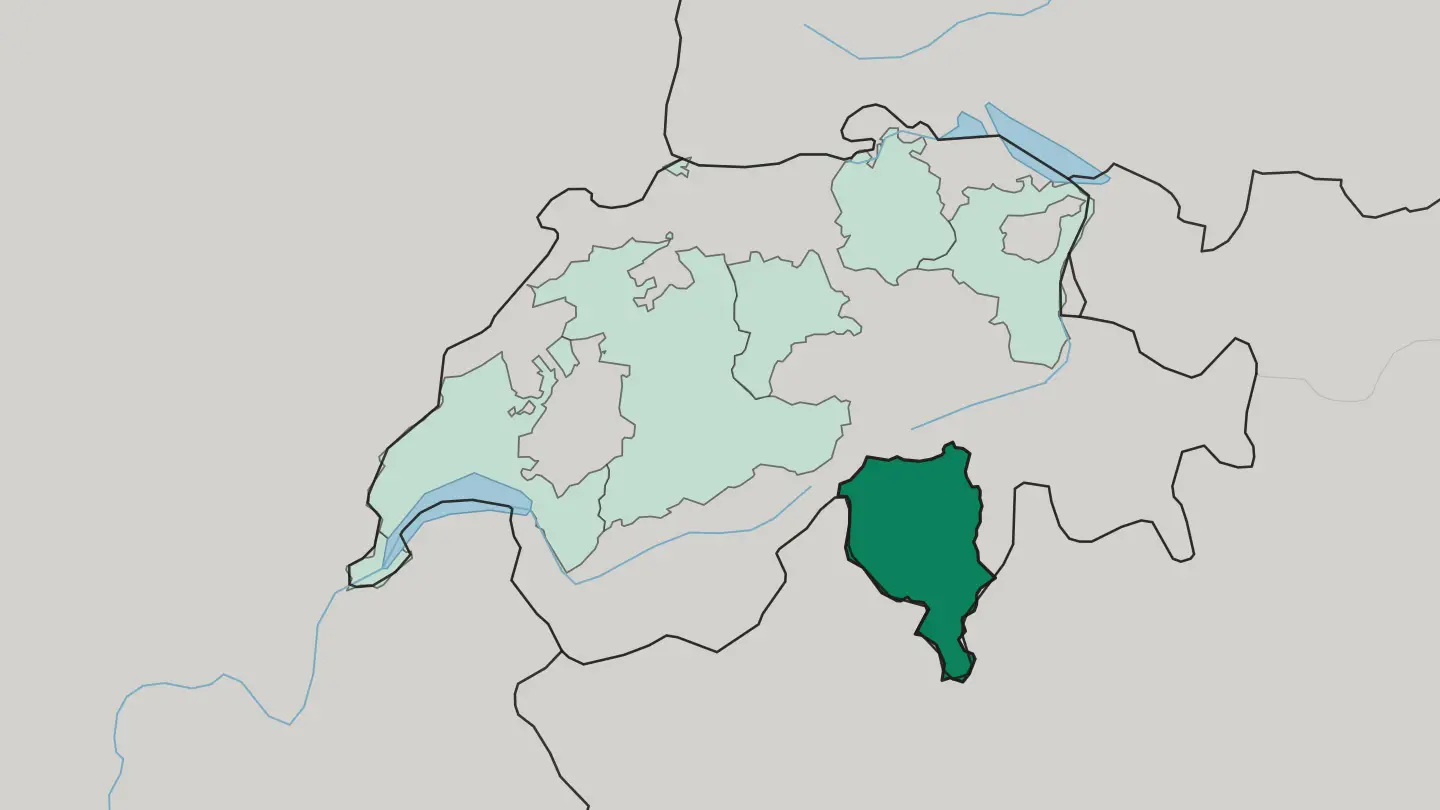 Switzerland
Kanton Basel-Stadt
Kanton Basel-Stadt, also called Basel-City, is one of the 26 cantons of the Swiss Confederation: three municipalities with Basel as their capital.Towns & cities →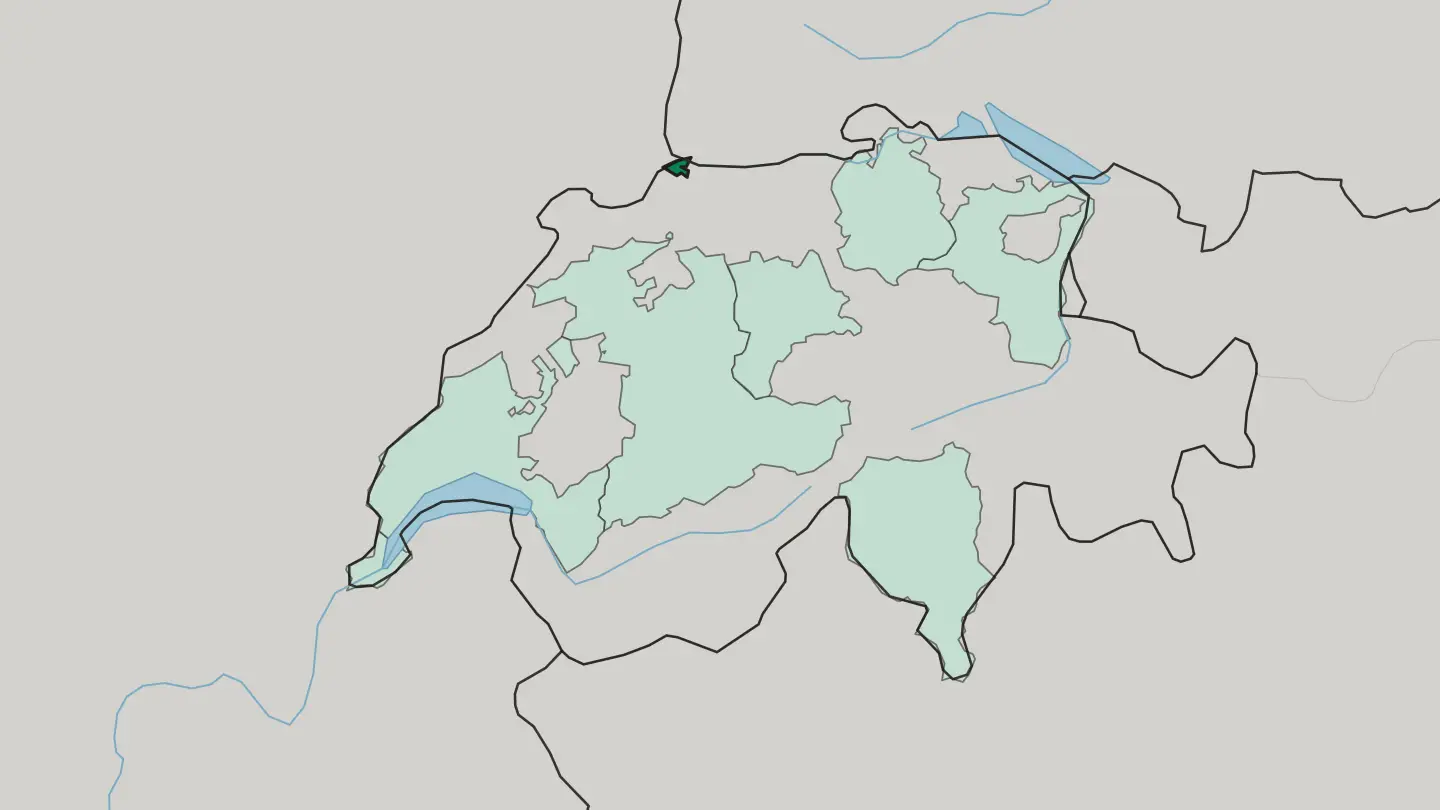 Switzerland
Kanton Luzern
Kanton Luzern is a German-speaking canton of central Switzerland, its cantonal capital the lakeside city of Lucerne.Towns & cities →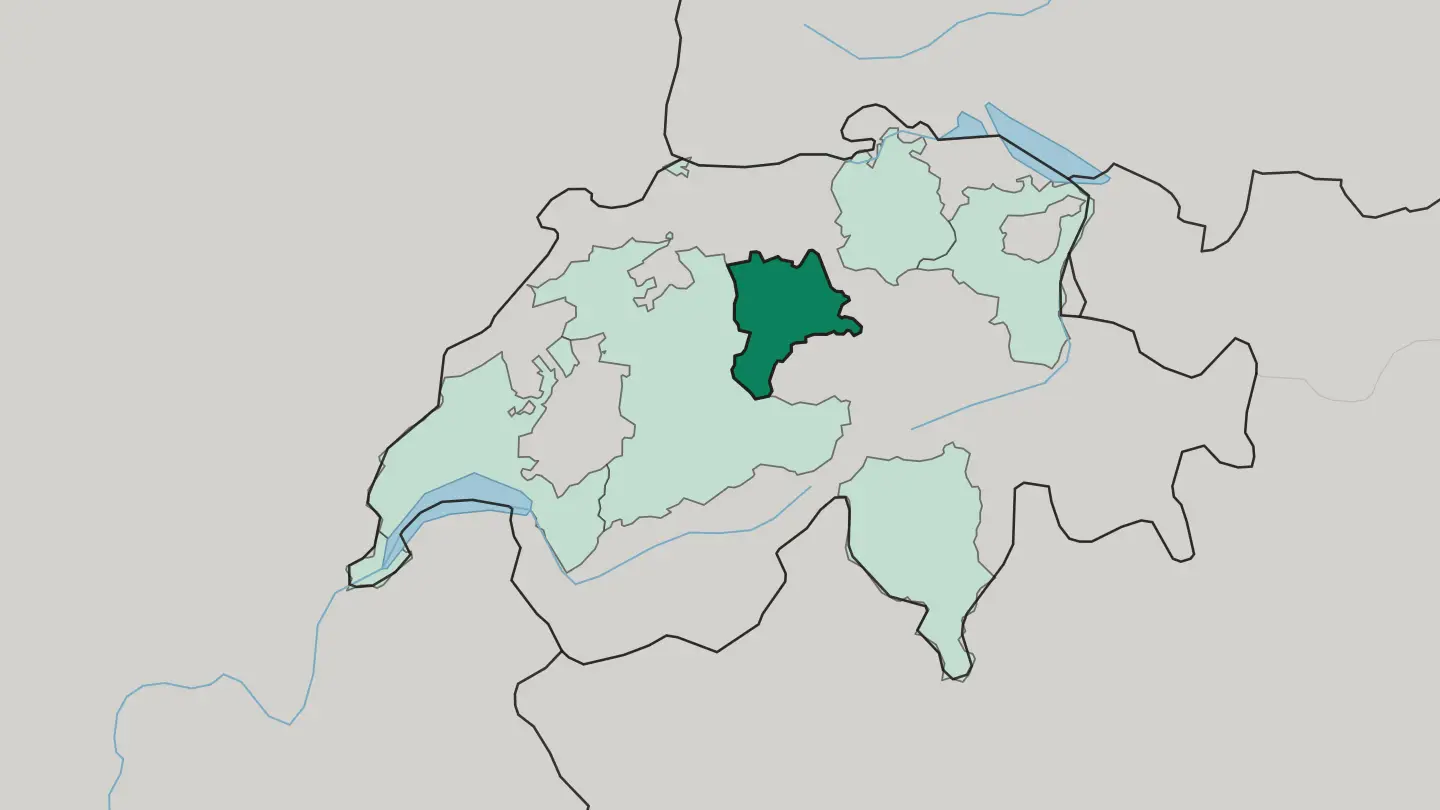 Switzerland
Kanton St. Gallen
Kanton St. Gallen is a canton of Switzerland, known in English as St Gall, and its capital city carries the same name as the canton itself.Towns & cities →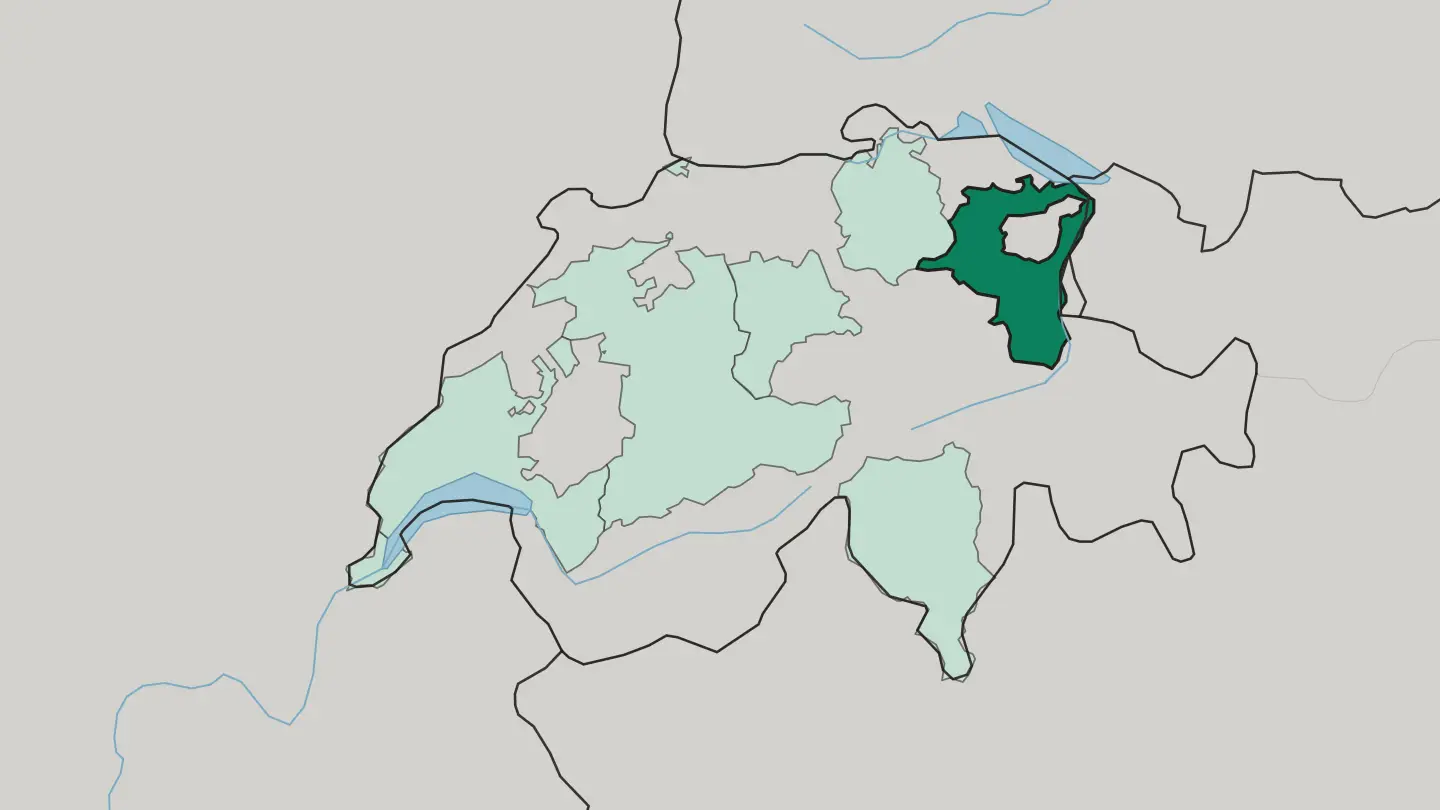 Switzerland
Kanton Zürich
Kanton Zürich is the most populous canton of Switzerland, and the city of Zürich serves as its de facto capital.Towns & cities →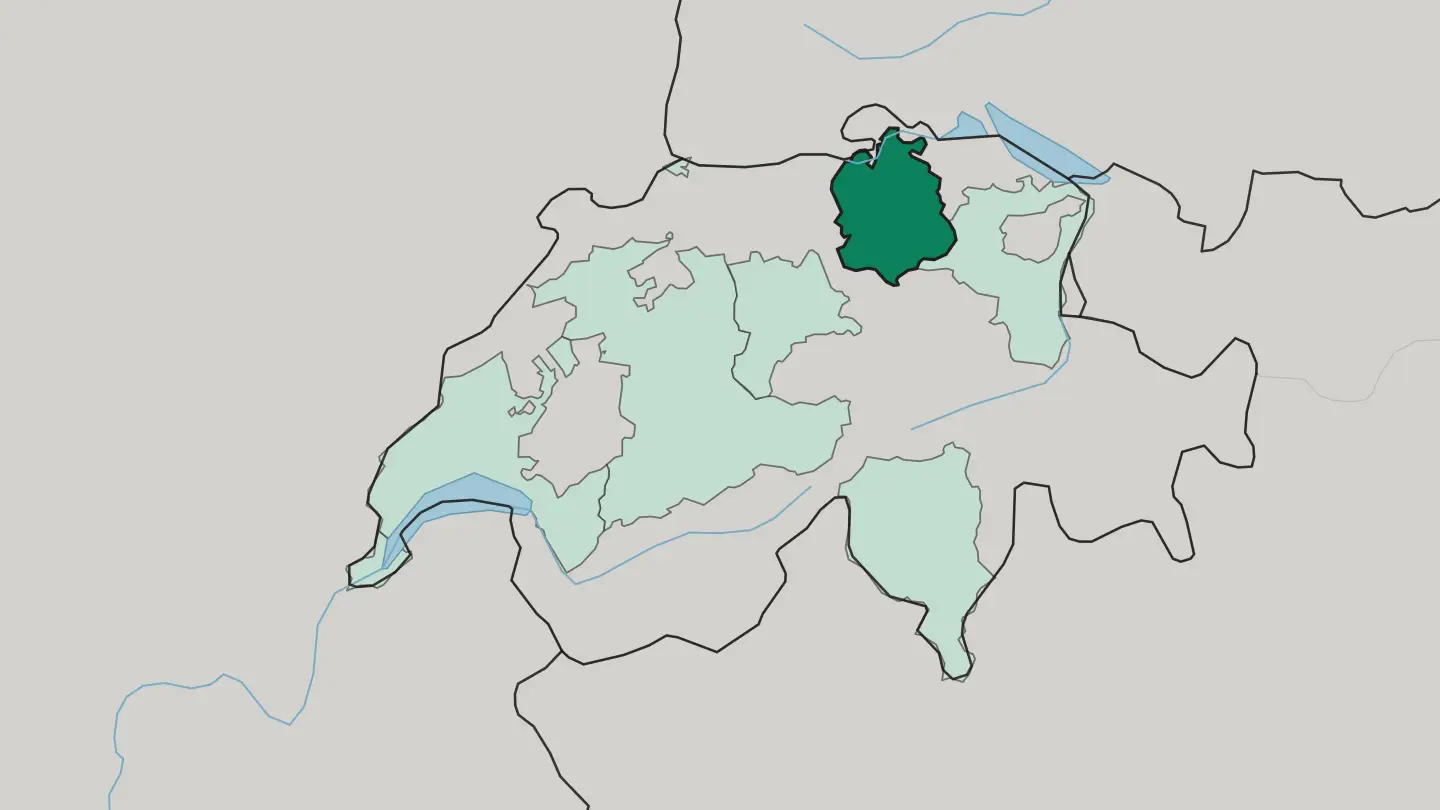
Explore by experience
Not sure which place? Start from how you want to travel.

About Switzerland
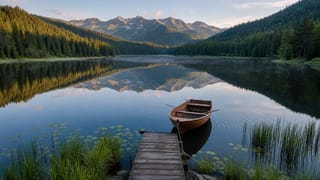
Switzerland is famous first for its mountains.
What is Switzerland known for?
The Matterhorn rises above Zermatt as a near-perfect pyramid, and the peaks of the Bernese Alps draw walkers and climbers all summer. Cities carry their own weight. Zürich handles the country's banking, Geneva sits at the western end of Lake Geneva ringed by vineyards, and Basel guards the Rhine where three countries meet. Then there is the table: fondue, raclette, and a chocolate tradition known across the world.
Where is Switzerland?
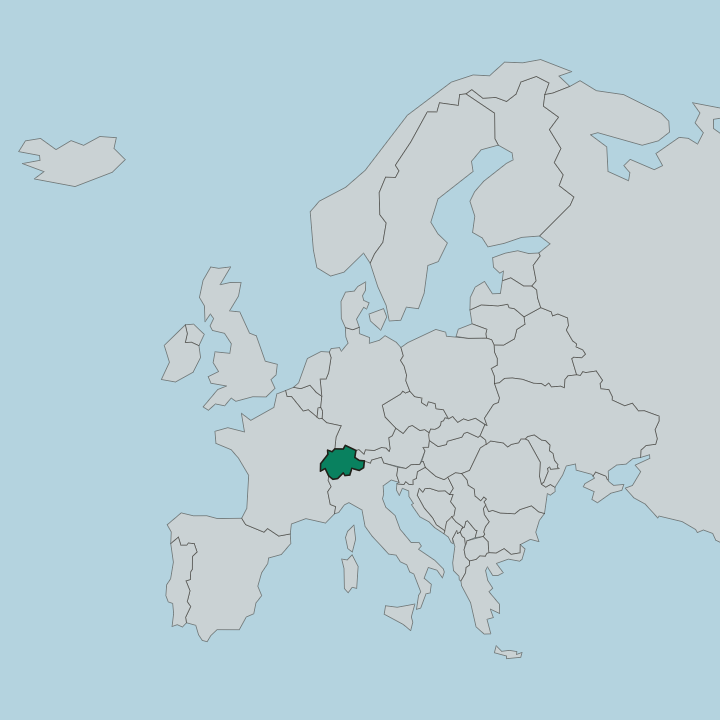
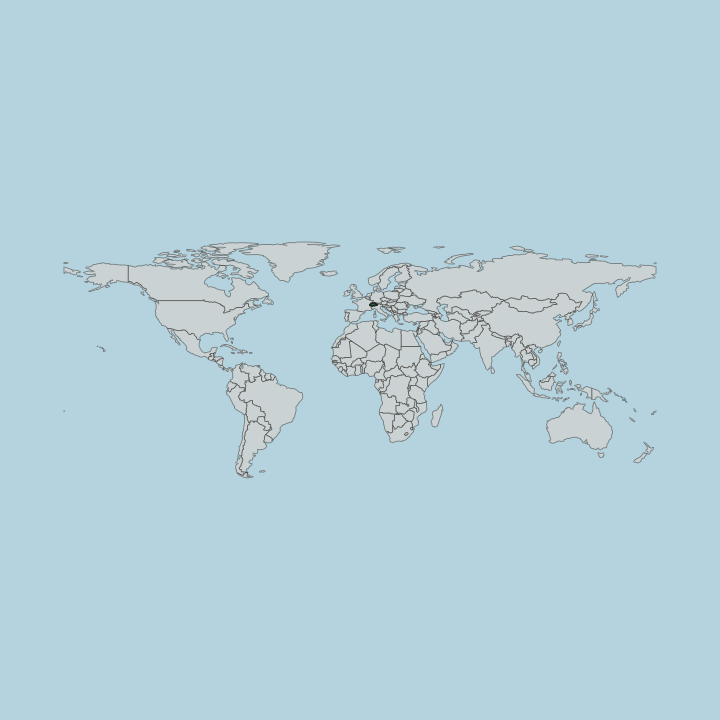
Switzerland is a landlocked country wedged into the middle of Europe, hemmed by Germany, France, Austria, Liechtenstein, and Italy. Three worlds share its ground. The Swiss Alps fill the south and cover roughly two-thirds of the territory, a wall of glaciers and summits that peaks at Dufourspitze in the Monte Rosa massif.
North of them runs the Swiss Plateau, the belt of rolling farmland and lakes where most people live and where Zürich, Bern, and Lausanne all sit. Along the north-western edge, the Jura folds up in long limestone ridges toward the French border. Water orders the whole country.
The Rhône rises from a glacier in the Valais and runs west through Lake Geneva before turning south for the Mediterranean. The Rhine gathers in the eastern mountains, curves past Basel, and heads north to the sea. Between them the Aare, the longest river to run its whole course inside the country, threads through Bern and the lakes of the Oberland.
From the Matterhorn above Zermatt to the vineyard shores of Lake Geneva, the land keeps changing within a short train ride.
What is the history of Switzerland?
Switzerland traces its founding to a pact. In 1291 three forest communities around Lake Lucerne swore a defensive alliance, the moment later fixed at the Rütli meadow and marked as the birth of the Old Swiss Confederacy. From that core the confederacy grew canton by canton, pulling in Zürich, Bern, and Lucerne, and beating back Habsburg armies to hold its independence.
Growth was slow and stubborn. Over centuries the loose league of self-governing cantons hardened into a habit of standing apart from its larger neighbours. That habit became policy.
Switzerland has held to armed neutrality since the sixteenth century, and the great powers formally recognised it in 1815 after the Napoleonic wars. A short civil war in 1847 pushed the cantons to bind closer, and the federal constitution of 1848 turned the old confederacy into the modern federal state, with Bern chosen as its seat. Two world wars passed on every side while the country stayed out of both.
The line from that first mountain oath to the federal capital is one long argument for going it alone.
What is Switzerland like?
Switzerland is really four cultures under one flag. German is spoken across the north and centre, French through Romandy in the west, Italian in Ticino to the south, and Romansh survives in a few high valleys of the east. Each language drags its own kitchen and calendar with it.
You hear it at the table. Fondue and raclette come from the melting-cheese traditions of the French- and German-speaking Alps, while Ticino cooks closer to Milan than to Zürich, with risotto and polenta on the menu. The country runs on direct democracy, and citizens vote on real questions several times a year.
Craft and precision shape the national self-image. Watchmaking took root in the Jura arc from Geneva to the mountains above, and Swiss chocolate and cheese carry the same reputation for exactness abroad. Mountains sit at the centre of the culture too.
Alpine herding, yodelling, and the summer move of cattle to high pastures still mark the calendar in the Bernese Oberland and the Valais. Winter turns the same slopes over to skiing, the sport Switzerland helped make into a global pastime. Four tongues, one stubborn sense of getting things right.
What is the climate of Switzerland?
Switzerland's weather answers to altitude more than anything. The Swiss Plateau around Zürich and Bern is temperate, with warm summers and cold, often grey winters. Climb into the Alps and the air turns colder and thinner, with snow lying deep on the high passes for much of the year.
South of the mountains, Ticino tips toward a milder, Mediterranean feel, warmer and sunnier than the north. One small country holds several climates at once.
How do you get to Switzerland?
Most travellers arrive by air or rail. Zürich and Geneva run the country's busiest international airports, with Basel serving the north-western corner. Trains matter just as much here.
Switzerland's dense railway network links every city and reaches deep into the mountains, so many visitors ride in from Germany, France, or Italy rather than fly. Once inside, the same trains and mountain cog railways carry you from Geneva to Zermatt or up into the Bernese Oberland. Pick your entry city, then let the rails do the rest.
Good for
Updated September 2026