Chile · Región de Coquimbo
Where to Stay in Ovalle, Región de Coquimbo
Ovalle is a town of the Coquimbo Region in Chile, the seat of the Limarí valley, a land of pisco vineyards, rock-art canyons, and a fog forest by the sea.
Hotel links are affiliate links: booking through them may earn us a commission, at no extra cost to you. It never affects how places are ranked. How this works


Where to stay in Ovalle
The practical side of choosing where to sleep.
Where you stay in Ovalle turns on the town or the valley. The streets around the plaza keep the market, the museum, and the river within a walk, and staying in the centre suits anyone here for the town. Dry hills rise beyond.
The market fills each morning. Out along the valley and the coast, the town gives way to the vineyards, the rock-art canyon, and the road to the fog forest. A room out of town trades the streets for the pisco farms, the quiet reservoirs, and the misty woods of Fray Jorge.
The valley runs green to the sea. Stay in the centre for the market, or out for the vineyards. The vines and the rock art hold the Limarí valley.
Find hotels in Ovalle
Direct booking searches for these neighbourhoods.
The town centre
On the blocks framing Ovalle's central plazaFind hotels in The town centreStays wanting the vineyards and rock artOut in the valley
Toward the coastFind hotels in Out in the valleyHotel links are affiliate links: booking through them may earn us a commission, at no extra cost to you. It never affects how places are ranked. How this works
Things to do in Ovalle
Ranked by global recognition; descriptions from Wikidata (CC0).
Museums & Galleries
1- Museo del Limarí
Churches & Religious Sites
1- Iglesia de San Antonio, Barraza
Castles & Historic Sites
3- encaint valle Heritage
- Barraza, Chile Heritage
- Iglesia San Antonio de Barraza Heritage
worth knowingacross 3 categories in Ovalle
About Ovalle
Ovalle is the market town of the Limarí valley.
What is Ovalle known for?
In the Norte Chico of Chile, in the dry hills north of Santiago, it grew as the farm centre of the valley, and it keeps the ancient rock art of the Valle del Encanto, the relict fog forest of Fray Jorge by the coast, the pisco vineyards along the river, and the Diaguita pottery in its town museum. The dry valley greens along the river. Vines climb the sunlit slopes.
What are the main landmarks in Ovalle?
The Valle del Encanto is the pride of the Ovalle country. The rocky canyon west of town, carved with the petroglyphs of old peoples, is the emblem of the valley, out of downtown. A forest hides in the fog.
The relict woods of Fray Jorge cling to a coastal range nearby, fed by the sea mist, while the pisco vineyards, the Recoleta dam, and the old church of Barraza mark the country around Ovalle.
What is the history of Ovalle?
The Diaguita worked this valley first. Long before the Spanish, the Diaguita people farmed the Limarí and carved their marks on the rocks of the Encanto, and their pottery still turns up in the fields. The Spanish founded a town.
In colonial days the crown laid out farms along the river, and the old village of Barraza served as the seat of the valley before Ovalle rose in its place. Water made the valley bloom. When great dams were thrown across the Limarí, the reservoirs watered the vineyards and orchards, and pisco and wine flowed from the valley.
The coast held a wonder. West of the town, on a range wrapped in sea fog, survived the forest of Fray Jorge, a green relic of wetter ages, and Ovalle grew as the market of the Limarí, keeping its vines, its rock art, and its fog forest. The vineyards still line the river.
Ovalle keeps its valley town in the Norte Chico.
Where is Ovalle?
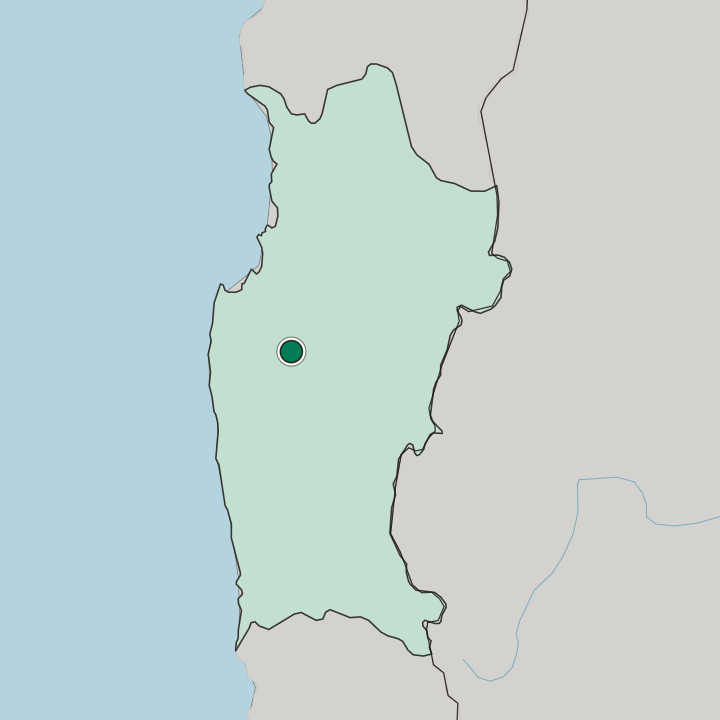
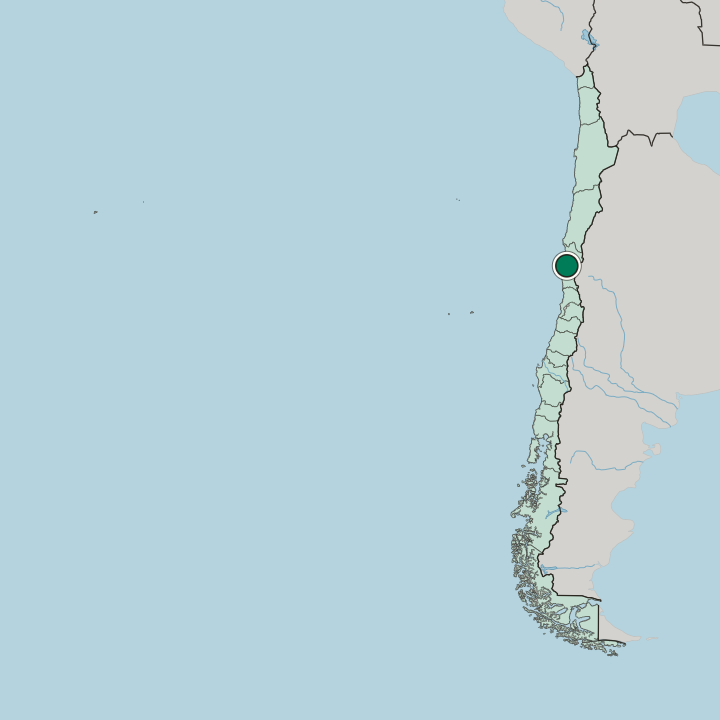
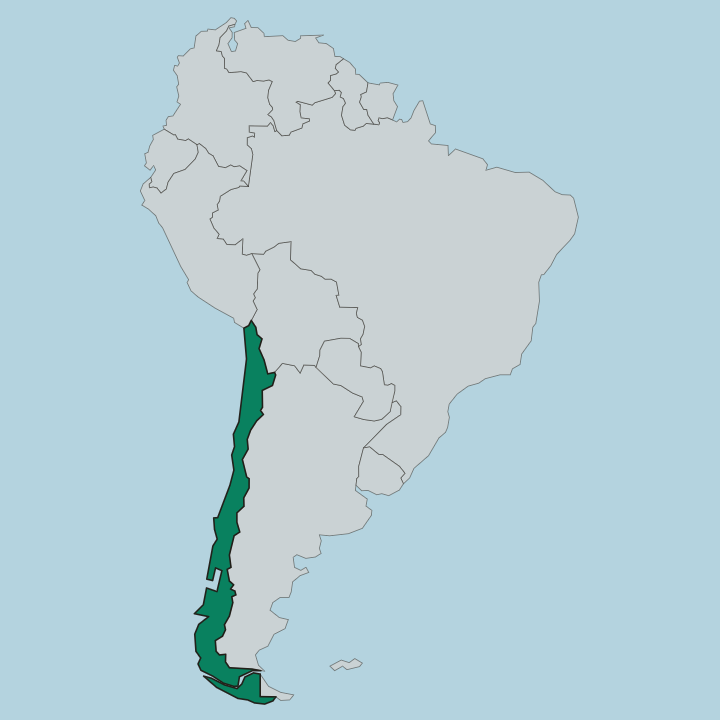
Ovalle lies in the Coquimbo Region of Chile, in the valley of the river Limarí. The town sits on a plain among dry brown hills, in the Norte Chico where the desert gives way to green valleys, with the Andes rising to the east and the Pacific coast and its fog forest to the west. Brown hills wall the valley.
The river brings water to the fields.
What is the climate of Ovalle?
Ovalle has a mild, dry semi-desert climate. Warm sunny summers and cool winters hold in the Norte Chico, with clear skies most of the year and a little rain in winter. Sun fills the long summer.
Sea fog drifts up the valleys.
How do you get to Ovalle?
Ovalle lies in the Coquimbo Region of Chile, inland from the coast road. The Pan-American Highway passes nearby, and roads run in from La Serena over the hills. Coaches run from Santiago.
La Serena lies north up the coast.
Common questions
What is the best area to stay in Ovalle?
The town centre: Visitors here for the Limarí market and the pisco valleys. Out in the valley: Stays wanting the vineyards and rock art.
More cities in Región de Coquimbo
Updated September 2026