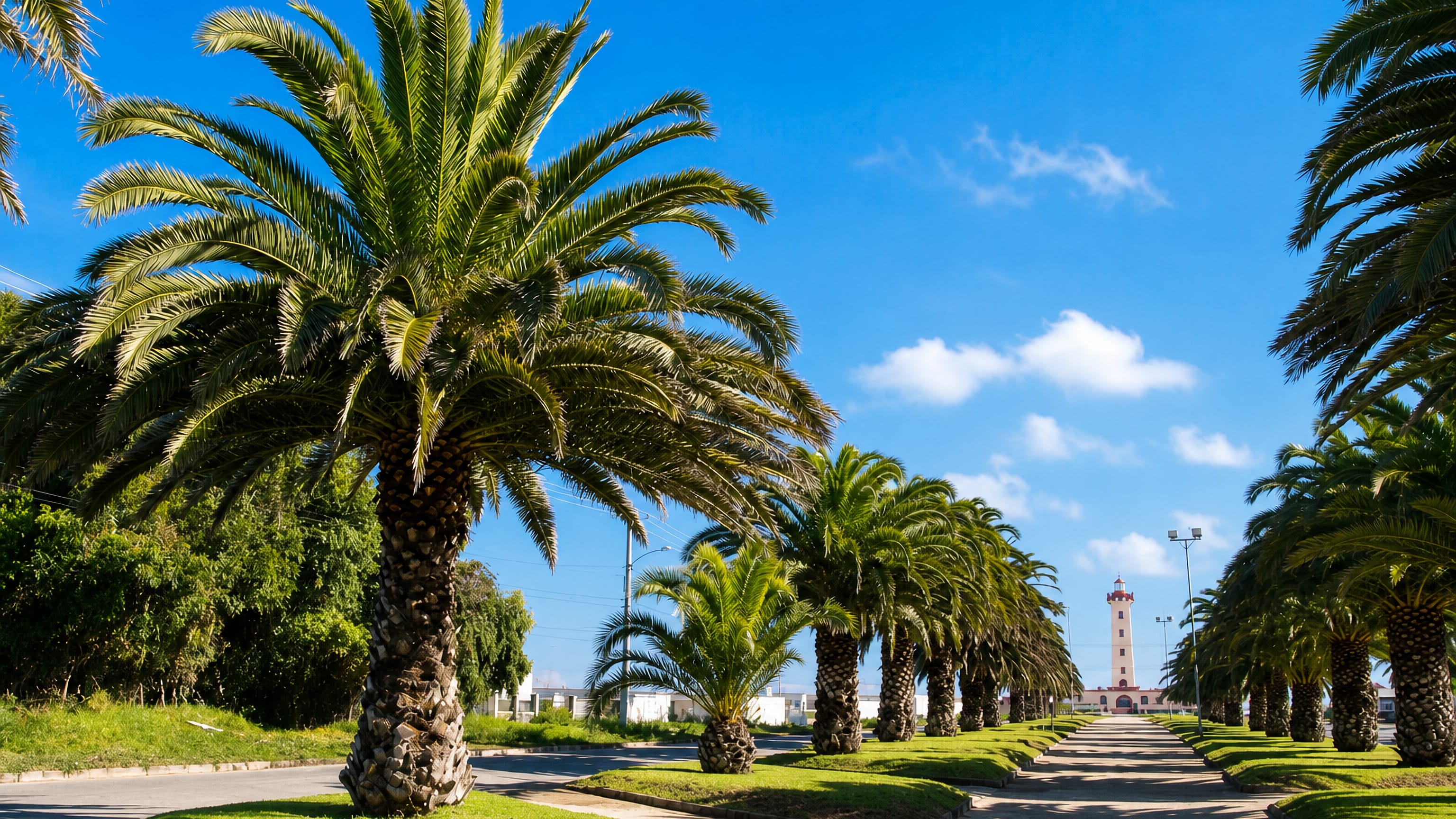
Chile
Región de Coquimbo, Chile — Towns & Travel Guide
The Región de Coquimbo is the narrowest slice of Chile, where the Andes crowd close to the Pacific and pisco valleys run inland.
Hotel links are affiliate links: booking through them may earn us a commission, at no extra cost to you. It never affects how places are ranked. How this works


Towns & cities in Región de Coquimbo
Pick a town or city — each links to where to stay.

 Chile
Chile
Coquimbo
Coquimbo is a city of north-central Chile on a bay by La Serena, a historic port under a great cross, near the beaches and starry skies of Elqui.Where to stay →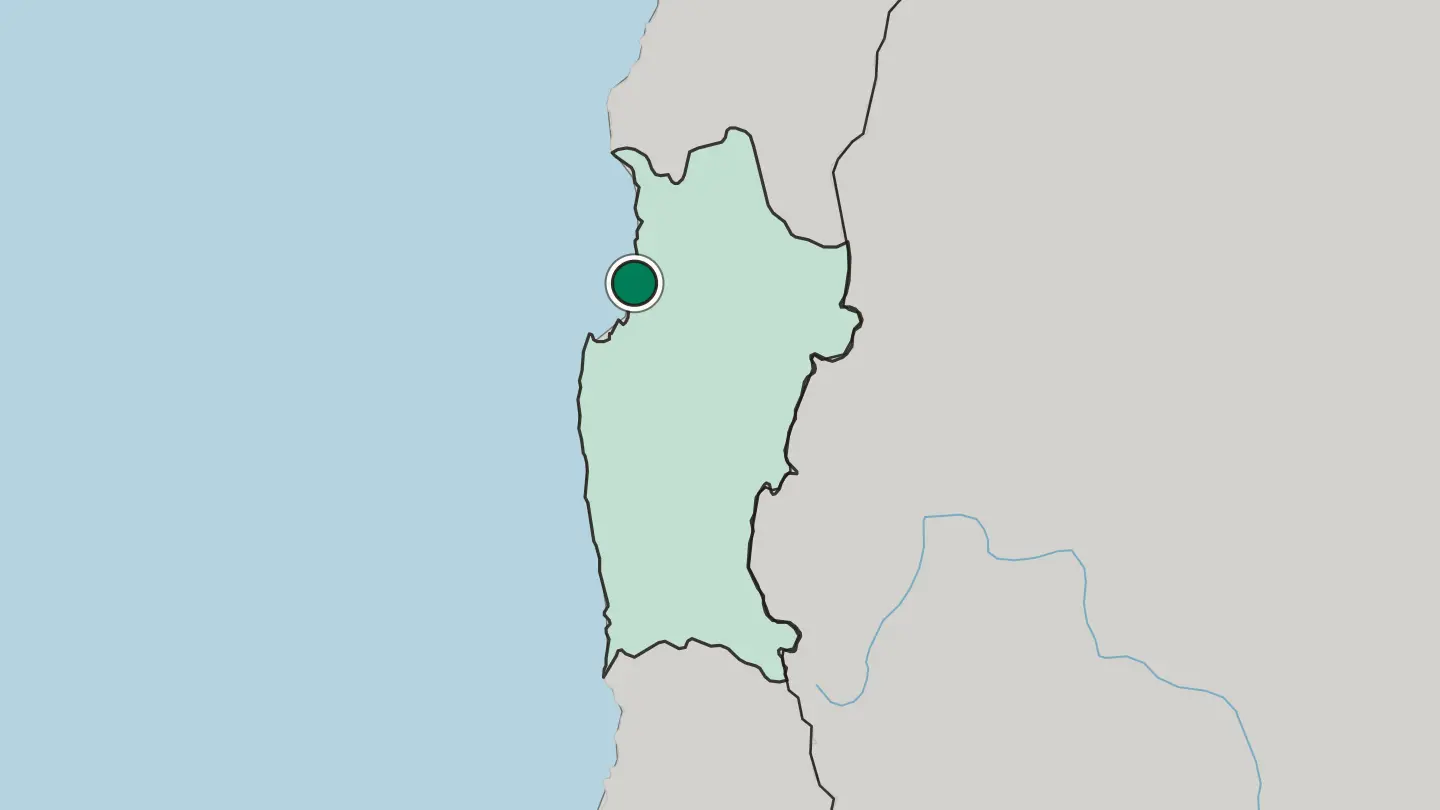
 Chile
Chile
La Serena
La Serena is a colonial coastal city in northern Chile, a city of old churches by the Pacific in the Coquimbo region.Where to stay →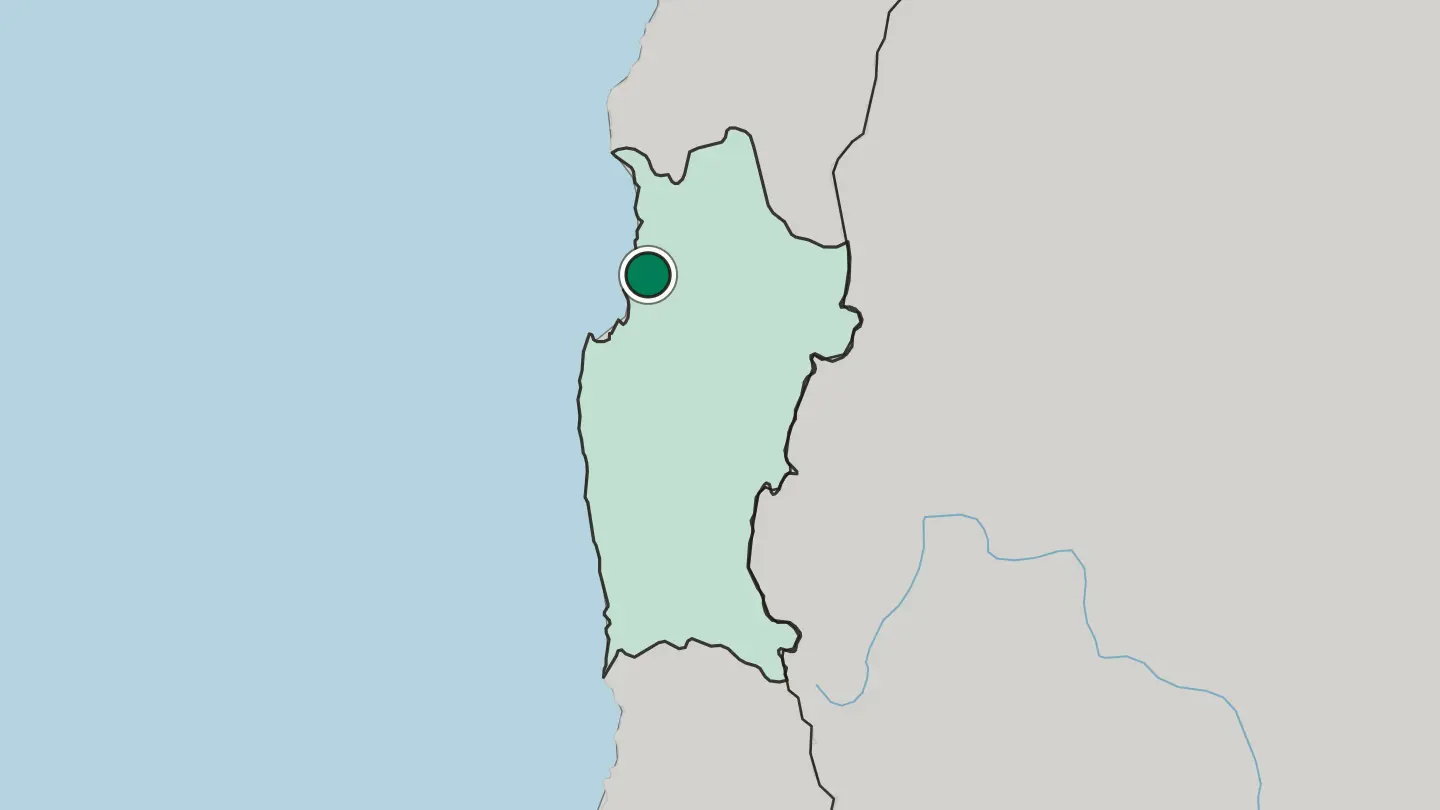 Chile
Chile
Ovalle
Ovalle is a town of the Coquimbo Region in Chile, the seat of the Limarí valley, a land of pisco vineyards, rock-art canyons, and a fog forest by the sea.Where to stay →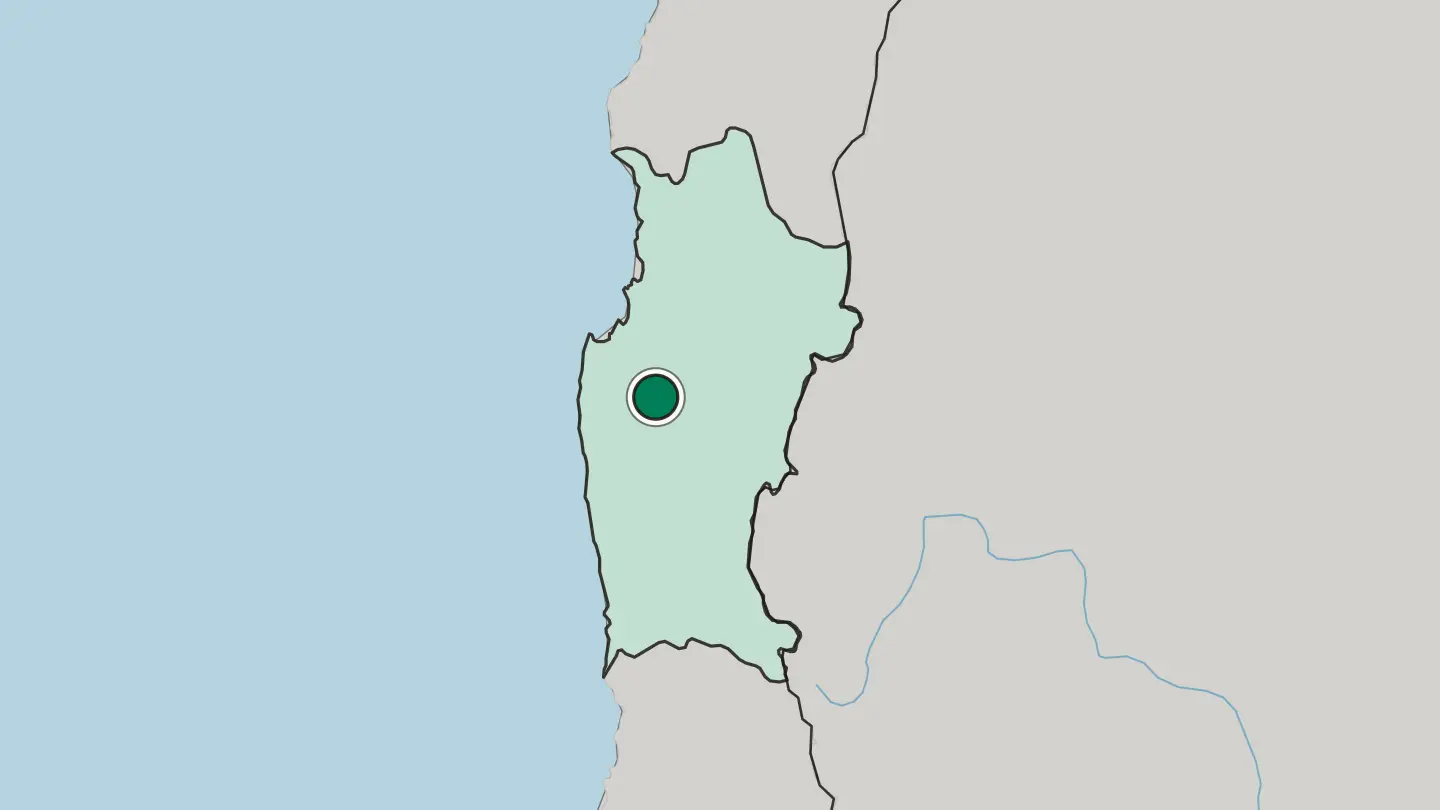
Hotel links are affiliate links: booking through them may earn us a commission, at no extra cost to you. It never affects how places are ranked. How this works
About Región de Coquimbo
Clear night skies and pisco.
What is Región de Coquimbo known for?
The Elqui Valley draws most of the region's fame, its cloudless nights feeding an array of observatories and its terraced vineyards feeding the stills that make Chile's national brandy. La Serena, the regional capital, keeps a Spanish colonial quarter beside long Pacific beaches, and its seaport neighbour Coquimbo sits a short way down the coast. Inland the land climbs fast toward the Andes, which run nearer the sea here than anywhere else in the country.
Where is Región de Coquimbo?
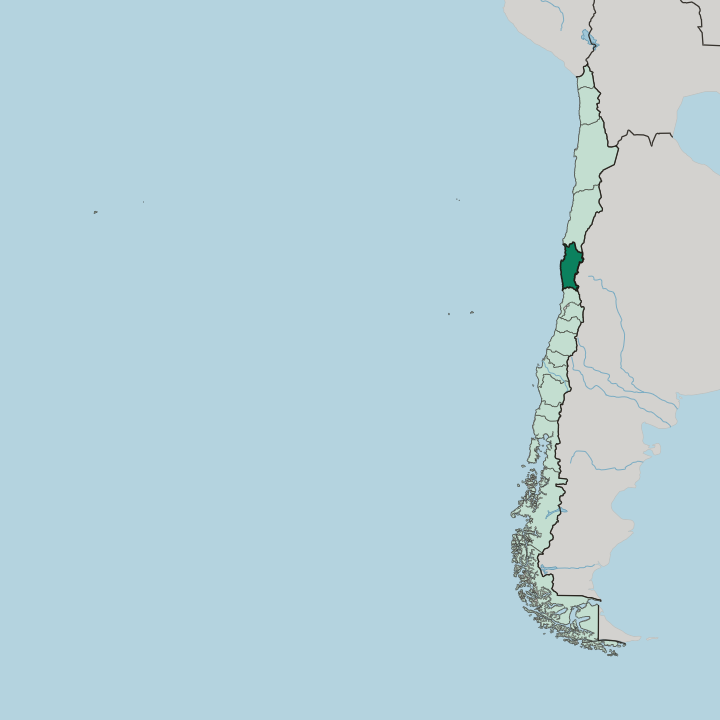
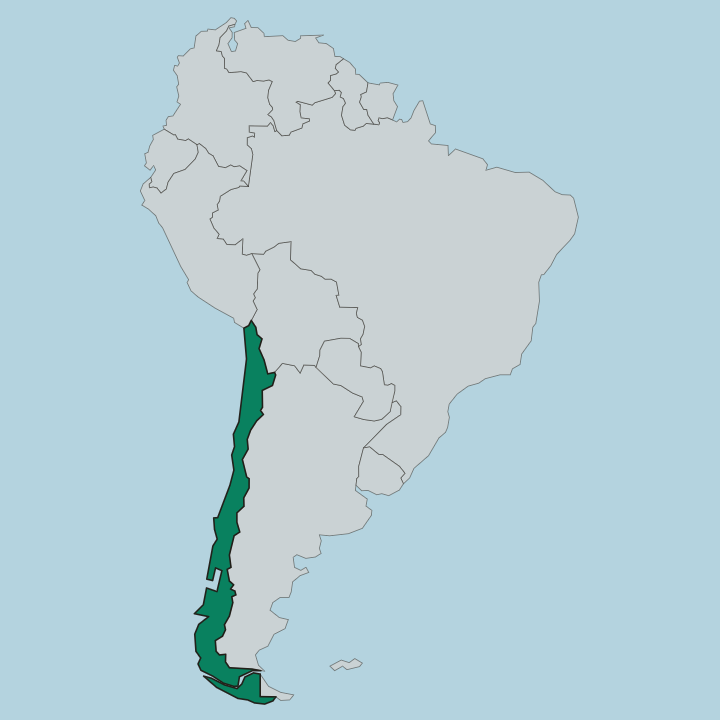
The Región de Coquimbo sits in the near north of Chile, roughly 400 km up the coast from Santiago, at the southern edge of the Atacama Desert. It is the narrowest stretch of the whole country. Here the Andes push closer to the Pacific than anywhere else, leaving little room between the mountain wall to the east and the ocean to the west.
The Atacama Region borders it to the north and the Valparaíso Region to the south, while Argentina lies over the Andean crest to the east. Three transverse valleys cut the region from the mountains down to the sea, each carved by its own river. The Elqui drains the north around La Serena and Vicuña, the Limarí the centre around Ovalle, and the Choapa the south near Illapel.
Between those green ribbons the land is dry and scrubby, semi-desert climbing toward Andean peaks that top 6,000 metres. The coast runs more than 400 km, strung with bays and fishing coves such as Tongoy, and the regional capital La Serena stands where the Elqui River meets the Pacific. Everything here follows the water.
Away from the three rivers, the ground turns to thornscrub within a few kilometres of the irrigation.
What is Región de Coquimbo like?
The Elqui Valley gives the region much of its cultural signature, and it is bound up with one name above all. Gabriela Mistral was born in Vicuña, and the poet who became the first Latin American to win the Nobel Prize in Literature wrote the valley into her verse. Her house and a museum in Vicuña keep that memory, and the towns of the Elqui trade on the same mix of poetry, pisco, and clear night sky.
Pisco itself runs deep here. Distilled up and down the valley, the grape brandy gave Pisco Elqui the name it carries. Night is a culture of its own.
The cloudless dark over the Elqui has drawn a string of observatories, and Vicuña's Mamalluca opened in 1998 as one of the first built for visitors rather than only for astronomers. On the coast the tone shifts. La Serena keeps its Spanish colonial churches and a preserved old quarter, and its seaport neighbour Coquimbo brings a rougher harbour life of fish markets and boats.
Spanish is the everyday language across the region.
What is the history of Región de Coquimbo?
La Serena is one of Chile's oldest cities. Pedro de Valdivia founded it in 1544 at the mouth of the Elqui River, and after Diaguita raids destroyed the first settlement it was rebuilt to guard the road north. Silver did the rest.
Strikes in the surrounding hills through the late nineteenth century turned the coast into a mining and export corridor, and the wealth of that boom paid for much of the architecture La Serena still shows. The region grew up around ore, ports, and the produce of its irrigated valleys.
What is the climate of Región de Coquimbo?
The region runs semi-arid and sunny, with very little rain. The cold Pacific keeps the La Serena coast mild and often clouded by morning sea fog that burns off by midday, while inland the Elqui Valley opens onto the cloudless nights that made its observatories famous. Rain falls mostly in a few winter storms and thins out fast toward the Atacama Desert edge in the north.
That dryness is the whole story. It is why the three river valleys, not the sky, water the region's farms.
How do you get to Región de Coquimbo?
Most come from the south. Santiago lies about 400 km down the coast, and La Serena has the region's airport for the short domestic hop from the capital, while the main highway up the Pacific coast carries buses and cars the same way. From La Serena and its port neighbour Coquimbo, roads then climb inland along the Elqui, Limarí, and Choapa river valleys toward the towns of Vicuña, Ovalle, and Illapel.
The Elqui stargazing towns lie an hour up the valley.
Common questions
What is the best area to stay in Región de Coquimbo?
La Serena: colonial streets and the coast. Coquimbo: the harbour and the fish market. Vicuña and the Elqui Valley: stargazing and pisco tasting. Ovalle and the Limarí Valley: the Limarí wine country.
Good for
More regions in Chile
Updated September 2026