Chile: Regions, Cities & Travel Guide
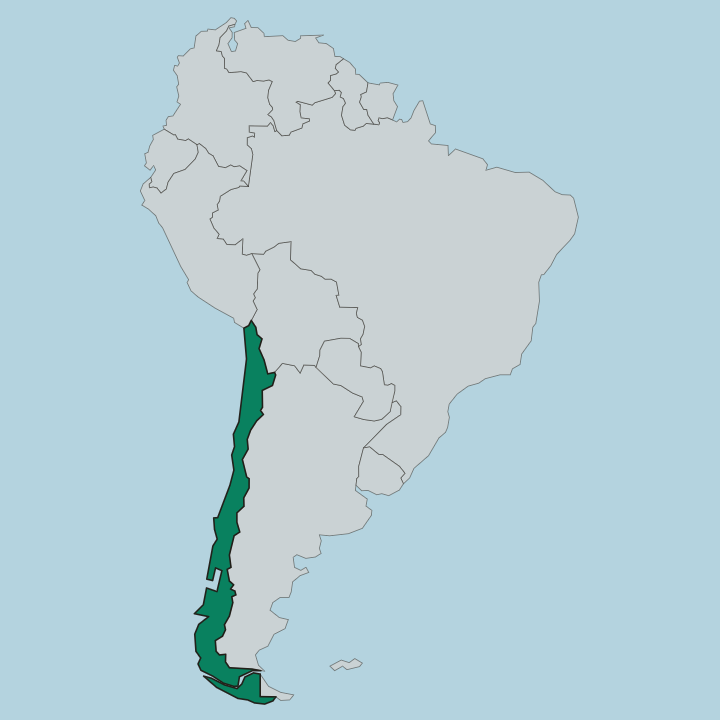
Chile is a long, narrow country on the western edge of South America, stretched between the Andes and the Pacific Ocean.
Hotel links are affiliate links: booking through them may earn us a commission, at no extra cost to you. It never affects how places are ranked. How this works


Top destinations in Chile
Cities to start from, then drill into areas and hotels.
 Chile
Chile
Santiago
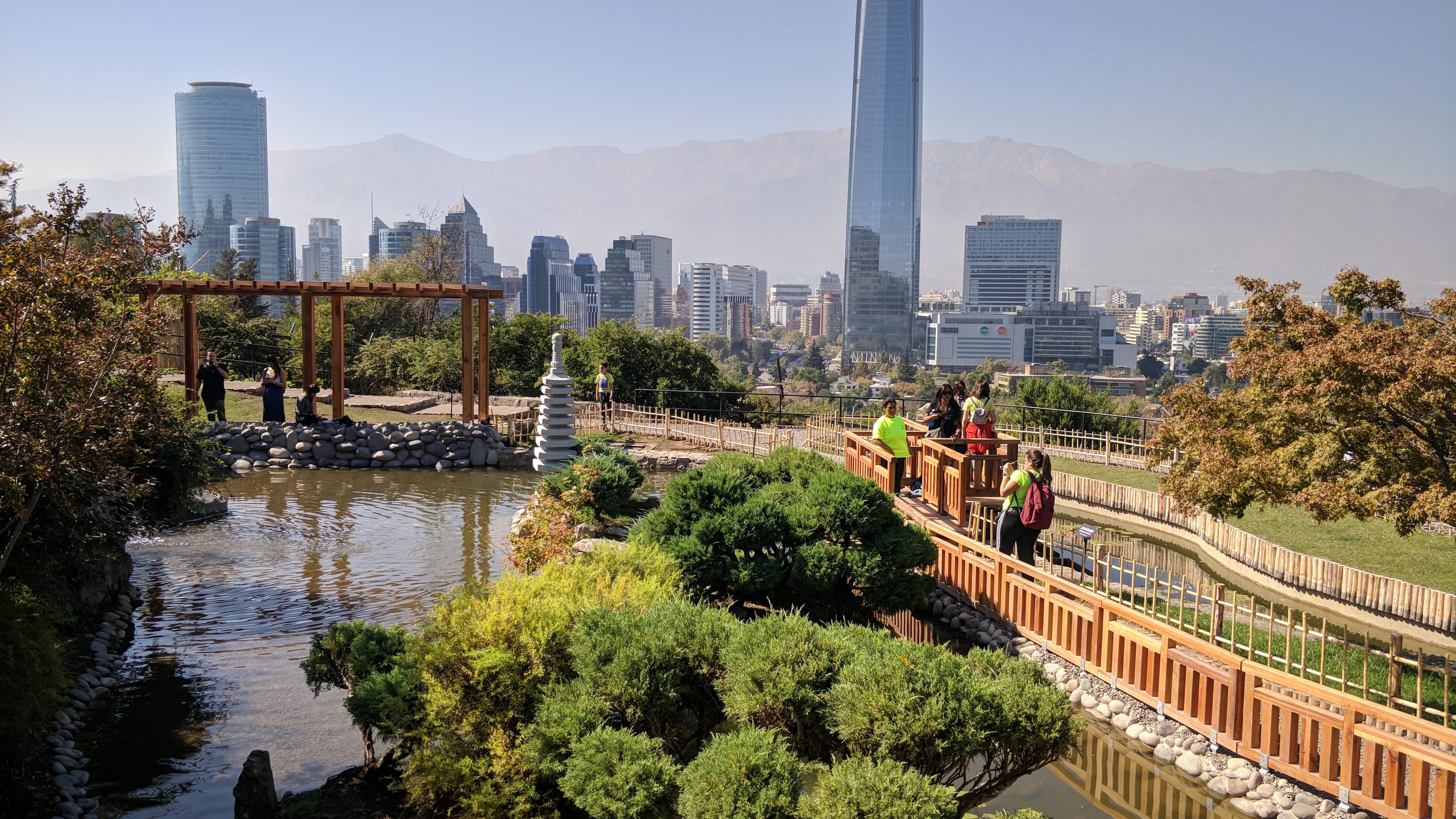
Santiago rises in a high inland valley beneath the Andes, the capital of Chile set between the mountains and the Chilean Coastal Range.Where to stay →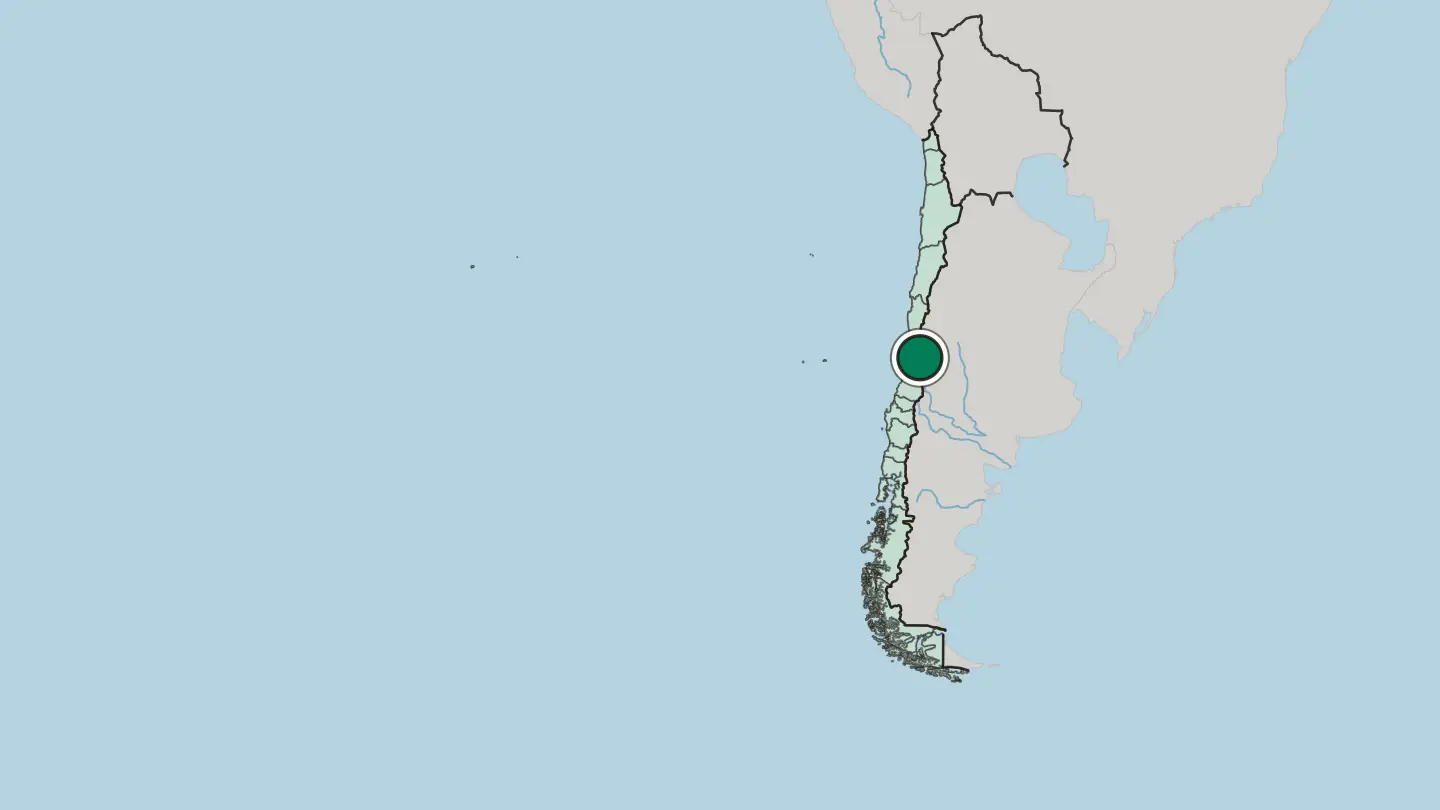
 Chile
Chile
Valparaíso
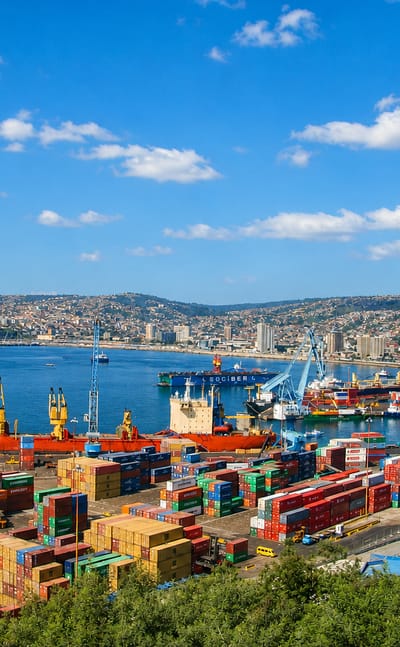
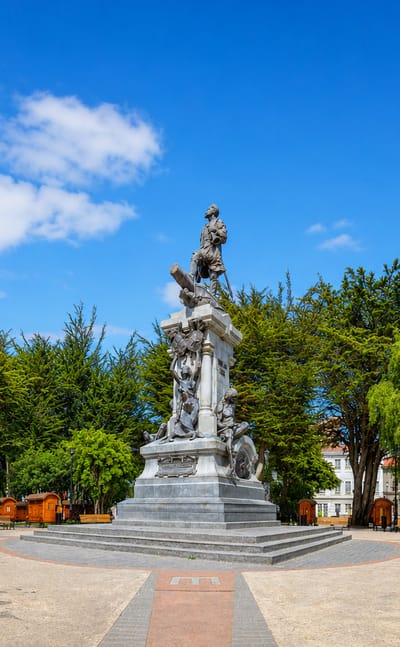
Painted houses climb the cerros above Valparaíso's harbour, a Pacific seaport in Chile's Valparaíso Region, known for funiculars and bohemian streets.Where to stay →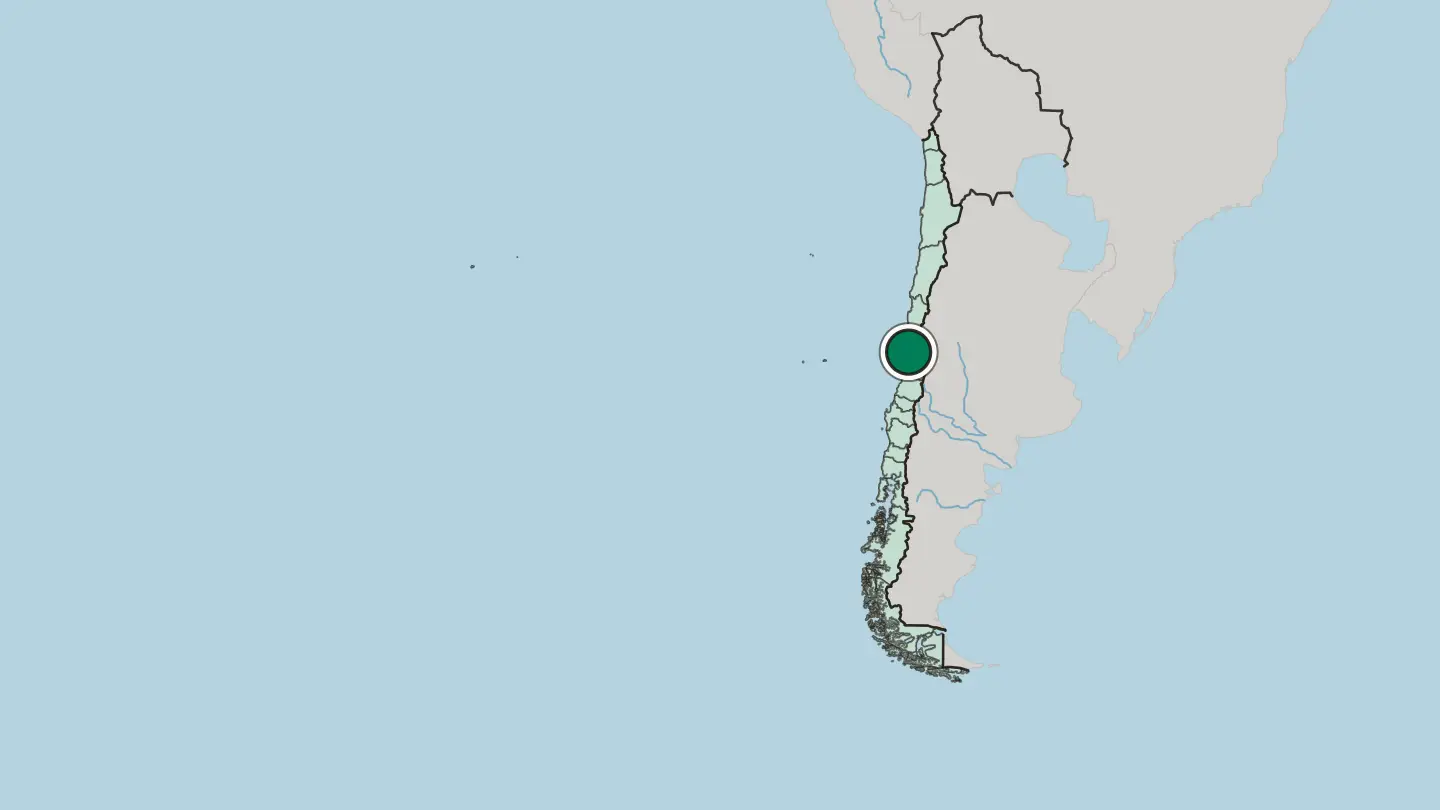
 Chile
Chile
Punta Arenas
Cold ocean light falls on Punta Arenas, a far southern port in Chilean Patagonia, capital of the Magallanes region, among the world's southernmost cities.Where to stay →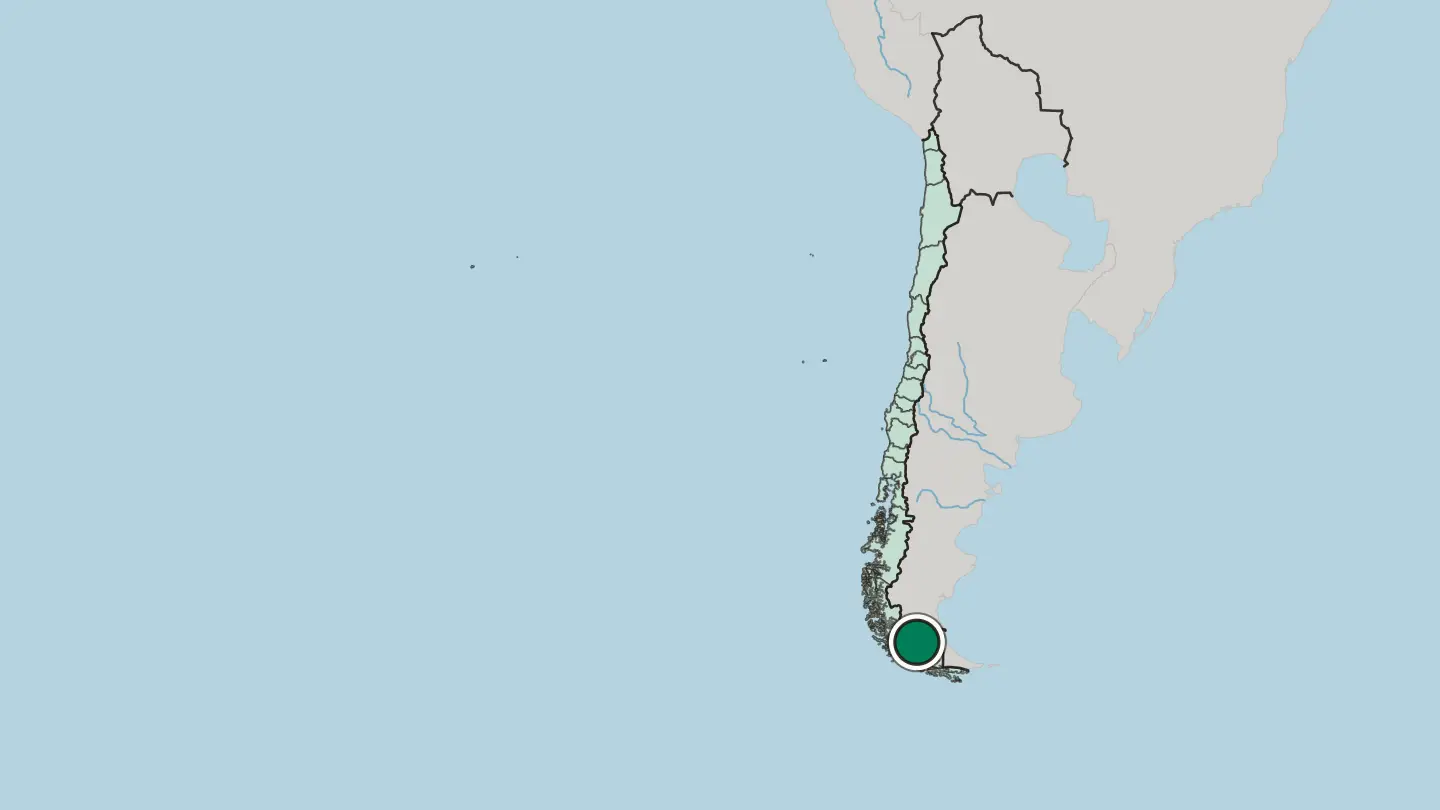
 Chile
Chile
Concepción
Concepción is a major university city in central Chile, on the Bío Bío river near the Pacific coast.Where to stay →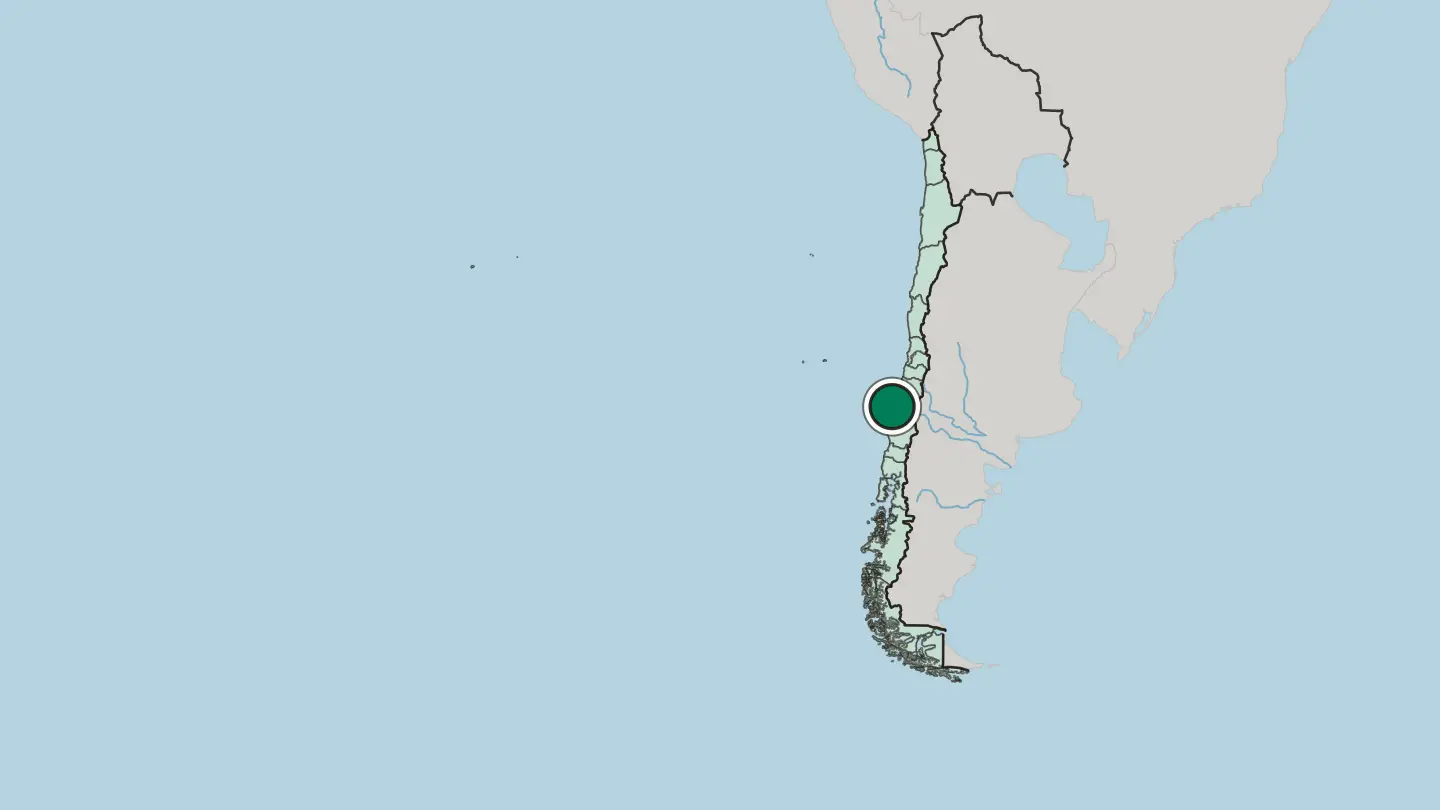
 Chile
Chile
Viña del Mar
Viña del Mar is a Pacific beach resort in central Chile, the garden city of palaces, parks, and sands beside Valparaíso.Where to stay →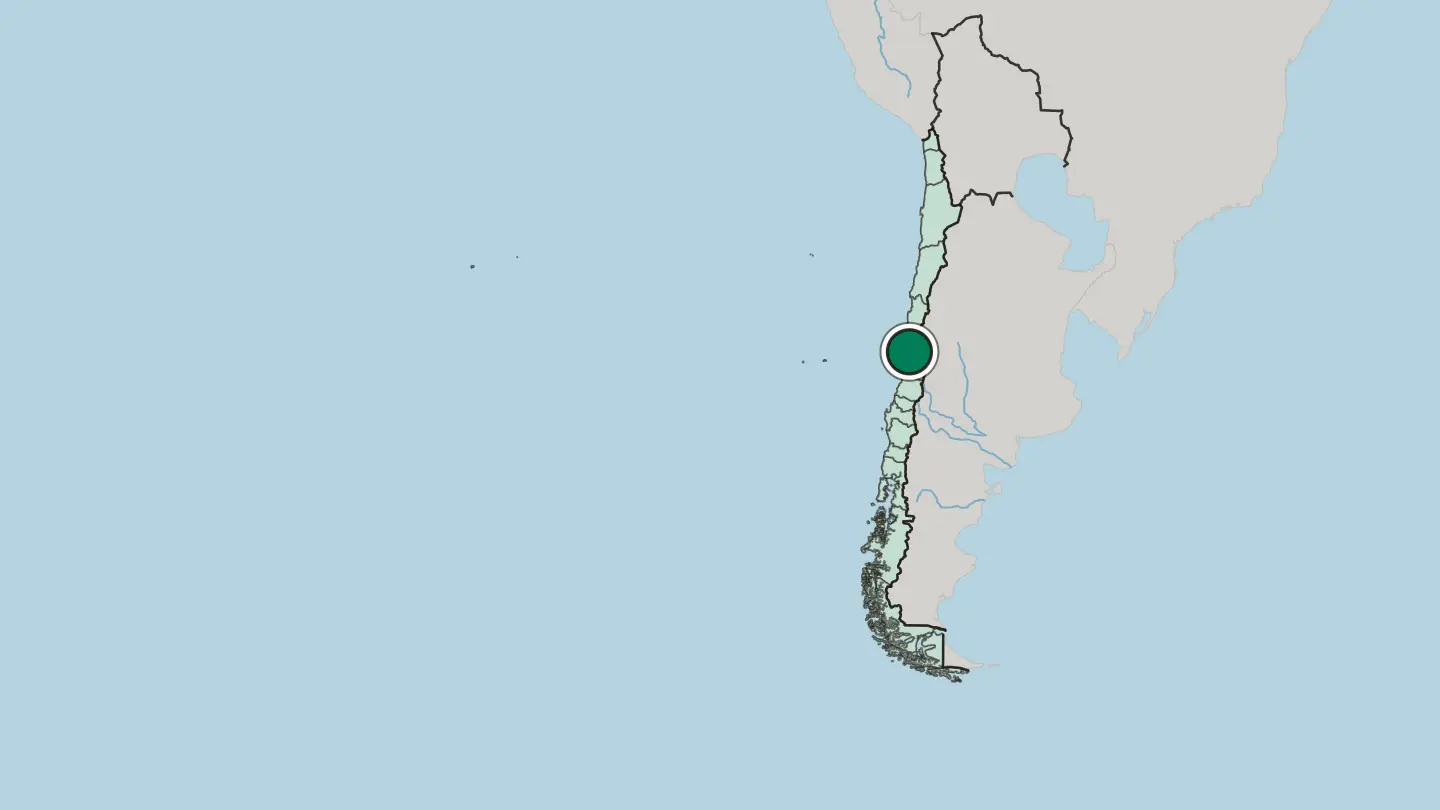 Chile
Chile
Antofagasta
Antofagasta is a mining port on the Pacific coast of northern Chile, an Atacama Desert city once part of Bolivia, marked by the stone arch of La Portada.Where to stay →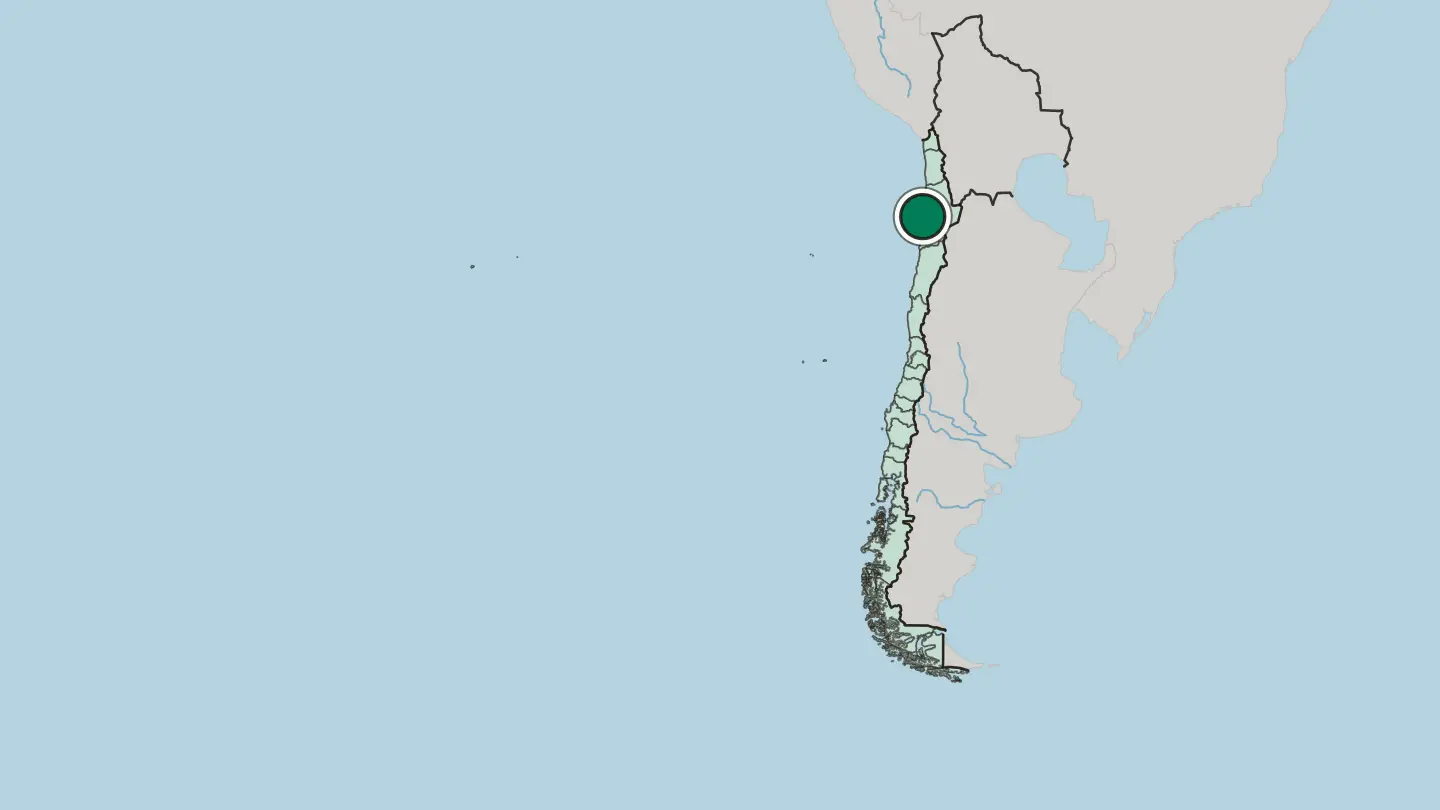
 Chile
Chile
Valdivia
Valdivia is a river city of southern Chile, a German-settled town of waterways and old Spanish forts where rainforest rivers run down to the sea.Where to stay →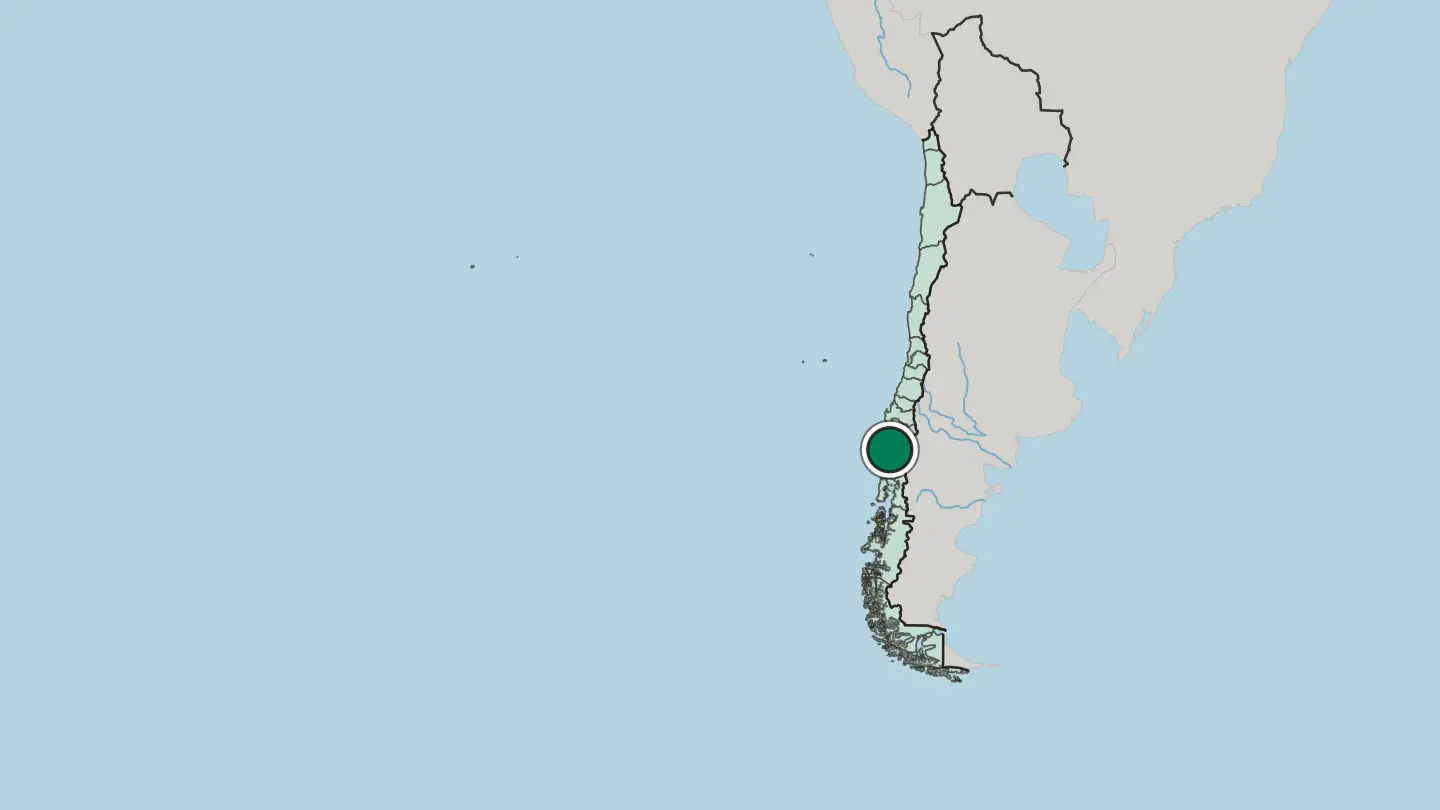 Chile
Chile
Puerto Montt
Puerto Montt is a port city of southern Chile, seat of the Lakes District at the head of a great sound, where roads and ferries turn south into Patagonia.Where to stay →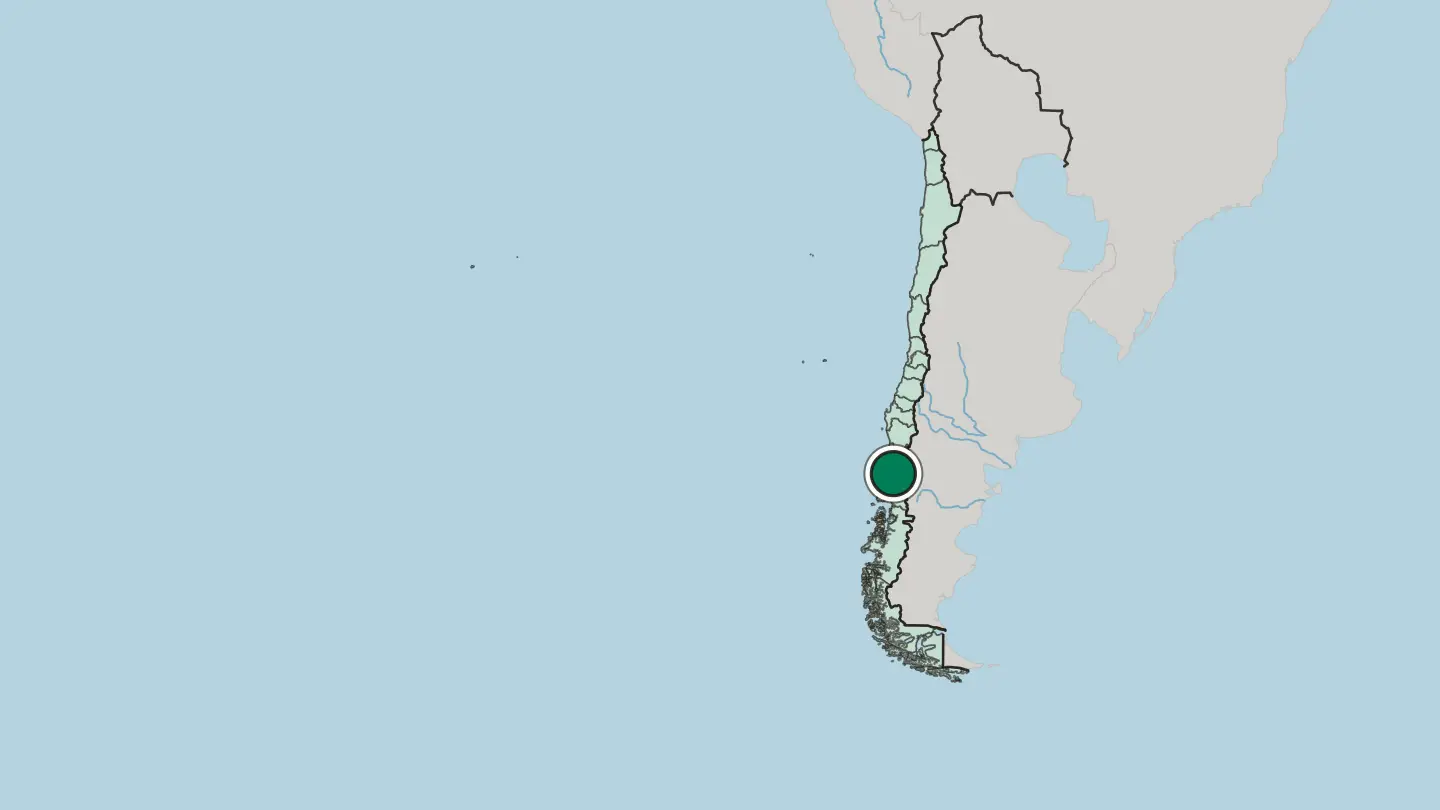
 Chile
Chile
Arica
Arica is a port city of the far north of Chile, set below the great headland of the Morro on the edge of the driest desert on earth.Where to stay →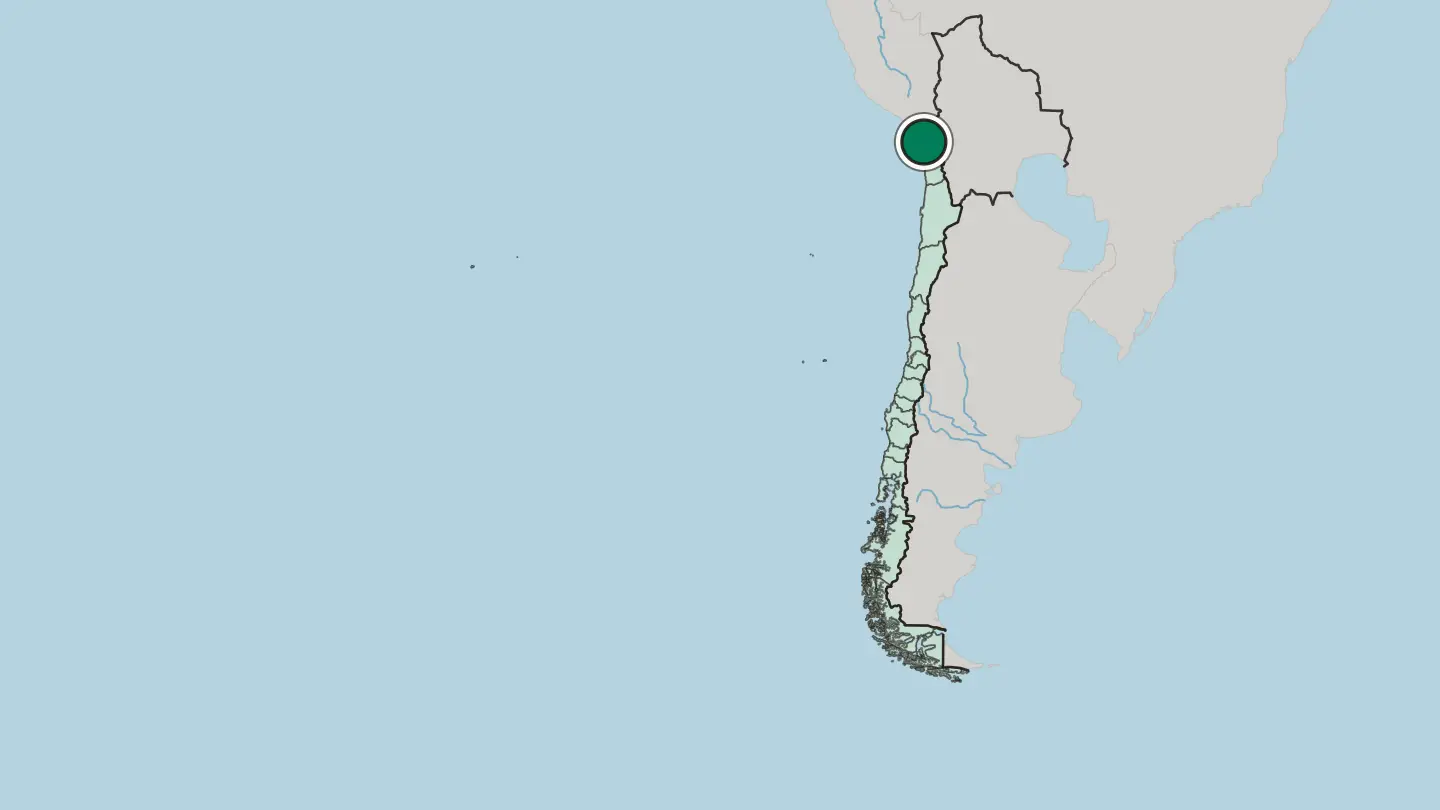
Hotel links are affiliate links: booking through them may earn us a commission, at no extra cost to you. It never affects how places are ranked. How this works
Regions of Chile
Chile
Región Aysén
Región Aysén is the wild heart of Chilean Patagonia, fjords, icefields and the Carretera Austral, with Coyhaique as its base.Towns & cities →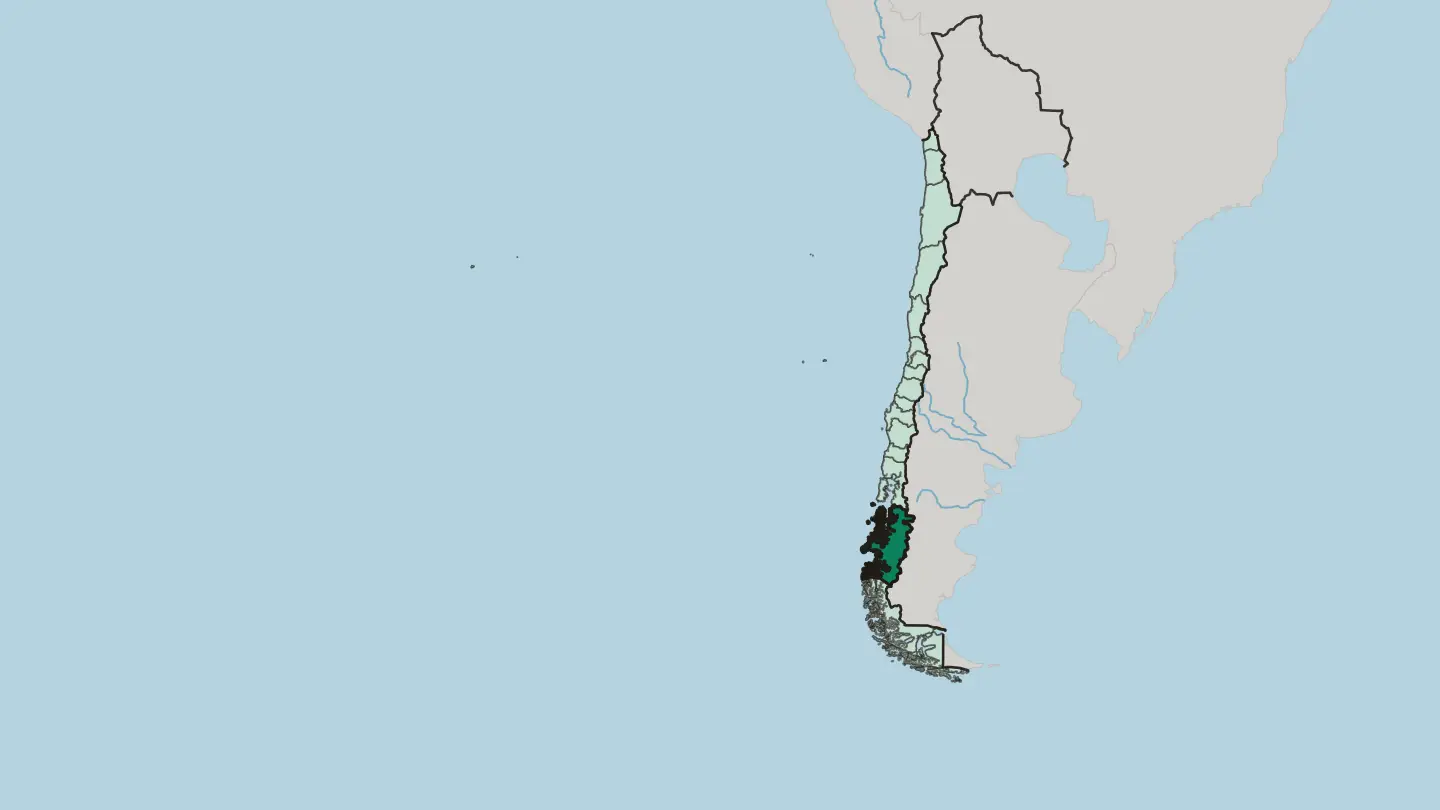 Chile
Chile
Región Metropolitana
Región Metropolitana is the landlocked administrative region at the centre of Chile, the division that contains the national capital, Santiago.Towns & cities →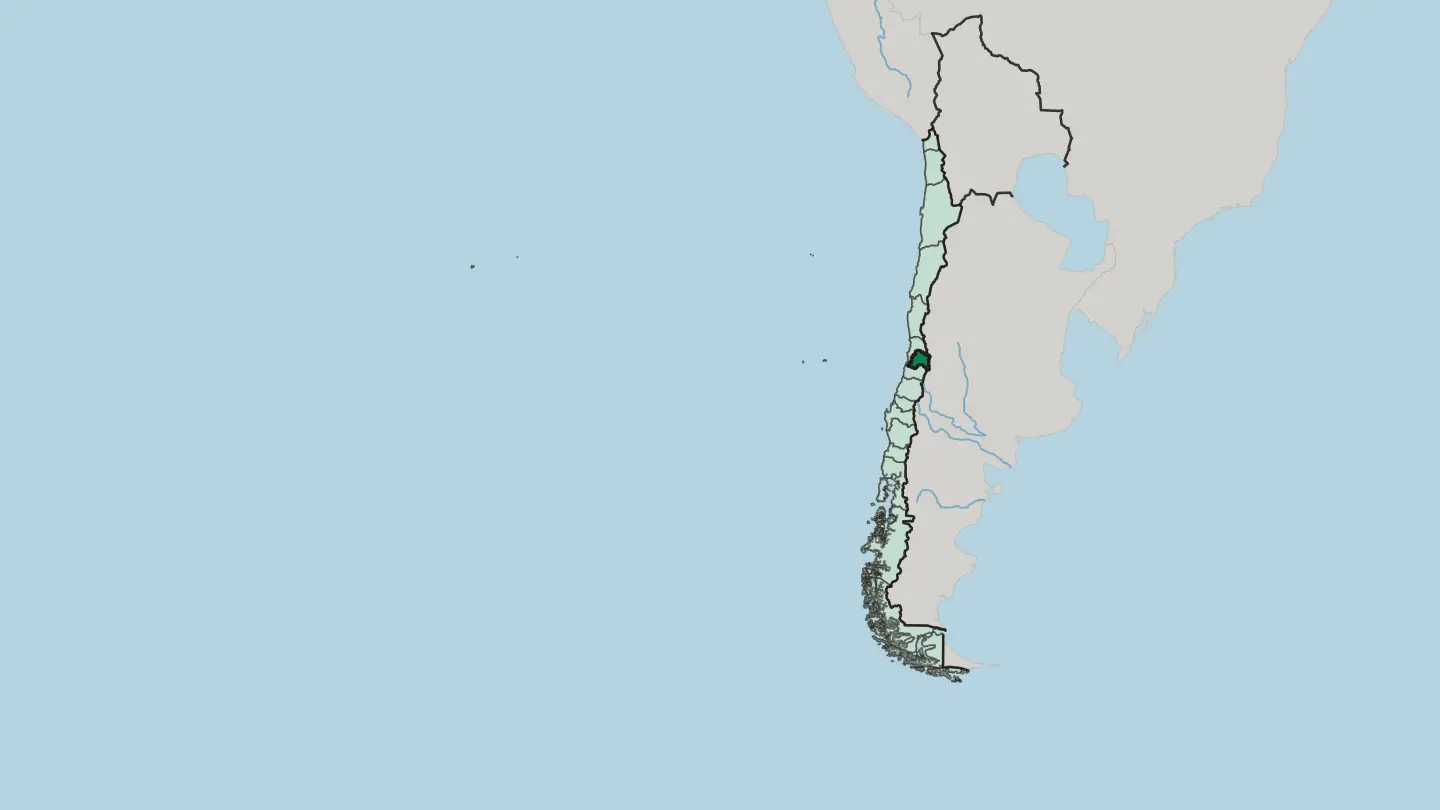
 Chile
Chile
Región de Antofagasta
Chile's second-largest region carries the Atacama Desert north, from the Pacific port of Antofagasta to the oasis of San Pedro de Atacama.Towns & cities →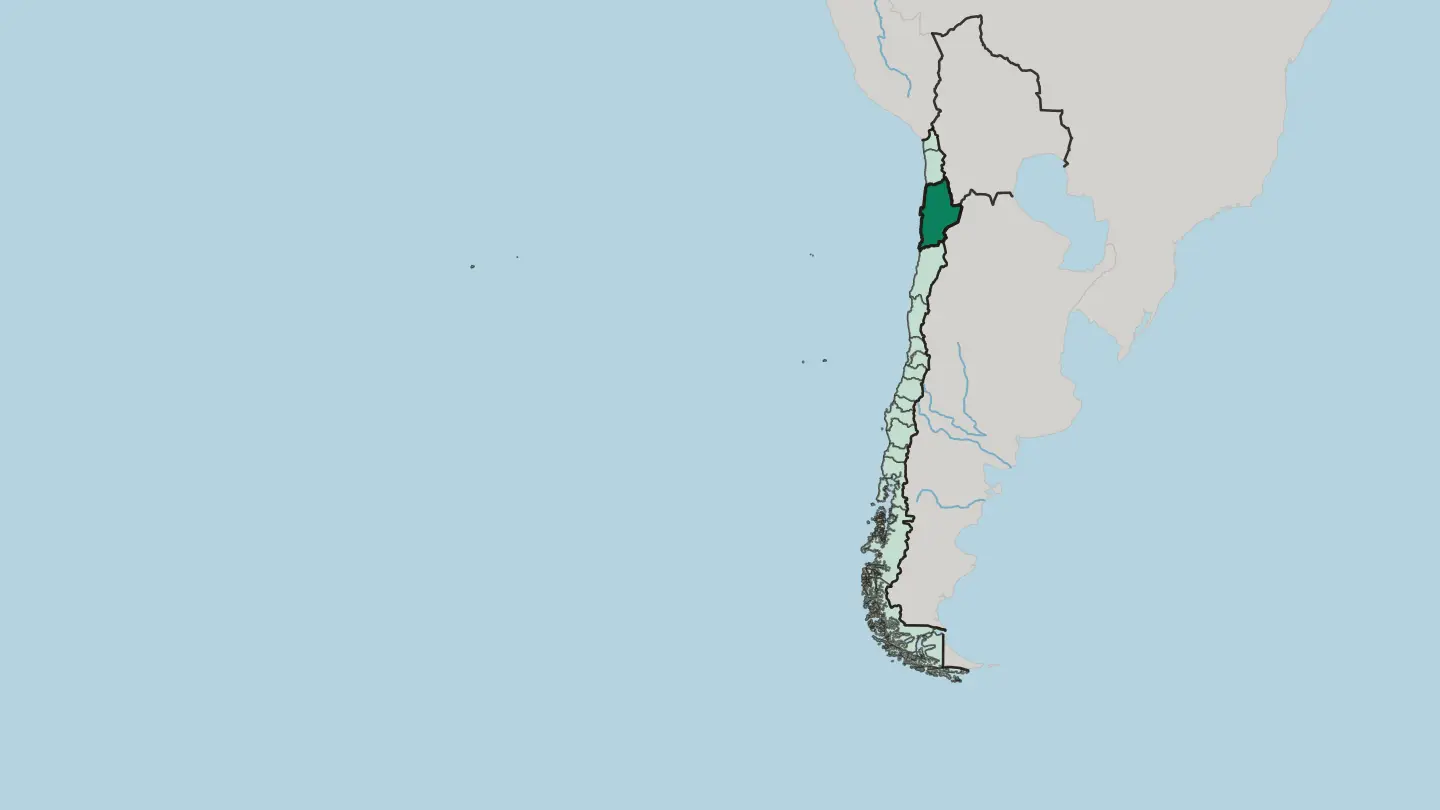 Chile
Chile
Región de Arica y Parinacota
Arica y Parinacota is Chile's northernmost region, where the Atacama meets the Pacific and the Andes climb toward Bolivia.Towns & cities →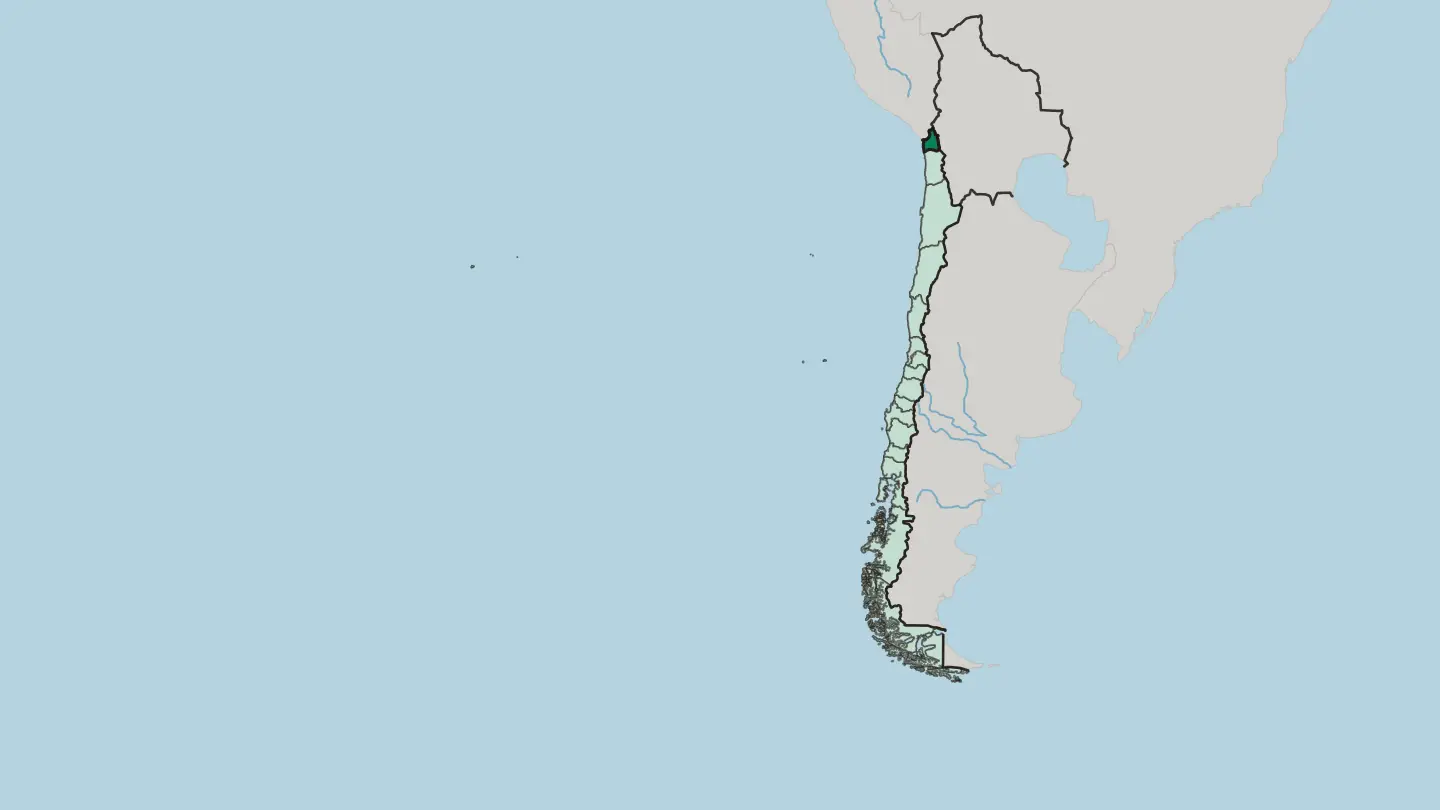
 Chile
Chile
Región de Atacama
Región de Atacama is northern Chile's driest region, running from the Pacific up through the Atacama Desert to Ojos del Salado.Towns & cities →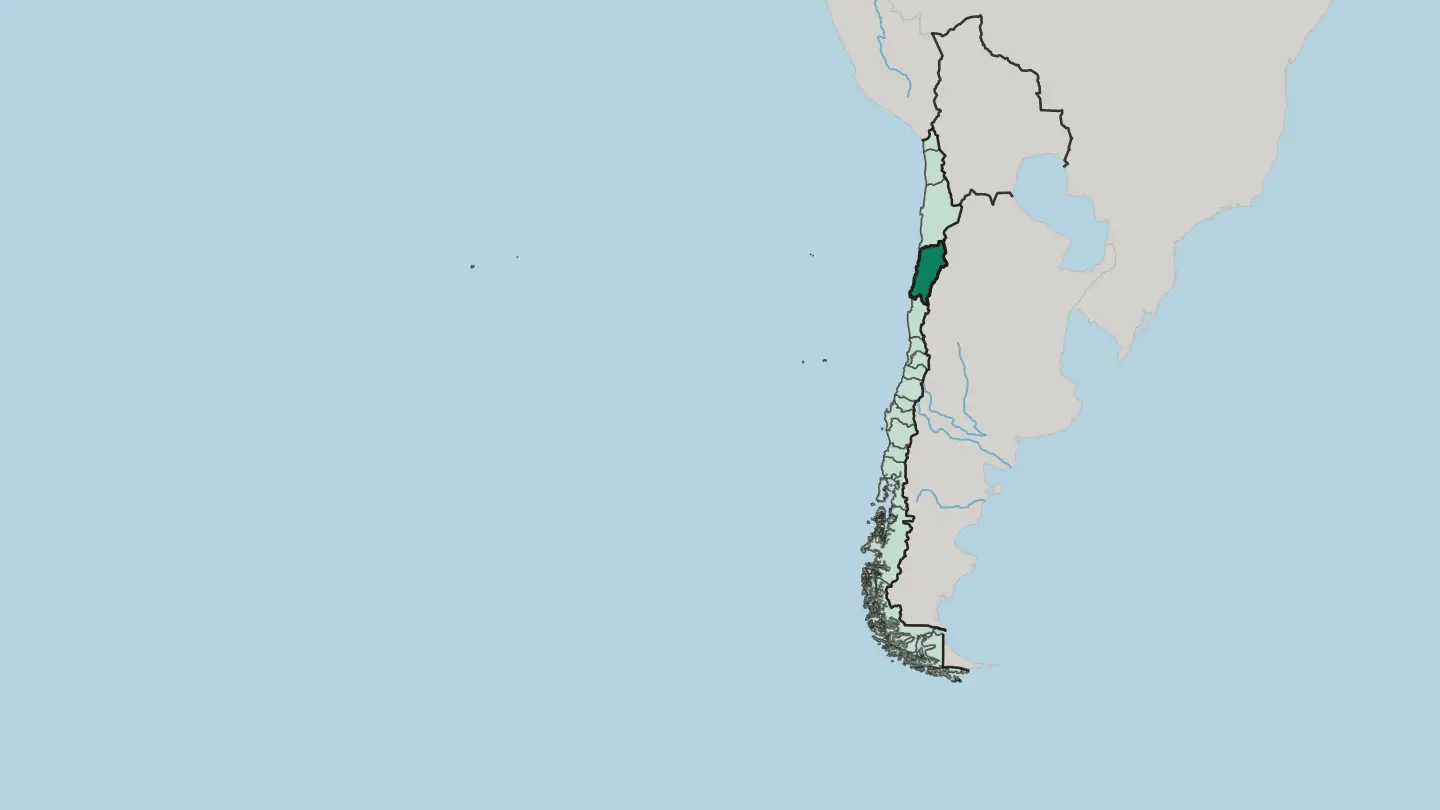
 Chile
Chile
Región de Coquimbo
The Región de Coquimbo is the narrowest slice of Chile, where the Andes crowd close to the Pacific and pisco valleys run inland.Towns & cities →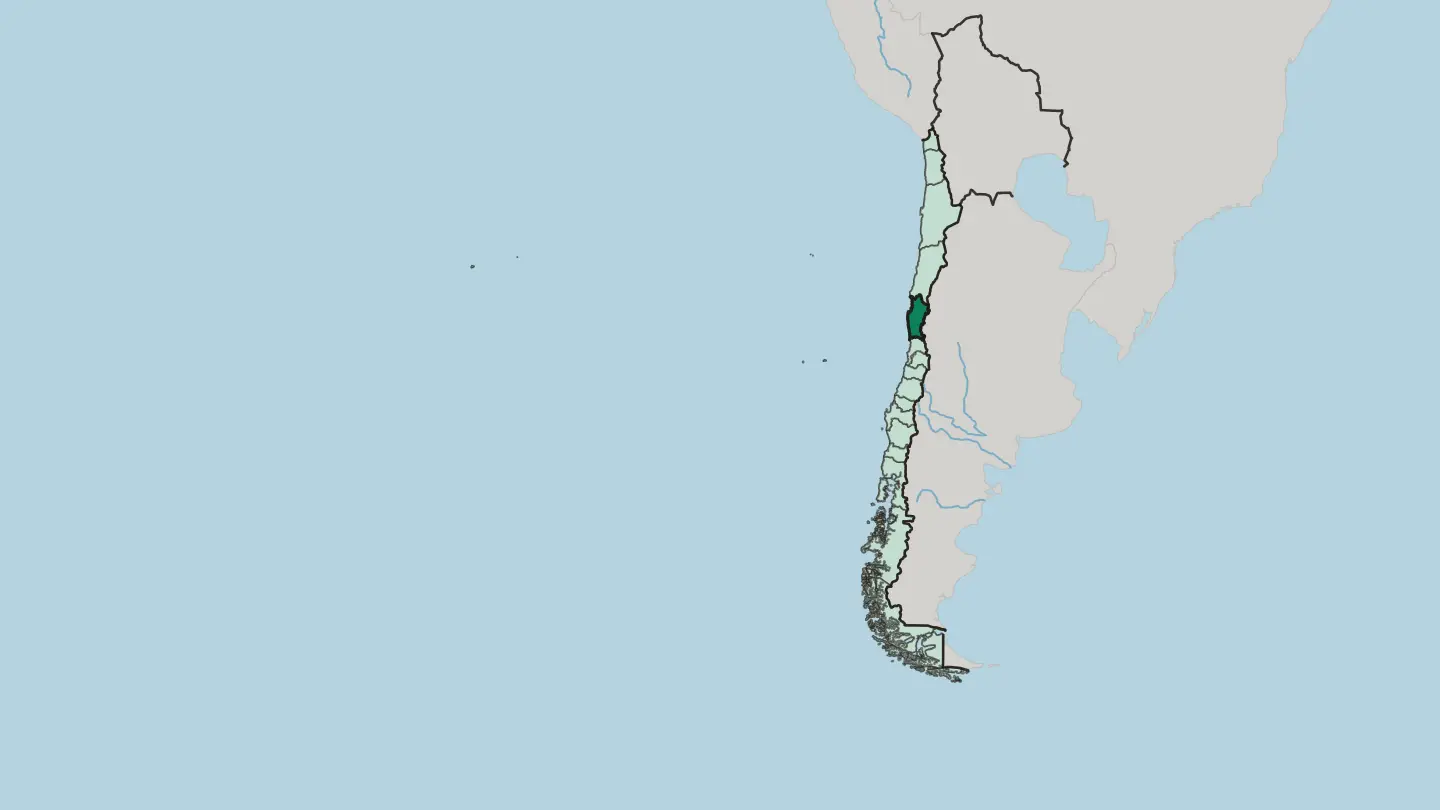 Chile
Chile
Región de Magallanes y Antártica Chilena
Magallanes is Chile's southernmost region, wrapped around the Strait of Magellan, where Patagonian steppe meets fjords, glaciers and Cape Horn.Towns & cities →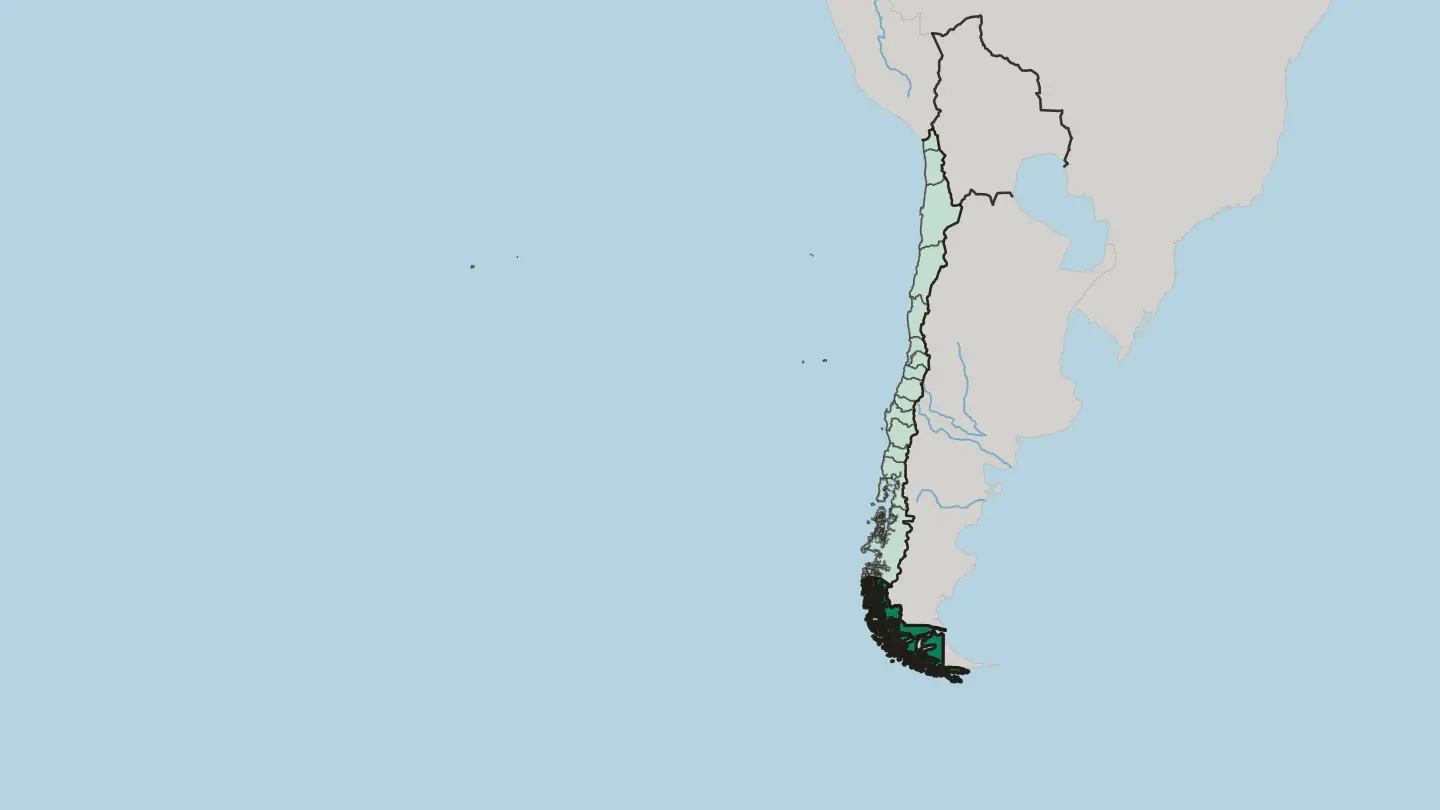 Chile
Chile
Región de Tarapacá
Región de Tarapacá is Chile's desert north, where the Atacama meets the Pacific at the port of Iquique.Towns & cities →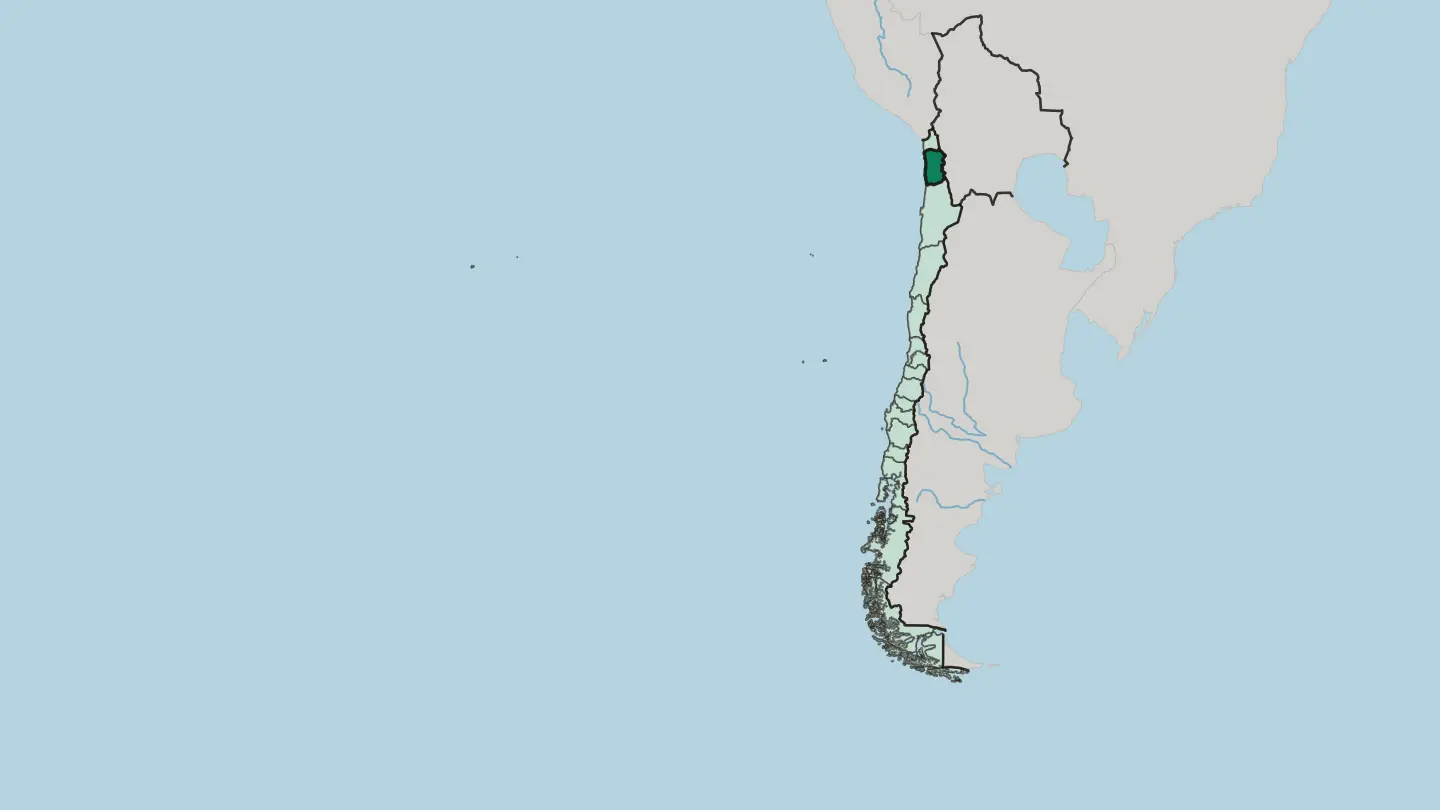 Chile
Chile
Región de Valparaíso
Región de Valparaíso is Chile's central-coast region, home to the port of Valparaíso, Viña del Mar's beaches, and Easter Island.Towns & cities →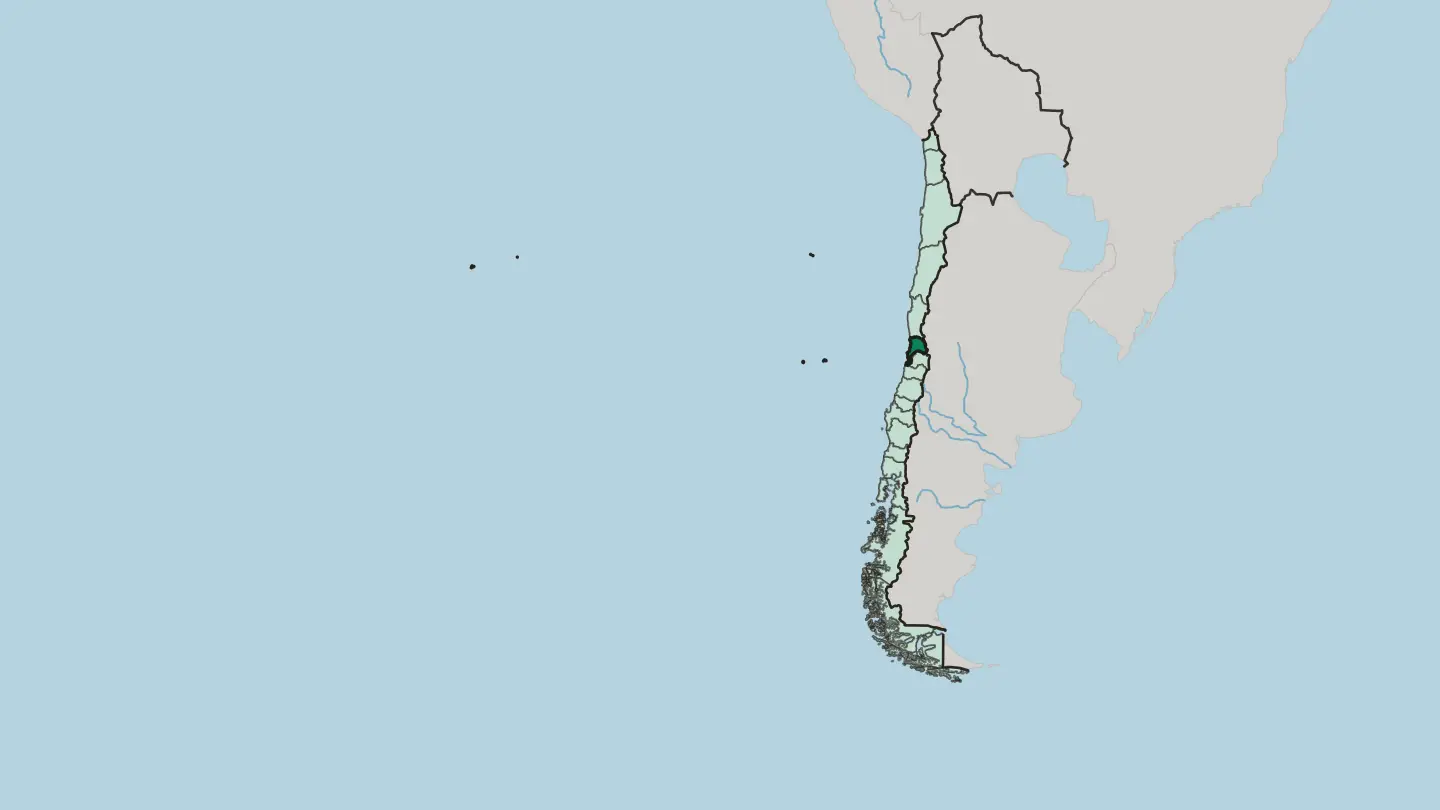 Chile
Chile
Región de la Araucanía
Región de la Araucanía is Chile's lake-and-volcano south, where the Andes, the Mapuche heartland and the pehuén forests meet.Towns & cities →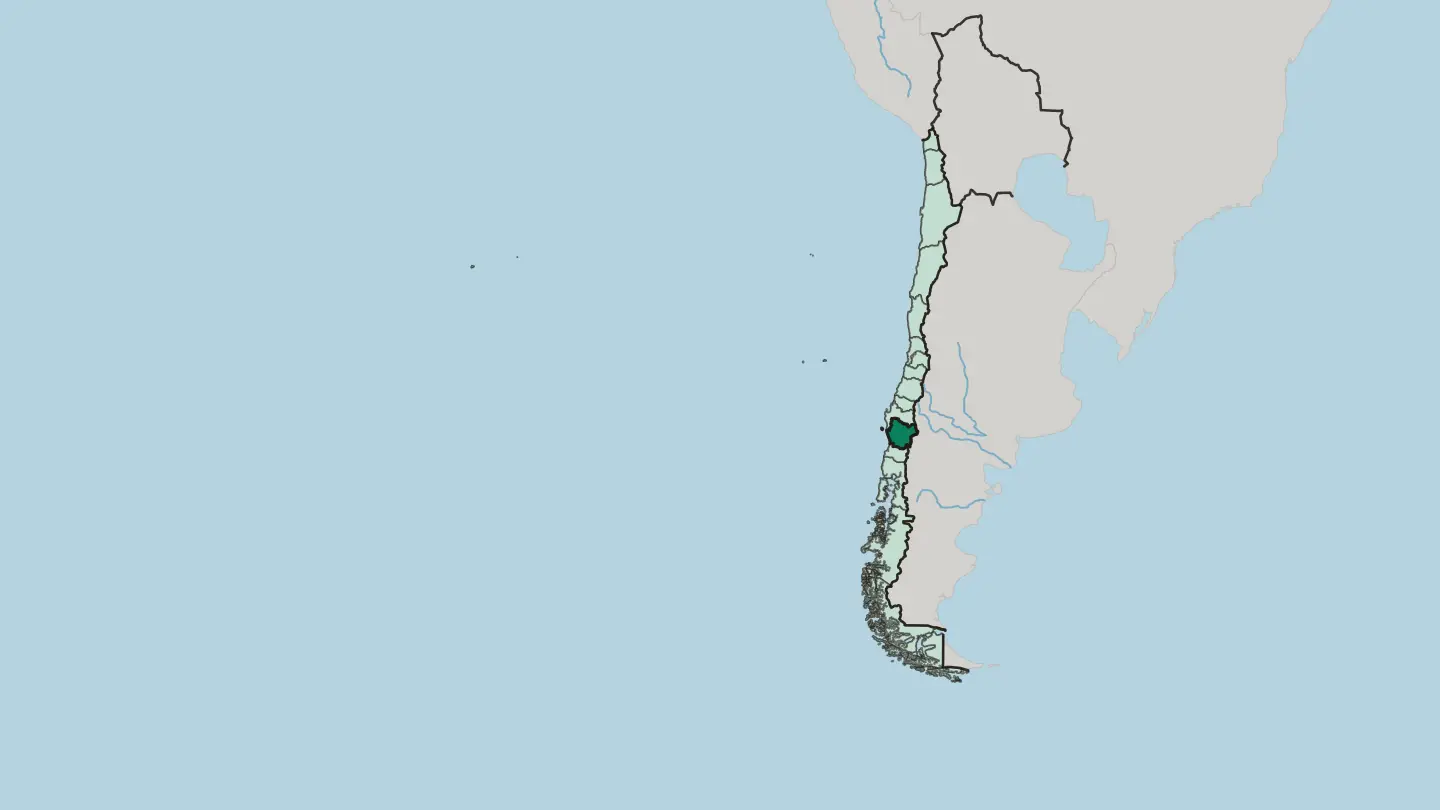 Chile
Chile
Región de los Lagos
Región de los Lagos is Chile's lake-and-volcano south, where glacial lakes, snow-capped cones and the Chiloé islands meet the Pacific.Towns & cities →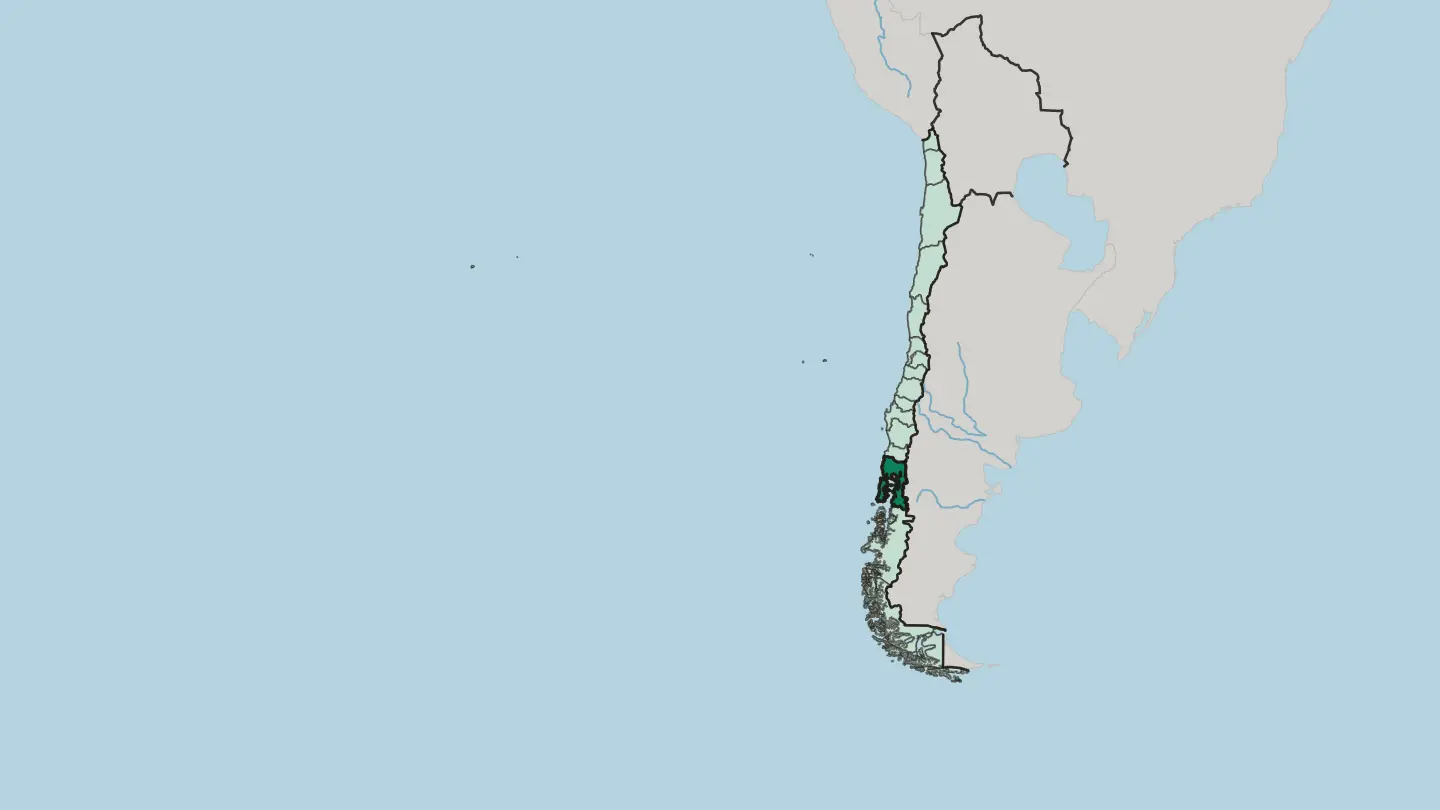 Chile
Chile
Región de los Ríos
Región de los Ríos is a lake-and-forest region of southern Chile, named for the rivers that braid around its capital, Valdivia.Towns & cities →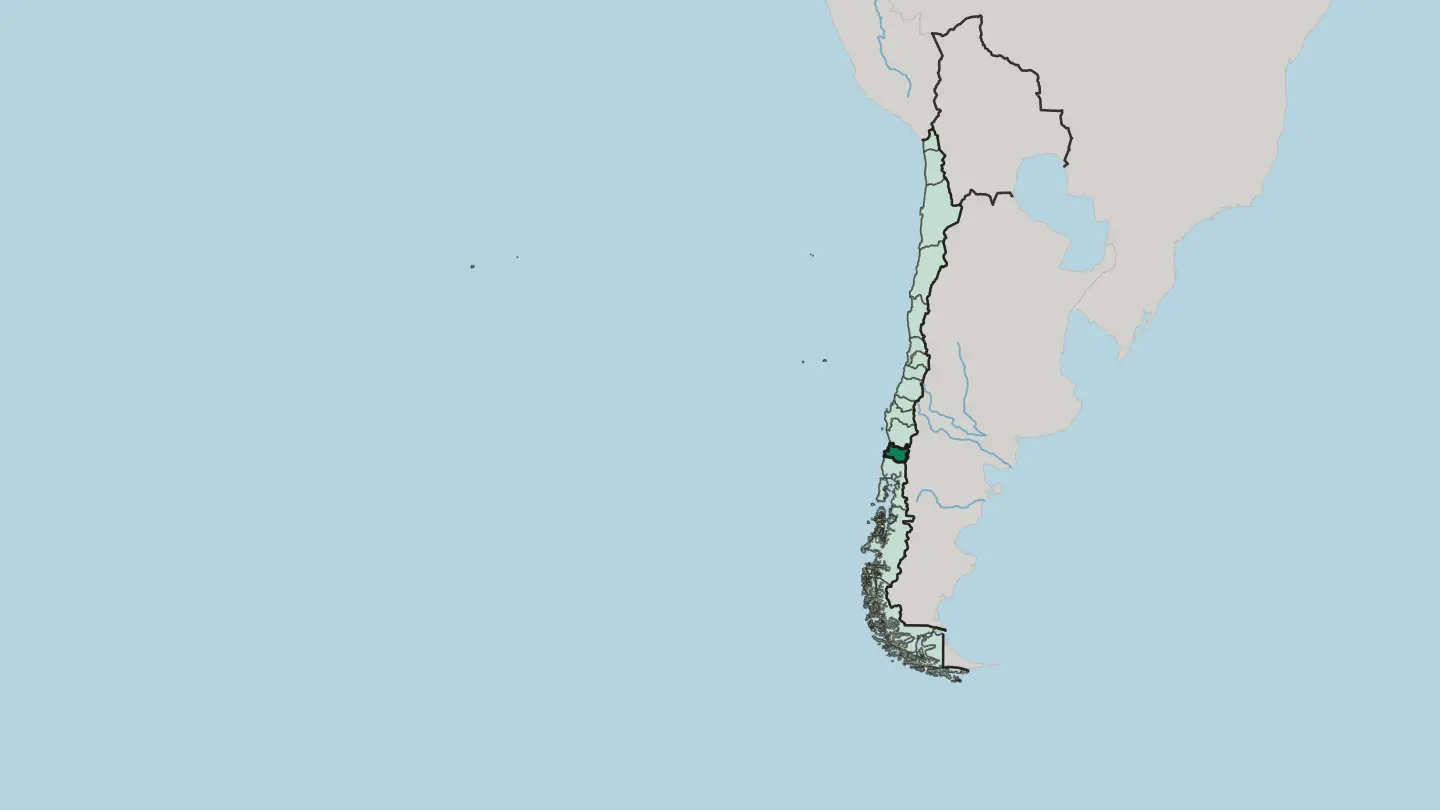 Chile
Chile
Región de Ñuble
Región de Ñuble is Chile's smallest region, a wine-and-ski country between the Andes and the Pacific, capital Chillán.Towns & cities →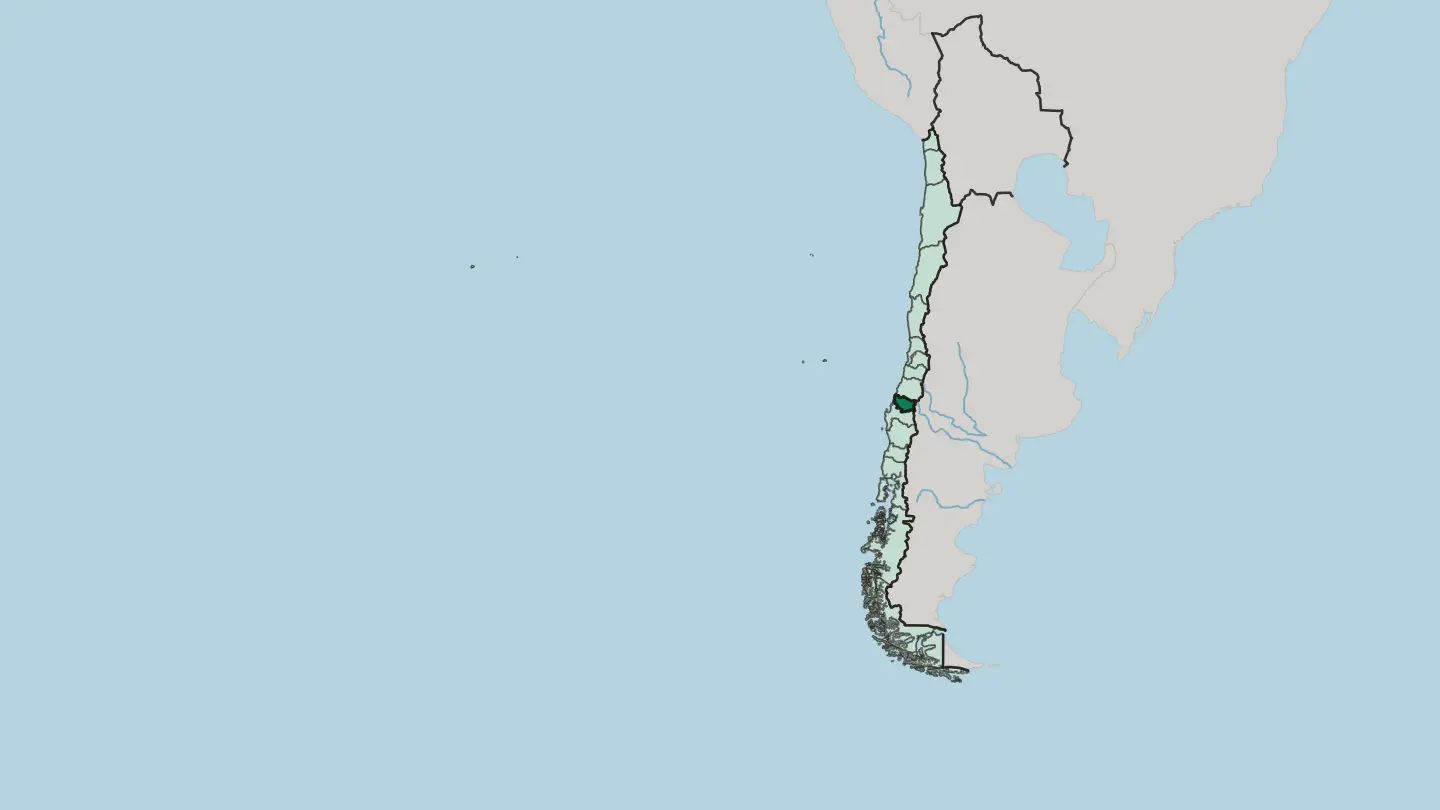 Chile
Chile
Región del Biobío
Chile's timber-and-coal heartland on the Bío Bío River, running from the Andes across the Central Valley to Concepción and the Pacific.Towns & cities →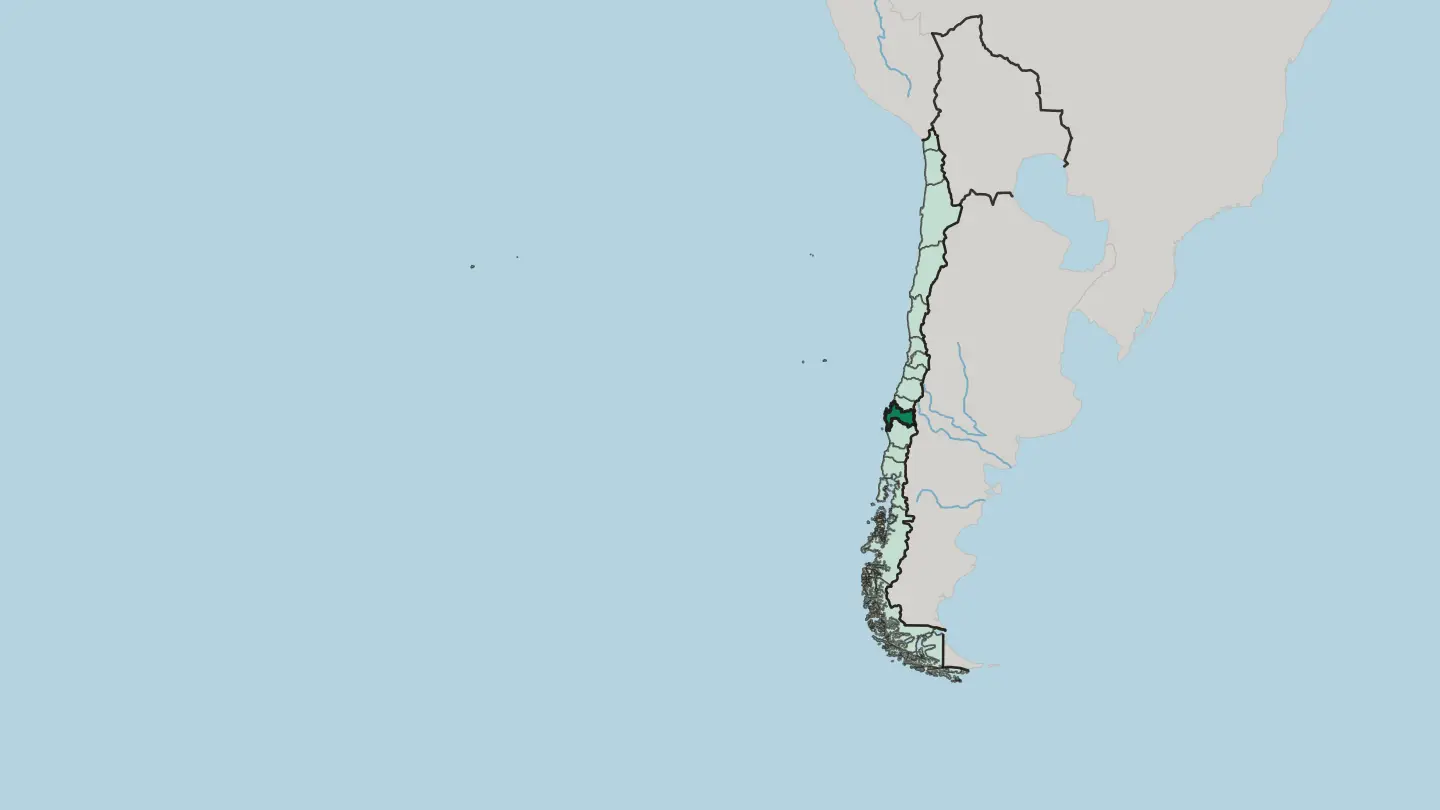
 Chile
Chile
Región del Libertador General Bernardo O’Higgins
Chile's wine heartland between the Andes and the Pacific, named for independence leader Bernardo O'Higgins and centred on Rancagua.Towns & cities →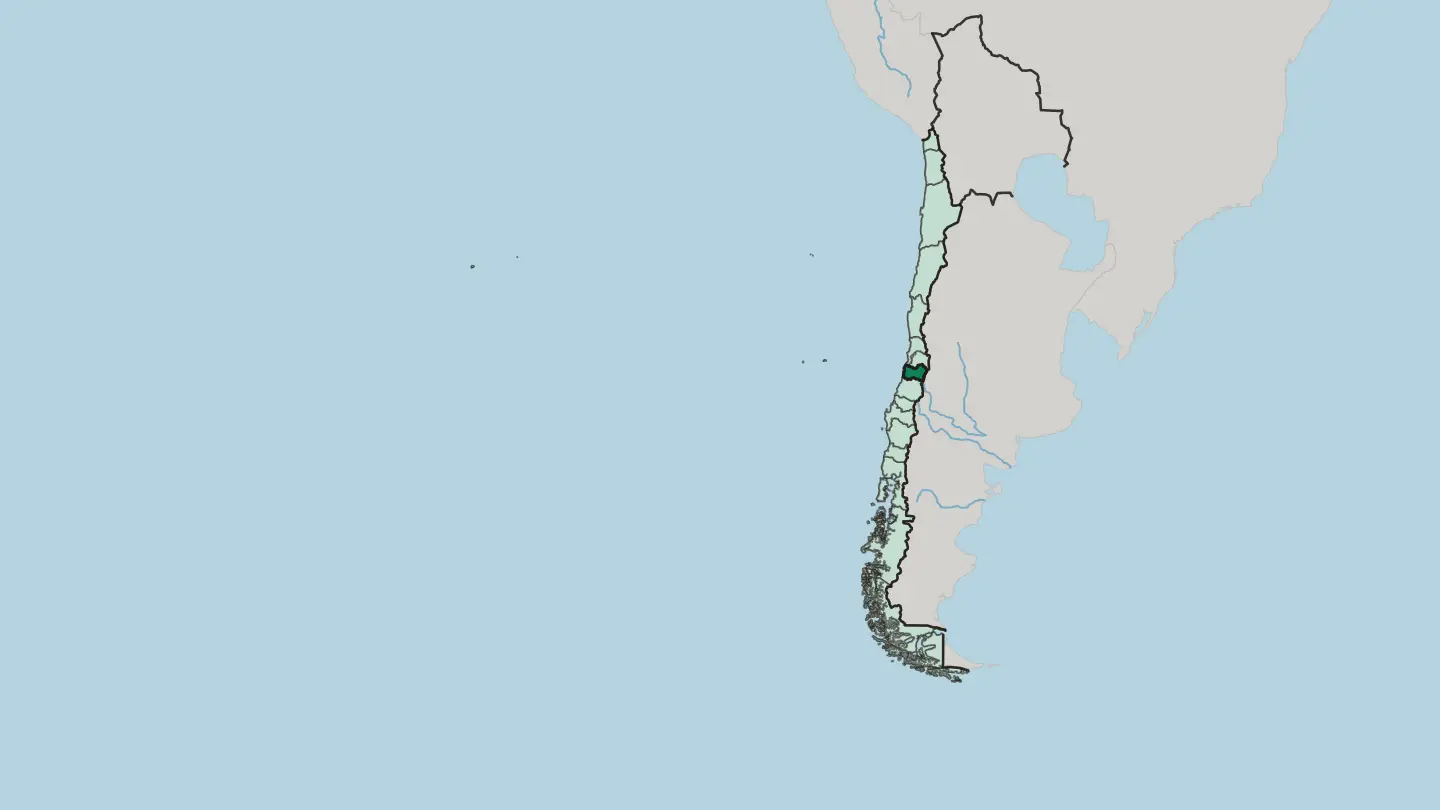 Chile
Chile
Región del Maule
Región del Maule is Chile's wine country south of Santiago, where the Maule River runs from the Andes to the Pacific past Talca.Towns & cities →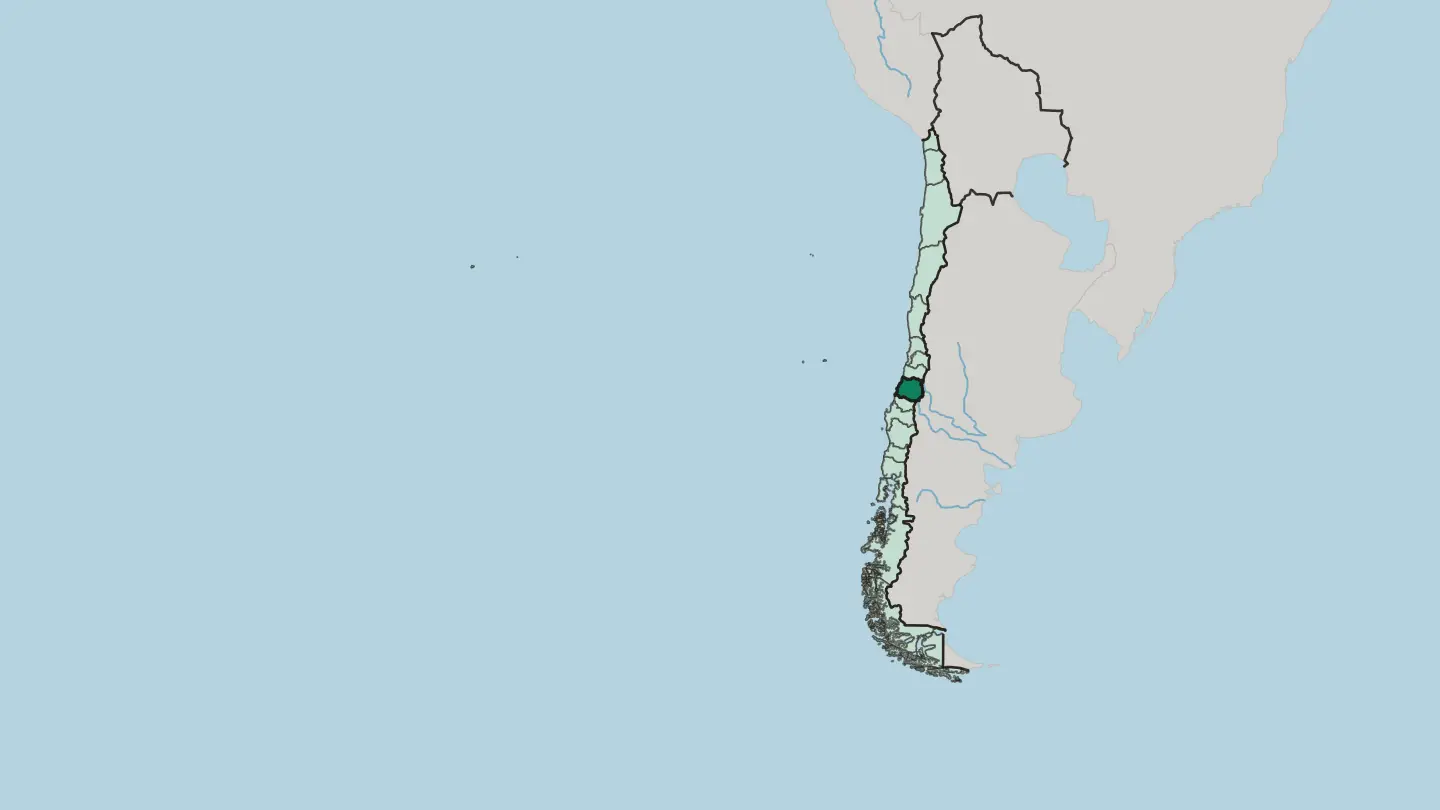
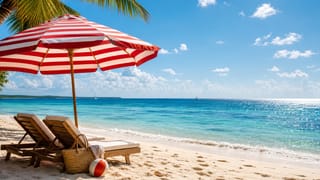
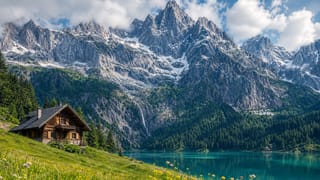
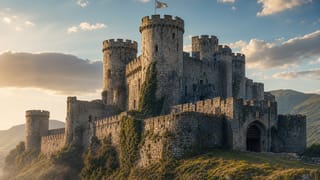
Explore by experience
Not sure which place? Start from how you want to travel.

About Chile
What is Chile known for?
Chile is known as the long, thin country of South America, a strip of land pressed between the Andes Mountains and the Pacific Ocean. Its reach is extraordinary. From the northern borders with Peru and Bolivia down to the Drake Passage and Antarctica in the far south, the country runs the length of a continent, and its Pacific holdings carry it out to Easter Island and the Juan Fernández islands far offshore.
Where is Chile?
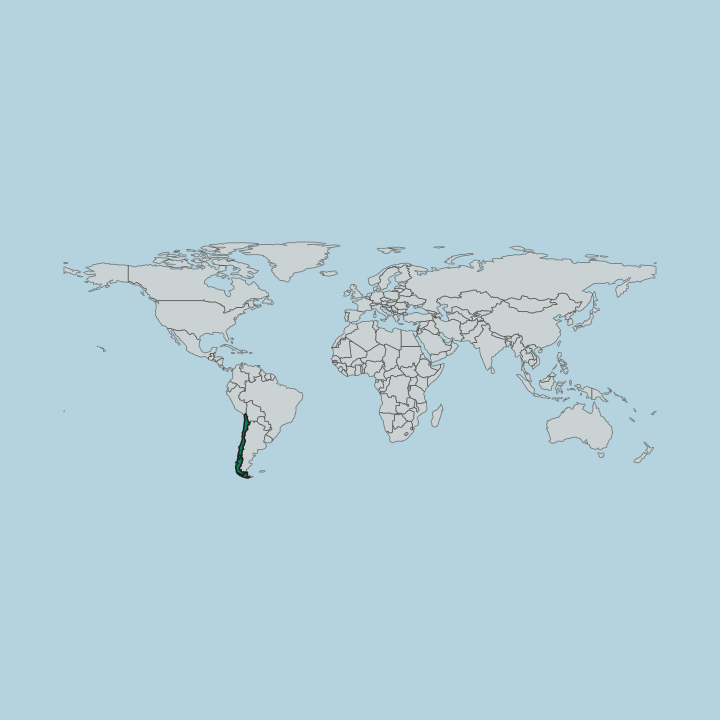
Chile occupies a long, narrow strip of western South America, pressed between the Andes Mountains along its eastern edge and the Pacific Ocean to the west. The shape is unmistakable. The country reaches from its northern borders with Peru and Bolivia down to the Drake Passage in the far south, making it the southernmost country in the world and the closest to Antarctica.
Argentina lies over the mountains to the east, sharing the long Andean spine, while the Pacific Ocean runs the length of the western coast. Beyond the mainland, Chile administers a scatter of Pacific islands, among them the Juan Fernández group, Isla Salas y Gómez, the Desventuradas, and Easter Island far out in the ocean. It also claims a wedge of Antarctica, the Chilean Antarctic Territory, reaching toward the pole.
Distances are vast. The capital, Santiago, sits inland near the centre of the country, within reach of both the Andes and the Pacific coast, and from there the land runs for thousands of kilometres north and south along the same thin corridor between mountains and sea. No country reaches farther south.
What is the history of Chile?
Chile traces its founding as a state to 1810, when the long strip of land on the western side of South America began its path to becoming the Republic of Chile. Santiago stood at the centre. The city near the middle of the country served as the seat of the new nation, set between the Andes Mountains and the Pacific Ocean, and it has remained the capital ever since.
From that founding, the republic took its shape along the narrow corridor between the mountains and the sea. Spanish became the national language, carried the length of the country. Over time Chile came to administer a spread of Pacific islands, among them Easter Island and the Juan Fernández group, and to claim a sector of Antarctica as the Chilean Antarctic Territory, extending the reach of the state far beyond the mainland toward the southern waters near the Drake Passage.
The geography set the terms. A country this long and this thin has always answered to the Andes on one side and the Pacific on the other. That pattern has never truly changed.
What is Chile like?
Chile shares one language across an extraordinary length of country. Spanish is the national tongue, spoken from the northern borderlands near Peru and Bolivia to the far south by the Drake Passage, binding a nation stretched thin between the Andes Mountains and the Pacific Ocean. The land shapes the life.
A country pressed into a narrow corridor between high mountains and open sea lives always in reach of both, and the pull of coast and cordillera runs through it from end to end. That shared life reaches well beyond the mainland. Chile carries its identity out into the Pacific Ocean, to Easter Island and the Juan Fernández group far offshore, and south toward the ice in the sector it claims as the Chilean Antarctic Territory.
Few nations spread so far. From Santiago near the centre of the country, the culture of the Republic of Chile runs the length of South America's western edge, held together by a common language and the twin presences of the Andes and the sea. One country answers to the mountains and the ocean alike, from end to end.
What is the climate of Chile?
Chile reaches across such a span from north to south that no single climate fits it. Its length decides everything. The subtropical north near Peru and Bolivia stays warm and dry, the central ground around Santiago keeps mild seasons, and the far south toward the Drake Passage and Antarctica turns cold, wet, and wind-driven, so the country holds nearly every climate between the Andes Mountains and the Pacific Ocean.
How do you get to Chile?
Chile is reached mainly through Santiago, the capital near the centre of the country. Flights land there. Because the Republic of Chile runs so far from the northern borders with Peru and Bolivia to the Drake Passage in the south, travel within the country covers long distances between the Andes Mountains and the Pacific Ocean, and reaching the Pacific islands such as Easter Island means a further flight far out over the ocean.
Common questions
What is the best area to stay in Chile?
Santiago: first-time visitors who want the capital of Chile before the length of the country opens up.
Good for
Updated September 2026