Chile · Región de los Ríos
Where to Stay in Valdivia, Región de los Ríos
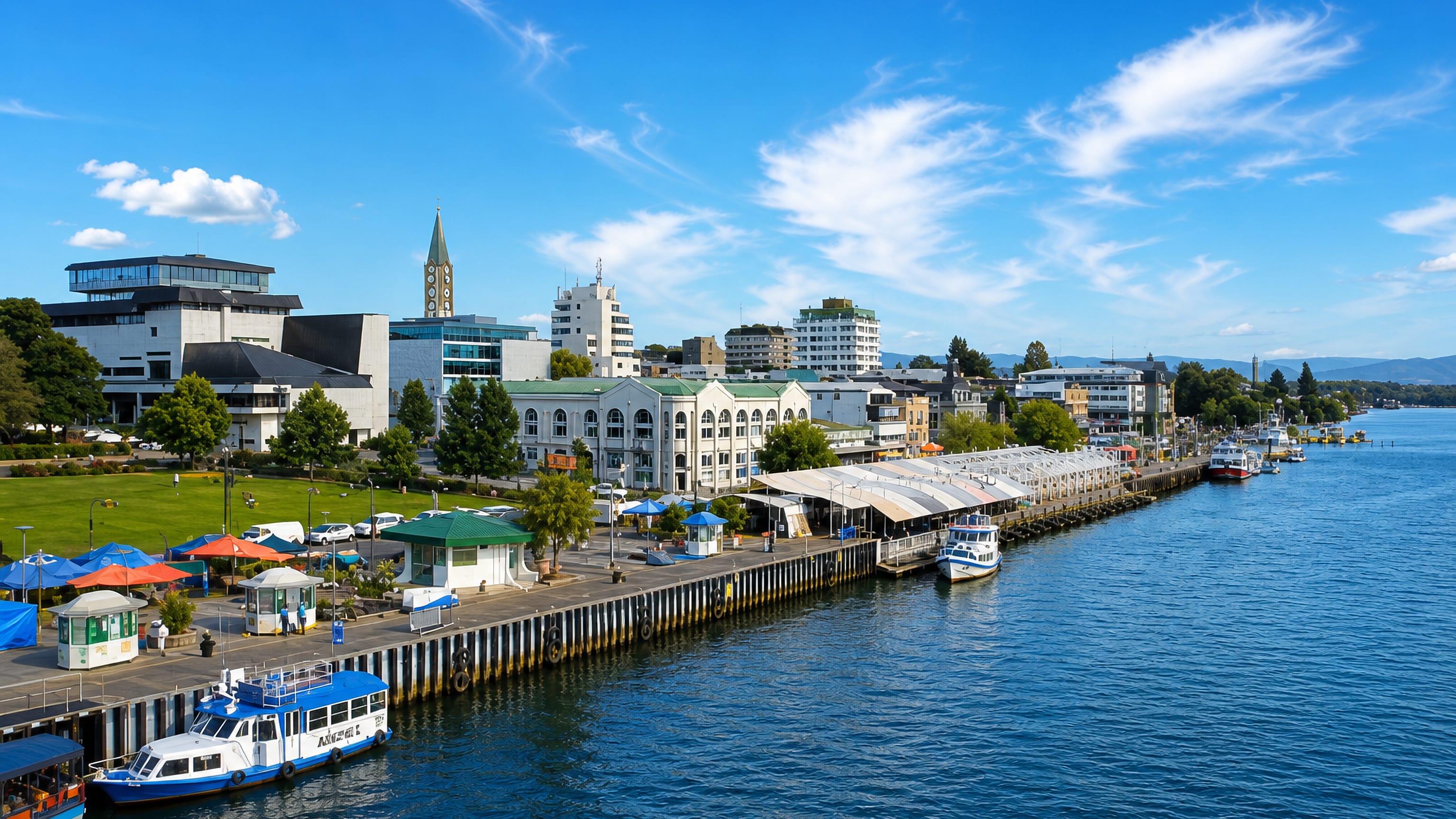
Valdivia is a river city of southern Chile, a German-settled town of waterways and old Spanish forts where rainforest rivers run down to the sea.
Hotel links are affiliate links: booking through them may earn us a commission, at no extra cost to you. It never affects how places are ranked. How this works


Where to stay in Valdivia
One neighbourhood here has its own guide — here's what it is best for.

 ValdiviaChile
Las Animas
Las Ánimas is an industrial and residential neighbourhood on the northern side of Valdivia, in Chile.Where to stay →Hotel links are affiliate links: booking through them may earn us a commission, at no extra cost to you. It never affects how places are ranked. How this works
Find hotels in Valdivia
Direct booking searches for these neighbourhoods.
The waterfront
Along the riverfront within a walk of the quaysFind hotels in The waterfrontStays wanting the museums and gardensIsla Teja
Across the water by the university and parksFind hotels in Isla TejaHotel links are affiliate links: booking through them may earn us a commission, at no extra cost to you. It never affects how places are ranked. How this works
Things to do in Valdivia
Ranked by global recognition; descriptions from Wikidata (CC0).
Museums & Galleries
3- Museo Histórico y Antropológico Maurice van de Maele Heritage
- Museo de Arte Contemporáneo Valdivia Heritage
- Museo de la Exploración Rudolph Amandus Philippi
Churches & Religious Sites
2- Iglesia San Francisco de Valdivia Heritage
- Our Lady of the Rosary Cathedral, Valdivia
worth knowingacross 2 categories in Valdivia
About Valdivia
Valdivia is the river city of the Chilean south.
What is Valdivia known for?
Where three rivers join and run to the sea through the rainforest, it grew as a Spanish stronghold and later a German colony, and it keeps that heritage with the ruined forts at the river mouth, the sea lions on the fish-market steps, the riverside breweries of the German settlers, and the museums on leafy Isla Teja. Green forest walls the water. Rain falls soft on the rivers.
What are the main landmarks in Valdivia?
The old Spanish forts are the emblem of Valdivia. The stone batteries at Niebla and Corral, guarding the mouth of the river below the city, look out over the sea, the mark of the coast, downstream. A fish market lines the river.
The sea lions crowd the steps of the riverside market, while the cathedral, the German museums of Isla Teja, and the botanical garden mark the streets of Valdivia.
What is the history of Valdivia?
Valdivia was Spain's great southern stronghold. Spain founded the city on the river in 1552 and named it for the conquistador Pedro de Valdivia. It stood as the empire's last fort against the Mapuche of the far south, and the Spanish walled the river mouth with a chain of forts.
The forts guarded the sea. Niebla, Corral, and the island of Mancera held the entrance against the enemies of the crown for two centuries. In the last century the Germans came.
Settlers from Germany reached Valdivia in the eighteen-fifties and built breweries, mills, and riverside houses that gave the city its look, and it grew into a town of learning and trade. Then the earth shook. In 1960 the greatest earthquake ever recorded struck here, dropping the land and flooding the rivers, and the city was rebuilt among its waters.
The old forts still guard the coast. Valdivia keeps its rivers and its forts in the rainforest south.
Where is Valdivia?
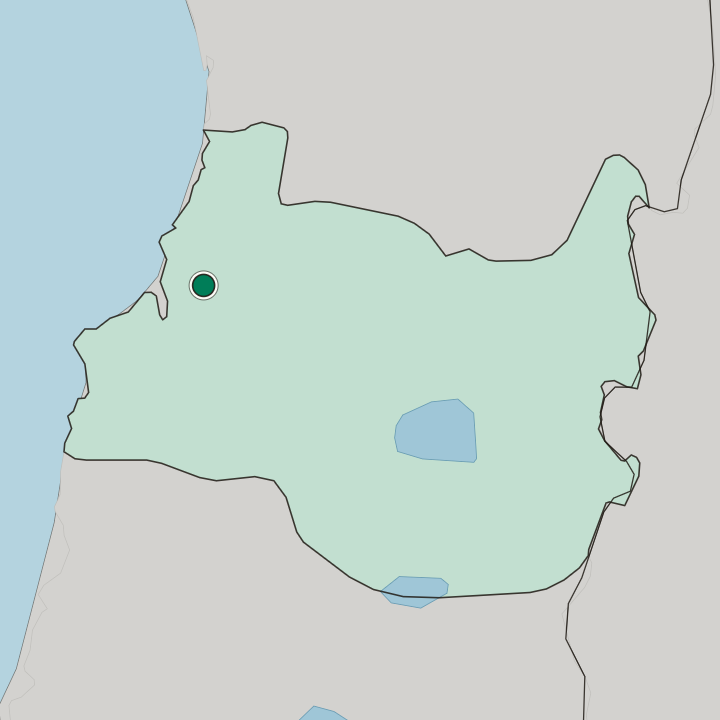
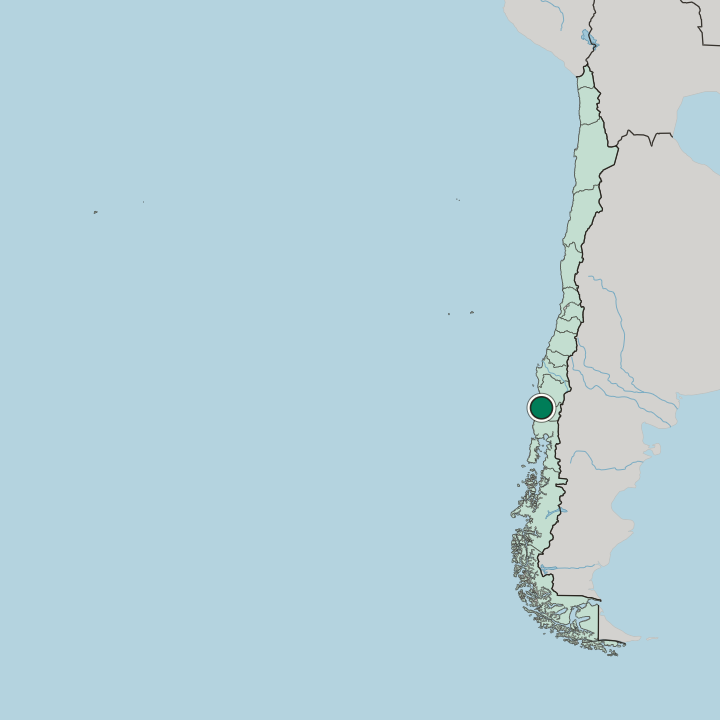
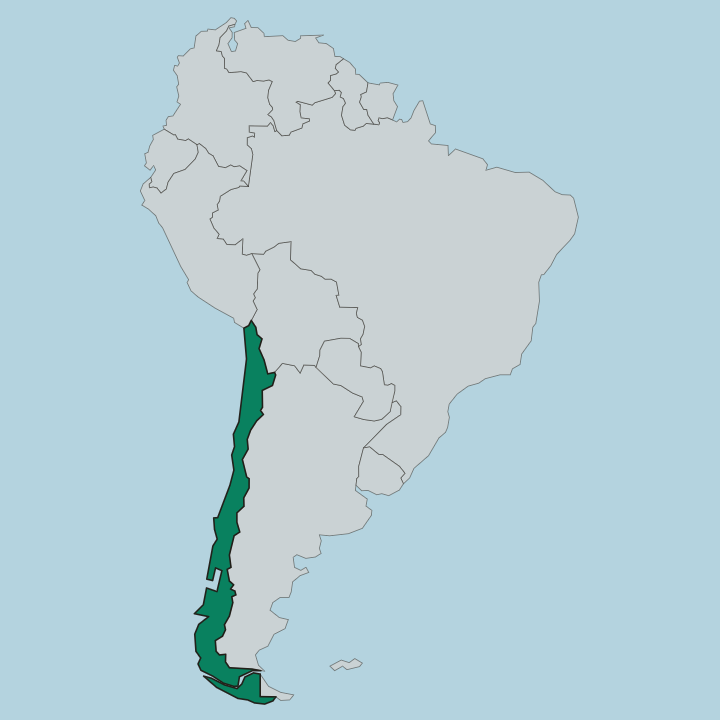
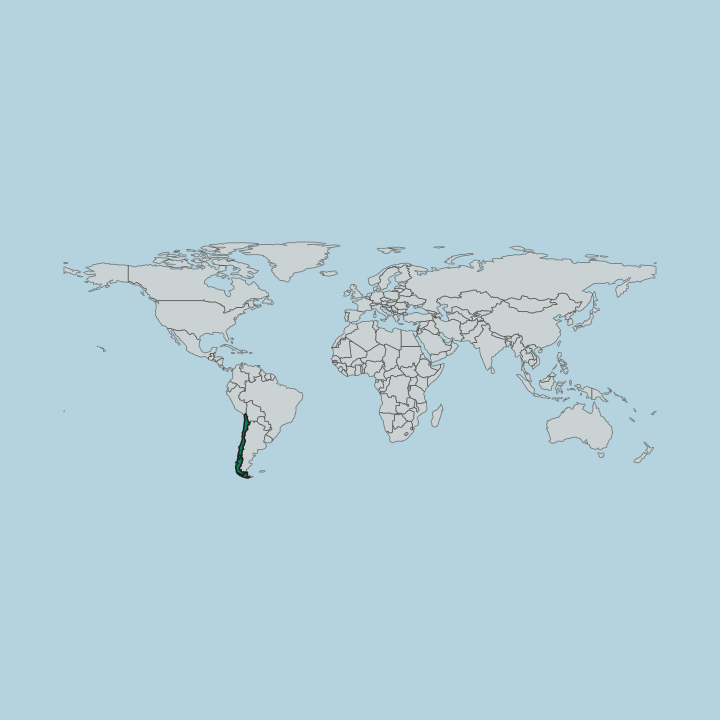
Valdivia lies in the far south of Chile, where the Calle-Calle and its sister rivers join to form the Valdivia. The city stands on the banks and islands of the river country, ringed by the dense Valdivian rainforest, a short way inland from the wild Pacific coast, with the old forts guarding the river mouth downstream. Wet green forest closes in.
The rivers braid past the town.
What is the climate of Valdivia?
Valdivia has a cool, wet oceanic climate. Mild summers and soft, rainy winters cross the river country, and heavy rain falls much of the year off the Pacific, feeding the great rainforest around. Rain drips through the green canopy.
The rivers run high in winter.
How do you get to Valdivia?
Valdivia lies in southern Chile, off the main highway down the central valley. Roads and buses run to it from the Pan-American highway and the lake country, and a small airport links Santiago. River boats run down to the forts and the coast.
Santiago lies far to the north.
Common questions
What is the best area to stay in Valdivia?
The waterfront: Visitors here for the fish market and cathedral. Isla Teja: Stays wanting the museums and gardens.
Good for
Updated September 2026