Chile · Región de Magallanes y Antártica Chilena
Where to Stay in Punta Arenas, Región de Magallanes y Antártica Chilena
Cold ocean light falls on Punta Arenas, a far southern port in Chilean Patagonia, capital of the Magallanes region, among the world's southernmost cities.
Hotel links are affiliate links: booking through them may earn us a commission, at no extra cost to you. It never affects how places are ranked. How this works


Where to stay in Punta Arenas
How the choice of base plays out on the ground.
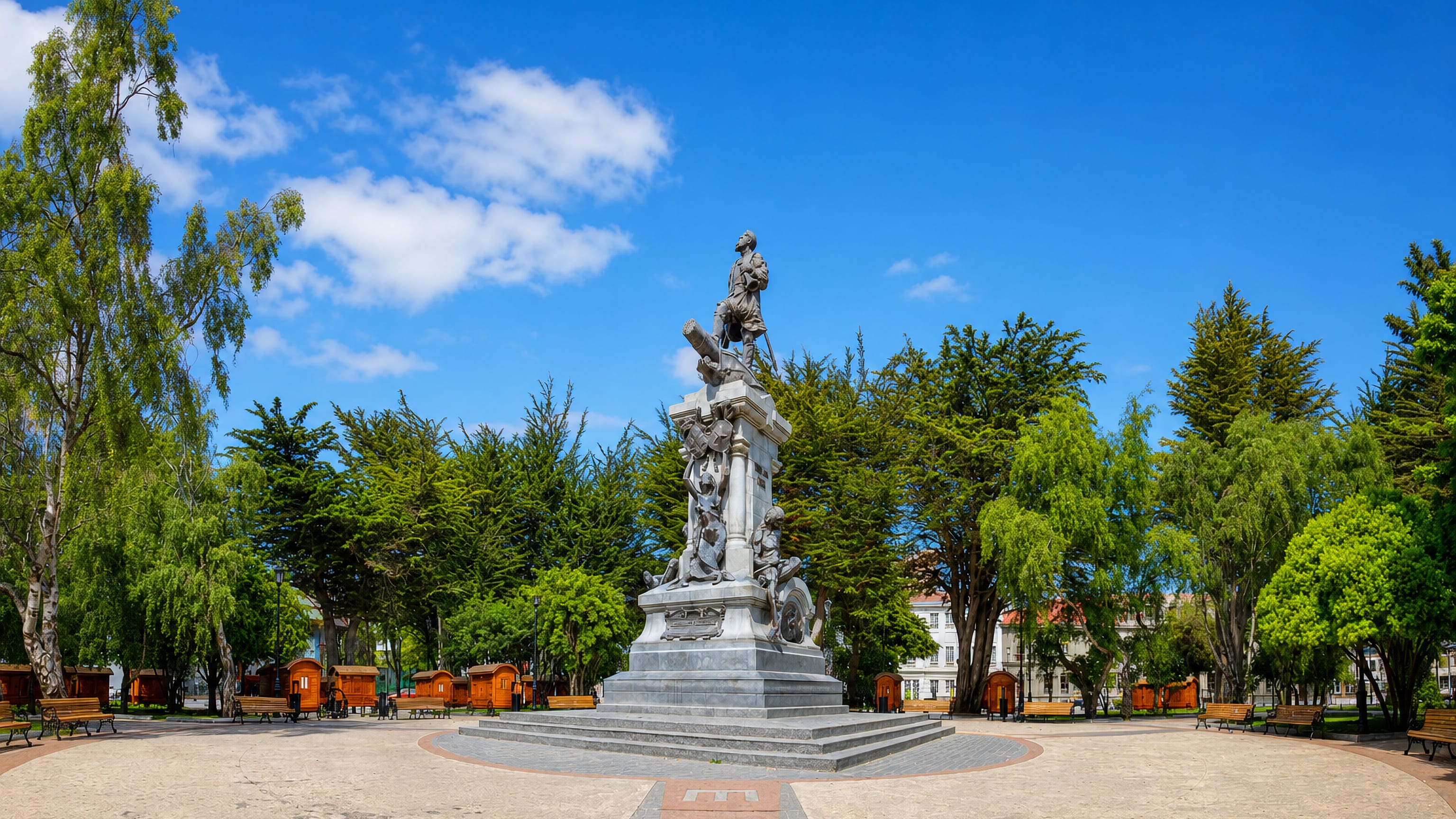
Punta Arenas keeps its accommodation close to the water and the central square, at the far southern edge of Chilean Patagonia. Punta Arenas keeps a tight centre, just a few blocks back from the water. Around the Plaza de Armas, the Monument to Ferdinand Magellan, the Sacred Heart Cathedral, and the grand Palacio Sara Braun stand within a short walk, making this the natural base for anyone setting out from the port toward Antarctica.
If you want the museums and the harbour on your doorstep, the central grid around the square suits you best. The Regional museum of Magallanes and the Naval Museum of Punta Arenas sit close by, telling the story of the far south from within the old town. Streets run down toward the port on the cold coast.
Expedition and cruise traffic gathers there. Away from the centre, the city thins toward the open country of Magallanes, so the square and its immediate blocks stay the practical choice for a stay in the southernmost city of Chile.
Find hotels in Punta Arenas
Direct booking search for this neighbourhood.
Hotel links are affiliate links: booking through them may earn us a commission, at no extra cost to you. It never affects how places are ranked. How this works
Things to do in Punta Arenas
Ranked by global recognition; descriptions from Wikidata (CC0).
Museums & Galleries
3- Regional museum of Magallanes Heritage
- Museo Salesiano Maggiorino Borgatello
- Museo de la Inmigración Croata en Magallanes
Churches & Religious Sites
1- Sacred Heart Cathedral, Punta Arenas
Castles & Historic Sites
3- Palacio Sara Braun Heritage
- Gendarmería de Punta Arenas Heritage
- Monument to Ferdinand Magellan
Stadiums & Sports
1- Estadio Municipal Antonio Ríspoli Díaz
worth knowingacross 4 categories in Punta Arenas
About Punta Arenas
What is Punta Arenas known for?
Punta Arenas is known as the largest city of Chilean Patagonia and one of the southernmost cities in the world. It stands as the regional capital of Magallanes, a port on the far southern coast that serves as a departure point for voyages to Antarctica. The distance defines it.
Ships bound for the polar south and the wider Southern Ocean set out from its quays, and the Monument to Ferdinand Magellan on the main square marks the explorer whose name the region carries.
What are the main landmarks in Punta Arenas?
Punta Arenas gathers its landmarks around the central square and the port of Chilean Patagonia. The Monument to Ferdinand Magellan stands on the Plaza de Armas beside the Sacred Heart Cathedral and the ornate Palacio Sara Braun. Four museums account for the remainder.
The Regional museum of Magallanes, the Naval Museum of Punta Arenas, the Museo Salesiano Maggiorino Borgatello, and the Museo de la Inmigración Croata en Magallanes trace the settlement, seafaring, and immigrant history of the far southern city.
What is the history of Punta Arenas?
Punta Arenas was founded in 1848 as a settlement on the far southern coast of what is now Chilean Patagonia. It grew from a remote outpost. The port drew sailors and immigrants, among them the Croatian community whose story fills the Museo de la Inmigración Croata en Magallanes, and wealth from wool and shipping raised mansions such as the Palacio Sara Braun.
The city carried the pull of the strait south of it. Named for the region of Magallanes and the explorer Ferdinand Magellan, whose monument stands on the central square, it became the regional capital and the largest city of the far south. The settlement took the official name Magallanes in 1927, then changed back to Punta Arenas in 1938.
Through it all the port remained the anchor, a working harbour on the cold coast that made the city one of the world's southernmost ports and a base for expeditions toward Antarctica.
Where is Punta Arenas?
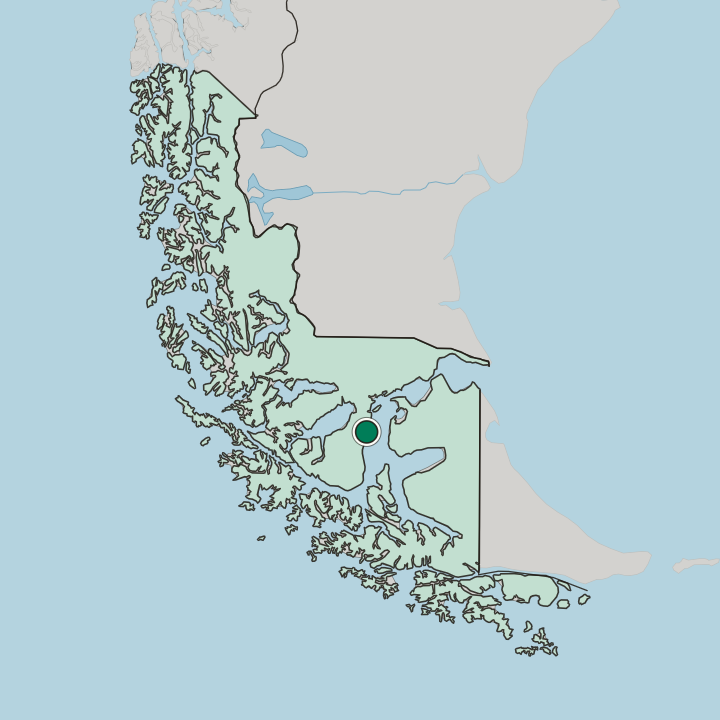
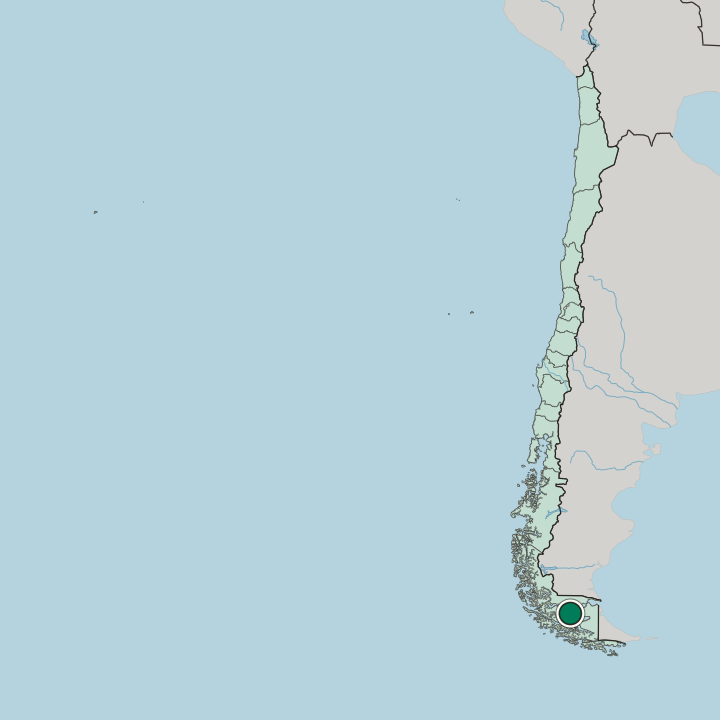
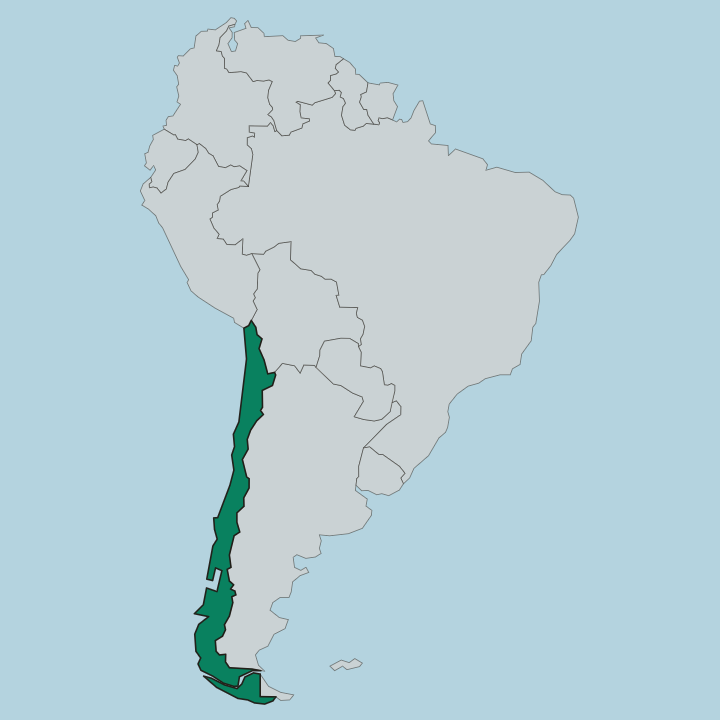
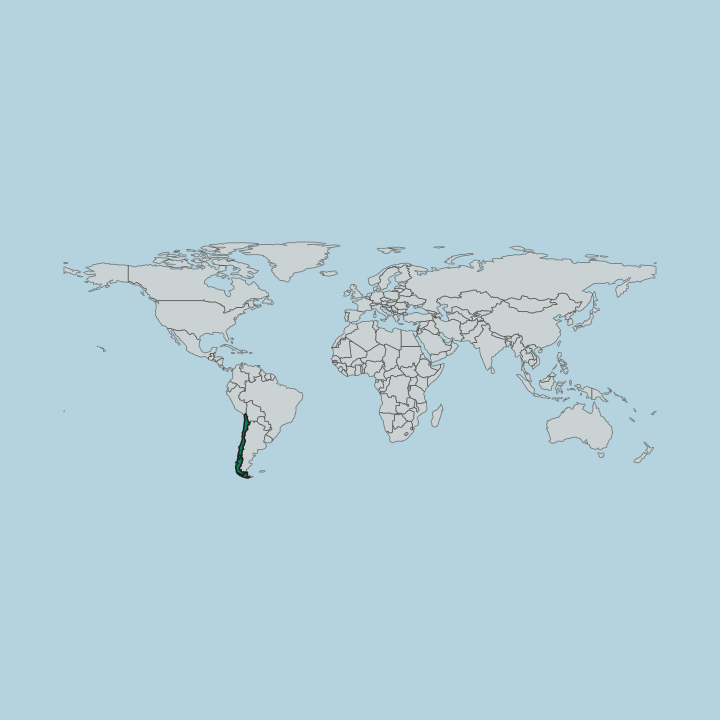
Punta Arenas lies at the far southern end of Chilean Patagonia, on a cold coast facing the waters that lead toward Antarctica. It sits well south in the Americas. As the capital of the Magallanes region, the city holds ground among the southernmost settlements on Earth, its port opening onto the waters of the deep south below the mainland's tapering tip.
What is the climate of Punta Arenas?
Punta Arenas has a cold, windswept climate shaped by its position at the far south of Chilean Patagonia. Winters are long and raw. Summers stay cool and blustery, with the wind off the southern ocean a near-constant on the coast, and even the warmest stretches keeping the chill that marks this southernmost corner of the Magallanes region.
How do you get to Punta Arenas?
Punta Arenas is reached by air and by sea at the far southern end of Chilean Patagonia. Its port receives ships. Cruise and expedition traffic bound for Antarctica calls at the harbour, while overland routes thread down through the Magallanes region to the city, one of the more remote regional capitals to travel to in the Americas.
Common questions
What is the best area to stay in Punta Arenas?
Plaza de Armas centre: Travellers near the Monument to Ferdinand Magellan and the port departures for Antarctica.
Good for
Updated September 2026