Chile · Región de Tarapacá
Where to Stay in Iquique, Región de Tarapacá
Iquique is a nitrate-era port city on the Atacama desert coast of northern Chile, between a great cliff and the sea.
Hotel links are affiliate links: booking through them may earn us a commission, at no extra cost to you. It never affects how places are ranked. How this works


Where to stay in Iquique
Where the beds are, and what that means for the visit.
Where you stay in Iquique turns on the beach or the old town. The streets by the Cavancha beach keep the sand, the sea, and the restaurants within a walk, and staying by the water suits anyone here for the coast. The surf rolls in all day.
Rooms look out over the ocean. Inland toward the old plaza and the heritage street, the town keeps its nitrate-era heart. A room by the square trades the beach for the timber mansions, the museums, and the shops of the old town.
The great cliff rises behind the streets. If you want the beach, stay by Cavancha; if you want the old town, take a room by the plaza. Whichever you choose, the ocean is a short walk from your door in Iquique.
Find hotels in Iquique
Direct booking searches for these neighbourhoods.
Cavancha beach
Along the Cavancha beachfront, within a walk of the sand and restaurantsFind hotels in Cavancha beachStays wanting the heritage streets and museumsThe old town
Around the old plaza and Baquedano street, with the timber mansions and museumsFind hotels in The old townHotel links are affiliate links: booking through them may earn us a commission, at no extra cost to you. It never affects how places are ranked. How this works
Things to do in Iquique
Ranked by global recognition; descriptions from Wikidata (CC0).
Museums & Galleries
1- Centro de Extensión Cultural Palacio Astoreca Heritage
Churches & Religious Sites
3- Immaculate Conception Cathedral, Iquique Heritage
- church of Saint Anthont of Padua Heritage
- Iglesia del Buen Pastor, Iquique
Castles & Historic Sites
1- Plaza Arturo Prat
worth knowingacross 3 categories in Iquique
About Iquique
Iquique is a port built on the wealth of the desert.
What is Iquique known for?
Grand timber mansions and a palm-lined square recall the great days of the nitrate boom, when the saltpeter of the Atacama made the town rich, and a museum ship in the harbour honours a famous naval battle. A steep cliff rises behind the beaches. Nitrate and sea mark the city.
What are the main landmarks in Iquique?
The heritage street of Baquedano is the heart of old Iquique. Its rows of grand timber houses and the old tramway recall the nitrate age, the emblem of the town, near the main square. Museums ring the plaza.
The Palacio Astoreca and the Regional Museum fill the old mansions, while the corvette Esmeralda and the Naval Museum keep the tale of the sea battle.
What is the history of Iquique?
Iquique boomed on the white gold of the desert. In the nineteenth century the Atacama held vast beds of saltpeter, prized for fertiliser and gunpowder, and the port grew rich shipping it to the world, its merchants raising grand mansions of Oregon pine. War changed the flag.
The desert and its nitrate passed from Peru to Chile after the War of the Pacific, and off Iquique the corvette Esmeralda went down fighting in a battle that became a national legend. The nitrate towns rose in the desert. Great saltpeter works and company towns spread across the barren pampa inland, worked by thousands, and Iquique served as their port and capital of pleasure.
Then the boom collapsed. When artificial nitrate was invented, the works closed one by one and were left as ghost towns in the sand, but Iquique lived on by the sea. The old timber town still stands by the plaza.
Iquique keeps its desert past between the cliff and the ocean.
Where is Iquique?
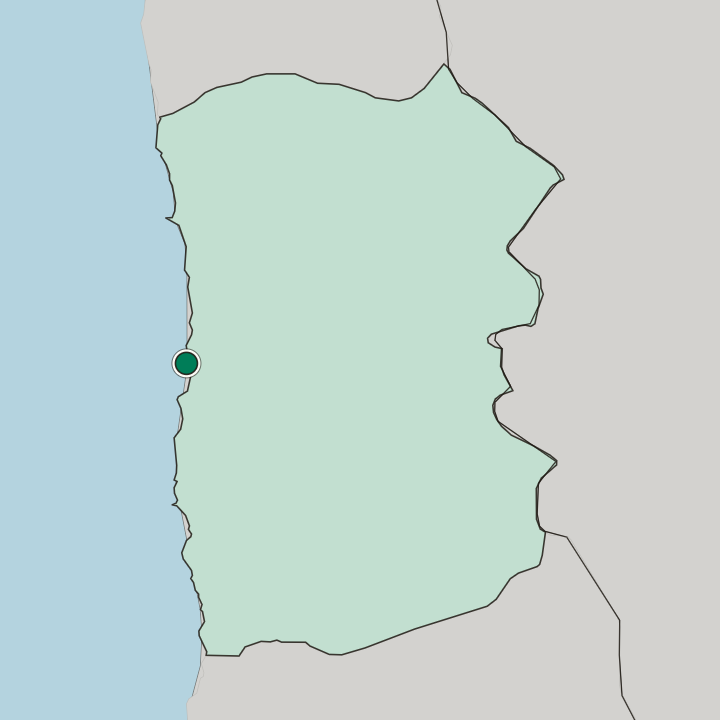
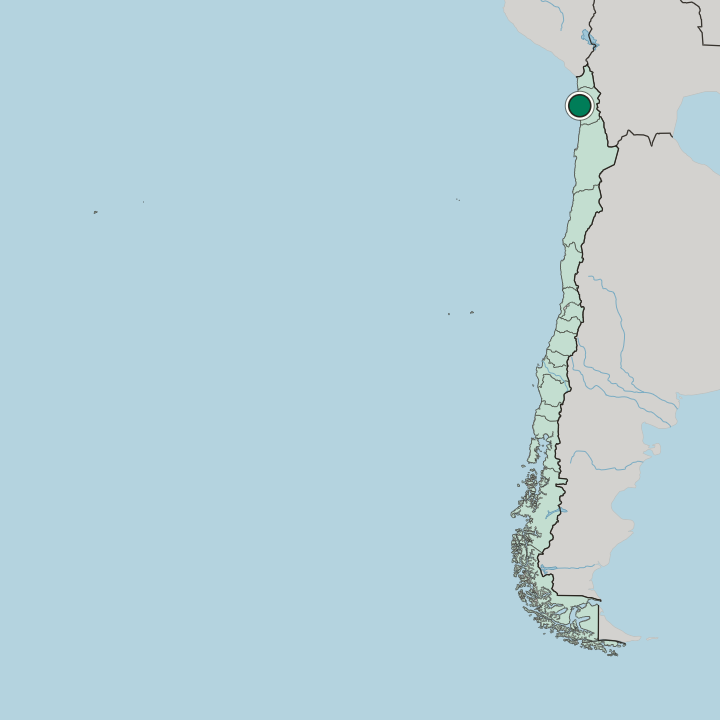
Iquique lies on the Atacama coast of northern Chile. A narrow shelf between the Pacific and a towering coastal cliff holds the town, in one of the driest deserts on earth, where rain almost never falls. The great cliff wall rises behind the town.
The bare desert stretches inland beyond.
What is the climate of Iquique?
Iquique has a mild, rainless desert climate. The cold Pacific current keeps the coast cool and grey much of the year, with almost no rain in this, the driest of deserts, and a low sea fog often hangs on the cliff. Mist greys the mornings by the sea.
The desert stays bone-dry inland.
How do you get to Iquique?
Iquique lies on the desert coast of far northern Chile. Its airport links the city to Santiago down the coast, and the highway runs along the shore and up over the cliff to the pampa. Buses reach the desert towns around.
Most arrive by air over the desert.
Common questions
What is the best area to stay in Iquique?
Cavancha beach: Visitors here for the beach and the sea. The old town: Stays wanting the heritage streets and museums.
Good for
Updated September 2026