Chile · Región del Maule
Where to Stay in Curicó, Región del Maule
Curicó, founded in 1743, is the seat of Curicó Province in the Maule Region, a city of Chile's central valley built around its Plaza de Armas.
Hotel links are affiliate links: booking through them may earn us a commission, at no extra cost to you. It never affects how places are ranked. How this works


Where to stay in Curicó
The practical side of choosing where to sleep.
The square decides most stays. Blocks around the Plaza de Armas keep the Kiosco Cívico de la Plaza de Armas de Curicó, Iglesia de San Francisco, and the Escuela Presidente José Manuel Balmaceda inside a few minutes' walk, which is as compact as this city gets. That compactness is the argument for staying central, since the province's administration, Iglesia de San Francisco, and the civic square occupy the same handful of streets.
Curicó was founded in 1743, and the square has held the middle of it since. Nothing there needs a car. Beyond the centre Curicó spreads into the flat ground of Chile's central valley, and a room out there suits drivers more than walkers, with the roads toward Talca and Colchagua leaving straight from the edge of town.
The valley runs long. Anyone using Curicó as a base for the Maule Region gains from that, since the same region reaches the Pacific Ocean in one direction and the border with Argentina in the other. Rooms near Iglesia de San Francisco fall between the two, a short walk off the Plaza de Armas without sitting on it.
The choice is short walk or open road.
Find hotels in Curicó
Direct booking searches for these neighbourhoods.
Around the Plaza de Armas
The Plaza de Armas and Iglesia de San Francisco sit inside the same blocksFind hotels in Around the Plaza de ArmasNights off the square but still inside walking CuricóThe San Francisco streets
Streets beside Iglesia de San Francisco, minutes from the Plaza de ArmasFind hotels in The San Francisco streetsDrivers running out across Chile's central valley toward TalcaThe valley edge
Roadside beds where Curicó meets the roads to Talca and ColchaguaFind hotels in The valley edgeHotel links are affiliate links: booking through them may earn us a commission, at no extra cost to you. It never affects how places are ranked. How this works
About Curicó
The Plaza de Armas anchors it.
What is Curicó known for?
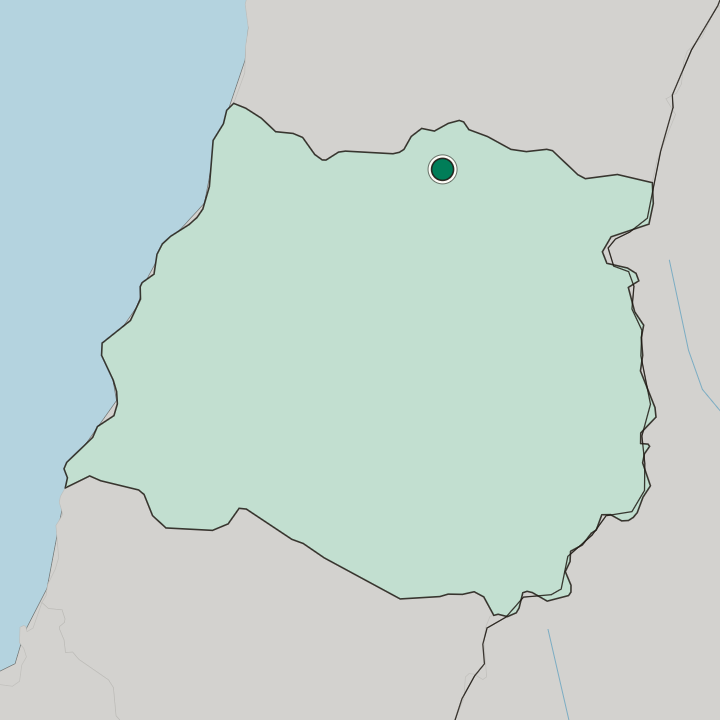
Curicó heads the Curicó Province of the Maule Region, a stretch of country running from the Pacific Ocean to the border with Argentina, with Colchagua on one side and Talca on the other. Iglesia de San Francisco stands among the older buildings, and the Kiosco Cívico de la Plaza de Armas de Curicó sits at the square's centre. Province and city share the one name.
What are the main landmarks in Curicó?
Iglesia de San Francisco is the building Curicó is best known by, and the Kiosco Cívico de la Plaza de Armas de Curicó stands at the middle of the square as the other piece of architecture the city is named for. The Plaza de Armas holds both in view. Escuela Presidente José Manuel Balmaceda carries a president's name into the streets around it.
What is the history of Curicó?
Curicó dates to 1743. The town was laid out in Chile's central valley between the provinces of Colchagua and Talca, ground that belongs to the wider Maule Region. The Plaza de Armas has held the middle of the city since.
Curicó is the capital of Curicó Province, and city and province carry the one name. The Maule Region around it reaches from the Pacific Ocean to the border with Argentina, so the province's capital sits partway along a long cross-section of the country. Building followed.
Iglesia de San Francisco went up among the streets of the centre, and the Kiosco Cívico de la Plaza de Armas de Curicó was raised on the square itself, a civic structure that has become the city's shorthand. Schooling left its own mark, and the Escuela Presidente José Manuel Balmaceda carries a president's name through the town. Colchagua and Talca still flank it.
What the city has kept is a centre small enough to cross on foot, with the province's business, its church, and its square all inside the same few blocks that the founding laid out.
Where is Curicó?
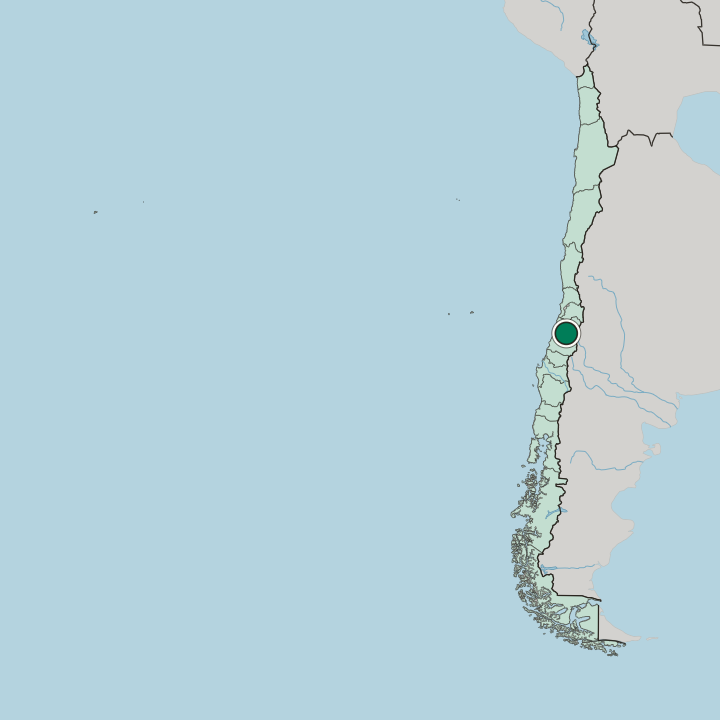
Flat country all around. Curicó stands in Chile's central valley, the long lowland corridor of the country, with the Maule Region reaching from the Pacific Ocean to the border with Argentina on either side of it. Colchagua and Talca are the neighbouring provinces, and Curicó Province lies between them.
The city keeps to the valley floor.
What is the climate of Curicó?
The Pacific sets the rhythm. Curicó lies in the subtropical band of the southern hemisphere, sheltered in Chile's central valley away from the open coast, so the year divides into a long warm half and a cooler one rather than into four even seasons. December falls in the warm half here.
The Maule Region shares that pattern from the Pacific Ocean to the border with Argentina.
How do you get to Curicó?
The valley is the corridor. Roads through Chile's central valley run the length of the country, and Curicó sits on that line between the provinces of Colchagua and Talca, which puts the city within a straight run of both. One way leads to the Pacific Ocean, the other toward the border with Argentina across the Maule Region.
The Plaza de Armas is the arrival point.
Common questions
What is the best area to stay in Curicó?
Around the Plaza de Armas: Stays that want the Kiosco Cívico de la Plaza de Armas de Curicó at the door. The San Francisco streets: Nights off the square but still inside walking Curicó. The valley edge: Drivers running out across Chile's central valley toward Talca.
More cities in Región del Maule
Updated September 2026