Chile
Región del Maule, Chile — Towns & Travel Guide
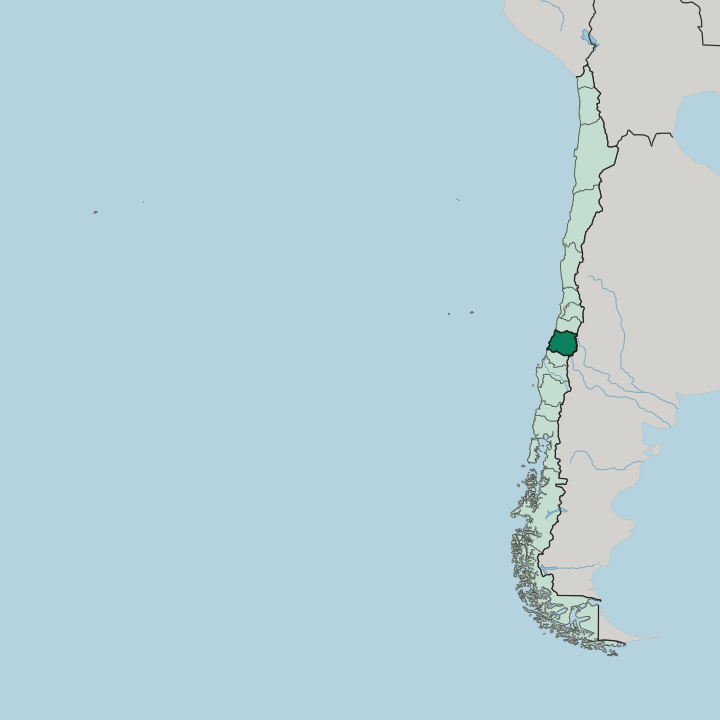
Región del Maule is Chile's wine country south of Santiago, where the Maule River runs from the Andes to the Pacific past Talca.
Hotel links are affiliate links: booking through them may earn us a commission, at no extra cost to you. It never affects how places are ranked. How this works


Towns & cities in Región del Maule
Pick a town or city — each links to where to stay.
 Chile
Chile
Talca
Talca is a city of central Chile in the Maule valley, the heart of a great wine country and Chilean rodeo, where Chile's independence was signed.Where to stay →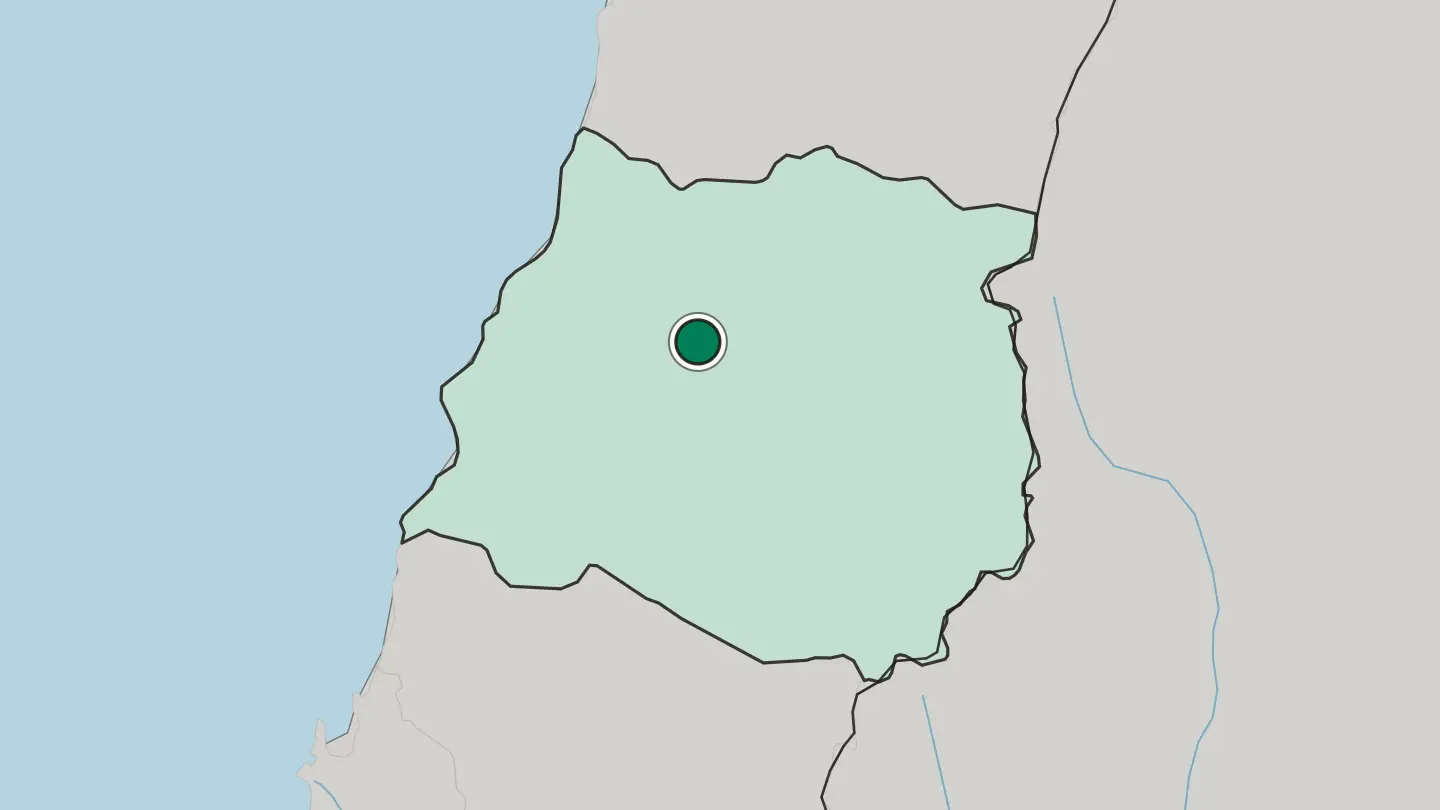 Chile
Chile
Curicó
Curicó, founded in 1743, is the seat of Curicó Province in the Maule Region, a city of Chile's central valley built around its Plaza de Armas.Where to stay →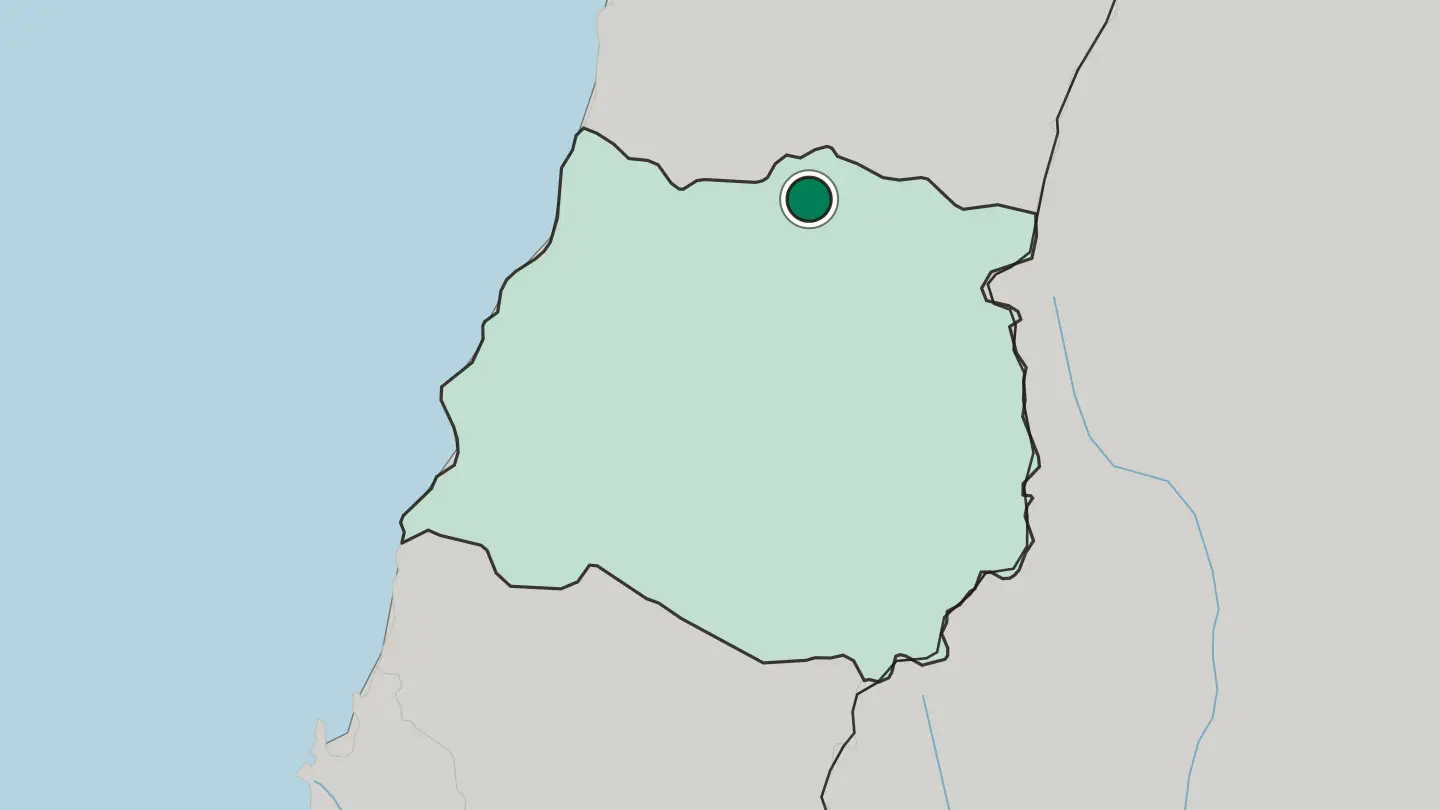 Chile
Chile
Linares
Linares, founded in 1794, heads its own province in Chile's Maule Region, on the fertile Central Valley floor 50 km south of Talca.Where to stay →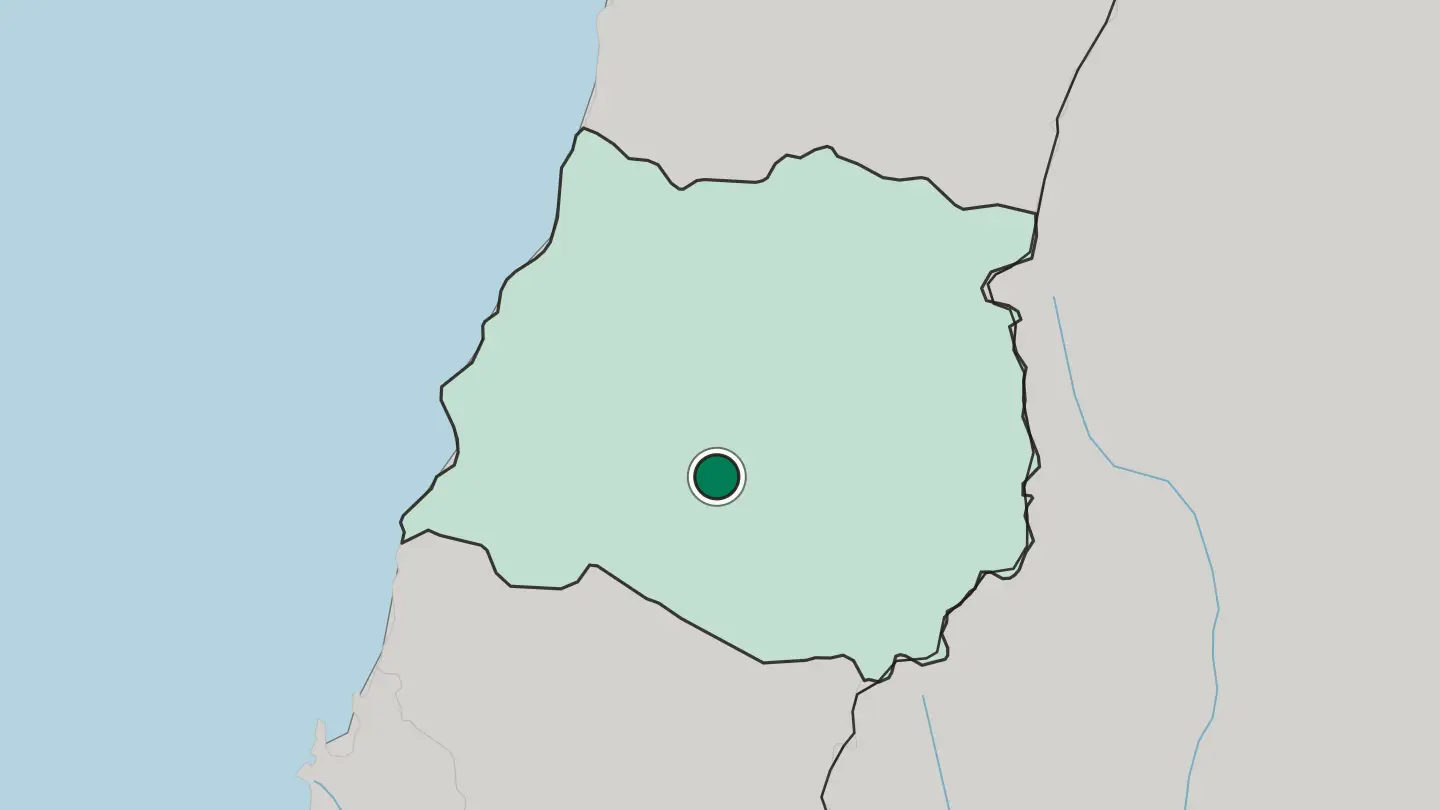
Hotel links are affiliate links: booking through them may earn us a commission, at no extra cost to you. It never affects how places are ranked. How this works
About Región del Maule
Wine defines it.
What is Región del Maule known for?
The Maule Valley pours out close to half of Chile's total production, and its old Carménère and Cabernet Sauvignon vines cover the Central Valley floor around Talca and Curicó. Beyond the vineyards, the region reaches the Pacific at Constitución, where the Maule River meets the sea among wind-carved rocks. Inland, the Andes hold Radal Siete Tazas, a run of seven stone pools cut by the Río Claro, and the trekking country of Altos de Lircay above the treeline.
Where is Región del Maule?
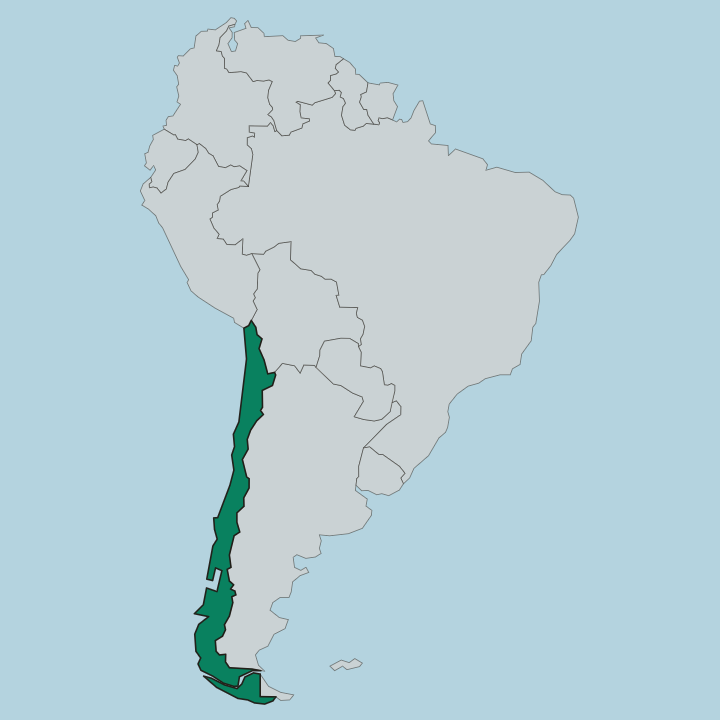
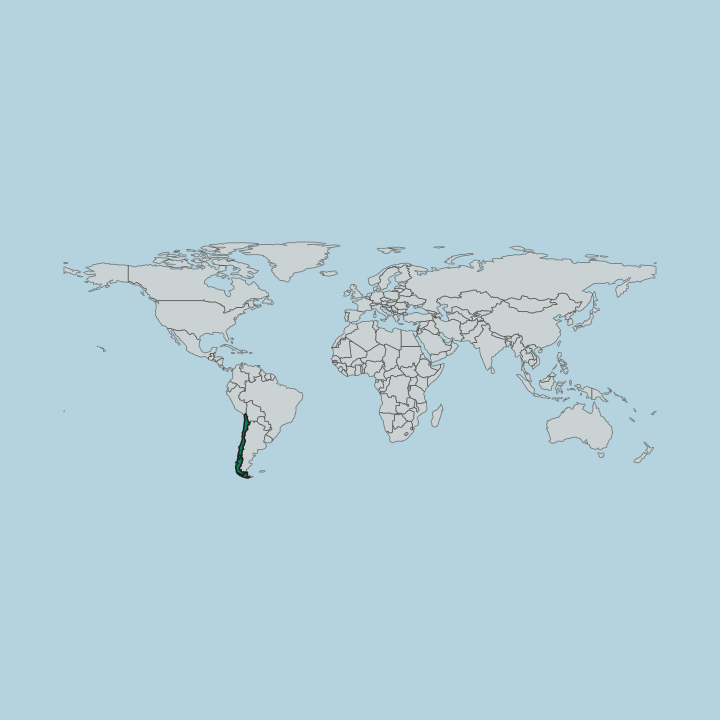
Región del Maule lies in the centre of Chile, a few hours south of Santiago. It is one of the country's sixteen regions. The land runs in long north-south strips, the way most of Chile does, from the Pacific Ocean in the west to the crest of the Andes on the Argentine border in the east.
Between those two walls sits the flat, fertile Central Valley, and it is here that Talca and the vineyards lie. The Maule River gives the region its name and its shape. It gathers in the Andes at Laguna del Maule and drops westward across the whole width of the region, cutting through the Chilean Coast Range before it reaches the ocean at Constitución.
Its basin spreads over roughly 20,600 square kilometres. The Coast Range rises between the valley and the sea, lower and older than the Andes, screening the interior from the Pacific. The O'Higgins Region borders Maule to the north and Ñuble to the south.
West is water. East is high rock and the frontier with Argentina, where the Andes reach their highest ground.
What is Región del Maule like?
This is huaso country. The huaso is the Chilean horseman of the Central Valley, and the Maule countryside is one of his heartlands, worked in a wide-brimmed hat and a short poncho called the chamanto. Rodeo chileno is the pulse of it.
Two riders and a horse pin a steer against the padded crescent wall of a half-moon corral, and the medialuna arenas draw crowds through the warmer months. The dance that follows is the cueca, a courtship in miniature danced with a white handkerchief. Wine threads through all of it.
The estates around Talca and San Javier keep some of the oldest vines in the country, dry-farmed Carménère and País planted generations back, and the grape harvest sets the rhythm of the rural year. Roadside stands sell it alongside country food. The culture here leans agricultural and Catholic, shaped by colonial estates and the land itself rather than by any city.
Spanish is the language of the region, as it is across Chile. Life moves at the pace of the fields.
What is the history of Región del Maule?
This was a frontier. The Maule River marked the southern limit of the Inca Empire, the line beyond which Cusco's armies could not hold the Mapuche country to the south. Spanish settlers later planted the estates and river towns that still stand, and Talca grew into the capital of the surrounding farmland.
The region carries deep scars from the ground itself: the magnitude-8.8 earthquake of 2010 struck offshore here, and the tsunami that followed destroyed much of Constitución at the river mouth, killing hundreds in the port and forcing the town's rebuilding.
What is the climate of Región del Maule?
Maule has a Mediterranean climate, the same broad pattern that makes it wine country. Summer here brings warm, dry weather. Winters are mild and wet, with most of the year's rain falling from May to August, and the Andes get far more of it than the valley floor or the coast.
The wide gap between hot days and cool nights over the growing season is what gives the Maule Valley wines their balance of ripeness and acidity. Snow caps the high peaks along the Argentine border through winter.
How do you get to Región del Maule?
Almost everyone comes from Santiago. Talca sits directly on the Pan-American Highway, Chile's Route 5, roughly 250 kilometres south of the capital and its Arturo Merino Benítez airport, a straight three-hour run by bus or car. The region has no major commercial airport of its own.
Long-distance trains on the main north-south line also call at Talca. From there the historic Talca-Constitución ramal, the last narrow-gauge branch line in Chile, rattles 88 kilometres down the north bank of the Maule River to the coast.
Common questions
What is the best area to stay in Región del Maule?
Talca: wine cellars and a central Maule base. Curicó: reaching Radal Siete Tazas and its vineyards. Constitución: the Pacific shore and the branch-line train.
More regions in Chile
Updated September 2026