Chile · Región Metropolitana
Where to Stay in Santiago, Región Metropolitana
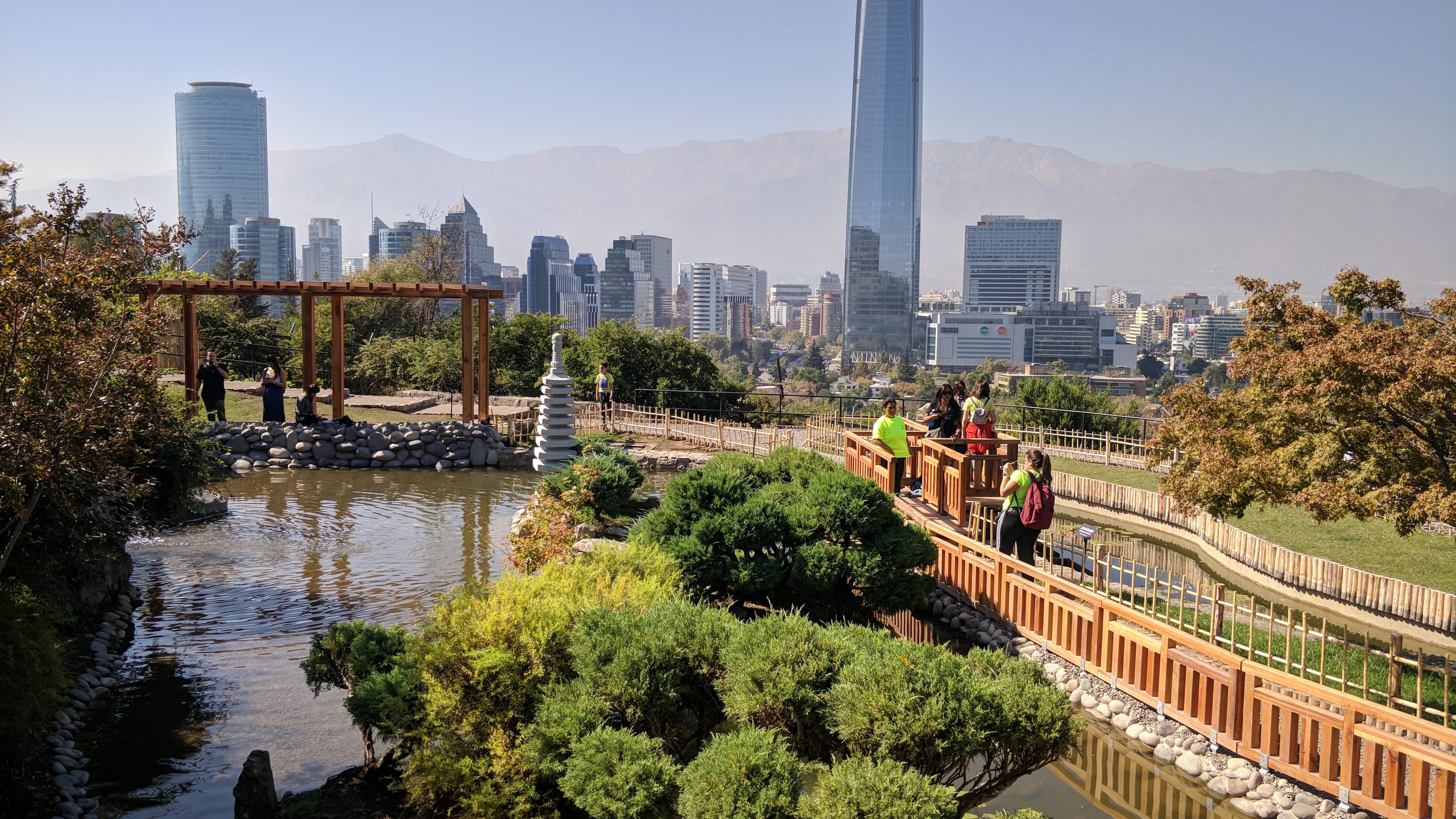
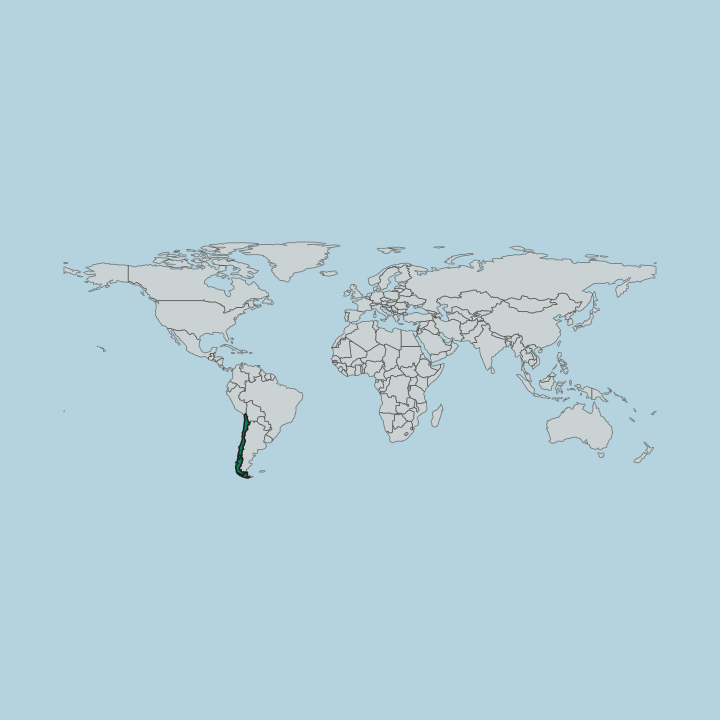
Santiago rises in a high inland valley beneath the Andes, the capital of Chile set between the mountains and the Chilean Coastal Range.
Hotel links are affiliate links: booking through them may earn us a commission, at no extra cost to you. It never affects how places are ranked. How this works


Where to stay in Santiago
One neighbourhood here has its own guide — here's what it is best for.
 SantiagoChile
Villa Presidente Frei
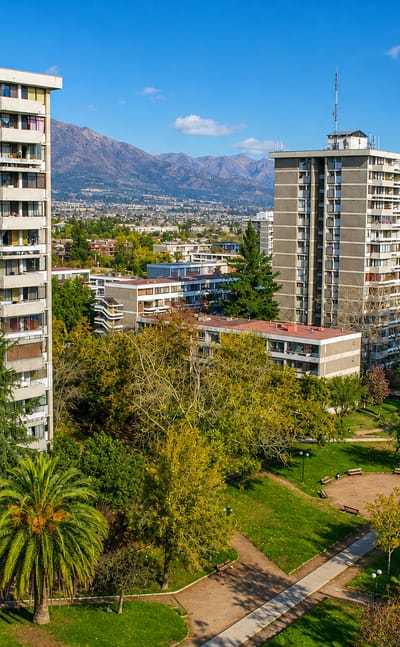
Villa Presidente Frei is a district of Santiago, marked by the Museo de Arte Popular Americano and the Cineteca Universidad de Chile.Where to stay →Hotel links are affiliate links: booking through them may earn us a commission, at no extra cost to you. It never affects how places are ranked. How this works
Find hotels in Santiago
Direct booking searches for these neighbourhoods.
The historic centre
the Santiago Metropolitan Cathedral, the Chilean National Museum of Fine Arts, and the San Francisco Church stand within a few blocks in the oldest core of Santiago de ChileFind hotels in The historic centretravellers drawn to galleries and memory museumsMatucana and the cultural west
the ground around Centro Cultural Matucana 100 and the Museum of Memory and Human Rights west of the old core. Lodging is scarce in this area; reserve in advance.Find hotels in Matucana and the cultural westvisitors who want newer quarters with the Andes straight overheadThe Andean foothills
the eastern edge of Santiago where the city climbs from the valley floor into the Andean foothills beneath the peaksFind hotels in The Andean foothillsHotel links are affiliate links: booking through them may earn us a commission, at no extra cost to you. It never affects how places are ranked. How this works
Things to do in Santiago
Ranked by global recognition; descriptions from Wikidata (CC0).
Museums & Galleries
5- Chilean National Museum of Fine Arts Heritage
- Chilean Museum of Pre-Columbian Art Heritage
- Santiago Museum of Contemporary Art Heritage
- Museo de la Solidaridad Salvador Allende Heritage
- Museo Colonial Heritage
Churches & Religious Sites
8- Santiago Metropolitan Cathedral Heritage
- San Francisco Church, Santiago de Chile Heritage
- Iglesia de los Sacramentinos Heritage
- Iglesia de San Agustín Heritage
- Basilica de la Merced Heritage
Show 3 more →
- Basílica del Salvador Heritage
- Iglesia de la Divina Providencia Heritage
- Iglesia de San Lázaro Heritage
Castles & Historic Sites
3- Londres 38 Heritage
- La Chascona Heritage
- Bernardo O'Higgins Monument
Stadiums & Sports
3- Hipódromo Chile
- CEO Ramón Cruz
- Polideportivo Nuñoa
Parks & Gardens
1- Fantasilandia
worth knowingacross 5 categories in Santiago
About Santiago
What is Santiago known for?
Santiago is known as the capital and cultural centre of Chile, a city of museums and churches ringed by the Andes. The mountains define the skyline. The Santiago Metropolitan Cathedral stands over the old core, the Chilean National Museum of Fine Arts holds the national art, and the Bernardo O'Higgins Monument marks the civic heart of Santiago de Chile between the Andes and the Chilean Coastal Range.
What are the main landmarks in Santiago?
Santiago carries its landmarks in stone and canvas. The Santiago Metropolitan Cathedral anchors the old centre, joined by the San Francisco Church, the Basílica del Salvador, and the Basilica de la Merced. Its museums run deep.
The Chilean National Museum of Fine Arts, the Chilean Museum of Pre-Columbian Art, the Museum of Memory and Human Rights, and the Museo de la Solidaridad Salvador Allende gather the art and record of Chile, while the Bernardo O'Higgins Monument stands for the city's civic past.
What is the history of Santiago?
Santiago was founded in 1541 in the valley between the Andes and the Chilean Coastal Range, and it has been the capital of Chile through the centuries since. The site set the city's fate. Laid out on the flat floor of the Santiago Basin, within the Chilean Central Valley, the young settlement grew around a central square where the Santiago Metropolitan Cathedral would rise, and the oldest churches, among them the San Francisco Church, still mark the first streets of Santiago de Chile.
From that founding core, the city spread across the basin to become the largest city of Chile and the anchor of the Santiago Metropolitan Region. Greater Santiago gathered around it. The Bernardo O'Higgins Monument and the Chilean National History Museum keep the record of the nation's making, while the Museum of Memory and Human Rights holds the memory of its harder passages.
Growth pushed east in later years, climbing from the valley floor into the Andean foothills beneath the peaks, so that the modern city now reaches from its old square toward the wall of the Andes.
Where is Santiago?
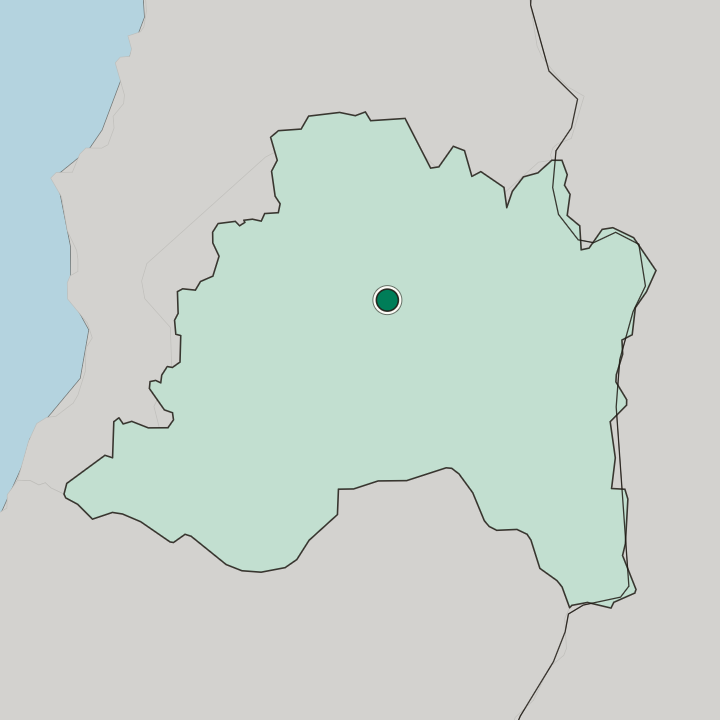
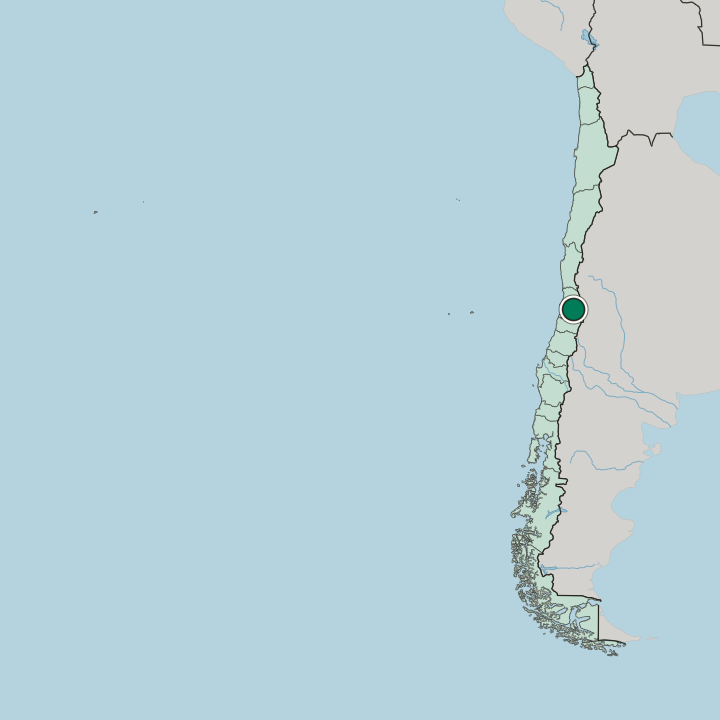
Santiago lies inland in the Santiago Basin, on the floor of the Chilean Central Valley. Mountains hem it on both sides. The Andes rise sharply to the east and the Chilean Coastal Range walls off the sea to the west, so the capital of Chile sits raised well above sea level in a broad valley, its newer edges climbing into the Andean foothills beneath the peaks.
What is the climate of Santiago?
Santiago holds a warm subtropical climate in its sheltered valley. Santiago bakes through its hot summers. Ringed by the Andes and the Chilean Coastal Range, the capital of Chile sees warm summers and cooler, damper winters, while snow settles on the nearby Andes above the city even as the valley floor stays mild.
How do you get to Santiago?
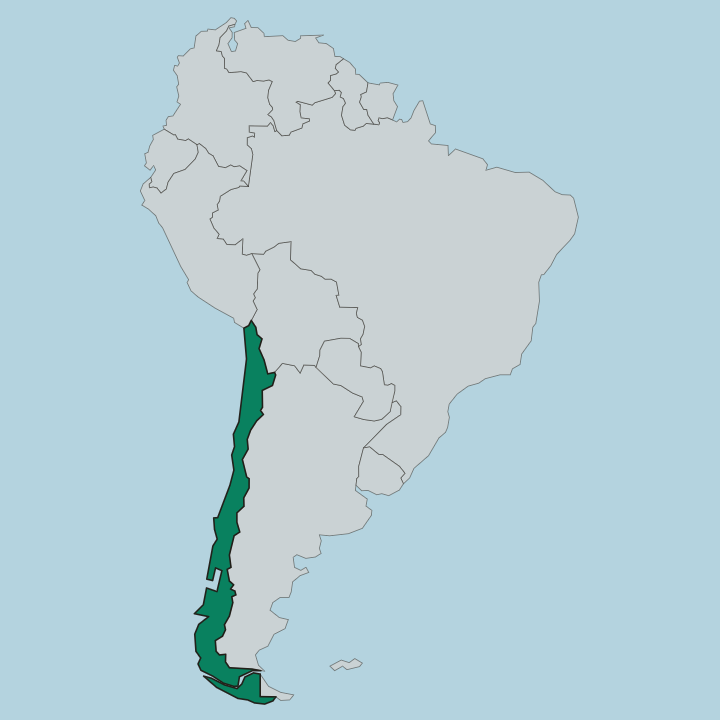
Santiago is the main point of arrival in Chile, reached as the capital and largest city near the centre of the country. Most visitors land here. From the valley, roads climb east into the Andes for the ski country and run west through the Chilean Coastal Range toward the coast, so a traveller can reach the mountains and the sea from the same base in a single day.
Common questions
What is the best area to stay in Santiago?
The historic centre: first-time visitors who want the old squares and museums of Santiago on foot. Matucana and the cultural west: travellers drawn to galleries and memory museums. The Andean foothills: visitors who want newer quarters with the Andes straight overhead.
Good for
Updated September 2026