Cameroon
Centre Region, Cameroon — Towns & Travel Guide
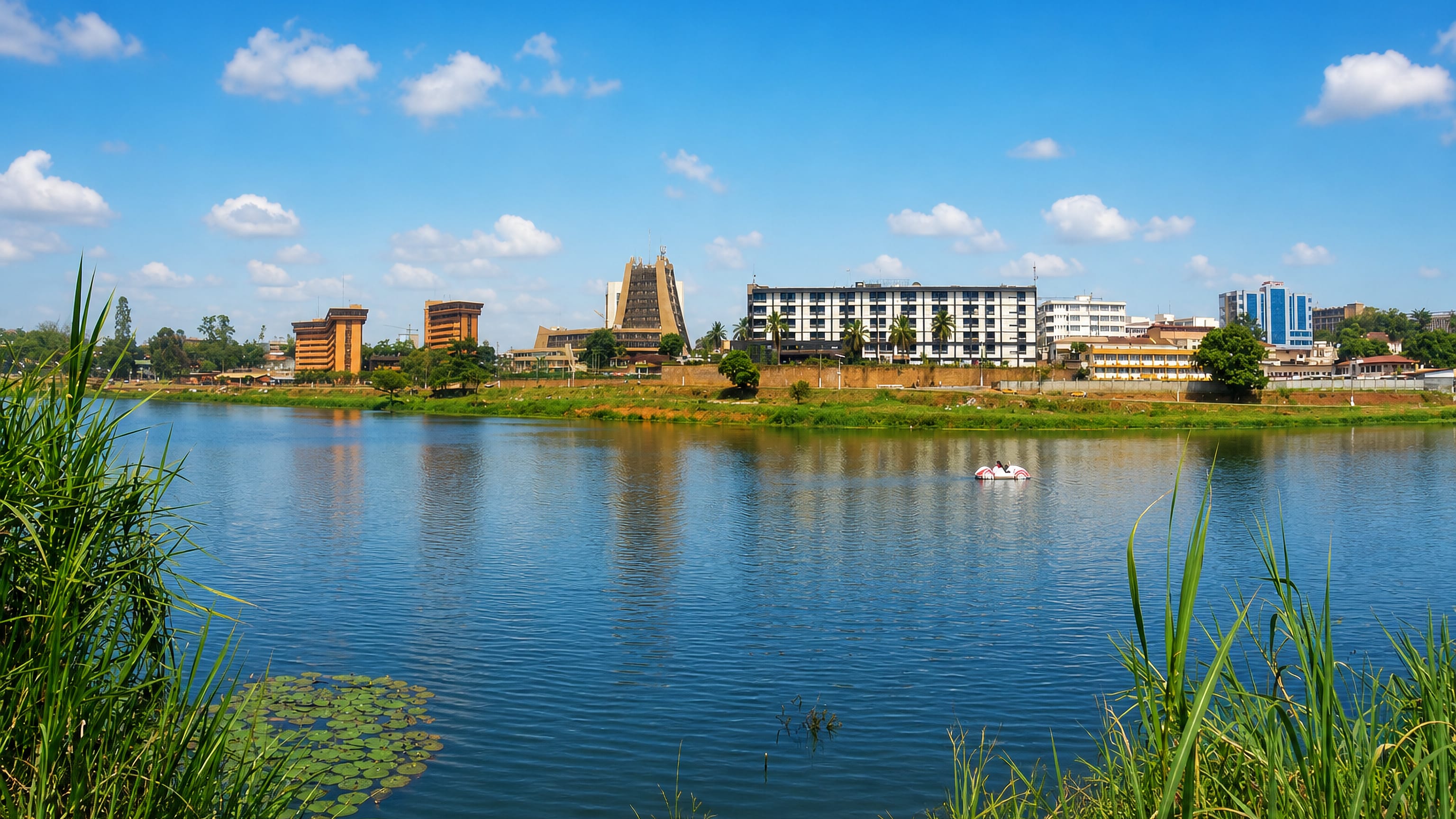
The Centre Region spreads across the tropical interior of Cameroon, an inland administrative region built around the capital city of Yaoundé.
Hotel links are affiliate links: booking through them may earn us a commission, at no extra cost to you. It never affects how places are ranked. How this works


Towns & cities in Centre Region
One town here has its own guide — it links to where to stay.
 Cameroon
Yaoundé
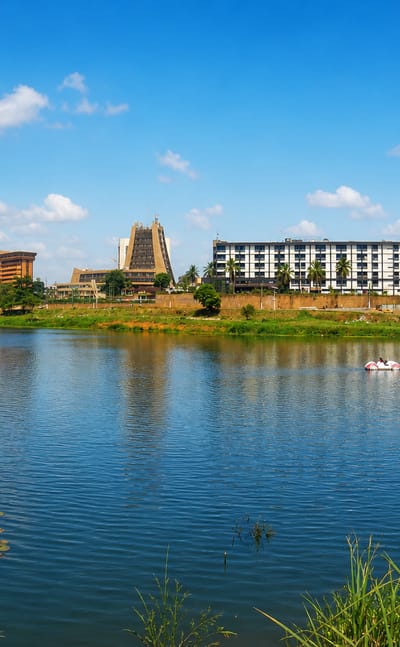
Built across seven hills, Yaoundé is the capital of Cameroon, a highland city in the Centre Region known for its museums and government quarters.Where to stay →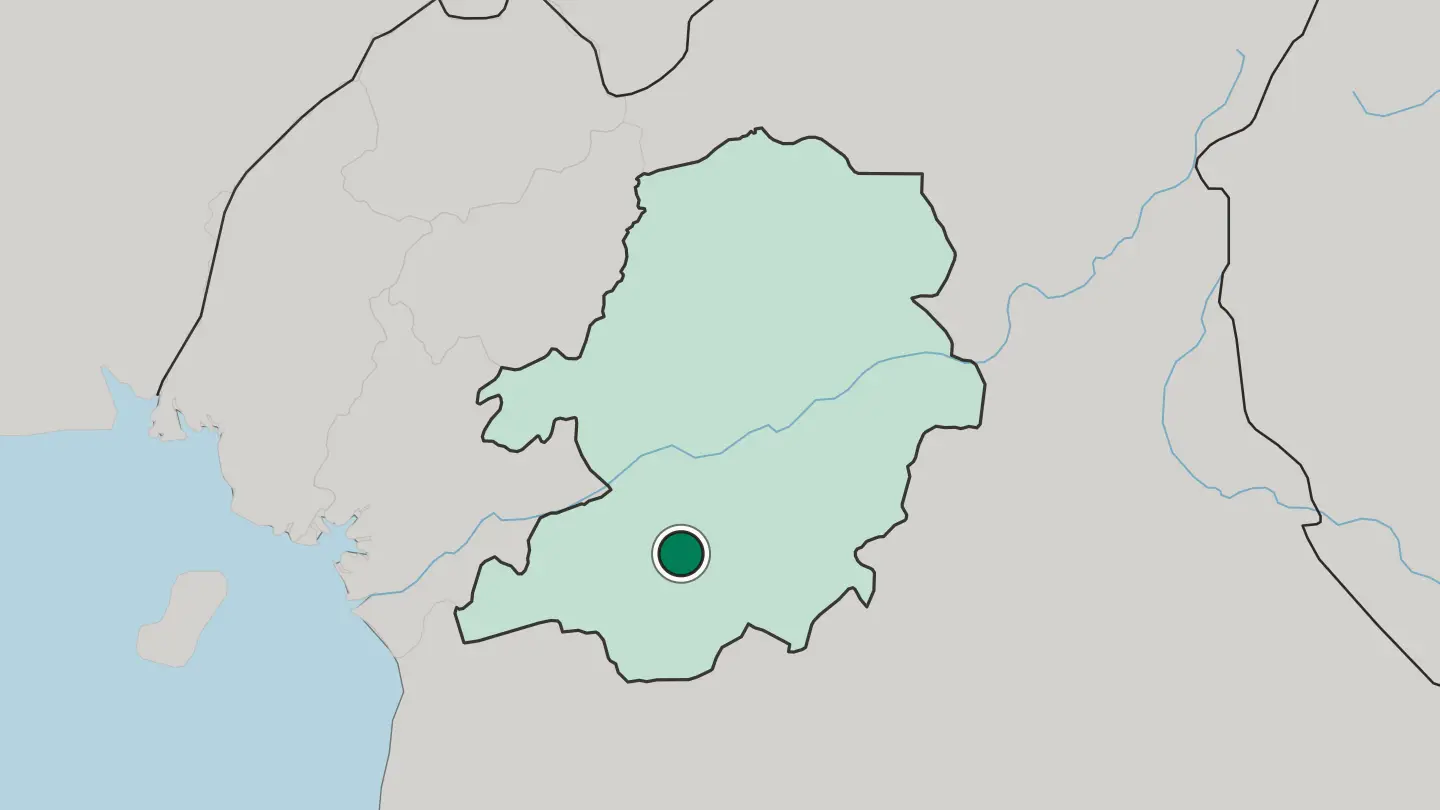
Hotel links are affiliate links: booking through them may earn us a commission, at no extra cost to you. It never affects how places are ranked. How this works
About Centre Region
What is Centre Region known for?
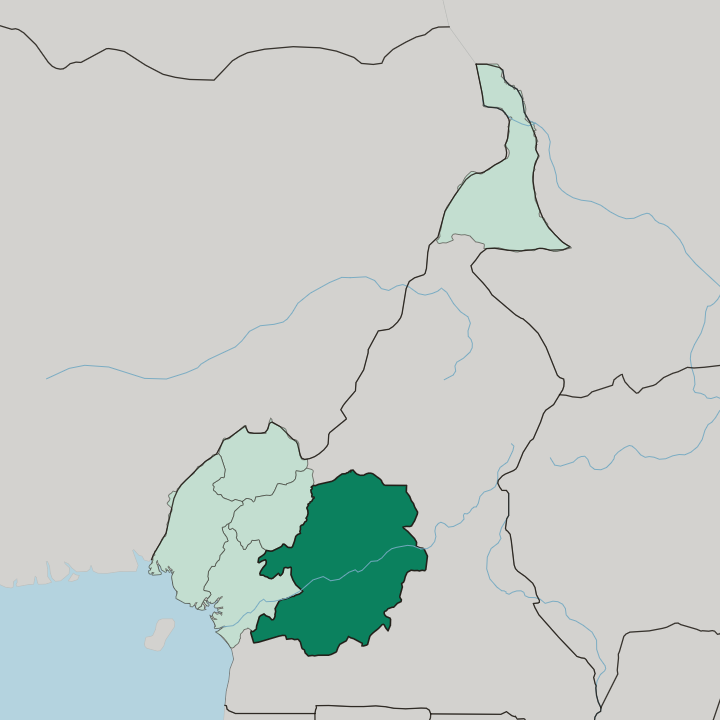
The Centre Region is known as the administrative heart of Cameroon, the region that holds the national capital at Yaoundé. It occupies the tropical interior of the country, well inland from the coast. Its role is central.
As the seat of Yaoundé, the Centre Region gathers the machinery of national government and the road links that reach out across the interior of Cameroon.
Where is Centre Region?
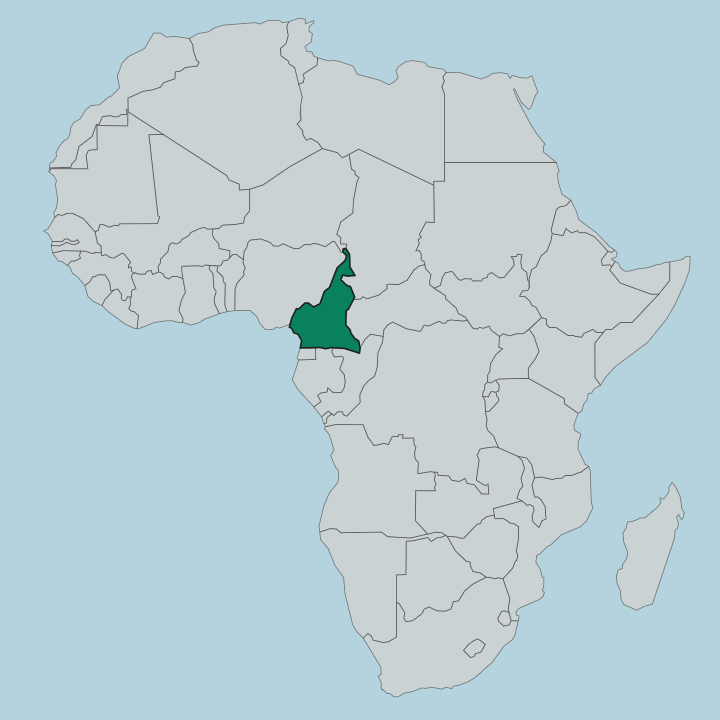
The Centre Region occupies the tropical interior of Cameroon, an inland stretch of country set well back from the Atlantic coast. It is a landlocked region within the nation. The land lies in the central belt of Cameroon, away from the sea, and the capital of Yaoundé sits near its heart as the focus of the region's roads and settlement.
Distance from the coast shapes the character. The Centre Region belongs to the humid tropical zone that covers this part of Cameroon, its country a mix of inland ground on which the interior of the nation is organised around Yaoundé. From here the region reaches out across the central interior, a broad administrative area whose weight comes from the capital it contains rather than from any coastline or border feature.
What is Centre Region like?
The Centre Region carries the culture of Cameroon's interior, its life centred on the capital at Yaoundé. French is the working language across the region. As the setting of the national capital, the Centre Region draws together people and institutions from across Cameroon, and Yaoundé serves as the meeting point of government, learning, and the administrative life of the country.
The capital shapes the region's identity. Yaoundé stands as the civic and cultural focus of the Centre Region, the place where the wider currents of Cameroon's interior gather. Away from the capital, the region keeps the rhythms of the tropical inland country, and its cultural weight rests above all on its position as the home of the seat of national government at Yaoundé.
What is the history of Centre Region?
The Centre Region was established in 1983 as an administrative region of Cameroon, drawn around the national capital at Yaoundé. Its boundaries date from that reorganisation. The region has since carried the seat of government at Yaoundé, giving the interior of Cameroon its administrative anchor and tying the region's story to the capital it was built to hold.
What is the climate of Centre Region?
The Centre Region has a humid tropical climate, warm through the year in the interior of Cameroon. Rains mark the calendar. Wet seasons bring heavy downpours to the inland country around Yaoundé, while drier spells settle over the region, the heat holding steady across the central belt of Cameroon far from any moderating coast.
How do you get to Centre Region?
The Centre Region is reached through Yaoundé, the capital city that serves as its main point of arrival and transport hub. Roads converge on the capital. Travellers arrive at Yaoundé and spread out from there across the interior of Cameroon, the region's routes radiating from the capital into the surrounding tropical country of the Centre Region.
More regions in Cameroon
Updated September 2026