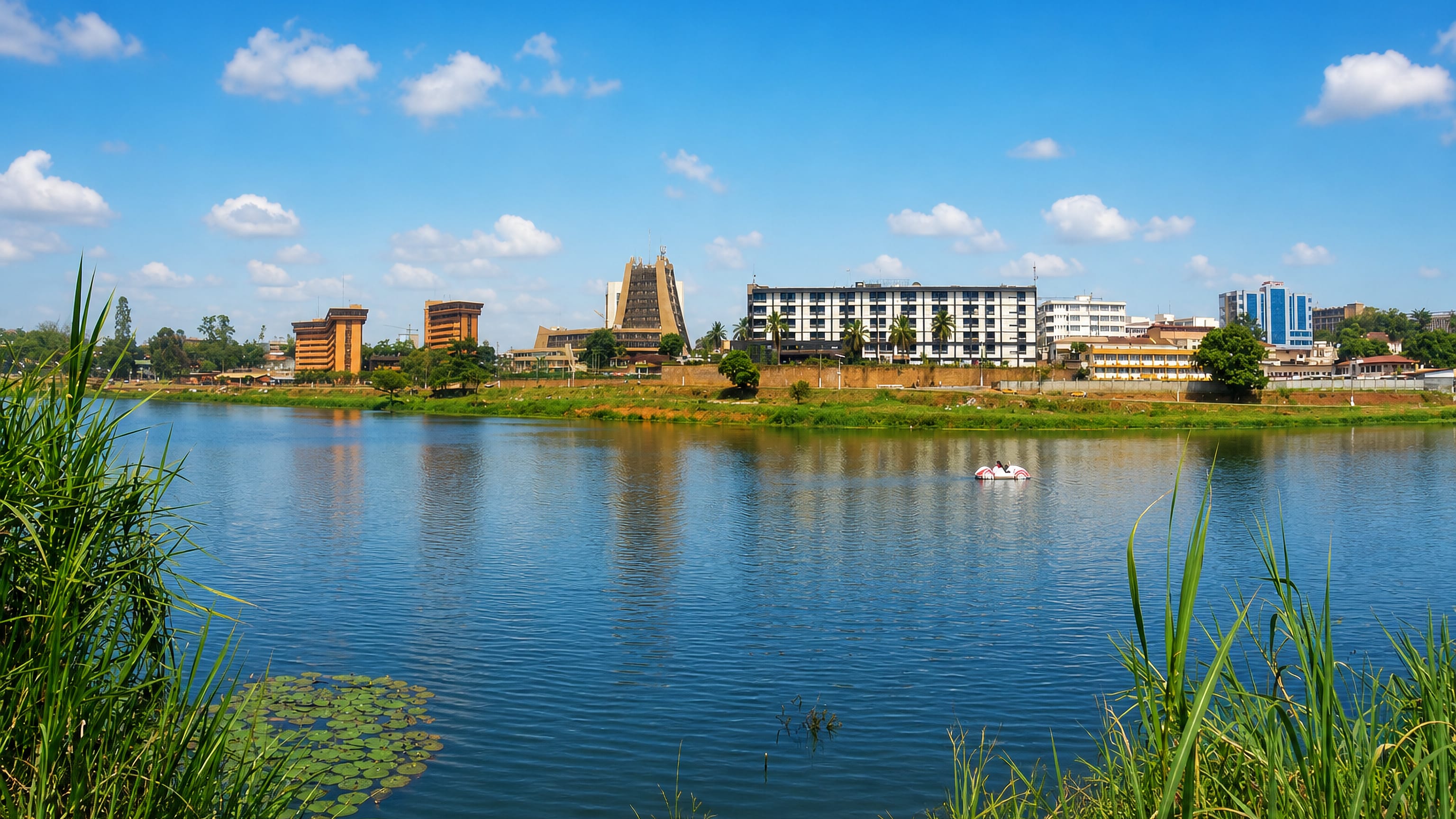
Cameroon · Centre Region
Where to Stay in Yaoundé, Centre Region
Built across seven hills, Yaoundé is the capital of Cameroon, a highland city in the Centre Region known for its museums and government quarters.
Hotel links are affiliate links: booking through them may earn us a commission, at no extra cost to you. It never affects how places are ranked. How this works


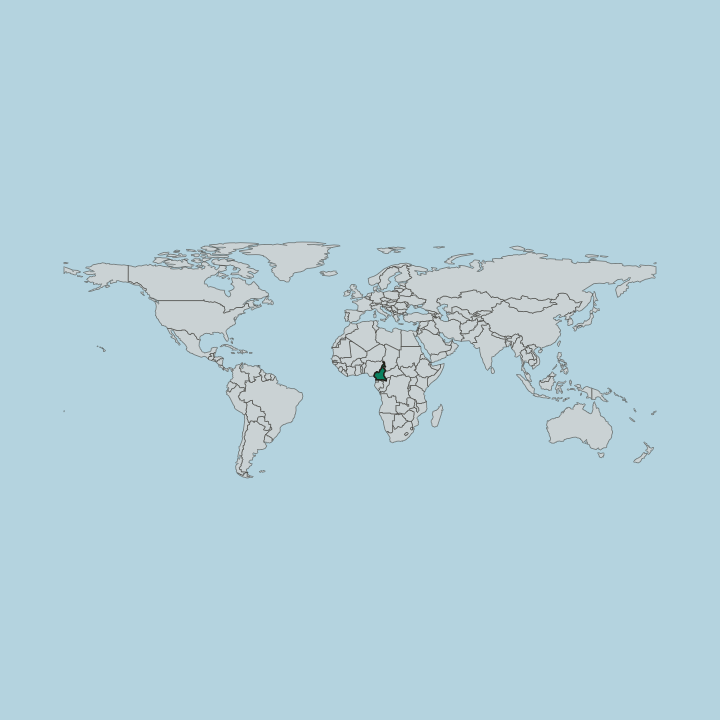
Where to stay in Yaoundé
Where the beds are, and what that means for the visit.
Yaoundé lays its neighbourhoods across seven hills, so where you stay in the capital of Cameroon depends on which ridge and how close to the centre. The core holds the government quarters. Around the ministries and the National Museum of Cameroon, the central districts keep you near the civic institutions and the main museums, an easy base for anyone here for the business of the capital.
If you want the museums and the administrative heart at hand, the central hills suit you best, with the slopes climbing away on every side. The Blackitude Museum and the Mvog-Betsi Zoo sit within the wider city, drawing visitors out from the centre across the ridges. Further from the middle, quieter residential hills of the Centre Region city spread over the highland ground, trading proximity for calm.
Douala, the coastal port, lies away to the west, but Yaoundé itself keeps the seat of government and the cultural collections that make its central districts the practical choice for a stay.
Find hotels in Yaoundé
Direct booking search for this neighbourhood.
Hotel links are affiliate links: booking through them may earn us a commission, at no extra cost to you. It never affects how places are ranked. How this works
Things to do in Yaoundé
Ranked by global recognition; descriptions from Wikidata (CC0).
Museums & Galleries
3- National Museum of Cameroon Heritage
- Blackitude Museum
- Ethnographic museum of forest people
Stadiums & Sports
1- Yaoundé Multipurpose Sports Complex
worth knowingacross 2 categories in Yaoundé
About Yaoundé
What is Yaoundé known for?
Yaoundé is known as the capital of Cameroon and the country's second-largest city after the port of Douala. It spreads across seven hills in the Centre Region, a highland seat of national government set inland from the coast. The setting is elevated.
The city gathers people from across Cameroon around its ministries and museums, among them the National Museum of Cameroon, and holds the administrative weight of the nation on its ridges.
What are the main landmarks in Yaoundé?
Yaoundé holds its landmarks across the seven hills of the capital of Cameroon. The National Museum of Cameroon anchors the city's collections, joined by the Blackitude Museum and the Ethnographic museum of forest people. Green space breaks the ridges too.
The Mvog-Betsi Zoo, the Solomon Tandeng Muna Foundation Museum, and the Yaoundé Multipurpose Sports Complex spread across the highland city, giving the Centre Region capital its museums, its zoo, and its arena.
What is the history of Yaoundé?
Yaoundé was founded in 1888 on the hills of the interior that now form the Centre Region of Cameroon. It began as an inland station. The settlement grew on the highland ground away from the coast, and over time it rose to become the capital of Cameroon, a role that set it apart from the older coastal port at Douala.
The hills gave the city its shape and its name. Known as the city on seven hills, Yaoundé developed as the administrative centre of the nation, drawing people from across Cameroon to its ridges. The National Museum of Cameroon and the city's other collections gathered the heritage of the country in the capital.
Through its growth from an inland post to the seat of national government, Yaoundé held the interior together, its story tied to the highland setting of the Centre Region rather than to the sea.
Where is Yaoundé?
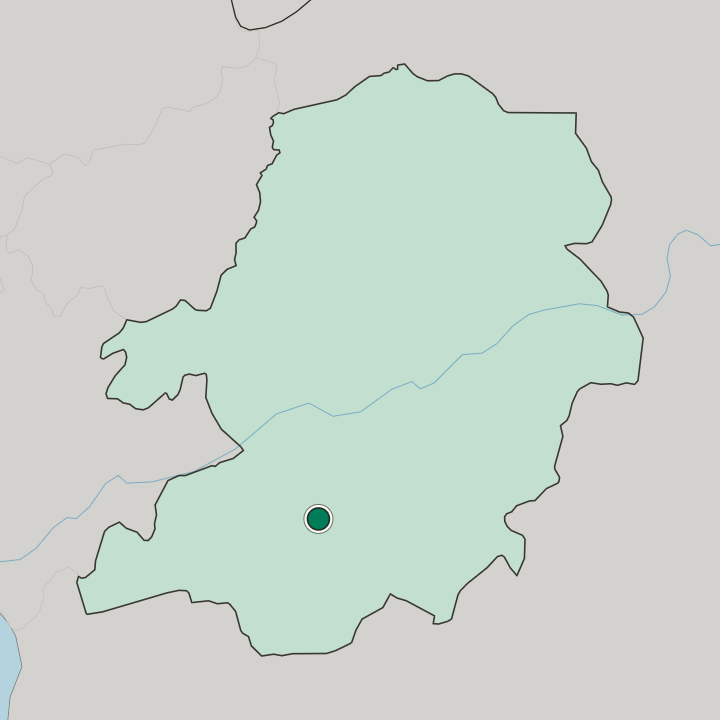
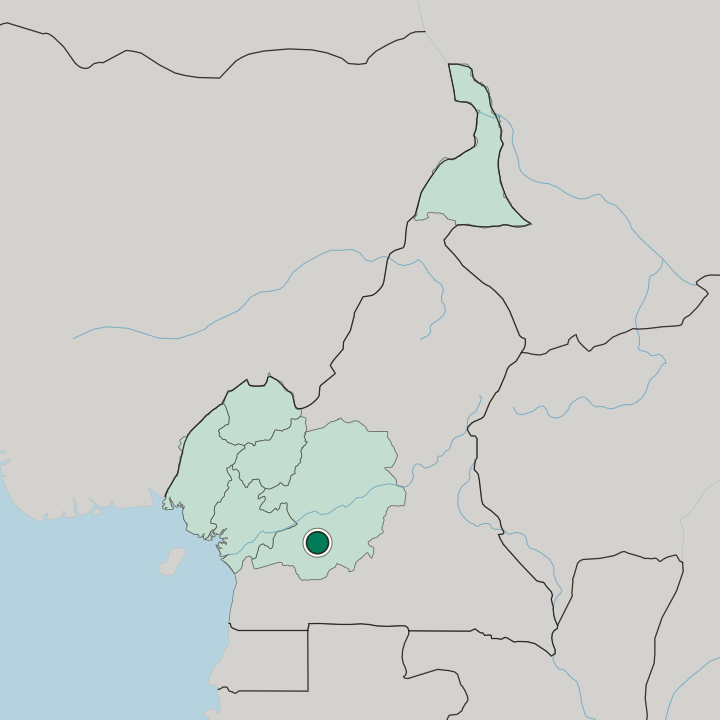
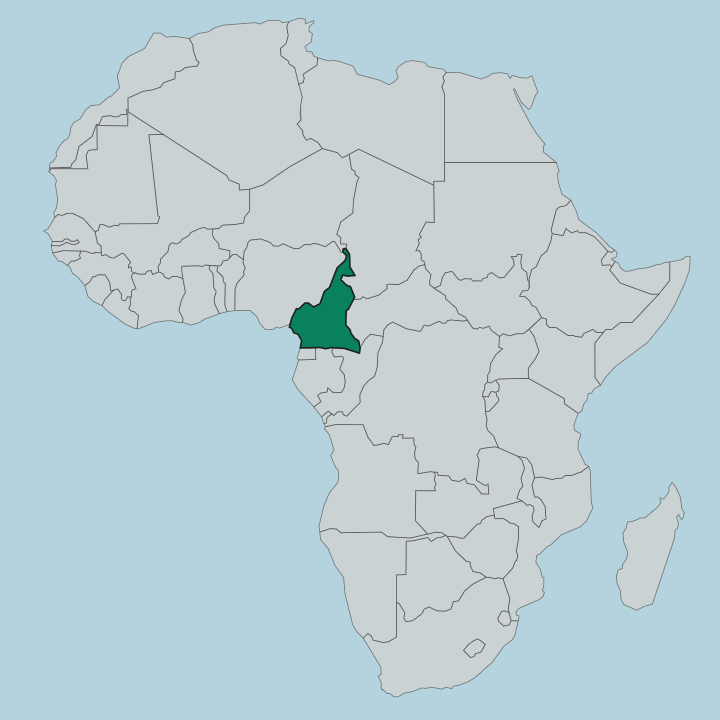
Yaoundé sits in the interior of Cameroon, spread over seven hills in the highland Centre Region well inland from the coast. The city climbs and dips across ridges. Its elevated setting keeps it above the lowland heat of the port at Douala to the west, and the surrounding hills of the Centre Region frame the capital on every side.
What is the climate of Yaoundé?
Yaoundé has a tropical highland climate, tempered by the elevation of its seven hills in the Centre Region of Cameroon. Warmth holds year-round. Wet seasons bring heavy rains to the ridges of the capital, while the highland setting softens the heat felt in the lowlands toward Douala, keeping the hill city milder than the coast.
How do you get to Yaoundé?
Yaoundé is reached from the coast at Douala, the port to the west, and through its own air and rail links in the interior of Cameroon. Routes climb inland to the hills. Travellers cross from the lowland port up to the highland capital, arriving among the seven hills of the Centre Region where the roads of the nation converge on the seat of government.
Common questions
What is the best area to stay in Yaoundé?
Central government quarter: Visitors near Yaoundé's ministries and the National Museum of Cameroon.
Good for
Updated September 2026