
China · Jilin
Where to Stay in Hunchun, Jilin
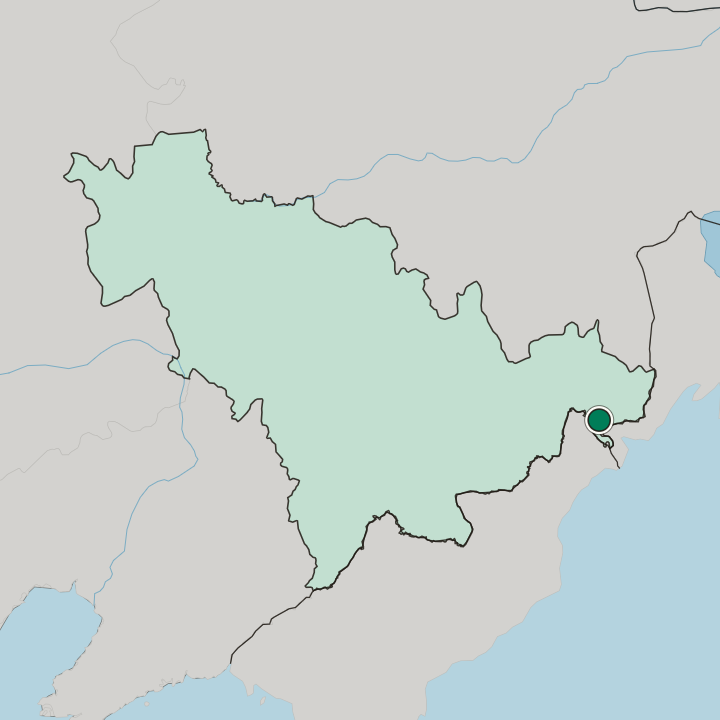
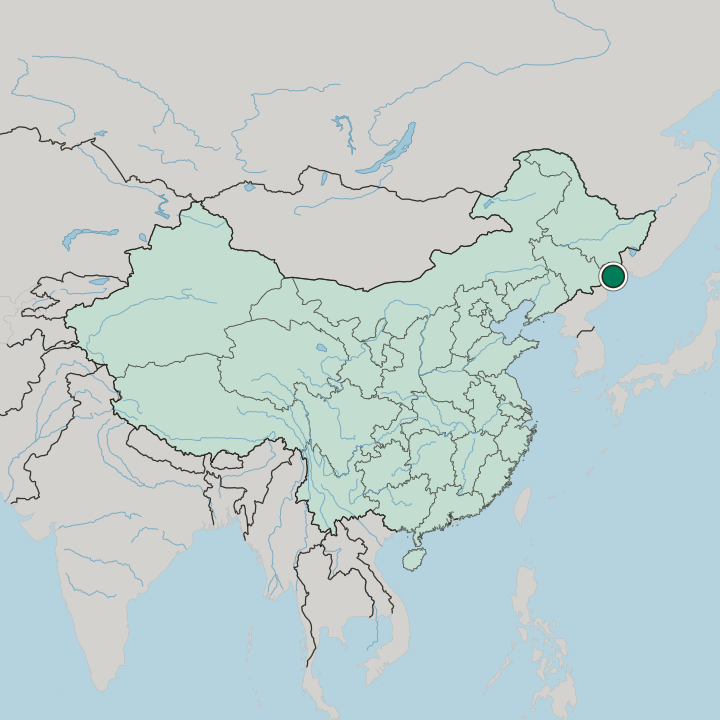
Hunchun is a county-level city in the Yanbian Korean Autonomous Prefecture, at the far eastern end of Jilin against two international borders.
Hotel links are affiliate links: booking through them may earn us a commission, at no extra cost to you. It never affects how places are ranked. How this works


Where to stay in Hunchun
Where visitors usually base themselves, and why.
Beds are a county-town proposition here. Hunchun is a county-level city rather than a prefecture seat, so what accommodation exists sits in the town itself, and the ruins that give the place its interest are all outside it. Baliancheng is the first of them.
Reaching it, the Saqi City Ruins or the Wentehebu City Ruins and Peiyou City Ruins means going out from the town and coming back the same day, since none of those sites carries lodging. The prefecture seat is elsewhere. Anyone working across Yanbian Korean Autonomous Prefecture treats Hunchun as a stop on a border route rather than as the natural base for the region.
The frontier shapes who stays. Primorsky Krai lies over one boundary and North Hamgyong Province over the other, so much of what moves through the town is freight and paperwork rather than sightseeing. Donggyeong is the reason to linger.
A night in Hunchun makes sense for anyone wanting to work through the Balhae ruins properly, because the sites are dispersed and none of them is quick to reach. The boundary marker is the other stop. The China-Russia Boundary Marker at Tuzibei sits right on the line with Primorsky Krai, and a stay in town is what makes an unhurried visit to it possible.
Two nights is generous.
Find hotels in Hunchun
Direct booking searches for these neighbourhoods.
Hunchun town
The county town itself, which holds essentially every room in the area and sits within a drive of BalianchengFind hotels in Hunchun townDays given over to Baliancheng and the Saqi City RuinsThe Baliancheng ruins country
Open county ground carrying the walled Balhae sites, with nothing to sleep in between one ruin and the next. Few places to stay nearby — book ahead.Find hotels in The Baliancheng ruins countryVisits out to the China-Russia Boundary Marker at TuzibeiThe Primorsky Krai boundary
The strip along the line with Primorsky Krai, where Tuzibei is the marker and the town behind it supplies the bed. Lodging is scarce in this area; reserve in advance.Find hotels in The Primorsky Krai boundaryHotel links are affiliate links: booking through them may earn us a commission, at no extra cost to you. It never affects how places are ranked. How this works
About Hunchun
A Balhae capital stood here.
What is Hunchun known for?
Donggyeong served as the eastern capital of the Balhae Kingdom between 785 and 793, and the ruins scattered across the county, Baliancheng among them, are what remains of that period. The borders shape everything else. Hunchun runs up against North Hamgyong Province in North Korea and Primorsky Krai in Russia, which leaves a county-level city carrying two international frontiers at once.
What are the main landmarks in Hunchun?
Ruins account for nearly all of it. Baliancheng is the best known of them, and the Wentehebu City Ruins and Peiyou City Ruins and the Saqi City Ruins account for the rest of the walled sites scattered through the county. One entry is not a ruin.
The China-Russia Boundary Marker at Tuzibei stands on the frontier itself, and it is the only listed site here that belongs to the modern era rather than to the Balhae Kingdom.
What is the history of Hunchun?
Balhae put its eastern capital here. Donggyeong held that role between 785 and 793, a short window in the kingdom's life, and the ground around Hunchun still carries the evidence. Baliancheng is that evidence.
The Wentehebu City Ruins and Peiyou City Ruins and the Saqi City Ruins belong to the same landscape of walled settlements, and together they make the ruins, rather than any standing building, the substance of the county's heritage list. Borders came much later. Hunchun sits against North Hamgyong Province in North Korea and Primorsky Krai in Russia, and the China-Russia Boundary Marker at Tuzibei is the physical statement of one of those lines.
Administration followed the frontier. Hunchun City is the registered form, and the city ranks as a county-level unit inside the Yanbian Korean Autonomous Prefecture, which is itself part of Jilin. The prefecture's name records a Korean autonomous status.
The county covers a large area for a city of its rank, which is why Baliancheng, the Saqi City Ruins and the boundary at Tuzibei read as separate excursions rather than as one heritage circuit. Balhae supplies almost the whole of the county's written past, and the boundary marker at Tuzibei is the one entry that does not.
Where is Hunchun?
Two international lines box the county in. Hunchun occupies the far eastern end of Jilin, inside the Yanbian Korean Autonomous Prefecture, with North Hamgyong Province on one side and Primorsky Krai on the other. The county is large.
Its ground spreads well beyond the town, and the Balhae ruins at Baliancheng and the Saqi City Ruins are distributed across that area rather than gathered at any single point. Tuzibei marks one of those edges.
What is the climate of Hunchun?
Winter arrives off the continent and holds. Hunchun sits in the temperate band at the far eastern end of Jilin, where cold air crossing from the interior runs into nothing that softens it, so the season is long and the ruins are hard going in it. Summer is the working window.
Warm months are when Baliancheng and the Saqi City Ruins are approachable on foot, and when the roads out to them are least trouble. Rain falls mostly then.
How do you get to Hunchun?
You get to Hunchun by land. Hunchun sits at the far eastern end of Jilin, so approaches run out through the Yanbian Korean Autonomous Prefecture and take their time about it. Two frontiers touch the county.
Primorsky Krai in Russia lies over one of them and North Hamgyong Province in North Korea over the other, with the China-Russia Boundary Marker at Tuzibei standing on the first. The ruins need a car. Baliancheng, the Saqi City Ruins and the Wentehebu City Ruins and Peiyou City Ruins are spread across the county, and no walk from the town reaches two of them.
Common questions
What is the best area to stay in Hunchun?
Hunchun town: Bases for working through the Balhae ruins around Donggyeong. The Baliancheng ruins country: Days given over to Baliancheng and the Saqi City Ruins. The Primorsky Krai boundary: Visits out to the China-Russia Boundary Marker at Tuzibei.
More cities in Jilin
Updated September 2026