China: Regions, Cities & Travel Guide
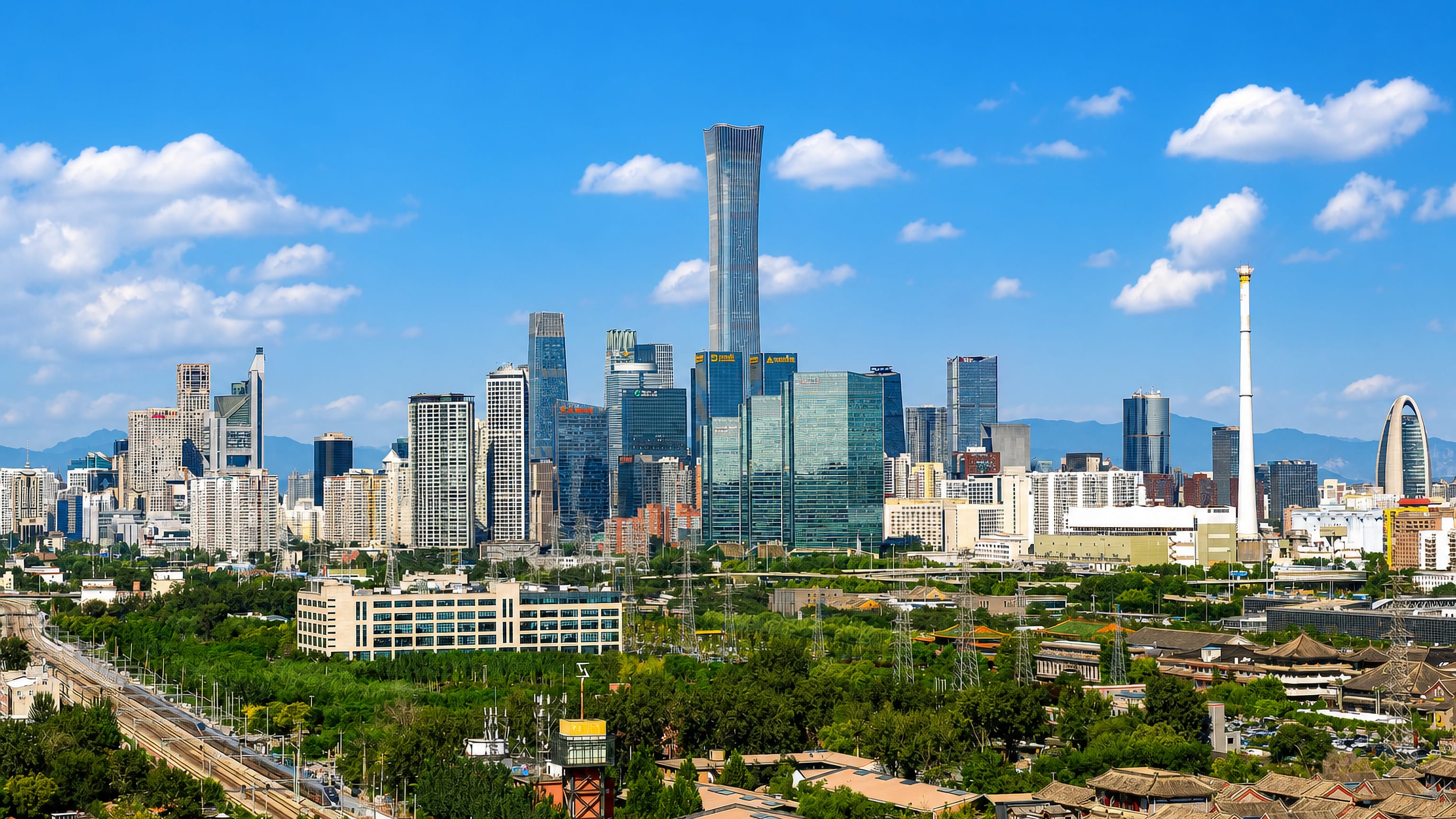
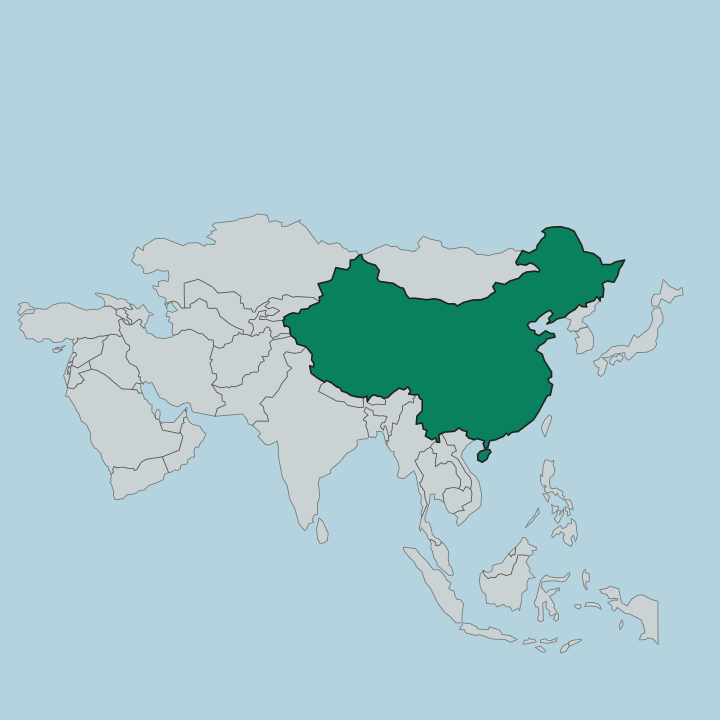
The People's Republic of China is a country in East Asia, reaching from the Central Plain to the Himalayas, with Beijing as its capital.
Hotel links are affiliate links: booking through them may earn us a commission, at no extra cost to you. It never affects how places are ranked. How this works


Top destinations in China
Cities to start from, then drill into areas and hotels.
 China
China
Beijing
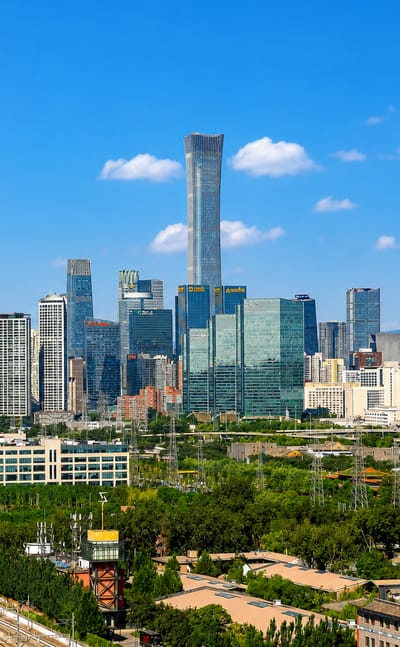
Beijing spreads across the plain below the northern mountains, the walled capital of China, known for the Forbidden City and the Temple of Heaven.Where to stay →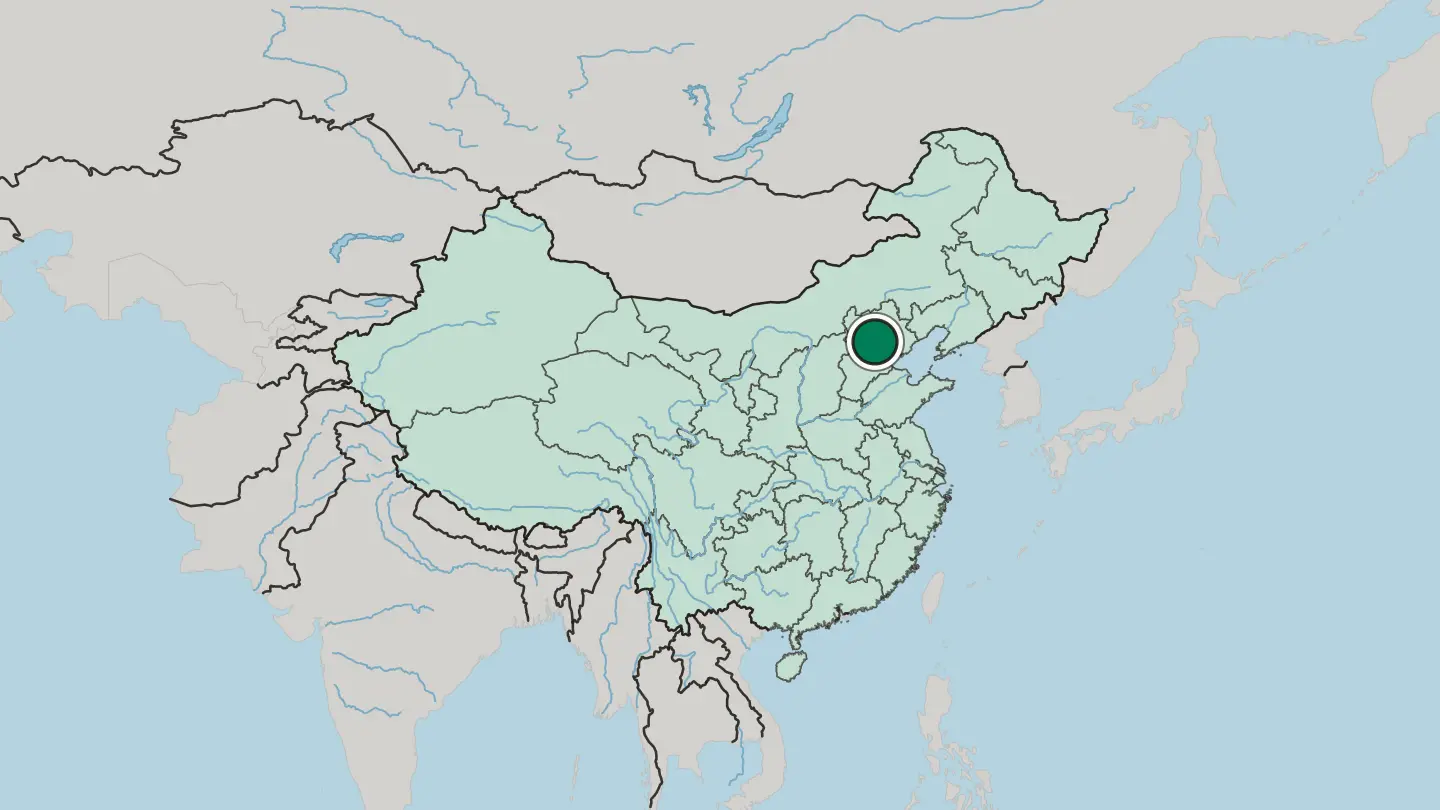
 China
China
Shanghai
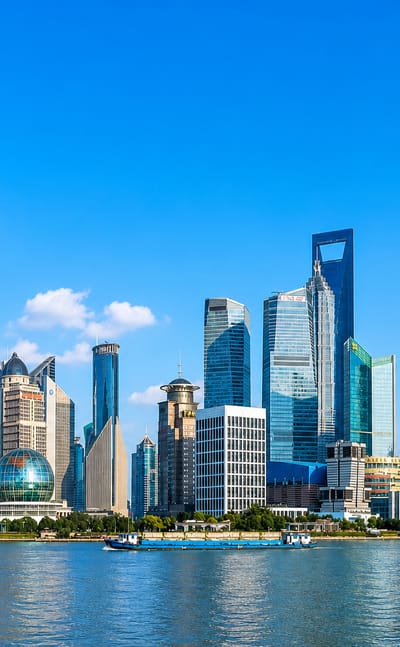
Shanghai stands on the Yangtze estuary, split by the Huangpu River, a Chinese port known for the Oriental Pearl Tower and Art Deco streets.Where to stay →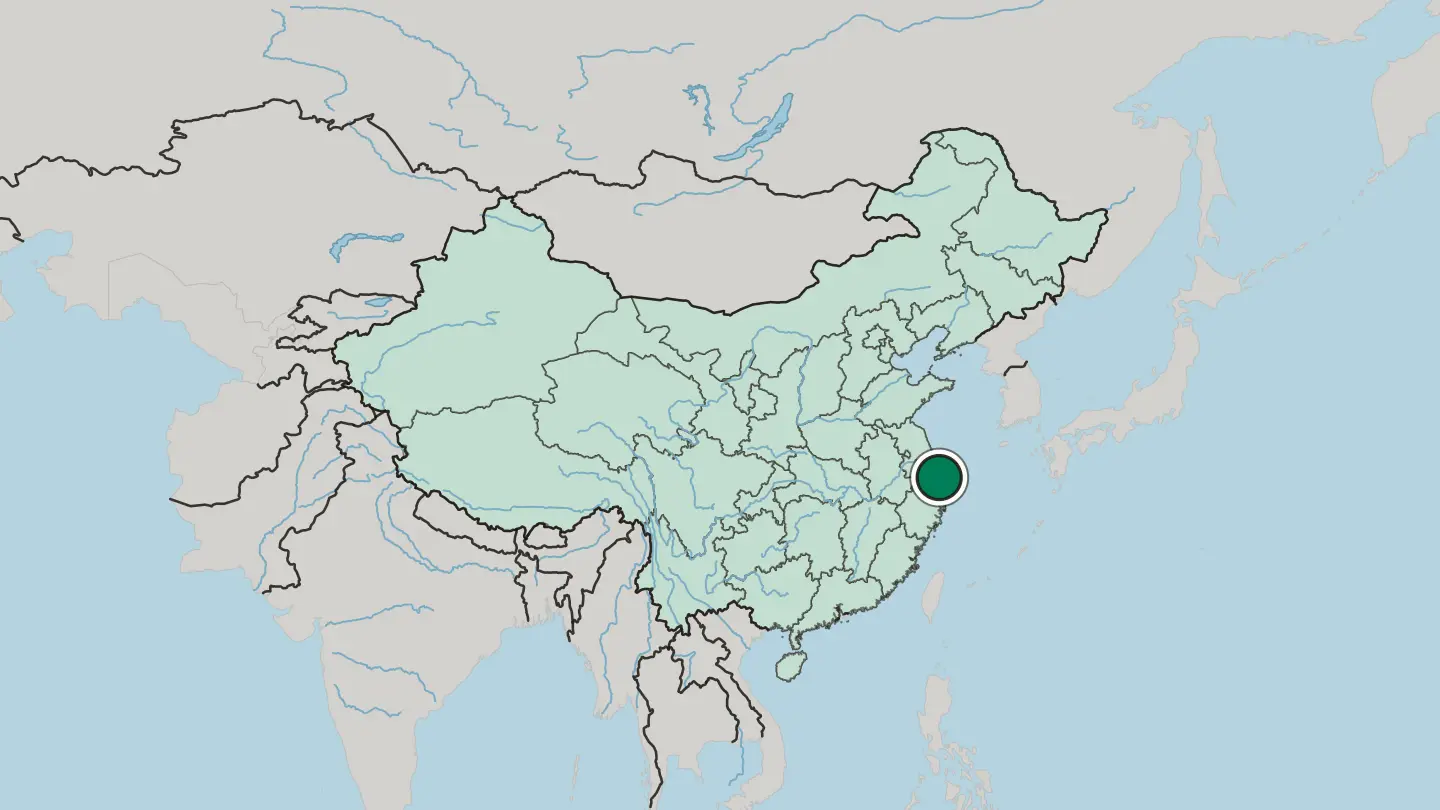
 China
China
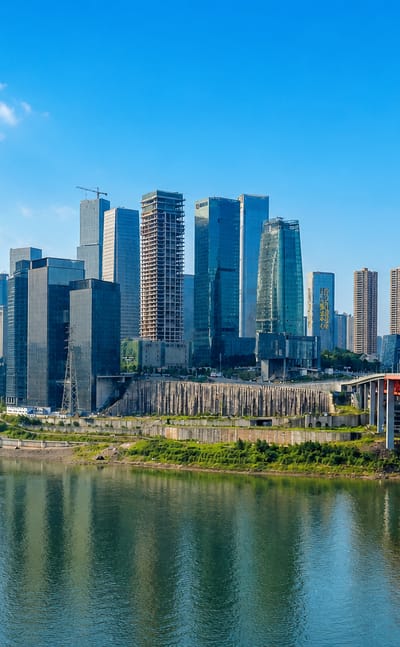
Chongqing
Chongqing rises on cliffs above the river at the head of the Three Gorges, a hill-built municipality in China known for the Eighteen Stairs.Where to stay →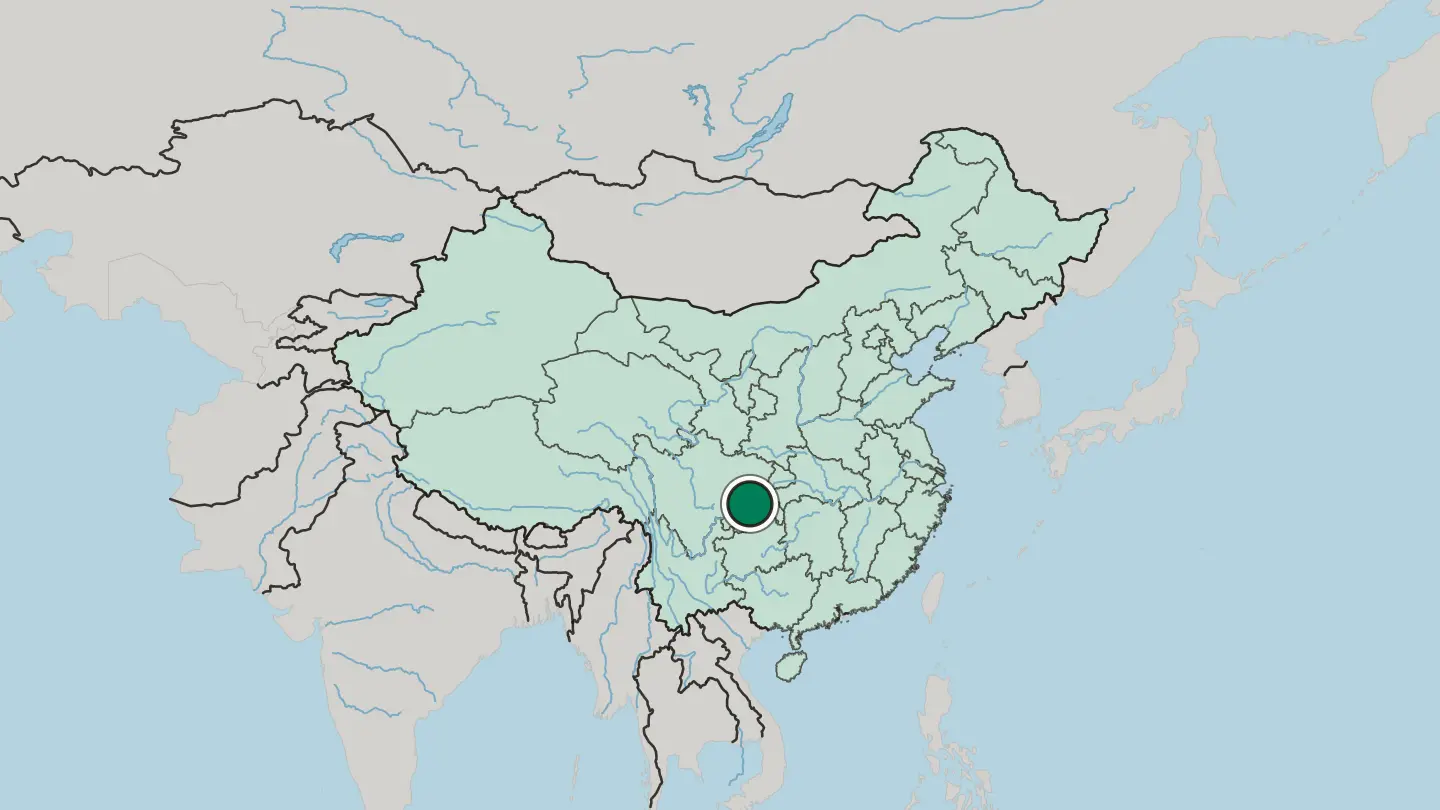
 China
China
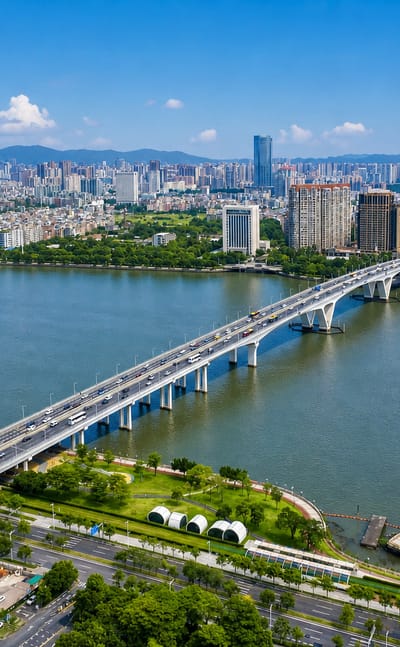
Guangzhou
Guangzhou lines the Pearl River, the old port of Canton and capital of Guangdong, known for the Chen Clan Academy and Sacred Heart Cathedral.Where to stay →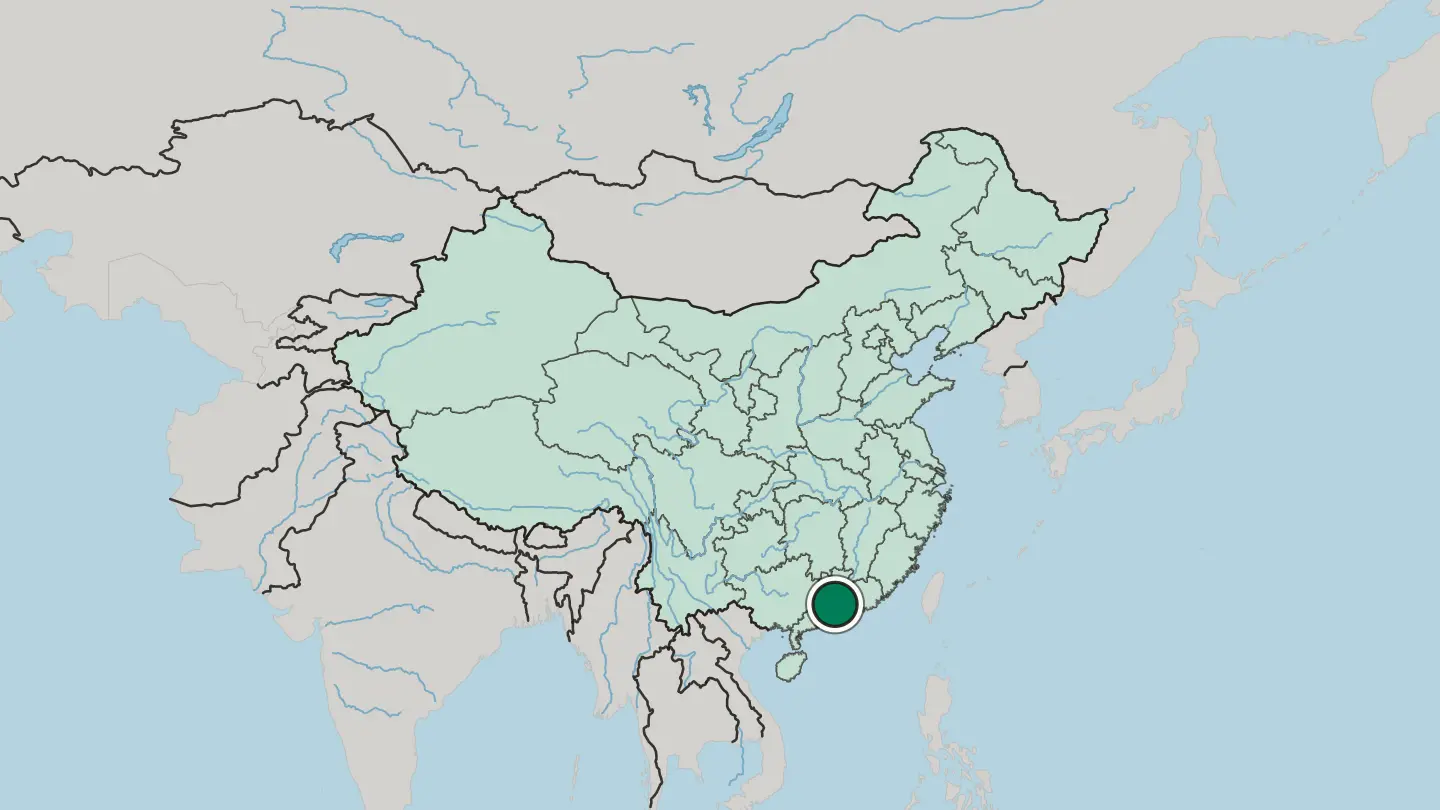
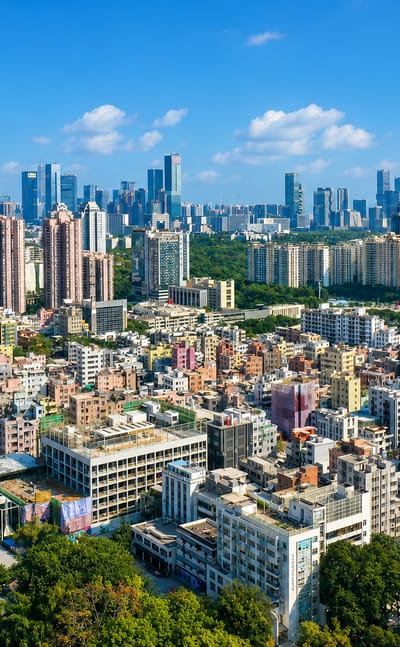 China
China
Shenzhen
Shenzhen rises on the east bank of the Pearl River estuary beside Hong Kong, a special economic zone in Guangdong known for enterprise and towers.Where to stay →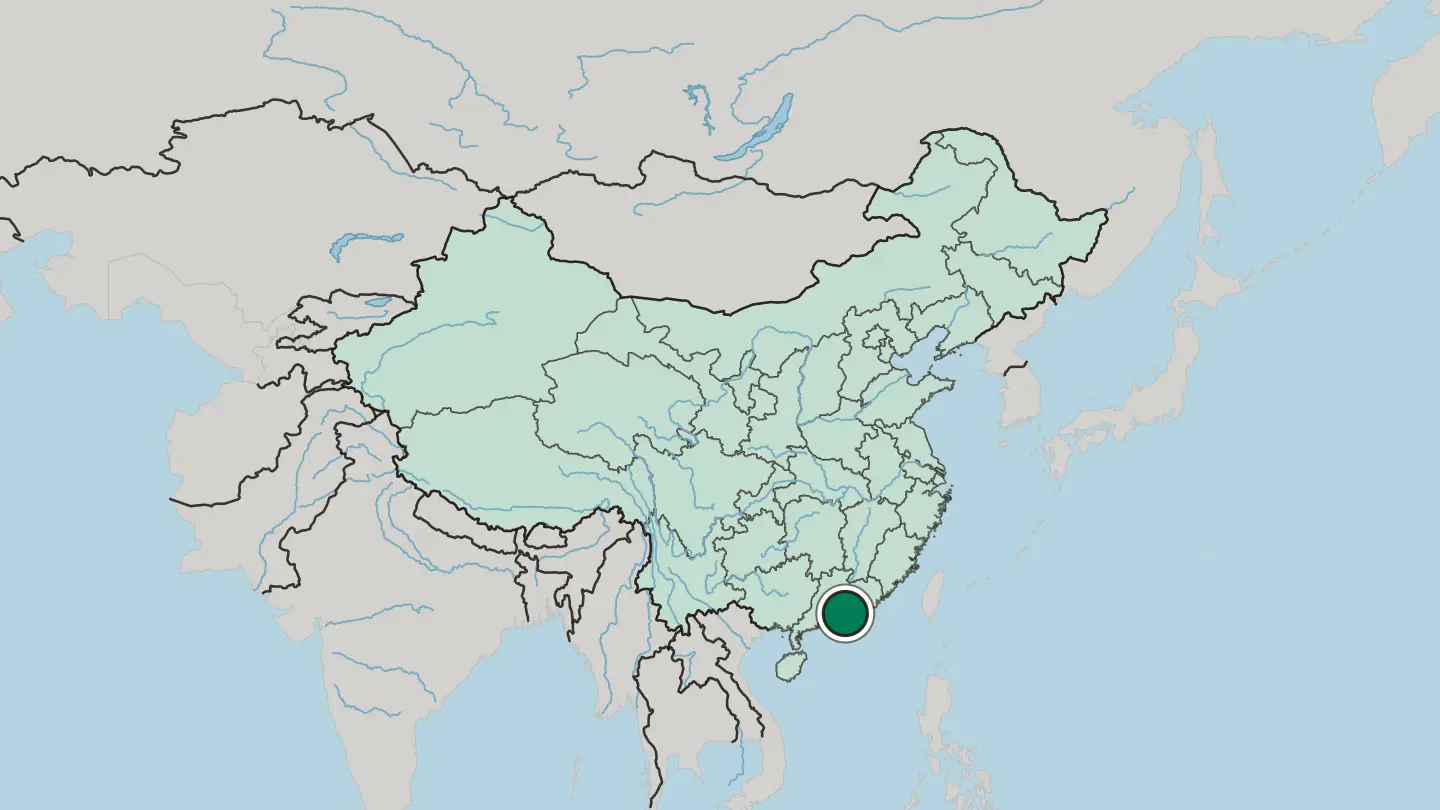
 China
China
Hangzhou
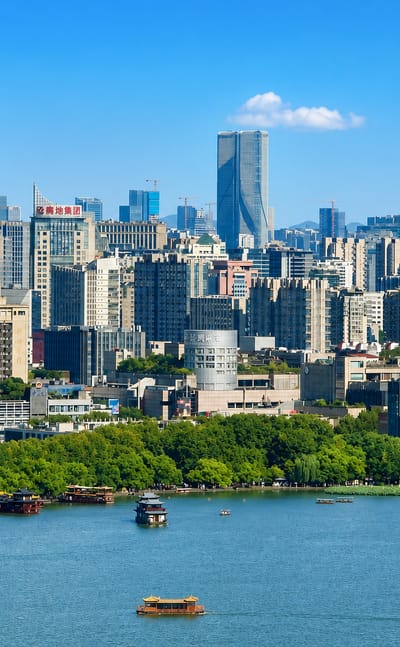
Willows lean over West Lake at Hangzhou, capital of Zhejiang where the Grand Canal ends, an old Chinese capital known for its lake and silk.Where to stay →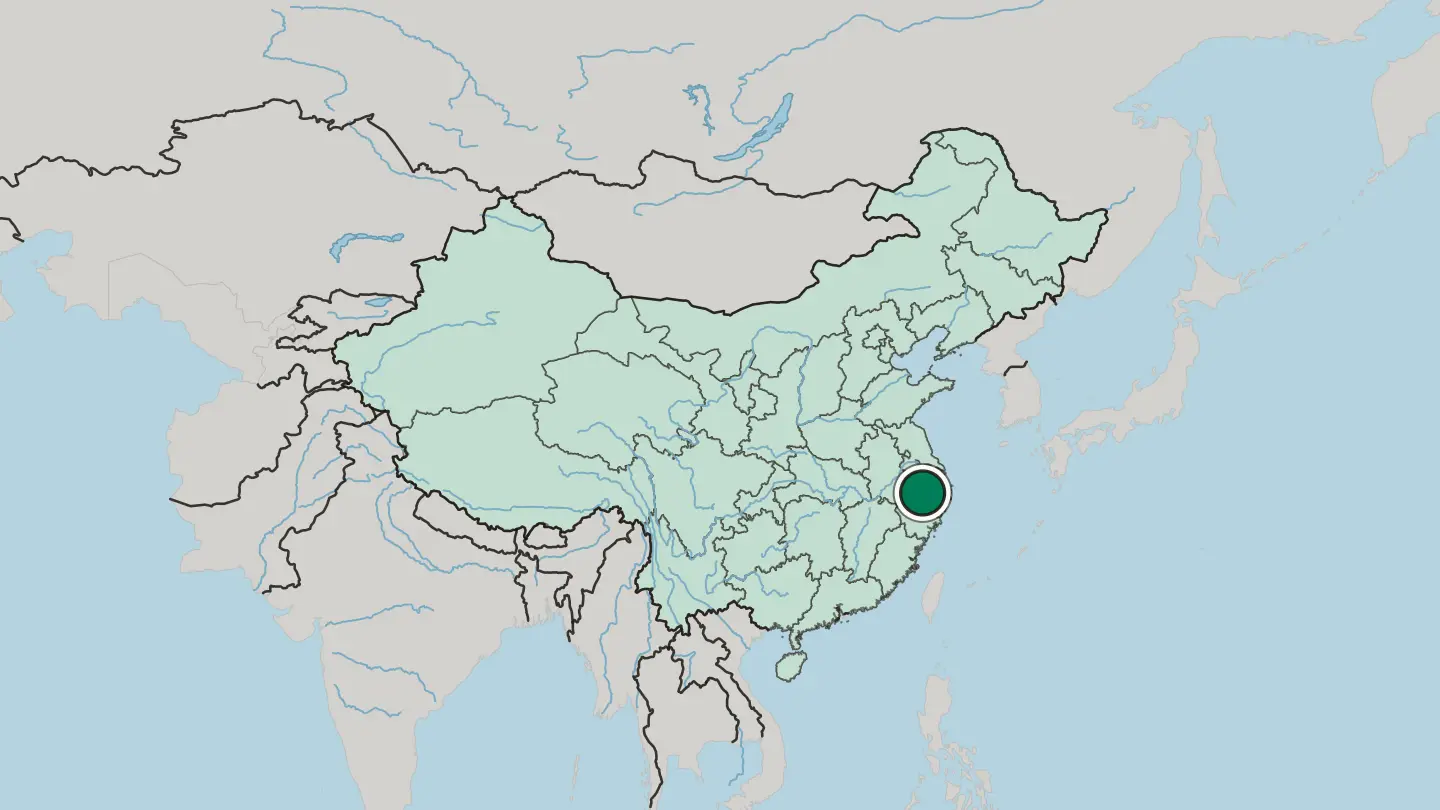
 China
China
Nanjing
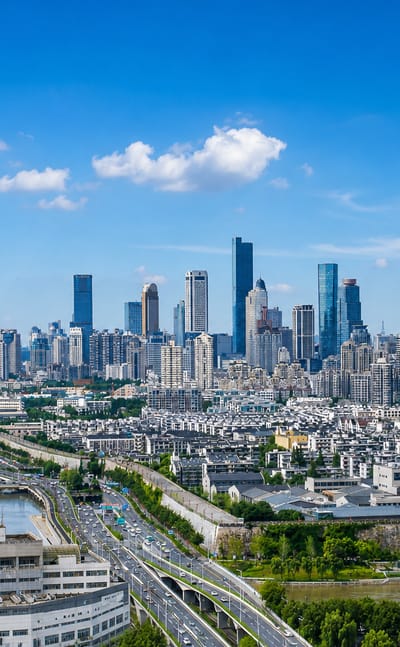
Old Ming walls encircle Nanjing, capital of Jiangsu on the Yangtze River, a former imperial seat known for the City Wall and the Ming Xiaoling tombs.Where to stay →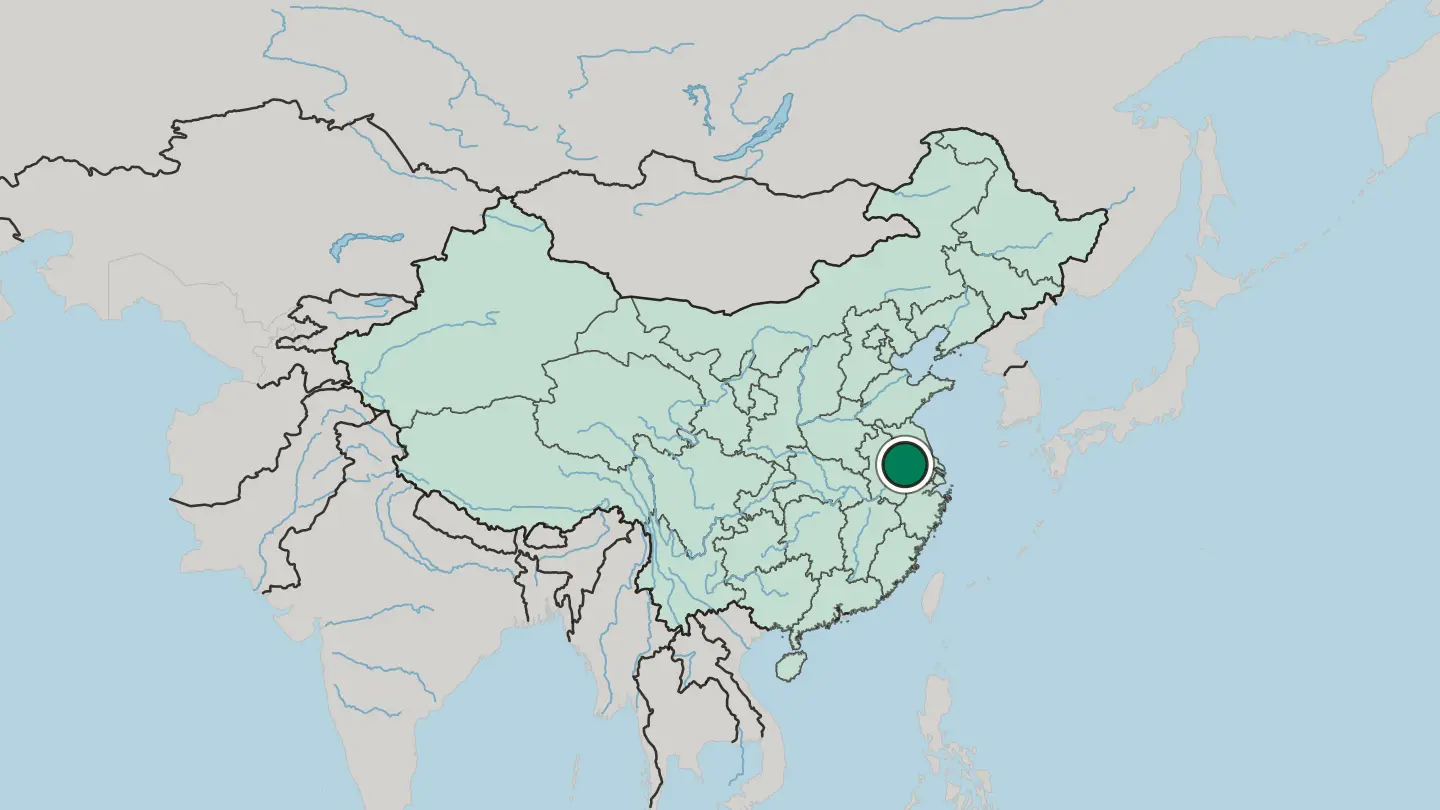
 China
China
Harbin
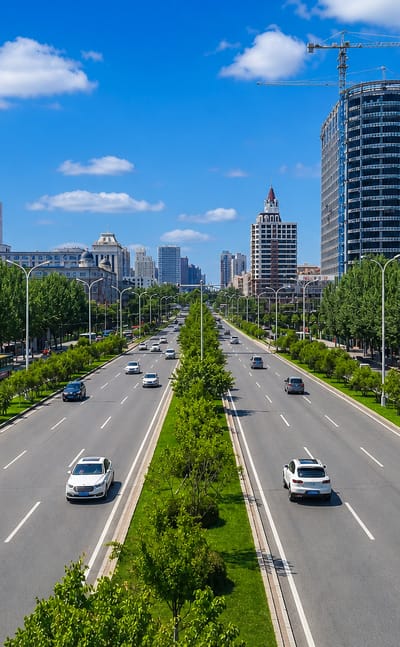
Russian domes rise over Harbin, capital of Heilongjiang in northeast China, an Ice City known for its winter sculpture festival and St. Alexius Church.Where to stay →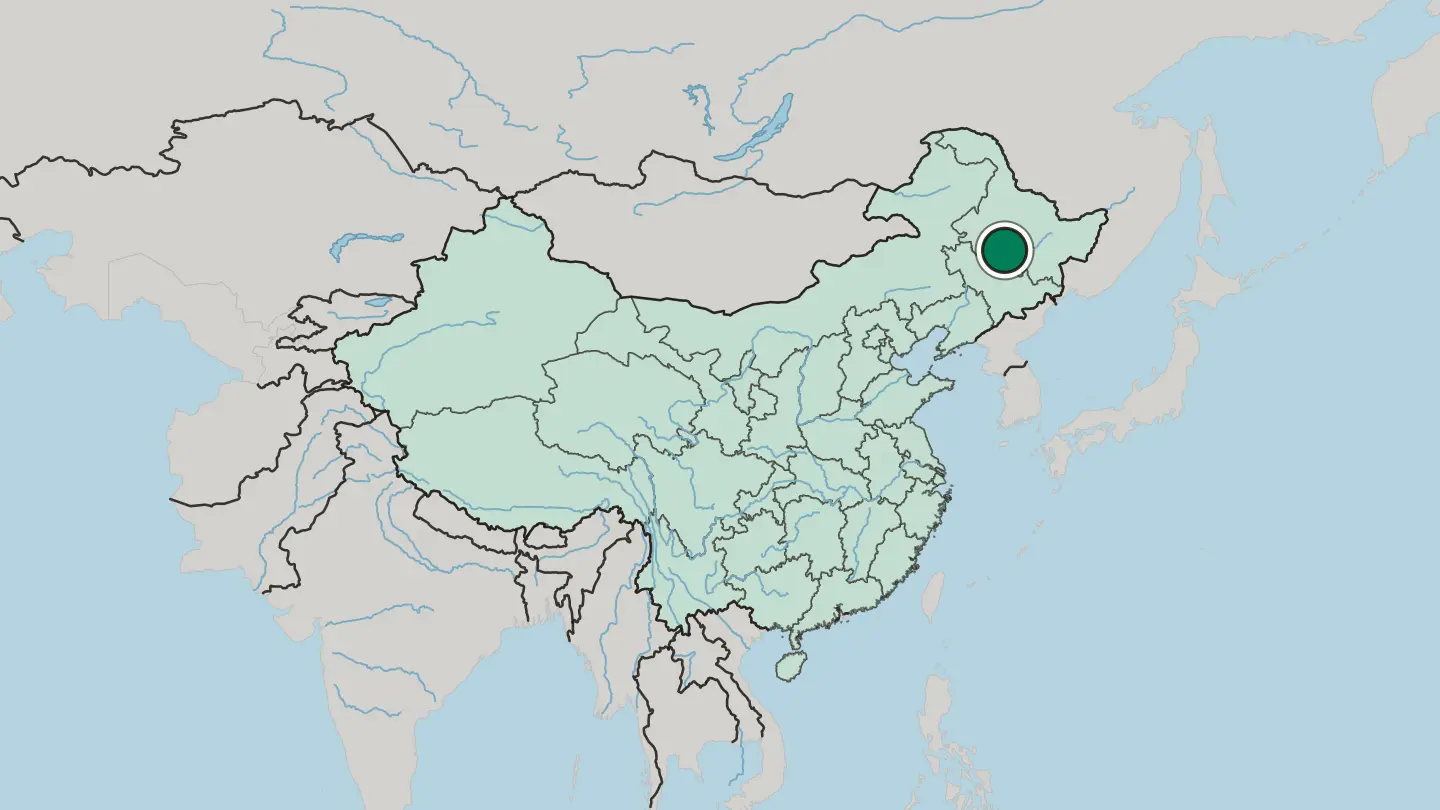
 China
China
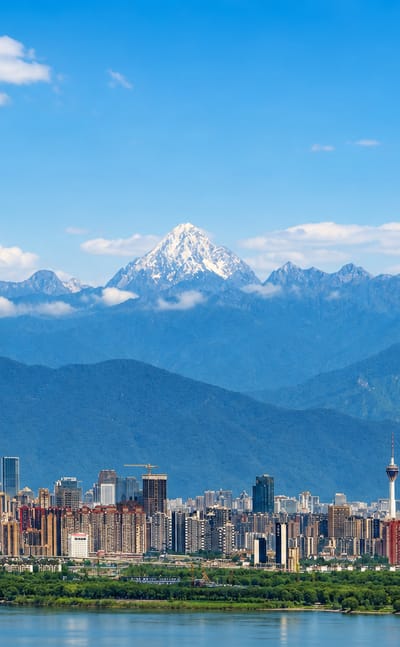
Chengdu
Teahouses and old temples fill Chengdu, capital of Sichuan on its fertile plain, a long-settled city known for the Du Fu Thatched Cottage.Where to stay →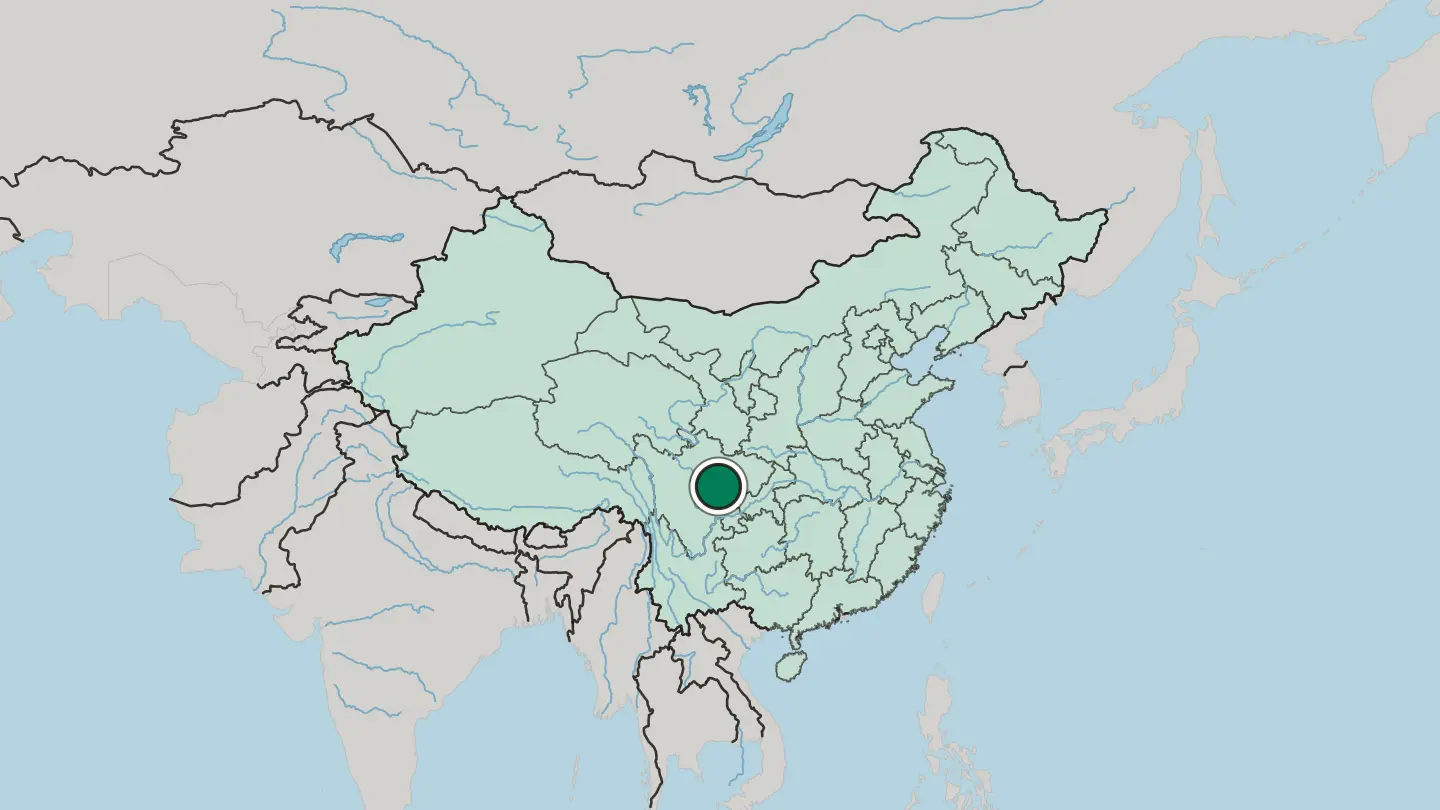
Hotel links are affiliate links: booking through them may earn us a commission, at no extra cost to you. It never affects how places are ranked. How this works
Regions of China
 China
China
Anhui
Anhui is an inland province of eastern China, split by the Yangtze and the Huai between granite peaks and river plain.Towns & cities →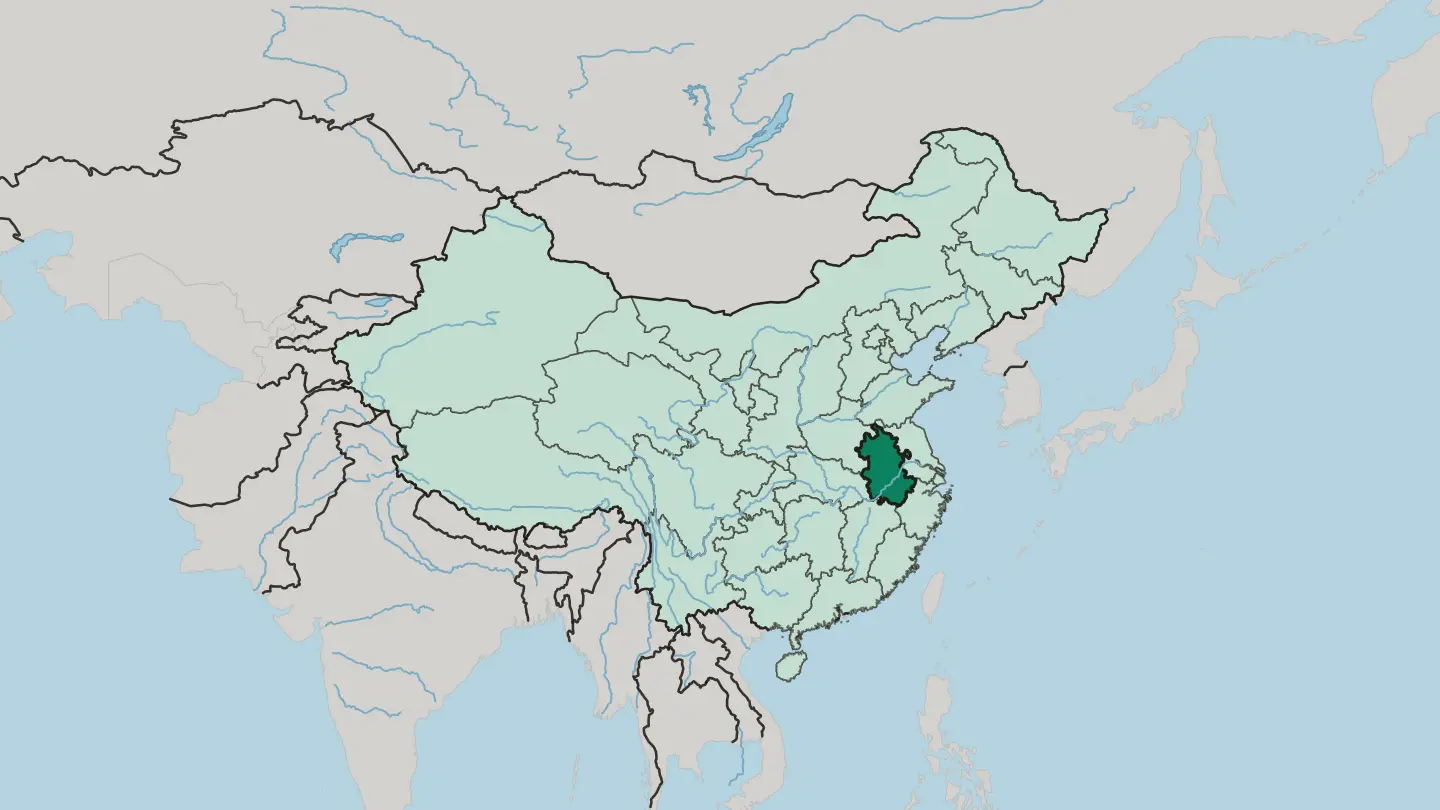 China
China
Beijing Shi
Beijing Shi is a province-level division of the People's Republic of China, the municipality built around Beijing, the national capital, in East Asia.Towns & cities →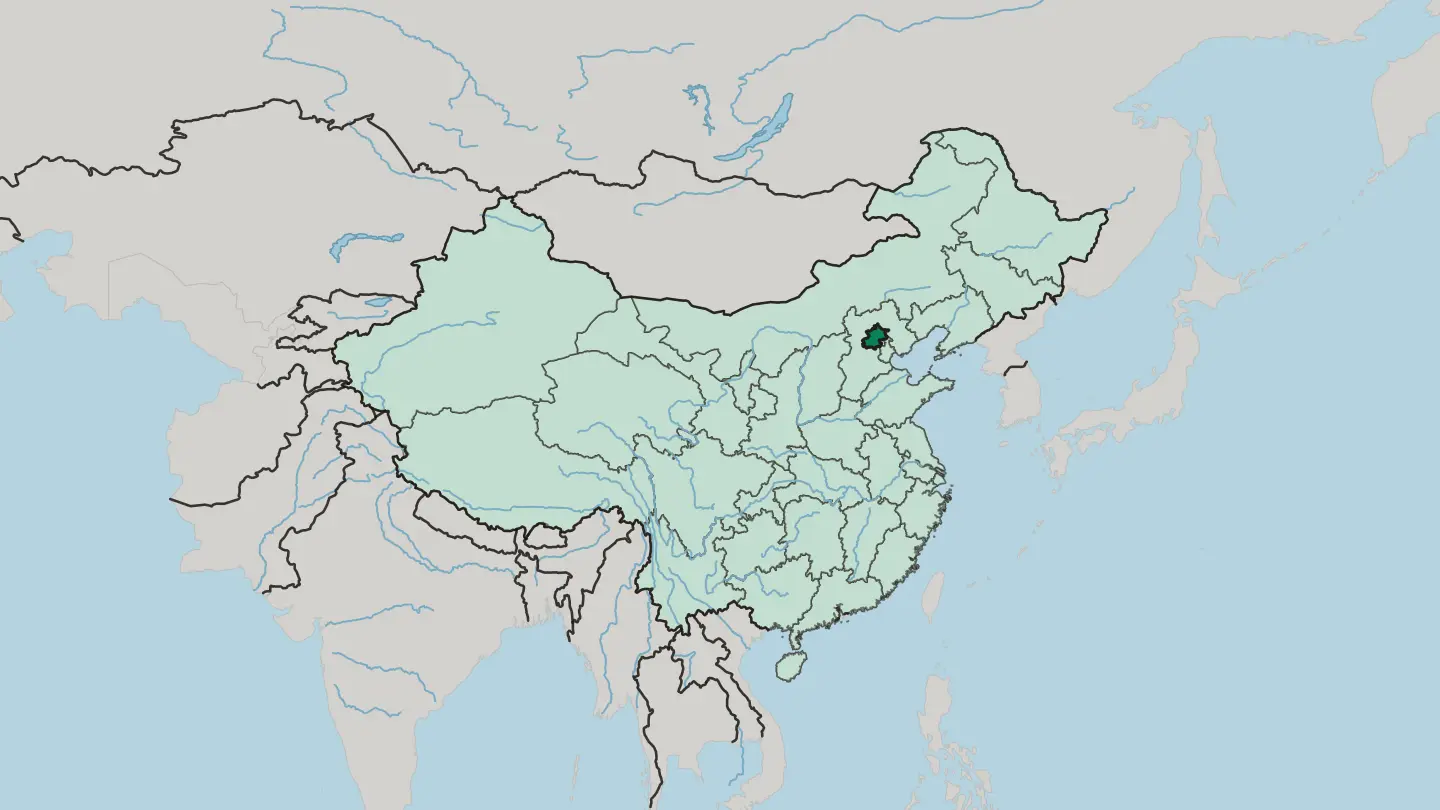 China
China
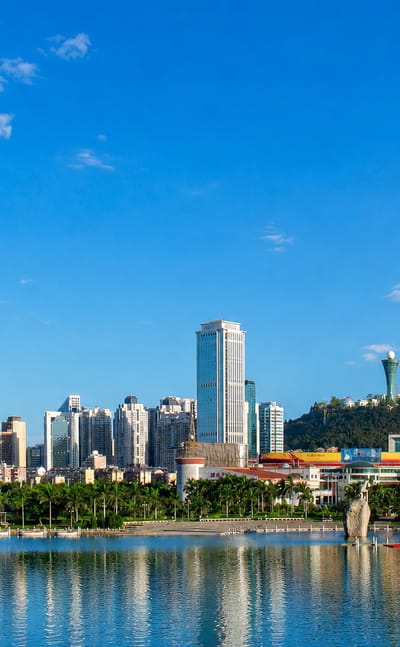
Chongqing Shi
Chongqing Shi is a large province-level division of the People's Republic of China, a municipality centred on the city of Chongqing, in East Asia.Towns & cities →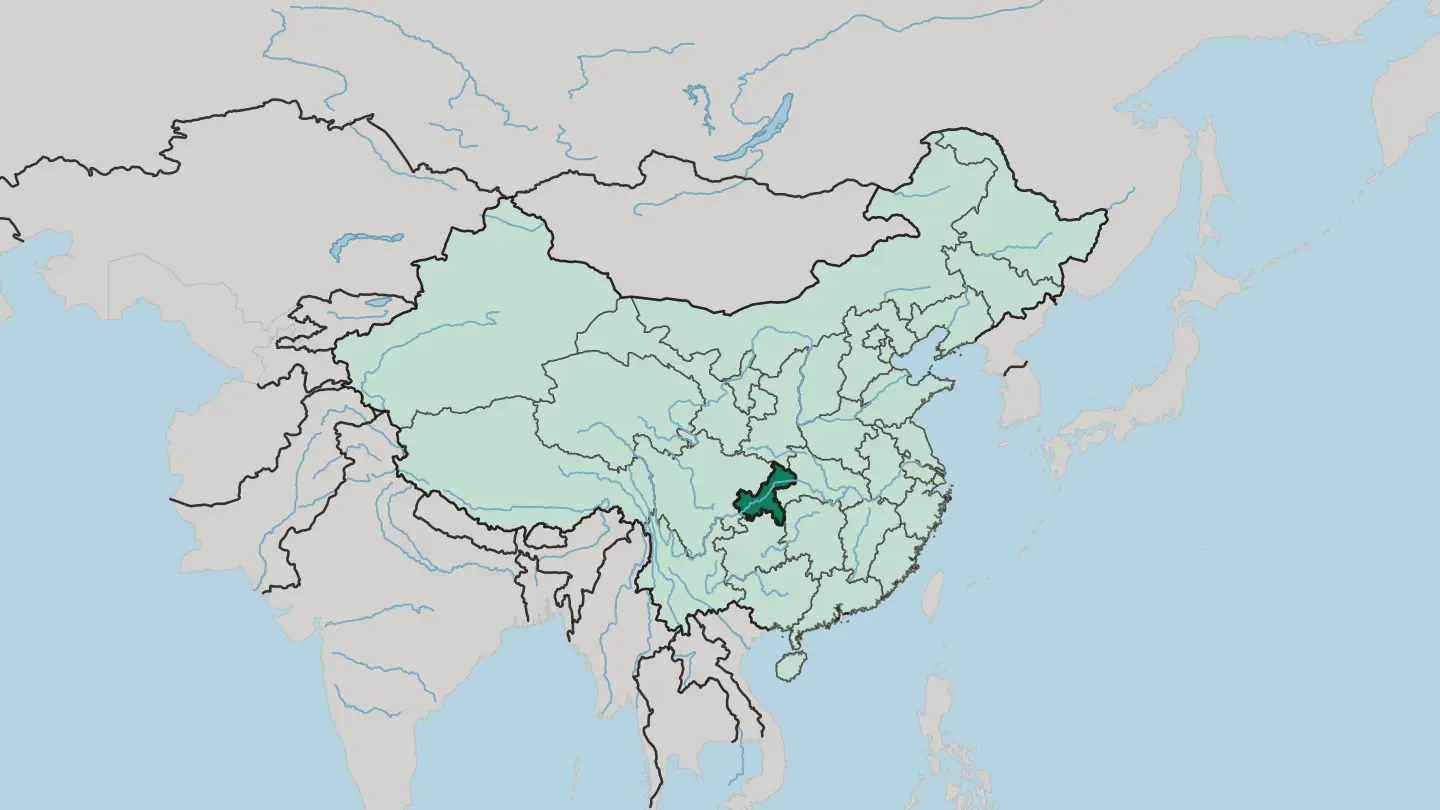
 China
China
Fujian
Fujian is a mountainous coastal province of south-eastern China, facing Taiwan across the Taiwan Strait, with Fuzhou its capital.Towns & cities →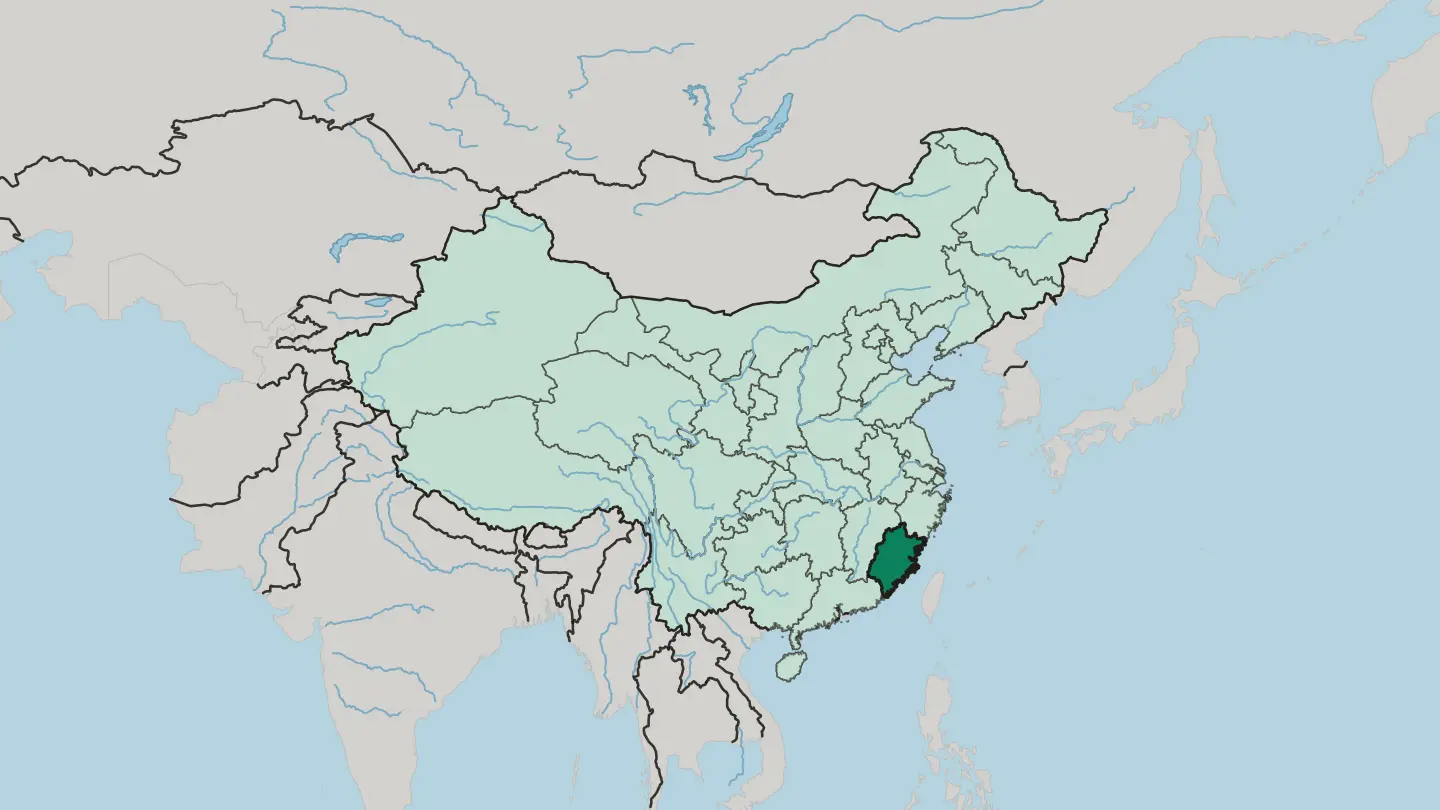
 China
China
Gansu
Gansu is a long, narrow province of northwest China, carrying the old Silk Road west from Lanzhou to Dunhuang.Towns & cities →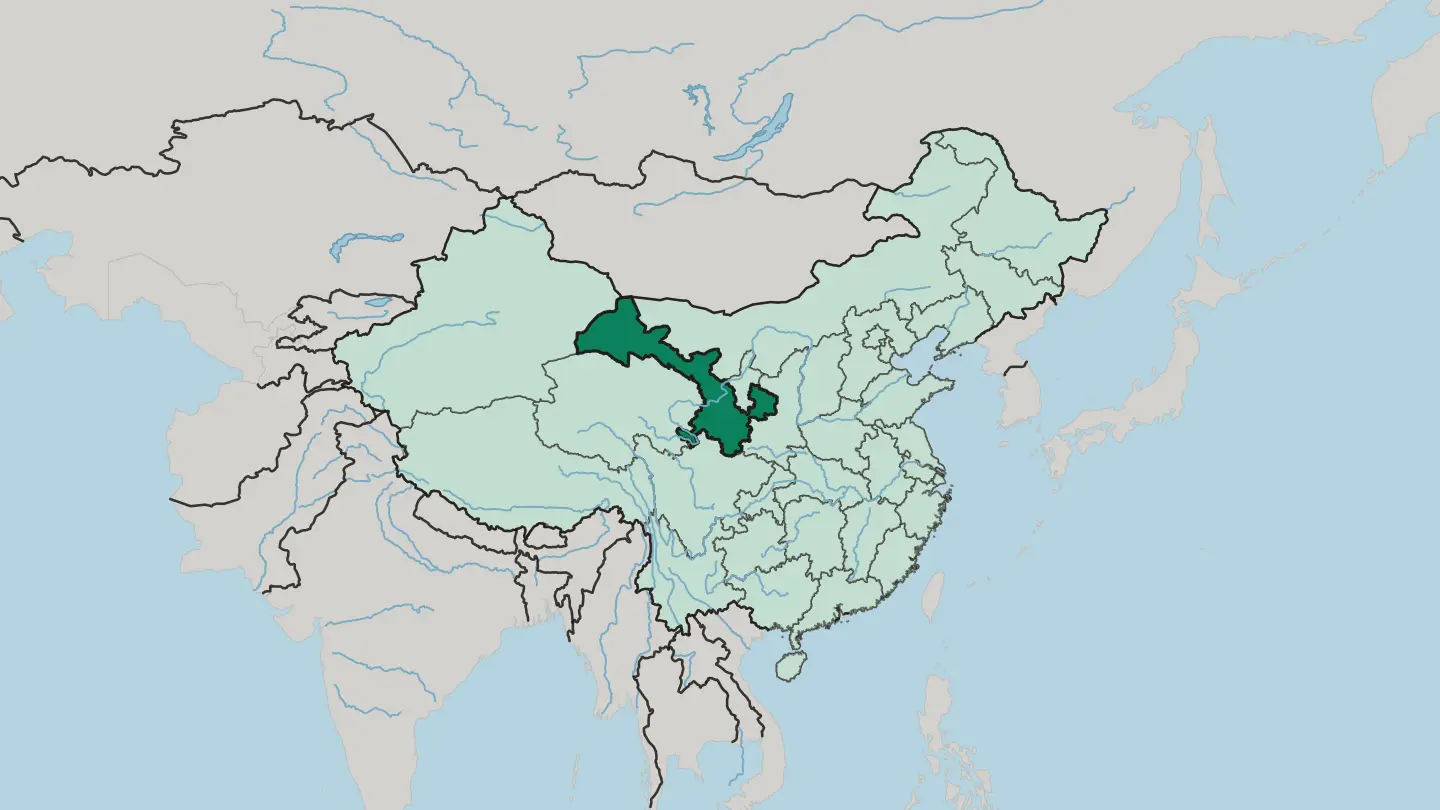 China
China
Guangdong
Guangdong is a coastal province in South China on the north shore of the South China Sea, with Guangzhou as its capital and Shenzhen nearby.Towns & cities →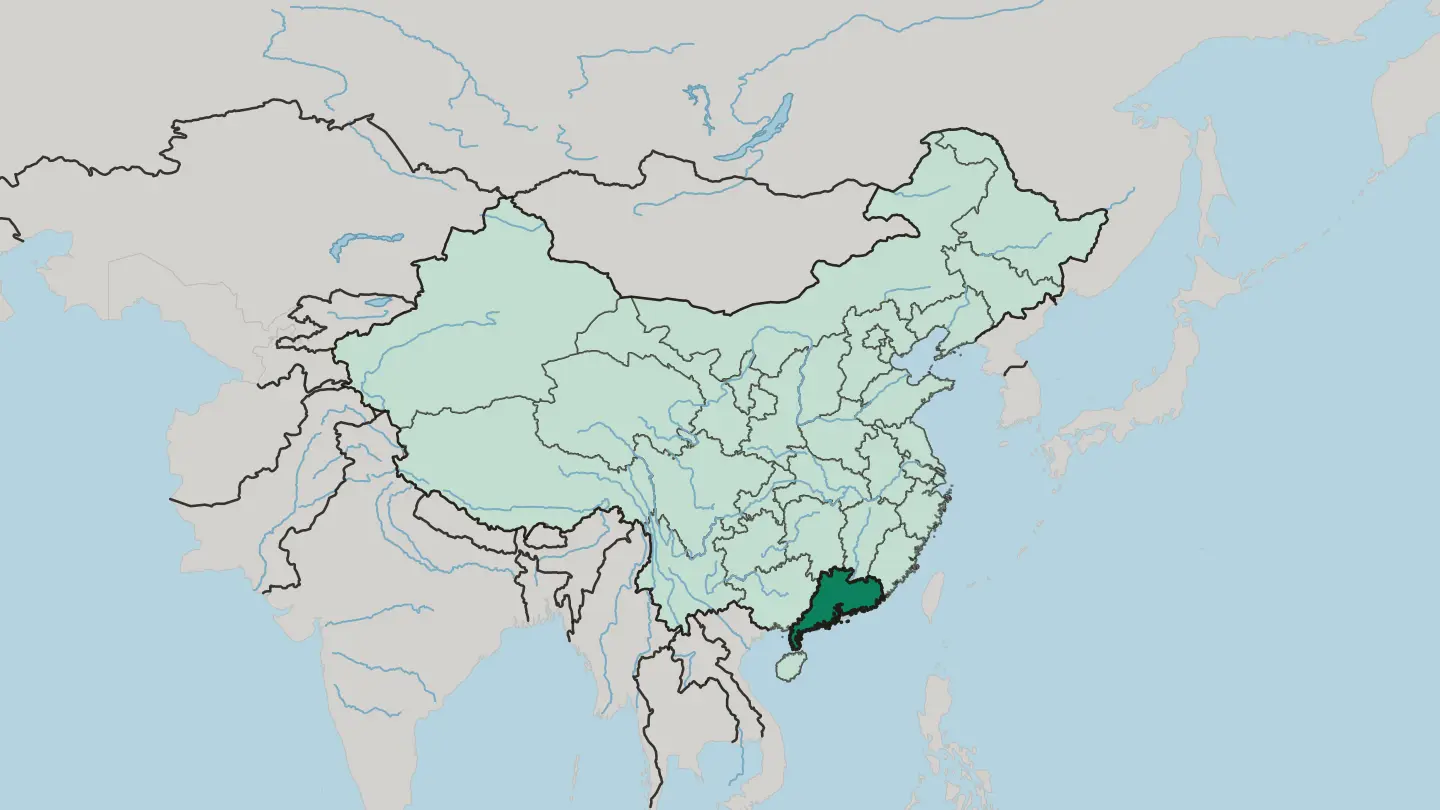
 China
China
Guangxi Zhuang Autonomous Region
Guangxi is China's karst south, where the Li River winds past Guilin's limestone peaks toward the Gulf of Tonkin and Vietnam.Towns & cities →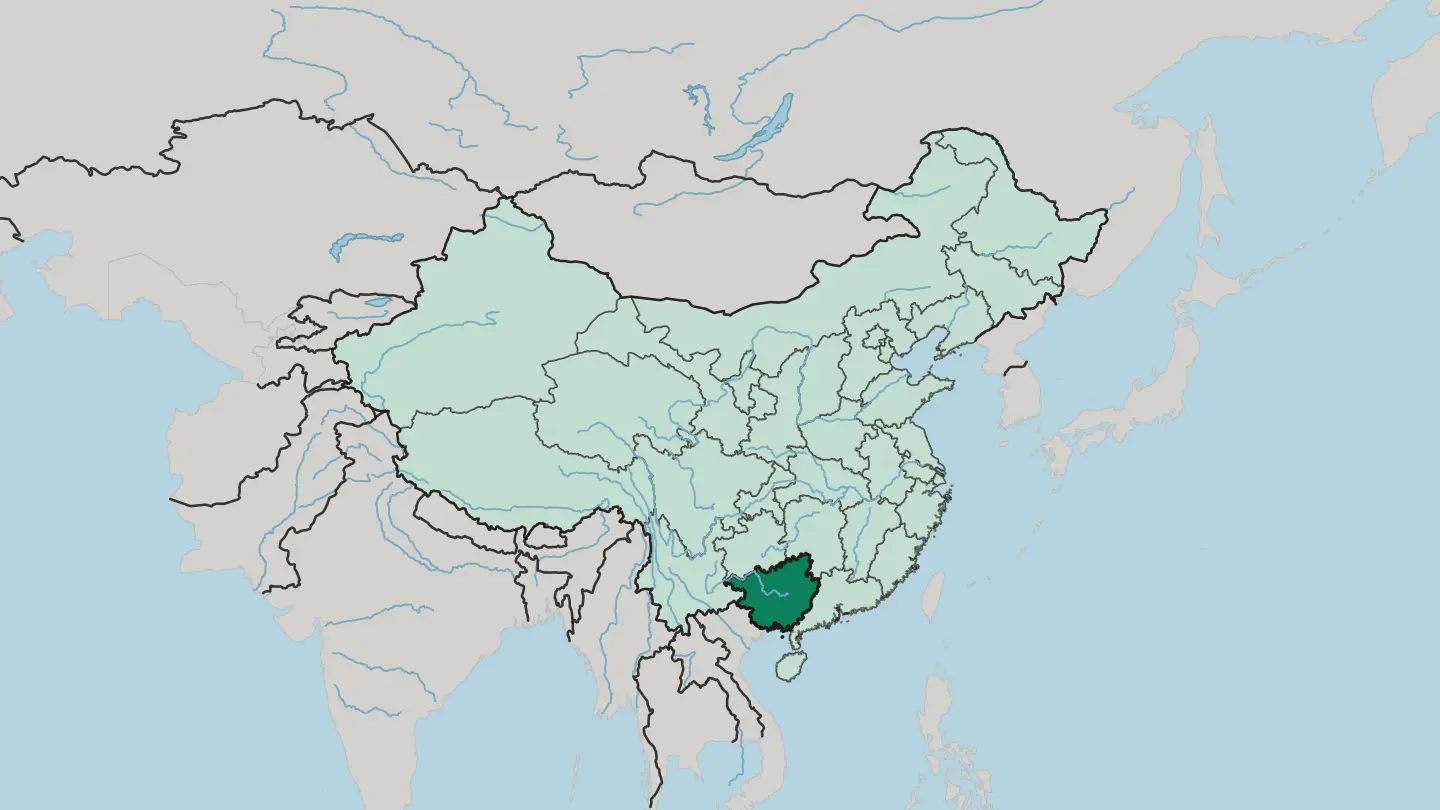
 China
China
Guizhou
Guizhou is a mountainous province of southwestern China, a karst plateau of limestone peaks, deep gorges, and Miao and Dong villages.Towns & cities →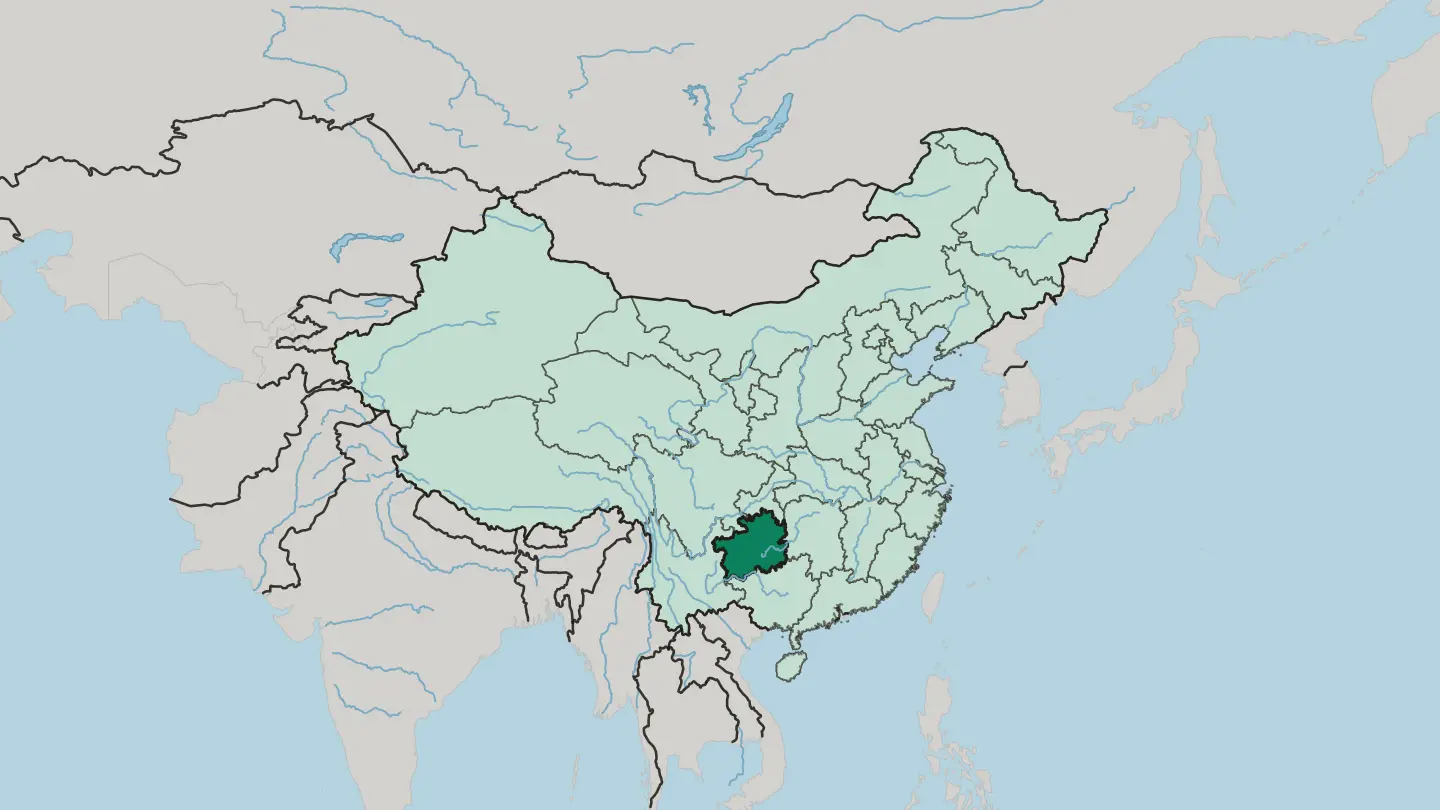
 China
China
Hainan
Hainan is China's tropical island province in the South China Sea, ringed by beaches and covered inland by rainforest.Towns & cities →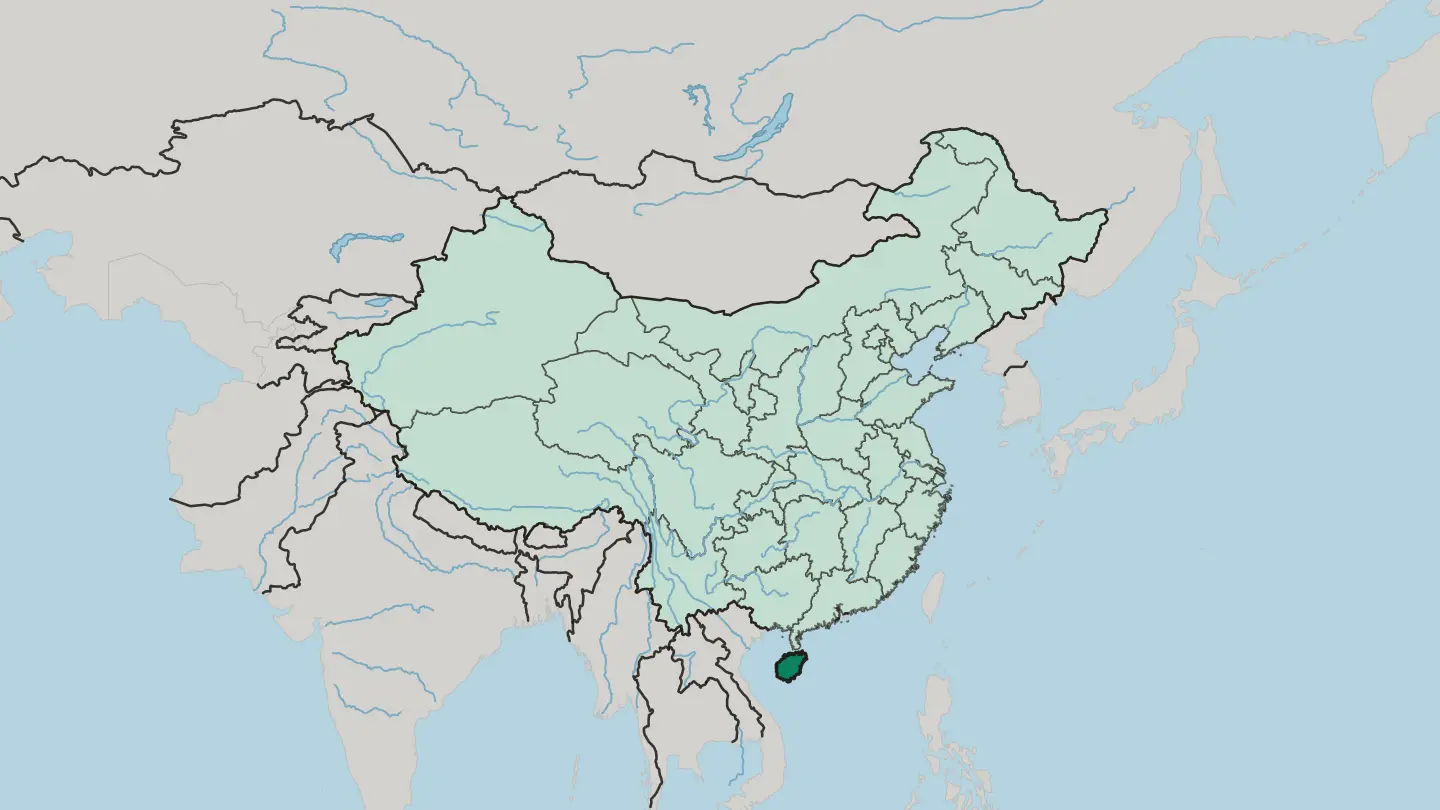
 China
China
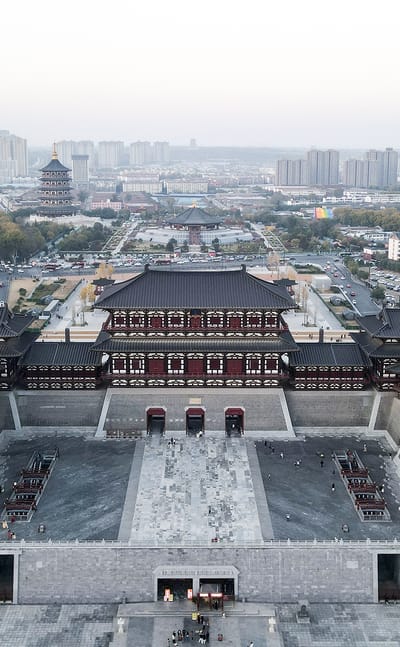
Hebei Sheng
Hebei is the province that wraps around Beijing and Tianjin, on the North China Plain.Towns & cities →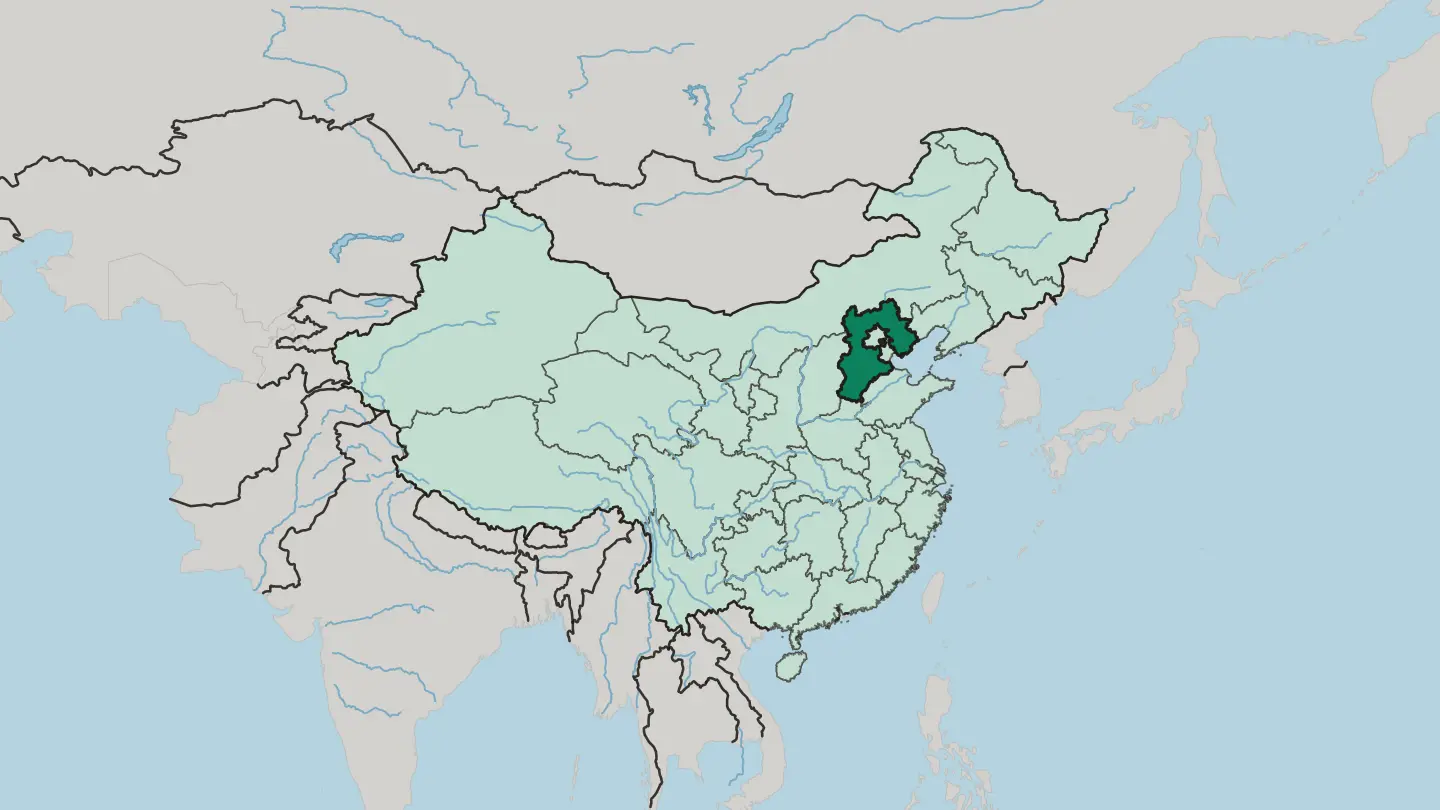
 China
China
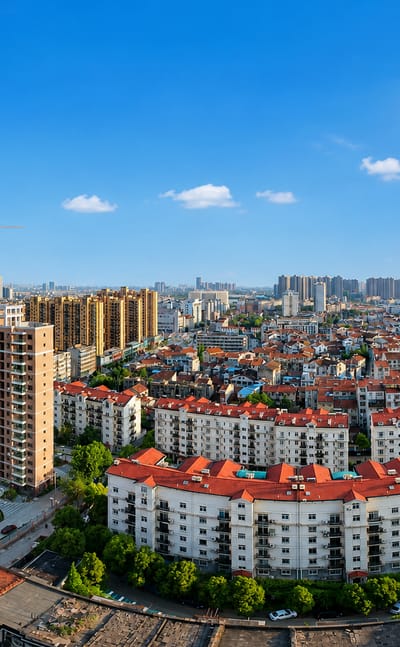
Henan
Henan sits at the heart of the North China Plain, south of the Yellow River, the old Central Plains where much of Chinese history began.Towns & cities →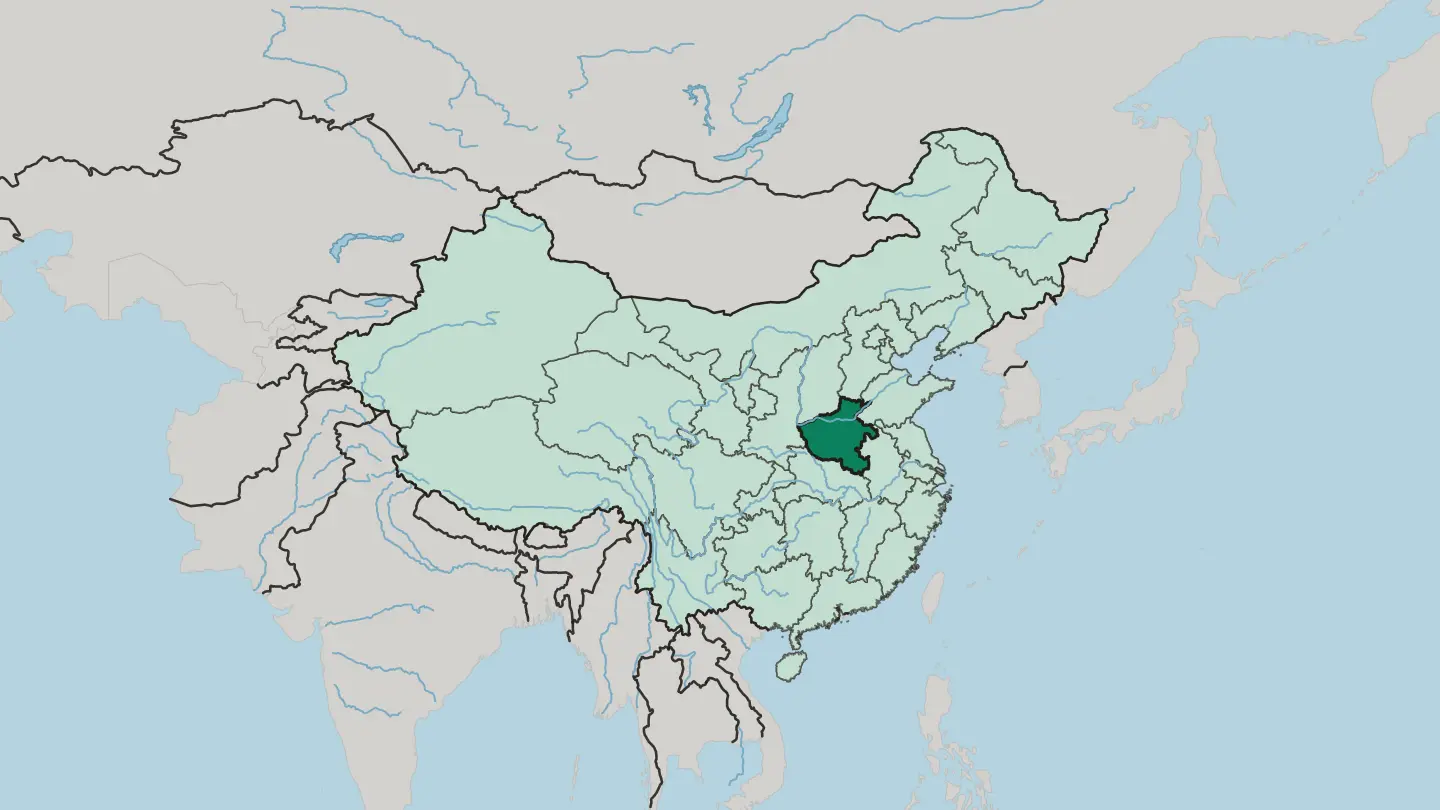
 China
China
Hubei
Hubei is a province of central China where the Yangtze and the Han rivers meet at Wuhan, its capital.Towns & cities →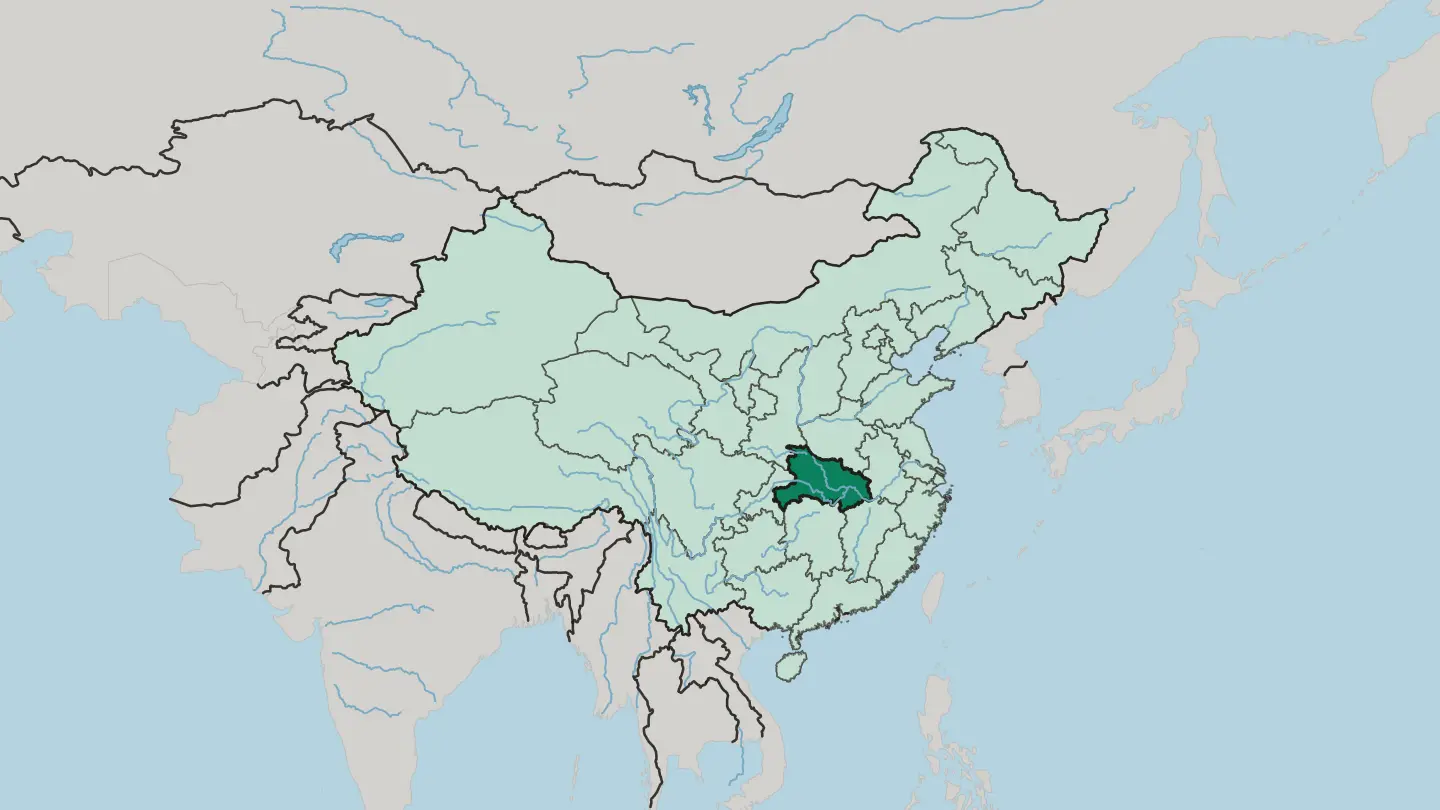
 China
China
Hunan
Hunan is a landlocked province of south-central China, named for the land south of Dongting Lake and drained by the Xiang River.Towns & cities →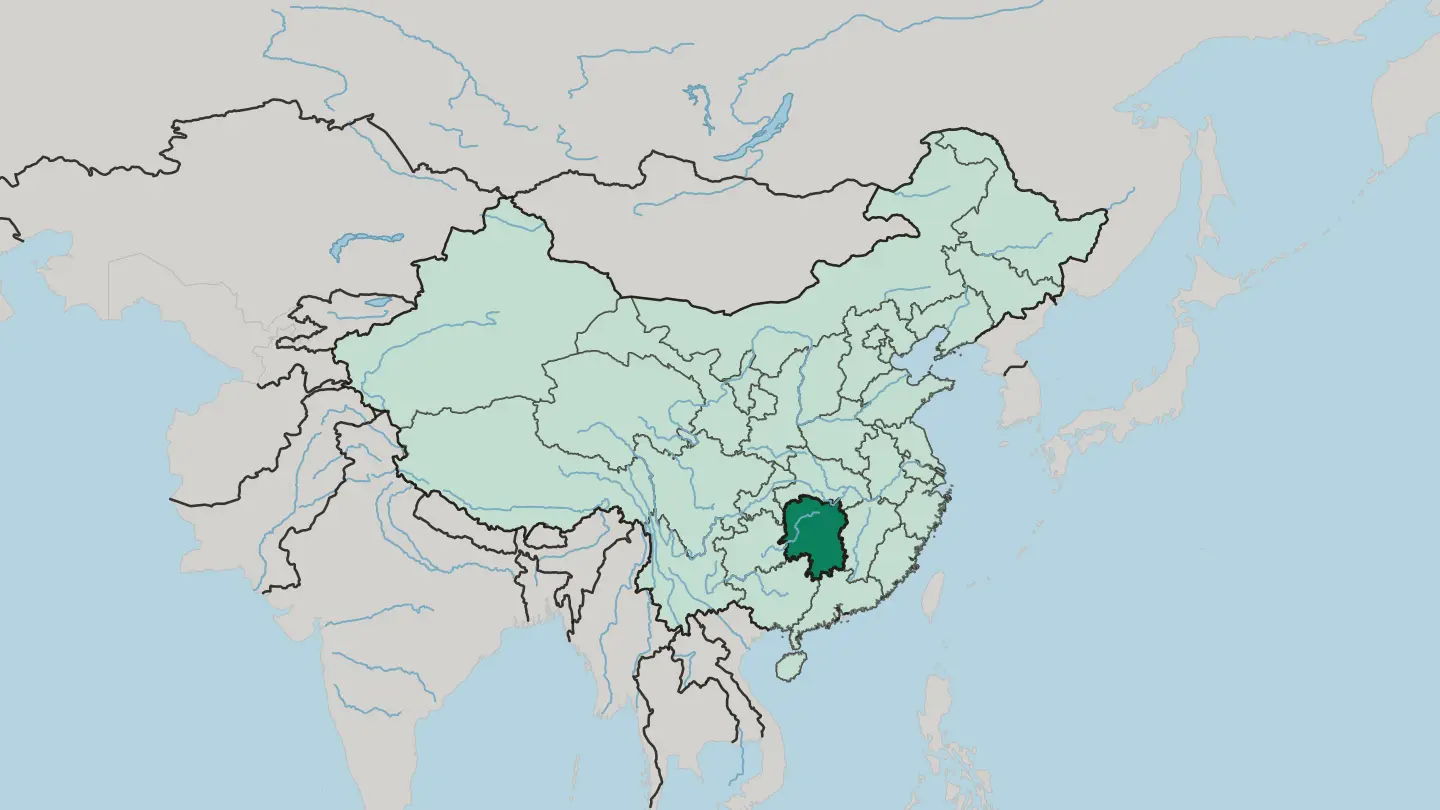 China
China
Hēilóngjiāng
Hēilóngjiāng is China's northernmost province, named for the Amur, the black dragon river tracing its long border with Russia.Towns & cities →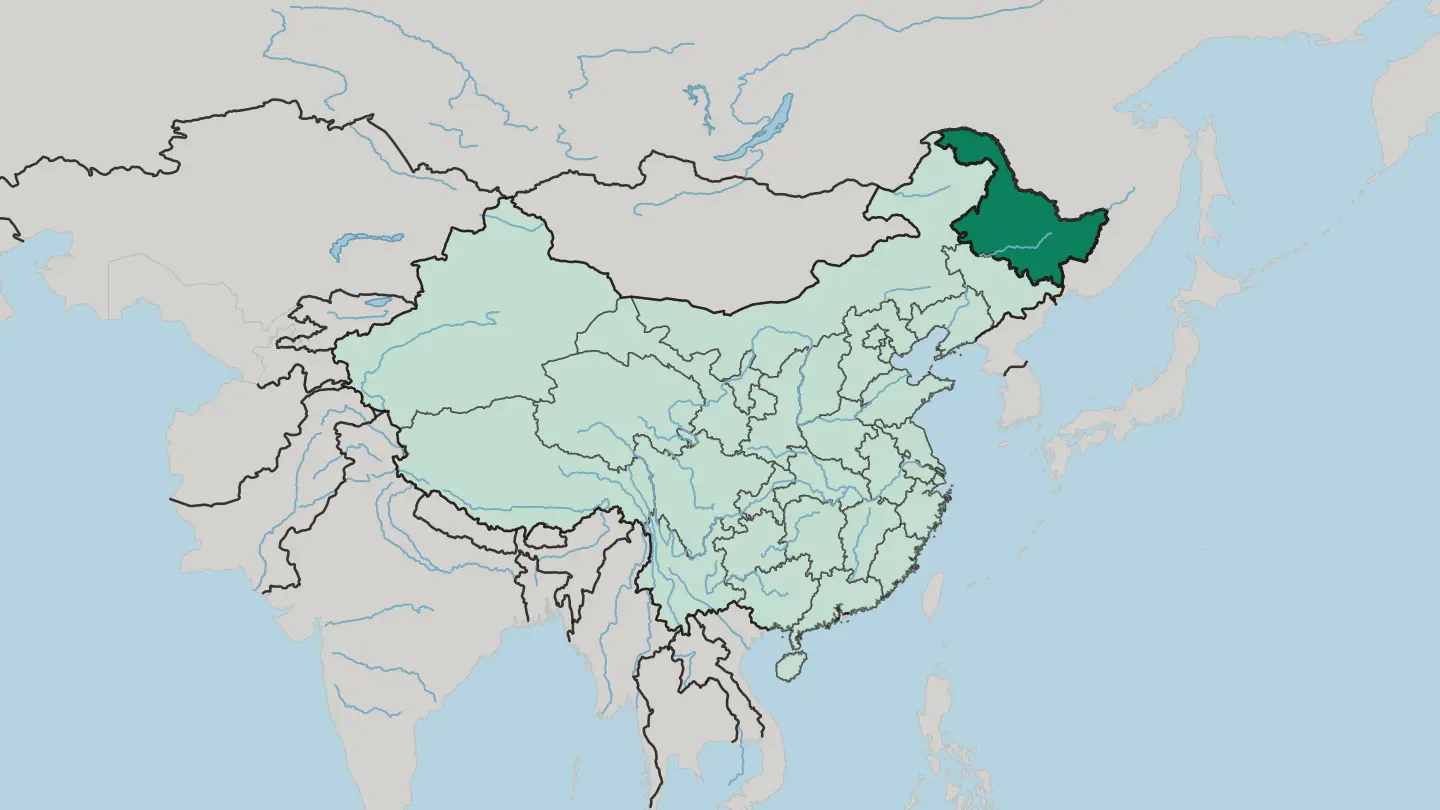
 China
China
Inner Mongolia Autonomous Region
Inner Mongolia is China's northern grassland region, a vast plateau of prairie and desert arcing along the Mongolian border.Towns & cities →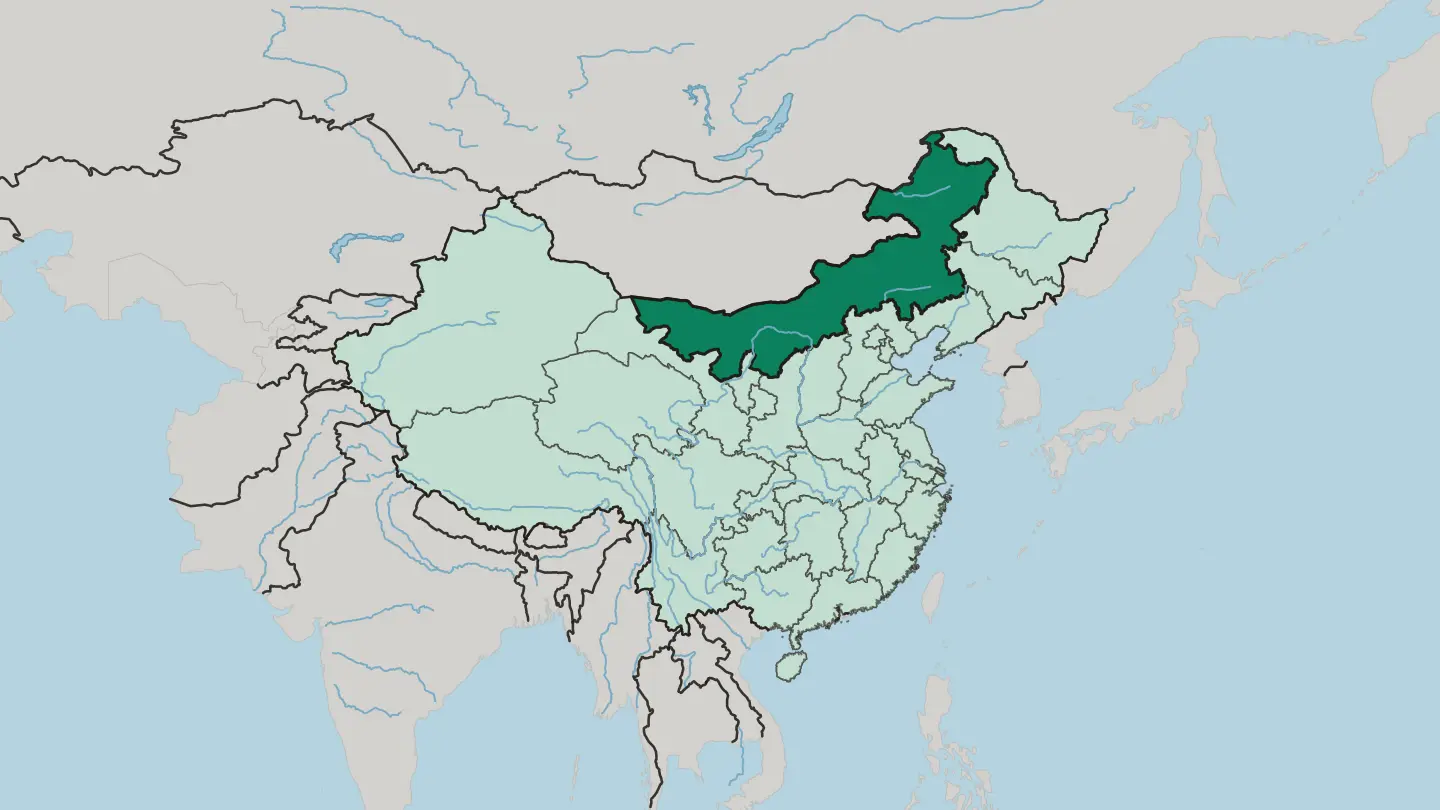 China
China
Jiangsu
Jiangsu is a coastal province of East China, where the Yangtze crosses the plain and the Grand Canal threads its old canal towns.Towns & cities →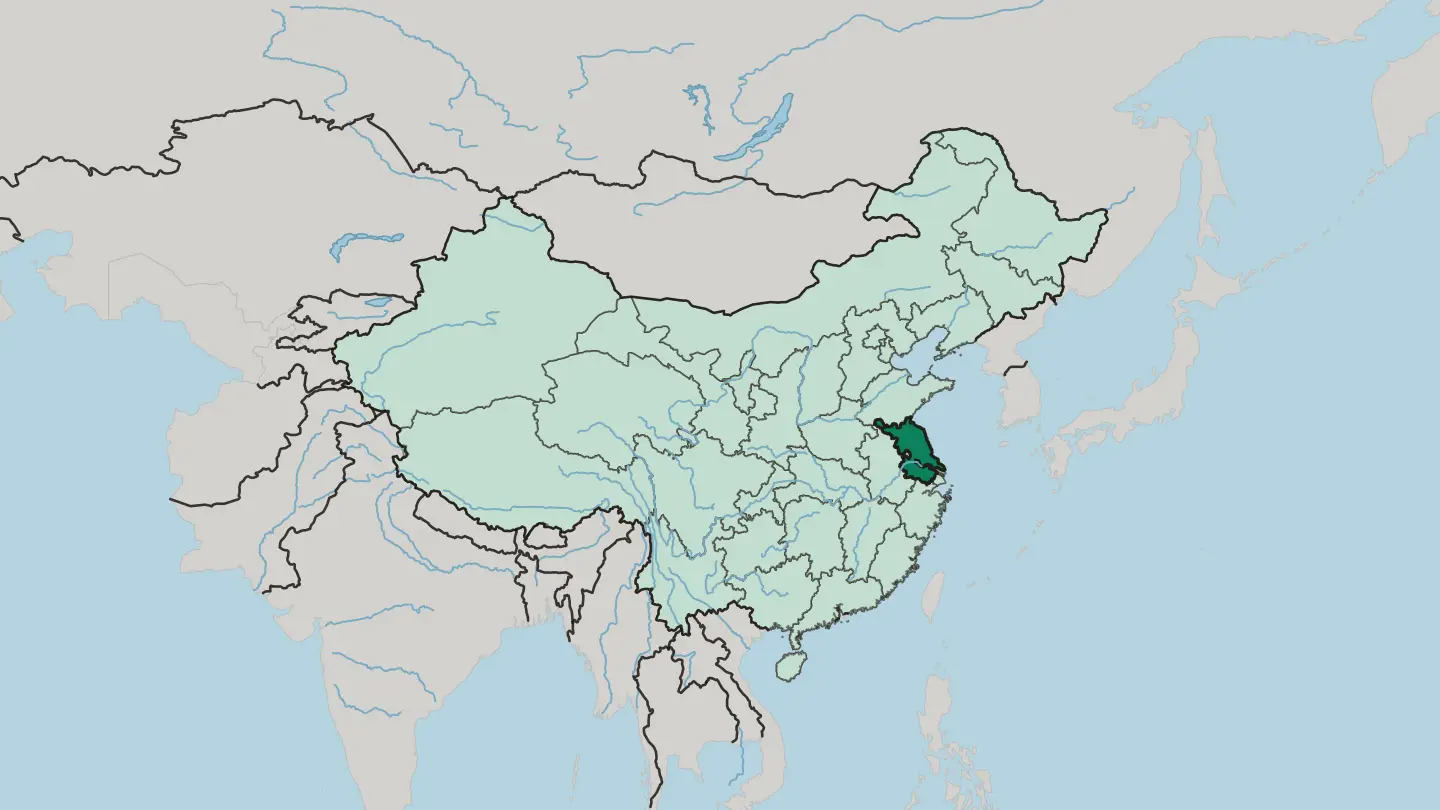
 China
China
Jiangxi
Jiangxi is an inland province of southern-central China, where the Gan River drains north into Poyang Lake, the country's largest freshwater lake.Towns & cities →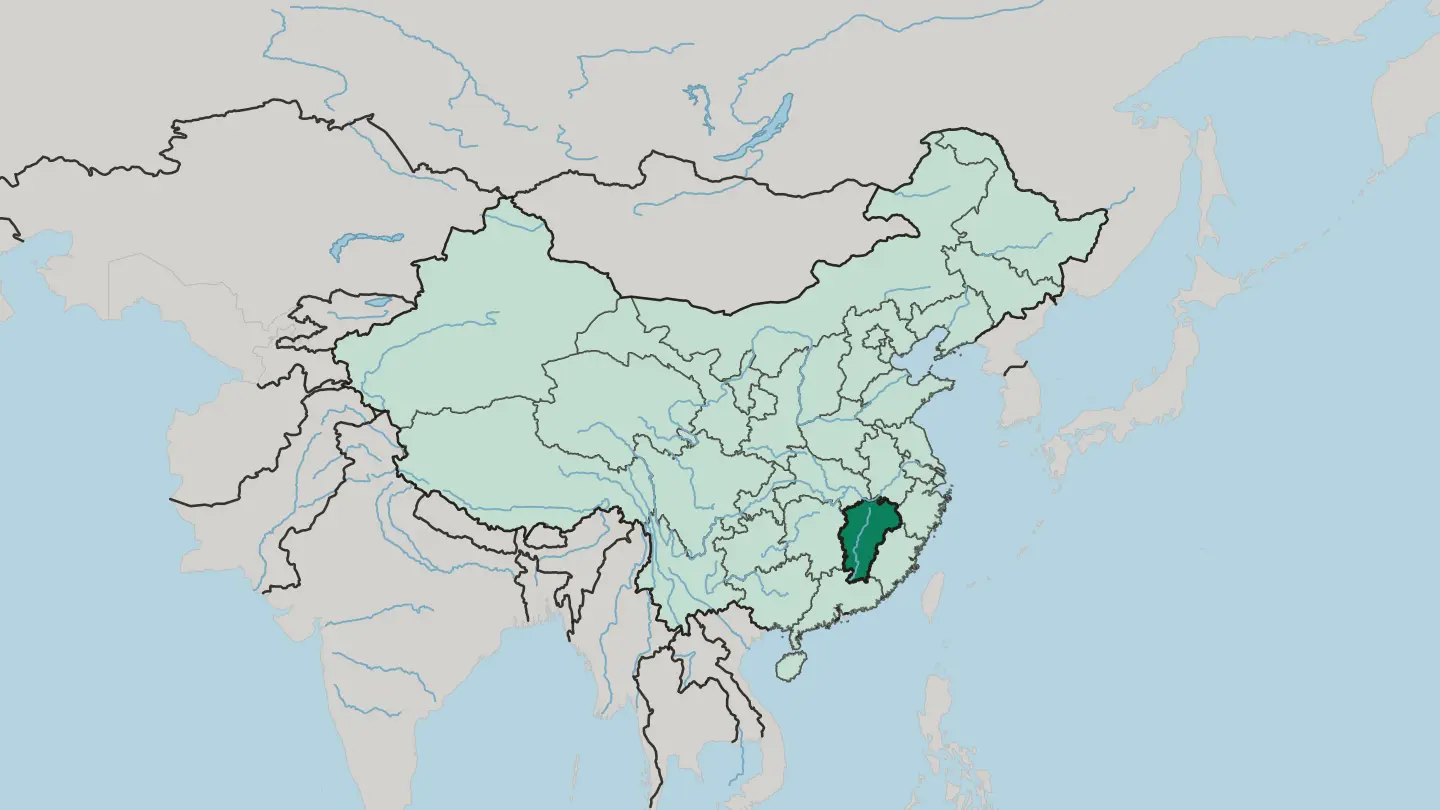
 China
China
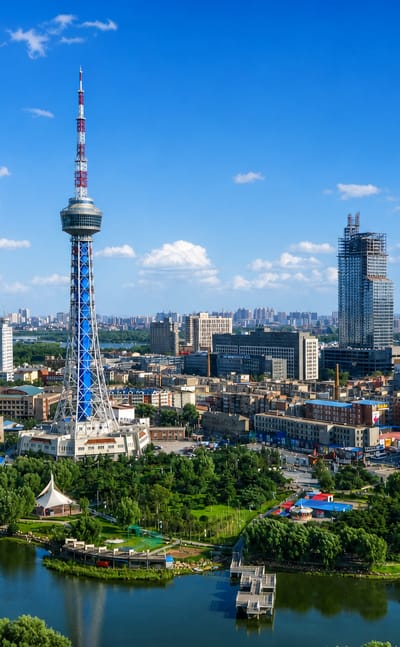
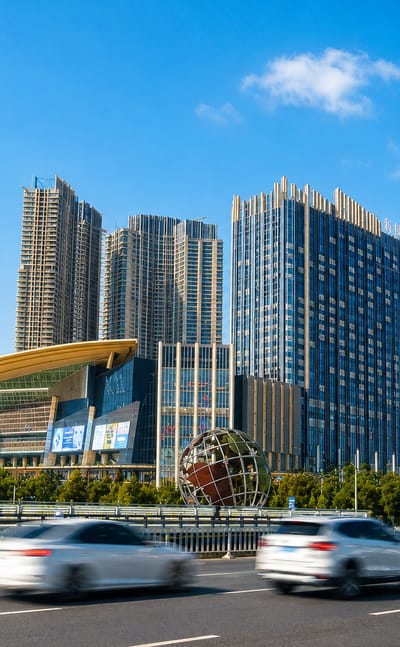
Jilin
Jilin fills the middle of Northeast China, from the Changbai Mountains in the east to the corn plains of the west.Towns & cities →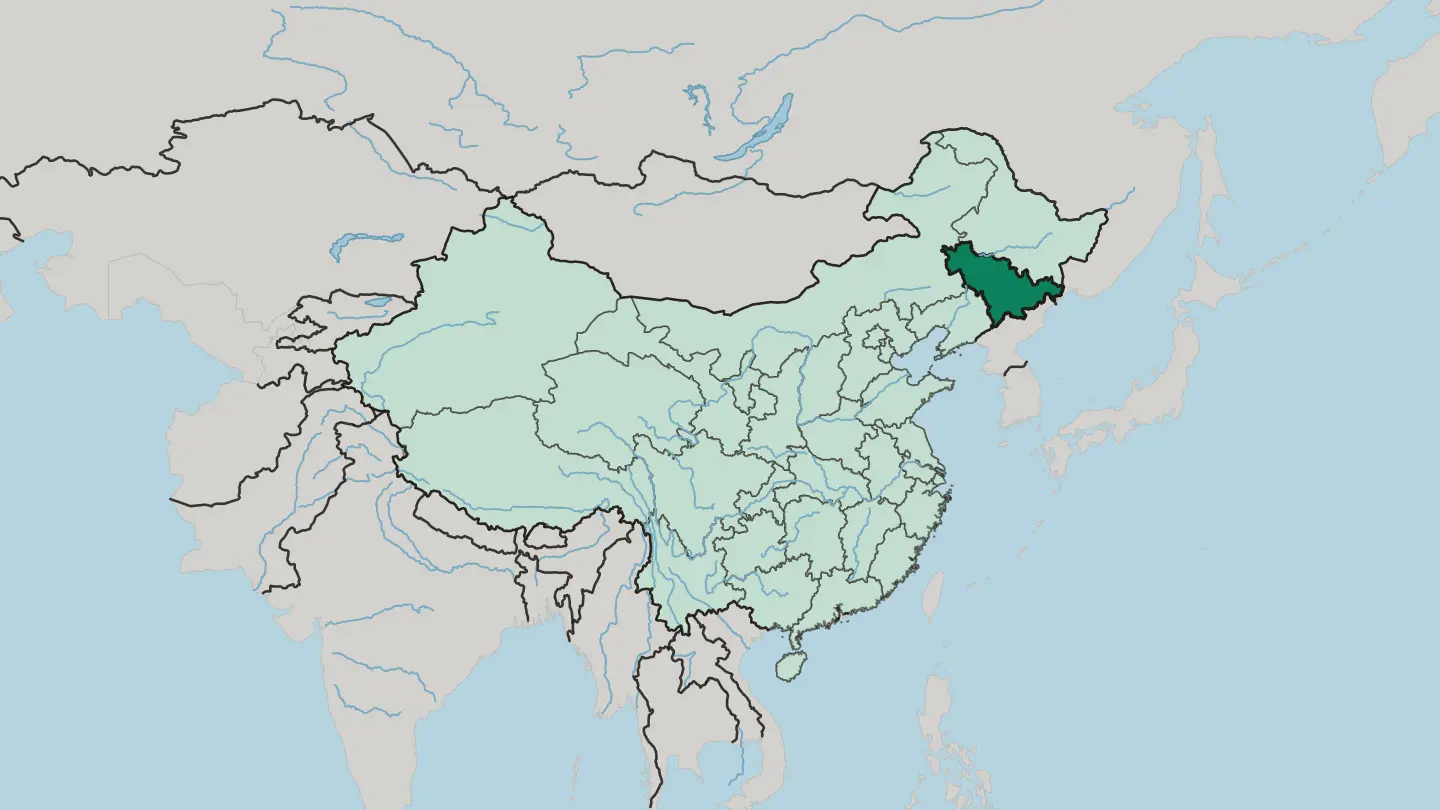
 China
China
Liaoning
Liaoning is China's coastal corner of the northeast, where the Liaodong Peninsula juts into the Bohai Sea toward Korea.Towns & cities →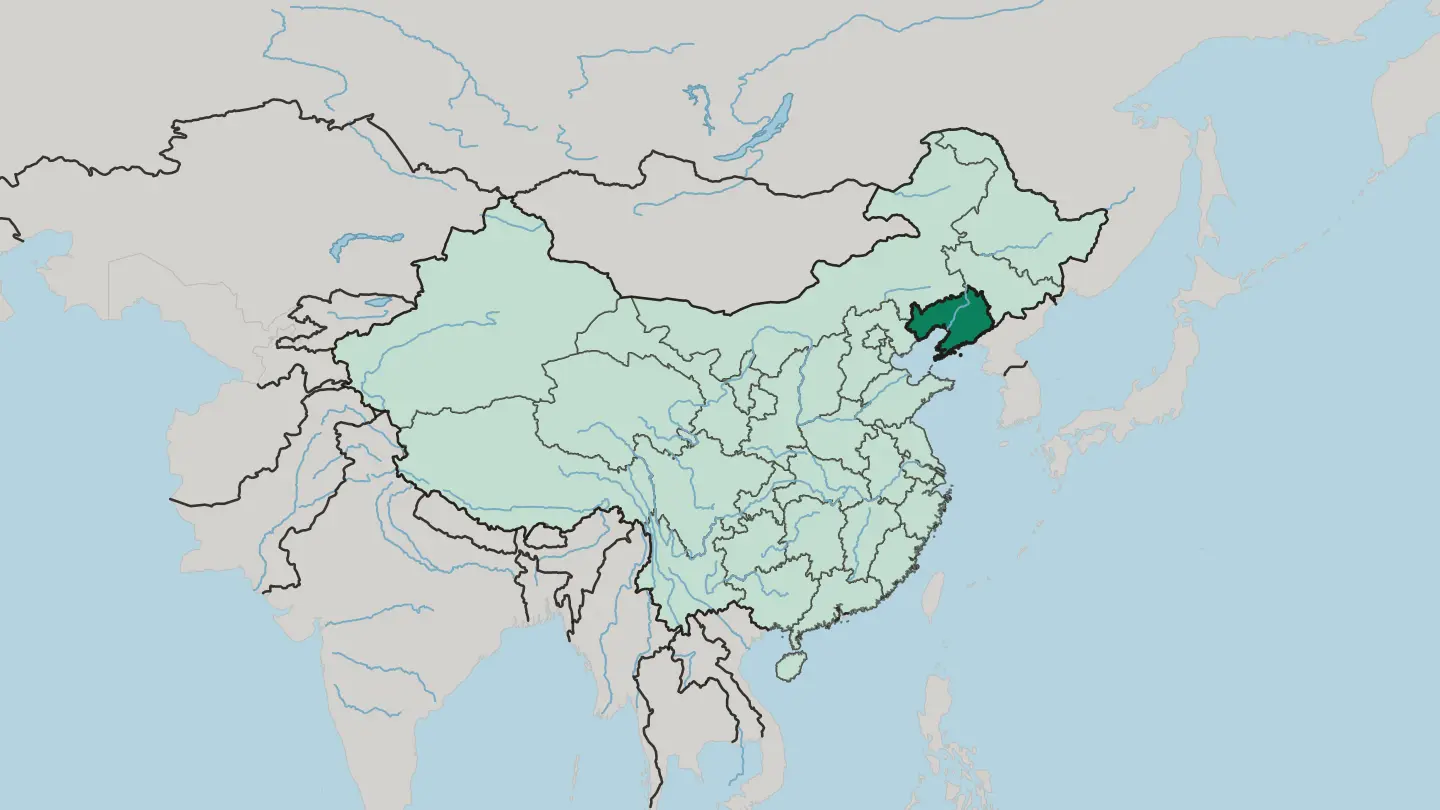
 China
China
Ningxia Hui Autonomous Region
Ningxia is a small autonomous region in north-central China, where the Yellow River greens a strip of desert below the Helan Mountains.Towns & cities →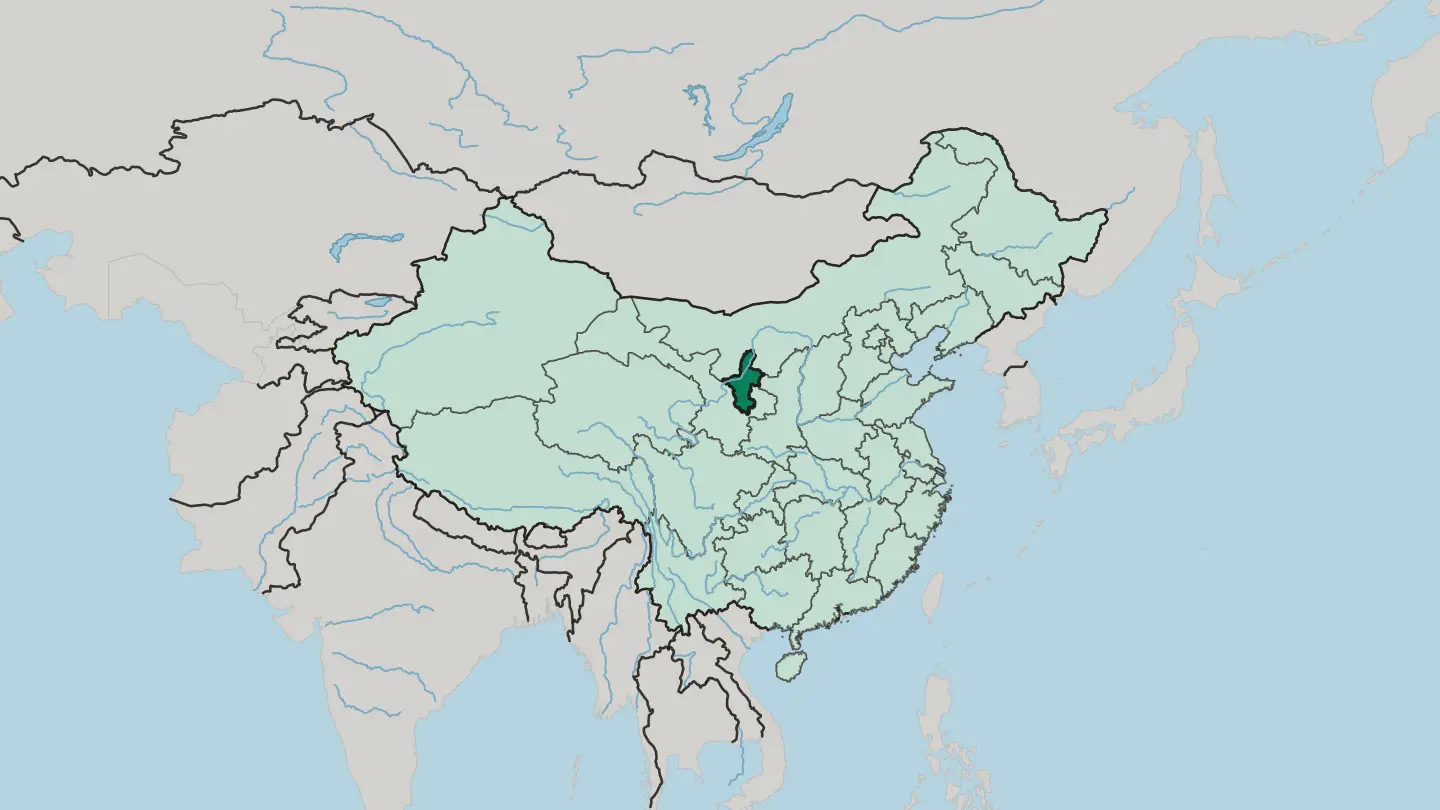
 China
China
Qinghai
Qinghai spreads across the northeastern Tibetan Plateau, a high province of China named for the great salt lake at its heart.Towns & cities →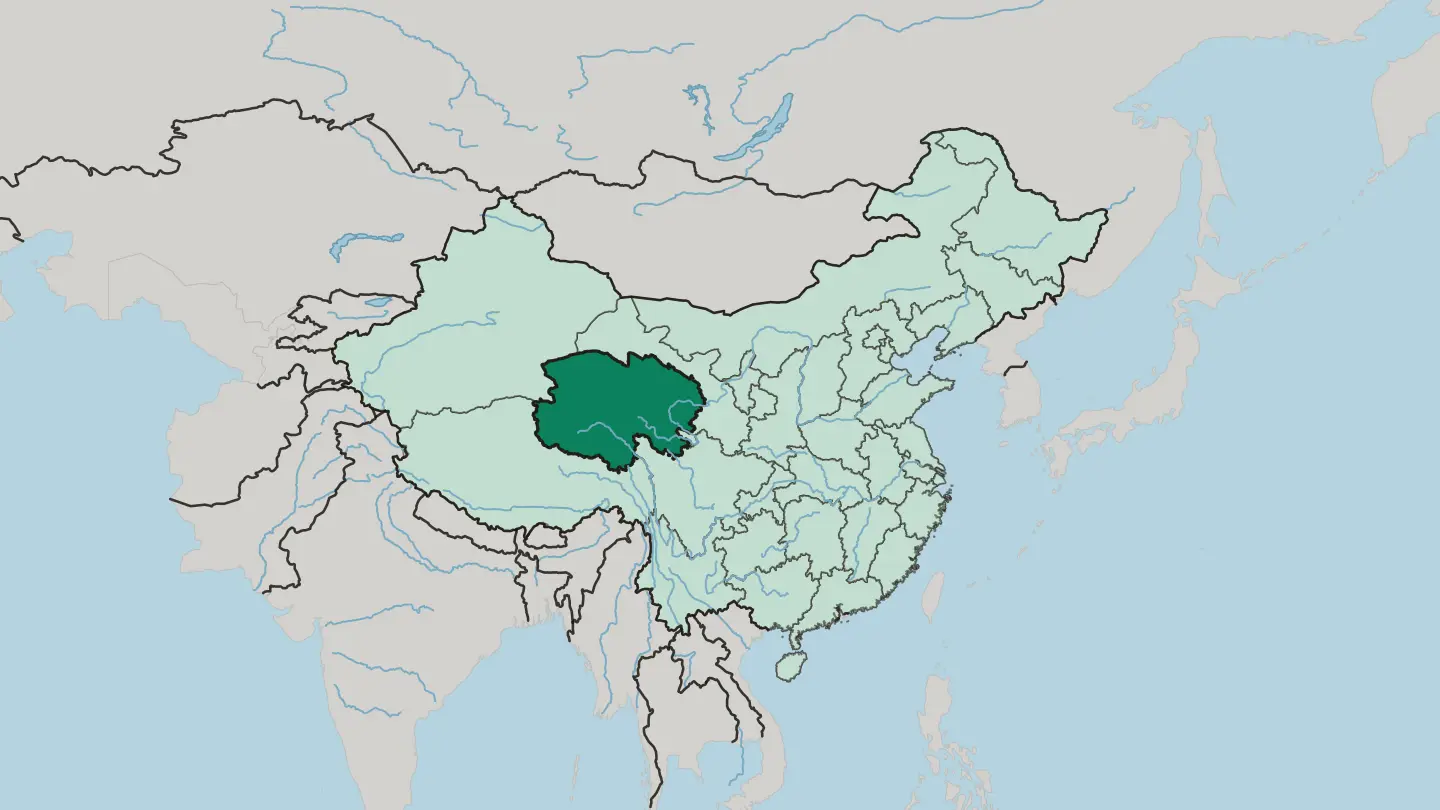
 China
China
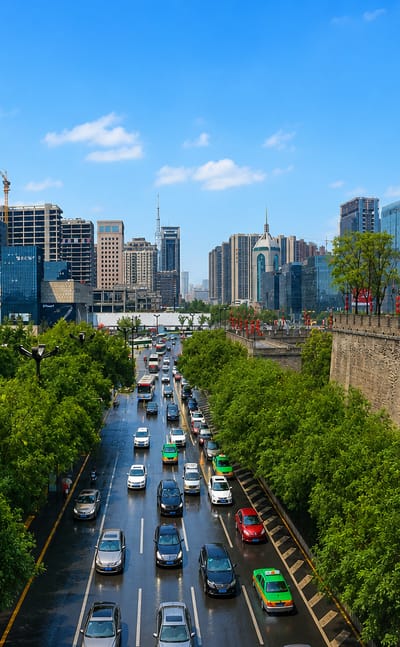
Shaanxi
Shaanxi is a north-central province of China where the Loess Plateau, the Wei River valley, and the Qinling Mountains meet.Towns & cities →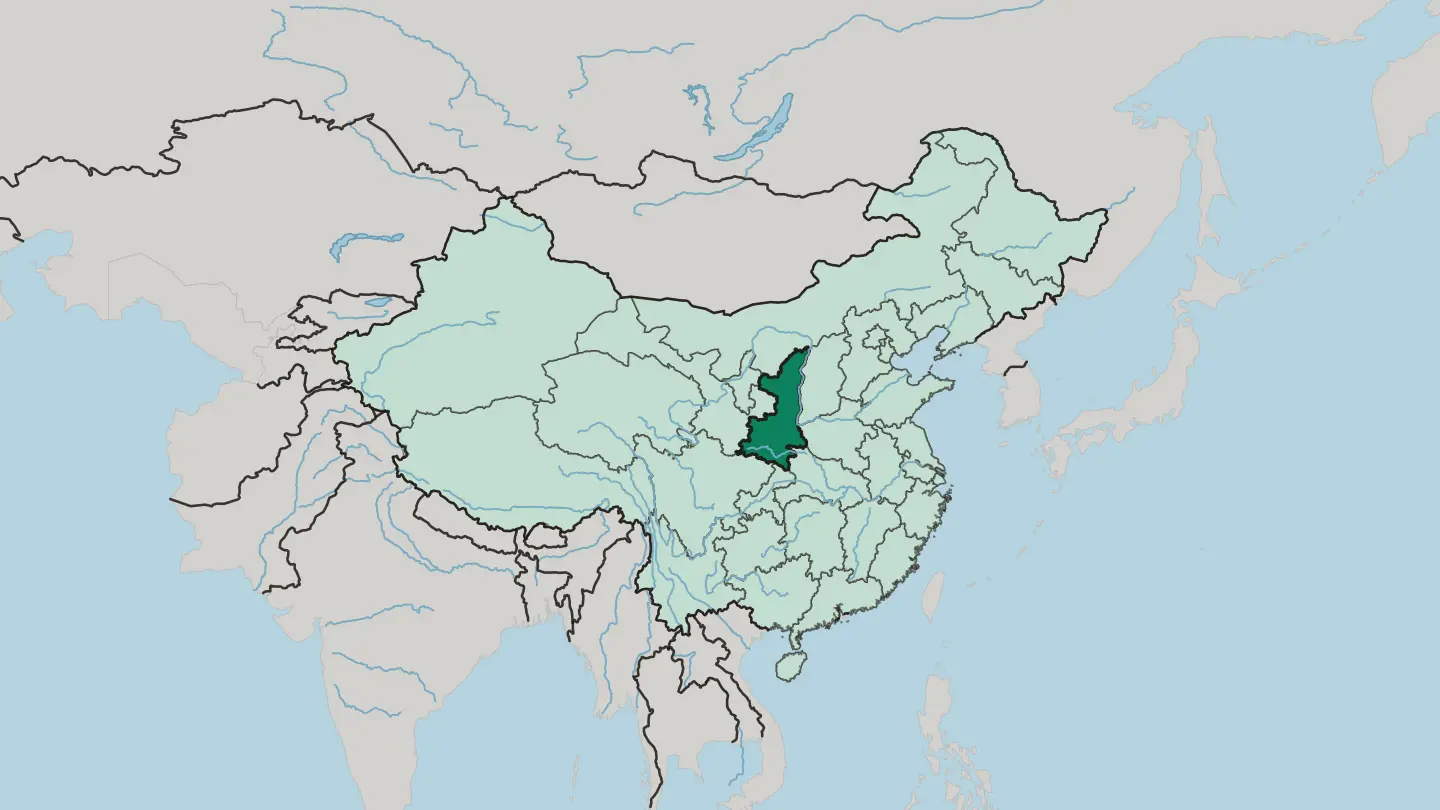
 China
China
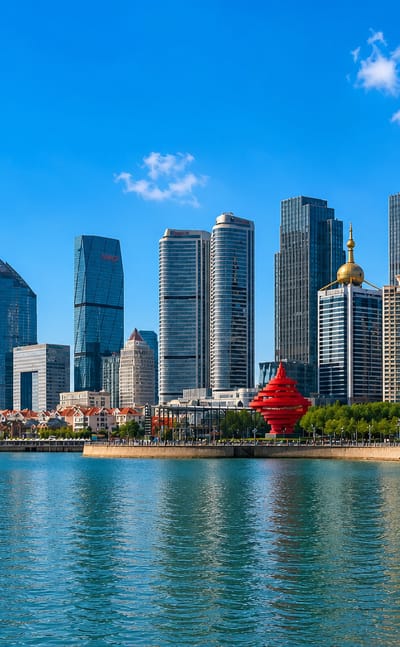
Shandong
Shandong is a coastal province of eastern China, home to Confucius, Mount Tai, and the mouth of the Yellow River.Towns & cities →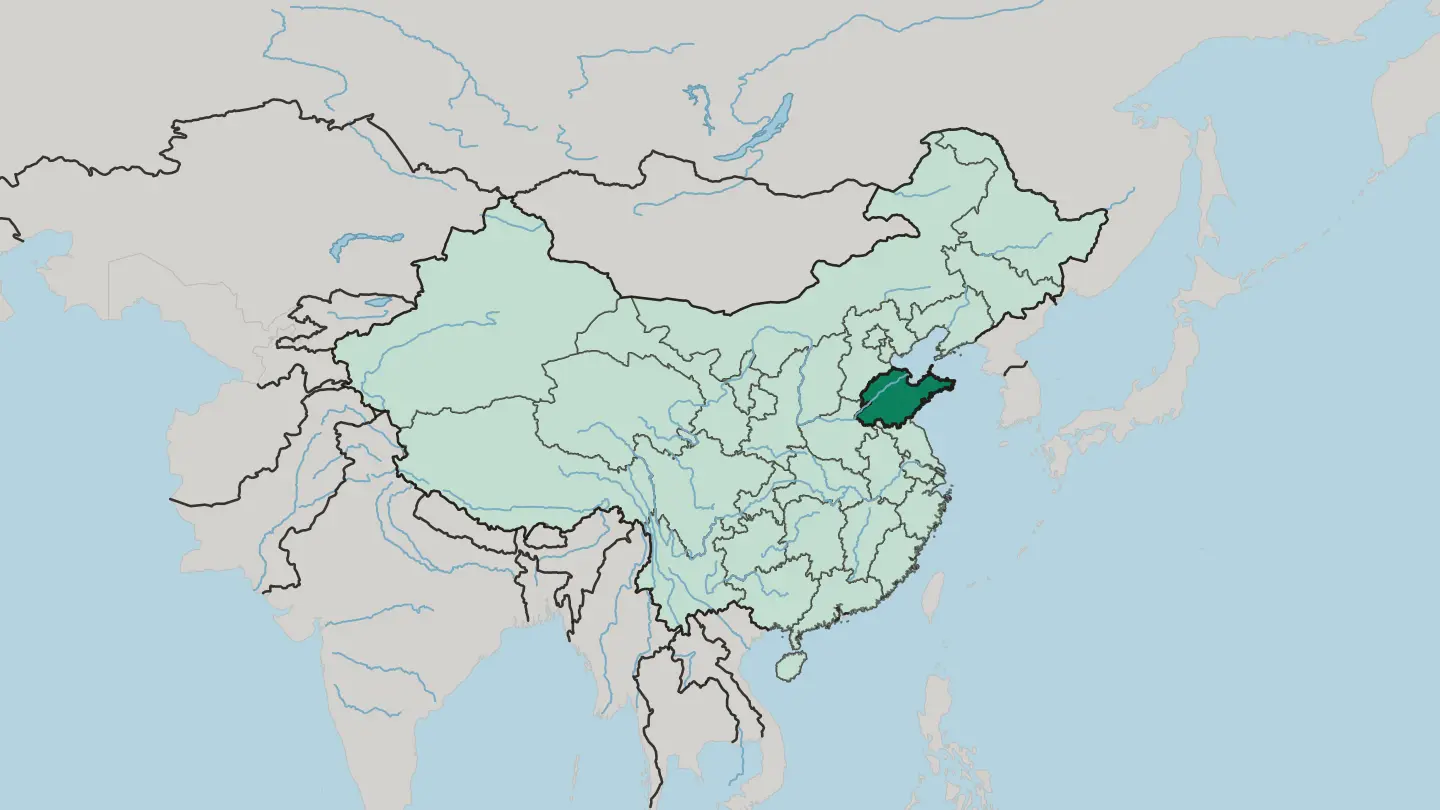 China
China
Shanghai Shi
Shanghai Shi is a province-level municipality of the People's Republic of China, a great port on the Yangtze River estuary, split by the Huangpu River.Towns & cities →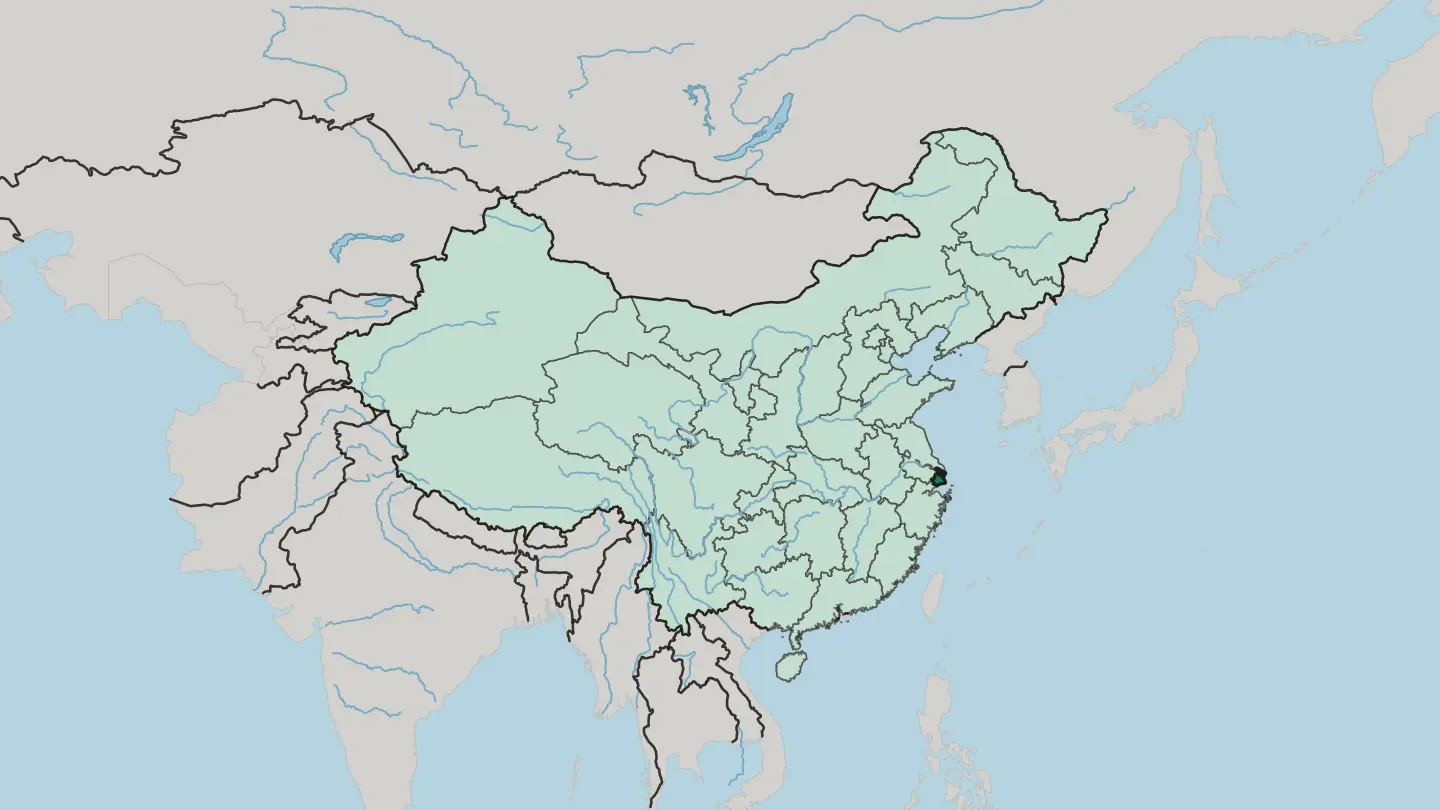
 China
China
Shanxi
Shanxi is a province of North China, walled in by the Taihang range and edged by the Yellow River across a loess plateau.Towns & cities →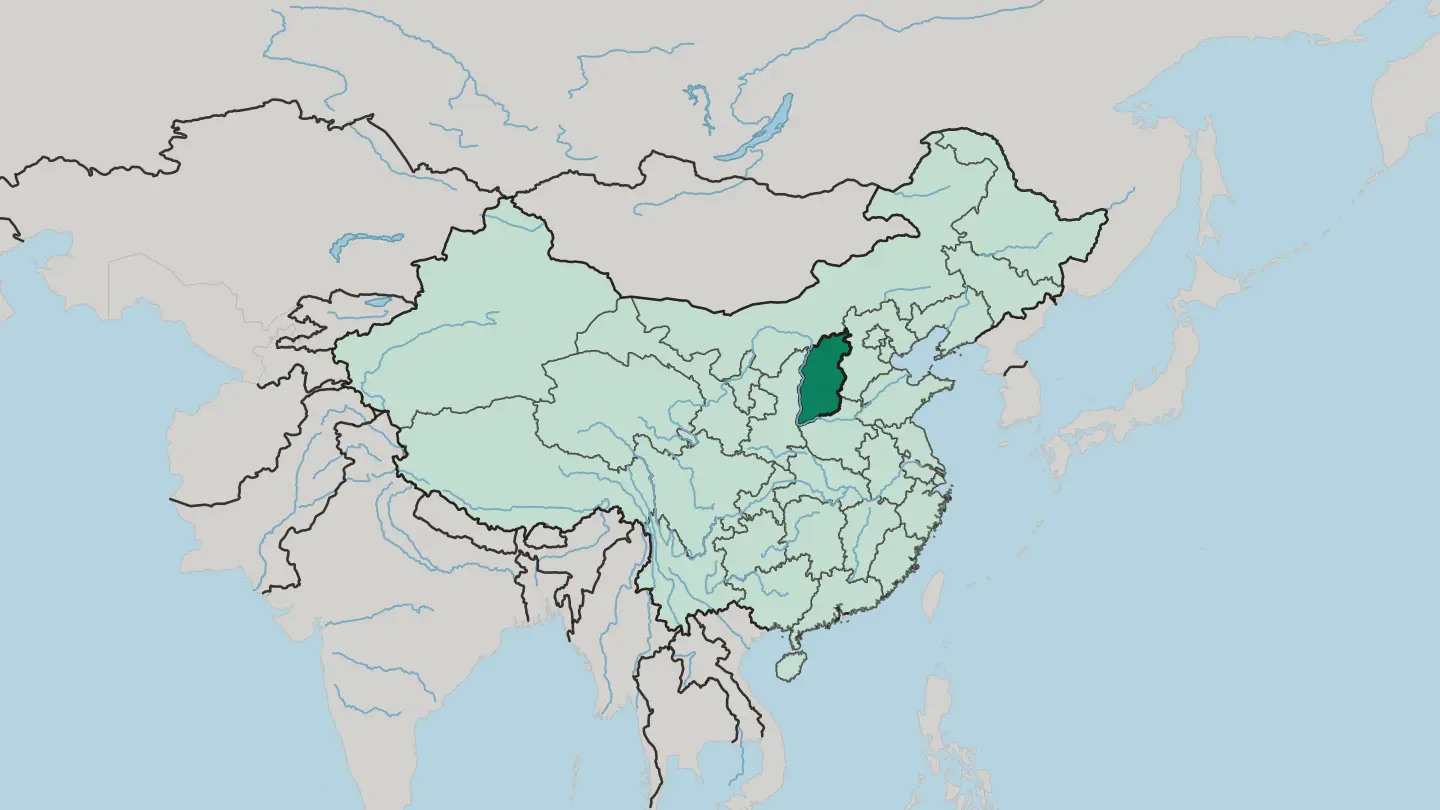 China
China
Sichuan
Sichuan fills the upper Yangtze in southwestern China, a fertile basin ringed by mountains that climb west onto the Tibetan Plateau.Towns & cities →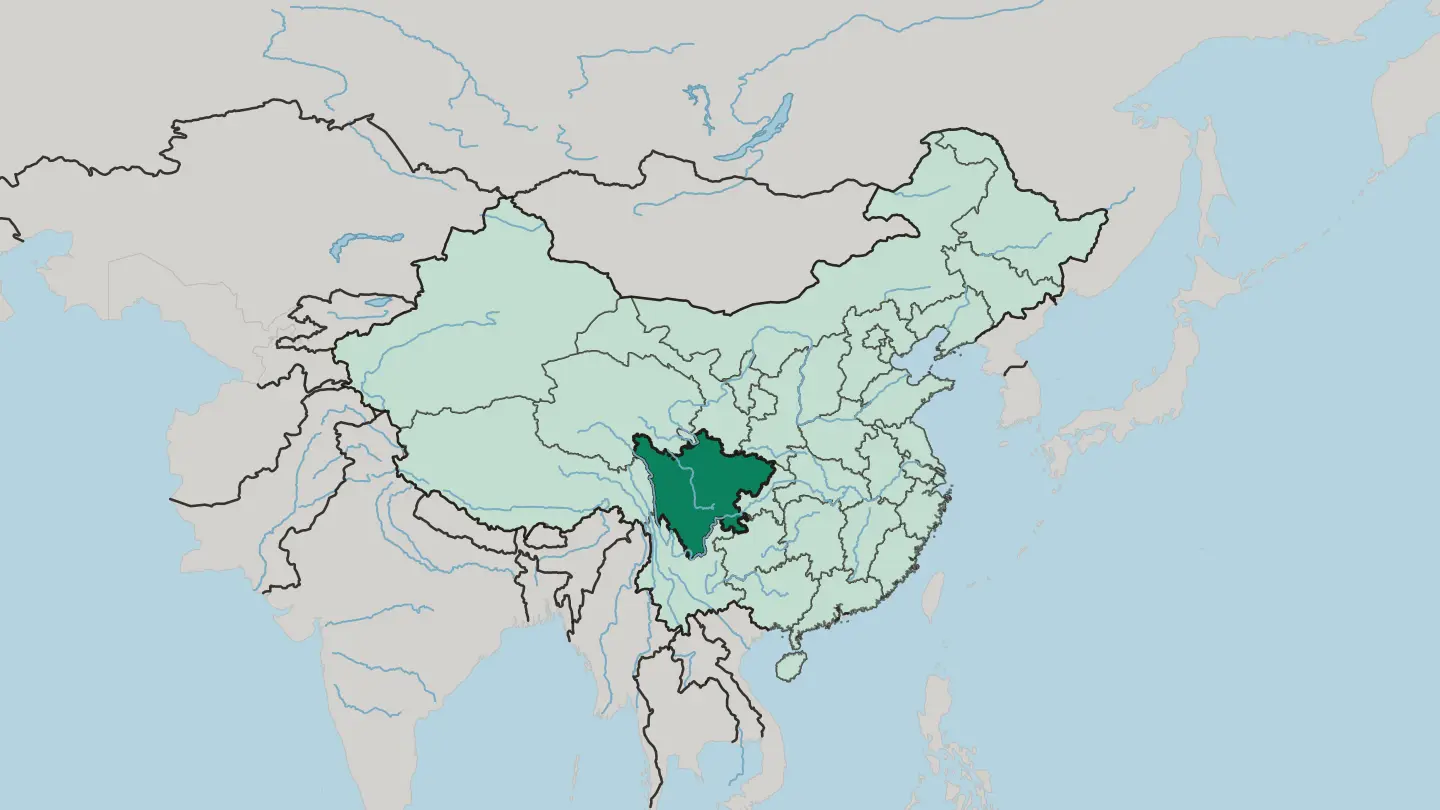
 China
China
Tianjin Shi
Tianjin is a port municipality on the Bohai Sea, where the Hai River meets the coast east of Beijing.Towns & cities →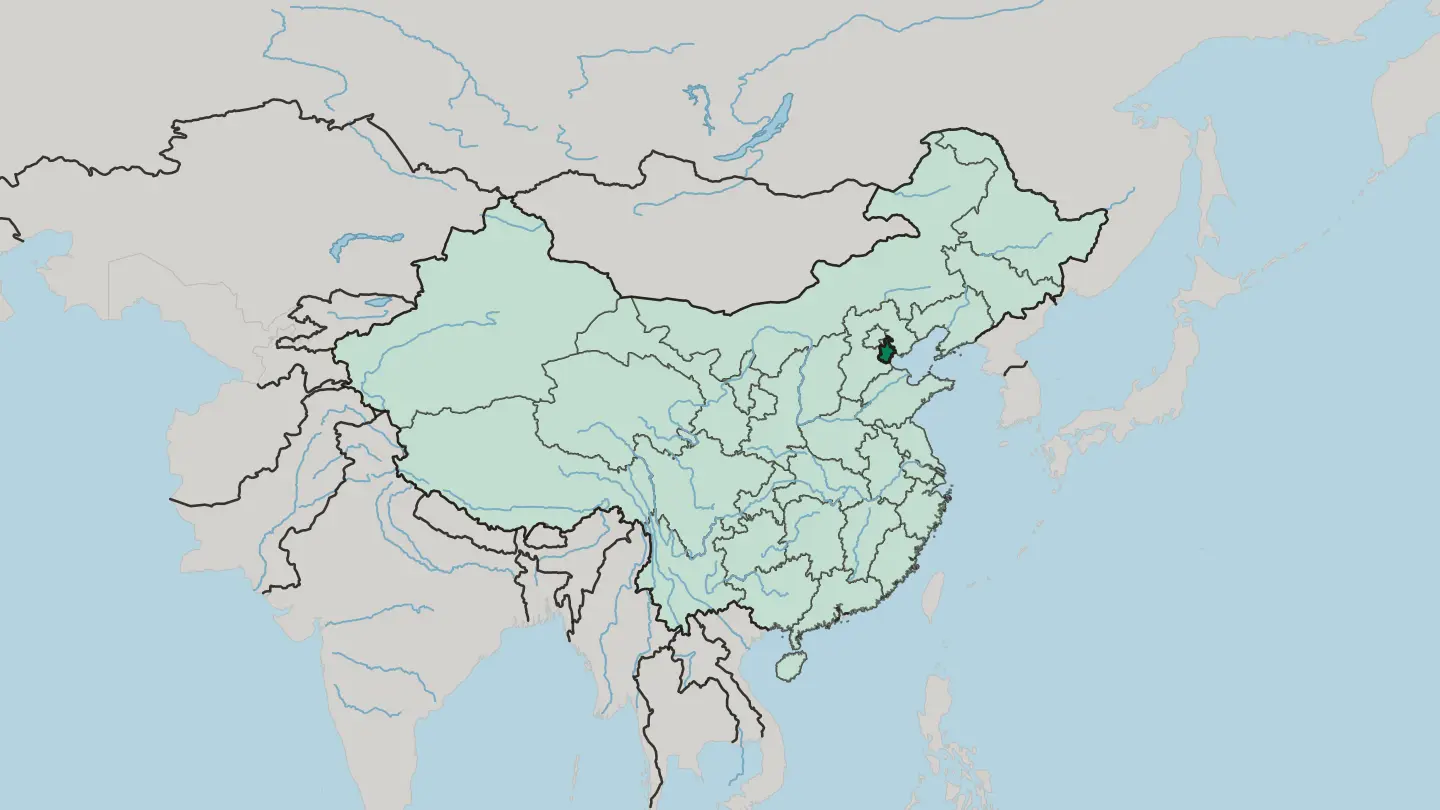
 China
China
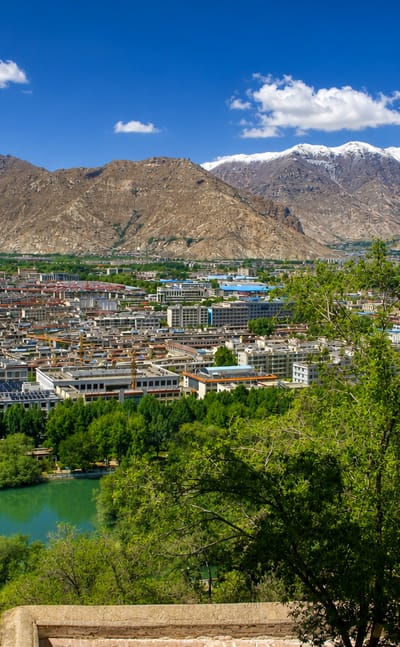
Tibet Autonomous Region
Tibet Autonomous Region is China's high plateau of snow peaks and Buddhist monasteries, ringed by the Himalayas and centred on Lhasa.Towns & cities →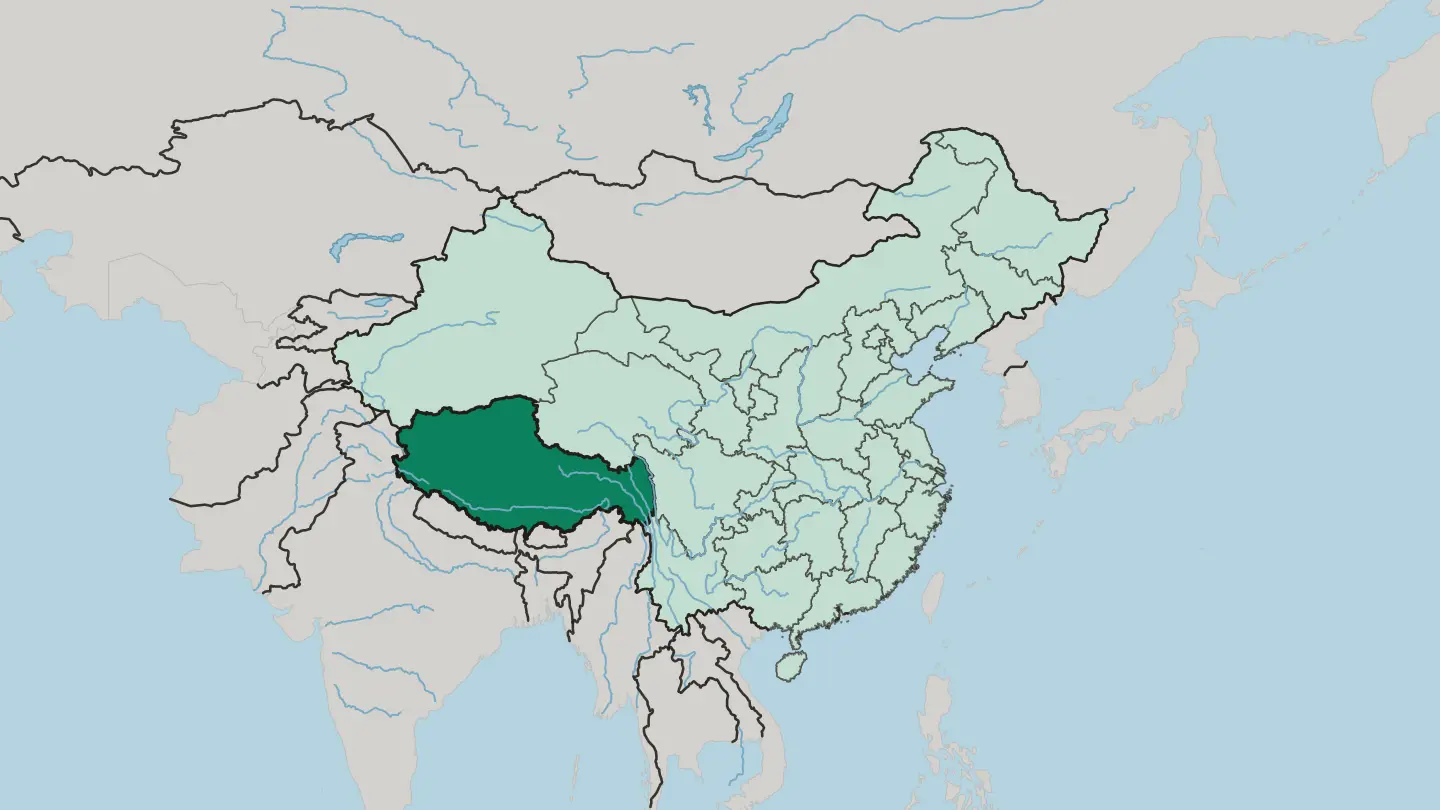
 China
China
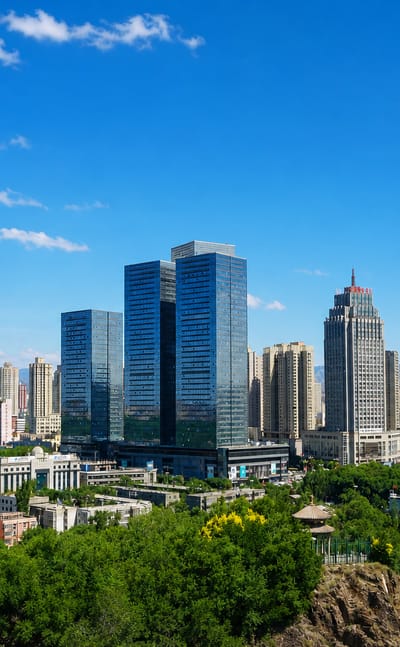
Xinjiang Uyghur Autonomous Region
Xinjiang is China's largest region, a desert-and-mountain expanse in the far northwest where the old Silk Road crossed Central Asia.Towns & cities →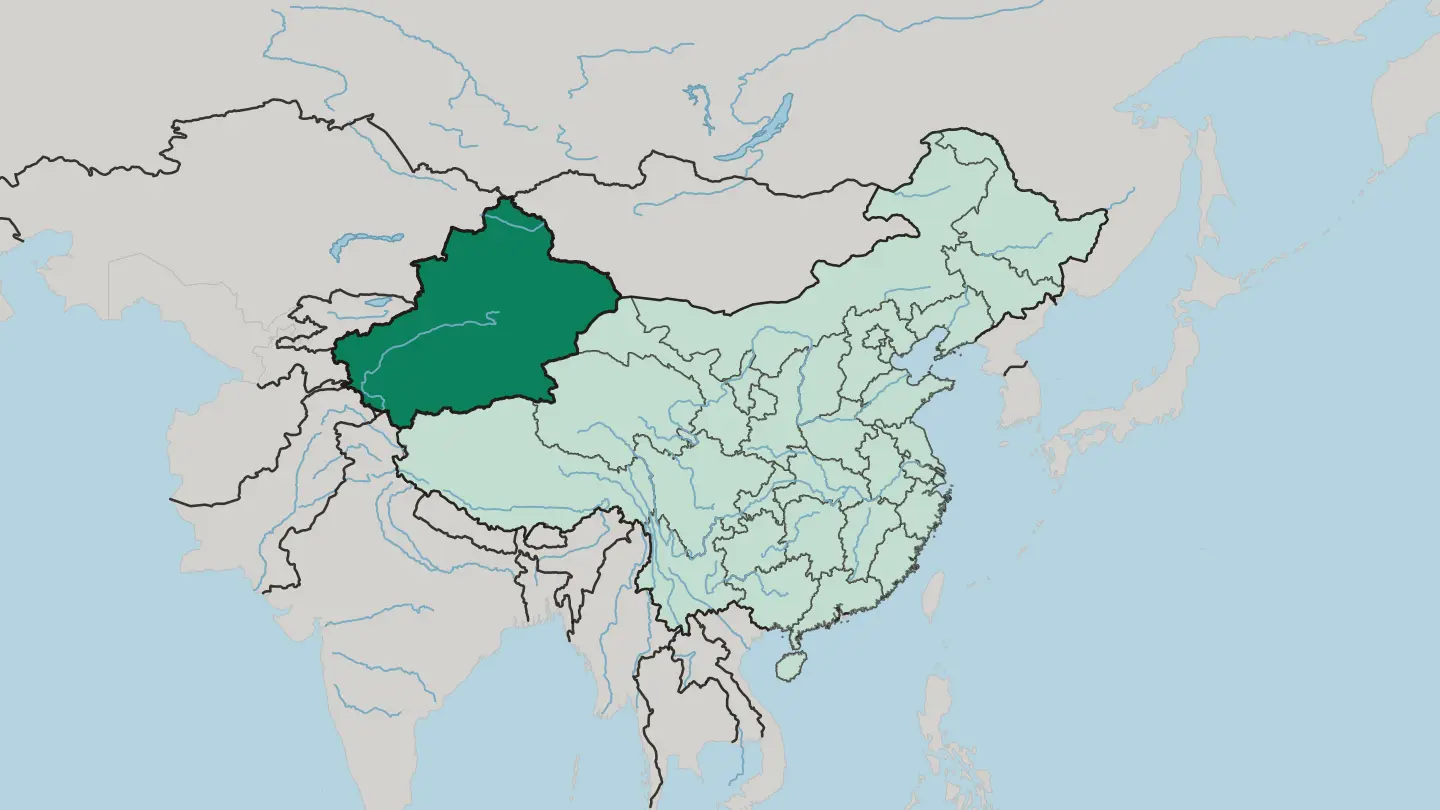
 China
China
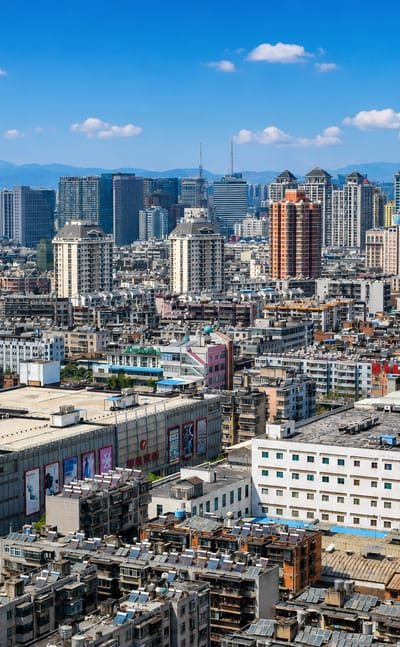
Yunnan
Yunnan fills China's mountainous south-west, where the Yangtze, Mekong and Salween cut parallel gorges down from the Tibetan borderlands.Towns & cities →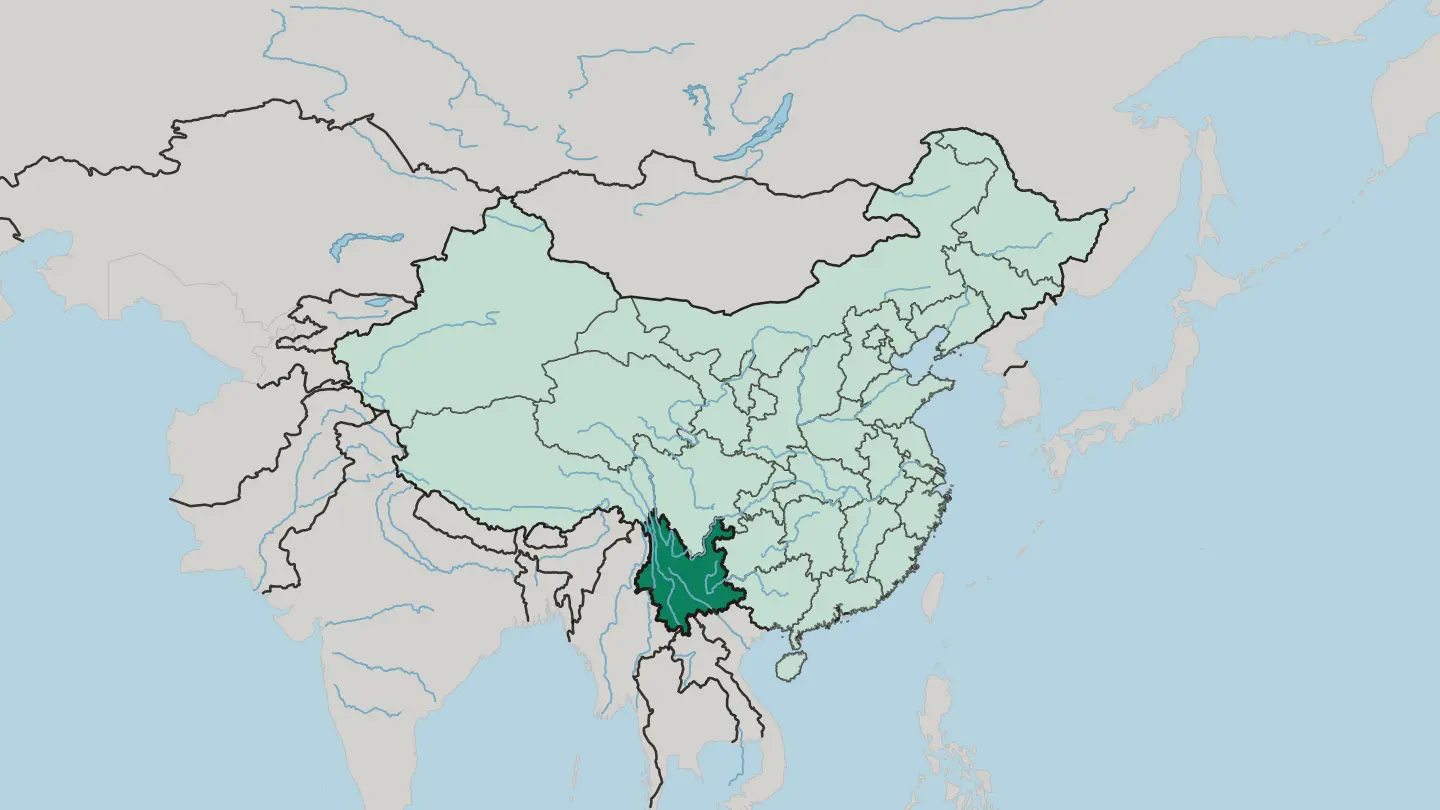 China
China
Zhejiang
Zhejiang is a coastal province of eastern China, where the Qiantang River meets the East China Sea below the hills of Hangzhou.Towns & cities →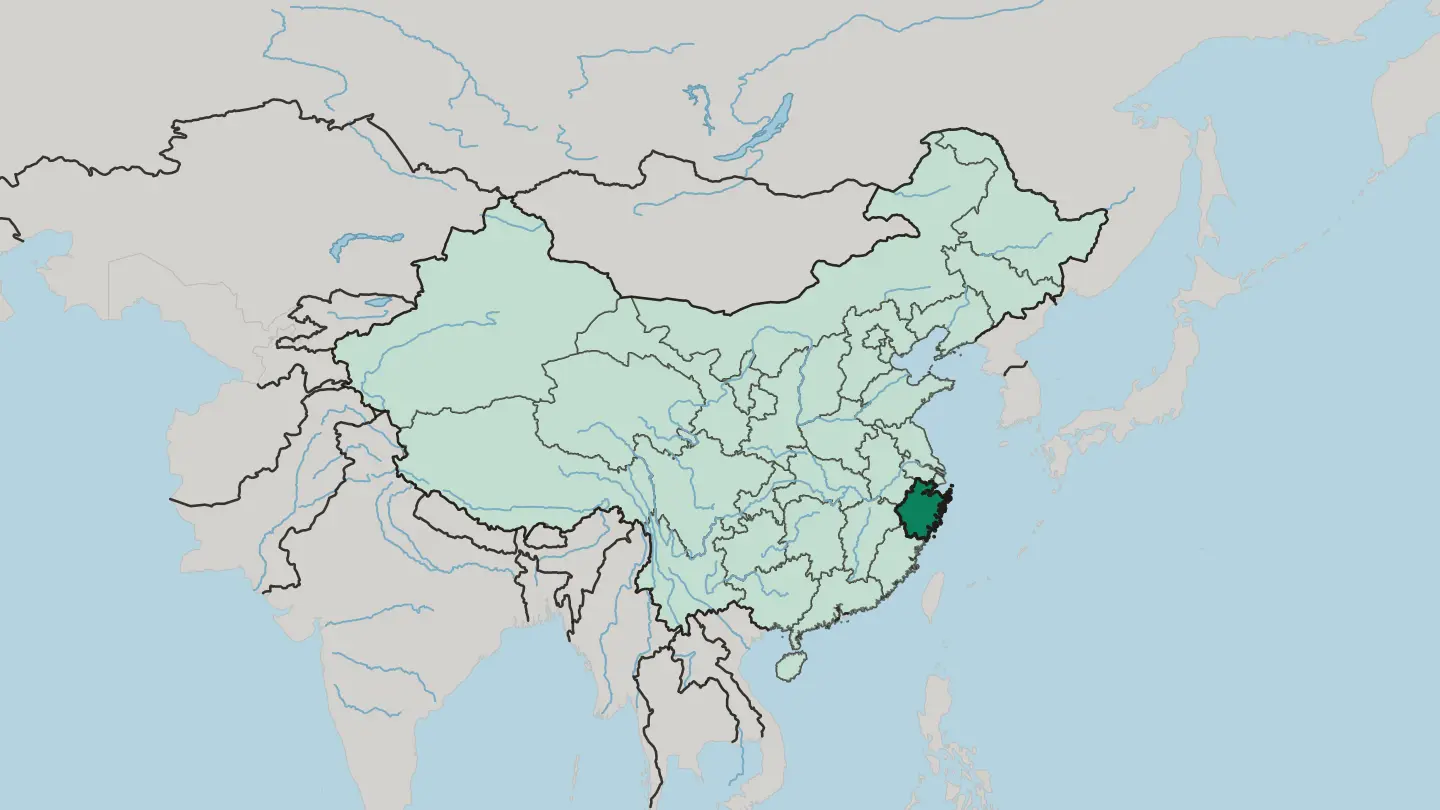
Explore by experience
Not sure which place? Start from how you want to travel.


About China
What is China known for?
China ranks among the world's oldest continuous civilizations, its dynasties leaving art, architecture, and engineering that still shape the country. The capital, Beijing, and the port of Shanghai anchor its modern cities. Its landscapes are famous too.
The karst hills of Guilin and the granite peaks of Huangshan have drawn painters and poets for generations, while the Yangtze and the Yellow River thread the interior. Beyond them lie deserts, forests, and the high wall of the Himalayas.
Where is China?
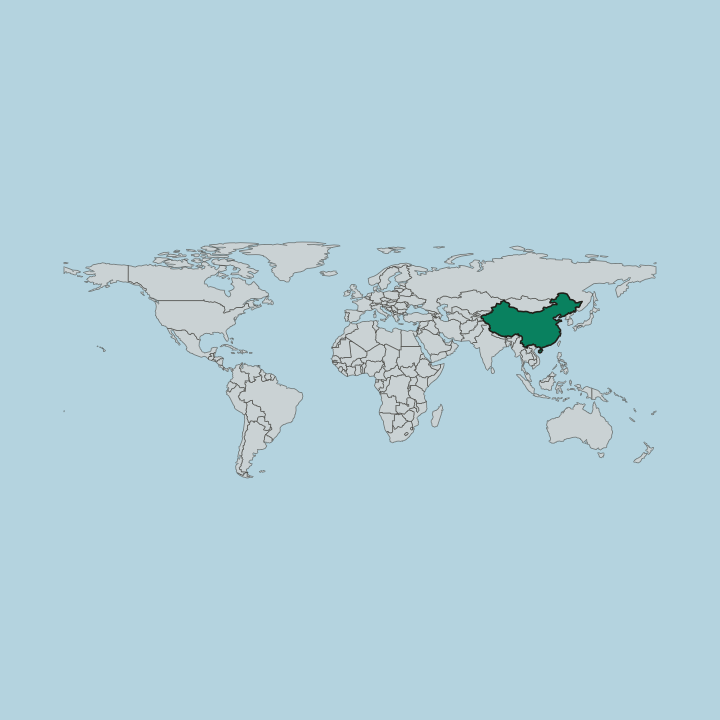
China is a country in East Asia and the third-largest in the world by area. Its land runs from the Pacific coast in the east deep into the interior of the continent, taking in the broad, fertile expanse of the Central Plain where much of the country's early history unfolded. Two great rivers order this space.
The Yangtze, the longest in the country, crosses the centre from the western highlands to the sea near Shanghai, while the Yellow River loops through the north past the old heartland. Between and beyond them lie deserts, subtropical and temperate forests, and long mountain ranges. The ground is far from uniform.
Desert and dry steppe stretch across much of the north and west, while a long Pacific coastline edges the east where the largest cities have grown. In the south-west the land climbs to the Himalayas, the highest mountains on earth, and the high plateau country that feeds the great rivers. The karst hills around Guilin and the granite peaks of Huangshan show the softer, sculpted end of this relief.
From coast to summit the range of terrain is vast.
What is the history of China?
China counts among the world's oldest continuous civilizations, its recorded past reaching back thousands of years. Much of that early history took shape on the Central Plain and along the Yellow River, the broad valley long treated as the country's cultural heartland. Successive dynasties rose and fell across the centuries.
They left the art, the architecture, and the feats of engineering that still stand from the imperial age, and they carried forward a set of ideas about the state that outlasted every change of ruler. The past is not distant here. It survives in the cities and temples, in place names, and in a written language that has stayed in daily use across millennia.
The great rivers tied distant regions together, carrying grain, people, and trade across a continental space. Trade and conquest widened the country's reach, and its inventions and craft travelled far beyond its borders. The modern state took its present form in 1949, when the People's Republic of China was proclaimed, closing the long imperial era.
What followed reshaped daily life across the country. From ancient plain to modern republic, the long thread is continuity.
What is China like?
China blends a deep classical inheritance with some of the most future-facing cities found anywhere on earth. Its history lives in people's thinking and values as much as in monuments, shaping ideas about family, learning, and the state that run through everyday life. Landscape sits at the culture's centre.
For generations the karst hills of Guilin and the granite peaks of Huangshan drew painters and poets, whose work fixed mountains and mist as the classic image of the country. Art, calligraphy, and architecture carry the same long line. The feats of engineering left by past dynasties remain sources of national pride.
Against all this stand the glass towers of Shanghai and Shenzhen, cities read almost as templates for the urban future. The old and the new are not really separate. A temple can sit in the shadow of a skyline, and both feel equally at home.
Rivers like the Yangtze run through the country's paintings, poetry, and sense of itself. Food, festivals, and craft shift markedly from one region to another. The culture reads as one country and many at once.
What is the climate of China?
China's climate is as broad as its map. The north and interior are temperate, with cold, dry winters and warm summers, while the south turns subtropical, warmer and far wetter. Deserts in the north-west are arid and swing hard between hot and cold.
High in the south-west, around the Himalayas and the plateau, the air stays cold and thin through the year. Monsoon winds bring the summer rains to the east. One country holds many climates.
How do you get to China?
Most visitors reach China through its major cities. Beijing, the capital, is the main entry point for the north, while Shanghai anchors arrivals on the east coast and Shenzhen serves the south. The country is continental in scale.
Crossing it means long internal journeys rather than a single hop, so many travellers fly or take the train between regions. Travellers pick the cities that match their route, then connect onward from there. Distances here are national, not local.
Good for
Updated September 2026