Colombia · Departamento de Bolívar
Where to Stay in Cartagena, Departamento de Bolívar
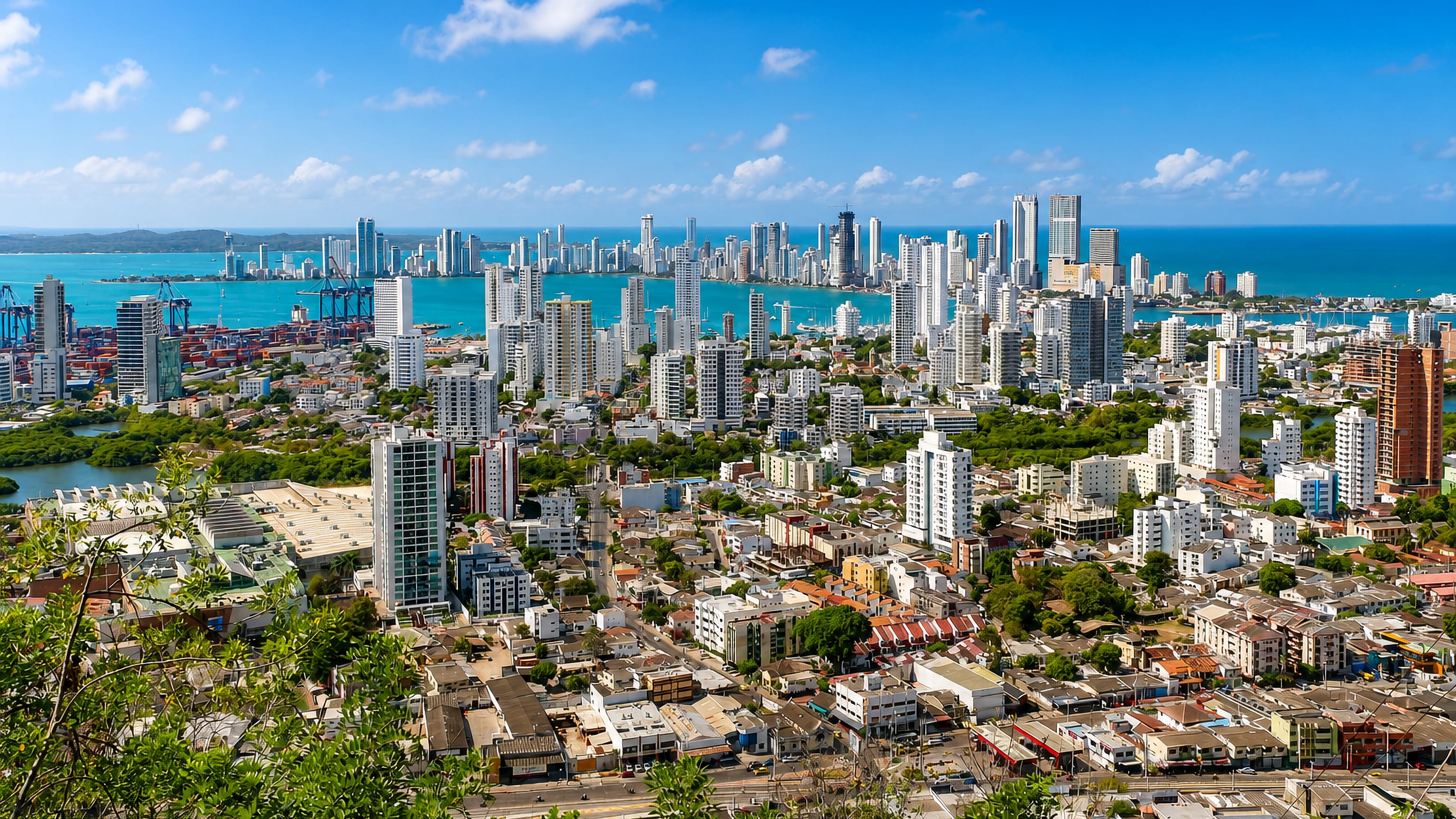
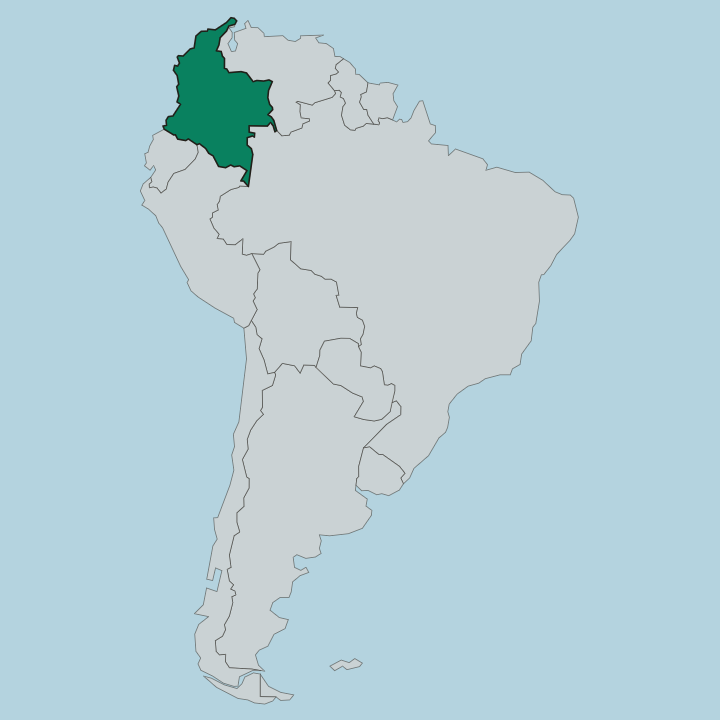
The Castillo de San Felipe de Barajas guards Cartagena, a city on Colombia's Caribbean coast founded in 1533 as Cartagena de Indias.
Hotel links are affiliate links: booking through them may earn us a commission, at no extra cost to you. It never affects how places are ranked. How this works


Where to stay in Cartagena
The right area depends on your trip — here's what each neighbourhood is best for.

 CartagenaColombia
El Cabrero
El Cabrero is a Cartagena neighbourhood on a strip between the Caribbean Sea and El Cabrero lagoon, just outside the walled Old City.Where to stay →CartagenaColombiaSector Antiguo de la ciudad de Cartagena de Indias
Sector Antiguo is the walled Old City of Cartagena, a grid of ramparts, plazas and churches on the Caribbean Sea.Where to stay →Hotel links are affiliate links: booking through them may earn us a commission, at no extra cost to you. It never affects how places are ranked. How this works
Find hotels in Cartagena
Direct booking searches for these neighbourhoods.
The Cartagena Cathedral quarter
The Cartagena Cathedral and the Iglesia de San Pedro Claver stand within the same short grid of the old city.Find hotels in The Cartagena Cathedral quarterOpen ground and quieter evenings away from the cathedral streetsAround the Castillo de San Felipe de Barajas
The Castillo de San Felipe de Barajas anchors a side of Cartagena that keeps its distance from the old centre.Find hotels in Around the Castillo de San Felipe de BarajasMornings split between the Zenú Gold Museum and the Museo Naval del CaribeThe museum circuit
The Zenú Gold Museum, the Museo Naval del Caribe and the Museo de Arte Moderno de Cartagena de Indias make one circuit of collections.Find hotels in The museum circuitHotel links are affiliate links: booking through them may earn us a commission, at no extra cost to you. It never affects how places are ranked. How this works
Things to do in Cartagena
Ranked by global recognition; descriptions from Wikidata (CC0).
Museums & Galleries
2- Zenú Gold Museum
- Museo de Arte Moderno de Cartagena de Indias
Churches & Religious Sites
2- Cartagena Cathedral, Colombia Heritage
- Iglesia de San Pedro Claver, Cartagena Heritage
Castles & Historic Sites
2- Castillo de San Felipe de Barajas Heritage
- Museo Naval del Caribe Heritage
worth knowingacross 3 categories in Cartagena
About Cartagena
What is Cartagena known for?
Cartagena is known for the Castillo de San Felipe de Barajas and the old centre around the Cartagena Cathedral. Spanish work on Caribbean ground. The Iglesia de San Pedro Claver stands in the same quarter of the city.
Three collections hold what the centuries left: goldwork at the Zenú Gold Museum, the sea at the Museo Naval del Caribe, and modern painting at the Museo de Arte Moderno de Cartagena de Indias.
What are the main landmarks in Cartagena?
Cartagena's landmarks are Spanish stone and the collections that came after it. The Castillo de San Felipe de Barajas is the military work, while the Cartagena Cathedral and the Iglesia de San Pedro Claver are the religious pair at the centre of the old city. Three museums carry the rest.
The Zenú Gold Museum holds the goldwork that carries the Zenú name, the Museo Naval del Caribe keeps the record of the sea, and the Museo de Arte Moderno de Cartagena de Indias takes the modern painting.
What is the history of Cartagena?
Cartagena was founded in 1533, and almost everything a visitor walks past was raised after that date. The Spanish named it Cartagena de Indias. Stone followed the name.
The Cartagena Cathedral and the Iglesia de San Pedro Claver belong to the church-building of the colonial centuries, while the Castillo de San Felipe de Barajas belongs to the military half of the same undertaking, put up to hold a coast that somebody else wanted. Defence shaped the plan. The names run one way.
Cartagena, Cartagena de Indias, the Iglesia de San Pedro Claver, and the Castillo de San Felipe de Barajas are all Spanish, and only one label on the city's map is not. What stood on this ground before 1533 survives in collections rather than in buildings, and the Zenú Gold Museum holds the goldwork that carries the Zenú name, a name that belongs to the coast rather than to the founders. The sea keeps its own record at the Museo Naval del Caribe.
Later Colombia arrives last of all, at the Museo de Arte Moderno de Cartagena de Indias, long after the founding year that opened the sequence.
Where is Cartagena?
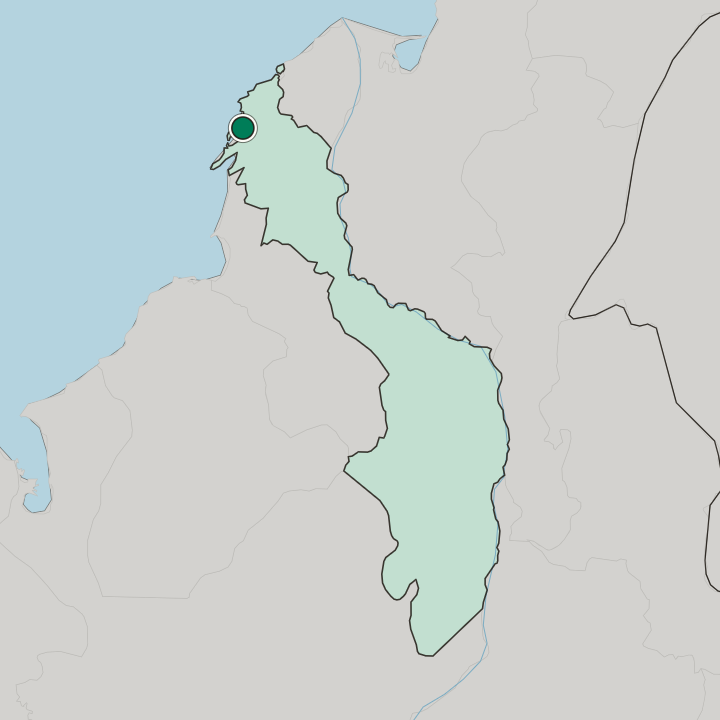
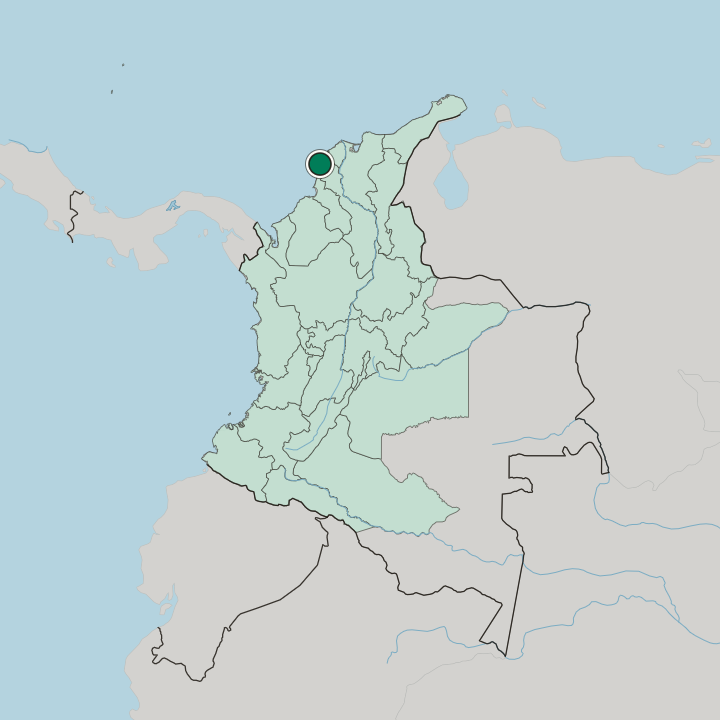
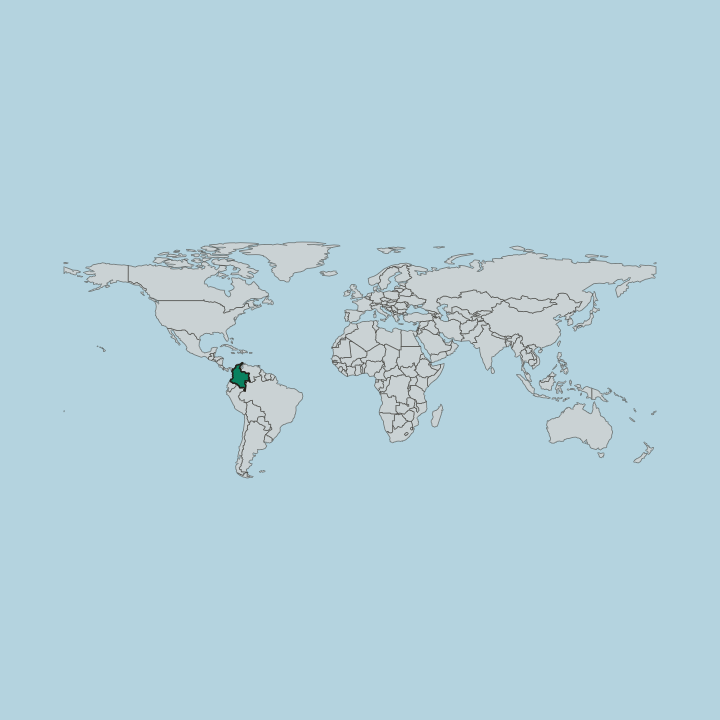
Cartagena stands on the Caribbean coast of Colombia, inside Departamento de Bolívar. Salt water dictates the layout. The old centre is compact and pressed up against the water, close enough that the Cartagena Cathedral, the Iglesia de San Pedro Claver, and the Zenú Gold Museum all fall inside the same short grid of streets, while the municipality carrying the city's name reaches far inland over low tropical ground.
The Castillo de San Felipe de Barajas stands back from the shore.
What is the climate of Cartagena?
The Caribbean sets the terms for Cartagena's year. The city lies in the tropics, so the calendar divides into wetter and drier stretches instead of into warm and cold ones, and the water offshore holds the nights close to the temperature of the days. Cold never comes.
Rain arrives by season rather than by week, and the stone of the Castillo de San Felipe de Barajas has stood through a long run of those seasons.
How do you get to Cartagena?
Cartagena is reached either off the water or across Departamento de Bolívar, and the two approaches have never been the same journey. The sea route is the older one. Everything the Museo Naval del Caribe records came in that way, and the old centre sits hard against the coast instead of at an inland crossroads.
The land route crosses low, hot country before it arrives. Both finish in the same few streets around the Cartagena Cathedral.
Common questions
What is the best area to stay in Cartagena?
The Cartagena Cathedral quarter: Reaching the Iglesia de San Pedro Claver on foot before the heat. Around the Castillo de San Felipe de Barajas: Open ground and quieter evenings away from the cathedral streets. The museum circuit: Mornings split between the Zenú Gold Museum and the Museo Naval del Caribe.
Good for
Updated October 2026