Colombia
Departamento de Bolívar, Colombia — Towns & Travel Guide
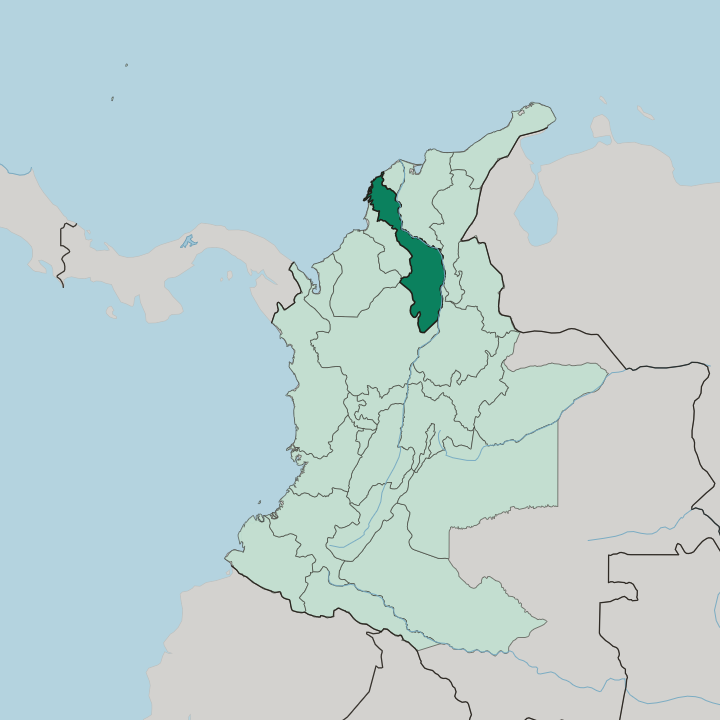
Bolívar stretches down northern Colombia from the walled city of Cartagena along the Magdalena River toward the interior.
Hotel links are affiliate links: booking through them may earn us a commission, at no extra cost to you. It never affects how places are ranked. How this works


Towns & cities in Departamento de Bolívar
One town here has its own guide — it links to where to stay.

 Colombia
Cartagena
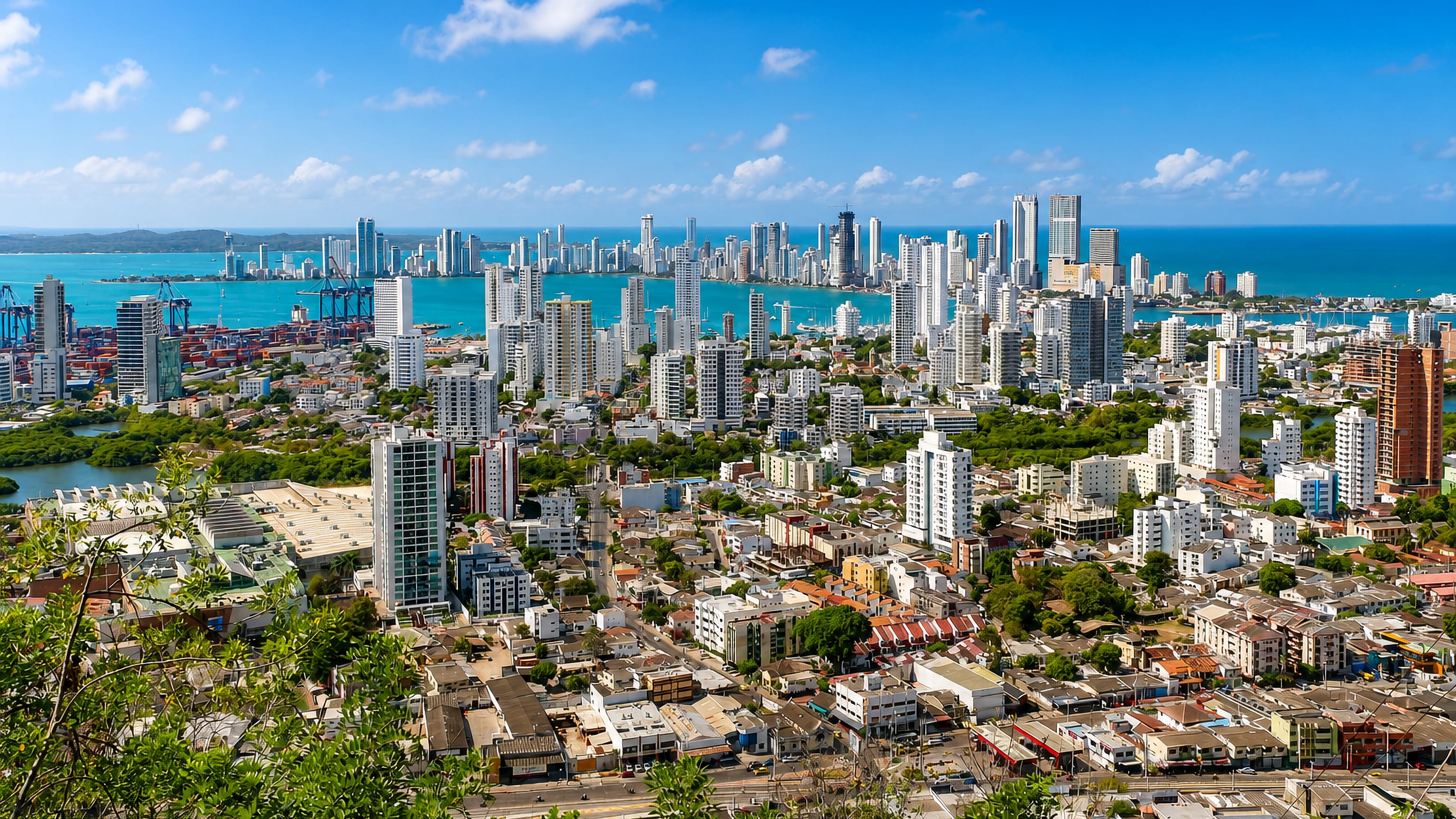
The Castillo de San Felipe de Barajas guards Cartagena, a city on Colombia's Caribbean coast founded in 1533 as Cartagena de Indias.Where to stay →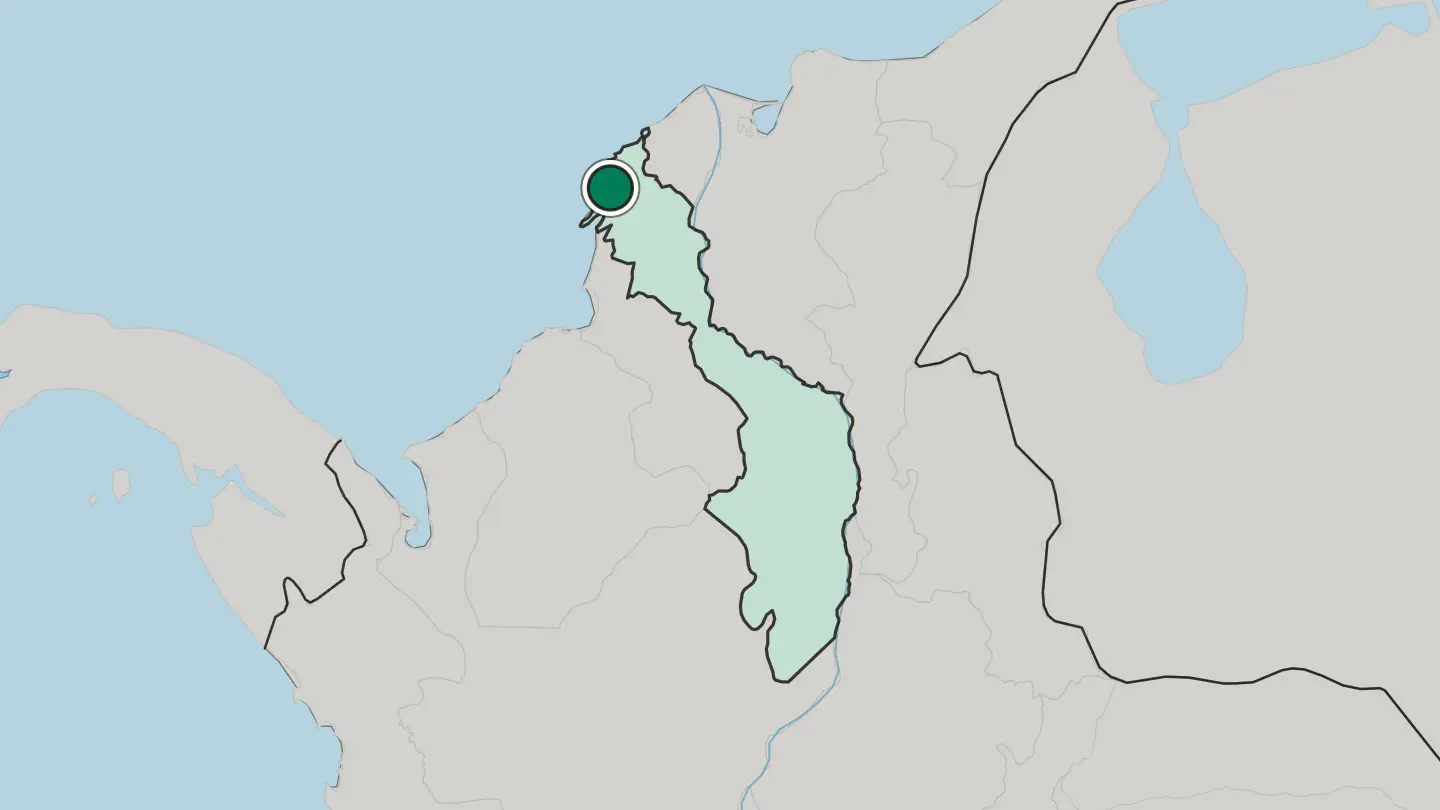
Hotel links are affiliate links: booking through them may earn us a commission, at no extra cost to you. It never affects how places are ranked. How this works
About Departamento de Bolívar
Cartagena is the reason most travellers come.
What is Departamento de Bolívar known for?
Its walled colonial core, guarded by the Castillo San Felipe de Barajas, was inscribed by UNESCO and anchors the whole department. Beyond the coast, Bolívar reaches inland along the Magdalena River to Santa Cruz de Mompox, a preserved river town that was among the first places in Colombia to break with Spain. The department also holds San Basilio de Palenque, founded by Africans who escaped slavery.
It is where the drums of champeta and bullerengue still play.
Where is Departamento de Bolívar?
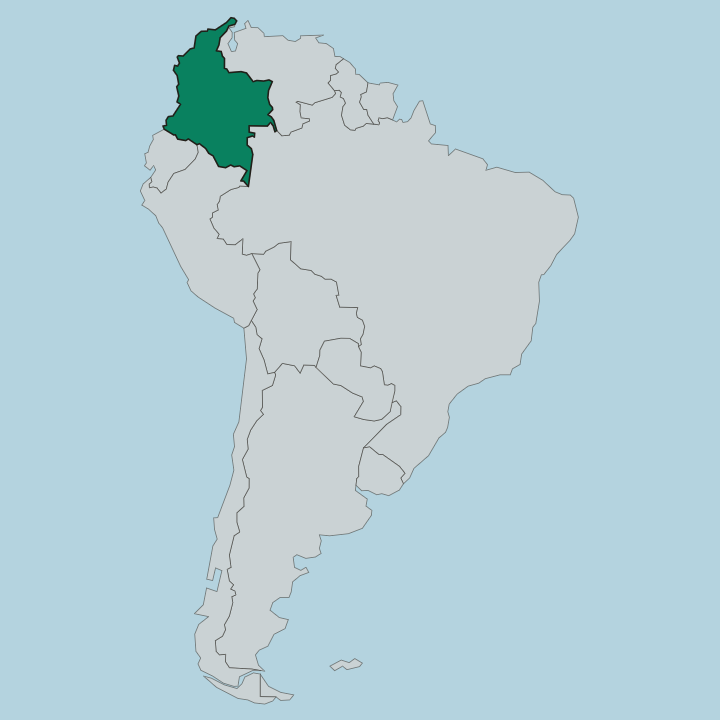
Bolívar occupies a long, narrow strip of northern Colombia, running from the Caribbean Sea deep into the country's interior. The department begins at the coast, where Cartagena sits near the sea. From there it stretches south for hundreds of kilometres, following the course of the Magdalena River, which forms much of its eastern boundary and carries the land's history along with its water.
That river is the axis. The Cauca River marks part of the western edge before swinging east to join the Magdalena near Magangué. Between the two great rivers lies the Momposina Depression, a vast basin of flat alluvial plains, swamps and seasonal wetlands where the water spreads out and floods with the rains.
Near the coast the ground lifts into the low ranges of the Montes de María. Most of Bolívar is hot, humid lowland. The Canal del Dique, a colonial-era channel dug in Spanish times, links Cartagena's bay to the Magdalena and traces part of the northern border.
Sucre and Córdoba lie west, Antioquia south, and the Magdalena Department across the river to the east. Water is never far off.
What is Departamento de Bolívar like?
Bolívar's culture is Caribbean and African at its root. The rhythms that define it come from drums. Champeta, bullerengue and mapalé grew out of African percussion carried across the Atlantic and reworked on this coast, and they still fill the streets of Cartagena and the towns along the Magdalena River.
Nowhere holds that inheritance more tightly than San Basilio de Palenque. Founded around 1600 by Africans who escaped slavery under the leader Benkos Biohó, it became the first free town in the Americas, and its people still speak Palenquero, a creole tongue found nowhere else. Faith and Spanish inheritance shape the department too.
The colonial churches of Cartagena and the old riverside houses of Santa Cruz de Mompox carry three centuries of that history in their stone and ironwork. Food ties it all together. Rice with coconut, fried fish and Cartagena ceviche draw on African, Indigenous and Middle Eastern kitchens that met on this coast.
The result is layered and specific to Bolívar. It is a coast that has kept what it inherited.
What is the history of Departamento de Bolívar?
This coast holds some of the oldest human traces in the Americas, where the Puerto Hormiga culture left the earliest known pottery on the continent. The Spanish came in 1533. Pedro de Heredia founded Cartagena on the site of the Indigenous village of Calamarí, and for three centuries the city stood as a fortified gateway of the Spanish Empire and a hub of its slave trade.
The department itself dates to 1857. It was carved from the former Cartagena Province and named for Simón Bolívar, whose independence campaign passed through Santa Cruz de Mompox on its way to freeing New Granada.
What is the climate of Departamento de Bolívar?
Bolívar is hot and humid the year round, a lowland tropical department where the temperature barely shifts between seasons. What changes is the rain. A dry stretch from December to April brings clear Caribbean skies to Cartagena and the coast, and it is the easiest time to travel.
The wetter months swell the Magdalena River and flood the low basins of the Momposina Depression inland, where the water spreads across the plains. The heat stays constant regardless.
How do you get to Departamento de Bolívar?
Cartagena is the way in for almost everyone. Its airport on the Caribbean coast carries direct flights from across Colombia and abroad, and the walled city lies minutes away. Reaching the interior takes longer.
Santa Cruz de Mompox sits far up the Magdalena River, hours by road and river crossing from the coast, with Magangué serving as the old port where the water traffic changes. Buses thread south down the department from Cartagena. The rivers themselves still carry travellers where the roads run thin.
Common questions
What is the best area to stay in Departamento de Bolívar?
Cartagena: a first visit to Bolívar. Santa Cruz de Mompox: the quiet inland river. Magangué: a river-crossing transit stop.
More regions in Colombia
- Distrito Capital de Bogotá
- Departamento de Antioquia
- Departamento del Valle del Cauca
- Departamento de Cundinamarca
- Departamento del Atlántico
- Departamento de Santander
- Departamento de Córdoba
- Departamento de Nariño
- Departamento de Norte de Santander
- Departamento del Cauca
- Departamento del Magdalena
- Departamento de Tolima
Updated September 2026