Colombia · Departamento de Boyacá
Where to Stay in Duitama, Departamento de Boyacá
Tundama Province governs from Duitama. Religious art, paleontology and the independence year 1819 each hold a museum in this Boyacá city.
Hotel links are affiliate links: booking through them may earn us a commission, at no extra cost to you. It never affects how places are ranked. How this works


Where to stay in Duitama
Where visitors usually base themselves, and why.
Everything sits close in Duitama. The blocks around the Museo de Arte Religioso de Duitama Julio Franco Arango put that collection, the Museo Cuna de la Libertad Ejército Nacional and the Estación del Ferrocarril Duitama within one walk, which is what a short Tundama Province stay usually needs. Rooms there suit travellers without a car.
If you want the Museo Paleontológico del Pantano de Vargas, or the marsh that names it, a vehicle changes the day. Bonza is the other option. Its stop on the old line, Estación del Ferrocarril Bonza, sits well away from the museums, and beds that way suit drivers moving between Tunja and Duitama more than anyone travelling on foot.
Supply thins fast. Bogotá lies 195 kilometres off and Tunja only 50, so many visitors treat Duitama as a night's base rather than a week's, which keeps the choice near the Museo Cuna de la Libertad Ejército Nacional simple. Parking matters here.
The Museo Paleontológico del Pantano de Vargas draws visitors out of the built-up streets, so a stay with space for a car pays off, and the same holds if the Pantano de Vargas itself is on the list. Duitama sits northeast of Tunja. That short hop makes a Departamento de Boyacá circuit workable from either end, and Boyacá rewards the traveller who treats Duitama as a stop rather than a detour.
Find hotels in Duitama
Direct booking searches for these neighbourhoods.
Museo de Arte Religioso quarter
The Museo de Arte Religioso de Duitama Julio Franco Arango and the Museo Cuna de la Libertad Ejército Nacional sit close enough to fit one morning.Find hotels in Museo de Arte Religioso quarterArrivals by road who want the old Duitama rail stop as their landmarkEstación del Ferrocarril Duitama
Streets by the Estación del Ferrocarril Duitama keep the centre and the Tundama Province offices inside a few blocks.Find hotels in Estación del Ferrocarril DuitamaDrivers using Estación del Ferrocarril Bonza and the run down to TunjaBonza
Bonza keeps its own stop on the old line, which suits anyone driving on toward Tunja or the Pantano de Vargas. Beds are limited here, so book early.Find hotels in BonzaHotel links are affiliate links: booking through them may earn us a commission, at no extra cost to you. It never affects how places are ranked. How this works
About Duitama
Three museums carry the load.
What is Duitama known for?
The Museo Paleontológico del Pantano de Vargas holds fossil material from the marsh that gives it its name, while the Museo Cuna de la Libertad Ejército Nacional takes its subject from the independence campaign of 1819. Religious painting and parish silver belong to the Museo de Arte Religioso de Duitama Julio Franco Arango. Estación del Ferrocarril Duitama and Estación del Ferrocarril Bonza mark the rail era.
What are the main landmarks in Duitama?
Three collections, two rail stops. The Museo Cuna de la Libertad Ejército Nacional and the Museo Paleontológico del Pantano de Vargas both point at the same ground, one at the fighting of 1819 and the other at the fossils beneath it. Religious painting sits in the Museo de Arte Religioso de Duitama Julio Franco Arango.
Estación del Ferrocarril Duitama and Estación del Ferrocarril Bonza mark where the line ran through Boyacá.
What is the history of Duitama?
Duitama dates its founding to 1819. That year explains the shape of the city's museums, since the Museo Cuna de la Libertad Ejército Nacional takes its name from the independence era rather than from any later chapter. Names carry the argument.
Tundama Province took Duitama as its capital, and that role has kept the city's records, parish art and civic collections concentrated in one place. The Museo de Arte Religioso de Duitama Julio Franco Arango holds the religious art of the district under one roof, which is the older strand of the city's memory and the quieter one. Rail came later.
Estación del Ferrocarril Duitama and Estación del Ferrocarril Bonza are the two names the railway left behind, one in the city itself and the other at Bonza. Fossils complete the set, since the Museo Paleontológico del Pantano de Vargas reaches back past every human date the other two museums observe. Where Duitama stands accounts for the rest.
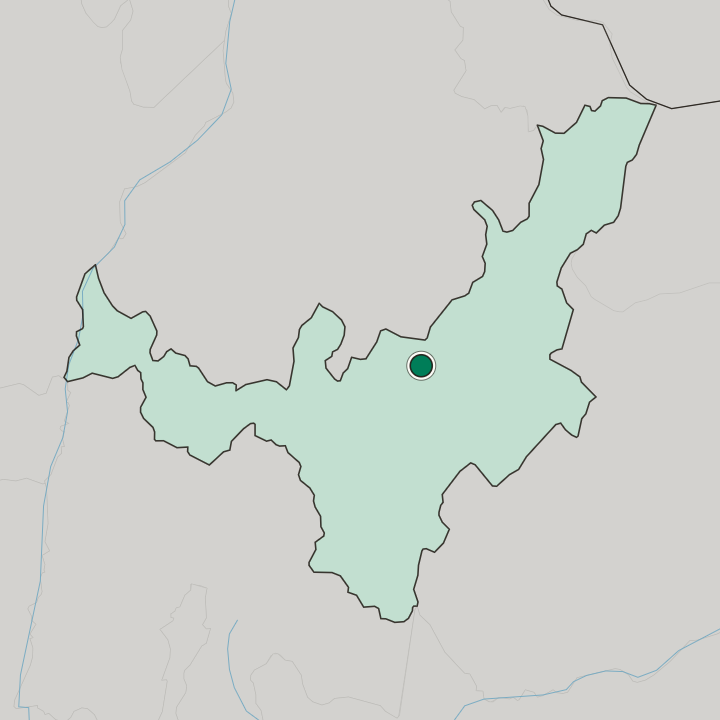
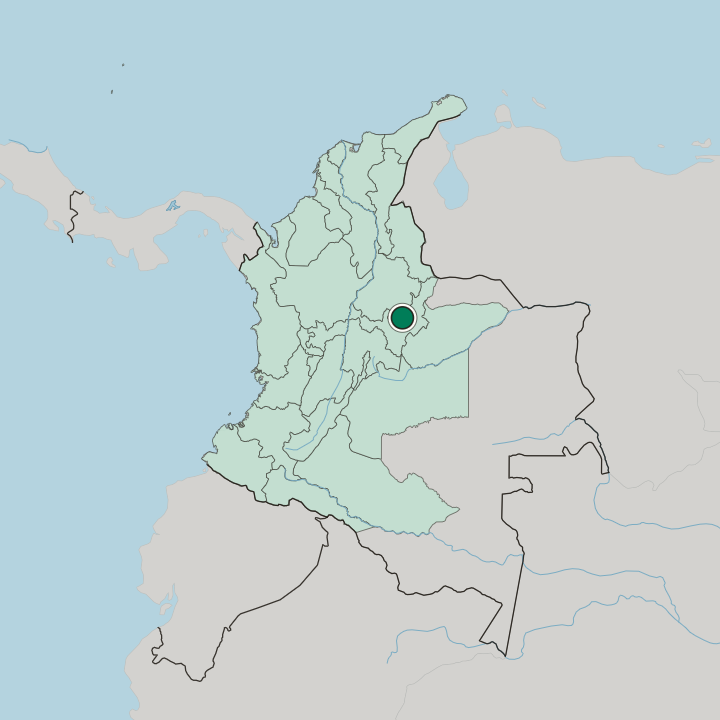
Duitama sits 195 kilometres northeast of Bogotá and only 50 northeast of Tunja, which puts the departmental capital within an easy day and the national one at a longer remove. Tundama kept its centre here. A provincial capital inside the Departamento de Boyacá, Duitama answers to Tunja on departmental matters while keeping the offices, museums and rail heritage of the Pantano de Vargas country to itself.
Where is Duitama?
Duitama covers about 267 square kilometres. The municipality lies in the tropics north of the equator, and its ground runs from the built-up centre out toward the Pantano de Vargas, the marsh that lends its name to the city's paleontological museum. Tunja is 50 kilometres off.
Bogotá sits 195 kilometres away, far enough that the Tundama Province around Duitama keeps its own centre of gravity within the Departamento de Boyacá.
What is the climate of Duitama?
Tropical, and north of the equator. That position keeps day length close to even through the year, so the calendar in Duitama turns on rainfall rather than on any swing between a hot season and a cold one. Museum days work in any month.
Trips out to the Pantano de Vargas are the ones that care about weather, since open marsh ground and a paleontological site both read differently under sustained rain than under sun.
How do you get to Duitama?
Nearly every arrival here is by road. Duitama lies 195 kilometres northeast of Bogotá and 50 kilometres northeast of Tunja, which makes Tunja a short run and Bogotá the longer leg of the same journey. The old line still shows.
Estación del Ferrocarril Duitama stands in the city and Estación del Ferrocarril Bonza at Bonza, the two fixed points the railway age left across this part of the Departamento de Boyacá.
Common questions
What is the best area to stay in Duitama?
Museo de Arte Religioso quarter: Walkers pairing the Julio Franco Arango collection with the Cuna de la Libertad rooms. Estación del Ferrocarril Duitama: Arrivals by road who want the old Duitama rail stop as their landmark. Bonza: Drivers using Estación del Ferrocarril Bonza and the run down to Tunja.
Good for
More cities in Departamento de Boyacá
Updated September 2026